How to Grow and Care for Jalapeño Peppers
Grow jalapeños with practical advice on sowing, warm-weather transplanting, containers, watering, feeding, fruiting problems, and harvest timing.
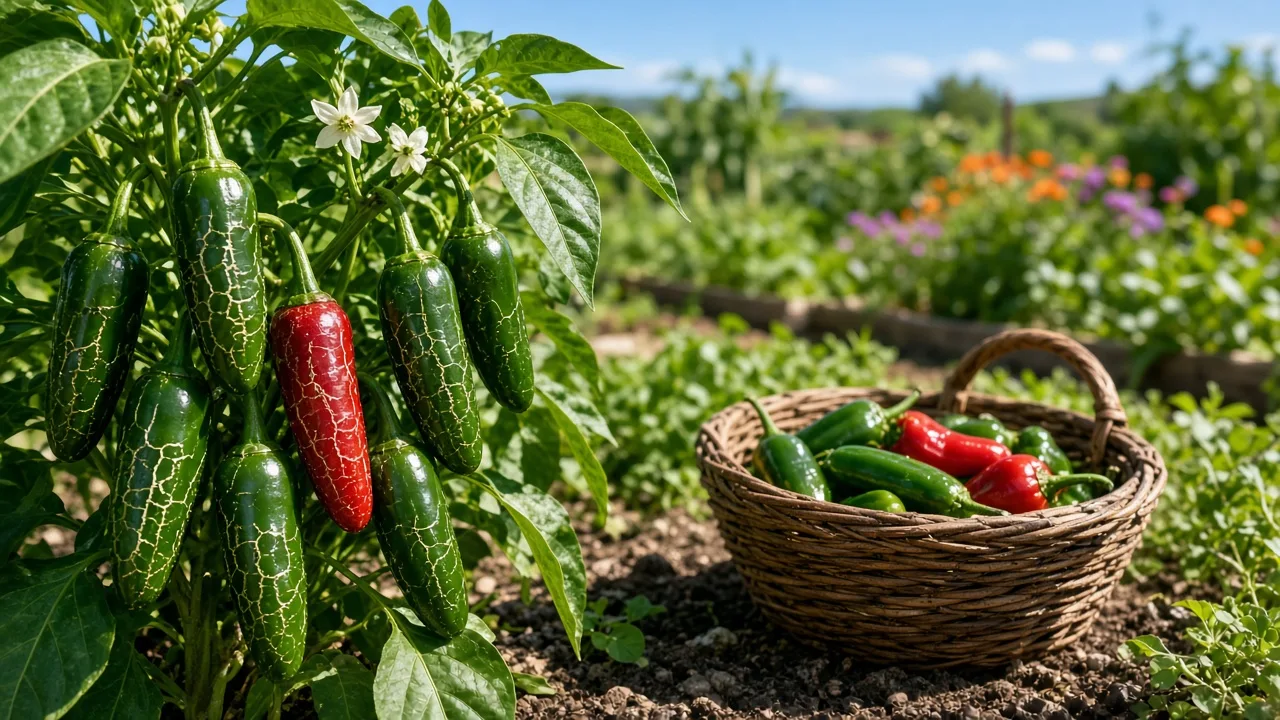
Jalapeños are warm-season peppers that can produce for weeks once their roots settle in and the weather stays warm. The two decisions that prevent the most frustration are simple: wait to plant until both the soil and nights are warm enough, and keep the root zone evenly moist without leaving it waterlogged. From there, sunlight, a sensible feeding plan, and regular picking matter more than elaborate pruning or specialty products.
You can grow one plant in a garden bed, raised bed, or patio pot. Starting from seed gives you more variety and control, while a sturdy nursery transplant is the easier choice if your season is short. The guidance below covers both paths and explains how to respond when a plant looks healthy but refuses to set fruit.
Understand the Crop Before You Plant
Jalapeños are cultivars of Capsicum annuum, the same broad species that includes bell peppers and many other chiles. They are tender warm-season perennials in frost-free climates, but gardeners in most regions grow them as annual vegetables because frost ends outdoor growth. A plant often reaches roughly two to three feet, though cultivar, pot size, light, and season length change its final size.
A pepper plant grows leaves and branching stems first, then produces small flowers that become fruit after pollination. It may take several months from sowing to the first mature peppers because the seedling stage is slow and the plant needs warm weather after transplanting. Count the seed packet’s “days to maturity” from the stage specified by that seed company—often transplanting—not automatically from the day you sow.
University of Minnesota Extension gives general pepper-growing guidance; local frost timing and the cultivar’s maturity window are more useful than a single national calendar date.
Think of the season as a sequence: start seeds early enough, wait for safe transplant weather, build a strong leafy plant, then protect flowering and fruiting from moisture swings and temperature extremes. A plant that is small or stressed may flower before it can support fruit. It is often better to remove a few early blossoms from a tiny transplant and let it establish than to push it with extra fertilizer.
Choose a Cultivar That Fits Your Season
Seed catalogs may offer early, large-fruited, mild, or hotter jalapeño selections. Choose first by days to maturity and local season length, then by fruit size and heat.
If your summers are short, look for an early cultivar and buy transplants if seed starting would put you behind. In a long, warm season, you have more flexibility to try a slower cultivar or grow from seed.
Heat varies from fruit to fruit and plant to plant, so a cultivar description is a guide rather than a promise. Colorado State University’s Food Source Information describes jalapeños as ranging broadly on the Scoville scale and lists named forms such as Mucho Nacho and Señorita, which differ in fruit and maturity traits.
The cultivar may matter, but growing conditions and harvest stage do not translate into a dependable “make it hotter” recipe. Epic Gardening’s jalapeño guide also notes the range in reported heat and the importance of starting seeds well ahead of outdoor planting.
If you are choosing between a seed packet and a transplant, consider your setup rather than assuming one is superior. Seeds are economical and provide more options, but they need warmth, light, and indoor space for several weeks. A transplant costs more, yet it can shorten the wait and is often the safer route where summer arrives late or ends early.
Start Jalapeños From Seed Indoors
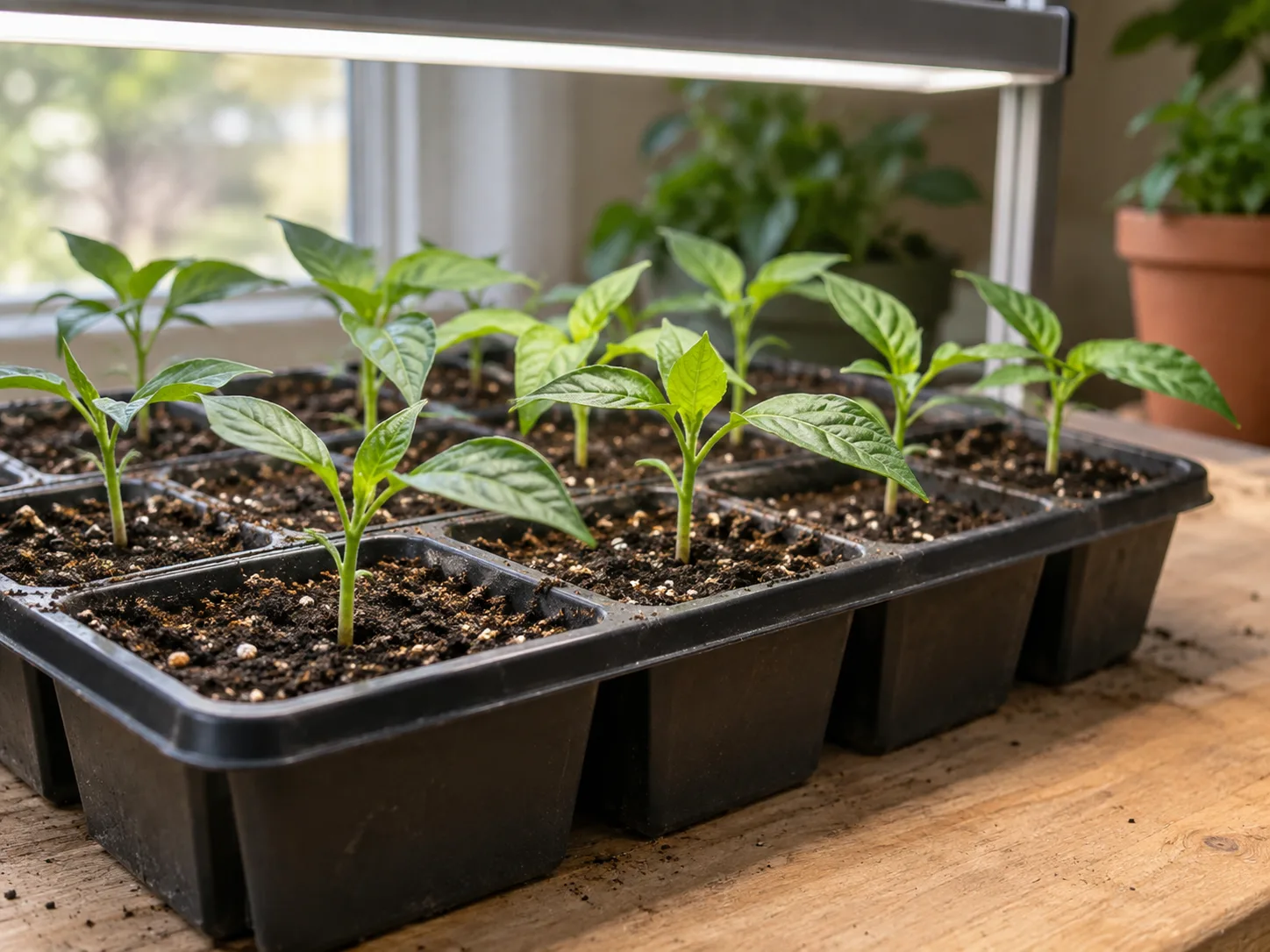
Start seeds about eight to ten weeks before you expect to transplant them outside. For many gardeners, that means counting backward from a date after the average last frost, not from the first warm afternoon in spring. Starting much earlier can create tall, root-bound plants that outgrow their indoor light and containers before outdoor conditions are ready.
Use clean seed trays or small pots with drainage holes and fresh seed-starting mix. Sow seeds about a quarter inch deep, moisten the mix, and keep it warm.
A heated seed mat can help when the room is cool, but a thermostat or careful monitoring matters: warmth should support germination, not bake the mix dry. The seed surface should stay evenly moist, never submerged or crusted.
Keep Germination Warm and Evenly Moist
Pepper seeds germinate slowly in cool conditions and unevenly if the tray swings between dry and soaked. Aim for warm mix in the mid-70s to mid-80s Fahrenheit; Southern Living’s recent jalapeño growing guidance places seed starting in that range and reports sprouts commonly appearing within about 10 to 21 days. Germination time varies by seed freshness, temperature, and moisture, so do not discard a tray just because some cells lag behind.
Once seedlings emerge, remove any humidity cover and give them bright light right away. A sunny window may not provide enough intensity through winter glass, especially if the seedlings lean toward it or develop long, weak stems. A grow light positioned close enough to illuminate the leaves evenly keeps growth compact; adjust it as plants grow and give the seedlings a consistent daily light period.
Pot Up Seedlings and Give Them Strong Light
Move a seedling into its own small pot once it has true leaves and roots that hold the plug together. The first pair of smooth leaves are seed leaves; the next leaves look more like the adult pepper foliage. Handle the root ball gently and bury the stem no deeper than it grew before unless the seedling is unusually leggy and the mix drains reliably.
Keep the mix lightly moist while roots expand, and avoid leaving water in a tray for hours. If seedlings become pale or growth slows after potting up, check light, temperature, and root moisture before feeding. A weak diluted fertilizer can be useful if the potting mix contains little nutrition, but feeding a stressed seedling will not compensate for cold roots or dim light.
When seedlings are several inches tall, sturdy, and actively growing, prepare them for outdoor life. Do not set indoor-grown plants directly into full midday sun; sudden exposure can scorch leaves even when the air feels mild.
Harden Off and Transplant After Cold Danger
Harden off seedlings over roughly a week or longer by placing them outdoors in a sheltered, shaded spot for a short period, then gradually increasing their time in sunlight and exposure to wind. Bring them inside if a cold night is forecast. This gradual transition reduces sun and wind stress, which can stall growth just when the plant should be building roots.
Transplant after frost danger has passed and nights are reliably warm—around 60°F or higher is a useful guide for peppers. Soil temperature matters too: cold soil can leave a transplant sitting still even when daytime air feels pleasant. Southern Living advises waiting until soil reaches about 65°F and notes that cold nights can trigger blossom drop; the exact calendar date varies by region and site.
Choose a cloudy day or late afternoon for planting, water the root ball first, and set the plant at about the same depth it occupied in its pot. Space plants around 18 inches apart as a practical starting point, allowing more room for larger cultivars and tighter spacing only where airflow remains good.
Water each transplant thoroughly, then monitor it for several days instead of applying fertilizer immediately. A temporary pause in growth is normal; persistent wilting in moist soil is not, and may signal damaged roots or poor drainage.
Pick a Sunny, Well-Drained Growing Site
Jalapeños need at least six to eight hours of direct sun for compact growth and dependable flowering. Choose a location that is sunny early in the season and remains bright as nearby trees leaf out. In very hot, dry areas, a little protection from harsh late-afternoon sun can reduce rapid drying, but deep shade usually trades fruit production for stretched stems and fewer flowers.
Good drainage is as important as fertility. Pepper roots need air as well as moisture, so heavy soil that stays saturated after rain is a poor site unless you can improve the bed or use a raised bed.
Work mature compost into the planting area if the soil is low in organic matter, and avoid adding large amounts of fresh manure or fertilizer without a soil test. A slightly acidic to near-neutral soil is suitable; correcting pH is worth doing when a test shows a real issue, not as a routine ritual.
Give plants enough airflow and avoid repeatedly planting peppers, tomatoes, potatoes, or eggplant in the same small bed where disease problems have occurred. These crops share some pests and diseases, although simply separating them across a yard does not guarantee protection.
Rotate the crop family when practical, remove diseased debris, and water the soil instead of wetting leaves late in the day. Maryland and Minnesota extension guidance both emphasize warm conditions, sun, drainage, and consistent moisture as the foundation for growing peppers.
Grow Jalapeños Successfully in Containers
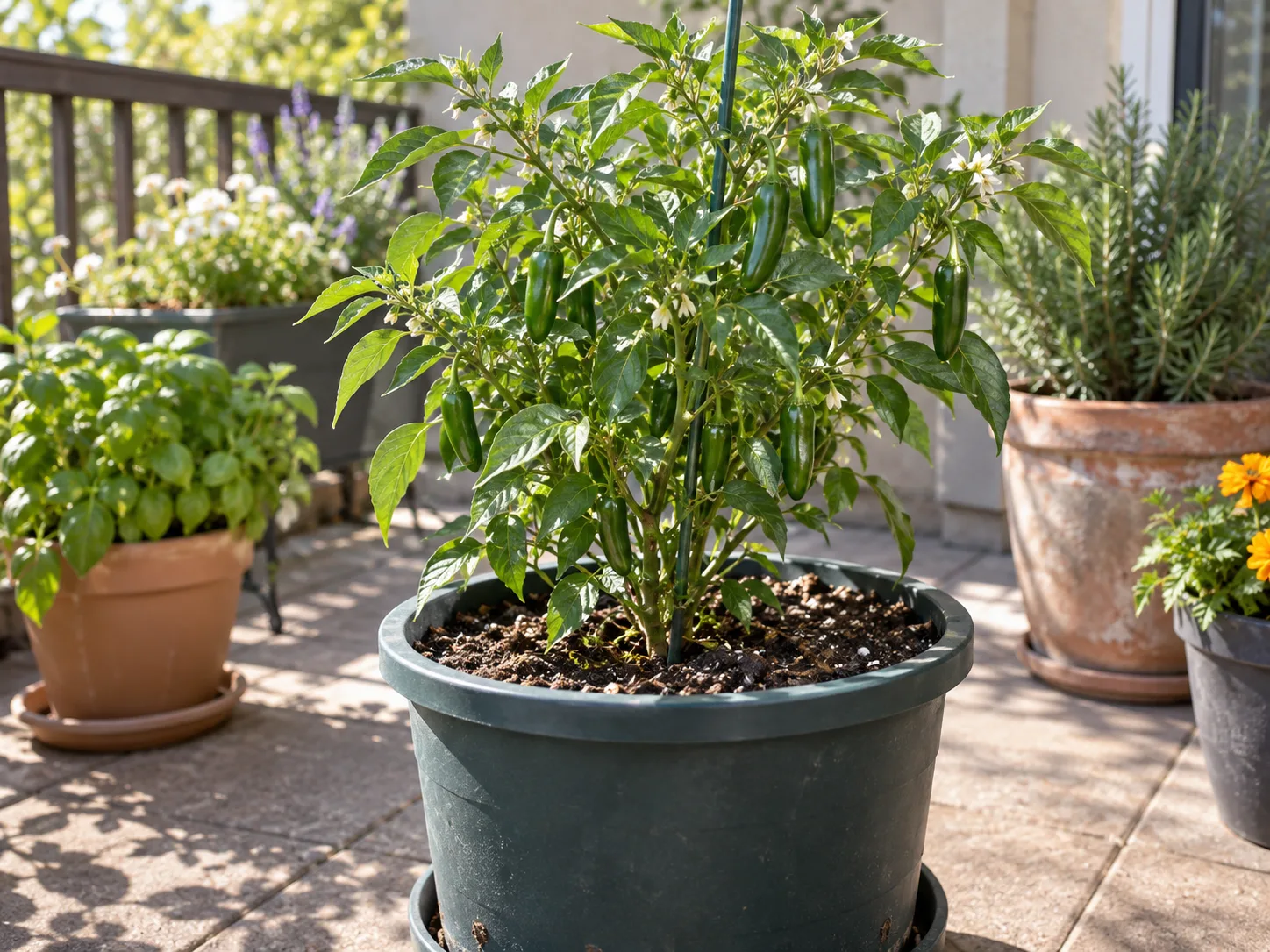
A patio pot is useful when garden soil drains poorly, space is limited, or you want to move a plant out of cold wind. Start with one jalapeño in a container of about five gallons, roughly 12 to 14 inches wide, with several unobstructed drainage holes. A smaller pot can keep a plant alive, but it dries quickly and leaves less room for roots, so it is less forgiving in summer heat.
Fill the pot with fresh, high-quality container mix rather than garden soil. Garden soil tends to compact in a pot, slowing drainage and reducing oxygen around roots.
Set the plant at the same depth, press the mix gently around the root ball, and water until excess drains freely. Elevate the pot slightly if it sits on a flat surface that blocks holes, and empty any saucer after watering.
Container plants need more frequent checks than in-ground plants because a small volume of mix heats and dries faster. A dark pot in full afternoon sun may need water much more often than a shaded clay pot, while a self-watering reservoir can stay too wet in cool weather. Check the mix with a finger or moisture probe a short distance below the surface; water thoroughly when the root zone is beginning to dry, then allow the excess to drain.
Southern Living recommends a larger container for sustained growth and describes peppers as suitable for patio pots; its five-gallon baseline is a practical starting point, not a guarantee of a specific harvest. If a plant wilts every afternoon, roots circle densely at the drainage holes, or water runs down the sides without wetting the center, step up one pot size and refresh the mix. Do not crowd several full-size jalapeños into one small container to save space; competition for light, water, and nutrients usually costs more than the extra plant provides.
Water for Steady Growth and Fruit Set
Keep the root zone evenly moist, especially while the plant flowers and fruit enlarges. “Evenly moist” does not mean constantly wet. Let the upper layer begin to dry, then water deeply enough to wet the root ball and surrounding soil; shallow sips encourage roots to remain near the surface, where they dry fastest.
Rainfall, wind, temperature, soil texture, mulch, and pot size all change how often a plant needs water. Southern Living gives one to two inches per week as a broad in-ground reference, but a weekly total is not a schedule for every garden.
In sandy beds and small containers, water may be needed more often; in cool, heavy soil, adding more can suffocate roots. Check the actual soil before watering rather than following a fixed “every day” rule.
Water near the soil line in the morning when possible. Drip irrigation or a watering wand aimed at the base keeps foliage drier and makes it easier to deliver water slowly.
A layer of organic mulch helps stabilize moisture after the soil has warmed, but keep it slightly away from the stem. During a heat wave, check pots in the morning and again later if they are small; if a plant wilts only in peak heat but recovers by evening, it may need shade or a larger root volume rather than repeated flooding.
Feed Lightly and Prune Only With a Reason
Prepare garden soil with compost and follow a soil test if you need to correct fertility. In containers, choose a potting mix intended for vegetables and use a balanced fertilizer according to its label. A slow-release product can reduce the need for frequent feeding, while liquid fertilizer may be easier to control in a small pot; either approach works only if you apply the amount and interval on the package.
Once the plant is established, avoid feeding so heavily with nitrogen that it makes lush leaves at the expense of flowers. If foliage is very dark and abundant but the plant has few flowers, pause the fertilizer and check light, temperature, and root health before adding another dose. Conversely, pale older leaves and weak growth can have several causes, including nutrient shortage, waterlogged roots, or cold soil; a fertilizer application is not a diagnosis.
Most jalapeño plants do not need routine pruning. Remove broken, dead, or diseased growth with clean shears, and consider a small stake or cage if a heavily loaded branch bends or breaks in wind.
You can pinch a few early blossoms from a tiny, newly transplanted plant if it is still establishing, but avoid stripping flowers from a healthy, growing plant in hopes of forcing a larger harvest. The plant needs healthy leaves to power fruit.
Help Flowers Set Fruit
Pepper flowers contain both male and female parts and generally pollinate themselves, with air movement helping transfer pollen. Outdoor wind and visiting insects are often enough. Indoors or on a sheltered balcony, gently tapping a flowering branch or running a small fan nearby can move pollen when the air is still; do this while flowers are dry and avoid shaking the plant hard enough to damage stems.
Temperature can matter more than pollinator presence. Jalapeños may drop flowers when nights remain cool or daytime heat becomes excessive; Southern Living notes that blossom shedding and a pause in fruiting can occur when temperatures climb above about 90°F, while cold nights can also disrupt flowering.
If the plant is otherwise healthy, do not react to a few dropped flowers by doubling the fertilizer. First check the forecast, root-zone moisture, and whether the plant is getting enough direct light.
A modest fruit set during a hot spell is not necessarily a permanent failure. Keep watering consistently, maintain airflow, and wait for a stretch of more moderate weather. In a container, move the pot out of reflected heat from pavement or a south-facing wall if it is baking; in a garden bed, a temporary light shade cloth during the hottest afternoon hours can protect flowers without leaving the plant in shade all day.
Diagnose Common Growing Problems
Look at the whole pattern before treating a jalapeño problem. Ask whether the plant is in a pot or bed, whether the issue began after a heat wave or heavy rain, whether new leaves or old leaves are affected first, and whether damage appears on one branch or the entire plant. These clues help separate water or temperature stress from pests and disease.
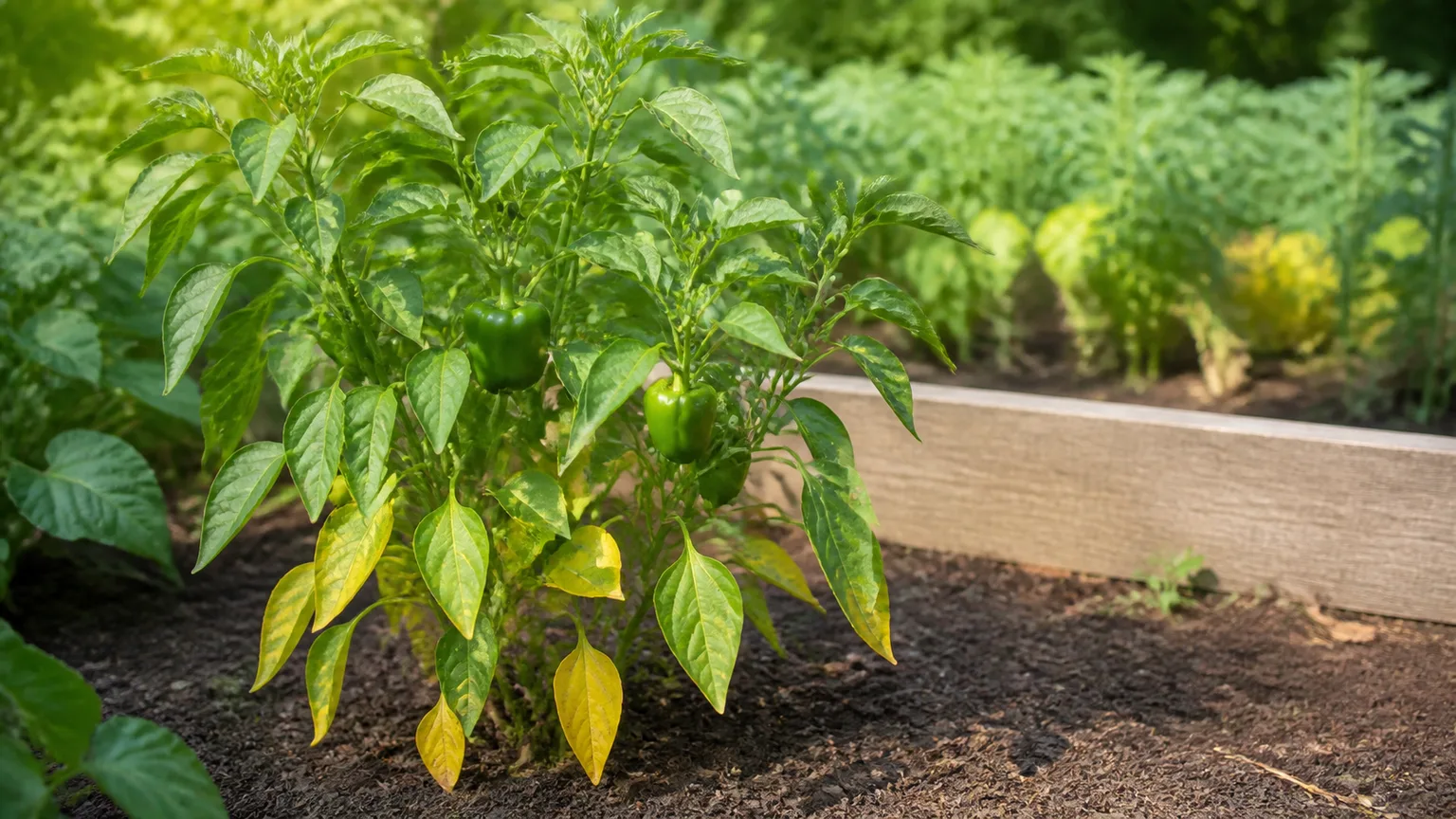
Check Conditions When Flowers Drop or Fruit Stalls
If flowers drop before fruit forms, check temperature first, then moisture and plant vigor. Cold nights, very hot days, drought, waterlogged roots, a recent transplant, or too much shade can all interfere with fruit set. A plant that is still small may also be directing energy toward roots and leaves; if it carries a heavy first flush of fruit while undersized, remove a few fruits rather than stripping every flower.
If the plant grows leaves but has few flowers, verify it receives enough direct sun and stop applying excess nitrogen. If it flowers but produces no fruit on a sheltered porch, improve gentle air movement and tap the stems during bloom. If the blossoms set tiny fruit that shrivel, check for severe water swings or heat stress and confirm the plant has not been crowded by a larger neighbor.
Sunken dark patches at the blossom end of a pepper can be blossom-end rot, a physiological disorder linked to inconsistent water uptake rather than proof that the soil contains no calcium. Maintain steady moisture and avoid damaging roots; adding calcium without evidence may not fix the problem.
Pale, papery patches on the side of a fruit facing strong sun suggest sunscald, so keep enough foliage over the peppers and avoid unnecessary pruning. Southern Living’s jalapeño guide distinguishes these issues and recommends consistent moisture as a first response to blossom-end rot.
Separate Pests, Disease, and Sun or Water Damage
Inspect the underside of leaves and the newest growth for aphids, mites, or thrips, and look for chewing holes, frass, or caterpillars before reaching for a spray. A small aphid colony can often be dislodged with a firm stream of water; remove a few badly infested leaves and recheck the plant in a couple of days. Avoid spraying flowers indiscriminately, because some products can harm pollinators and beneficial insects.
Yellow leaves alone do not identify a disease. Older lower leaves may yellow after overwatering, nutrient stress, or normal aging, while spreading spots, streaks, distorted new growth, or wilting despite moist soil raise more concern. Check drainage and roots, remove fallen debris, and avoid handling wet plants; if symptoms spread quickly or affect several pepper-family plants, ask a local extension office to help identify the cause before applying a pesticide or fungicide.
Colorado State University’s jalapeño food-safety and production overview describes the crop’s warm-season needs and notes that water and handling can affect pepper quality. For any pesticide used on an edible crop, the product label must list the crop or intended use, and you must follow its rate, protective equipment, pollinator precautions, and harvest interval. Do not use a homemade or ornamental-plant treatment on edible peppers unless its label specifically permits that use.
Harvest Green Jalapeños or Let Them Ripen Red
Harvest when the peppers are firm, full-size for their cultivar, and glossy. Many gardeners pick jalapeños green because they are ready to use before the plant’s final ripening stage.
If left on the plant, mature fruit turns red; it is also edible and often tastes sweeter, with heat that can vary by cultivar and growing conditions. Redness is a ripeness cue, not a reliable heat meter.
Pick regularly once the plant is producing. Removing mature fruit frees the plant to keep supporting new flowers and fruit, while leaving a few peppers to ripen is useful if you prefer red fruit or want seed from an open-pollinated variety. Do not wait for every pepper to change color before harvesting any; a plant can carry fruit at different stages at once.
Cut Fruit Cleanly and Store It Promptly
Use clean hand pruners or scissors to cut the stem rather than pulling or twisting the pepper. The branches can snap under a sideways tug, especially when loaded with fruit. Colorado State University’s food resource explains that capsaicin is concentrated in the pale inner tissue around the seeds, not made by the seeds themselves; if you are sensitive to pepper oils, wear gloves while harvesting and avoid touching your eyes or face.
Bring harvested peppers inside promptly, discard bruised or rotting fruit, and rinse them under clean running water before eating or cutting. Dry them before refrigerating and use them within about a week for the best texture; peppers can also be frozen or preserved using a tested recipe.
Keep cut jalapeños covered and chilled, and clean knives, boards, and hands after handling them. For a large harvest, pick in stages instead of letting fruit sit exposed on the plant through heat, rain, or an approaching frost.
Keep a Plant for Another Year
In frost-free regions, jalapeños can persist as short-lived perennials, but most gardeners in cold-winter climates treat them as annuals. Overwintering is an optional project, not a requirement for a successful crop. It can save a favored cultivar and give you a larger plant next season, but an indoor plant needs enough light and pest inspection to justify the space.
Before frost, choose a healthy plant without obvious disease, inspect the undersides of leaves for pests, and move it to a clean container if it has been growing in the ground. A bright window or grow light supports active growth; a cool, dim room may cause leaf drop and weak shoots.
Water less as growth slows, but do not let the root ball become bone dry for months. In spring, increase watering and light gradually, then harden the plant off before returning it outdoors after cold danger has passed.
If the plant is already diseased, heavily infested, or difficult to keep bright indoors, discard it and start again from seed or a new transplant. That is often simpler and safer than bringing garden pests into a room full of houseplants. Southern Living’s jalapeño growing guide describes overwintering as an optional way to keep a favorite mature plant; compare that effort with the cost and timing of starting fresh.
Conclusion
Give jalapeños a warm start, full sun, loose well-drained soil, and steady—not excessive—water. Choose a cultivar that can finish within your local season, use a five-gallon pot for a forgiving container baseline, and delay outdoor planting until frost danger is over and nights are warm. When growth stalls, check light, root moisture, and temperature before feeding or spraying; when fruit is firm and full-size, cut it cleanly whether you want it green or fully red.



