How to Grow and Care for Peace Lily Plants
Grow a healthier peace lily with extension-backed light, watering, soil, humidity, and bloom tips—plus fixes for yellow leaves, brown tips, and droop.
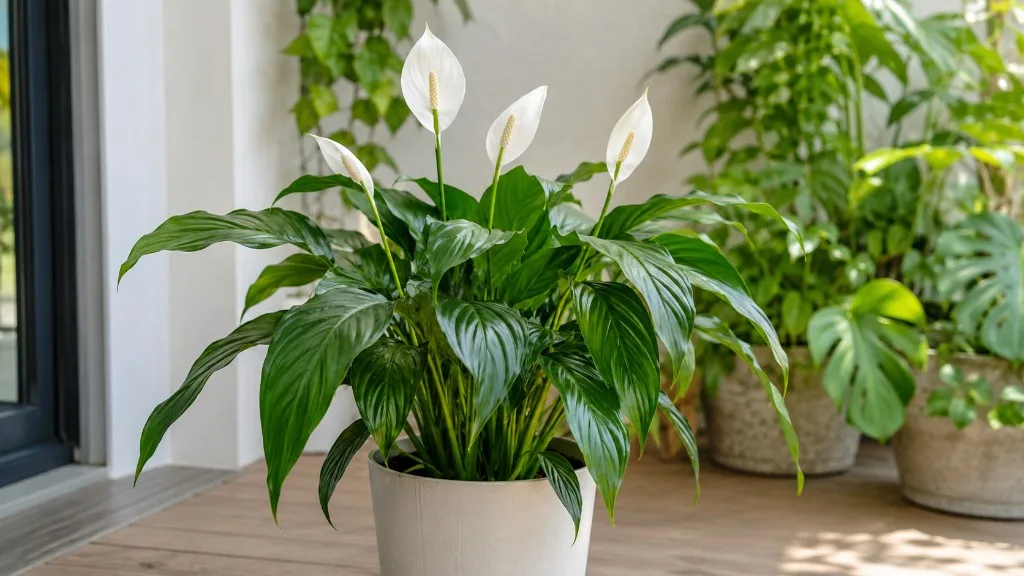
A peace lily (Spathiphyllum) is sold as an easy houseplant because it survives office fluorescent light and sends up white sail-like blooms without much fuss. That reputation hides the real job: peace lilies are tropical understory plants that want steady warmth, filtered light, and soil that dries slightly between drinks—not a dark corner and a splash of water every Friday. Get those three aligned and a mature plant can live for many years indoors, push glossy leaves year-round, and flower on a predictable cycle. Miss them and you get the classic failure stack: daily droop, yellow lower leaves, crispy tips, and months without spathes.
This guide is a complete grow and care path from first pot placement through reblooming, division, and troubleshooting. It pulls together what extension services and the RHS emphasize about light, water, and temperature, then adds the decision rules most short care pages skip—especially the difference between thirsty wilt and soggy-root wilt. For symptom-first rescue pages, cultivar deep dives, and sixteen dedicated problem fixes, keep the Peace Lily hub open as you work.
What Makes Peace Lilies Different as Houseplants
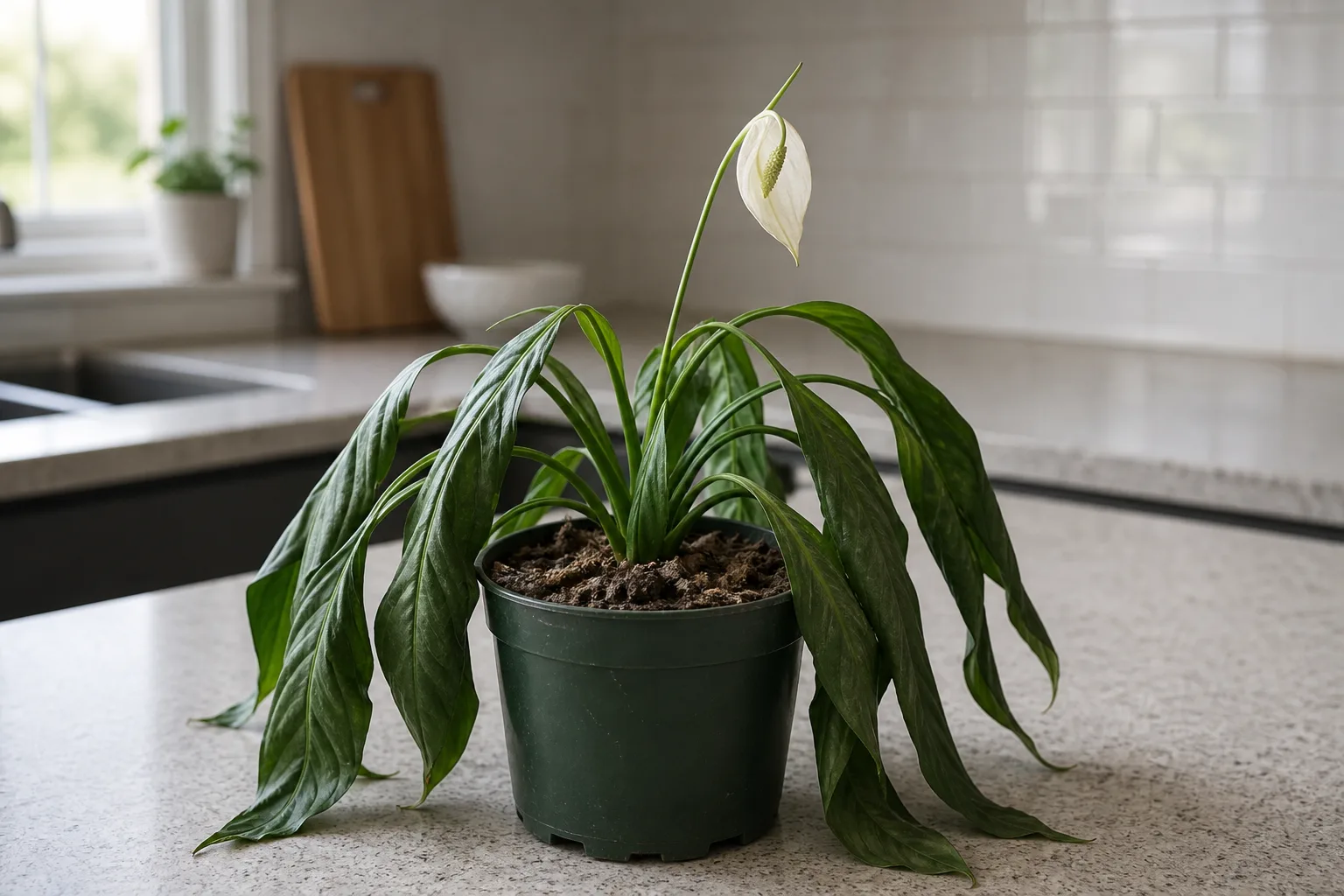
Peace lilies belong to the Araceae family, the same group as monsteras and philodendrons. They are not true lilies (Lilium), which matters for both care and toxicity. Indoors they behave like clumping rainforest floor plants: leaves rise from the soil on short petioles, roots want organic, airy mix, and the plant communicates stress fast through turgor loss—you see droop within hours, not days.
That feedback loop is useful if you read it correctly. A peace lily that wilts when the top inch of mix is dry usually needs water. The same plant wilting while the mix is wet and sour-smelling is a drainage or root problem, and more water makes it worse. NC State Extension notes peace lilies prefer partial to deep shade outdoors but indoors need consistent moisture without sogginess, warm days between 68 and 85°F, and protection from cold below 40°F that can damage leaves, stems, and roots (NC State Extension). Treat it as a humidity-aware tropical, not a cactus that happens to have white flowers.
Spathe, Spadix, and What Counts as a “Flower”
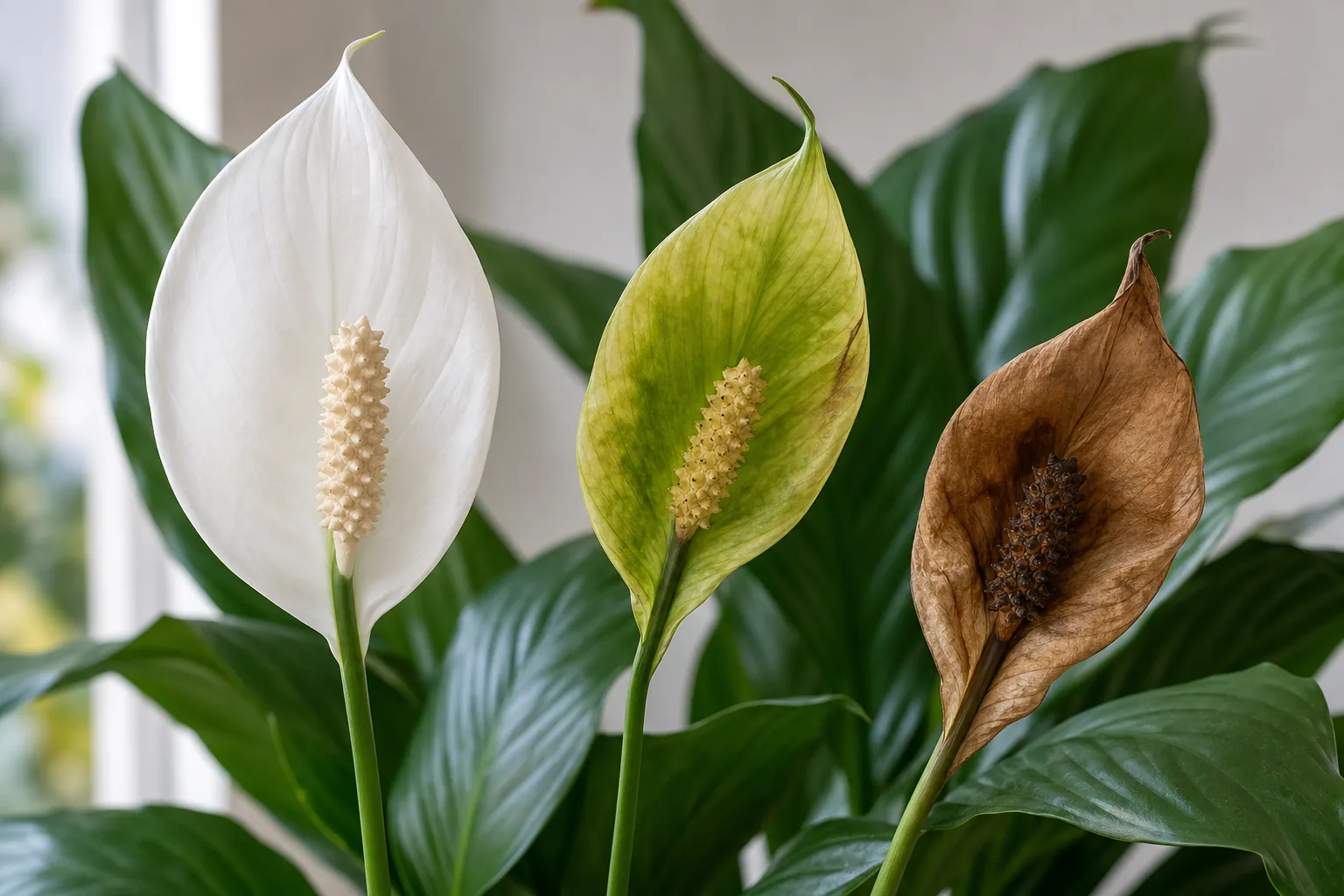
What most people call the peace lily flower is actually an inflorescence: a modified leaf called a spathe wrapped around a central spadix covered in tiny true flowers. Fresh spathes are white to greenish-white, boat-shaped, and held above the foliage on a peduncle. They age to pale green over several weeks, which is normal—not a sign the plant is sick.
Removing spent spathes at the base keeps the plant tidy and redirects energy to new growth. Do not pull them like dead leaves; snip the stalk cleanly. If you never see spathes at all, the issue is almost always insufficient light or a root zone that cannot take up water evenly, not a missing “bloom booster” product.
Peace Lily Quick Facts and Ideal Indoor Conditions
Peace lilies are evergreen perennials native to tropical Central and South America (and some Asian species in commerce). Most indoor plants reach 1 to 3 feet tall and wide; large cultivars like ‘Sensation’ can exceed that in bright conditions. Outdoors they are hardy only in USDA zones 11–12, so North American and European growers treat them as houseplants year-round.
| Trait | Typical indoor range |
|---|---|
| Light | Bright indirect; tolerates lower light with slower growth |
| Temperature | 65–80°F (18–27°C) day; avoid below 55°F (13°C) |
| Humidity | Moderate; brown edges increase in dry heated air |
| Soil | Rich, organic, well-draining potting mix |
| Water | When top 1 inch dries; reduce in winter |
| Fertilizer | Dilute feed in active growth; pause in winter |
| Toxicity | Toxic to pets and people if chewed (oxalates) |
The RHS summarizes the indoor sweet spot well: warmth, moderate humidity, indirect light, and compost that dries slightly between waterings (RHS). Use the table as a checklist when something fails—most problems trace back to one row going wrong for weeks, not a mysterious pest.
Where to Put a Peace Lily in Your Home
Placement is the highest-leverage decision you make. Peace lilies are often labeled “low light” because they survive dim rooms longer than succulents. Surviving is not thriving. For glossy leaves and repeat spathes, give the plant bright indirect light for most of the day—roughly 6 to 8 hours of filtered brightness without sunbeams hitting leaves.
Bright Indirect Light vs the “Low Light” Label
An east-facing window is ideal in the Northern Hemisphere: gentle morning sun, bright afternoon ambient light. A few feet back from a north-facing window works in many homes. West or south windows need sheer curtains or 3 to 6 feet of offset so midday sun never scorches leaves; NC State lists excessive direct sunlight as a cause of brown tips alongside underwatering and low humidity (NC State Extension).
In genuinely dark hallways, peace lilies may hold green leaves for a while, then stretch (leggy growth), stop flowering, and develop persistent yellow lower leaves. If blooms matter, move the plant closer to light before you buy fertilizer. See peace lily light requirements for window-by-window placement and grow-light distance if natural light is limited.
Temperature, Drafts, and Humidity
Peace lilies like stable warmth. Average room temperatures between 65 and 80°F suit them; the RHS suggests a workable band of 55–75°F if you avoid extremes (RHS). Keep pots away from cold winter window glass, air-conditioning vents, and heating registers that desiccate leaf edges in hours.
Humidity does not need a greenhouse. Moderate room humidity is fine in many climates; problems show up in winter when forced-air heat drops relative humidity sharply. A pebble tray (pot sitting on stones above water, not in standing water), grouping plants, or a bright bathroom can help. Misting raises humidity briefly but wet foliage overnight can encourage fungal spotting—use it as a supplement, not the only strategy. Persistent crisp edges point to low humidity stress.
Soil, Pots, and Drainage That Keep Roots Healthy
Peace lilies want rich, loose potting mix with plenty of organic matter—similar to decaying leaf litter on a forest floor—while still draining fast enough that roots breathe. A standard peat-free or peat-based houseplant mix amended with perlite or bark for porosity works well. Avoid garden soil in containers; it compacts and stays wet.
Pot choice affects watering more than beginners expect. Unglazed terracotta wicks moisture and forgives slight overwatering in stable indoor temps. Plastic dries slower—good if you underwater, risky if you pour on a schedule. Every pot needs open drainage holes; decorative cache pots without holes is one of the fastest routes to root rot.
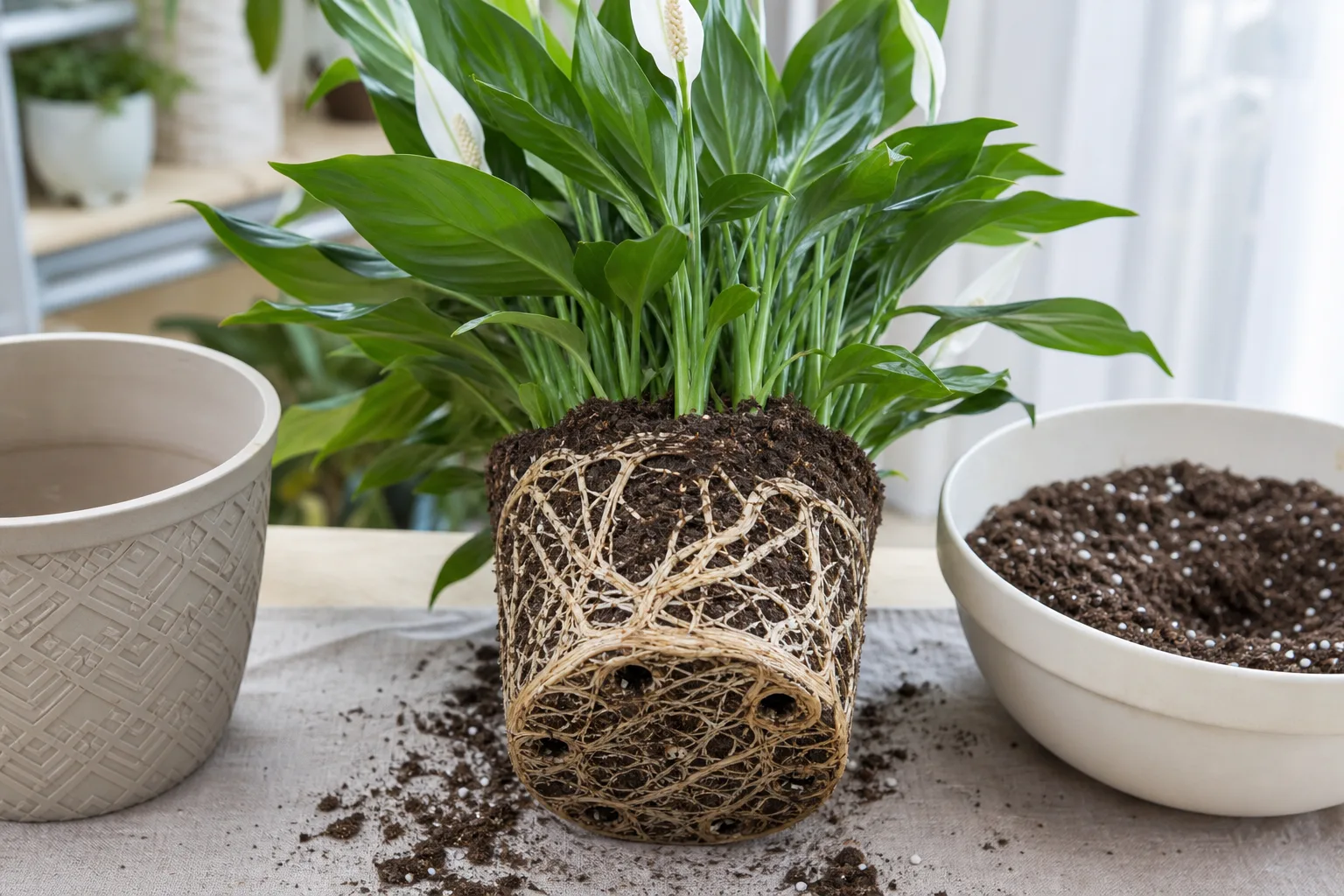
Peace lilies flower best when slightly pot-bound, but severe binding causes water to channel through without soaking the root ball. NC State recommends keeping plants somewhat pot-bound in a large pot relative to leaf spread and repotting in February or March when roots densely pack the container (NC State Extension). Step-by-step repot timing lives in how to repot a peace lily and peace lily repotting care.
How to Water a Peace Lily Without Root Rot
The old advice that peace lilies “prefer to be underwatered rather than overwatered” is directionally true but incomplete. They prefer even moisture with a short dry window, not bone-dry soil for weeks and not wet feet for days. Overwatering kills more peace lilies than underwatering because roots need oxygen.
The Finger Test and When Wilting Lies
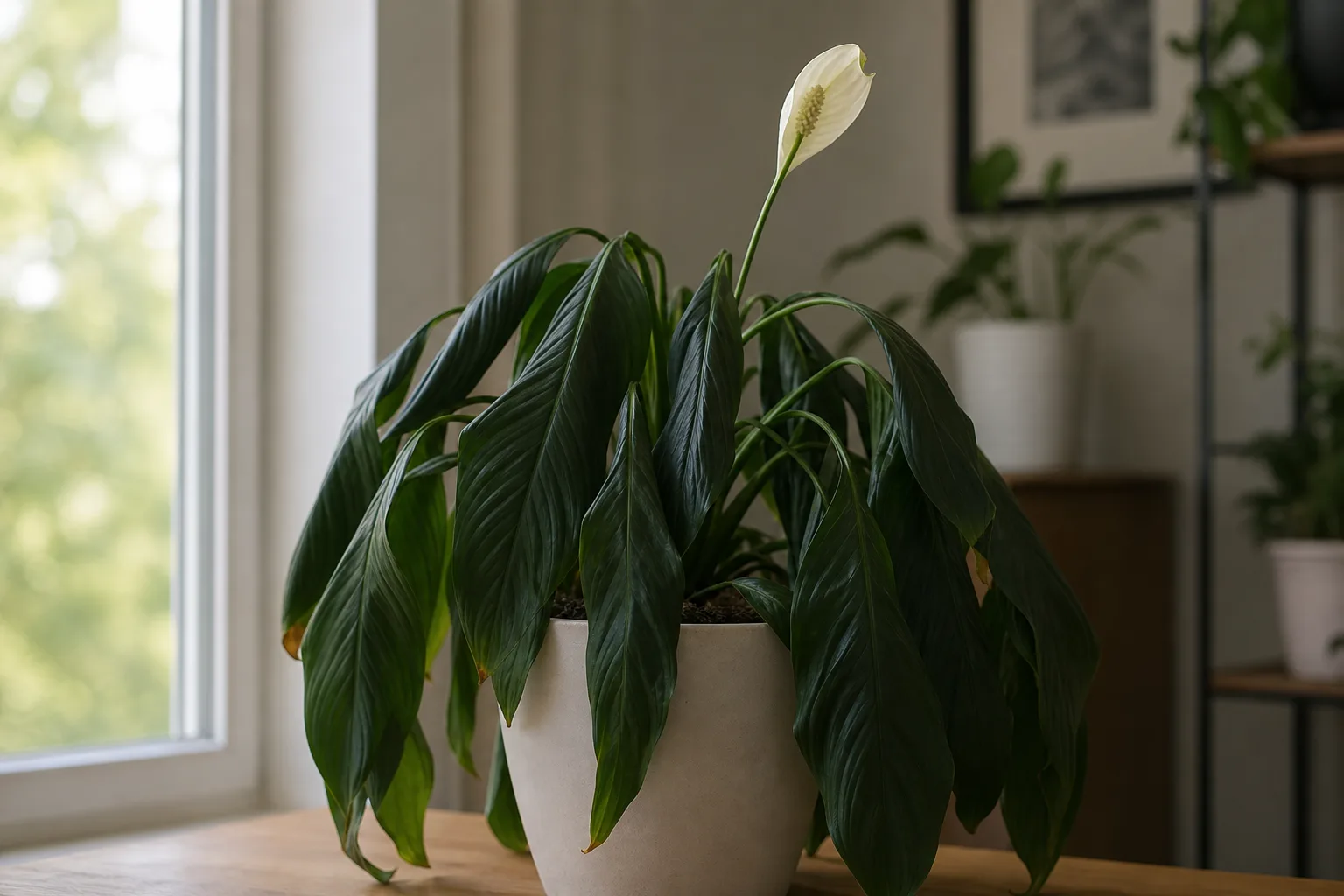
Water when the top inch (2.5 cm) of mix feels dry to your finger—not when the calendar says Tuesday. Stick your finger in, not just the surface crust. In winter, when growth slows, stretch the interval. In summer, bright light and small pots may need water every 5 to 7 days; large pots in cool rooms may go 10 to 14 days.
Wilting is a signal, not a schedule. If leaves droop and the top inch is dry, water thoroughly until excess drains, then empty the saucer after 15 minutes. If the plant perks up within a few hours, you nailed thirst. If leaves droop while soil is wet, smell the surface: a sour, rotten odor means overwatering or failing drainage—do not add more water. The full watering guide walks through pot size, season, and recovery timing.
Tap Water, Fluoride, and Bottom Watering
Peace lilies are sensitive to fluoride and excess salts in tap water, which can brown leaf tips over time even when watering seems correct. The RHS recommends rainwater or filtered water when possible (RHS). If you must use tap water, let it sit overnight, avoid cold shocks, and flush the pot every few months by watering until clear drainage runs for a minute—this leaches accumulated salts.
Bottom watering—setting the pot in a basin so mix wicks moisture upward—works well for peace lilies because it reduces splash on leaves and encourages even root-zone wetting. NC State specifically notes that watering from below works very well for this genus (NC State Extension). Soak until the top surface darkens, then drain fully. Skip bottom watering if the pot is severely root-bound and water races through without absorbing; repot first.
Fertilizing Peace Lilies: How Much and When to Stop
Peace lilies are moderate feeders, not hungry monsters. Over-fertilizing burns leaf tips and roots—the same symptom as drought—so dilution matters more than brand names. NC State advises fertilizing at one-quarter of label strength and flushing soil between applications to prevent salt buildup (NC State Extension).
During active growth (roughly spring through early fall), feed every 2 to 4 weeks with a balanced liquid houseplant fertilizer at half to quarter strength, or use a slow-release product at the low end of package rates. The RHS suggests a general liquid feed every few weeks from April to October (RHS). Pause fertilizer in winter when new leaf production slows and days are short.
Do not fertilize a stressed plant—one with yellow leaves from rot, recent repot shock, or severe drought. Fix water and light first; nutrients second. Heavy feeding will not force blooms on a plant sitting in a dark room. Details on N-P-K choice and flush timing sit on peace lily fertilizer.
Popular Peace Lily Varieties and How to Choose One
Hybrid breeding produced dozens of Spathiphyllum cultivars differing in size, leaf shape, and bloom volume. Match the plant to your space before you match the pot to your décor.
Compact desk types like ‘Power Petite’ stay near 15 inches tall—good for shelves and small bathrooms with adequate light. ‘Mauna Loa Supreme’ and similar mainstream varieties reach 3 to 4 feet and are the default “office peace lily” size. ‘Sensation’ is the giant: up to 6 feet with broad leaves—needs floor space and brighter indirect light to stay proportional.
‘Domino’ and variegated forms add white splashed foliage but often need slightly more light than solid-green clones to maintain pattern. ‘Starlight’ produces multiple simultaneous spathes on mature plants. Species like S. wallisii remain popular for elegant narrow leaves. When buying, check the nursery tag for mature height; a ‘Sensation’ in a 6-inch pot will outgrow a windowsill within two seasons.
How to Get Peace Lilies to Bloom Indoors
Peace lilies can bloom indoors, but they will not bloom on demand in a closet. Blooms require enough light to power photosynthesis, mild root pressure from a slightly snug pot, steady moisture without rot, and light feeding during the growth season. The RHS lists insufficient light as the main reason for failure to flower (RHS).
Bloom Timeline and Spathe Care
Indoors, many plants flower heaviest in spring, with a possible second flush in fall if light and warmth stay favorable. Bloom timing is not rigid like outdoor bulbs; healthy mature plants can flower any time of year when conditions align. NC State notes peace lilies have no specific bloom time but flower freely when well grown (NC State Extension).
Encourage blooms by moving the plant to its brightest indirect spot for several weeks, maintaining even moisture, feeding lightly through summer, and removing faded spathes promptly. Do not repot right before you want flowers unless the plant is root-rot emergency—repotting sacrifices open spathes. If spathes appear but stay small and green, light is still marginal; increase brightness incrementally over two weeks rather than jumping into direct sun.
Propagating Peace Lilies by Division
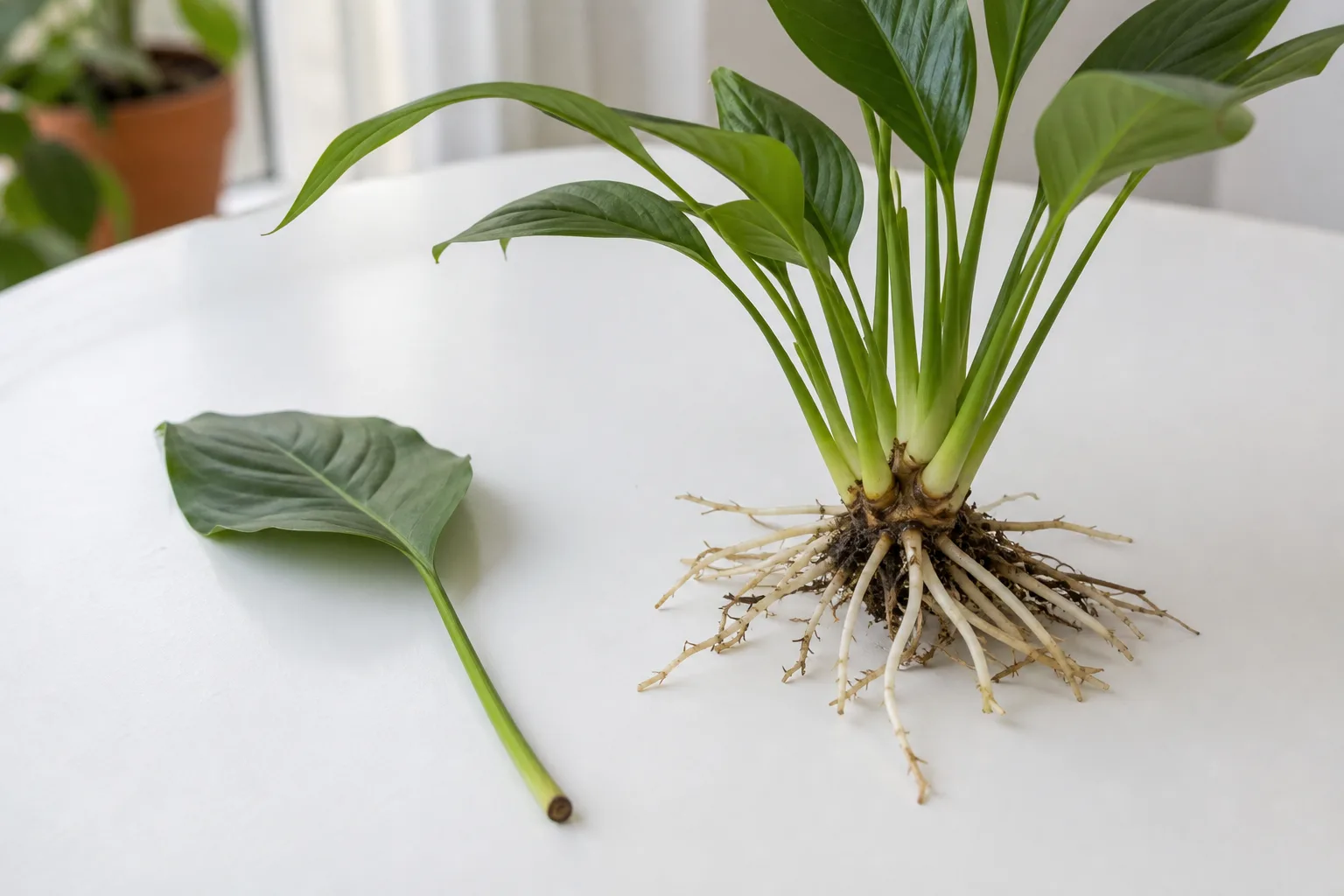
Peace lilies do not propagate from single leaf cuttings in normal home conditions. The reliable method is division during repotting: separate natural crowns that already have their own leaves and roots. Each division needs at least three to four healthy leaves and a solid root section attached—smaller pieces often stall or rot.
Unpot the parent, rinse or tease apart clumps at natural seams, or cut through the root mass with a clean knife if crowns are fused. Pot divisions in 6-inch containers with fresh moist mix, water lightly, and keep warmth and bright indirect light steady. Roots typically reestablish within 2 to 4 weeks; expect temporary wilt. Full division workflow with photos lives in propagate peace lily and peace lily propagation.
Pests and Diseases Worth Watching For
Peace lilies are relatively trouble-free indoors. Mealybugs are the most common pest NC State lists—white cottony clusters in leaf axils and undersides (NC State Extension). Treat early with isopropyl alcohol on a cotton swab for light infestations, or horticultural oil following label rates for heavier outbreaks. Check weekly when you wipe dust off leaves; cleaning foliage removes some pests and improves light capture.
Fungus gnats hover when soil stays wet too long—they are a symptom of overwatering, not a separate mystery. Cut water frequency, top-dress with dry mix if needed, and see fungus gnats on peace lily if adults persist. Root rot from Phytophthora or anaerobic soil is the main disease indoors; prevention is drainage and dry windows between waterings, not fungicide on healthy plants.
Troubleshooting Common Peace Lily Problems
Most peace lily problems are water, light, or humidity wearing a different costume. Run this order before you repot, fertilize, or move the plant twice in one week.
Yellow Leaves: Water First, Then Light
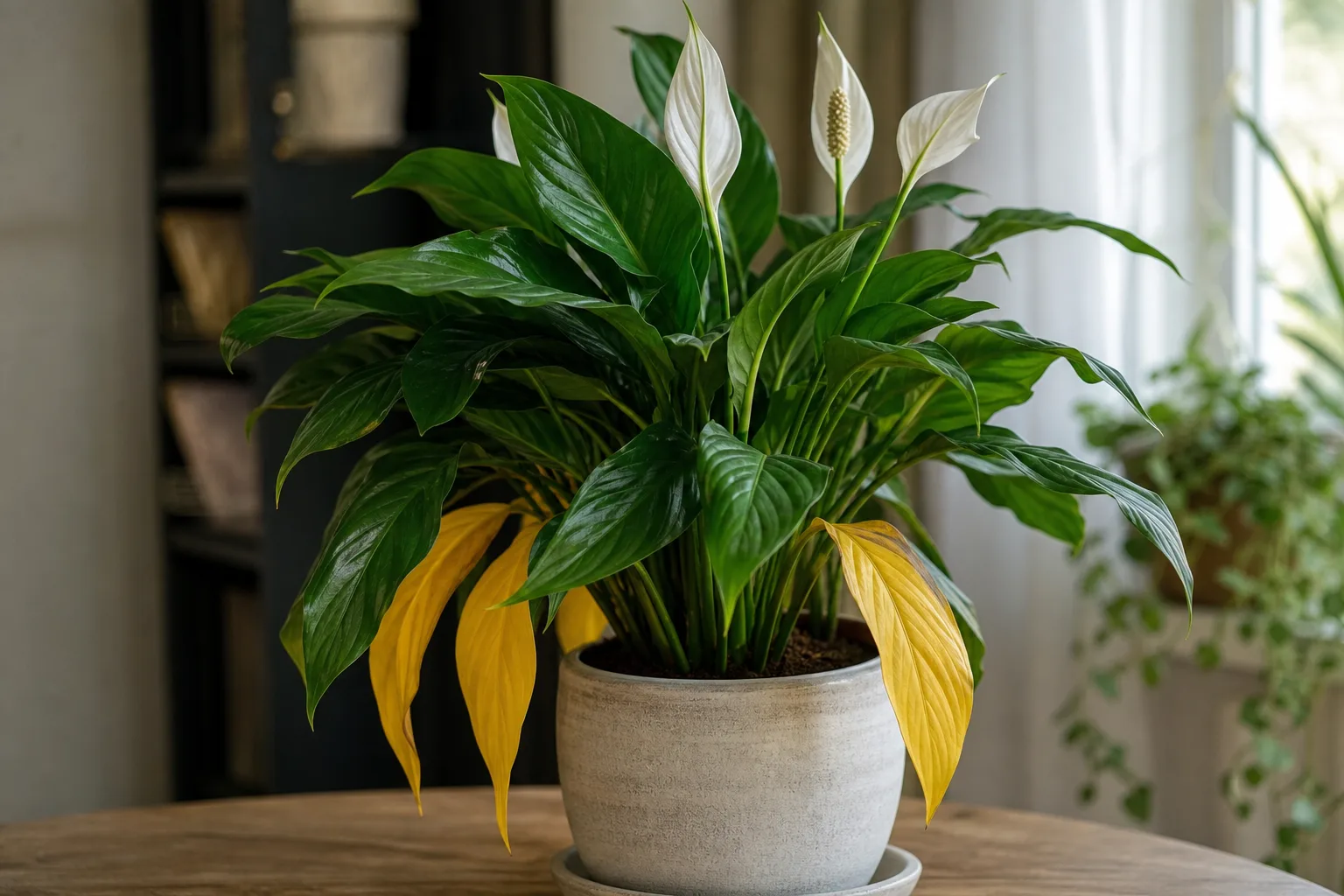
Yellow leaves usually mean inconsistent watering—too much or too little—or roots that cannot absorb because of rot or binding. Check soil moisture at 2 inches depth, not just the surface. Yellow with wet, sour mix points to overwatering; yellow with dry, light mix points to underwatering. Lower leaves yellowing alone on an older plant can be natural aging; strip them if unsightly.
If water logic checks out, evaluate light. Plants in dim corners yellow from the bottom up while staying weakly green on top. Fluoride and salt burn can yellow margins before tips brown. Deep troubleshooting lives in peace lily leaves turning yellow and yellow leaves problem page.
Brown Tips and Edge Burn
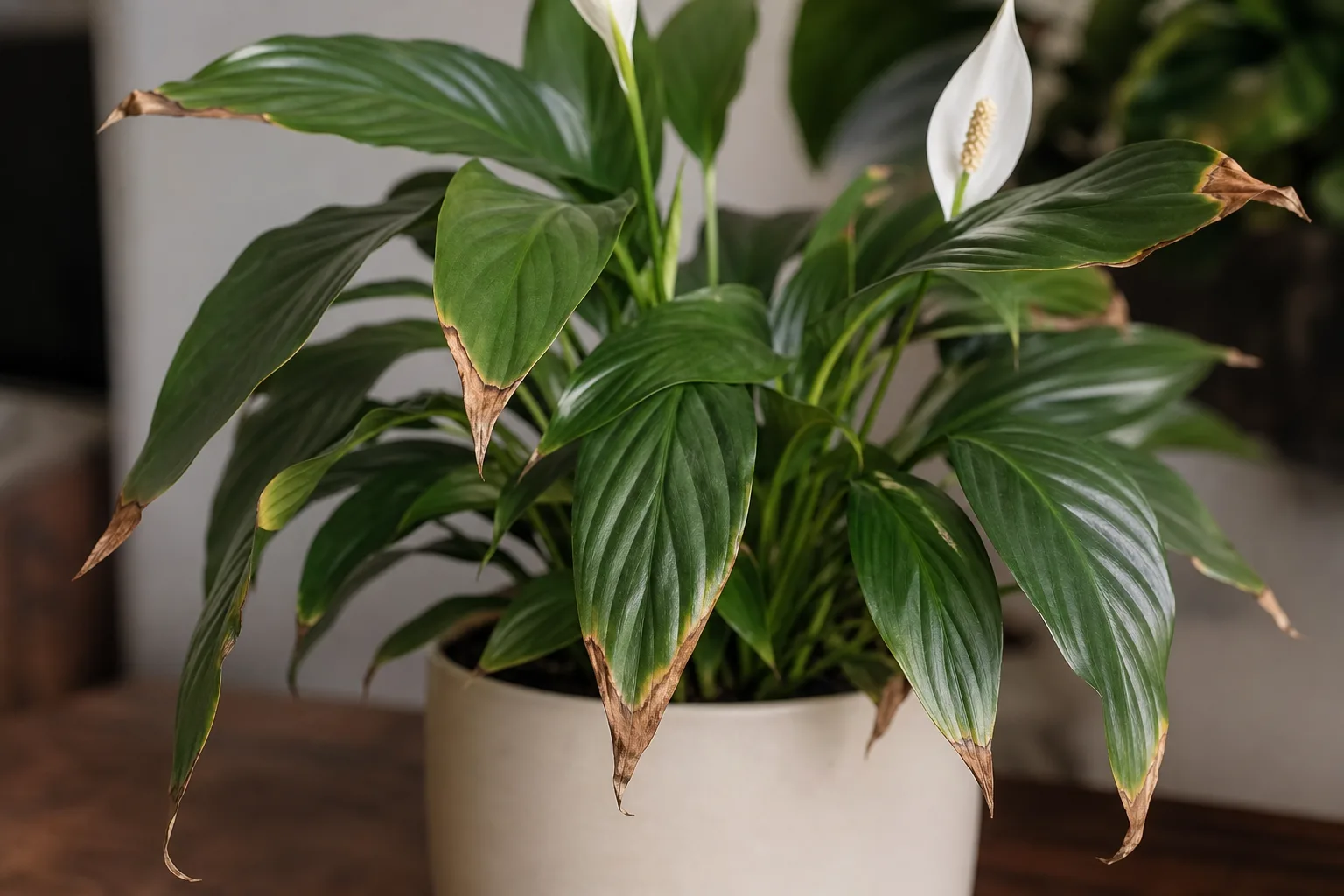
Brown tips rarely have one cause. Stack these checks: Is water inconsistent? Is the pot draining? Is air dry from heat vents? Is tap water high in fluoride? Did you fertilize at full strength? NC State and the RHS both tie tip burn to sun, drought, low humidity, and salt buildup (NC State Extension; RHS).
Trim brown tips with clean scissors following the leaf’s natural angle if they bother you—cosmetic only. Fix the underlying cause or tips return. Flush salts, switch water sources, and move away from drafts before you assume disease.
Drooping That Snaps Back vs Drooping That Does Not
Drooping that recovers within hours after watering is classic thirst—or extreme heat stress on a dry day. Drooping that persists in wet soil is rot, severe root binding, or cold damage. Drooping after repotting is usually temporary shock if drainage is good; hold off fertilizer for 4 to 6 weeks. See drooping leaves for the full decision tree and recovery timing.
Curling or pale leaves often mean too much direct sun; move the plant out of sunbeams. Scorched patches need shade, not more water.
Peace Lily Toxicity for Pets and People
Peace lilies contain insoluble calcium oxalate crystals that irritate mouth and GI tissues when chewed. The ASPCA lists peace lily as toxic to cats and dogs, with symptoms that can include oral irritation, drooling, vomiting, and difficulty swallowing (ASPCA). This is not the same mechanism as true lily (Lilium) kidney failure in cats, but ingestion still warrants action—especially if swelling or persistent vomiting occurs.
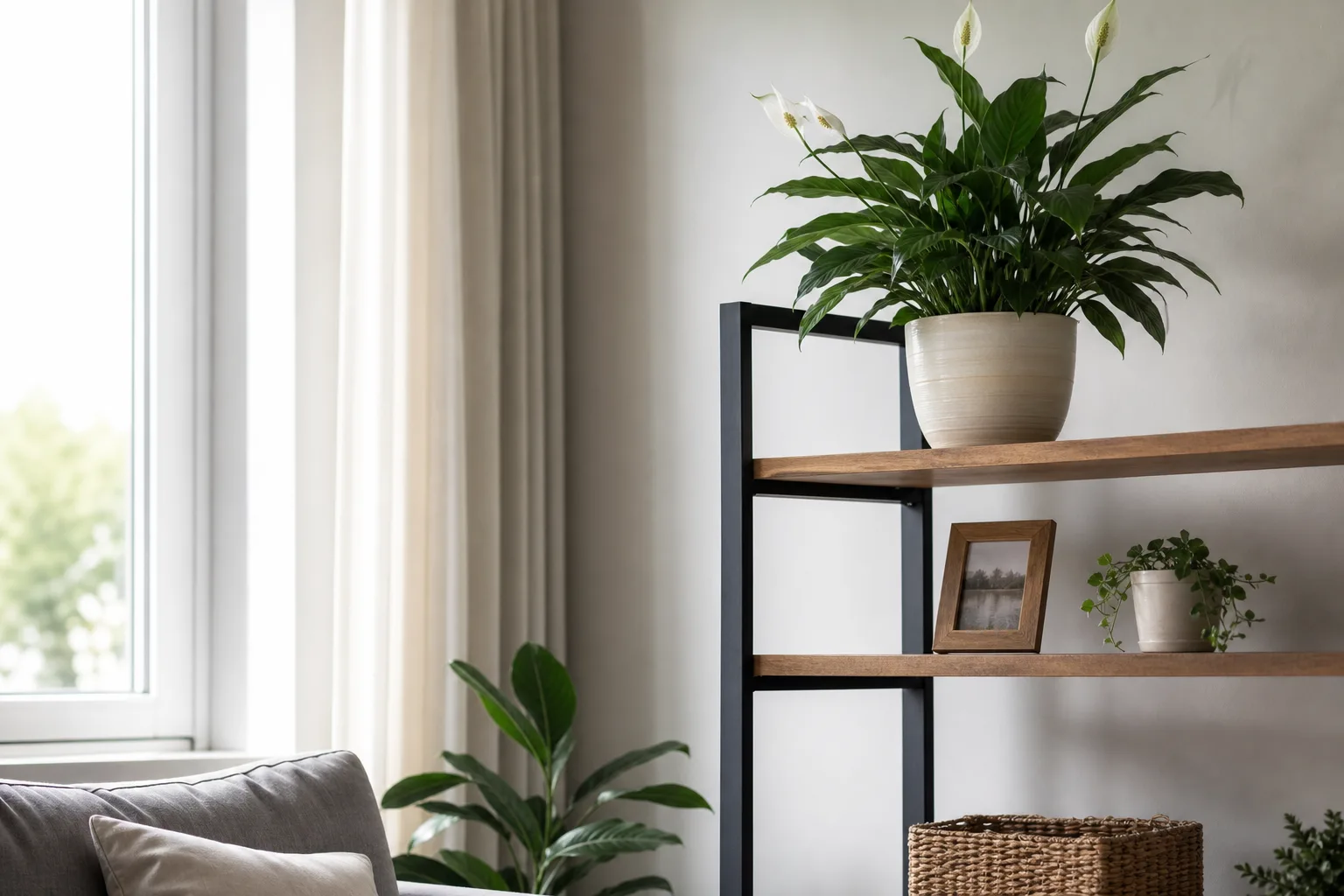
For humans, sap can irritate skin; keep plants away from toddlers who mouth leaves. Place pots on stable stands out of pet reach, and contact your veterinarian or ASPCA Animal Poison Control at (888) 426-4435 if a pet eats plant tissue and shows symptoms. Full safety context, including comparison to other “lily” names, is in peace lily toxicity.
Air-purifier claims come from laboratory chamber studies on volatile organic compounds—not a promise that one pot replaces ventilation. Peace lilies can contribute to a healthy indoor plant collection, but good care and realistic expectations beat marketing hype.
Conclusion
Growing a peace lily well comes down to bright indirect light, water when the top inch dries, warm stable air, and pots that drain. The plant tells you quickly when those drift—learn whether wilt means thirst or rot before you pour another cup of water. Match cultivar size to your room, divide when repotting instead of chasing leaf cuttings, and treat brown tips as a checklist of water quality, humidity, and salts rather than a trimming chore alone.
Use this page as your full baseline. When one symptom dominates—persistent brown tips, mealybugs, or not enough light—open the matching LeafyPixels guide and return here when you want the whole care picture in order. A peace lily that stays in the right window, dries slightly between drinks, and gets modest feed in spring rarely needs heroics. It just needs you to read the leaves honestly.