How to Grow and Care for Butterfly Weed
Learn how to grow butterfly weed in sun and fast-draining soil, start it from seed, protect its taproot, manage aphids, and support monarchs safely.
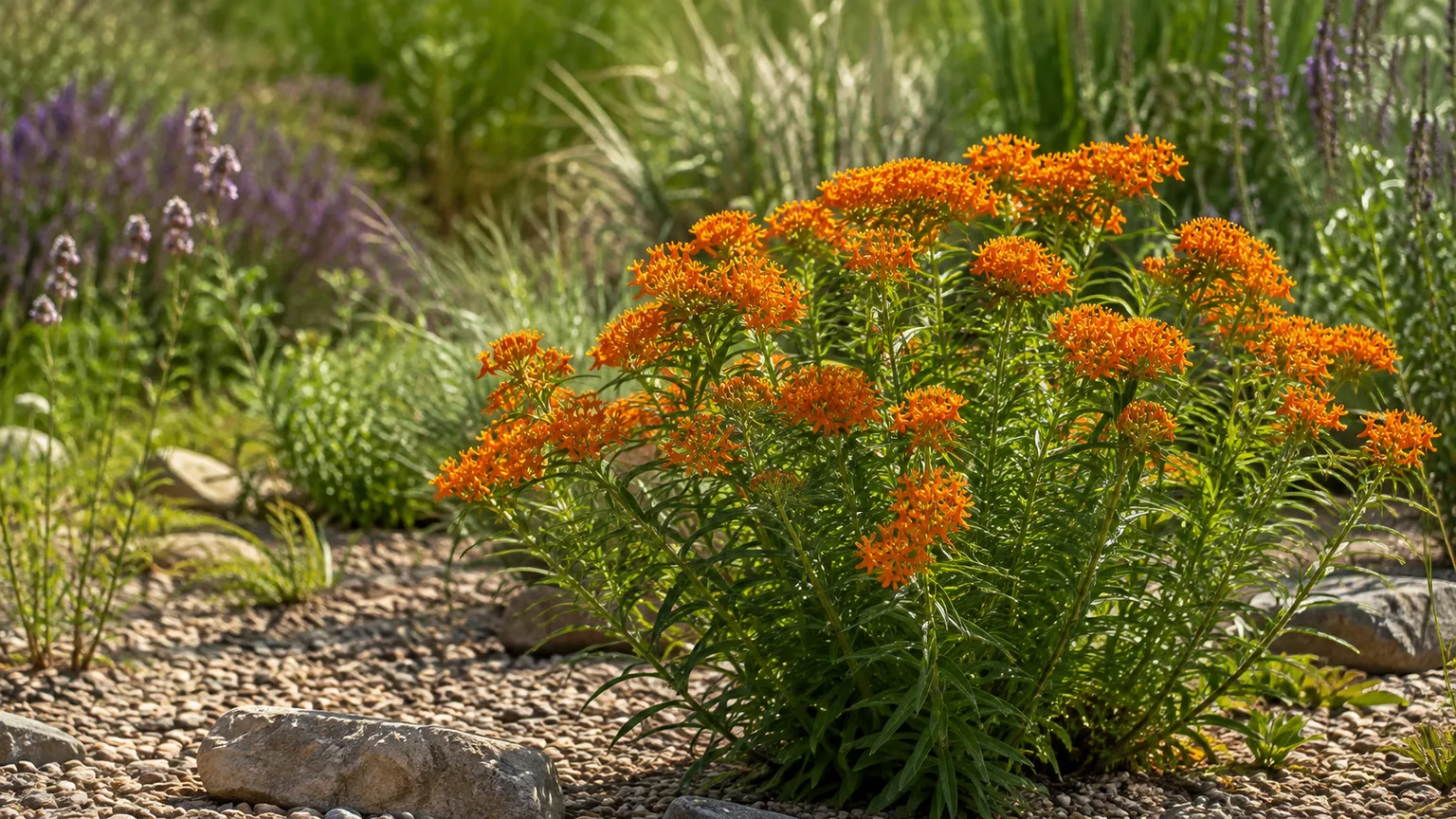
Butterfly weed (Asclepias tuberosa) is a North American native perennial with a very specific preference: give its roots sun, air, and room to stay put. In return, it produces upright stems, glossy lance-shaped leaves, and bright orange flower clusters that feed adult butterflies while the foliage supports monarch caterpillars.
The plant is forgiving once established, but it is not forgiving of the wrong site or careless moving. Its deep, woody taproot explains nearly every important care rule: water new plants deeply, avoid soggy crowns, sow seeds in a deep container, and choose the permanent planting spot before you dig. This guide walks through those decisions, including what to do when the plant emerges late, gets chewed, or refuses to bloom.
Butterfly Weed at a Glance
Butterfly weed is a herbaceous, tuberous-rooted perennial in the Apocynaceae, or dogbane, family. It is native across a broad swath of eastern, southern, and central North America, including dry fields, prairies, open woods, glades, and roadsides. NC State Extension describes it as easy to grow in full sun and average to dry, well-drained soil, with mature plants commonly forming clumps about 1 to 3 feet tall.
| Feature | What to expect |
|---|---|
| Botanical name | Asclepias tuberosa |
| Common names | Butterfly weed, butterfly milkweed, orange milkweed, pleurisy root |
| Plant type | Herbaceous perennial |
| Mature size | About 1–3 feet tall and wide; cultivar size varies |
| Light | Full sun; light partial shade is possible but usually reduces bloom |
| Soil | Dry to medium moisture, sharply drained soil |
| Hardiness | Generally USDA zones 3–9 |
| Bloom season | Late spring through summer, depending on region |
| Flower color | Usually orange to orange-red; yellow forms are available |
| Root system | Deep taproot and tuberous roots |
| Wildlife value | Nectar plant and larval host for monarchs and other insects |
Expect the first spring shoots to appear later than many perennials. The crown is not necessarily dead because there is no growth in April; cold soil and the plant’s natural dormancy can delay emergence into May or even early June in colder regions. Mark the spot in fall so you do not dig into a living crown while clearing a bed.
Why This Native Perennial Earns a Spot
Butterfly weed performs two jobs in a small footprint. Its flat-topped umbels provide nectar to butterflies, bees, hummingbirds, and other insects, while its leaves are a food source for monarch caterpillars and several other larvae. The Wisconsin Horticulture profile notes that a mature plant can look ragged when caterpillars feed heavily; that is not automatically a care failure.
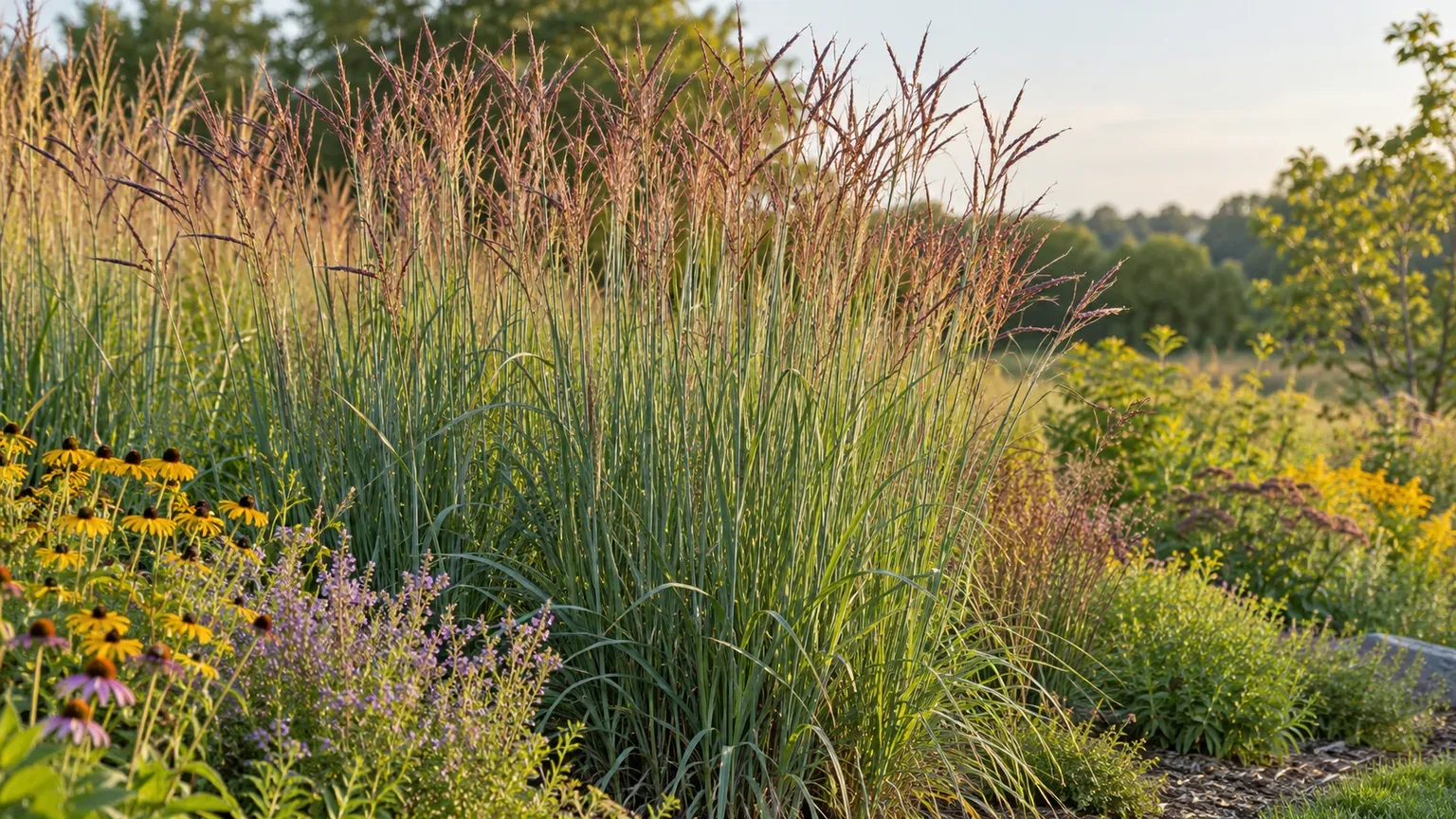
It is also a useful plant for dry, difficult spaces where moisture-loving perennials struggle. The orange flowers stand out in a sunny border, gravel garden, prairie-style planting, or meadow edge, and the upright seed pods add late-season structure. Combine it with plants that share its drainage needs, such as purple coneflower, blazing star, black-eyed Susan, coreopsis, little bluestem, or prairie dropseed, rather than surrounding it with plants that require frequent irrigation.
The important distinction is between native wildlife value and a promise of instant butterfly activity. A single plant may flower before it hosts caterpillars, and a garden can attract adult butterflies without producing visible larvae that same week. Planting several regionally appropriate native species, avoiding broad-spectrum pesticides, and allowing some leaf damage creates better habitat than trying to keep every plant perfectly manicured.
Choose the Right Site Before You Plant
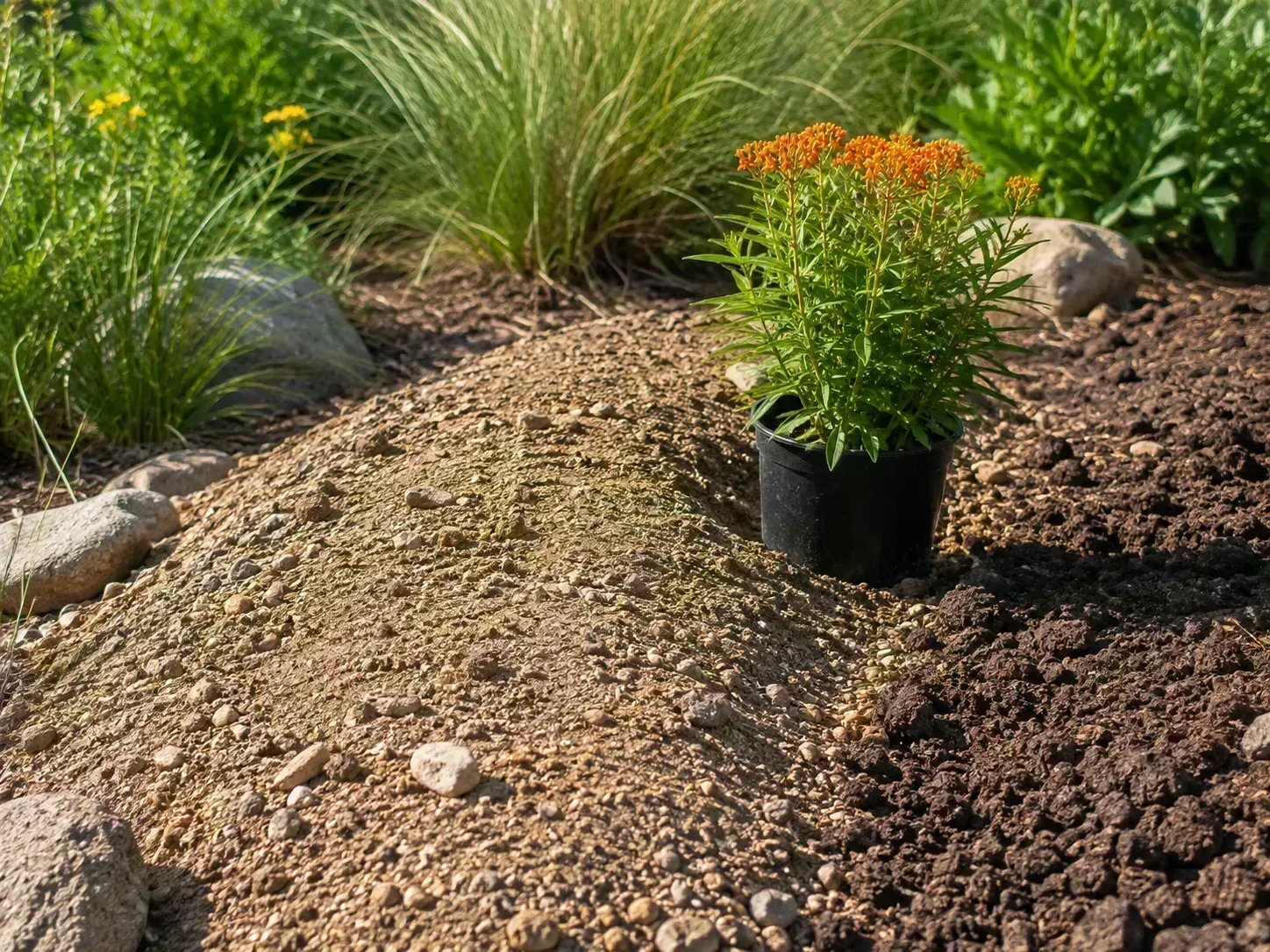
Choose a location where the plant can remain for years. Butterfly weed has a long taproot that can reach a foot or more and become woody and difficult to remove. A sunny bed edge, berm, raised area, or dry meadow pocket is usually a better home than a low spot where rainwater collects.
If your soil is heavy clay, do not automatically dig a small hole and fill it with a fluffy imported mix. That amended pocket can act like a bowl inside slow-draining native soil, leaving the crown wetter than the surrounding bed. Instead, test the site, improve drainage across a wider area if needed, or plant on a modest berm or raised bed. The Waterloo Horticultural Society makes the same practical distinction: butterfly weed succeeds when its permanent site is sunny and well drained.
How Much Sun Is Enough?
Aim for at least six hours of direct sun, with eight hours often producing the strongest stems and heaviest flowering. Light afternoon shade may help in very hot climates, but shade for much of the day encourages thin growth and reduces the energy available for flowers.
Watch the site across a full day before planting. A bed that looks sunny at 9 a.m. may sit beneath a tree by 2 p.m., and a south-facing wall may reflect enough heat to dry a new plant faster than expected. The best position balances direct light with air movement and does not require constant hose watering.
Test Drainage Before Adding Amendments
Drainage matters more than soil richness. Penn State Extension places butterfly weed in the dry, drought-tolerant part of a rain-garden planting and describes its mature root as a major reason it handles dry conditions. That does not mean it enjoys standing water; it means an established root system can find moisture deep in a soil profile that drains.
To test a questionable site, dig a hole about 12 inches deep and fill it with water. Let it drain, fill it again, and watch how quickly the second filling disappears. If water remains for many hours or the hole is still saturated the next day, choose a higher position or correct drainage over a broad area before planting. A little compost can improve structure, but no amendment can turn a permanently waterlogged bed into a dry prairie pocket by itself.
Planting Butterfly Weed Without Disturbing Its Taproot
Plant a nursery-grown butterfly weed in spring after the soil has warmed, or in early fall while the ground is workable and several weeks of root growth remain before hard freezing. Spring is the easiest choice for gardeners who need to observe watering through the first summer; fall can work well where winters are not immediately severe.
Water the container before planting so the root ball holds together. Slide it out rather than pulling on the stems, and inspect the root ball only enough to identify severe circling. Dig a hole just as deep as the root ball and about twice as wide. Set the crown at the same level it occupied in the pot; planting the crown too deeply keeps the base cool and wet and raises the risk of rot.
Backfill with the soil you removed, firm gently, and water slowly until the entire root zone is wet. Do not tease apart or cut the central root unless you are following a deliberate propagation method. A new plant may look modest for a season while it builds roots, and that is preferable to forcing lush top growth with fertilizer.
Space plants about 18 to 24 inches apart for a connected drift, or farther apart if you want air around individual clumps. If you are planting into a meadow, account for companion grasses and other perennials that will occupy the same root zone. Keep a narrow weed-free ring around the crown during establishment, but do not mound mulch against the stems.
Watering in the First Year
New butterfly weed needs regular deep watering while roots move into surrounding soil. A useful starting point is roughly 1 inch of water per week from rain and irrigation during the first growing season, adjusted for heat, wind, soil type, and rainfall. Water the soil, not the foliage, and soak slowly enough that water penetrates instead of running off.
Check the soil several inches down before watering again. If it is cool and damp, wait; if it is dry well below the surface and the plant is still establishing, water deeply. Frequent shallow sprinkles create a deceptive wet surface while leaving the developing root zone dry, whereas a slow soak followed by a drying interval encourages deeper rooting.
After a full season or two, an in-ground plant in well-drained soil usually needs supplemental water only during prolonged drought. Do not copy that mature-plant schedule for a newly planted container or a plant growing in a hot strip beside pavement. Established does not mean indestructible, and a deep root still cannot function in compacted, airless clay.
Fertilizer, Mulch, and Maintenance
Skip routine fertilizer unless a soil test identifies a genuine deficiency. Butterfly weed is adapted to lean soils, and high nitrogen can produce soft, leafy growth with fewer flowers. Lawn fertilizer washing into the bed can have the same effect, so keep the plant outside the lawn’s fertilizer pattern when possible.
Use a thin layer of leaf mold, shredded leaves, or other restrained organic mulch to reduce weeds and moderate moisture swings. Leave a few inches of open soil around the crown and stems. A thick, wet mulch blanket can hold moisture where the plant needs air, especially in a clay bed or a region with frequent summer rain.
Do not panic when the plant looks bare in late fall. Leaves commonly yellow, stems dry, and the above-ground growth dies back while the perennial crown rests underground. Remove only diseased-looking material, and leave sturdy dry stems through winter if they provide habitat or visual structure; cut them back in late winter or early spring before new shoots emerge.
Growing Butterfly Weed From Seed
Seed is often the best way to produce butterfly weed because it avoids dividing or moving a mature taproot. It also requires patience: plants grown from seed may take two to three years to establish and flower generously, and a first-year seedling may spend most of its energy making roots rather than leaves and blooms.
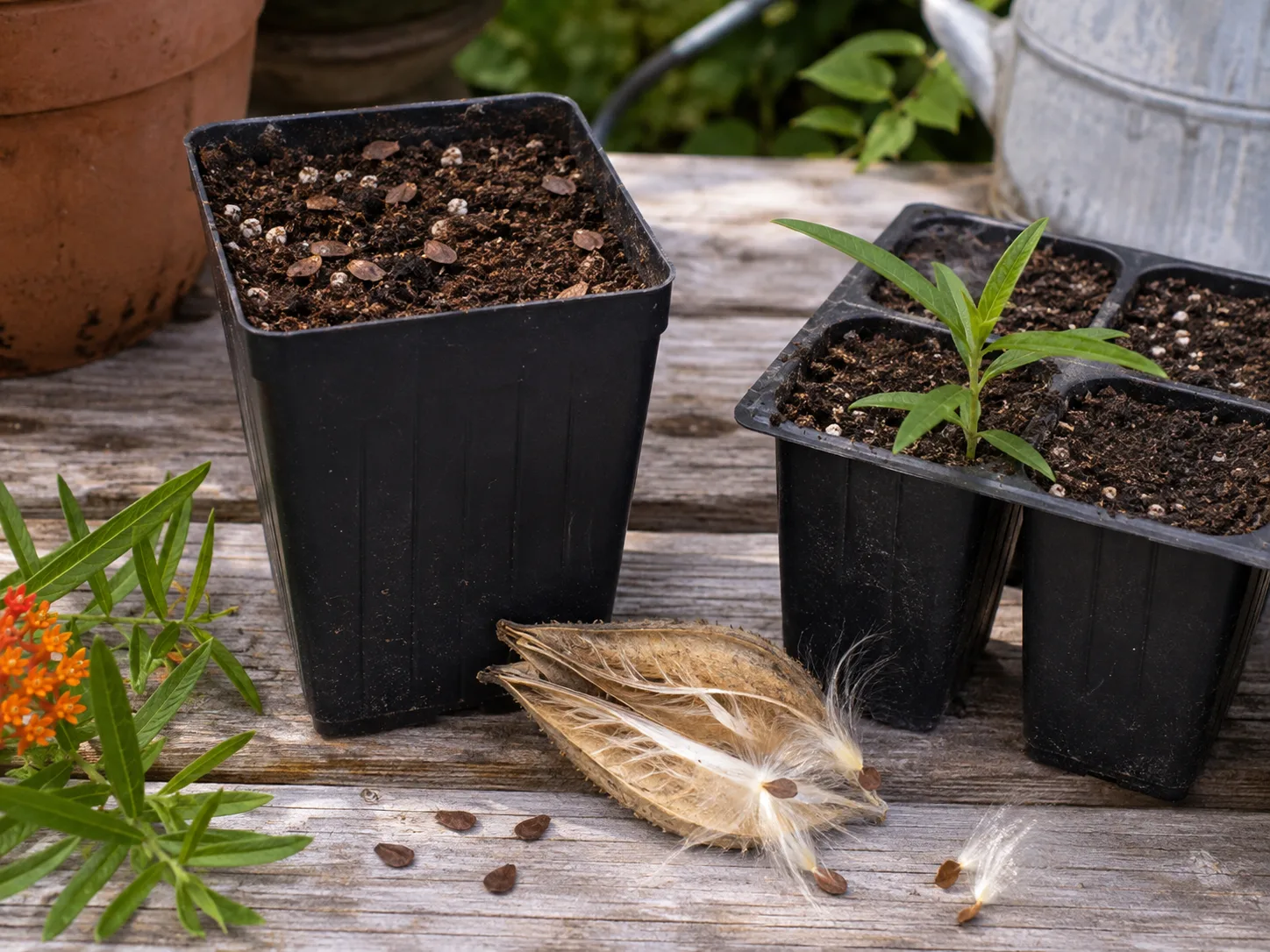
Collect your own seed only from a healthy, correctly identified plant, and avoid mixing seed from cultivars if you want seedlings that resemble the straight species. Let pods mature until they are dry and beginning to split, then open them over a paper bag. The flat brown seeds have silky hairs that catch wind easily, so store them in a labeled envelope or container rather than leaving them exposed.
Cold Stratification and Indoor Sowing
Fresh butterfly weed seed benefits from a period of cold, moist conditions before it germinates. Wisconsin Horticulture recommends about one month of cold, moist stratification, while regional conditions and seed age can change the response. The practical method is to mix seeds with barely damp sand or vermiculite, place the mix in a labeled sealed bag, and refrigerate it—not freeze it—for about four weeks.
After stratification, sow the seeds in deep individual cells or small pots, ideally 3 to 4 inches deep. Press them into moist seed-starting mix and cover them lightly; the goal is a firm, evenly moist medium, not a saturated one. Keep the containers warm and bright, and give seedlings enough light to stay compact.
Avoid germinating seeds in a shallow flat and then teasing the young roots apart into separate pots. If several seeds sprout in one container, snip the extras at soil level with clean scissors instead of pulling them. This keeps the chosen seedling’s roots intact, which is especially important for a plant that dislikes repeated disturbance.
When seedlings have true leaves and outdoor conditions are settled, harden them off for about a week. Transplant the entire root plug into its permanent spot, water thoroughly, and protect it from competition while it establishes. Do not judge success by flowers that first summer.
Direct Sowing and Winter Sowing
Direct sowing is a low-equipment option for gardeners with a suitable permanent site. Sow in late fall or early winter on prepared, weed-free soil so natural cold provides the stratification. Press the seed into the surface and cover it lightly; deep burial makes it harder for small seedlings to emerge.
Winter sowing in a ventilated container can work in regions with reliable freeze-thaw cycles. Label the container with the species and date, keep the medium lightly moist, and watch for seedlings in late spring. This approach reduces indoor transplanting, but it does not remove the need to protect the young plants from slugs, weeds, drying wind, and accidental removal.
Direct-sown seedlings may appear later than expected. Make a visible marker and wait until the soil has warmed before assuming the patch failed. The plant’s slow spring emergence is one of the easiest ways to lose a healthy crown or a promising seedbed to over-eager cleanup.
Can You Propagate Butterfly Weed by Cuttings?
Stem cuttings are not the dependable, beginner-friendly method that they are for many garden perennials. The plant’s main strength is its root system, and mature butterfly weed can be difficult to move even when a cutting appears to root. For most gardeners, seed or a nursery-grown container plant is the safer route.
Wisconsin Horticulture describes propagation from root cuttings as possible: in fall, sections of the taproot can be planted vertically so the original root orientation is preserved. That technique is best treated as an advanced experiment, not a reason to dig up a valued established plant. Harvesting root pieces reduces the parent plant’s reserves and can kill it if the crown or root is damaged.
If you must relocate a volunteer, move it while it is very young, before it has developed a long central root. Dig deeply around the seedling, lift as much soil and root as possible, and replant immediately. Do not attempt to move a mature clump simply because it is in the wrong color combination; the site decision is usually cheaper than the transplant failure.
Pruning, Deadheading, and Seed Pods
Deadheading is optional and should match your goal. Remove spent flower clusters if you want a tidier border or want to reduce the number of wind-dispersed seedlings. Leave some flowers and pods if you want seed, fall structure, or a chance for volunteer plants.
The pods are part of the plant’s seasonal display. In early fall they lengthen, turn gray-green to brown, and split to reveal hundreds of silky-tailed seeds. The Penn State Extension profile notes that pods can be 3 to 6 inches long and spread seed when they open. If you want a few volunteers but not a cloud of seed, remove only the pods closest to paths, gutters, or neighboring beds and leave the rest.
Do not deadhead or cut foliage simply because monarch caterpillars are feeding. Leaf loss is the service the plant provides, and a healthy established crown can recover. If a bed must look formal, place butterfly weed toward the back or combine it with plants that hide temporary bare stems rather than treating the caterpillars as a pest to eliminate.
Butterfly Weed in Containers
Butterfly weed can grow in a container when the pot is deep enough, drains freely, and is treated as a more demanding version of an in-ground plant. Choose a container at least 10 to 12 inches deep with generous drainage holes, and consider a wider, heavier pot so a flowering clump does not tip in wind.
Use a quality potting mix rather than garden soil. Place the container in full sun, water when the mix has begun to dry below the surface, and never leave it standing in a saucer of water. Container roots experience faster temperature and moisture swings than roots in the ground, so check more often during hot weather.
The deep-root rule still applies: do not plan to keep an increasingly large plant in a small pot indefinitely, and do not expect repotting to be painless. Move a container plant only when necessary, use the next pot size rather than a huge jump, and keep the root ball intact. In cold zones, an above-ground pot may expose roots to more severe freezing than the same plant in the ground; shelter or sink the container where local winter conditions require it.
Design It for Pollinators, Not Just Color
Plant butterfly weed where you can tolerate evidence of wildlife. The best location is visible enough to observe but not so prominent that chewed leaves look like an emergency. A sunny island bed, meadow edge, or broad border gives butterflies access and lets the plant mingle with grasses and flowers.
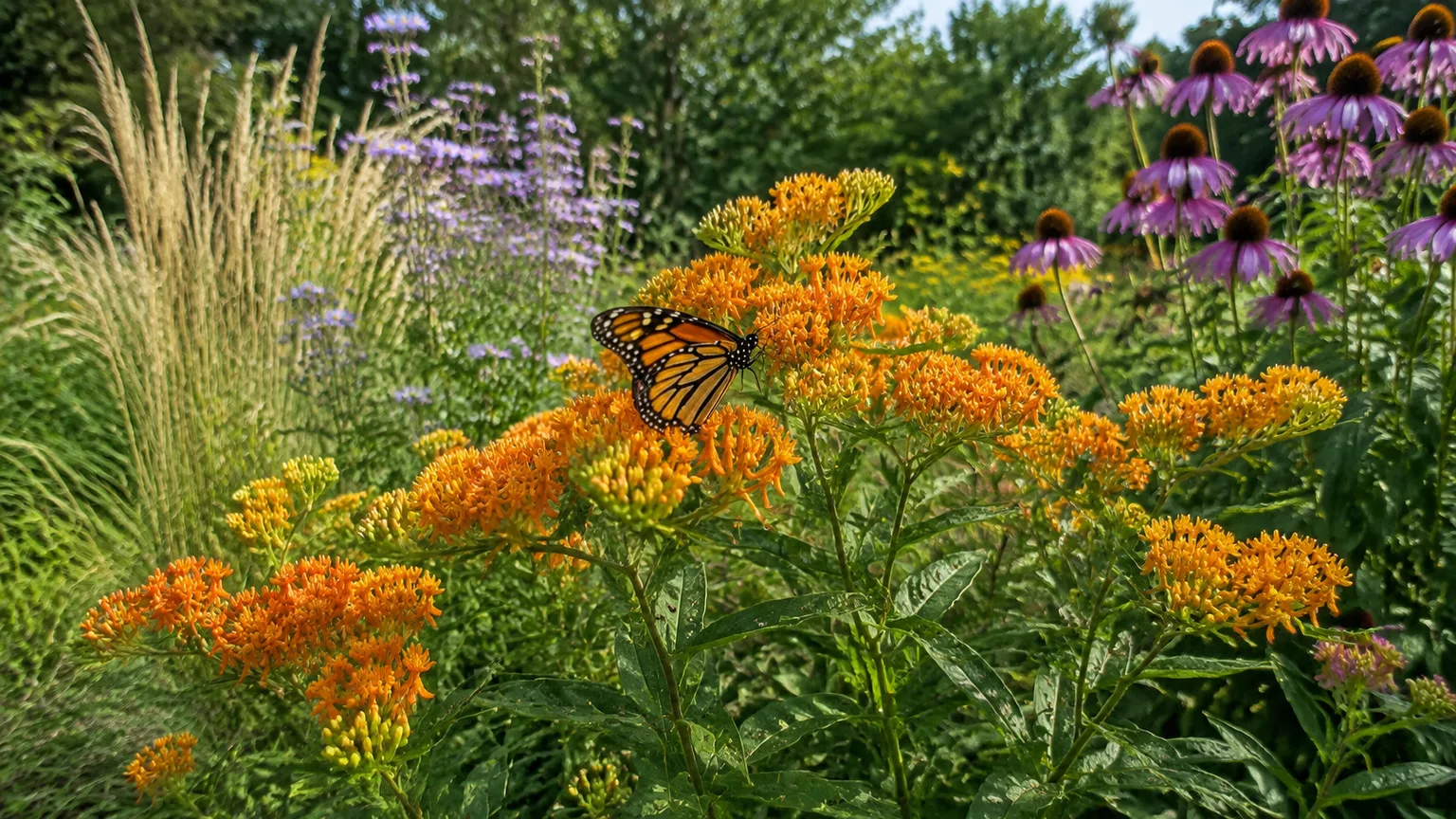
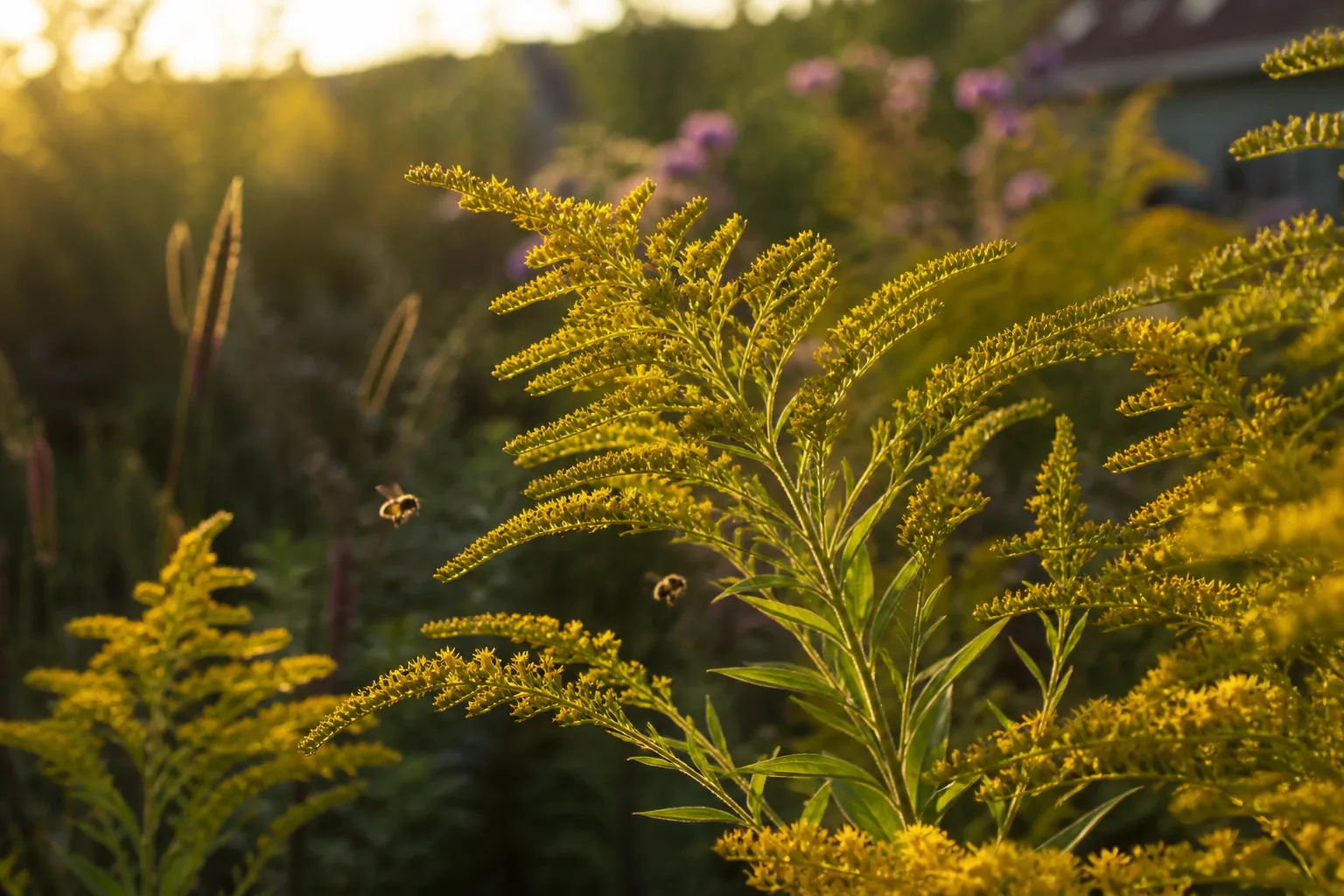
Pair its orange blooms with purple coneflower, blue or purple penstemon, blazing star, asters, coreopsis, or native grasses. Early-blooming plants can carry the display before butterfly weed emerges, and fall asters or goldenrods can continue the nectar sequence after its flowers fade. Match companions to the same light and drainage rather than choosing by color alone.
If monarch habitat is the priority, choose a milkweed species native or well adapted to your region instead of assuming every milkweed has identical care. Butterfly weed handles dry soil; swamp milkweed prefers more consistent moisture; common milkweed can spread by rhizomes. The right species-site match does more for habitat than adding a plant to a place where it will be chronically stressed.
Avoid routine insecticide use around a plant intended to host butterfly larvae. Even a product described as gentle can harm non-target insects, and spraying a plant full of eggs or caterpillars defeats the point of the habitat. First identify what you are seeing, then decide whether the plant is actually being damaged beyond its normal wildlife use.
Troubleshoot No Blooms, Yellow Leaves, and Flopping
No flowers in the first year: This is usually normal. A seed-grown plant may need two or three seasons to build the root system that supports a dense flower display. Give it full sun, avoid excess nitrogen, and do not move it just because the first summer is leafy.
A mature plant is not blooming: Check light first. Persistent shade, fertilizer runoff, drought during bud formation, and a waterlogged crown can all reduce flowering. Correct the site or watering pattern before adding bloom fertilizer, because more nutrients will not fix roots that lack oxygen.
Yellow lower leaves: If the soil is wet, suspect poor drainage or overwatering. If the plant is entering fall dormancy, some yellowing is normal. Yellow leaves with dry, brittle edges suggest drought stress, while yellowing across a plant in saturated soil calls for better drainage rather than more water.
Flopping stems: Butterfly weed usually has sturdy stems, so flopping points to insufficient light, excessive nitrogen, overcrowding, or unusually soft growth after prolonged wet weather. Improve the site for the next season and use a discreet support temporarily if flowers are being dragged into the soil.
No spring growth: Wait. Marked plants can reappear weeks after faster perennials. If the soil has warmed and the crown is still absent, check whether the site stayed saturated over winter or was disturbed, but do not excavate a dormant plant too early.
Manage Aphids, Caterpillars, and Other Visitors
The most common visible insect problem is a dense cluster of yellow oleander aphids on stems, flower stalks, or leaf undersides. Small colonies may be eaten by lady beetles, lacewings, hoverflies, and other predators, and a few aphids do not justify stripping a wildlife plant. Wisconsin Horticulture recommends reducing larger populations by knocking insects from the plant or using insecticidal soap carefully.
Start with inspection rather than a blanket spray. Look under leaves and around tender stem tips, note whether predators are present, and rinse or wipe a small colony if the plant is otherwise healthy. A forceful hose stream can dislodge insects but may also disturb eggs or small caterpillars, so use targeted pressure and inspect first once monarch activity begins.
Monarch caterpillars chewing leaves are not an infestation to cure. Milkweed tussock moth caterpillars and other larvae may also share the plant, and their feeding can leave it temporarily bare. Healthy crowns often recover; the practical decision is whether the plant has enough foliage and root reserve to regrow, not whether every leaf remains untouched.
You may also see milkweed bugs gathering on developing pods. They feed on seeds and can reduce the number that remain viable, but they are not usually a threat to an established plant. If you are collecting seed, select pods without heavy bug activity; if you are growing habitat, leaving some bugs in place is a reasonable trade-off.
Rust and leaf spot can appear in humid or crowded conditions. Remove badly affected leaves only when necessary, improve air circulation, avoid wetting foliage late in the day, and do not compost diseased material if the problem is severe. The strongest prevention is a sunny, airy site with soil that drains instead of a routine chemical program.
Toxicity and Safe Handling
Milkweeds contain cardiac glycosides that can harm mammals if eaten. NC State Extension rates butterfly weed as having low-severity poison characteristics and advises gloves because the clear sap can cause contact dermatitis. Clear sap does not mean non-toxic; butterfly weed simply lacks the milky latex common in several related species.
Keep the plant away from areas where dogs, cats, horses, livestock, or young children routinely chew vegetation. Wear gloves when pruning or collecting pods, keep sap out of eyes and mouth, and wash hands after handling. Do not use the plant as food or home medicine based on its common name, and do not assume that a dried stem is safe to chew.
If a pet or person may have eaten any part of the plant, remove access and contact a veterinarian, poison-control service, or medical professional promptly. Have the plant’s botanical name available and describe which part was eaten and approximately when. Do not induce vomiting unless a qualified professional tells you to do so.
Conclusion
Butterfly weed succeeds when you work with its biology: plant it once in full sun and fast-draining soil, water consistently during the first year, and let the deep root handle the drought that follows. Sow seeds in a deep container or directly in a prepared bed, give them cold moist conditions, and expect roots before flowers. Mark the crown because late spring emergence is normal, and resist the urge to relocate an established plant.
From there, care becomes a series of sensible choices. Leave some seed pods if you want habitat and volunteers, tolerate caterpillar feeding, respond to aphids with inspection and targeted control, and skip fertilizer unless testing says otherwise. With the right site and a little patience, the orange blooms become more than a summer accent: they are the visible top of a durable native plant that supports a living garden.