How to Grow and Care for Endless Summer® Hydrangea
Learn Endless Summer hydrangea care for morning sun, moist soil, pruning, flower color, winter protection, and recovering after a season with few blooms.
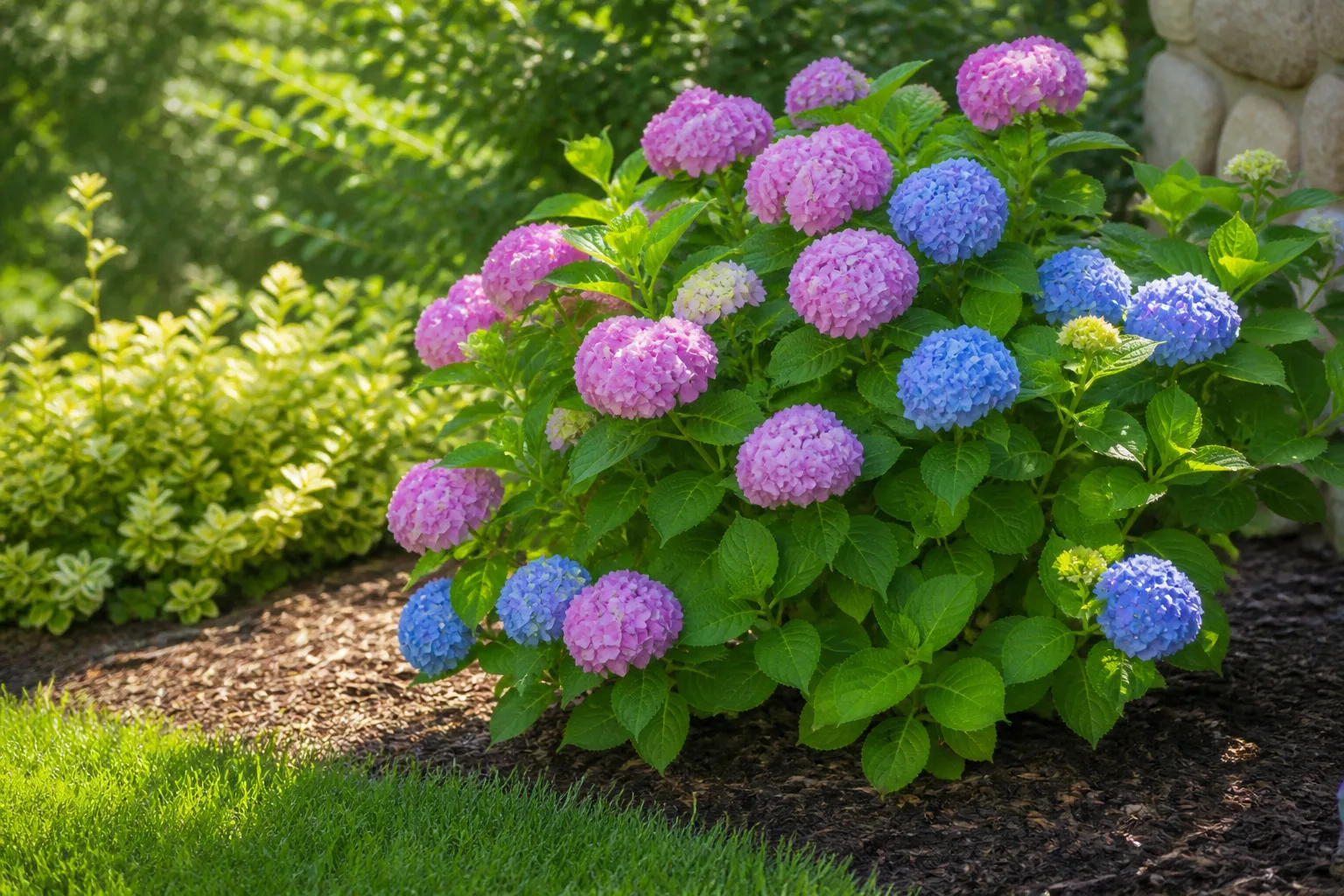
Endless Summer Hydrangea Care at a Glance
Endless Summer® hydrangeas are reblooming bigleaf hydrangeas, not plants that flower continuously without pause. They can bloom first from buds that survived winter and later from shoots produced during the current season, so keeping old stems alive can bring earlier flowers while new growth may add a later flush. A late freeze, drought, deep shade, or untimely pruning can still reduce the display.
| Care choice | Reliable starting point |
|---|---|
| Light | Morning sun with afternoon shade; adjust for heat and latitude |
| Soil | Moisture-retentive, rich in organic matter, and well drained |
| Water | Soak the root zone when it begins to dry; check pots more often |
| Pruning | Minimal; wait for spring growth before removing winter-damaged stems |
| Flower color | Depends on cultivar, pH, and available aluminum—not pH alone |
| Winter | Protect roots in pots and preserve healthy stems and buds |
Treat the cultivar label as part of the care instructions. The brand includes several selections with different forms and sizes, and “Endless Summer” on a label does not make every shrub interchangeable. The NC State Extension Plant Toolbox identifies the original ‘Bailmer’ as a reblooming mophead, while the company’s Endless Summer® planting and care guide gives collection-specific site guidance.
What Makes Endless Summer Different
Most bigleaf hydrangeas (Hydrangea macrophylla) set many of their flower buds on stems grown the previous year. Those buds are called old wood because they must remain alive through winter to open the following season. Standard old-wood cultivars can grow vigorously after a harsh winter and still produce few flowers if cold or pruning removed their buds.
Endless Summer selections are bred to flower on old wood and on new shoots. That second pathway can help a plant make some flowers after older buds are lost, but it does not guarantee a full display that year. New-wood flowers usually arrive later, and a shrub that was cut back hard, stressed, or repeatedly frozen may not have enough time and energy to make many of them. Penn State Extension describes the collection as part of the reblooming bigleaf group, while Epic Gardening’s pruning overview explains why pruning still carries a bloom trade-off.
This distinction helps set expectations: reblooming is a resilience feature, not permission to prune whenever you like. Keep as much healthy framework as possible, then let the plant’s growth and local weather determine how many flower waves it can support.
Choose a Cultivar That Fits Your Space
Look at the cultivar name, mature size, and flower form before choosing a planting site. The Original is the classic mophead selection; Twist-n-Shout has lacecap flowers; Summer Crush is a more compact option; BloomStruck adds colorful stems and leaf veins; and Blushing Bride begins with white flowers that can mature differently from blue or pink selections. Availability and dimensions vary by market, so use the tag for the plant in your hand rather than a general collection description.
The original selection is often listed around 3 to 5 feet tall and wide, but a shrub can be larger or smaller with climate, soil, and pruning. Leave room for the labeled mature width and airflow instead of planting several shrubs shoulder to shoulder and planning to shear them later. If a narrow foundation bed cannot fit the mature shrub, choose a compact selection or a different plant; repeated size cuts usually remove stems that could carry flowers.
Buy a plant with a readable cultivar label and inspect the leaves and stems. Choose a full, evenly branched specimen with firm green foliage and no obvious blackened buds, sticky pest residue, or persistently soggy potting mix. The label also matters later if you want to change flower color, compare winter performance, or check propagation restrictions for a named cultivar.
Pick a Site for Your Climate
Morning sun and afternoon protection are the safest starting point for most gardens. In cooler northern regions, a few more hours of direct sun can help flowering; in hot southern or inland gardens, intense afternoon exposure can heat the leaves and root zone faster than the plant can replace water. The Endless Summer care guide recommends morning sun with dappled afternoon shade and calls for more shade farther south, while the RHS hydrangea guide similarly favors light shade where summer soil might dry quickly.
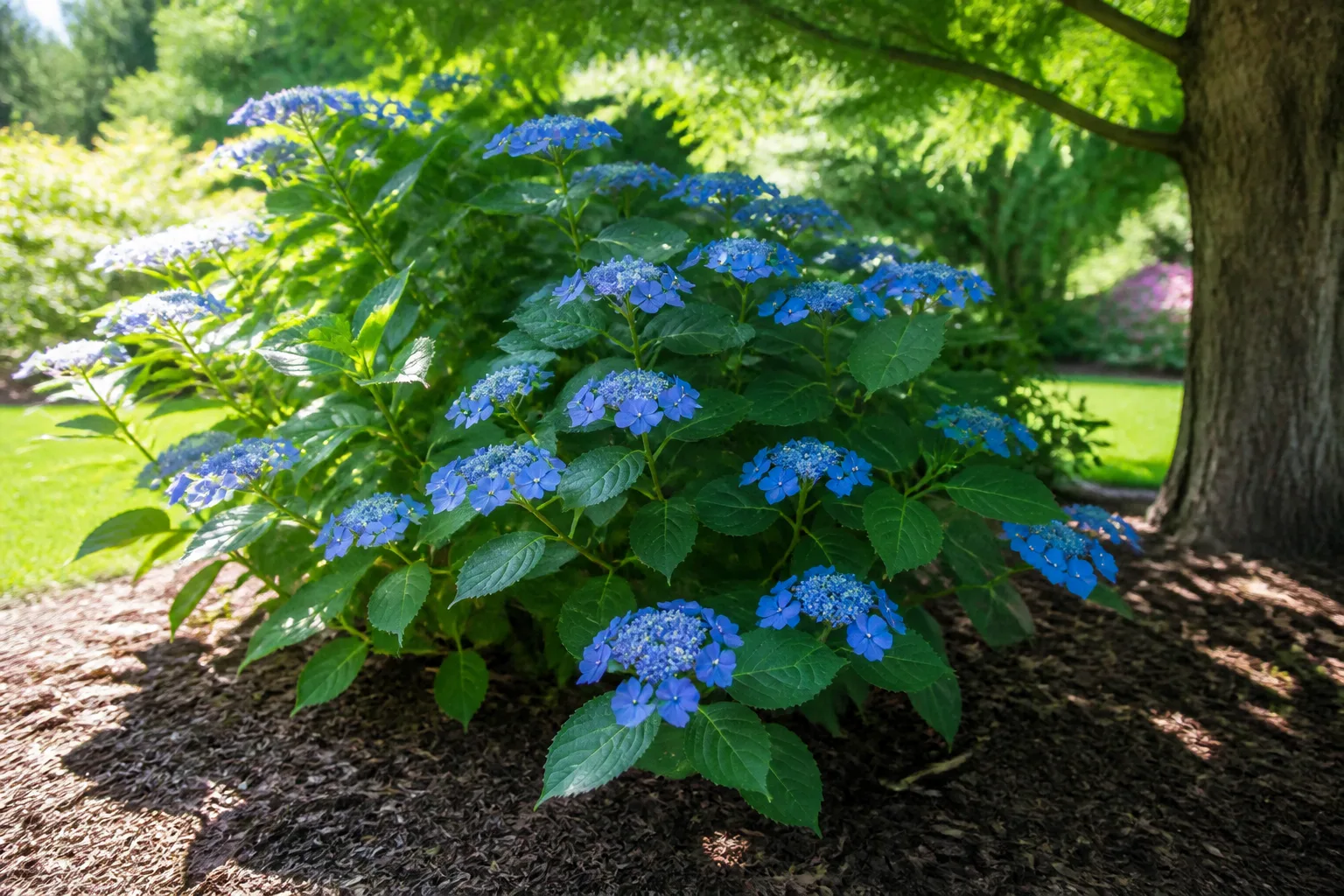
Observe the proposed spot at breakfast, midday, and late afternoon before planting. A location that receives morning light and then shade from a building or high-canopied tree is often more forgiving than a west-facing wall that radiates heat. Avoid deep, dry shade under thirsty tree roots, low frost pockets, strong winter winds, and a downspout that keeps the crown saturated.
Do not diagnose every limp leaf as thirst. Big leaves can droop temporarily during the hottest part of an afternoon even when the soil is moist; if they recover by evening, adding more water may worsen drainage problems. Check the soil first, and address chronic afternoon wilt with shade or a better site rather than a daily flood.
Prepare the Soil and Plant Correctly
Plant in spring after severe frost risk has eased or in early fall while the soil is still warm enough for root growth. A container-grown hydrangea can be planted at other times if you can keep it watered, but avoid frozen ground, saturated soil, and a heat wave. Water the nursery pot before planting so the root ball is evenly moist instead of pulling water out of the surrounding soil after transplanting.
Dig a hole no deeper than the root ball and about two or three times as wide. Loosen circling roots around the outer edge, set the top of the root ball level with the surrounding grade, and backfill with the excavated soil. The RHS planting guidance uses the same depth principle and recommends improving moisture retention across the planting area; a rich, isolated pocket can hold too much water and discourage roots from spreading into the surrounding ground.
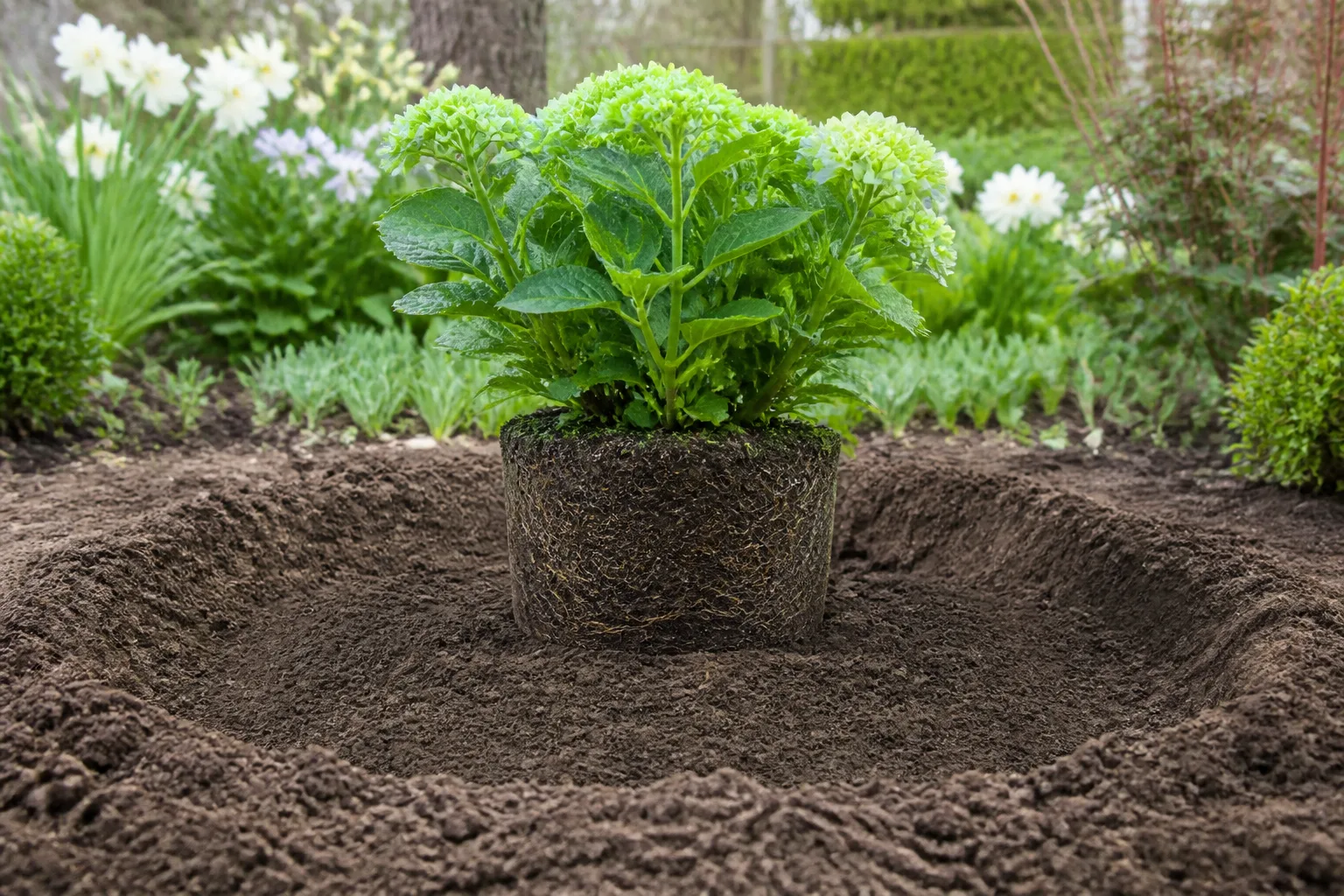
Water slowly to settle the soil and check that water drains rather than standing in the hole. In heavy clay, a broad raised bed or a different site is more effective than placing a layer of gravel under the root ball. Add compost across the bed if the soil is poor, and leave spacing based on the tag’s mature width; touching foliage reduces airflow and makes future maintenance harder.
Water Deeply and Mulch the Root Zone
The goal is evenly moist soil, not constant saturation. During establishment, check the root ball and nearby ground every few days; the original nursery mix can dry at a different rate than native soil. Once the plant is established, check several inches below the surface during hot, dry stretches and water when that root-zone layer is beginning to dry.
Apply water at the base long enough to wet the whole root zone. A quick sprinkle over the leaves may make the shrub look refreshed without reaching the roots. If water runs off compacted soil, slow the flow or divide it into two passes so it can soak in; if a puddle lingers after ordinary irrigation, stop watering and improve drainage before root problems develop.
Spread roughly 2 to 3 inches of composted bark, leaf mold, or another organic mulch over the root zone, keeping it several inches away from the stems. Mulch reduces moisture swings, limits weeds, and shades shallow roots, but a thick mound against the crown can hold moisture against the stems. The RHS recommends an organic mulch for moisture retention, and the Endless Summer® planting and care guide also emphasizes preparing soil and keeping moisture available.
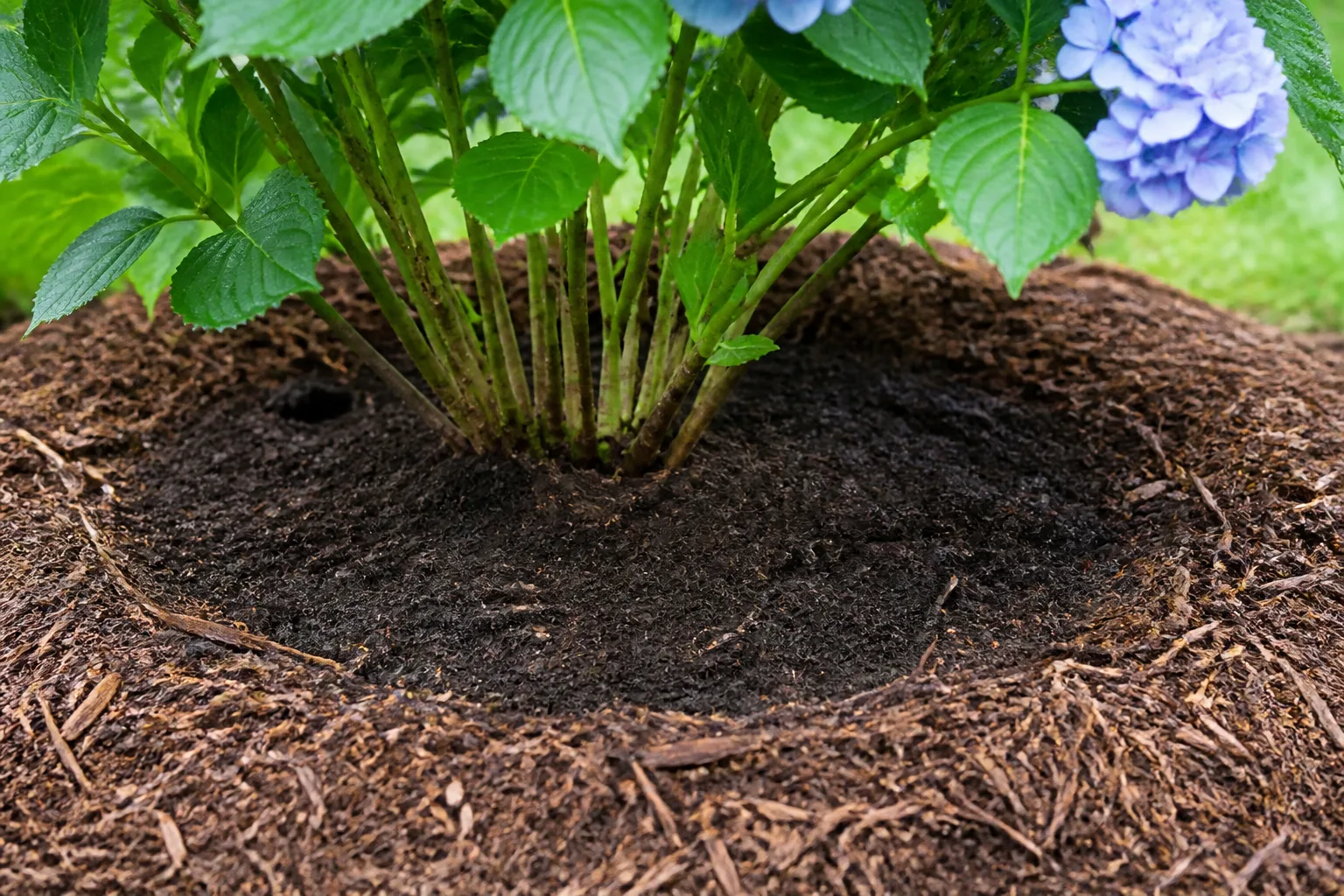
Water early in the day when practical, especially if leaves are often wet overnight. A soaker hose or drip line can deliver water to the soil without splashing foliage. Use the plant’s response as a signal, but confirm moisture before changing the watering schedule: permanent drooping, yellow leaves, or soft stems can reflect overwatering and poor drainage as easily as drought.
Change Flower Color Only After Testing Soil
On many blue- and pink-flowering bigleaf cultivars, soil chemistry affects flower color. More acidic soil can make aluminum available to the plant and support blue tones; less acidic or alkaline soil tends to favor pink, mauve, or red tones. The RHS guide explains that soil pH changes aluminum availability, while the brand’s care page describes color response within the Endless Summer collection.
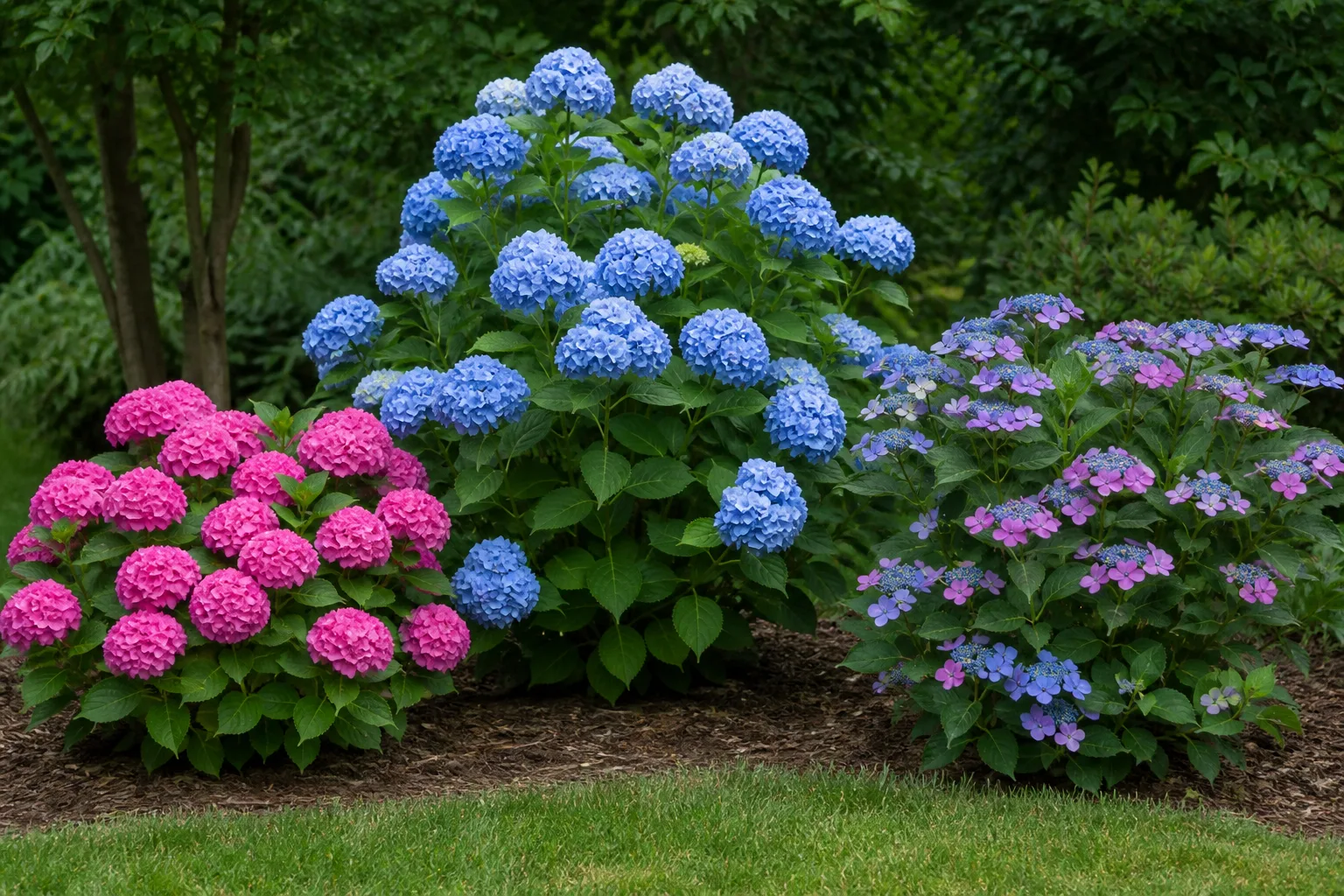
Test before adding a colorant or soil acidifier. A home kit can provide a rough reading, but a lab soil test is more useful when you need pH and nutrient recommendations together. Then check whether your cultivar can change color; white selections do not become reliably blue just because the soil is acidic, and some flowers shift as they age regardless of amendments.
Make changes gradually and follow the product label. Alkaline or chalky soil may resist a quick shift, and a potting mix in a container may respond differently from a large in-ground bed. Avoid guessing with vinegar, pennies, coffee grounds, or a large dose of aluminum sulfate: these shortcuts can produce unpredictable results or injure roots. Flower color is a cosmetic preference, so a healthy pink hydrangea is a better outcome than a stressed shrub with a forced pH.
Fertilize Lightly, If the Plant Needs It
A newly planted shrub needs good root contact and consistent moisture more than a high-dose fertilizer. If the plant is growing normally, has green leaves, and flowers as expected, it may need no supplemental feeding that season. Where growth is weak, use a soil test to separate nutrient deficiency from the more common causes of poor growth, such as shade, drought, root competition, or waterlogged soil.
If a test or product label supports feeding, apply a slow-release fertilizer formulated for shrubs in spring, using its stated rate for the plant’s size. Do not add extra phosphorus simply because a hydrangea is flowering poorly; lost winter buds and wrong-time pruning are not fertilizer problems. Excess nitrogen can make lush leaves and soft growth while doing nothing to replace damaged flower buds.
Avoid fertilizing late in the season, when tender new growth may not harden before cold weather. Keep granules off the stems and water them in according to label directions. A conservative feeding plan is easier to correct than a heavy application, and it keeps the plant’s care focused on the basics that determine bloom reliability: light, moisture, drainage, and intact stems.
Prune Without Losing the Main Flower Flush
Endless Summer hydrangeas need little routine pruning. Because they can flower on both old and new wood, cutting every stem back may remove the earliest buds even if the shrub later makes a smaller set of flowers on fresh growth. Start by asking what the cut is meant to accomplish: remove dead wood, tidy spent blooms, renew an old shrub, or reduce its size. The first two goals usually require less cutting than the last two.
In spring, wait until buds swell or leaves begin to emerge before deciding which stems are dead. Scratch a small patch of bark on a questionable branch; green tissue below the bark indicates live wood, while dry brown tissue down the stem suggests dieback. Remove only confirmed dead or broken sections, cutting back to live tissue or to the base if the entire stem is dead. Penn State Extension’s pruning guide for hydrangea species distinguishes old-wood and reblooming types, and Epic Gardening’s advice for rebloomers supports a cautious spring cleanup.
Deadheading is different from shaping. If a flower has faded and you want a neater look, snip just below the flower head and above a strong pair of leaves or buds while the shrub is actively growing. Stop before late summer; the Endless Summer® brand recommends avoiding cuts after August 1 to preserve developing growth and buds, though the practical date should be interpreted with your local growing season. You can also leave faded heads in place for winter structure and extra frost shelter.
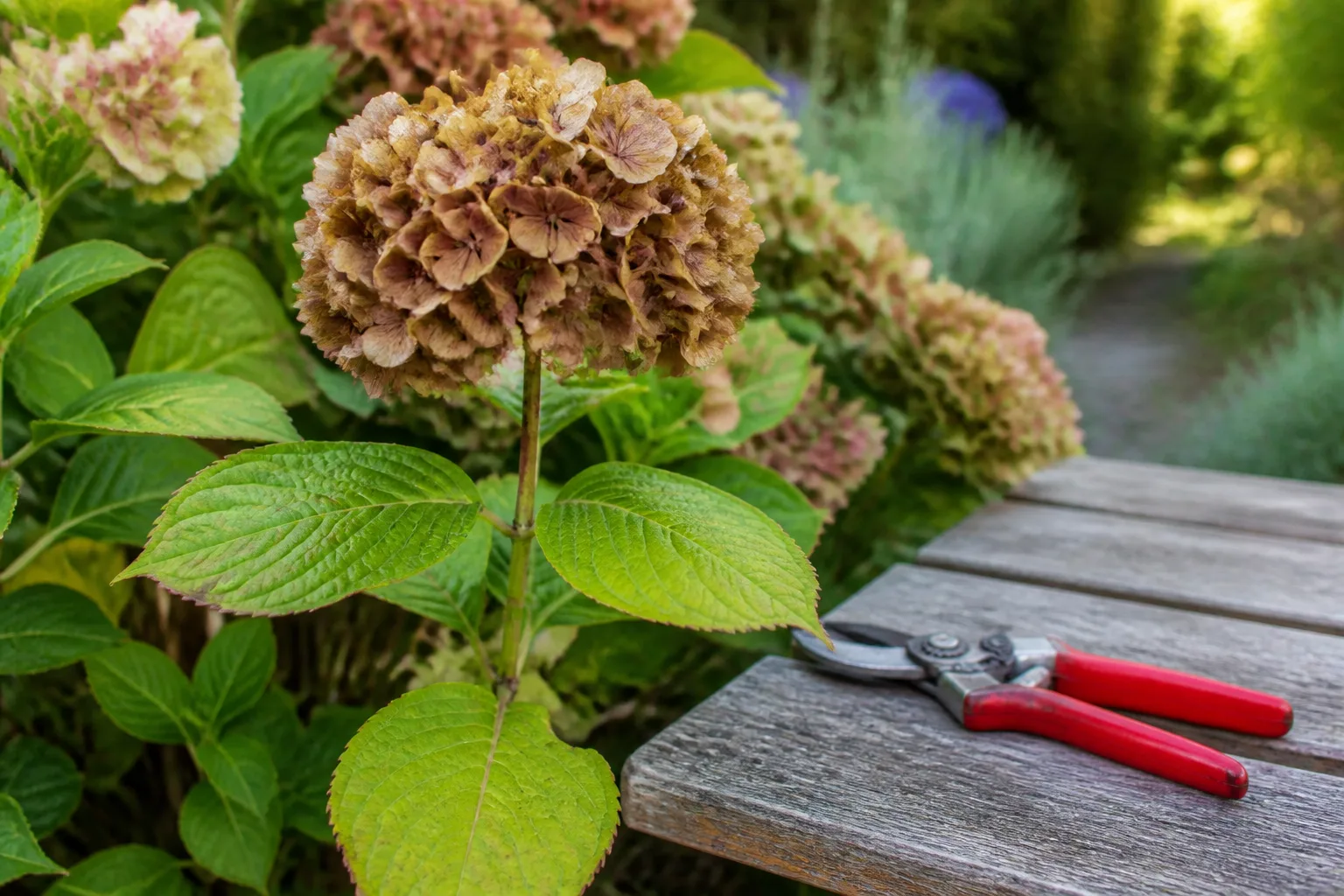
If the shrub is too large, prune selectively rather than shearing it into a ball. Remove one or two of the oldest stems at the base after flowering, or accept fewer flowers in exchange for a deliberate size reduction. If the site is fundamentally too small, relocating the shrub or replacing it with a compact cultivar is more sustainable than annual hard pruning.
Follow a Seasonal Care Calendar
Use plant stages as your calendar because bloom and frost dates vary by region. The same shrub can leaf out weeks earlier in a mild coastal garden than in a cold inland one, and early warmth followed by a freeze can injure buds even where the plant is otherwise winter hardy.
- Late winter to mid-spring: Keep mulch in place until severe cold passes. As buds swell, inspect for winter injury and remove only clearly dead or broken stems. Do not cut back all stems to ground level.
- Spring planting and leaf-out: Plant new shrubs when soil is workable, water them through establishment, refresh mulch, and place any needed support before flower heads become heavy.
- Early to midsummer: Monitor soil in heat, deadhead selectively after the first flush if desired, and feed only when soil or plant symptoms justify it. Maintain airflow rather than crowding or shearing.
- Late summer through fall: Stop structural pruning and avoid pushing soft new growth with fertilizer. Let fading flower heads remain if you like the winter structure and want to avoid removing buds.
- Winter: Check pots during dry spells and protect containers from repeated freeze-thaw exposure. In-ground shrubs generally need less intervention than potted ones, but young or exposed plants can benefit from a stable mulch layer.
This calendar prioritizes preserving stems over tidying every season. If your hydrangea has a particular disease, storm damage, or an unsafe branch, deal with that immediate issue; otherwise, wait until you can see the plant’s bud pattern clearly.
Protect Buds and Container Roots Through Winter
The roots, stems, and flower buds do not have identical cold tolerance. A shrub may survive winter and resprout from its base while losing the old-wood buds that would have provided its first flowers. Reblooming can give it another chance later, but new shoots need time and suitable weather to set flowers. That is why hardiness-zone labels describe survival potential rather than a guaranteed bloom schedule.
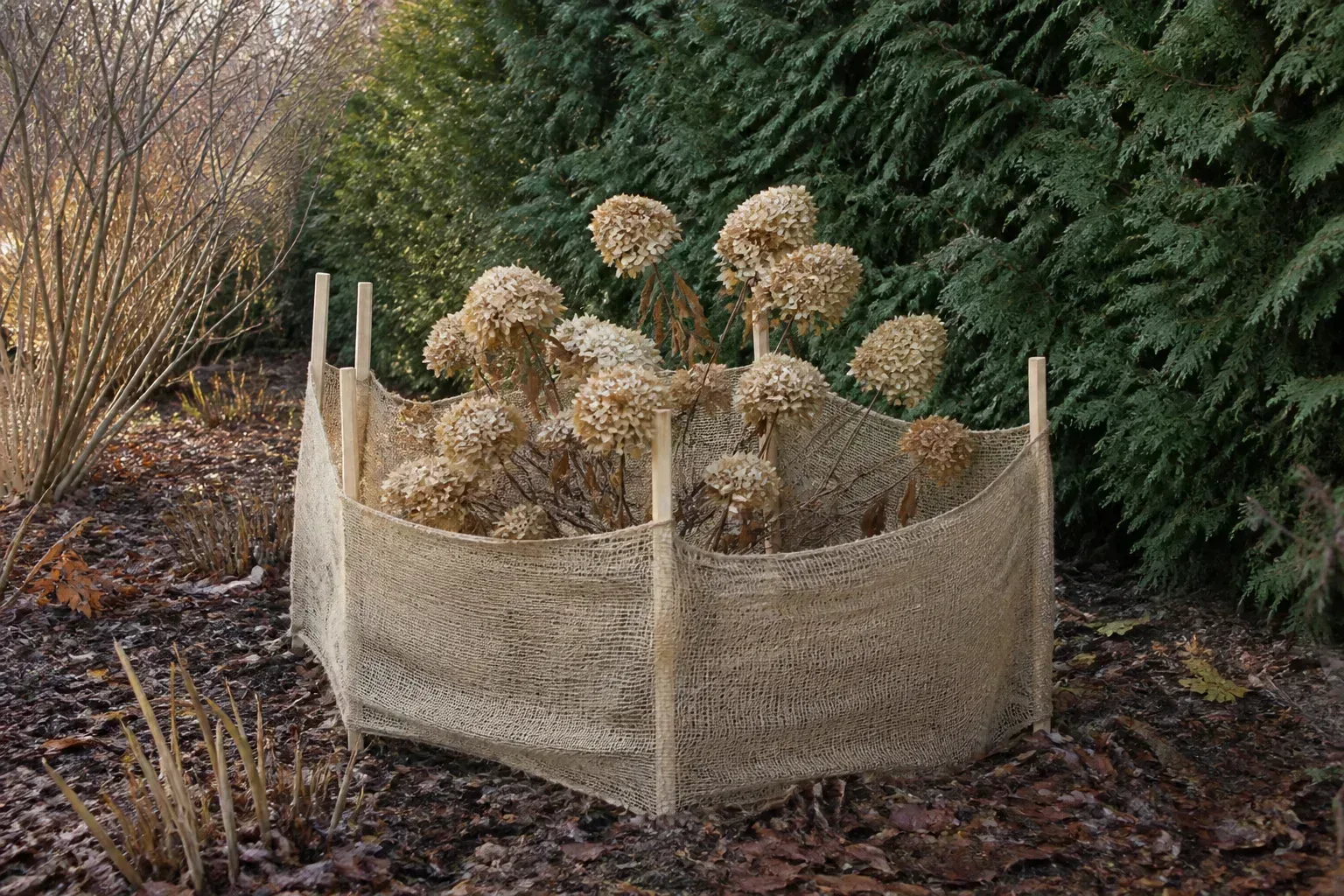
Before winter, water the root zone if the soil is dry and apply a loose mulch layer over the root area. In a cold, windy site, a simple breathable cage around the dormant shrub filled loosely with dry leaves can buffer temperature swings; do not pack wet material against the stems or seal the plant in plastic. Remove or loosen protection as the weather moderates so the crown can dry and new shoots are not trapped.
Late spring frost is a separate risk. If tender shoots have emerged and a freeze is forecast, cover the shrub overnight with breathable frost cloth and uncover it after temperatures rise. If shoots blacken, wait for healthy growth to show where live wood ends before pruning. The RHS growing guide notes that new spring growth can be frost sensitive; local frost dates and exposure matter more than a zone number alone.
Container hydrangeas need extra root protection because their root balls are above ground and experience colder, faster temperature swings. Move a pot to a sheltered, unheated garage, shed, or cold greenhouse where it can remain dormant, and water sparingly when the mix dries. The RHS recommends a sheltered spot for pots and checking the compost during dry winter periods; avoid a heated living room, where warmth and low light can trigger weak growth.
Grow Endless Summer in a Container
A compact selection can grow in a large container if the pot has several unobstructed drainage holes and enough soil volume to buffer heat and drying. Choose a container slightly wider than the root ball, use a quality outdoor potting mix, and keep the crown at the same height it had in its nursery pot. A saucer can catch runoff, but empty it rather than letting the roots stand in water.
Pots need more frequent checks than garden beds. In warm or windy weather, push a finger into the mix rather than watering by habit; when the upper layer is dry and the root zone is starting to lose moisture, water until excess drains freely. Move the pot into afternoon shade during hot spells and rotate it occasionally if one side receives all the sun.
The limited soil volume can make color adjustments easier to monitor, but it also makes pH swings and fertilizer mistakes more consequential. Test the potting mix or follow a product specifically labeled for container hydrangeas; do not combine multiple color products or feed at full strength without checking the instructions. When roots circle densely or emerge from the holes, move up one pot size or refresh the mix in spring.
Hydrangeas are woody shrubs that need seasonal conditions, so a container does not make this an indoor houseplant. If you want to propagate a named cultivar, check its current plant label and any applicable propagation rights first; a trademarked collection name and an individual cultivar’s patent status are not the same thing. For a small patio, one well-watered pot in the right light is easier to maintain than a root-bound shrub that is continually cut back.
Diagnose a Shrub That Is Not Blooming
When leaves look healthy but flowers are missing, work through the previous season before applying fertilizer or color products. Several different failures can produce the same result, and the fix depends on where the growing cycle was interrupted.
- Check pruning and browsing first. Fall cuts, late-summer shaping, or deer eating stem tips can remove the old-wood buds. A rebloomer may compensate later, but it may not match the first flush.
- Review winter and spring weather. Dead stem tips, blackened young growth, and a freeze after an unusually early warm spell point to bud injury. Preserve healthy lower stems and give new shoots time to develop.
- Assess light and root competition. Deep shade, nearby tree roots, or a recently planted shrub still establishing can produce foliage without a strong flower set. Improve light gradually or reduce competition without damaging the hydrangea’s shallow roots.
- Check moisture and drainage. Drought during active growth can stall flowering, while saturated soil weakens roots. Feel the soil and look for standing water before deciding which way to adjust irrigation.
- Consider fertilizer last. Excess nitrogen can favor leaves, but adding more nutrients will not replace buds that were pruned or frozen off.
If one summer is poor, avoid making several major changes at once. Keep the plant watered, preserve stems, and note when buds emerge and which branches flower; that record helps distinguish a true cultivar issue from a one-season weather loss. If only a few stems bloom, compare sun exposure across the shrub and look for a localized source of damage, such as a roof drip, animal browse, or a frost pocket.
Manage Common Pests, Disease, and Safety
Bigleaf hydrangeas can develop leaf spots, powdery mildew, bacterial wilt, aphids, or other common garden problems, but a few marked leaves do not automatically call for treatment. First improve conditions: water at soil level, remove heavily diseased debris, avoid crowding, and give foliage time to dry. Identify the pest or disease before using a pesticide, and follow the product label and local rules if treatment is necessary.
Check stems and the undersides of leaves for clusters of insects, webbing, or unusual spotting. A light aphid infestation may be dislodged with water; repeated leaf spotting or whole-branch wilt deserves a closer diagnosis because water stress, root damage, and disease can look similar. The NC State Extension plant profile lists leaf spot, bacterial wilt, powdery mildew, and deer damage among potential problems for the species.
Keep the plant out of reach of pets or small children who chew ornamental plants. NC State’s plant profile classifies H. macrophylla as having low-severity poison characteristics, and the RHS hydrangea guide notes that ingestion can cause stomach upset and foliage contact may aggravate sensitive skin. Wear gloves if you are prone to plant irritation, and contact a veterinarian or poison-control service if a person or animal eats part of the plant and develops symptoms.
Conclusion
Endless Summer hydrangeas are easiest to manage when you protect the stems that can flower early and give new shoots a chance to rebloom later. Choose the named cultivar for your space, plant it in morning sun with afternoon relief, keep the soil evenly moist but well drained, and test before trying to change flower color.
Keep pruning small and purposeful. Wait for spring growth before removing winter-damaged wood, stop routine cuts before late-season buds develop, and judge a bloom failure by looking at pruning, frost, light, and moisture before reaching for fertilizer. The shrub may not rebloom on schedule every year, but sound placement and preserved stems give it the best chance to show both its early and later flowers.