How to Grow and Care for Krantz Aloe Indoors or Out
Learn how to grow Krantz aloe indoors or outdoors, with practical advice on sunlight, drainage, watering, winter protection, propagation, and common problems.
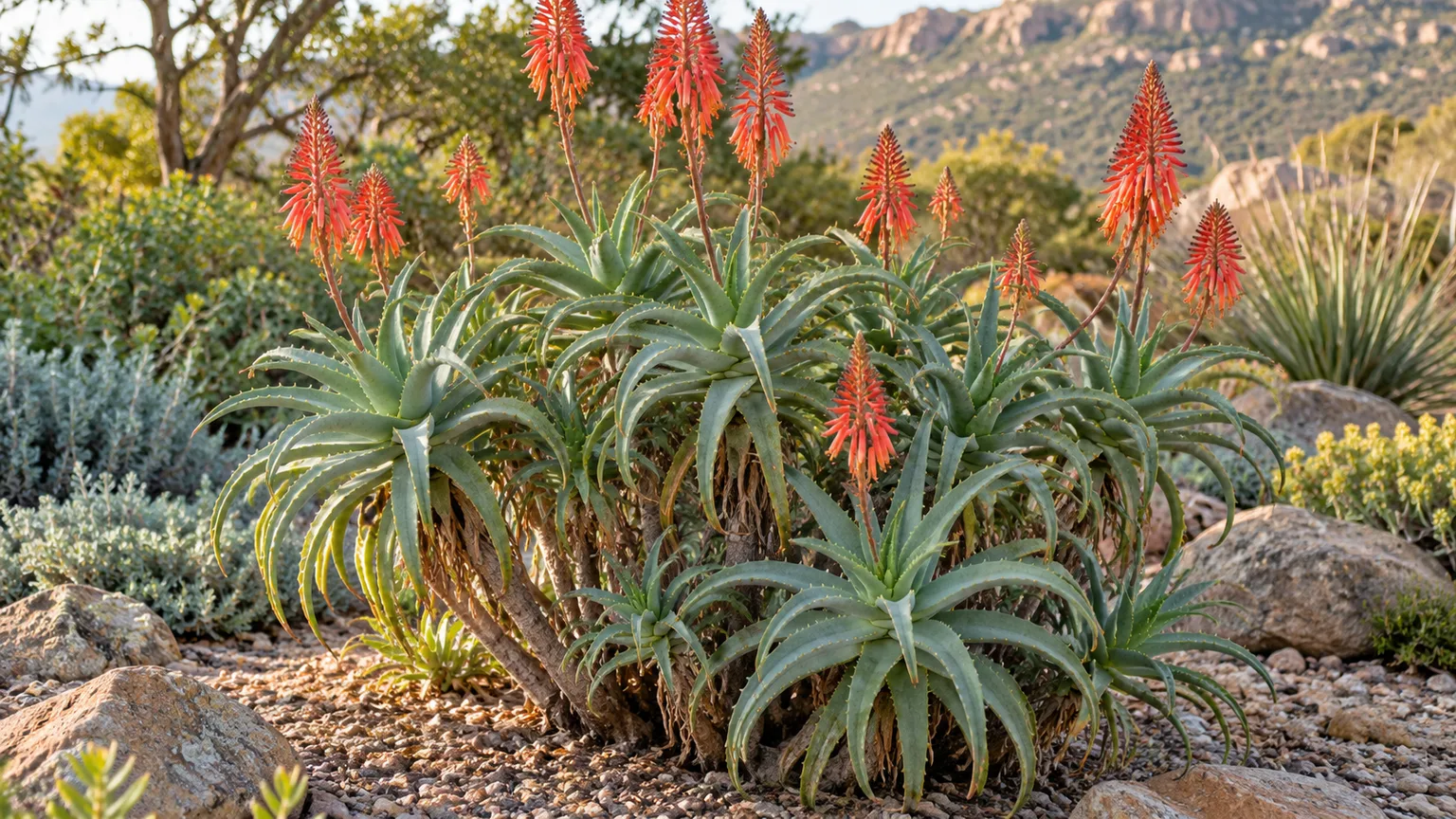
Krantz aloe (Aloe arborescens) is a flowering succulent that grows as a branching shrub, not a small rosette for a desk. Its blue-green leaves are arranged in dense crowns at the ends of woody stems, and mature plants can occupy several feet of garden space. Give it bright sun, sharply draining soil, and room away from walkways; in climates with hard or prolonged freezes, grow it in a movable container or under protection instead of gambling on an exposed planting.
The most important care decision comes before watering or fertilizing: decide whether your winter climate and available space suit a large, spiny plant. Once it is planted in the right spot, Krantz aloe is relatively undemanding, but “drought tolerant” does not mean immune to rot, cold, or neglect while newly established.
What Krantz aloe is and whether it fits your space
Krantz aloe is the common name for Aloe arborescens, a Southern African evergreen succulent in the Asphodelaceae family. It is also called candelabra or torch aloe, names that refer to its branching stems and upright clusters of tubular flowers. The Royal Horticultural Society describes it as a multi-headed shrub with curved, toothed blue-green leaves and red flowers; the flowers and overall habit distinguish it from the familiar compact aloe sold as an indoor accent plant. (RHS plant profile)
Choose this aloe when you have a warm, sunny garden, a spacious patio, or a very bright conservatory where a sizable container will not become an obstacle. It can be a striking specimen, an informal screen, or part of a dry garden, but its sharp leaf margins make it a poor choice beside a narrow path, children’s play area, or doorway. A mature plant also takes more effort to move than a small nursery pot suggests.
It can be grown indoors temporarily or year-round where light and space are adequate, yet it is not an easy “low-light houseplant.” If you want a compact indoor aloe, a smaller species is usually a more realistic fit.
How large does Krantz aloe get?
Plan for a shrub several feet tall and wide, with flower stalks rising above the leaf rosettes. The RHS lists a potential height of 2.5 to 4 meters and a spread of 1.5 to 2.5 meters; a Colorado nursery profile lists about 10 feet tall and 9 feet wide under its regional conditions. These are mature potential sizes, not a forecast for every pot or climate, but they show why a tight planting slot is a mistake. (RHS plant profile; Tagawa Gardens plant profile)
Leave clearance for the full spread plus access for pruning and cleanup. If planting several aloes as a hedge, remember that a dense row is harder to inspect for pests and may hold moisture between crowded crowns.
A large pot slows the plant’s expansion but does not keep it miniature forever.
Is Krantz aloe hardy where you live?
Hardiness labels are not interchangeable across regions, and a single minimum-temperature number cannot account for how long a freeze lasts, whether roots are wet, or whether the plant is sheltered. The RHS classifies Aloe arborescens for protected cultivation in the UK, while South African gardening references describe aloes as coping with light frost but not severe frost and bitter cold. A Colorado nursery likewise warns that this species is not reliably hardy in its local region. Together, these references point to a practical rule: treat Krantz aloe as a warm-climate landscape plant, not a dependable cold-winter shrub. (RHS plant profile; The Gardener, aloe cultivation; Tagawa Gardens plant profile)
If winters are mild and the ground drains quickly, an in-ground planting may be appropriate. In places where frost is occasional or brief, use a sheltered site and be prepared to protect the plant during cold snaps. If your garden has regular freezes, long below-freezing spells, or wet winter soil, keep Krantz aloe in a container that can move into a frost-free, bright space; a heated greenhouse or conservatory is safer than an unheated damp shed.
A pot does not make cold irrelevant. Container roots are more exposed to air temperatures than roots in the ground, and a wet mix can stay cold around them. Move the plant under cover before frost is forecast rather than waiting for soft, darkened leaves, and let the potting mix become dry before an extended cool rest. A breathable frost cover can help an established garden plant during a short, light frost, but it cannot compensate for a site with recurring hard freezes.
Where to plant Krantz aloe
Choose a position with excellent drainage, enough sun, and a clear buffer around the leaf tips. A raised slope, gravel garden, rockery, or berm is often a better fit than a low pocket where rainwater collects. If water remains on the surface after a storm or the soil stays sticky for days, improve the planting level or choose a container rather than digging a deeper hole in the same wet spot.
Think about the plant’s sharp margins before it gets large. Keep it away from gates, narrow paths, outdoor dining areas, and places where a person might back into it while carrying a pot or hose. If it is near a window, account for the width of the leaves as well as the trunk; the tips can extend beyond the silhouette of the stems.
In coastal gardens, specialist references report that Krantz aloe can grow near the sea, but wind, salt spray, drainage, and local climate still matter. Start with a sheltered position and judge the plant’s new growth before assuming every coastal site is suitable. (Random Harvest Indigenous Nursery, Krantz aloe profile)
How much light it needs
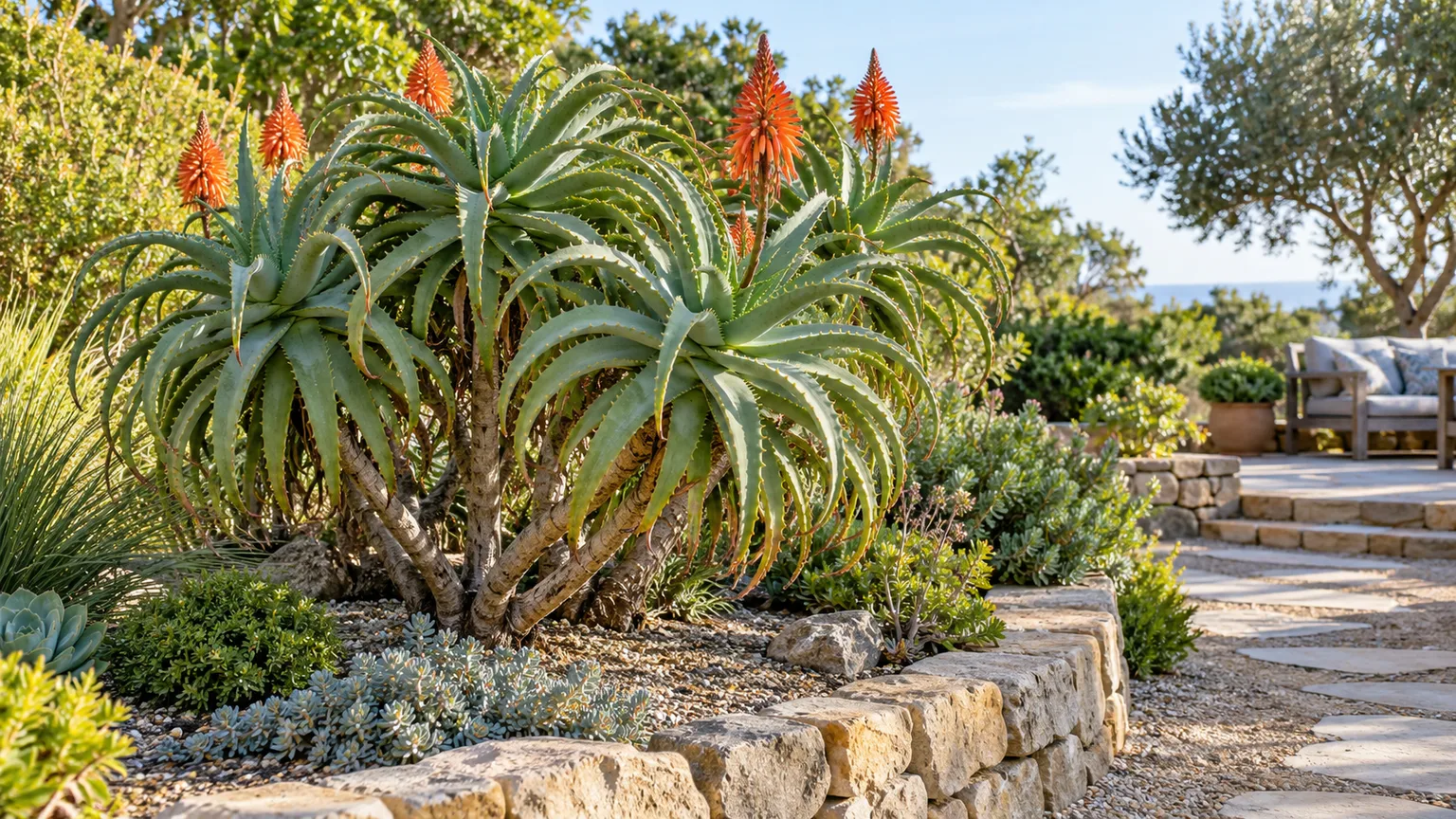
Outdoors, give Krantz aloe full sun for strong, compact growth and the best chance of flowering. It can tolerate some light shade in a very hot climate, but deep shade tends to produce weaker, less balanced growth and can reduce flowering. If a nursery plant was kept under shade cloth, do not set it directly into intense afternoon sun on its first day; increase exposure over a week or two so leaves can adjust.
Indoors, the brightest available window is usually the best starting point, often a south- or west-facing exposure in the Northern Hemisphere or the opposite orientation south of the equator. Turn the pot occasionally if the plant leans toward the glass. If new leaves stretch, narrow, or lean strongly while older growth stays compact, the plant is telling you the light level is inadequate.
Glass can magnify heat and sun, so watch for bleached patches or dry tan areas on leaves that suddenly receive direct afternoon light. These marks do not turn green again. Move the plant slightly back from the hottest glass or add light shade during the most intense part of the day, then make future changes gradually instead of swinging between dim conditions and harsh exposure.
Soil and drainage that protect the roots
The key soil property is not a particular pH; it is the speed at which excess water leaves the root zone. The RHS lists well-drained soil and allows a broad pH range. In a garden, sandy or gravelly soil is naturally convenient, but even heavier ground can work if the plant sits high enough for water to drain away rather than collect around the base. (RHS plant profile)
For clay or compacted soil, avoid planting in an isolated pocket filled with loose potting mix. That can create a basin that holds rainwater. Instead, build a broad raised mound with mineral material, plant on the mound’s shoulder, or use a container with open drainage holes. A layer of stones at the bottom of a pot does not correct a slow-draining mix; the whole root ball needs an open, gritty structure.
For containers, start with a commercial cactus and succulent mix and amend it with pumice, perlite, or coarse horticultural grit if the mix stays damp too long. The goal is an airy medium that drains through the pot and still anchors a top-heavy plant. Avoid dense garden loam or moisture-retentive mixes intended for tropical foliage plants. A thin mineral top-dressing can keep leaves from resting on wet soil, but do not bury the stem or pack gravel tightly around the crown.
Watering Krantz aloe in the ground
Water a newly planted aloe more often than an established one while roots spread into the surrounding soil. During the first few weeks, check the root zone rather than watering by habit: give it a thorough soak when the planting area has dried several inches down, then allow the soil to drain before watering again. Once established, it can handle dry periods, but occasional deep watering during active growth supports steadier growth and flowering better than a constant trickle.
The exact interval depends on rainfall, temperature, soil texture, and whether the plant is actively growing. In hot, dry weather, a plant in gritty ground may need water sooner than one in cooler weather or clay; after rain, it may need none for a while. The Gardener distinguishes survival-level drought tolerance from the regular growing-season moisture that supports a fuller plant, while still emphasizing well-drained soil. (The Gardener, aloe cultivation)
Water at the soil line when practical, especially in cool weather, and avoid keeping the base wet for days. You do not need to mist the leaves or keep the root zone evenly damp. If a probe or finger finds moisture below the surface, wait; if the soil is dry well below the mulch and leaves begin to look less firm during warm active growth, water thoroughly and then let the soil dry again.
Watering a container-grown plant indoors or out
Container soil dries faster in sun and wind but can also remain wet for a surprisingly long time during cool weather. Check beneath the surface with a finger or wooden skewer; do not rely on a dry-looking crust alone. If the skewer comes out damp or cool, wait. When the mix is dry through most of the pot, water slowly until excess drains from the holes, then empty any saucer or cachepot.
Do not give frequent sips to a dry pot. A small splash wets only part of the root ball, encouraging uneven growth and leaving salts behind, while repeated watering before the mix dries removes the air roots need. One full watering followed by a proper dry-down is easier to manage than a fixed weekly schedule.
Indoor plants usually use less water in winter because lower light and cooler temperatures slow growth. Keep the mix on the dry side during this period, especially if the room is cool. If the plant remains warm and receives strong light, it may continue growing and need more frequent checks, but the decision should still come from root-zone dryness rather than a calendar.
Pot choice and repotting
Use a stable pot with several drainage holes and enough width to support a spreading, top-heavy crown. Choose a pot only modestly larger than the root mass; a huge volume of unused wet mix can stay damp long after the roots have taken up water.
Repot when roots circle densely, the plant repeatedly tips, water runs straight through because the root mass has filled the container, or the mix has broken down and stays wet. Spring or early summer is a practical time because the plant can resume growth in warmth. Wear thick gloves, support the stems, and avoid pulling on the leaves; if the plant is too large to handle safely, ask for help rather than risking a fall or a spine puncture.
After repotting, keep the plant in bright shade for several days if roots were disturbed, then return it to its usual sun gradually. If roots were cut or torn, let damaged areas dry before the first thorough irrigation so fresh wounds are not sitting in damp mix.
Fertilizer and mulch
Krantz aloe is not a heavy feeder, and an in-ground plant in reasonably healthy soil may need no routine fertilizer. A container plant loses nutrients through repeated watering, so a light application of a balanced liquid fertilizer at the label rate during active spring or summer growth is reasonable if growth has slowed despite good light, sound roots, and adequate space. The RHS recommends monthly feeding during its stated May-to-August indoor growing period; because seasons differ by hemisphere and growing conditions, use your plant’s active-growth season rather than copying those calendar months. (RHS plant profile)
Skip feeding in winter, right after repotting, or when the soil remains wet. Fertilizer cannot fix low light, root rot, or a pot that is too large. Excess nutrients can cause soft, fast growth that is less structurally sturdy, so dilute carefully and do not apply several products at once.
In a dry climate, mineral mulch such as gravel is often easier to maintain and keeps leaves from sitting against damp soil. In wet-winter regions, drainage and air movement matter more than adding a rich mulch.
Pruning without damaging the plant
Routine shaping is usually unnecessary. Remove dead flower stalks after the flowers fade and take off fully dry lower leaves if they detach easily, but leave firm green leaves in place; they still support the plant. The RHS lists no pruning as required for the species, which is a useful reminder that aggressive cutting is not part of ordinary care. (RHS plant profile)
If the clump is too wide, remove selected side shoots at their base rather than shearing across the crowns. That keeps the remaining rosettes intact and gives the plant a cleaner outline. Work during warm, dry weather, use a sharp disinfected pruning saw or knife, and plan where each heavy, spiny section will fall before making a cut.
Wear eye protection, thick gloves, long sleeves, and sturdy shoes. Allow large cut surfaces to dry in airy conditions; avoid soaking the plant until the cut has begun to seal, and do not leave fallen pieces where pets or children might pick them up.
Propagating offsets and stem cuttings
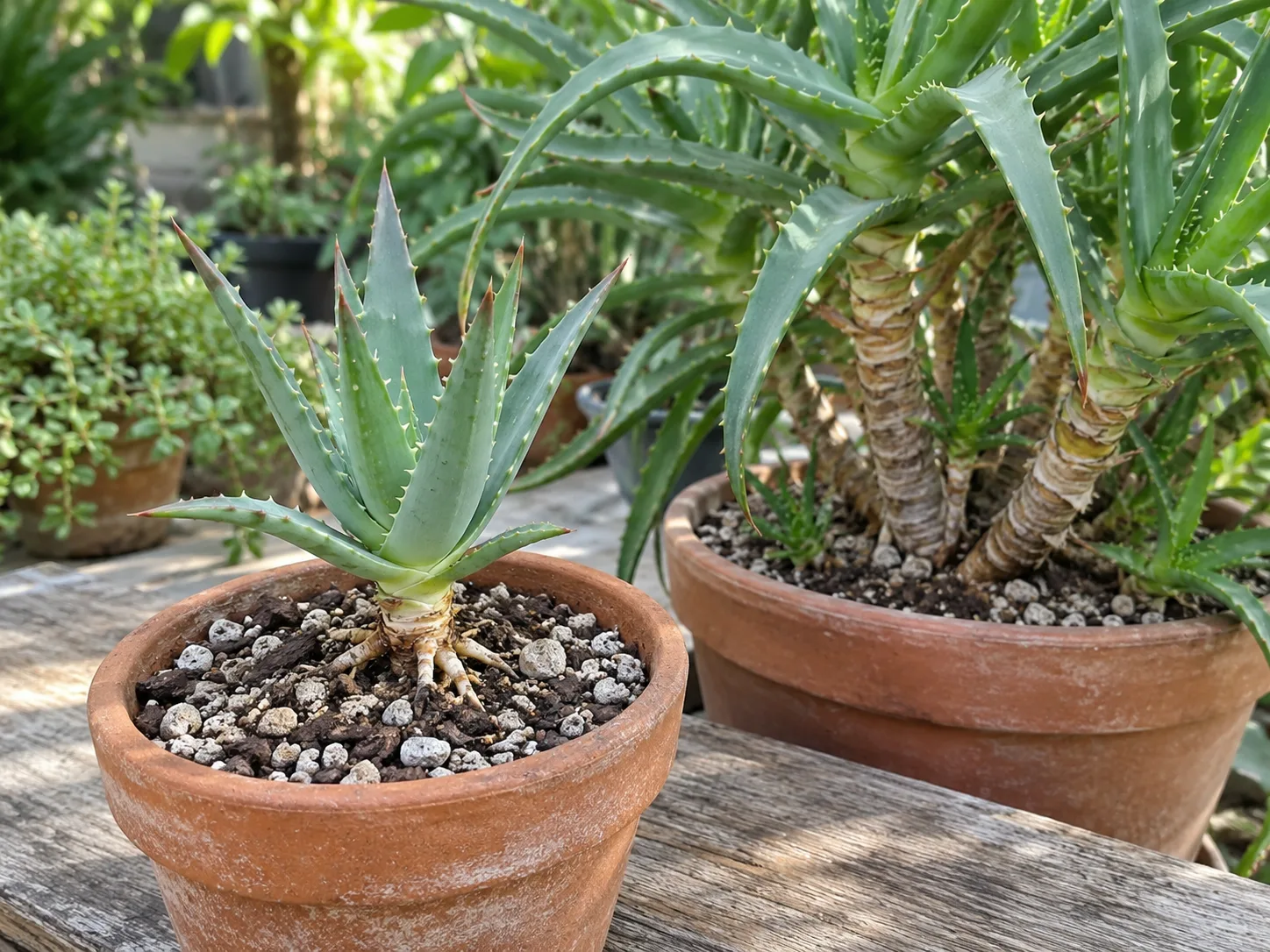
The simplest home method is to separate a rooted offset, or pup, that has grown beside the parent plant. Spring or early summer gives a young plant time to establish while temperatures support growth. The RHS recommends propagation from offsets in late spring or early summer; the same season is practical for dividing a container-grown clump. (RHS plant profile)
- Water the parent lightly a few days ahead only if its soil is very dry, then unpot it or clear soil from around the pup.
- Put on protective gloves and use a clean, sharp blade to separate the offset where it joins the mother plant, keeping as many roots as possible.
- Remove only dead roots and leaves. Set the pup in a dry, airy place until the cut surface is dry to the touch, then pot it in a small container of gritty succulent mix with the base at soil level.
- Keep it in bright shade while it settles. Begin watering lightly only after the cut has dried, then increase to a thorough soak once it shows signs of new growth and the mix dries normally.
A rootless branch cutting can also be tried, though a large cutting is awkward to handle and can lose water before it roots. Cut below a healthy rosette, let the cut end callus in a dry, shaded, ventilated spot, and insert the base into gritty mix only after it has sealed. Keep the mix on the dry side until roots begin to form; The Gardener also recommends drying aloe branch cuttings before planting them in sandy soil. (The Gardener, aloe cultivation)
Seed propagation is possible but slower and less predictable than taking an offset. The RHS recommends sowing fresh seed with heat; use a shallow tray and free-draining seed mix, keep it lightly moist during germination, and give seedlings strong light once they are large enough to handle. Seed-grown plants may not reproduce every trait of a selected parent, so choose offsets for a closer copy. (RHS plant profile)
What to expect from the flowers
Mature, well-lit plants produce upright clusters of tubular flowers, usually in shades of red or orange, though yellow-flowered forms are also cultivated. Flowering season shifts with hemisphere and growing conditions: the RHS profile describes late-winter-to-spring blooms, while South African references describe winter flowering. Expect the plant to follow the local growing cycle rather than a single calendar month. (RHS plant profile; Random Harvest Indigenous Nursery, Krantz aloe profile)
Strong light and maturity matter more than a special bloom fertilizer. A young offset may spend years building roots and branching before it flowers, and a plant kept in a dim room may never get enough energy to produce a reliable display. Do not increase fertilizer sharply when a plant skips a season; first check light, overall health, cold exposure, and whether it is mature enough to bloom.
The nectar-rich flowers are visited by birds and insects in suitable outdoor regions, adding seasonal value to the shrub. Cut a stalk after it has finished and dried, not while it is still carrying fresh flowers.
Troubleshooting leaves and stems
Look at texture and where the damage begins before changing the care routine. Soft, translucent, yellowing leaves near the base suggest excess moisture or root trouble, especially when the soil is still wet; brown dry tips on otherwise firm leaves can have a different cause. Older lower leaves gradually dry as a rosette grows, so one dry leaf is not automatically an emergency.
- Soft, mushy leaves or a dark stem: stop watering and check drainage. If the base is soft or smells sour, unpot a container plant and inspect the roots; trim only black, mushy tissue with a clean blade, let healthy cuts dry, and replant in fresh gritty mix. A rotting central crown is harder to save than a few damaged roots.
- Dry, wrinkled leaves in warm weather: test the soil several inches down. If it is bone dry, water the root zone thoroughly once and reassess over the next few days; if the soil is wet, more water will worsen the problem.
- Bleached or tan patches after a move outdoors: suspect sun scorch if the damage is on the exposed side and appeared after a sudden increase in sun. Move it to bright shade temporarily and acclimate more slowly when new growth begins.
- Dark, water-soaked marks after a cold snap: protect the plant from further cold and keep the soil dry. Wait until the damaged tissue is clearly dead before cutting, because pruning healthy areas too early creates more wounds.
- Leaf drop or brown tips: check several clues together: root-zone moisture, recent temperature changes, fertilizer use, and whether damage is limited to the oldest leaves. Do not treat tip browning with extra fertilizer or water until the cause is clearer.
If the plant is in the ground and damage continues despite dry soil and stable temperatures, inspect the stem bases and leaf axils for insects or fungal spotting. A diagnosis is more reliable than applying a pesticide or fungicide by guesswork.
Pests and disease
Scale insects and mealybugs can hide along stems, under leaves, and at the base of rosettes. Aphids may gather on new growth or flower stalks, and close, humid planting can encourage fungal spotting. The RHS lists scale and mealybugs among potential pests and describes the species as generally disease-free; a South African gardening reference also notes aphids, snout beetles, and rust in crowded or humid conditions. (RHS plant profile; The Gardener, aloe cultivation)
Inspect the plant when you water, especially where leaf bases overlap. Isolate a container plant with an active infestation, remove visible pests carefully, and improve light and airflow. For a persistent scale or mealybug problem, use only a product labeled for that plant and pest, follow its instructions, and avoid spraying flowers that are attracting pollinators.
Handling and pet safety
Treat the leaf margins as sharp and the plant as an ornamental. Wear sturdy gloves and long sleeves for planting, repotting, or pruning, and keep cut leaves and offsets away from curious pets. The RHS lists Aloe arborescens as harmful if eaten by people, dogs, cats, or rabbits; do not assume that a plant is safe to chew because another aloe is commonly sold for household use. (RHS plant profile)
If a child or pet bites the plant, remove any remaining plant material from the mouth and contact a medical professional, veterinarian, or animal poison service for case-specific advice. Do not try to treat an ingestion by feeding the plant’s gel or using another home remedy. For a household with frequent garden traffic or animals that chew foliage, choose a protected location or a different plant.
A seasonal care routine
In spring, inspect the base for pups, remove winter-damaged tissue once it is clearly dead, and move container plants outdoors gradually after nights become reliably mild. This is also a practical time to repot, separate offsets, or plant a new aloe in a raised, well-drained position. Start watering more often only as warm weather and active growth arrive.
In summer, provide full sun after acclimation and water deeply when the root zone dries. Check container plants more often during heat waves, but do not assume that a hot day means a pot needs water if the mix is still damp. Feed lightly only if container growth or soil conditions justify it.
In autumn and winter, reduce irrigation as growth slows and move pots under cover before frost. Keep the plant in the brightest protected location available, allow the soil to dry between waterings, and avoid leaving the pot in rainwater. In a mild climate, outdoor plants may continue growing or flower through the cooler season; follow the plant’s condition and local weather rather than applying a Northern Hemisphere calendar to every garden.
Conclusion
Krantz aloe grows best when its mature size, spines, and winter limits are part of the planting decision from the start. Give it full sun, a root zone that drains quickly, room to spread, and deep watering followed by a real dry-down; keep it in a movable pot if hard freezes are part of your climate. With those conditions in place, it can become a durable, sculptural shrub with seasonal flowers and relatively little routine work.



