How Many Pumpkins Per Plant? Yield Estimates by Variety
How many pumpkins per plant? See realistic ranges for mini, pie, standard, and giant varieties, plus ways to protect fruit set and improve your final harvest.
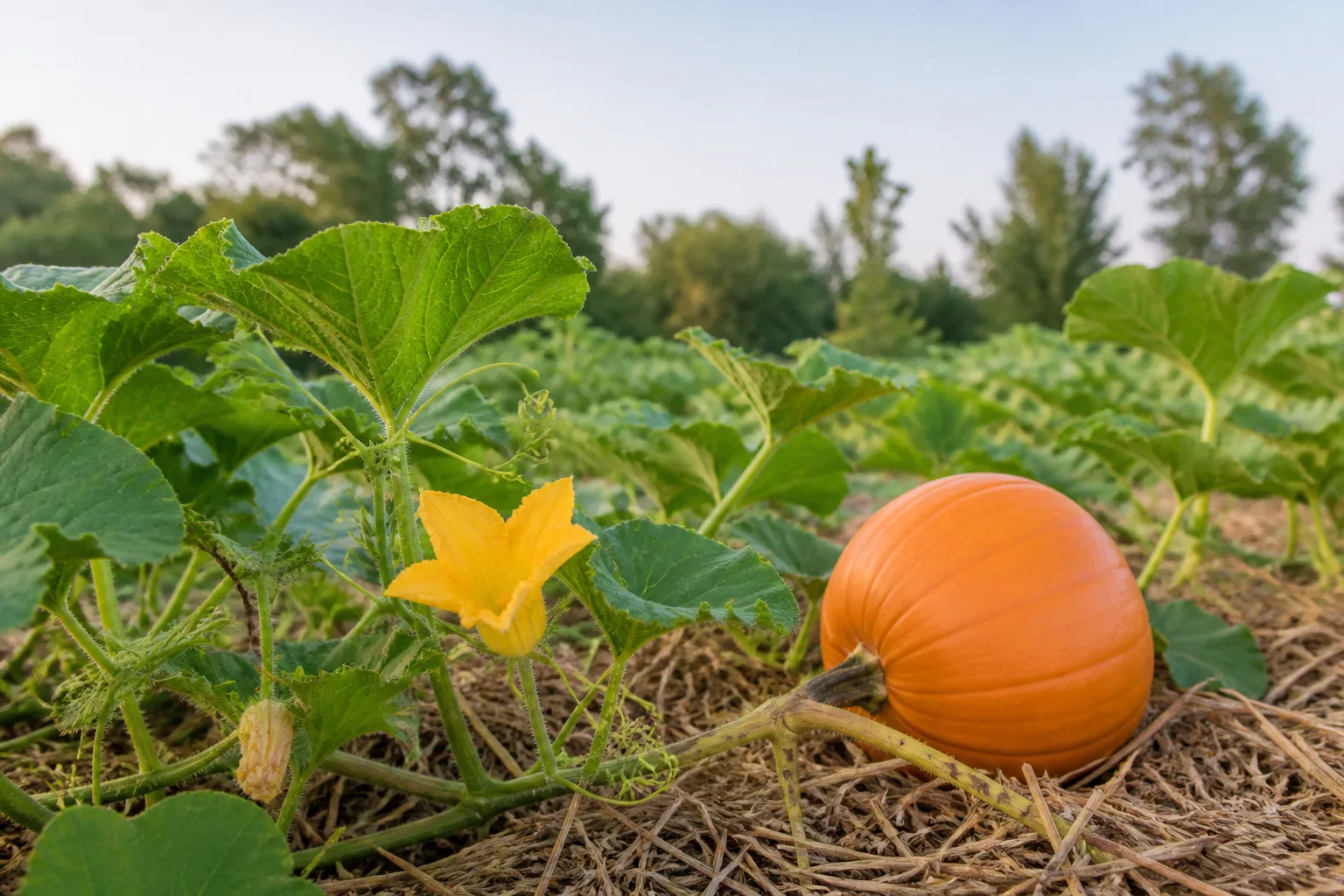
A healthy pumpkin plant commonly finishes with about two to five medium pumpkins, but the number changes sharply with the variety and the size you want each fruit to reach. A compact plant grown for mini pumpkins may mature several more, while a giant-pumpkin vine is usually managed to carry one selected fruit. Treat those numbers as planning ranges, not promises: poor pollination, a short season, disease, or a damaged vine can cut a crop even when the plant looks vigorous.
The clearest way to improve a harvest is to choose a variety for the crop you want, then remove the avoidable limits on it. Give the vine enough room and sunlight, keep moisture reasonably even, feed according to soil need, and make sure bees can reach the flowers. Pruning fruit is a specialized choice for size-focused growing; it is not a shortcut to more pumpkins on an ordinary backyard vine.
Short answer: how many pumpkins from one plant?
For a typical home garden, plan on two to five standard or medium pumpkins per plant if you grow a suitable variety and the season is favorable. That is a useful expectation, not a dependable minimum or maximum. Some plants produce one mature fruit; others set more than five, but a fruit that starts growing is not automatically one that will reach harvest size.
There is no single fixed yield for the word “pumpkin.” The crop includes small pie pumpkins, medium carving types, miniatures, and cultivars bred to grow exceptionally large. A pumpkin’s genetic potential, days of warm weather, successful pollination, and the number of fruits allowed to remain on the vine all shape the result. If you are counting enough pumpkins for a display, plan an extra plant or two rather than assuming every flower will become a harvestable fruit.
Realistic yield ranges by pumpkin size
Use fruit size as your first guide. Smaller fruit requires less of the vine’s water and stored sugars than a large fruit, so a plant can often mature more of them. Even within one category, cultivar and conditions matter, so compare your seed packet’s vine habit and days to maturity instead of treating a generic yield number as a guarantee.
| Pumpkin type or goal | Planning range per plant | How to interpret it |
|---|---|---|
| Mini pumpkins | About 4–10; some cultivars may reach 8–12 | Compact fruit can be produced in greater numbers, but not every set fruit will finish. |
| Pie or small standard pumpkins | Roughly 3–5 | A productive plant can carry several modest fruits if it has enough season and leaf area. |
| Medium carving pumpkins | Around 2–5, often toward the lower end as fruit size rises | Use the cultivar’s stated size and vine habit to refine the estimate. |
| Large pumpkins | About 1–2 | A large-fruited cultivar may mature fewer pumpkins than a small-fruited one. |
| Giant competition pumpkins | Usually 1 selected fruit for maximum size | Growers may initially set more than one, then keep the strongest candidate. |
These ranges synthesize extension cultivar data and horticultural growing guidance. University of Illinois Extension lists ‘Autumn Gold’ at 7 to 10 pounds per fruit with three to five pumpkins per vine, while BBC Gardeners’ World gives a general average of one large or four to six small fruits per plant. Home for the Harvest describes medium pumpkins at roughly three to five and smaller varieties at around eight to twelve, but those are broad averages, not trial results for every cultivar. Your own packet or breeder information is the best estimate for a named variety. Illinois Extension BBC Gardeners’ World Home for the Harvest
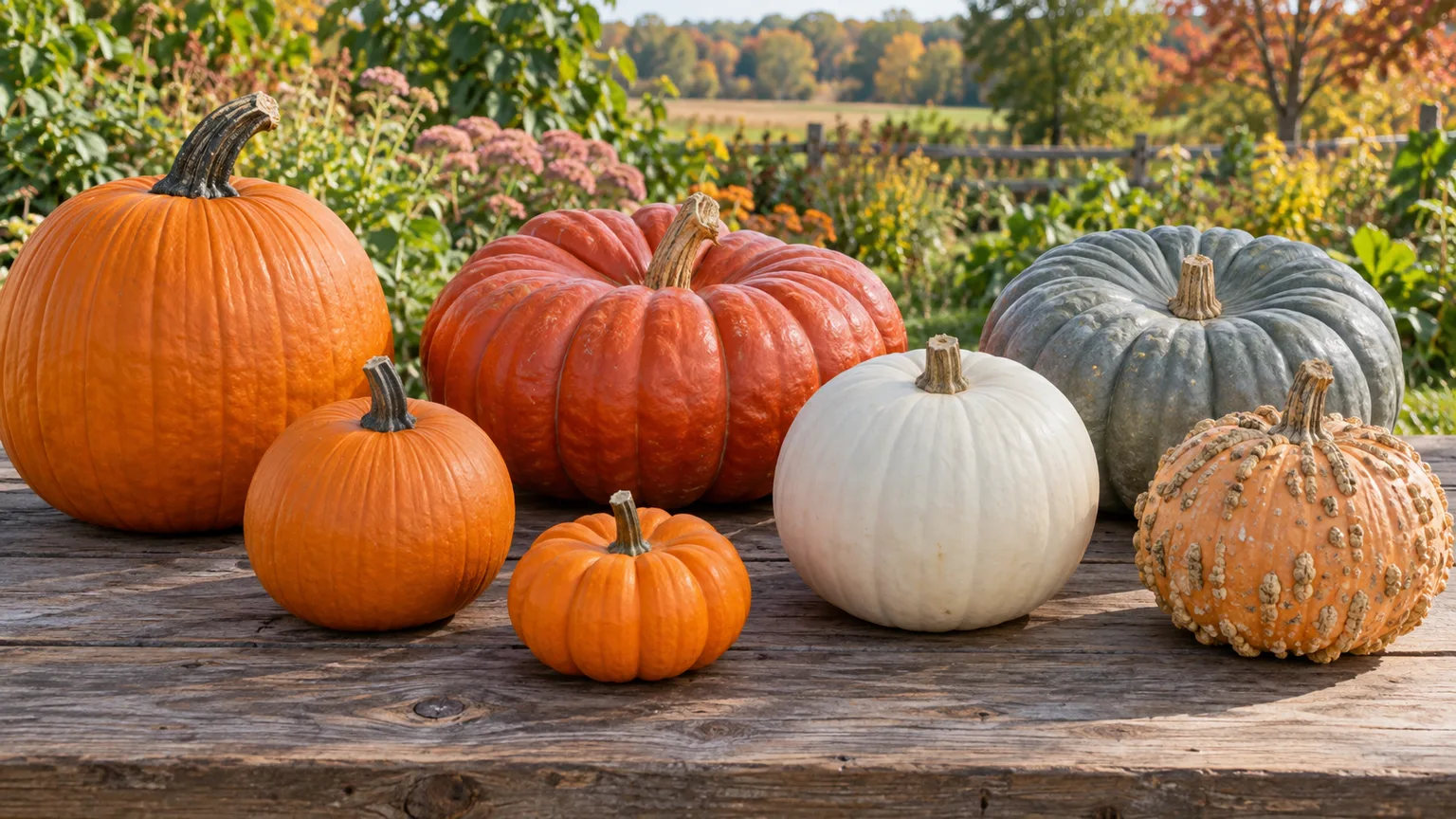
Mini pumpkins: several fruits on a healthy vine
Miniature pumpkins are the best choice when your goal is a higher count rather than a few heavy fruits. Their small size means each developing pumpkin places a smaller demand on the vine, and compact or semi-bush varieties can suit gardens that cannot spare space for long runners. A dozen is possible with some varieties in good conditions, but do not plan on twelve mature fruits from every seedling; fruit set and ripening still depend on weather and how long the plant stays healthy.
Check whether a “mini” variety is truly compact or simply produces small fruit on a long vine. The fruit size and the plant’s footprint are separate traits. Read the seed packet for spread, days to maturity, and recommended spacing, then leave enough room for leaves to receive sun and air. Crowding a miniature variety may defeat its yield advantage by making it harder to water and inspect.
Pie and standard pumpkins: a modest crop per plant
For pie pumpkins and common carving varieties, a realistic target is a few finished pumpkins rather than a vine packed with fruit. A University of Illinois variety profile provides a useful concrete example: ‘Autumn Gold’ averages seven to ten pounds per pumpkin and lists three to five fruits per vine. That is more helpful than a single “average” for every standard pumpkin because varieties differ in vine strength, fruit weight, and maturity time. Illinois Extension
A plant might form more baby pumpkins than it can finish. Keep the healthiest fruit that is enlarging normally, and give later flowers time to set if the plant remains in good condition. There is no need to remove female flowers simply because they appear during the plant’s first few weeks; doing so discards potential fruit and does not guarantee a stronger later crop. If the first set aborts, the vine may produce more female flowers and another opportunity.
Large and giant pumpkins: fewer fruits, more weight
Large-fruited types naturally put more growth into each pumpkin. If you want several large carving pumpkins, grow more than one plant rather than expecting one vine to produce a row of enormous fruits. The University of Maryland Extension guide recommends selecting one fruit once giant pumpkins reach six to eight inches across, then removing other fruit and later blossoms; Iowa State’s giant-pumpkin guidance similarly recommends choosing a small number of strong fruits on separate runners. Those practices aim to increase the size and maturity prospects of the fruit left behind, not the number harvested. University of Maryland Extension Iowa State University Extension
For an exhibition-size pumpkin, one fruit is usually the deliberate goal. A grower may pollinate several female flowers first and compare early fruit growth before choosing the strongest candidate, especially if the season allows. Once the choice is made, removing competing young fruits can reduce the load. That intensive strategy requires space, steady care, and the right genetics; a standard carving cultivar will not turn into a record-size giant because you prune it.
What determines how many pumpkins set and mature?
Pumpkin yield is a sequence, not just a flower count. The vine must produce female flowers, pollen must reach them while they are receptive, the small ovary must continue growing, and the leaves and roots must support it until the rind matures. A failure at any point can leave a gardener with flowers but few pumpkins, or with several tiny fruits that never size up.
Variety and the fruit-load trade-off
Variety is the first factor because it sets the plant’s natural size and fruit potential. A mini type may produce a larger count than an Atlantic Giant, while compact bush varieties have a different footprint from long-vined pumpkins. Seed companies often list days to maturity and mature fruit weight; use both when estimating how many you can grow before frost, not the label “pumpkin” alone.
There is also a practical trade-off between fruit number and fruit size. Pumpkins share water, minerals, and sugars made by the leaves. When several fruits are swelling at once, each may grow more slowly or finish smaller than it would if it were the only fruit. This does not mean every home gardener should thin: if your goal is a useful harvest of moderate pumpkins, a few healthy fruits can mature together. Thinning is most useful when fruit size matters more than count.
Flower timing and pollination
Pumpkins bear separate male and female flowers on the same plant. Male flowers often open first and may appear for a week or two before female flowers; that is normal, not proof that the plant is barren. The female bloom has a small swollen ovary behind its petals, while a male flower sits on a thinner stalk. For fruit to begin growing, pollen needs to move from a male flower to the female flower’s center.
A pumpkin flower has a short window. UF/IFAS explains that individual squash and pumpkin flowers are usually open for only a few morning hours, and University of Maryland notes that rainy weather can reduce fruit set because bees are inactive. Bees are therefore part of the yield equation. Avoid insecticide applications during bloom, and do not keep a row cover sealed over open flowers unless you are hand-pollinating. UF/IFAS University of Maryland Extension
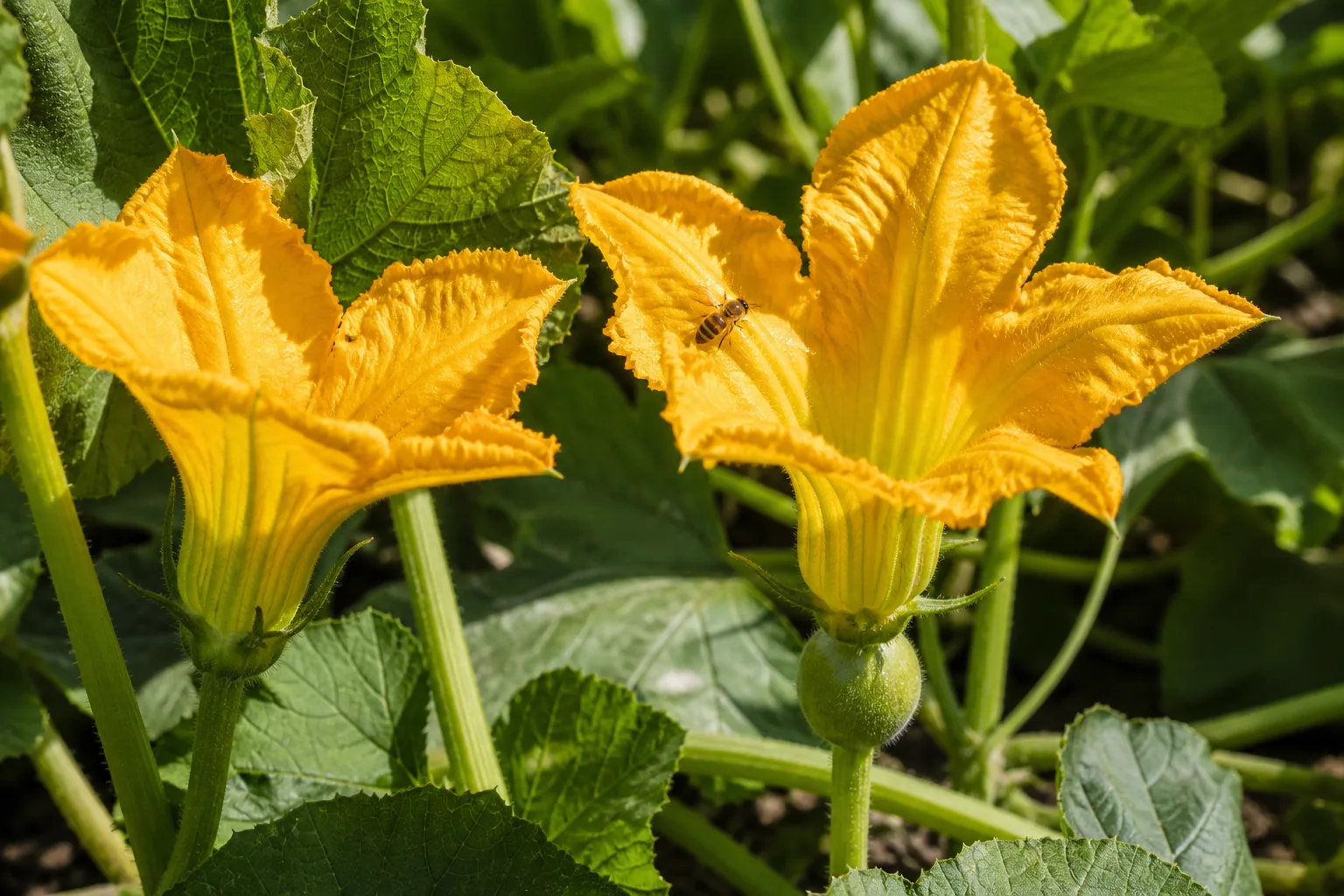
If a pollinated female flower starts enlarging and then turns yellow, soft, or shriveled, incomplete pollination is one possibility. Heat, water stress, plant damage, and the fruit load can also contribute, so check the whole plant rather than assuming pollen is the only issue. A properly pollinated baby pumpkin should continue to expand over the next several days. If it collapses, remove it once it is clearly dead and let the vine continue flowering.
Light, water, soil, and season length
Pumpkins need a sunny site, warm growing conditions, and enough frost-free time for fruit to mature. University of Maryland recommends at least six hours of direct sun and says most pumpkins require more than 100 days to ripen. A late planting may produce vigorous vines and flowers but still run out of time to finish fruit before frost. In a short season, a cultivar with fewer days to maturity can improve the odds more than extra fertilizer can. University of Maryland Extension
Moisture should reach the root zone consistently, especially while the fruit is setting and enlarging. A useful starting point is about an inch of water a week from rain and irrigation, adjusted for heat, soil texture, and drainage. Sandy soil and hot, windy weather may need more frequent checks; heavy soil that stays wet needs less. UC Integrated Pest Management cautions that water stress at fruit set can reduce fruit quality and that too much water can also split fruit. Deep, regular watering is more useful than frequent splashing across the leaves. UC Integrated Pest Management Iowa State University Extension
Fertility matters, but “more fertilizer” is not a reliable yield strategy. Pumpkins need nutrients to make leaves, vines, flowers, and fruit, yet excess nitrogen can push leafy growth at the expense of fruiting. Work in mature compost if the soil needs organic matter and use a soil test or label-based plan to decide whether fertilizer is needed. A strong canopy matters because healthy leaves supply the sugars that fill pumpkins; feeding the vine heavily without checking what the bed already contains can waste product and delay fruit maturity.
Pests, disease, and fruit loss
A plant can set fruit and still lose yield if its leaves or stems are damaged. Squash vine borers, squash bugs, cucumber beetles, powdery mildew, and other diseases can weaken vines during the period when pumpkins are enlarging. Check leaf undersides, stems near the crown, and young fruit every few days rather than waiting for the entire plant to wilt. Early detection gives you more options than trying to recover a vine after extensive damage.
Keep watering near the base of the plant and leave enough room for air to circulate through the foliage. Avoid unnecessary handling of runners because pumpkin stems and their shallow roots can be damaged when moved after they have rooted. A small, clean board or layer of straw under a developing fruit can reduce direct soil contact in a damp garden, but do not bury it in wet mulch or shade all the surrounding leaves. These small protections help preserve sound fruit; they do not compensate for poor pollination or a diseased vine.
Choose your goal: more pumpkins or bigger pumpkins?
Before you pinch off a flower or a baby pumpkin, decide what a successful harvest means to you. If you want several modest pumpkins for cooking, decorating, or carving, choose a cultivar bred for that size and let the vine carry a reasonable number of healthy fruits. Avoid early thinning based on the assumption that every plant needs to “save energy” before it can produce; a healthy plant can make new leaves and flowers while an early fruit is developing.
If you want one oversized fruit, use a large-fruited or giant cultivar and follow guidance designed for that goal. Let a few early fruits set, then choose the fastest-growing, best-positioned pumpkin and remove competitors once you are confident it is growing well. University extension guidance for giant pumpkins makes this distinction clear: fruit thinning is part of growing a show fruit, not a universal recommendation for maximizing the number of harvestable pumpkins. University of Maryland Extension Iowa State University Extension
This choice also affects how much ground you need. If you want ten standard pumpkins for a family display, two or three healthy plants of a productive medium-fruited variety may be a safer plan than forcing one plant to carry ten. If you only want one giant, give that plant a dedicated sunny patch and do not crowd it with other hungry vines. A realistic space plan prevents you from trying to correct crowding with pruning after the root systems are already competing.
A practical plan to get the best yield from each vine
Use this sequence before changing fertilizer or cutting flowers: first match the variety to your target, then remove conditions that make it hard for the vine to set and finish fruit. A simple harvest log helps too. Record cultivar, sowing date, number of female flowers, fruits that continue growing, and the final mature count; next year you can distinguish a variety limitation from a pollination or timing problem.
Match the variety to your space and season
Choose a cultivar by three pieces of information: expected fruit size, vine habit, and days to maturity. For several small fruits, select a miniature or pie type that has enough warm days to ripen where you live. For one large pumpkin, select a large-fruited cultivar and make room for the long vine. The label’s “days to harvest” is an estimate, so add a weather buffer if your fall frost arrives early.
Plant after frost danger has passed and the soil has warmed. Thin seedlings to the number recommended for the variety and planting position. A long-vining type needs much more ground than a compact bush type; Maryland’s home-garden guide, for example, calls for hills or planting positions about three to four feet apart with rows eight to twelve feet apart. Other cultivar and production systems use different layouts, so follow the packet or regional extension advice rather than copying one spacing from a different type. University of Maryland Extension
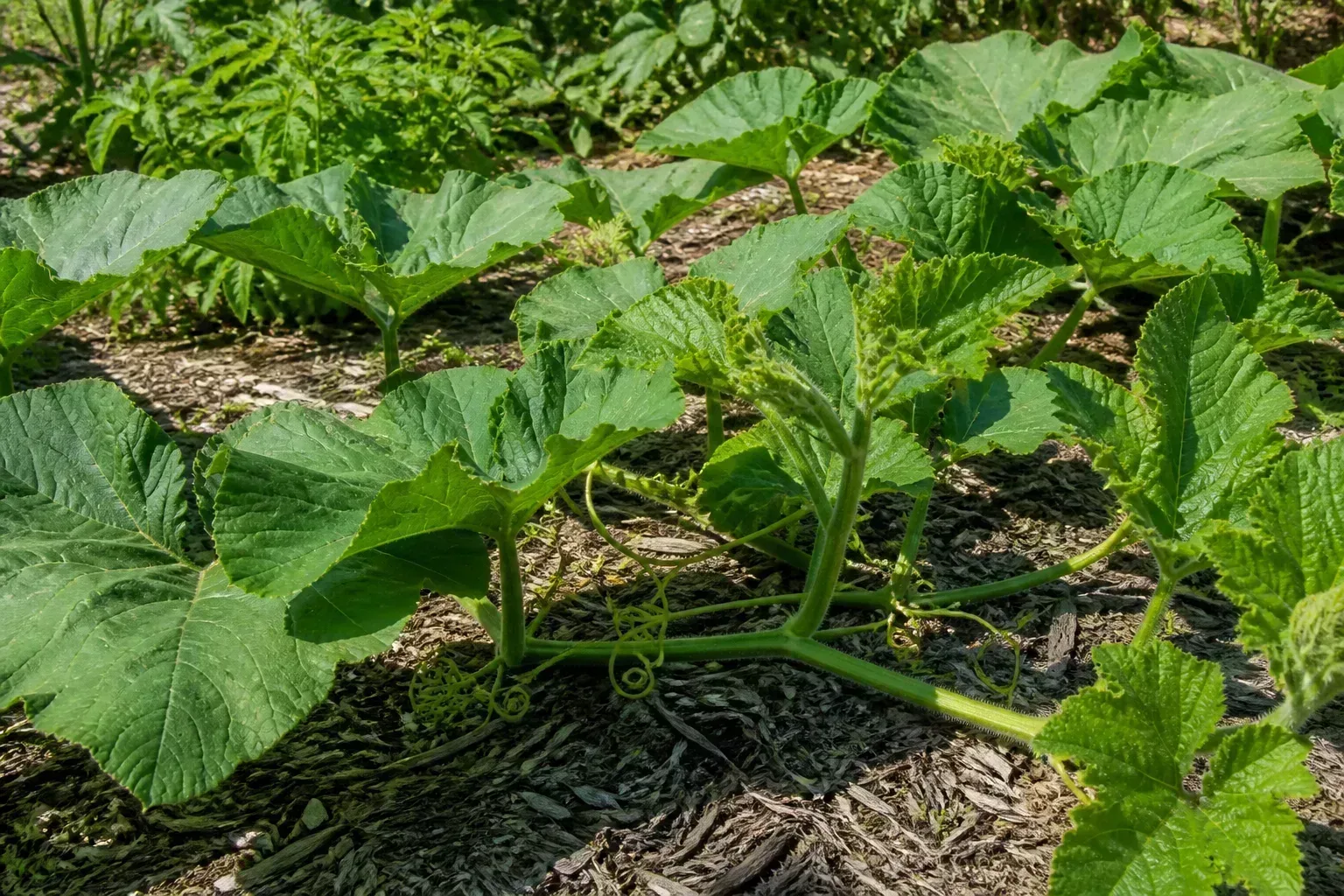
Give vines room, light, and steady water
A pumpkin vine can look small when it is planted and occupy a large area within weeks. Leave its runners undisturbed once they begin spreading, and direct a young runner gently while it is still flexible if it is growing across a path. Spacing is not just about preventing leaves from overlapping: it makes flowers easier for bees to reach, lets leaves dry faster after rain, and gives you access to inspect the crown and fruit.
Aim for at least six hours of direct sun, with more sun where summer temperatures and local conditions permit. Water slowly at the soil line so moisture penetrates below the surface; check several inches down before watering again. During a hot stretch, a drooping leaf at midday can be temporary heat stress. If leaves perk up in the evening and the root zone is moist, adding more water may make the bed too wet rather than improve fruit set.
Mulch can reduce evaporation and weeds, but apply it after the soil has warmed and keep it from sitting against the central stem. When fruit begins to swell, a dry support such as straw or a board can help limit rot where the garden stays damp. Avoid moving a heavy fruit or twisting the vine to reposition it; a cracked stem can end that fruit’s development.
Feed for healthy growth, not just more leaves
Prepare the bed with mature compost if it lacks organic matter, then use soil-test guidance to decide whether a fertilizer is needed. If you do feed, follow the product rate and keep fertilizer away from the stem. More is not better: too much nitrogen can produce an impressive wall of leaves while flowers and fruit lag. The objective is a healthy balance of leaf area, roots, and fruit, not maximum vine length.
A container or very poor soil can need more regular feeding than a fertile in-ground bed, but still use a product label and watch the plant’s response. Dark green, vigorous growth with few fruiting flowers can point to excess nitrogen, although heat and cultivar also affect flowering. Pale leaves and weak growth can have several causes, including waterlogged roots or disease, so diagnose the problem before adding fertilizer. In particular, do not treat every dropped female flower as a nutrient deficiency.
Protect pollination and troubleshoot early fruit
When the first male flowers open, do not worry if no pumpkin appears immediately. Check the plant each morning once female flowers begin to open; the small swelling behind the petals identifies a female bloom. Encourage bee visits with a pesticide-free flowering garden and avoid spraying any insecticide while pumpkin flowers are open. Even insecticides labeled for garden use can harm pollinators if applied at the wrong time.
Hand-pollinate only when bees are not visiting or fruit repeatedly fails to set. In the morning, use a newly opened male flower: remove its petals and gently brush the pollen-bearing center against the center of an open female flower. A clean, soft brush works too. Keep the flower’s opening time in mind; UF/IFAS notes that each flower is usually receptive for only a few morning hours. Hand pollination can improve the chance that a particular flower receives pollen, but it cannot compensate for an unhealthy vine or guarantee that every fruit will mature. UF/IFAS
If a small fruit shrivels, first look at whether it actually grew for several days. A flower that drops without an enlarging ovary may simply be male; a female ovary that starts to grow and then aborts can reflect incomplete pollination, heat, uneven water, or plant stress. Keep care steady, remove clearly failed fruit, and watch the next female flower before making a drastic change. If leaves show chewing, spots, white mildew, or a split stem, identify that problem as well, because the fruit count will not improve while the vine continues to lose healthy leaf area.
Conclusion
For most gardeners, two to five medium pumpkins per plant is a sensible planning range, while mini cultivars can mature more and giant types are usually managed for one selected fruit. The cultivar and fruit-size goal set the starting point; pollination, space, sunlight, moisture, fertility, season length, and plant health determine how much of that potential reaches harvest.
To improve your odds, choose a variety suited to your climate and space, give it room and sun, water deeply without keeping soil soggy, and feed only as needed. Protect pollinators and inspect young fruits before pruning anything. Save aggressive fruit thinning for the specific goal of growing a giant pumpkin; for a normal home harvest, a healthy vine and reliable fruit set matter more than a dramatic pruning trick.



