How Much Sun Do Tomatoes Need? A Practical Guide
Tomatoes need at least 6 hours of direct sun, with 8 or more ideal. Learn how to measure light, prevent heat stress, and choose a better planting spot.
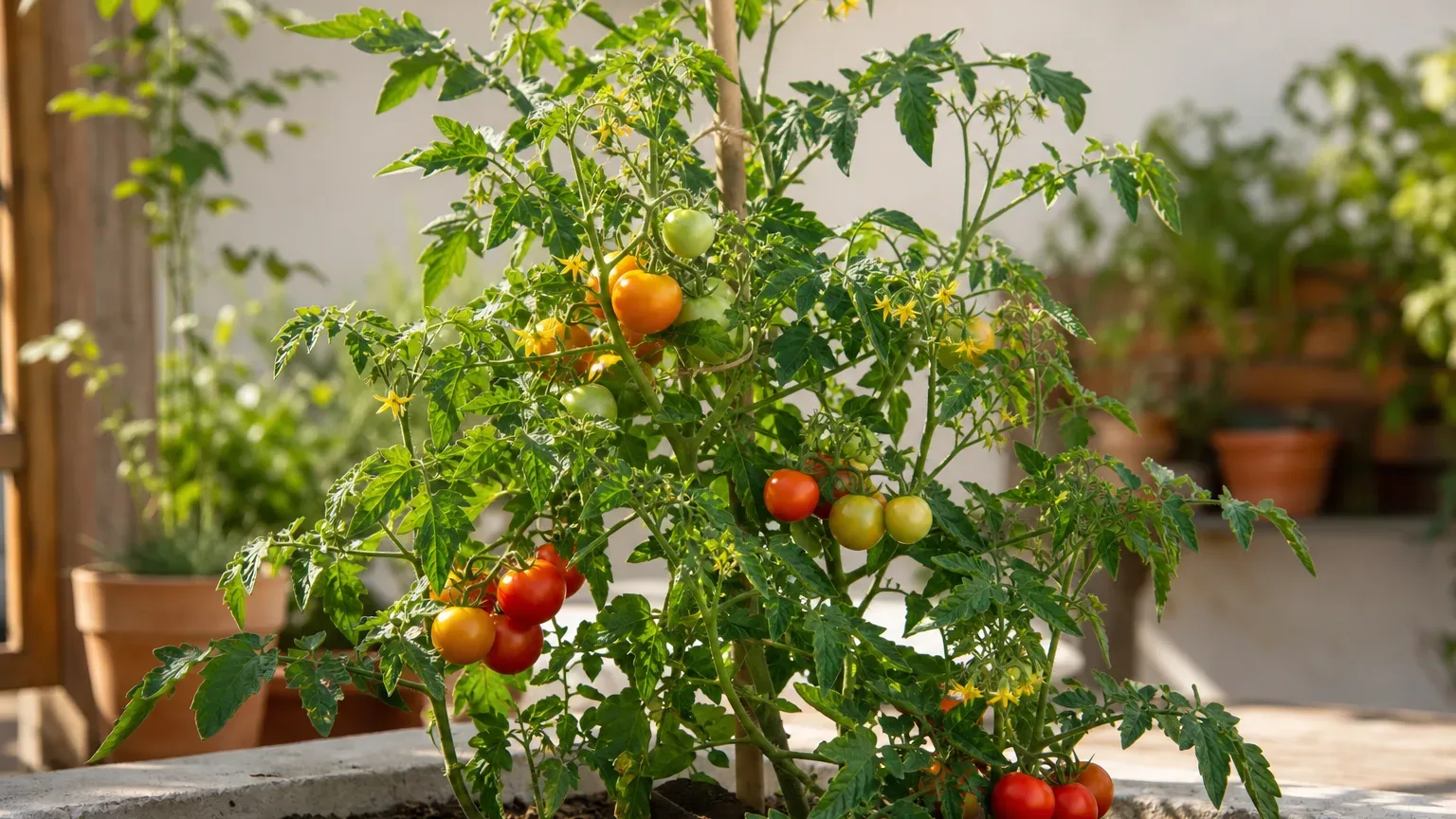
For a dependable tomato crop, give plants at least six hours of direct sunlight each day; aim for eight or more if your climate allows it. Six hours is a practical minimum cited by some extension guidance, while Cornell lists full sun and at least eight hours as the target. That difference is useful: six hours may keep a plant growing and fruiting, but a longer bright window generally gives it more opportunity to build leaves, flowers, and fruit.
“More sun” does not mean that a tomato plant should bake through every heat wave. Light powers growth, while excessive heat can interfere with pollination, stress roots, and damage fruit exposed beyond the leaves. Start by measuring direct light where the plant will actually sit, then adjust for your climate and the plant’s symptoms.
The Short Answer: Six Hours Minimum, Eight or More Preferred
Tomatoes are sun-loving warm-season plants. Penn State Extension says they need a minimum of six hours of direct sun daily; Cornell Cooperative Extension gives tomatoes a full-sun site and says they need at least eight hours. In practical terms, use six hours as the floor and eight hours as the goal, especially when growing large-fruited varieties or hoping for a heavy crop. Penn State Extension and Cornell Cooperative Extension support those distinct thresholds.
The count refers to sunlight falling directly on the plant, not the length of the day or the number of hours the yard looks bright. An open spot with a clear view of the sun for eight hours is different from a spot that gets sun through a tree canopy for eight hours. In filtered light, the leaves may look illuminated while receiving much less usable light.
If your garden gets only five or six hours, you do not need to abandon tomatoes. Expect less room for error and possibly a smaller or later harvest; choose the brightest available location, keep plants from shading one another, and select a compact or early variety suited to your season. A plant in shade can remain leafy, so lush growth alone does not prove that the light is adequate for fruit production.
What Counts as Direct Sun for Tomatoes?
For a garden light check, “direct sun” means the sun’s rays reach the leaves without a roof, wall, dense tree canopy, or other obstacle blocking them. A sharp-edged shadow cast by your hand or a stake is a quick sign that the spot is in direct sun. If shadows are faint or absent even though the sky is bright, the light may be filtered or diffuse.
The familiar gardening label “full sun” is based on hours of direct exposure, but it does not measure intensity. A cool, cloudy afternoon and a clear summer afternoon each occupy one clock hour, yet they deliver different amounts of light and heat. That is one reason hour counts are a useful planting guide rather than a precise prediction of yield.
Direct Sun, Bright Shade, and Filtered Light
A plant beside a bright wall or under a light-colored patio roof may receive plenty of ambient brightness without receiving direct sun. Likewise, dappled light under a tree changes as the sun moves and is interrupted by leaves; do not add the entire period as though it were uninterrupted exposure. A brief patch of direct sunlight through branches is not equivalent to an open hour.
Morning sun and afternoon sun both count toward the daily total. An east-facing area can work if it receives enough direct hours, and a west-facing area can work if the plant tolerates the heat there. In a hot inland climate, though, a site with morning sun and some protection during the hottest late-afternoon period may be kinder to the plant than an exposed western wall that radiates heat after the sun has passed.
How to Count Hours in a Real Garden
Check the exact planting position, including the height of the mature plant, rather than relying on the direction the bed faces. A fence may shade the lower leaves while the top is sunny; a tree that is bare in early spring may cast a broad shadow after it leafs out. Balconies and patios can also lose sun behind railings, neighboring buildings, or roof overhangs.
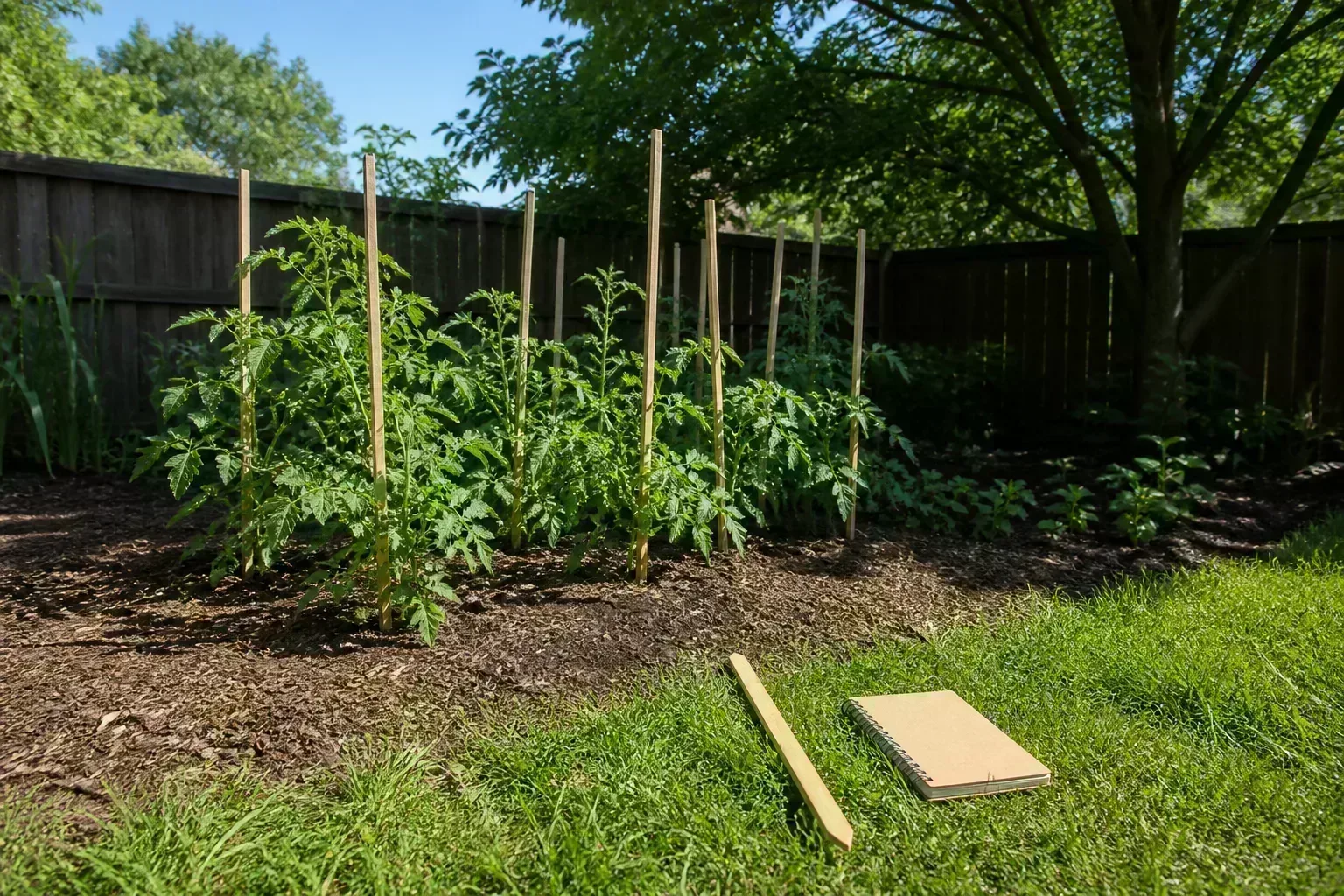
On a clear day, note whether direct sun hits the spot at hourly intervals from morning through late afternoon. Mark the first and last exposure, and record any long gaps when an obstruction blocks it. Repeat the check later in the season if nearby trees leaf out or the sun’s angle changes; a simple phone note or sketch of the shadows is enough. Gardeners’ World’s tomato guide also recommends a sunny, sheltered site; this quick observation tells you whether your particular site delivers the needed hours.
Why the Right Amount Changes With Growth
A tomato does not suddenly stop needing light after it flowers. Sunlight lets the leaves photosynthesize and supply energy for the plant’s continued growth, including the work of producing and filling fruit. What changes is the problem you are trying to solve: seedlings need enough light to grow sturdy, flowers need conditions that allow pollination and fruit set, and developing fruit needs healthy leaves without being scorched by intense heat.
Light is only one part of each stage. Temperature, moisture, variety, plant size, and season affect the result too. A shaded plant with poor fruit set may need a better site, but a plant in full sun that drops flowers during a heat spell may need cooling and steadier water rather than still more exposure.
Seedlings and Newly Transplanted Plants
Tomato seedlings need bright light soon after they emerge. Cornell notes that even a sunny south-facing window may be barely adequate for starting transplants, so indoor seedlings often benefit from a grow light placed close enough to prevent stretching while following the fixture’s directions. Long, thin stems leaning toward a window usually point to insufficient light, not a need for fertilizer.
A seedling raised indoors or in a greenhouse can also scorch when moved straight into strong outdoor sun. Harden it off gradually over about a week or longer, increasing outdoor exposure in steps so leaves adjust to sunlight and wind. After transplanting, choose the brightest suitable site but avoid mistaking a sudden, harsh exposure for the steady light a plant needs over the season.
Flowering and Fruit Set
Once the plant is growing vigorously, the daily light supply supports flowering and the growth that follows successful pollination. Low light can contribute to weak, stretched growth and limited flowering, but flowers can also drop when temperatures are unfavorable. Penn State Extension notes that blossom drop can occur when nighttime temperatures fall below 55°F or rise above 75°F; it also lists daytime temperatures around 70 to 80°F as preferred growing conditions.
Those figures are risk guides, not a switch that affects every cultivar in the same way. If flowers drop during a hot spell despite a sunny site, do not respond by adding fertilizer or stripping leaves. Check night temperatures, water consistency, and the plant’s general condition; heat-related blossom drop is not proof that the tomato needs more sun. Epic Gardening’s hot-weather guidance also describes poorer fruit set during hot, humid periods and recommends planning around the hottest part of the season.
Developing and Ripening Fruit
Tomato fruit does not need to be exposed to direct sunlight to turn color. Leaves manufacture the sugars and other compounds that support the crop, while ripening itself is strongly affected by fruit maturity and temperature. A green tomato hanging in the shade of healthy foliage can ripen normally; removing those leaves to “let the sun reach it” may expose it to sunscald instead.
Too much light and heat on the fruit can contribute to greenback or whitewall: hard green shoulders or pale internal patches that do not ripen evenly. The Royal Horticultural Society identifies excess light, high temperatures, and sometimes inadequate feeding among the causes, and warns that de-leafing can make ripening problems more likely. In other words, maintain enough healthy leaf area to power the crop and shade fruit naturally.
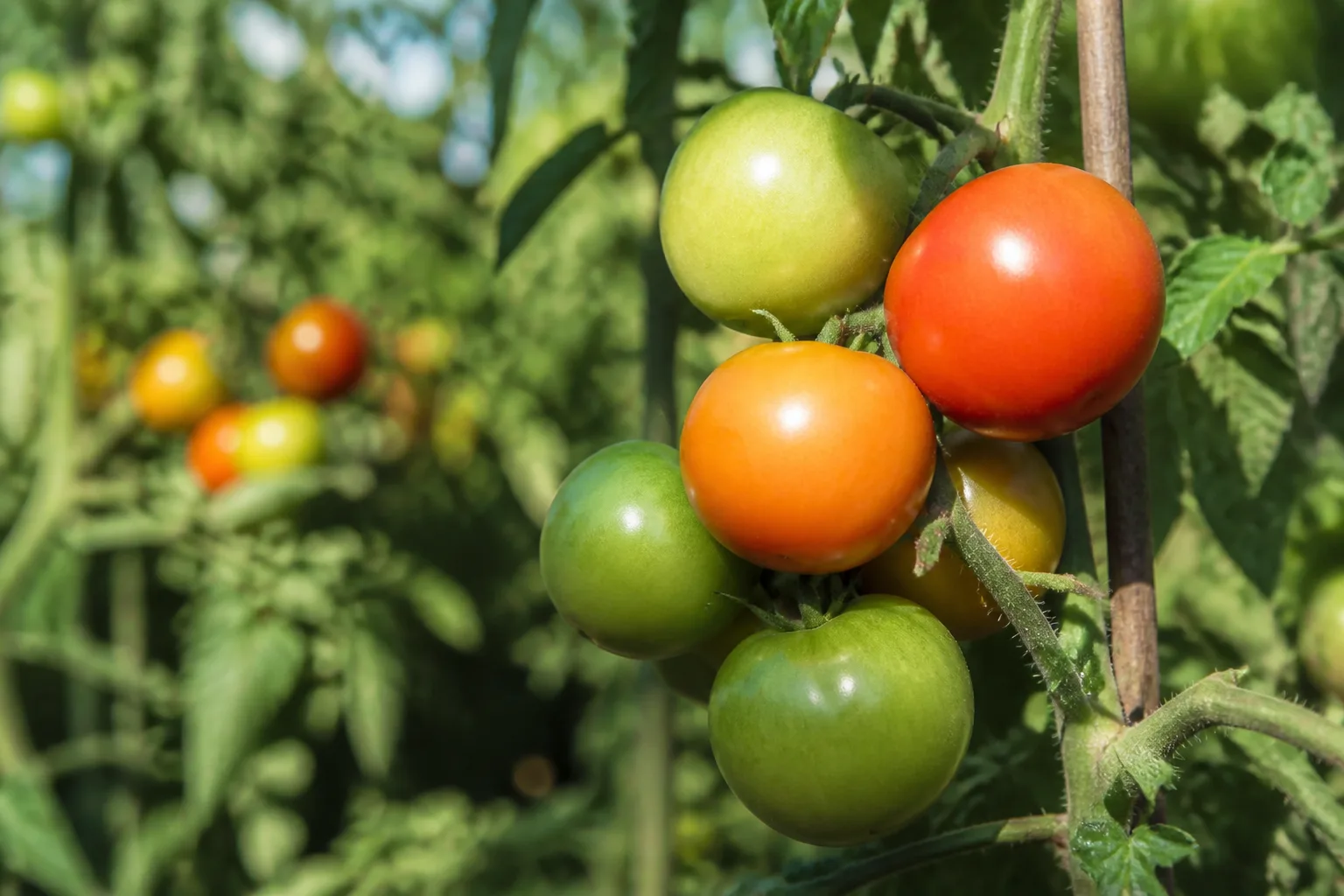
When More Sun Becomes Too Much Heat
A long sunny day is usually an advantage when temperatures remain suitable and roots have consistent moisture. During heat waves, however, intense sun can push leaf and fruit temperatures higher, especially beside a south- or west-facing wall, in a small dark container, or where reflected heat comes off paving. The plant may temporarily wilt at midday even when the soil is moist, then recover as the evening cools.
Hot conditions can affect the flowers as well as the leaves. Epic Gardening describes daytime temperatures above 85°F together with warm nights above 70°F as conditions that can make fruit set difficult, while Penn State’s guidance flags nighttime temperatures below 55°F or above 75°F as blossom-drop risks. These are not identical thresholds because sources describe different growing conditions; use them as warnings to watch flowers and weather, not as universal exact cutoffs.
Signs of Heat Stress Versus Low Light
Low light tends to show up over time: stems stretch, growth becomes thin, the plant leans toward the brightest side, and flowering or fruiting may remain sparse. Heat stress is more likely to peak during the hottest hours: leaves curl or droop temporarily, flowers fall, and exposed fruit develops pale, bleached, or tough patches. Some symptoms overlap, so check both the light log and the weather instead of diagnosing from one leaf.
A green fruit that remains green for a while is not automatically short on sun. High temperatures can delay or disrupt normal color development, and uneven water or nutrition can also affect ripening. If the plant gets six to eight hours of direct light and its foliage is vigorous, investigate heat, watering, cultivar maturity, and fruit load before moving it into stronger sun.
How to Find the Best Tomato Spot
Choose an open, sunny place with enough room for the mature plant and good air movement. Avoid a position where a fence, hedge, building, or tall neighboring crop blocks the sun during most of the useful day. If you are planting a row of mixed heights, place the tallest plants on the side that is least likely to cast shade over shorter plants, taking your hemisphere and the path of the sun into account.
The best place is not always the hottest place. In a moderate summer, a south-facing open bed can provide a long light window; in a very hot region, a location with morning sun and some late-afternoon relief may keep plants and fruit from overheating. A sheltered position also helps prevent wind damage, but shelter should not mean stagnant air or persistent shade.
Map the Sun Before Planting
Do not judge the bed from one quick visit. Watch it on a clear day and take notes at the same time each hour; then repeat the check during the part of the season when you plan to grow. If you are choosing between two spots, compare their direct-light windows rather than guessing from compass direction alone.
Sun angles shift through the season, so a bed that gets long exposure in midsummer may receive much less light in spring or fall. This matters if you plant early, keep indeterminate tomatoes until frost, or garden at a latitude with short shoulder-season days. Measure during the months when the crop will actually be growing, not only when the garden looks brightest.
Look for seasonal obstructions: branches leafing out, a neighbor’s new structure, a pergola, or a balcony above a container can change the sun exposure substantially. It can also help to place an empty pot where the tomato will go for a day or two, because the container’s location can differ from the surrounding garden bed. If you already have a plant, note which side receives sun and whether nearby vines are shading its lower leaves.
Tomatoes on Balconies and in Containers
A container can solve a light problem if you can move it to a brighter position as the sun shifts through the season. Track the pot itself: a balcony may get several hours of direct sun at the rail but much less near the building wall, and a higher floor can have strong wind that dries foliage and potting mix faster. Do not count reflected brightness from a wall as a full hour of direct light.
Use a stable, safe spot where the pot will not be knocked over or block a walkway, and make sure the chosen location still allows water to drain. A pot set on a dark, heat-absorbing surface may need closer moisture checks than one on soil, even when both receive the same direct-light hours.
Container tomatoes also heat and dry out faster than plants in the ground. In a hot spell, check soil moisture more often, use a suitably large pot with drainage, and apply mulch over the potting mix if it helps retain moisture. A small determinate or cherry tomato is usually easier to manage in a confined space than a sprawling vine, but compact habit does not make it shade tolerant; it still needs a bright location for a worthwhile crop.
If the balcony receives only a short morning window, choose an early, compact type and treat the crop as an experiment rather than expecting the yield of an open garden. Move the pot during the day only if it is safe and practical; daily relocation is not a substitute for a spot that receives adequate light. On a west-facing balcony that becomes scorching, a little temporary afternoon shade during extreme heat may protect the plant, but routine shade can further reduce the light available for fruiting.
What to Do When Your Yard Gets Less Sun
First, find out how much direct sun the plant actually receives. If it is under six hours, move a container or transplant to the brightest available place before the plant becomes large. For a fixed bed, trim or reposition a movable obstacle where practical; do not remove a healthy tree solely to make a small tomato patch sunnier without considering the larger landscape and local conditions.
Select varieties with a shorter time to maturity or a compact growth habit, and give them the best light window you have. Cherry tomatoes often begin producing earlier than large beefsteaks, but no tomato can turn a deeply shaded site into a high-yielding one. Keep spacing generous enough that mature foliage does not create additional shade, and avoid excessive nitrogen, which can encourage leaves at the expense of timely flowering.
If your only option gets four or five direct hours, tomatoes may grow and produce some fruit, particularly during long summer days, but expect slower ripening and a smaller harvest. Consider growing leafy greens or herbs in the shadier area and reserving the sunniest spot for tomatoes and other fruiting vegetables. That is often a more satisfying trade than repeatedly pruning a plant to compensate for a location that never gets enough light.
Keep Sunlight Useful Without Exposing Fruit
The simplest protection is the plant’s own canopy. Keep enough leaves around developing clusters to shade fruit, and avoid stripping large sections of foliage just to expose green tomatoes. Cornell Cooperative Extension advises keeping leaves that shade fruit to prevent sunscald; good support and spacing can still allow airflow without leaving tomatoes bare.
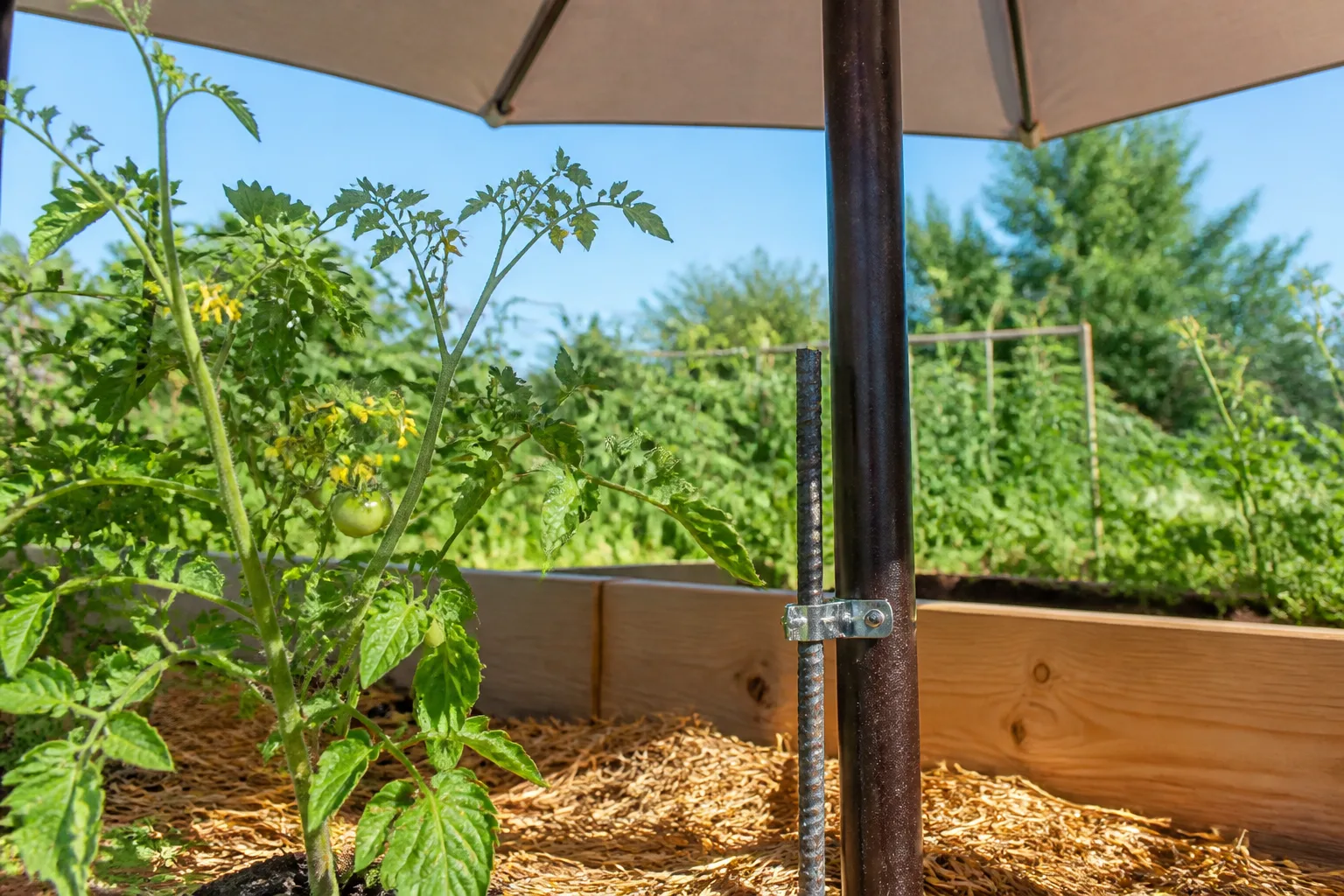
In extreme heat, use a temporary shade structure or shade cloth installed above the plants, with open sides so heat can escape. The goal is to reduce the harshest exposure for a limited period, not to keep the tomato in permanent shade. In a greenhouse, ventilation and shading can help control extremes; the RHS recommends managing temperature and sunlight together to prevent ripening disorders.
Keep the root zone evenly moist, especially in containers and raised beds, because dry soil makes hot weather harder on plants. Mulch can slow moisture loss, but apply it after the soil has warmed in cool climates. Sudden swings from dry soil to heavy watering can lead to fruit problems such as cracking, so use a steady watering routine rather than alternating drought and flooding.
Common Sunlight Mistakes to Avoid
Counting daylight instead of direct light is the most common mistake. A long day does not help much if a building blocks the sun for most of it, and a bright patch under a tree does not count as uninterrupted exposure. Measure at the plant’s location and repeat the check when the canopy or sun angle changes.
Assuming more sun will fix every fruit problem is another. More exposure will not correct blossom drop caused by hot nights, irregular moisture, or poor pollination; it may worsen sunscald and green shoulders. When symptoms appear, check the plant’s environment as a whole before moving, pruning, or feeding it.
Removing too many leaves can backfire. Leaves make the carbohydrates that support growth, and they shade developing fruit; removing them aggressively can reduce both functions. Prune only for a clear reason, such as removing diseased foliage or improving airflow, and retain enough healthy canopy to protect the fruit.
Treating shade cloth as a permanent fix can also disappoint. It can be useful during extreme heat, but ordinary shade over a plant that already receives limited sun may cut the light below a productive level. Use it when heat is the immediate problem, remove or reposition it when conditions ease, and keep an eye on the plant’s response.
Conclusion
Give tomato plants six hours of direct sun at minimum and aim for eight or more when conditions are not excessively hot. Count the hours at the planting spot, watch for seasonal shade, and remember that direct light on leaves is useful while direct heat on exposed fruit can be harmful.
If plants are leggy and produce few flowers, improve the light window. If they get ample sun but flowers drop or fruits develop pale, tough patches during hot weather, focus on temperature, leaf cover, and steady moisture. That simple distinction helps you give tomatoes the light they need without treating the hottest possible position as the only good one.



