How to Deadhead Geraniums for More Blooms
Learn how to deadhead geraniums by removing the spent flower stalk, protecting new buds, and choosing the right timing for Pelargoniums or cranesbills.
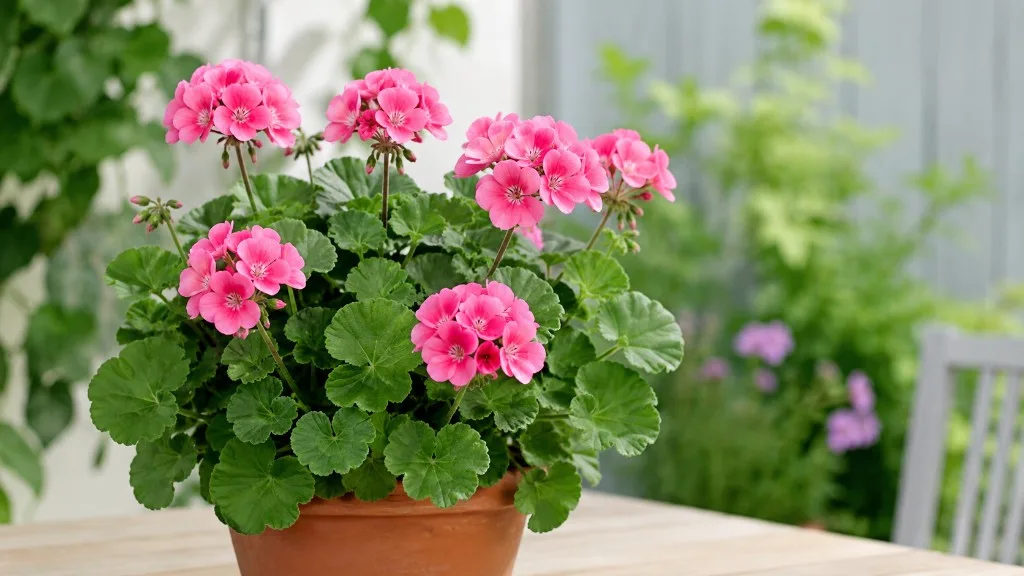
For the familiar geranium in a patio pot, window box, or summer border, deadheading means removing a finished flower cluster and its long stalk—not cutting back the leafy plant. Trace the stalk to the point where it joins the main stem, then pinch or cut it away while leaving nearby buds and healthy leaves intact.
One naming detail matters before you start: the bedding “geranium” most people mean is usually a Pelargonium, while a hardy garden geranium is a Geranium, often called cranesbill. They do not always respond the same way. Identify yours first, then use the method below that fits the plant.
The first step: identify your geranium
Look at the plant’s label if you still have it. If it is missing, the plant’s shape offers a useful clue: tender, upright or trailing plants with rounded leaves and rounded clusters of vivid flowers are commonly Pelargoniums; hardy cranesbills tend to grow as clumps in a perennial border, with individual flowers on branching stems. The distinction is botanical, not a judgment about which plant is the “real” geranium—both belong to the Geraniaceae family.
North Carolina State Extension describes Pelargoniums as tender perennials or annuals that are frequently grown in containers and bedding displays. It lists zonal, ivy-leaved, regal, and scented types among the commonly cultivated groups. In everyday garden language, these are the potted geraniums that most people want to deadhead through summer. North Carolina State Extension explains the groups and their growing needs.
Bedding geraniums are Pelargoniums
A zonal Pelargonium usually has an upright, bushy habit and rounded leaves, often with a darker band or “zone.” Ivy-leaved types spill over hanging baskets and window boxes; regals tend to have larger, more decorative flowers; scented types are often grown as much for fragrant foliage as for blooms. These groups vary in growth habit, but the basic deadheading target is the same: the stalk carrying an aging cluster, not the leafy shoot that supports the plant.
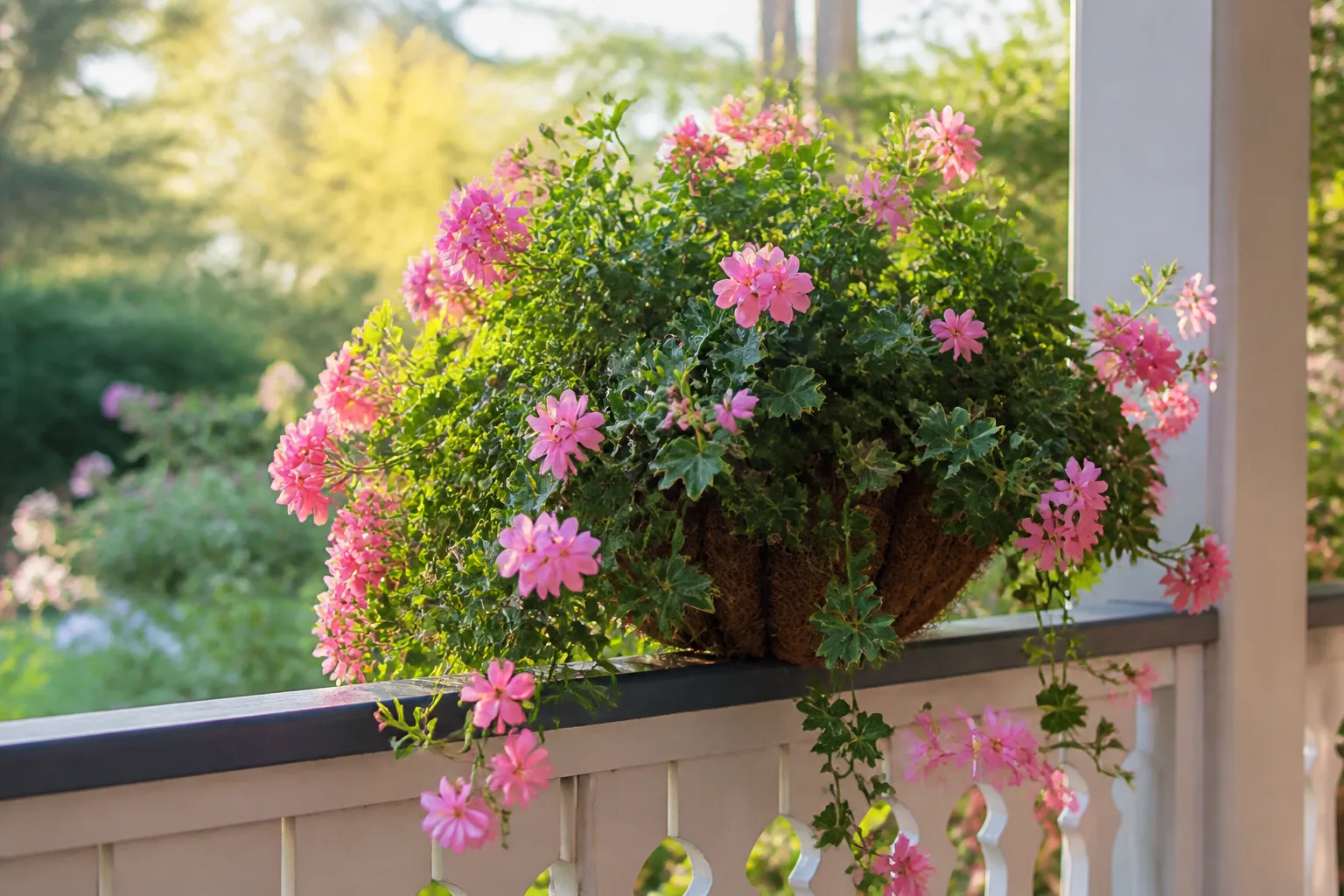
Hardy geraniums are cranesbills
A true hardy Geranium, or cranesbill, usually forms a mound or spreading clump in the ground and returns after winter in suitable climates. It often carries flowers on finer stems above divided or lobed foliage rather than producing the familiar tight red, pink, or white globes of a bedding Pelargonium. Species and cultivars differ: some benefit from removing spent stems or cutting the clump back after a first flush, while others flower once and then set attractive seed capsules.
That difference is not theoretical. Wisconsin Horticulture notes that wild geranium (Geranium maculatum) blooms for about a month in late spring to early summer and normally does not repeat bloom after deadheading. RHS guidance, by contrast, says some hardy geraniums can make a second flush when cut back close to the ground after flowering. Treat the plant label and its actual growth pattern as the guide: do not shear every cranesbill expecting the same response. Wisconsin Horticulture and the RHS deadheading guide describe these different outcomes.
Why deadheading helps—and what it cannot do
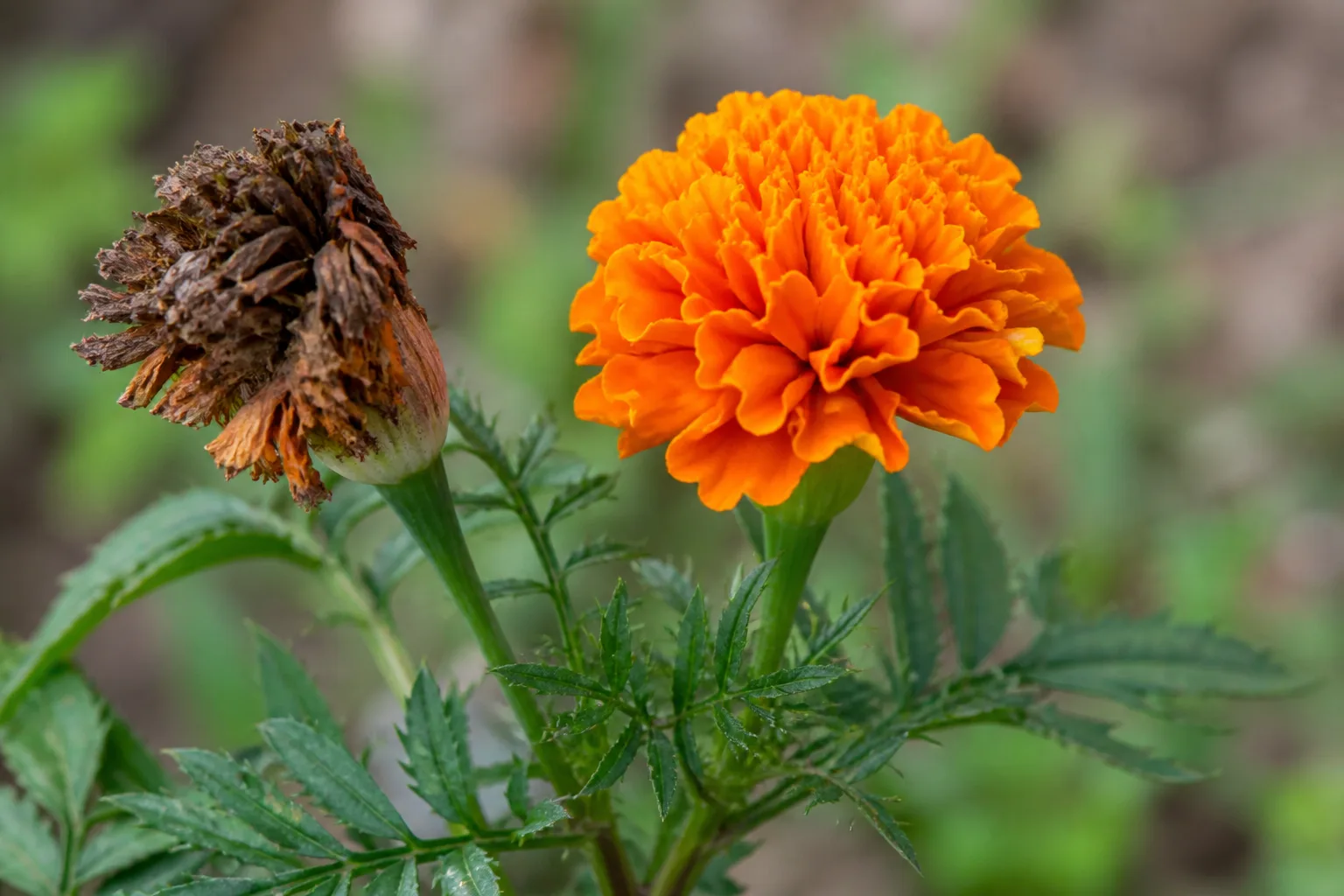
A spent bloom is a flower that has faded, browned, or dropped its petals. Deadheading removes that flower and, when appropriate, its stalk. The immediate payoff is a tidier plant. For many flowering annuals and some perennials, removing flowers before they make seed can also support a longer or renewed flowering period. Kansas State Extension lists both Pelargoniums and hardy geraniums among plants that can respond to deadheading, while noting that some plants bloom well without it. Kansas State Extension gives that broader context.
It is too simple to say deadheading automatically “forces” every geranium to send energy into new buds. Flowering depends on the plant type, its stage in the season, light, temperature, moisture, and general health. Removing spent flowers can prevent some seed formation and may encourage another flush, but it cannot create flower buds when a plant is short on light, stressed by heat, waterlogged, or naturally finished for the year. Penn State Extension also frames deadheading as a choice: some plants benefit, while others are worth leaving to set seed. Penn State Extension explains that trade-off.
Think of deadheading as one useful maintenance step, not a bloom switch. If the plant is otherwise growing well and still has weeks of suitable weather ahead, clearing old Pelargonium clusters is worthwhile. If a healthy hardy cranesbill has finished its brief seasonal display, removing each seed capsule may make it neater but may not bring a second wave of flowers.
Choose the right moment to remove a flower head
For a Pelargonium, inspect the cluster rather than reacting to one brown petal. A rounded flower head contains many small florets that do not all age at once. When most of the cluster has faded, dried, or fallen and only a few scattered florets remain, remove the whole stalk if you want a cleaner display and less seed set. If much of the cluster is still bright and open, leave it for a little longer or pinch off only the visibly spent florets if their appearance bothers you.
There is no fixed calendar date for every plant. Heat, rain, and the cultivar affect how quickly a cluster ages. A cluster that looked presentable yesterday can collapse after a storm, while one in mild weather may remain attractive for longer. Colorado State University Extension recommends removing faded flowers promptly on annuals that respond to deadheading; RHS says the useful interval varies by plant, from daily checks for some bedding plants to weekly or less often for others. Colorado State University Extension and the RHS guide support using the bloom’s condition rather than a rigid schedule.
With a hardy cranesbill, wait until the individual flowers or flower stalks have genuinely finished. If the cultivar is known to rebloom after a cutback, remove the faded stems as directed for that plant. If you do not know the variety, deadhead a small portion first and observe it; avoid cutting the entire clump down before you know whether that removes the only flowers it will make that season.
How to deadhead a Pelargonium
The reliable cut point is where the long flower stalk meets the main leafy stem. Do not stop just below the flower head: that leaves a bare, awkward stem standing above the foliage. Do not cut deep into the main stem either. The aim is to remove the complete flower stalk cleanly while keeping neighboring leaf stems, new flower stalks, and buds in place.
- Find a cluster that is mostly finished. Look for florets that have shriveled, browned, or fallen. Check that the cluster does not hide fresh buds that belong to a neighboring stalk.
- Follow its stalk downward. Move foliage gently aside and trace the stalk to the junction where it attaches to the plant’s main stem. On a crowded plant, hold the stalk you are removing so you do not pull on a nearby shoot.
- Try a controlled hand removal. Hold close to the base and bend or pull the spent stalk downward and away from the main stem. Some Pelargonium stalks snap cleanly at the joint; RHS specifically describes this downward pull as an option for Pelargoniums.
- Stop if it resists. If the stalk is thick, stringy, or would require force, use clean, sharp scissors or hand pruners. Cut close to the attachment point without nicking the main stem.
- Check the plant before moving on. Make sure the cut left healthy leaves and nearby buds attached. Remove only the finished clusters; a plant with several fresh flower heads does not need a full haircut.
- Clear away the removed material. Compost clean, healthy flowers or put them in yard waste. If the flower or foliage is moldy or pest-infested, bag and discard it rather than adding it to a home compost pile.
The RHS Pelargonium guidance recommends removing individual flowers as practical, then taking the whole cluster and its long stalk back to just above where it joins the main stem. It also describes the downward pull as a way to snap some stalks away cleanly. That is a better target than taking off only the petals: the whole spent stalk is what makes the plant look untidy and may continue toward seed production.
If the stalk will not snap cleanly
Do not twist harder or yank from the flower head. That leverage can tear the tender stem below the joint or pull a healthy branch out of the plant. Set the stalk between the blades of a clean pair of scissors or pruners, then make one controlled cut near its base. For several plants, wipe soil and plant residue from the blades; if you are cutting visibly diseased material, clean the tool before using it on a healthy plant.
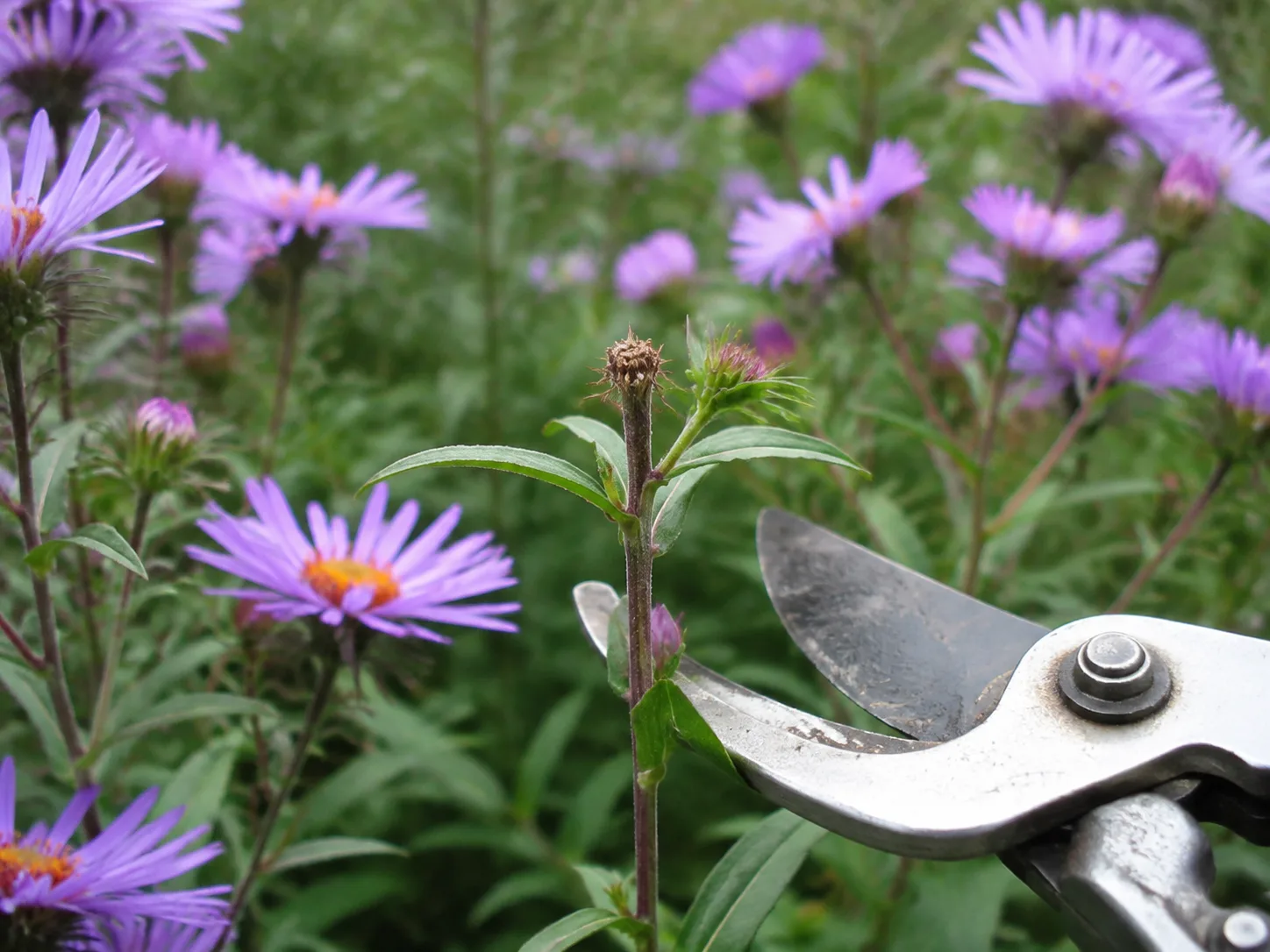
This close-up shows an aster rather than a Pelargonium, but the visual principle is the same: remove the spent flowering stalk at its base, not just the dried head. On a geranium, the stalk can be hidden under overlapping leaves, so take a few seconds to locate the junction before cutting.
How to deadhead a hardy Geranium (cranesbill)
For cranesbills, begin by checking the cultivar or species name, because “cut back after flowering” is not a universal instruction for all hardy geraniums. If the plant is a repeat-blooming type and has a dense mass of spent flower stalks, some gardeners cut the finished flowering stems down toward the foliage or near the base to prompt a fresh flush. RHS notes that this works for some hardy geraniums, but the response varies across perennials.
For a once-blooming type such as wild geranium (Geranium maculatum), you can simply leave the seed capsules, remove only the worst-looking stalks, or deadhead the whole clump for appearance. Wisconsin Horticulture says this species normally does not repeat bloom after deadheading, so a cut is chiefly a tidying choice. Leaving some capsules also allows the plant to scatter seed and expand naturally. If you want to preserve the clump’s seed display or collect seed, keep the stems you need and remove only the rest.
Use hand pruners or scissors to cut individual finished stems at the base of the flower stalk or back to a healthy leaf where the cultivar’s growth habit calls for it. Avoid stripping the plant of its leafy growth; that foliage is still part of the perennial clump, even after flowering has ended. If you want a dramatic post-flowering cutback, first confirm that the cultivar tolerates it and that the plant is not under drought or heat stress.
Fingers or pruning shears?
Your fingers are often enough for thin, fresh Pelargonium stalks that release cleanly. They are convenient when you are removing a few heads and can see exactly where the stalk joins the stem. The RHS and several horticultural guides describe pinching or snapping as a normal deadheading method for soft stems. If you feel the plant flexing or the joint will not release, stop rather than forcing it.
Use small scissors or hand pruners for a woody or stubborn stalk, a large plant with many flower stems, or a precise cut among crowded foliage. A clean, sharp blade makes a neater cut than dull shears that crush or tear tissue. You do not need a specialized geranium tool; choose a tool that fits between the leaves and lets you reach the stalk base without cutting a bud or leaf stem.
The practical test is simple: if a gentle downward pull frees the flower stalk at its natural joint, your fingers are fine. If it does not, cut it. Gardeningetc recommends secateurs for the base of Pelargonium flower stems while recognizing that some stalks can be pulled away; the RHS describes both methods and reserves blades for thicker or stringier stems.
Keep fresh buds and useful leaves
The most common deadheading mistake is taking too much because a cluster looks messy from above. Pelargonium umbels can hide smaller unopened buds nearby, and leaves often conceal the stalk’s attachment point. Separate the leaves with your free hand, look from more than one angle, and identify which stem actually belongs to the faded cluster before you snap or cut anything.
Keep the main plant stem, healthy leaves, and any firm, developing flower stalks. Brown petals are not the only signal: some flowers shed petals while the stalk is still green, and some petals fade at different rates within one head. The clearest test is whether the flower cluster has mostly finished and whether the stalk you are following belongs to that cluster. Avoid cutting a green side shoot just because it sits close to the dead flower.
If many clusters are fading at once, work around the plant in sections and pause before removing every head. Leaving a few attractive clusters for another day keeps the display full while new buds open. This is especially useful in a container or hanging basket where one heavy round of cutting can make the plant look suddenly bare.
How often should you deadhead?
Use a weekly inspection as a practical baseline during active flowering. A quick glance twice a week helps if the weather is hot, rainy, or the plant is producing clusters rapidly; you do not need to cut every time you look. Remove heads when they have passed their best, then wait for the next group to fade. Some gardeners check daily because they enjoy the task, but that is a preference rather than a requirement.
The advice from Homes & Gardens and Gardeningetc is consistent with a regular walk-through and removing clusters as they fade. Use your own plant as the cue: if brown heads are accumulating, inspect more often; if the plant is between flushes or has only fresh buds, there is nothing to remove. A set weekly reminder is more useful than cutting on a date when the flowers are still healthy.
When not to deadhead
Leave at least some flowers when you want to collect seed, encourage a hardy cranesbill to self-sow, or preserve an attractive seedhead. Deadheading trades seed production for a tidier look and, in plants that respond, a chance at more flowers. Penn State Extension notes that some perennials are valuable self-seeders and that other plants’ seedheads can be useful to wildlife through winter. RHS likewise recommends keeping flowers when you want to collect seed or when the seedheads are decorative or bird-friendly.
For a Pelargonium display, there is usually little reason to keep every spent flower once it has turned brown. But if you want to try collecting seed, leave a few healthy flowers to mature and do not deadhead those stalks. For a hardy cranesbill, especially a native or naturalized plant, decide whether you want a tidy edge, a second flush, or more seedlings; you may not be able to get all three from the same cluster.
Also skip unnecessary cuts when a cluster is still providing color or when a plant has just been stressed by repotting, drought, or an abrupt change in exposure. Deadheading is gentle compared with pruning, but repeated unnecessary cuts still remove plant tissue. If the plant is not actively flowering, wait rather than clipping healthy green growth in the hope that it will produce buds.
Will deadheading make a geranium bloom again?
It can help, but it is not a guarantee. Many Pelargoniums continue flowering in waves while warmth, light, water, and plant health remain favorable. Removing spent clusters before seed develops can reduce the plant’s investment in seed and keep the display clean; Kansas State Extension lists both Pelargoniums and hardy geraniums among plants that can benefit from deadheading. The exact response still depends on the plant and growing conditions.
Do not expect an open flower to appear in a day or two just because you removed a head. A new stalk may need time to develop, and flowers may slow in very hot weather, at the end of the season, or when light levels fall. If a cluster’s stalk is removed but no new flower follows, the cut may still have been useful for tidiness and seed control. The stronger question is whether the plant has enough light and suitable conditions to continue blooming.
The familiar promise of “more flowers” also fits some cranesbills better than others. A repeat-blooming hardy cultivar may put on another show after flowering stems are cut back; wild Geranium maculatum usually does not rebloom after deadheading. For a new-to-you perennial, test the effect on a few stalks, then leave the rest until you see how the plant responds.
If no new blooms appear, check growing conditions
When an otherwise healthy plant stops flowering, look at the growing environment before cutting more stems. Deadheading handles finished flowers; it does not correct the conditions that determine whether the plant can make new ones. Make one change at a time, then give the plant a reasonable interval to respond instead of adding fertilizer, pruning, and moving the pot all at once.
Start with light and seasonal heat
Light is a common limiting factor for Pelargoniums. North Carolina State Extension notes that these plants need full sun and become leggy and bloom poorly in insufficient light. If yours is indoors or shaded by a railing, move it gradually to a brighter position rather than moving it abruptly into intense midday sun. Outdoors, compare the plant’s actual light exposure with the label or cultivar guidance; a bright patio can still be shaded for much of the day by an overhang or tree.
Temperature and season matter too. A healthy plant may pause during a stretch of heat, especially when nights stay warm, or slow naturally as days shorten. Georgia Extension’s geranium guide notes that flowering can slow markedly in hot weather, particularly where nights remain warm. If you are in a hot spell, keep the plant watered appropriately and wait for more favorable weather; extra clipping will not make heat stress disappear. When frost is approaching, treat continued outdoor bloom as seasonal rather than expecting deadheading to carry the plant through cold conditions.
Check moisture, drainage, and feeding
Pelargoniums like well-drained soil and moderate moisture. North Carolina State Extension says container plants can be allowed to dry between waterings, while Georgia Extension emphasizes even moisture and drainage for potted geraniums. Check the soil itself: if it is still wet below the surface, do not add more water; if it has dried, water thoroughly and let excess drain from the container. A pot sitting in a saucer of standing water can stay too wet even when the surface looks dry.
Look at the whole plant for other signs of stress: drooping despite moist soil, yellowing leaves, sparse growth, or soft and decaying stems. Old flowers and damaged plant tissue can harbor gray mold in damp conditions, so remove decayed material and keep the plant from staying wet. Georgia Extension identifies aging or decaying flower tissue as a site for Botrytis blight and stresses sanitation; if you see gray fuzzy growth or spreading damage, discard affected pieces and avoid composting them at home. Georgia Extension’s geranium guide explains the disease and cultural care.
Feed only according to the container’s needs and the product label. A weak, root-bound, or poorly lit plant will not be rescued by a stronger dose of fertilizer, and fertilizer is not a substitute for drainage or light. If foliage is healthy but flowering has slowed, first consider whether the plant is in a normal seasonal pause or whether its sun exposure has changed. Correct the limiting factor you can identify, keep watering consistent, and let new growth develop before you prune further.
Deadheading versus pruning
Deadheading removes individual spent flowers or flower stalks throughout the flowering season. It leaves the plant’s overall shape and leafy stems largely intact. Pruning removes more stem length to shape, reduce legginess, rejuvenate growth, or prepare a plant for overwintering. The cut and the purpose are different, even when both involve scissors.
If your Pelargonium is straggly, has long bare stems, or needs to come indoors before cold weather, it may need a separate pruning decision. Do not turn a simple flower-removal job into a hard cutback. North Carolina State Extension notes that Pelargoniums are tender plants often grown as annuals, while gardeners in suitable climates may overwinter them indoors; the right pruning plan depends on how you keep the plant through winter.
For hardy cranesbills, a post-flowering cutback is also more substantial than removing one spent flower. Some cultivars respond to a broader cut by producing fresh foliage or flowers, while others do not. Check the plant’s label or reliable variety-specific advice before using shears across the entire clump. When the goal is only to remove one tired flower, cut that stalk alone.
Composting or discarding the stems
Healthy spent flowers and stalks can usually go into a compost pile or green-waste bin. Break down large clusters if your compost system handles small material better, and keep the pile balanced with dry “browns” as usual. If you simply want a clean container, dropping a few flower heads into household green waste is fine; leaving them around the pot can make the display look untidy and allow damp petals to collect among leaves.
Do not compost material that is visibly diseased or infested unless your composting system reliably reaches temperatures sufficient to destroy the problem. For a home pile with uncertain heat, discard moldy, soft, or pest-covered material in household waste. Wipe dirt and plant residue from cutting tools before storing them, and clean the blades between plants if you have cut diseased tissue. This small bit of hygiene helps keep a tidy-up from moving a problem around the garden.
Conclusion
To deadhead the common potted geranium, first make sure it is a Pelargonium, then wait until most of a flower cluster has faded. Follow its stalk to where it joins the leafy main stem and remove the stalk with a gentle downward pull or a clean cut, leaving buds, leaves, and green shoots alone.
For hardy cranesbills, the right choice depends on the species or cultivar: some can rebloom after a post-flowering cut, while others finish for the year and may be better left to set seed. In either case, deadheading is one tool, not a promise of nonstop flowers. If your plant still does not bloom, check light, heat, and moisture before removing more growth.



