How to Get Rid of Chiggers in Your Yard
Itchy ankle bumps after yard work usually mean chigger larvae. Mow, dry, and treat borders the way extension services recommend—plus what not to do after a bite.
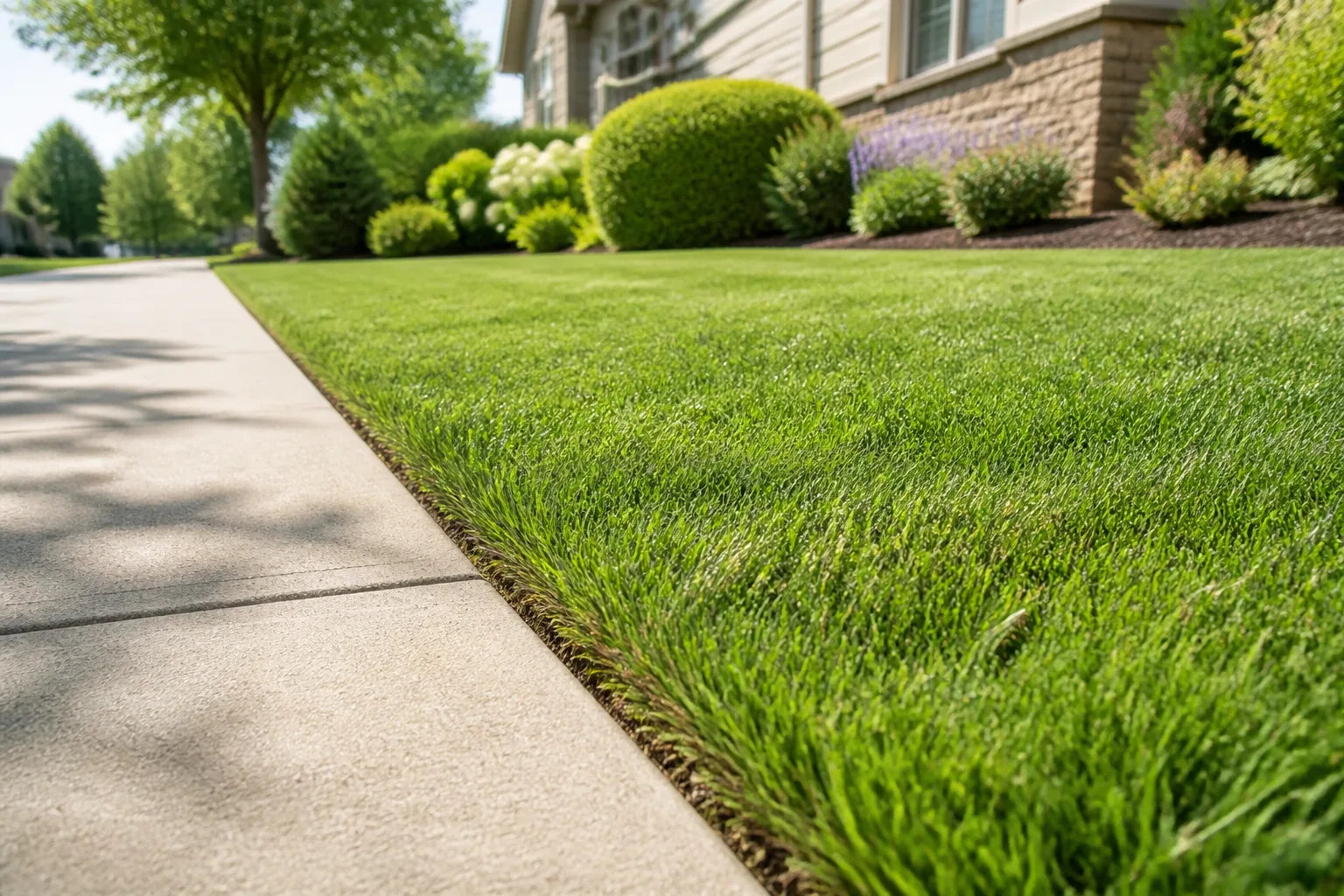
Ankle bumps that itch for days after mowing, weeding, or letting the kids run barefoot usually mean chigger larvae—not mosquitoes, not fleas, and definitely not bugs living under your skin. Getting rid of chiggers in your yard is mostly a habitat job: dry the shade, shorten the grass, cut off wildlife highways, then treat borders only where larvae still show up. Do that consistently and you can enjoy the lawn again without coating yourself in mystery pantry sprays.
This guide follows what cooperative extension services actually recommend—Texas A&M AgriLife, Alabama ACES, and UGA among them—plus the practical yard-work sequence most ranking pages skip. If you also fight ants, rats, or wasps along the property edge, pair this plan with our guides on natural ant control, signs of rats in the garden, and keeping wasps away so one pest corridor does not feed another.
Why Chiggers Ruin Backyard Season (and What You’re Actually Fighting)
Chiggers are trombiculid mites—arachnids related to ticks and spiders, not insects. In the United States they show up from the Southeast through the Midwest and into parts of the Northeast and West. They do not invade houses the way fleas do; the battle is outdoors, in vegetation-shaded soil where humidity stays high and hosts walk past.
The good news extension entomologists repeat every summer: American chiggers do not transmit disease to people. The bad news is the itch. Larvae inject digestive enzymes that liquefy skin cells for food. Your body reacts with welts that can itch for a week or more—long after the mite has dropped off (Texas A&M AgriLife Extension).
Larvae Bite—Adults Don’t
Only the six-legged larva parasitizes humans and animals. After feeding—typically about three days—it drops off, molts into an eight-legged nymph, then becomes a red adult predator that eats small soil arthropods (Alabama Cooperative Extension). Adults and nymphs do not bite you. Treating the yard targets larvae and the moist microhabitat where eggs hatch.
The burrowing myth is persistent and wrong. Chiggers pierce the skin surface and inject saliva; swelling can envelope the mite so it looks embedded (NCBI StatPearls — Trombiculiasis). They are not drinking blood like mosquitoes. Scratching hard enough to break skin is the main infection risk—not the mite “living inside you.”
The Moist, Shady Spots They Love
Chiggers cluster where shade, moisture, and hosts overlap: tall grass, weedy field edges, blackberry thickets, unmowed fence lines, leaf litter under shrubs, and damp soil behind sheds. They climb vegetation to transfer height—usually within a foot of the ground—and wait. Alabama Extension notes larvae are most active in the afternoon when ground temperatures sit between 77°F and 86°F, becoming inactive below 60°F or above 99°F (Alabama ACES).
Distribution is patchy. One side of a path can swarm while ten feet away is clear (Texas A&M AgriLife). That is why whole-lawn panic spraying often wastes product—and why confirming where larvae live matters before you treat.
How to Know Chiggers Are in Your Yard
You rarely see individual larvae without magnification. You infer them from bite pattern, habitat, and two simple field tests.
Bite Clusters That Give Them Away
Chigger bites show up as intense, clustered red bumps, often around sock lines, waistbands, bra lines, and armpits—anywhere clothing is tight or skin is thin (Texas A&M AgriLife). Itching usually starts three to six hours after exposure and peaks around 24 to 48 hours. Mosquito bites are more random; flea bites concentrate lower on legs but come with pet history. If the whole family is scratching matching ankle rings after a picnic in tall grass, chiggers jump to the top of the list.
Black-Shingle and White-Sock Tests
Black-shingle test: Place a 6-inch square of black cardboard or shingles in a suspect zone—under a shrub, along a wood-line border, or in weedy shade. Leave it 10–15 minutes, then check the upper surface with a hand lens. Crawling orange-red specks suggest larvae.
White-sock test: Pull on tall white socks over shoes and walk slowly through suspect turf for five minutes. Larvae contrast against white fabric. This works best in known problem areas; a negative walk does not prove the whole yard is clean.
If tests are positive, mark those zones on a sketch. You will treat borders and patches, not necessarily every square foot of Kentucky bluegrass in full sun.
Step 1: Mow Short, Trim Dense Growth, and Dry the Lawn
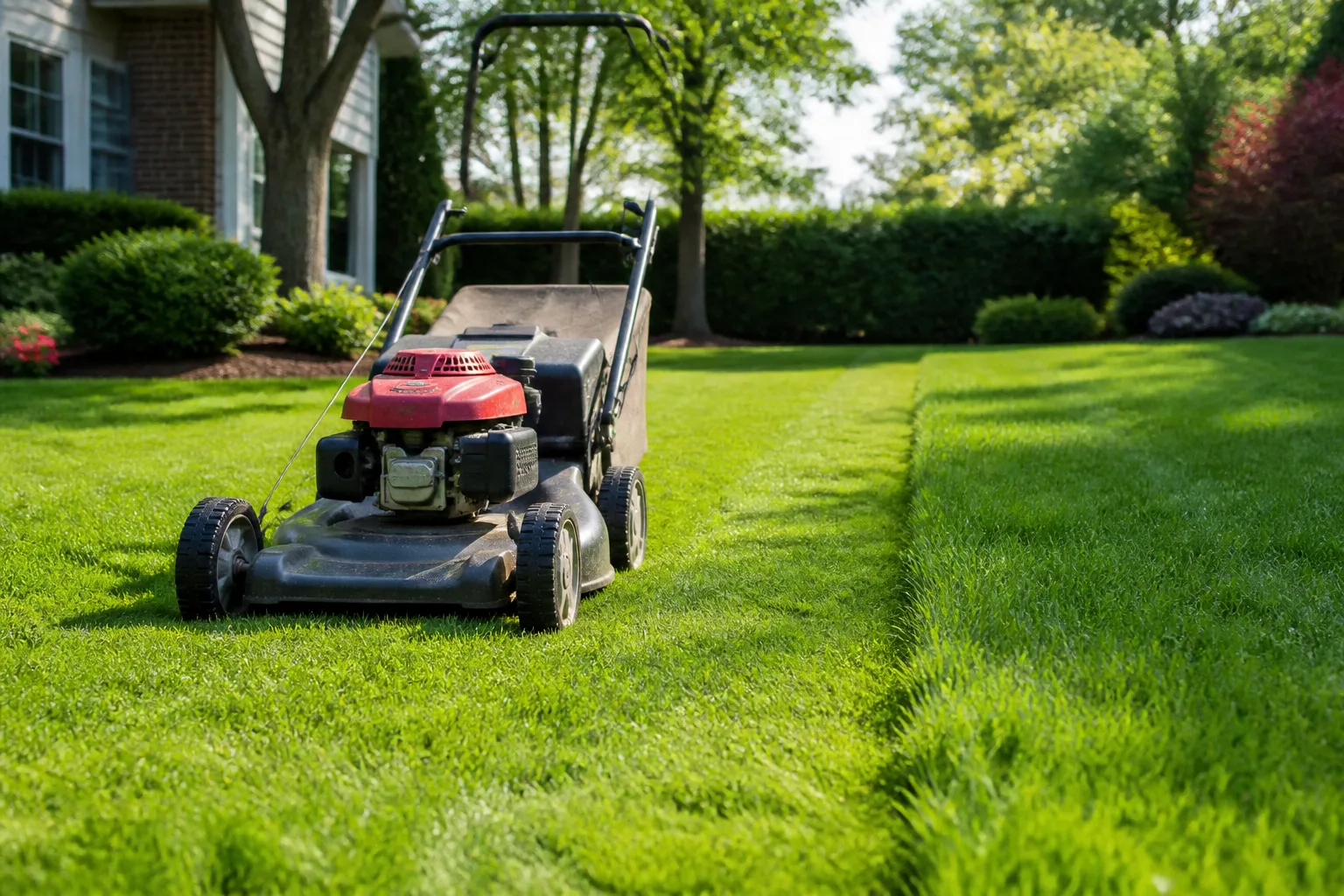
Cultural control is the backbone. Extension services agree: open, sunlit turf with short grass and trimmed shrubs is less humid and less hospitable than overgrown shade (UGA Extension, Alabama ACES).
Target Height and Timing
Mow regularly through chigger season—late spring through early fall in most regions, sometimes year-round in the Deep South. For chigger pressure, aim for the lower end of healthy range for your grass type (often 2–2.5 inches for cool-season lawns, slightly lower for warm-season turf during peak mite weeks). Bag or mulch clippings in infested strips so you are not leaving moist thatch mats at the edge.
Trim hedges, fence-line weeds, and ornamental ground cover that touch the lawn. Create a sun buffer between woodland and turf: even a 3-foot band of mowed, open grass raises soil temperature and drops humidity enough that larvae struggle.
Wear long pants tucked into socks while mowing infested areas. Chiggers explore clothing for hours before feeding (Texas A&M AgriLife). Shower with soap and scrub with a washcloth within a few hours of yard work to dislodge mites that have not yet attached.
Fix Overwatering and Poor Drainage
Chiggers dry out in hot, open sun. Overwatering and poor drainage keep soil surface moisture high—the opposite of what you want. Audit sprinklers the way lawn pros do: fix overlapping heads, shorten run times in shaded beds, and stop daily shallow watering that never dries at the surface. Our summer lawn watering guide walks through catch-can tests if you are unsure whether shade zones stay soggy.
Fill low spots that hold puddles after rain. Redirect downspouts away from planting beds that border play areas. Drier soil does not eliminate chiggers at a forest edge, but it shrinks the habitable zone inside your maintained lawn.
Step 2: Clear Debris and Break Up Wildlife Highways
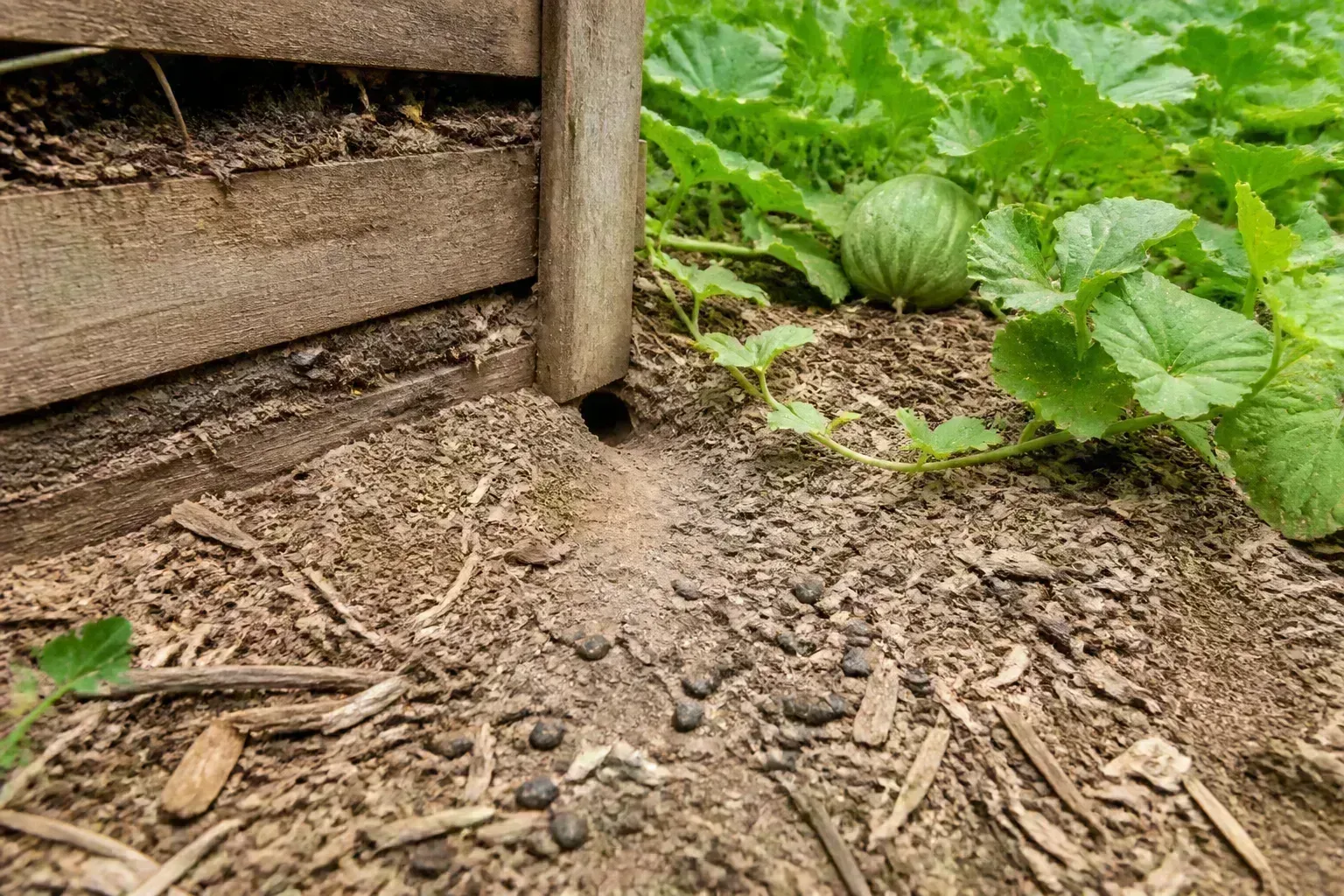
Larvae hatch in leaf litter and damp soil (Texas A&M AgriLife). Rake fallen leaves out of fence corners, stack firewood off the ground, and haul away brush piles sitting in shade. That is the same debris management that helps with rats and other edge pests.
Chiggers prefer rodents, birds, reptiles, and small mammals as hosts; people are a backup meal (Alabama ACES). You do not need to sterilize the ecosystem, but you should interrupt highways:
- Move bird feeders away from patios and play lawns, or use trays that stop spillage on the ground.
- Store garbage and compost in sealed bins; do not leave pet food outdoors overnight.
- Close gaps under decks and shed skirting where rodents nest.
- Avoid planting dense ground cover right against seating areas without a mowed buffer.
Alabama Extension is blunt: clearing breeding sites in spring, before populations explode, beats reactive spraying in July. Put debris cleanup on the same calendar as your first deep mow.
Step 3: Natural Treatments Worth Using First
Once habitat is tighter, add targeted low-toxicity tools to borders and test-positive patches—not broadcast fairy dust across the entire property.
Diatomaceous Earth in Problem Zones
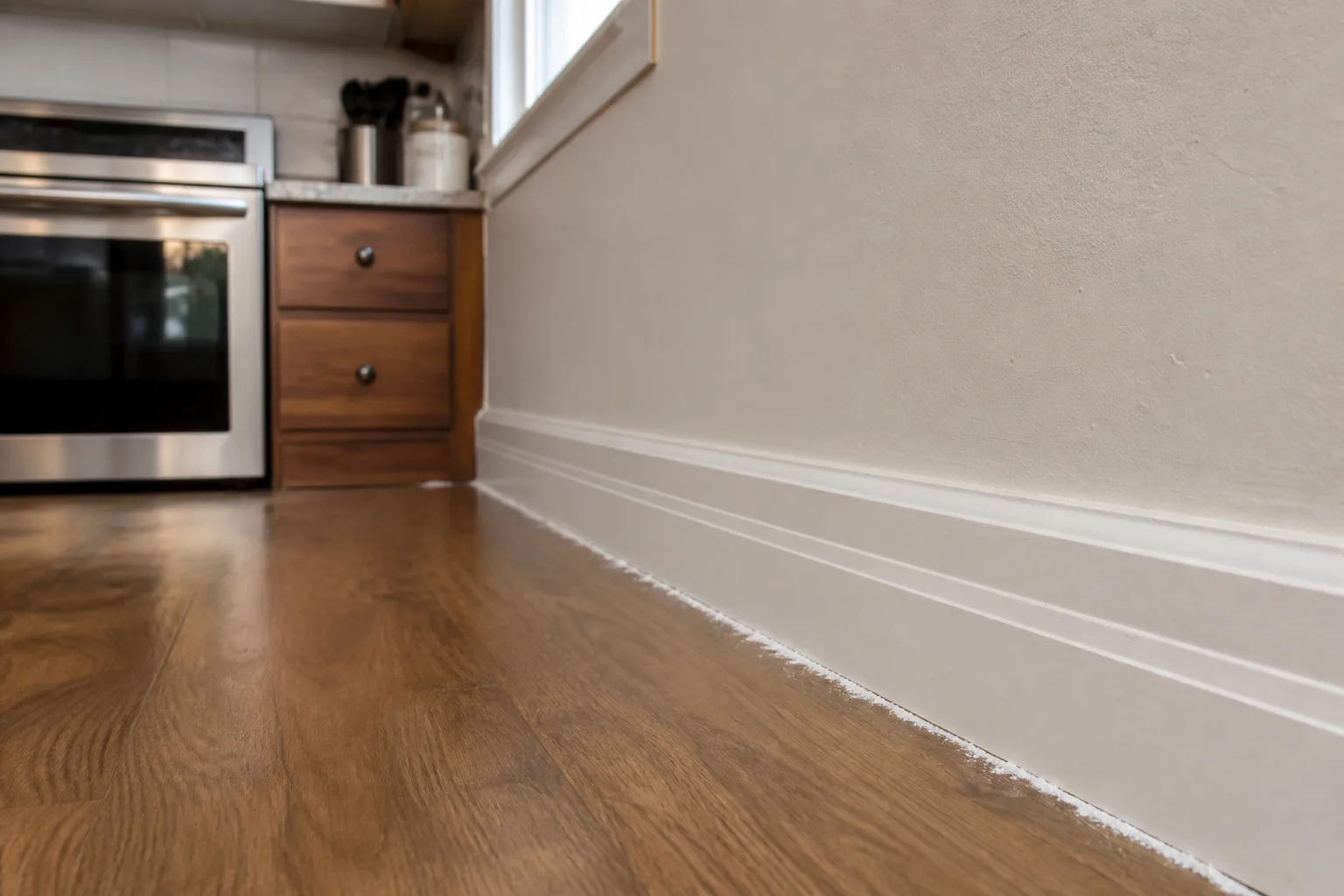
Food-grade diatomaceous earth (DE) abrades soft-bodied arthropods and causes dehydration when they crawl through a dry layer. It fits chigger larvae in shaded strips along fence lines or under shrubs. It does not work wet, does not kill eggs, and can harm beneficial insects and soil nematodes if you blanket the lawn (see our DE deep dive).
How to apply for chiggers:
- Choose a dry, wind-free morning after dew has lifted.
- Wear a dust mask; silica irritates lungs when airborne.
- Dust a thin band (6–12 inches wide) along infested borders, footpaths, and shrub drip lines—not the open sunny center of the lawn.
- Reapply after rain or irrigation; plan on weekly touch-ups during peak season in heavy shade.
- Keep kids and pets off until dust settles.
Some gardeners mix DE with water and spray it onto vertical surfaces; it only kills once the deposit dries. For crawling larvae in turf, dry dusting or a light dry-brush into thatch at the edge is more predictable.
Sulfur and Scent Sprays—Where Evidence Is Thin
Sulfur powder on clothing has old-school support in extension bulletins as a partial repellent (Texas A&M AgriLife). Broadcast sulfur on lawns is less documented and can irritate skin and eyes; treat it as experimental, not your primary yard fix.
Essential-oil yard sprays—eucalyptus, lemongrass, peppermint—show up in blog recipes. Plant-oil repellents may not be tested specifically against chiggers; Texas A&M notes you should trust only products whose labels claim chigger repellency. A vinegar or oil mist around the patio might reduce your comfort level; it will not replace mowing and drying. If you want scent-based help, use labeled personal repellents on skin and clothing instead of soaking beds where pollinators forage.
When Chemical Lawn Sprays Make Sense
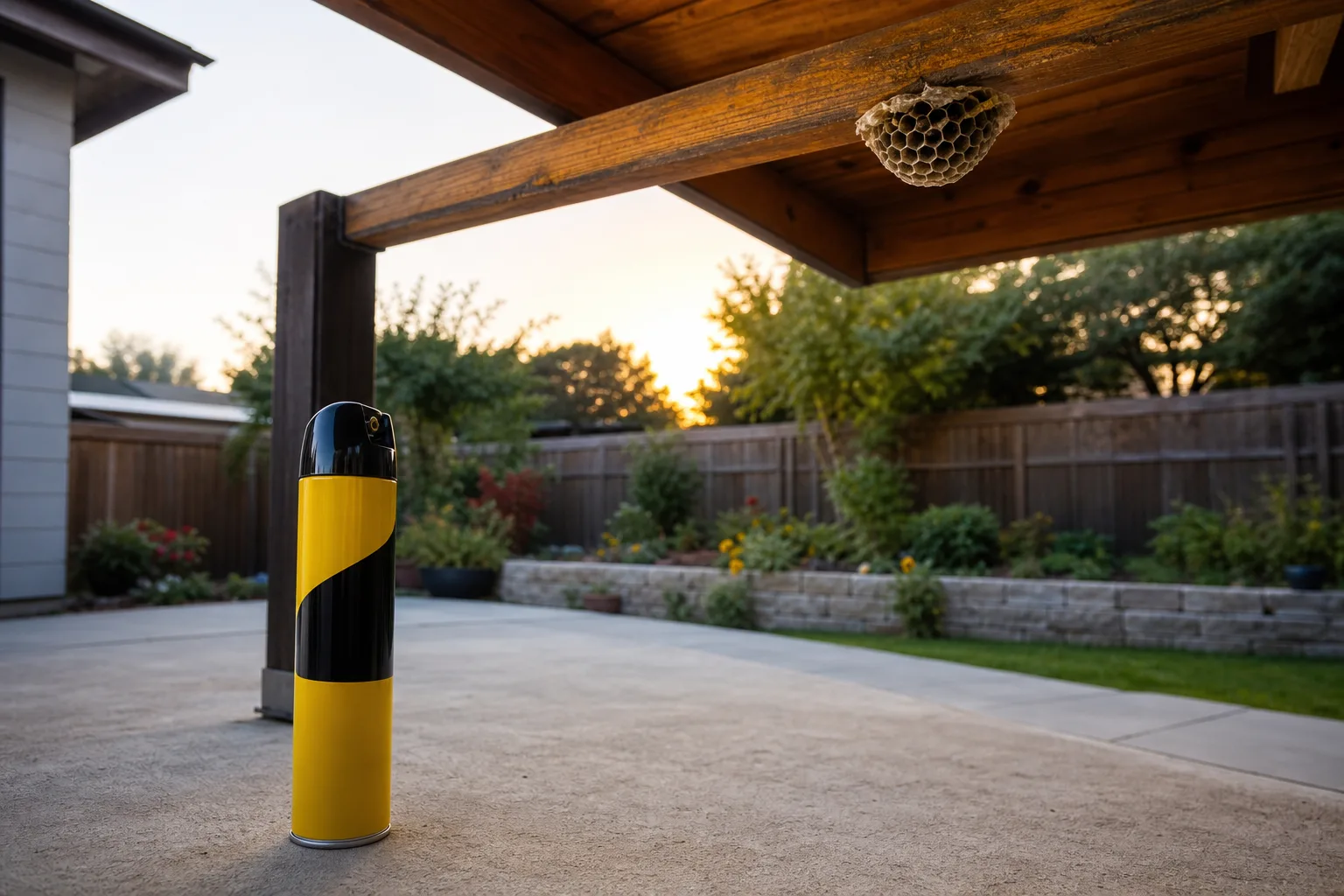
If bites continue after two to three weeks of cultural work, or black-shingle tests still show larvae along a woodland border, labeled residual insecticides are the next lever—not your first.
Texas A&M AgriLife reports liquid sprays outperform granules for chiggers; among granules, bifenthrin performed best in recent trials (Texas A&M AgriLife). Common lawn-active ingredients include bifenthrin, cyfluthrin, esfenvalerate, and permethrin. Read the label for lawns, chiggers or mites, and re-entry intervals for people and pets.
Spray where larvae live, not where you eat dinner:
- Fence lines between lawn and woods
- Ornamental beds beside paths
- Shaded foundation plantings
- Known test-positive patches
Alabama Extension suggests a single May application may suffice in moderate cases; severe infestations may need retreatment after two to three weeks (Alabama ACES). Do not treat areas where livestock feed. Remove pets during application; return after spray dries.
Do not use kerosene, ammonia, gasoline, or other household solvents—extension services list them as ineffective and dangerous (Alabama ACES). Wide-area spraying without fixing shade and moisture brings larvae back when residue fades.
Personal Protection on High-Risk Days
Yard work on a 77–86°F afternoon in a border zone deserves clothing and repellent, even while you fix habitat.
Clothing: Long sleeves, long pants, boots or shoes with socks tucked in, and tightly woven fabric chiggers cannot walk through easily (Texas A&M AgriLife). Avoid sitting directly on grass or leaf litter.
Repellents: Apply DEET to exposed skin and clothing edges per label directions. For longer sessions, treat clothing with permethrin products labeled for fabric—never apply permethrin directly to skin (Texas A&M AgriLife). The combination of permethrin-treated pants and DEET on ankles beats either alone in heavy infestations.
After exposure: Hot soapy shower and vigorous washcloth scrub within a few hours dislodge mites still crawling (UGA Extension). Launder worn clothes before wearing again.
After You’re Bitten—Fast Relief Without Nail Polish
Bite care belongs on this page because readers search yard control after they are already itching. Once welts form, nail polish, bleach, and “smother the bug” tricks do nothing—the larva is usually gone.
Do this instead:
- Wash the area with soap and cool water; avoid scalding showers that worsen inflammation.
- Do not scratch open welts; trim nails and use cold compresses when urge spikes.
- Antihistamines (oral) and topical hydrocortisone or calamine reduce itch per Texas A&M guidance (Texas A&M AgriLife).
- Apply antiseptic if scratching broke skin.
- See a clinician if swelling is severe, signs of infection appear, or you have a history of hypersensitivity.
Itching that lasts two weeks is miserable but not rare. The goal going forward is fewer new bites via yard fixes—not chasing each welt with folklore cures.
Seasonal Calendar for Chigger Control
Use timing to work with biology instead of reacting after every barbecue.
| Season | What Chiggers Are Doing | Your Yard Jobs |
|---|---|---|
| Late winter–early spring | Adults overwinter in soil; eggs soon in litter | Rake litter, clear brush, plan border trims before hatch |
| Spring (first warm weeks) | Eggs hatch; larvae climb vegetation | First targeted mow low; black-shingle tests; optional May border spray if history is bad |
| Summer peak | Larvae active afternoons at 77–86°F; multiple generations in South | Weekly mow, keep shade dry, DE on borders after rain, personal protection on mow days |
| Early fall | Activity slows below 60°F | Final debris cleanup; note problem zones for next spring |
| Winter | Larvae inactive; adults in soil | Maintain open sun buffers; do not skip spring prep |
In southern zones, up to four generations per year are possible (Texas A&M AgriLife). “For good” means annual spring habitat reset, not one heroic weekend.
Conclusion
Removing chiggers from your yard is not about nuking grass with mystery sprays. It is IPM for your lawn edge: understand that only larvae bite, confirm where they live, mow and dry the shade, clear litter and host highways, then use DE or labeled sprays on borders only if tests still fail. Protect ankles on hot afternoons with DEET and permethrin-treated clothing, and shower fast after yard work.
Do that two seasons in a row and bites usually drop from constant to rare—even if woodland beyond your fence still harbors mites. The win is reclaiming your maintained turf, not sterilizing the county. Mark problem borders now, schedule spring cleanup before eggs hatch, and keep the mower high on priority until the itch memories fade.