How to Grow and Care for Ground Cherries
Get a complete ground cherry growing plan, from seed and transplant timing to container care, ripe-fruit safety, and volunteer control.
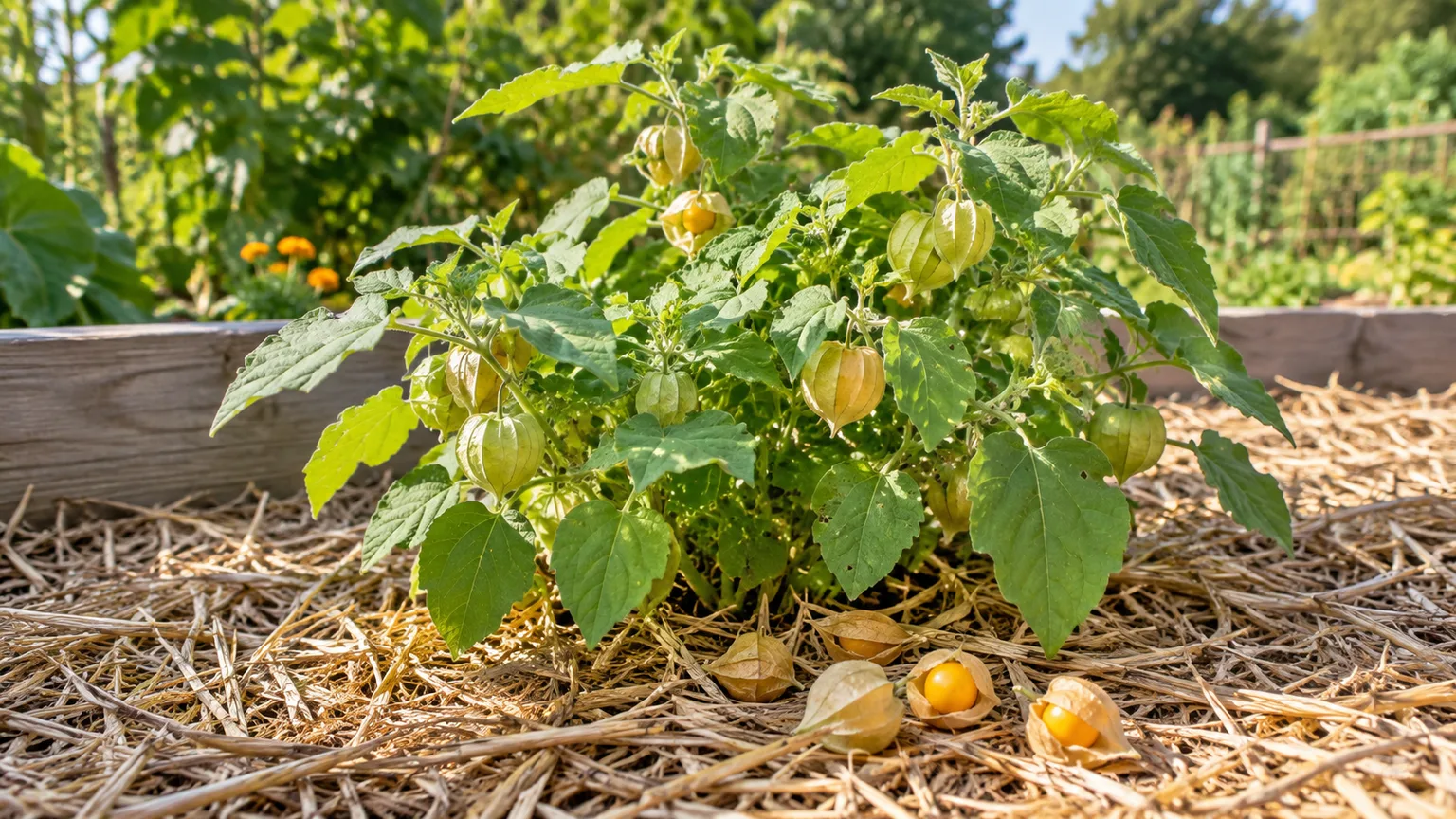
Ground cherries are warm-season plants that reward a little patience with dozens of sweet-tart fruits tucked inside papery husks. The trick is to start them early enough, wait for warm soil before setting them out, and make room for a plant that spreads farther than its modest height suggests. Harvesting is different from picking tomatoes: ripe fruit usually falls, so you need a way to find it and a reliable check that it is truly ripe.
The familiar garden ground cherry is usually Physalis pruinosa, a relative of tomatoes and tomatillos. It is not a true cherry, and the name “ground cherry” can refer to several Physalis species. The guide below focuses on the commonly cultivated, low-spreading husk-fruited crop; check the seed packet’s botanical name when you buy seed, especially if it says goldenberry, cape gooseberry, or Chinese lantern.
At a glance: the ground cherry growing profile
| Growing factor | Practical starting point |
|---|---|
| Crop type | Warm-season annual in most frost-prone gardens |
| Seed starting | Indoors about 6–8 weeks before the last expected frost |
| Outdoor planting | After frost risk passes and soil has warmed; often 2–3 weeks after the last frost |
| Light | Full sun, ideally 6 or more hours of direct light |
| Soil | Fertile, loose, well drained; slightly acidic soil suits the crop |
| Spacing | About 2–3 feet for supported plants; allow 3–4 feet if letting them sprawl |
| Water | Deep, even moisture; adjust for rainfall, heat, and container size |
| Harvest | Late summer into fall; look for dry tan husks and golden fruit, often on the ground |
| Main watch-outs | Frost, water stress, excessive nitrogen, unripe fruit, and volunteers from missed berries |
Use this as a starting plan, not a rigid calendar. Frost dates, soil warming, cultivar, and how much you support the plant all affect timing and spacing. Penn State Extension reports that ground cherries can take roughly 10–11 weeks from transplanting to ripe fruit; a warm, long season makes the difference between a few early berries and a steady late-summer harvest.
Know which Physalis you are planting
The husk is a useful clue, but it does not make every husked Physalis the same crop. The ground cherry grown for sweet, cherry-sized fruit is generally P. pruinosa. Tomatillos (P. ixocarpa) produce much larger fruits used green or cooked, while cape gooseberries or goldenberries (P. peruviana) are typically more upright and need a longer season. Chinese lantern (P. alkekengi) is grown mainly as an ornamental. These plants share a genus, not identical habits or harvest expectations.
Common names overlap on seed packets and in garden conversations. If you want a short-season ground cherry that sprawls and drops fruit, look for Physalis pruinosa and a named cultivar such as Aunt Molly’s, Goldie, or Cossack Pineapple. “Goldenberry” alone is less precise; confirm the botanical name before using another crop’s spacing or maturity advice. Penn State Extension describes Aunt Molly’s as a long-grown variety and notes that many cultivars are now available; Gardener’s Path also profiles cultivars for home gardens.
Choose warm sun and drainage
Pick a site that receives at least six hours of direct sun. More sun generally means more flowering and faster ripening, but afternoon shade can help in very hot climates if plants are otherwise wilting or fruit set stalls during a heat wave. The site also needs enough lateral space: ground cherries often stay only a few feet tall while branches reach outward and fruit hangs low.
Avoid a spot where water pools after rain or where tall crops will shade the plant by midsummer. A raised bed can warm earlier and drain better than a compacted in-ground bed. If you have a short season, placing the plant near a warm, sheltered wall can help, but keep enough air moving around the leaves and do not crowd it into a humid corner.
Soil that holds moisture but drains
Ground cherries prefer soil that stays evenly moist without remaining soggy. Before planting, loosen compacted soil and mix in mature compost if the bed is low in organic matter. Do not try to fix heavy clay with a small handful of sand; improving structure with organic matter and using a raised bed or mound are more practical ways to improve drainage.
Penn State Extension gives a slightly acidic soil pH range of about 6.0–6.5. You do not need to chase that number without a soil test: prioritize drainage and steady moisture first. If a soil test shows a major pH or nutrient issue, correct it based on the report rather than adding lime or fertilizer by guesswork.
Spacing, support, and the harvest zone
Plan for a broad plant, not a compact tomato. A useful starting point is 2–3 feet between plants when you will use a cage or stakes to keep branches upright; give an unsupported plant roughly 3–4 feet if you have the room. K-State Extension recommends generous room for the spreading habit, while other extension guidance ranges closer to 2 feet. Wider spacing improves airflow and gives you room to find fallen fruit.
Install a small tomato cage or a few stakes while the plant is young if you want a neater footprint. Support is optional, but branches resting on damp soil make it harder to locate ripe fruit and can leave husks hidden in weeds. Lay 2–3 inches of clean straw or another loose organic mulch below the plant once the soil is warm. The mulch suppresses weeds, moderates moisture, and creates a visible surface where fallen berries are easier to spot.
Start seeds indoors with enough lead time
In most climates, starting indoors is more reliable than direct sowing. Begin about six to eight weeks before your area’s average last frost date. Ground cherry seeds can be slow to germinate and seedlings need time to develop sturdy stems before the warm-season planting window; Penn State Extension notes that germination can take up to three weeks.
Direct sowing can work in a long, reliably frost-free season once the soil is warm, but it gives you less control over germination and early weeds. For a short summer, or if you want to protect an early crop, start indoors and transplant a healthy seedling. Buy a transplant if you missed the seed-starting window, but check its label for P. pruinosa rather than assuming any husked-fruit plant is interchangeable.
Warm seeds, keep them damp, then give bright light
Sow seeds about ¼ inch deep in a clean seed-starting mix and moisten the medium before filling cells. Aim for warm conditions in the 75–85°F range; bottom heat can help in a cool room. Homes & Gardens gives the same warm range for germination. Keep the mix consistently damp, not saturated. A clear cover can hold humidity until sprouting, but remove it once seedlings emerge so stems and leaves get airflow.
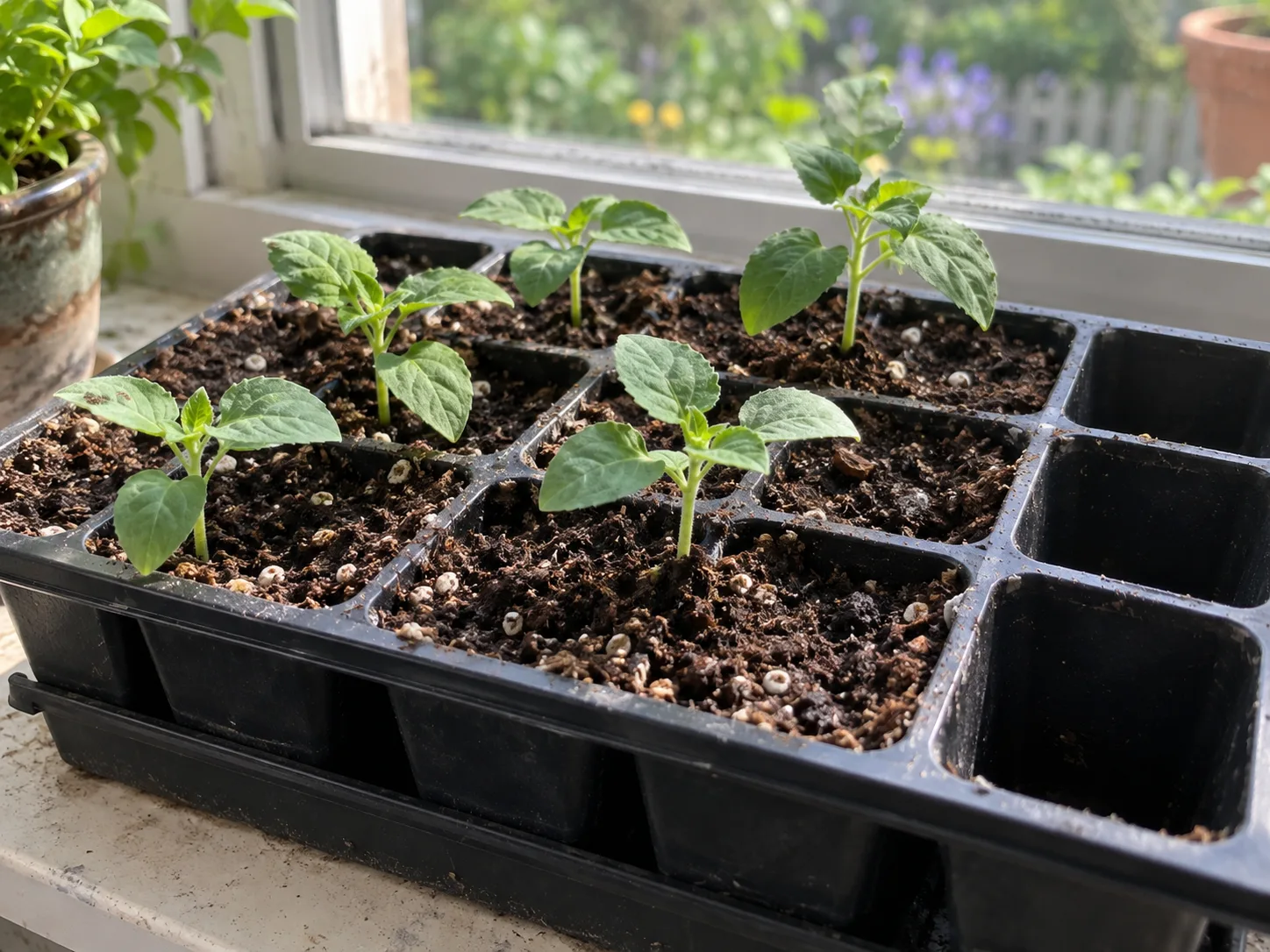
Once seedlings emerge, move them under a strong grow light or to the brightest available window. A sunny window may still be dim in late winter, so watch for long, thin stems leaning toward the glass; move the light closer or increase its intensity instead of compensating with fertilizer. Water from below or gently at the surface, and let excess water drain. If several seeds sprout in a cell, keep the strongest seedling and snip the others at soil level rather than pulling and disturbing its roots.
Harden off and transplant at the right depth
Do not rush a warm-season plant into cold ground because a calendar says it is time. Wait until frost risk has passed and soil is warm. In many gardens, planting two to three weeks after the average last frost is safer than planting on the date itself; use a local forecast and soil warmth as the final check. Penn State Extension recommends hardening seedlings and waiting until soil has warmed, often about two to three weeks after frost.
Harden seedlings over 7–10 days: begin in a sheltered, shaded spot for a short period, then increase outdoor time and morning sun gradually. Bring them in if nights are cold or wind is strong. When planting, set the root ball at the same depth it occupied in its pot and water it in. This is one place where the tomato comparison can mislead: Penn State Extension notes that ground cherry stems do not root at nodes the way tomato stems can, so burying a long section of stem is not a shortcut to a stronger plant.
Grow one plant in a container
A container makes it easier to control volunteer seedlings and keep fruit off garden soil, but the pot needs enough volume to buffer summer heat. Use one plant in a large container—about 5 gallons or more is a practical baseline—with drainage holes and a quality potting mix. GrowJourney’s ground-cherry guide gives a similar container minimum. A smaller pot may work for a young plant, yet it will dry quickly and can restrict a mature, spreading crop.
Place the container where it gets full sun and where a wide cage or stake can fit without blocking a walkway. Water when the upper inch or two of mix begins to dry, then soak until water drains from the bottom; in hot or windy weather, check daily. Do not leave the pot standing in a full saucer. Put a catch mat, patio pavers, or a layer of clean mulch under the branches so fallen fruit is visible and seedlings do not root in cracks or nearby beds.
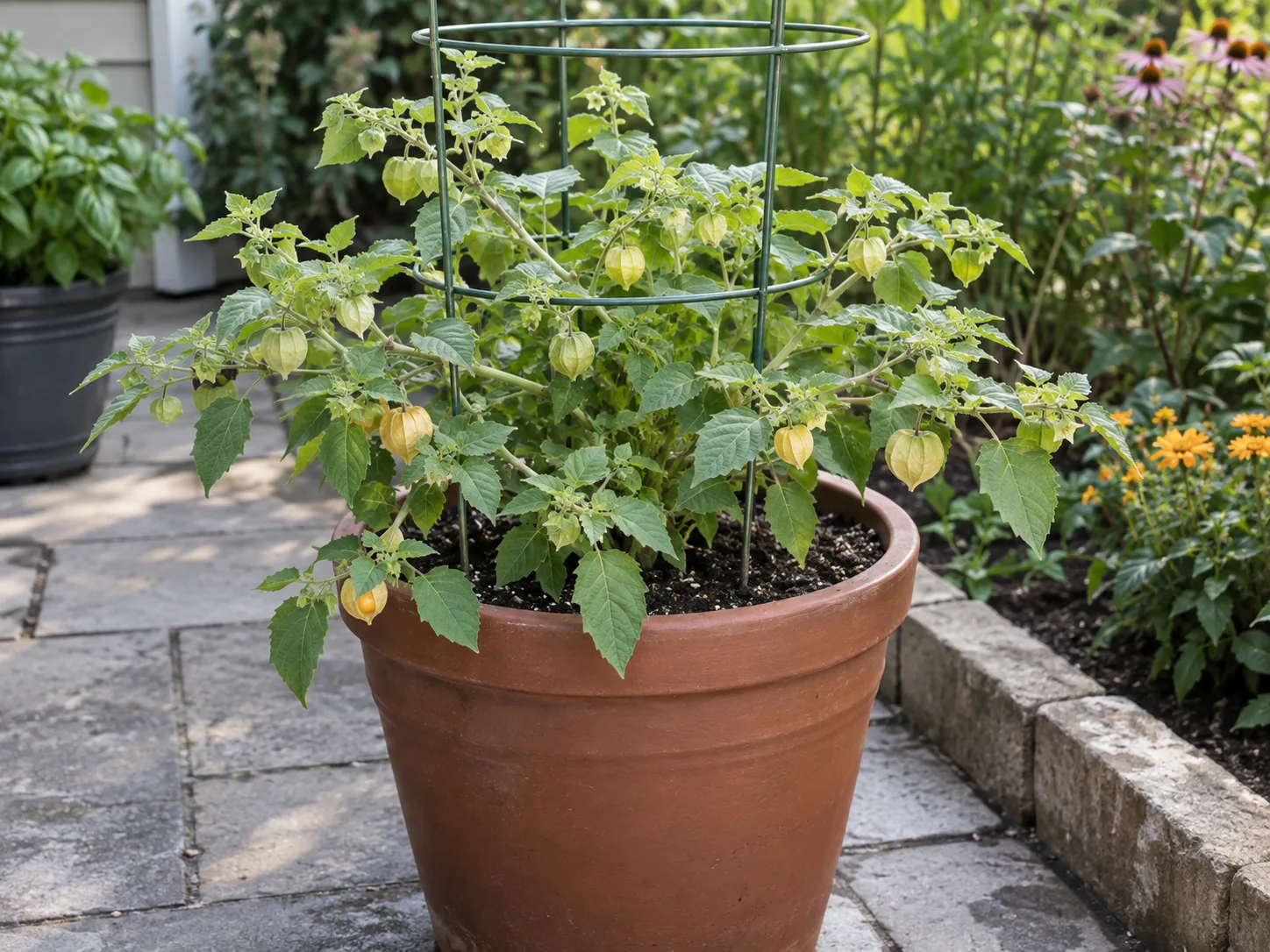
Containers also warm and cool faster than garden soil. If a heat wave causes repeated afternoon wilt, move a movable pot to morning sun with light afternoon shade, or add a deeper mulch layer over the potting mix. If the plant is top-heavy, secure the cage to the pot or use a heavier container before branches are loaded with fruit.
Water evenly and feed conservatively
Deep, consistent watering matters most while the plant is flowering and setting fruit. A dry spell can stress the plant and contribute to flower drop; repeated swings between dry and soaked conditions make it harder to maintain steady growth. Use rainfall as part of the weekly total, then water slowly at the base when the root zone is drying. A finger test or inexpensive rain gauge is more useful than watering automatically every day.
Mulch after the soil has warmed to slow evaporation and reduce weeds. Keep the mulch loose rather than piling it against the stem. In a container, do not assume a recent shower soaked the entire root ball: check below the surface because water can run down the sides of a dry potting mix.
Mix compost into poor soil before planting, then wait to see how the plant grows. Heavy nitrogen feeding can produce a large, dark-green plant with fewer flowers and fruit. Growing in the Garden likewise cautions against overfeeding nitrogen. If growth is weak and a soil test or container label points to a nutrient need, use a balanced vegetable fertilizer at the label rate. Do not keep adding fertilizer just because the crop has not set fruit; first rule out cool nights, hot spells, dry roots, and inadequate sun.
Let flowers set fruit before diagnosing a problem
Small pale-yellow flowers with darker markings appear as the plant branches. The flower must be pollinated and remain on the plant long enough for its husk and fruit to develop; a bloom is not an immediate promise of a berry. In an outdoor garden, bees commonly visit the flowers. If pollinator traffic is low, give the plant more time and avoid spraying flowers with broad-spectrum insecticides.
When blooms fall without forming fruit, check the weather and water pattern first. Penn State Extension notes that fruit production declines as autumn temperatures cool; very hot or cool spells can interrupt flower set as well. Growing in the Garden also flags inconsistent moisture as a cause of poor fruiting. Make sure the bed is not drying sharply between waterings and that the plant gets enough sun. If flowers open but no fruit appears over several weeks in mild, stable weather, inspect for damaged buds or insect feeding before changing fertilizer or pruning.
Harvest according to husk and fruit color
Ground cherries ripen inside a papery husk, then many drop naturally. Start checking beneath the branches as the husks turn from green to straw-colored or tan and become papery. A ripe berry is golden yellow to orange, depending on cultivar, and has a sweet, full flavor; it should not be green inside. Penn State Extension describes ripe husks as beige to tan and the fruit as golden yellow.
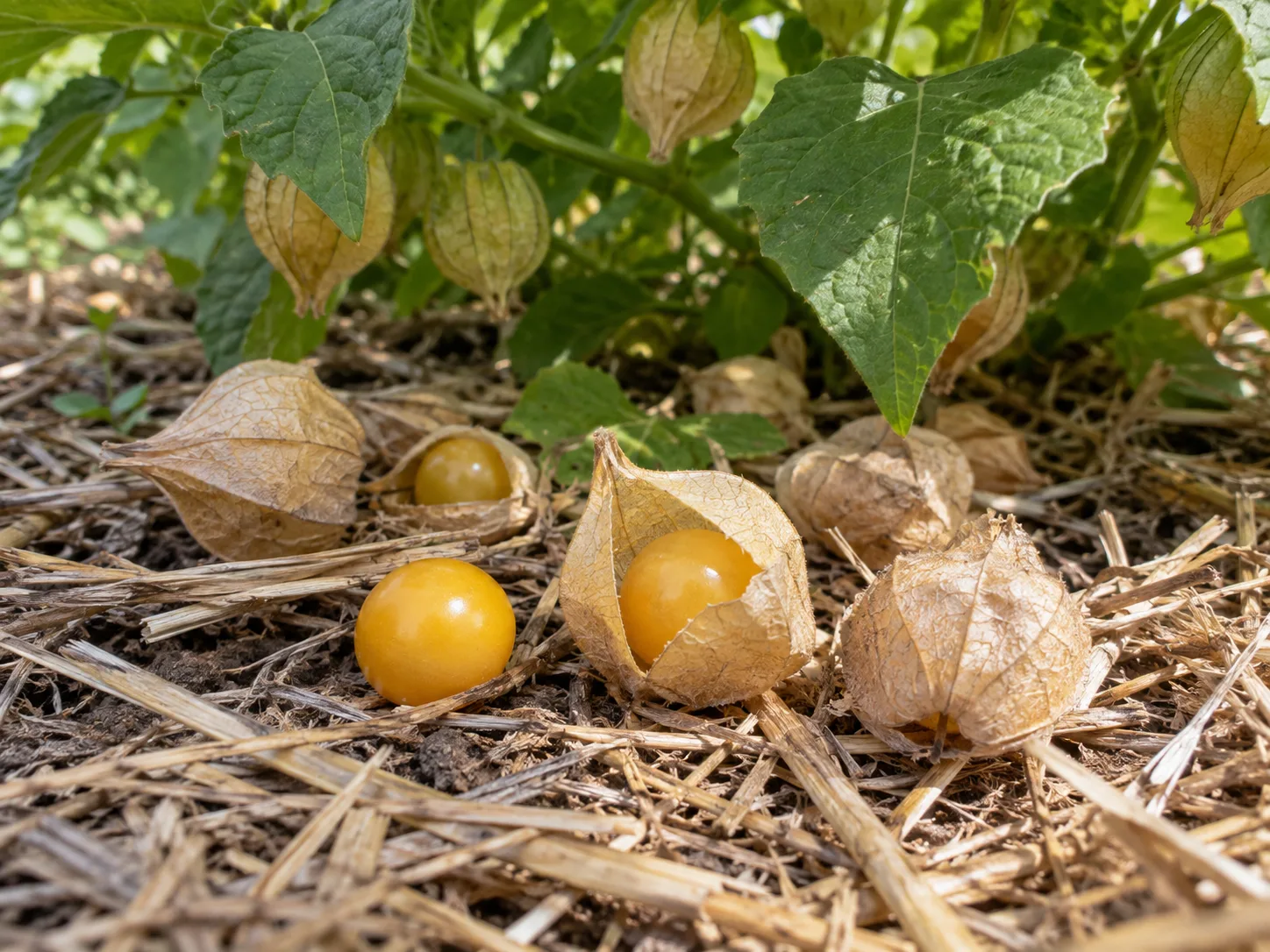
Walk the planting every day or two once the first fruit begins to fall. Lift branches gently and collect berries from the mulch before they disappear under weeds, get nibbled by wildlife, or split in wet weather. A cage or low stakes make this easier because the branches are not woven into a dense mat. For a small patch, lay a clean sheet or harvest cloth beneath the drip line during peak ripening, then remove it after collecting so it does not trap moisture.
Separate ripe fruit from premature drops
Fallen fruit is a useful signal, not a complete safety test. Some berries or husks can drop early after stress. Open a few candidates: choose fruit that has filled its husk, turned yellow or golden, and is no longer green. A green berry inside a green or recently dropped husk is immature; leave it aside and do not taste it. Penn State Master Gardeners note that green-tinged fruit from prematurely fallen husks seldom ripens well.
This matters because the edible part is the fully ripe berry. NC State Extension warns that unripe fruit and other plant parts are poisonous; keep leaves, stems, and green berries away from children and pets. Remove the husk before eating, wash the berry, and discard any fruit that is moldy, split, or spoiled. If someone or an animal eats a green berry or another plant part, contact a medical professional or animal poison-control service for case-specific guidance rather than waiting for symptoms.
Manage pests without treating every insect
Ground cherries share several pests with tomatoes and other nightshades. Check stems and leaf undersides every few days for clipped seedlings, large chewing holes, clusters of beetles, or caterpillar droppings. Penn State Extension and K-State Extension identify cutworms, hornworms, and Colorado potato beetles among the pests that may feed on ground cherries. A few holes do not automatically justify a spray; first identify the insect and judge whether damage is spreading.
For a small home planting, remove visible caterpillars or beetles by hand and dispose of them. Protect newly transplanted stems with a simple collar if cutworms are a recurring problem. Keep weeds down and give plants room for airflow. Avoid routine pesticide use on a crop with pollinator-visiting flowers; if a serious infestation requires treatment, identify the pest and use only a product labeled for that edible crop and pest, following its label exactly.
Troubleshoot blossom drop, weak growth, and disease
Use the symptom to choose the first check. A vigorous plant with flowers but few berries is more likely to be reacting to temperature or moisture than to a lack of fertilizer. A pale, stunted plant may need better light, warmer soil, or a soil-test-based nutrient correction. A wilted plant in wet soil needs drainage checked; adding more water to a waterlogged root zone can make the problem worse.
Leaves with expanding spots, persistent yellowing, or a sudden wilt deserve closer inspection. Because Physalis is related to tomato, some of the same pests and diseases can occur, but do not assume every mark is a disease. Remove severely damaged material, avoid wetting foliage late in the day, and improve airflow. If symptoms spread despite those steps, take a clear photo and a sample to your local extension service for identification before treating the whole plant.
Store ground cherries and use the crop
Keep intact husks on until you are ready to eat or process the fruit; the husk helps protect the berry. Brush away dry soil and store sound fruit in a cool, dry, well-ventilated place. Storage-life reports vary with temperature and whether the husk is intact, so inspect the crop regularly rather than relying on a promised number of weeks. For a conservative refrigerator plan, Penn State Extension’s growing guide gives about two to three weeks; freeze extras sooner if you want to keep them longer.
To freeze, remove the husks, rinse and dry the ripe berries thoroughly, spread them in a single layer on a tray, then transfer the frozen fruit to a labeled airtight container. That keeps berries from freezing into one solid clump. Fresh ground cherries are easy to snack on; their sweet-tart flavor also works in pies, preserves, sauces, and salsa. They pair well with sharper flavors such as citrus, vinegar, or tart apples, which balance the fruit’s sweetness.
Control volunteers or save seed deliberately
Missed fruit can germinate the following season, sometimes in places where you did not plan to grow it. If you want one tidy patch, collect fallen berries frequently and check the soil around the plant after the growing season. A container placed on a hard surface is an effective way to keep seed from spreading into beds. If seedlings appear, pull them while small and remove any fruit before it matures.
If you want volunteers, leave only a few ripe berries where you want next year’s plants, then thin the seedlings to one or two healthy starts after frost risk passes. For seed saving, select fully ripe fruit from a healthy plant, separate the seeds from the pulp, rinse them clean, and dry them completely before storage. Save seed only when you know the variety and are comfortable with the possibility that saved seed from a hybrid may not produce plants identical to the parent.
Conclusion
Give ground cherries warmth, sun, a well-drained root zone, and room to sprawl, then keep moisture even without pushing excessive leafy growth. Starting seeds indoors six to eight weeks before frost, waiting for warm soil, and planting seedlings at their original depth set up the season; a cage, mulch, and regular checks make the late-summer harvest easier to manage.
The best harvest rule is simple: look for dry tan husks and golden fruit, then verify color before eating. Collect fallen berries regularly, store them with intact husks, and decide whether you want volunteers before leaving missed fruit on the ground. With those habits, ground cherries become a manageable crop rather than a mysterious tangle of husks and seedlings.



