How to Plant and Grow Sunflowers in Pots
Learn how to grow sunflowers in pots with the right variety, container size, soil, watering routine, fertilizer, support, and bloom-care plan.
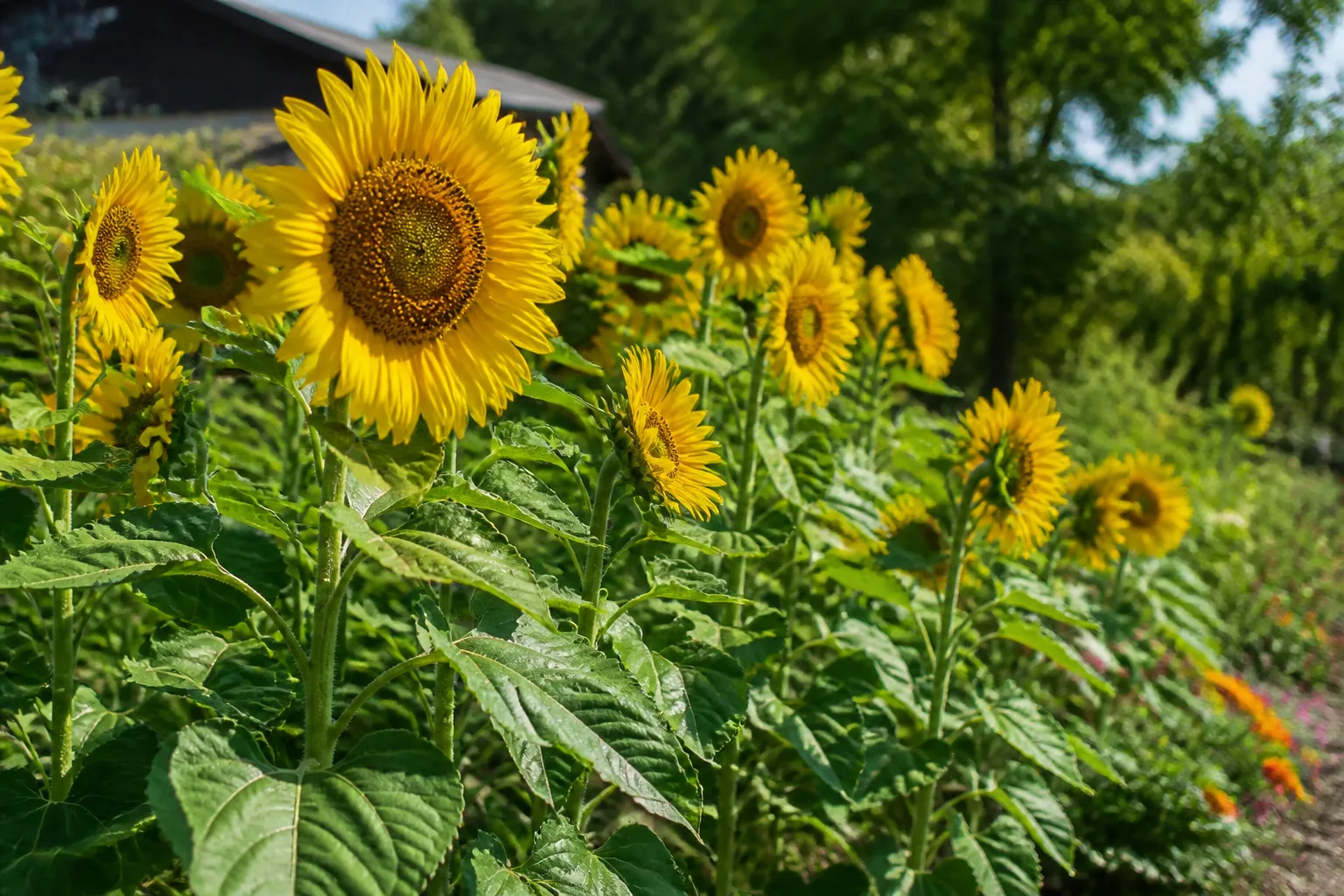
Sunflowers can grow beautifully in containers, but a pot changes the rules. The root zone is smaller, the mix dries faster, and a top-heavy flower can turn a lightweight planter into a sail. The reliable formula is simple: choose a compact cultivar, sow it directly in a deep, stable container, give it at least six to eight hours of direct sun, and check the soil instead of watering by habit.
The classic annual sunflower, Helianthus annuus, is especially well suited to direct sowing. It grows quickly from a large seed and dislikes having its developing taproot disturbed. Container growing is therefore less about transplant technique and more about making the final pot a good home from the start.
Can Sunflowers Grow Well in Containers?
Yes. Dwarf and compact branching sunflowers often perform better in pots than very tall single-stem types because their stems and flower heads are easier to balance. A container also gives you control over soil drainage and lets you place the plant where its face catches the best light, whether that is a sunny patio, balcony, porch, or roof terrace.
The pot does not make a sunflower miniature. A variety bred to reach 8 feet will still try to make an 8-foot plant, even if its roots are confined. That mismatch produces a thirsty, unstable plant with a high risk of tipping or snapping. Read the mature height on the seed packet before you buy the pot, not after the seedling is already crowded.
The three choices that determine success
Most container problems trace back to three early decisions:
- Variety: the plant must suit the available root space and wind exposure.
- Container: the pot must have drainage, enough depth, and enough weight to stay upright.
- Placement: the plant needs direct sun without constant buffeting from a wind tunnel between buildings.
Get those right and ordinary care becomes manageable. Get them wrong and extra fertilizer or frequent watering only masks the underlying problem.
Choose a Sunflower That Fits the Pot
Look for words such as dwarf, compact, patio, or container on the packet, then check the actual mature height. Names change by seed company, so height and habit matter more than a familiar cultivar name. Dwarf plants around 1 to 3 feet tall are the safest choice for most pots; branching types can work in larger containers when you want several flowers over a longer period.
Compact examples include ‘Little Becka’, ‘SunBuzz’, and ‘Teddy Bear’. A branching sunflower can make a lively display, but it needs more horizontal root room and may spread wider than its label suggests. If your goal is a bouquet, choose a branching or cut-flower type; if you want one neat statement bloom, a compact single-stem type may be easier to manage.
Dwarf and branching types
Dwarf sunflowers are forgiving because their shorter stems create less leverage when the flower head fills out. They still need a serious pot: a small nursery container dries rapidly and can become unstable once the plant leans toward the light. A container about 12 inches wide and deep is a practical starting point for one compact sunflower, with a larger volume preferred in hot, windy locations.
Branching types produce side shoots and several heads. Give one plant more space rather than crowding multiple seedlings together. If you want a massed display, use several matching containers so each plant has its own root zone and can be moved or protected independently.
Why giant cultivars are a poor balcony bet
Giant sunflowers can be grown in very large containers, but they are rarely the best choice for a normal balcony or deck. Their height, deep root demand, large leaves, and heavy heads increase water use and wind risk. A giant in a pot may grow tall without developing the support it would have found in open ground, especially if the container is narrow or shaded for part of the day.
If you want to experiment, use the biggest stable container you can safely support, select a sheltered position, install support at planting, and accept that the plant may not reach packet height. For a dependable container display, a compact variety is the better decision.
Pick a Container That Will Not Tip
Choose a pot with at least one large drainage hole and enough depth for the variety’s root system. Width matters because a wide base resists tipping, while depth provides a larger moisture reservoir. A narrow decorative pot may look attractive at planting time but become dangerous once the foliage catches wind.
Terracotta breathes and can reduce the chance of a persistently soggy mix, but it also loses water through its sides and may need more frequent checking in hot weather. Thick plastic or glazed ceramic holds moisture longer; add weight at the base and confirm that water can escape freely. Do not put a drainage pot inside a sealed cachepot and leave it standing in collected water.
For a compact sunflower, think in terms of one plant per substantial pot. A 12- to 16-inch container is a reasonable range for many dwarf types, while larger branching or taller cultivars need more volume and stability. The seed packet remains the final authority because cultivars differ in height, spread, and root vigor.
Use a Draining Potting Mix
Fill the pot with a quality container mix rather than garden soil. Garden soil can compact in a pot, exclude air from the root zone, and drain too slowly after repeated watering. A lightweight potting mix with compost or other organic matter gives roots moisture without turning the container into a solid, heavy block.
Fill to within about an inch of the rim so watering is possible without runoff immediately carrying mix away. Do not create a gravel layer at the bottom as a substitute for a drainage hole; it reduces the depth of usable soil and does not correct a blocked outlet. Check the hole before planting and keep it clear of roots, saucers, and debris.
Sunflowers tolerate ordinary soil once established, but a container has fewer nutritional reserves. If the mix contains a controlled-release fertilizer, do not add a second full dose immediately. Overfeeding can produce lush, weak growth and salt buildup, while the real need may be more light, better drainage, or a larger pot.
Plant Sunflower Seeds Directly in the Final Pot
Sow after the last likely frost, when the mix has warmed and the forecast supports steady growth. For an exact date, combine the local frost window with the packet’s days to maturity; many annual sunflowers bloom roughly 60 to 120 days from sowing, depending on type and conditions. The West Virginia University Extension growing guide and the related guide on when to plant sunflowers explain how to use soil temperature and the first-frost deadline together.
Sowing depth and moisture
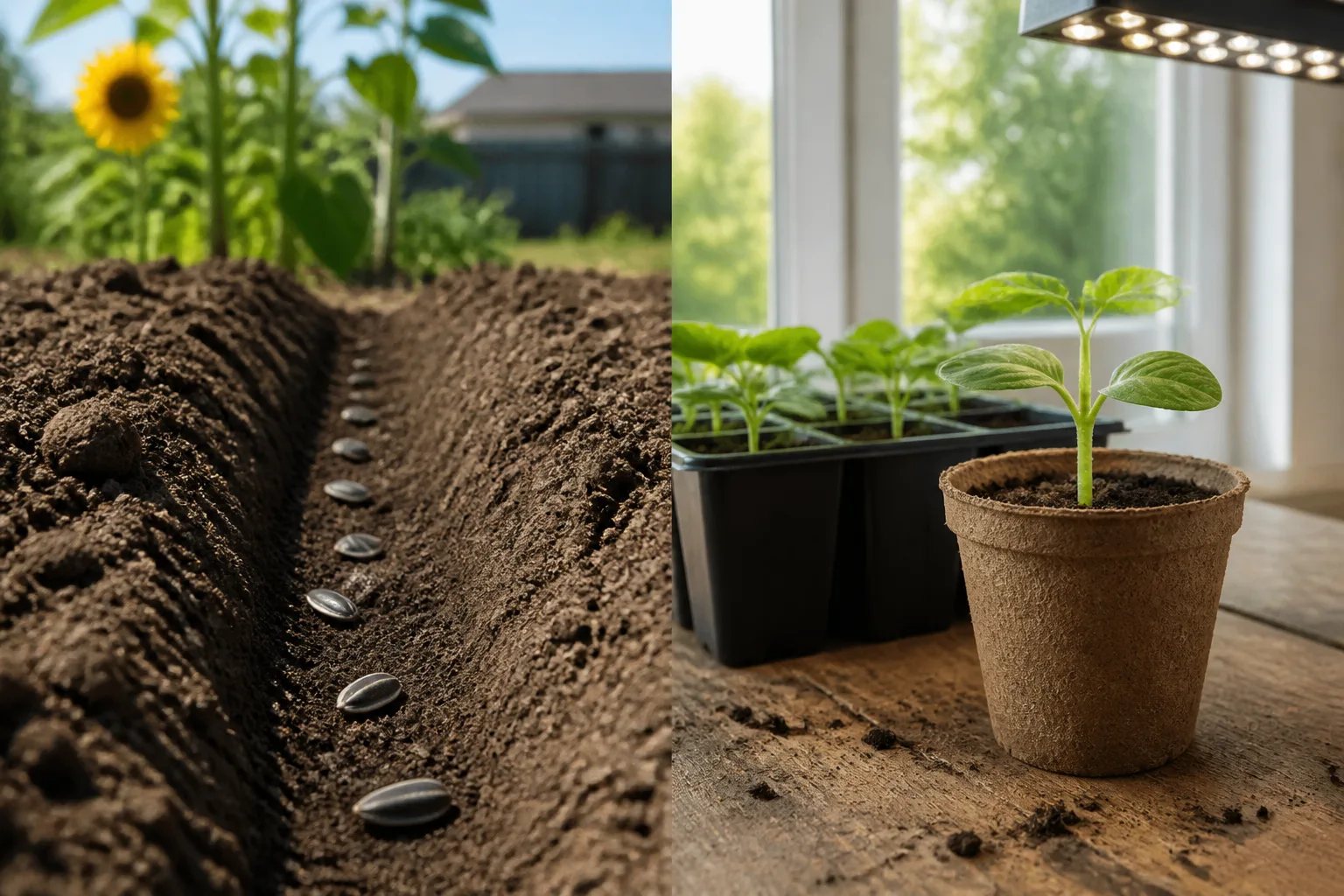
Water the filled pot once so the mix settles, then make holes about 1 inch deep, or follow the packet if it specifies otherwise. Place two or three seeds in the pot rather than relying on one seed to germinate, spacing them a few inches apart. Cover lightly, firm the surface, and water gently so the seeds are not washed into a pile.
Keep the upper layer evenly moist until seedlings appear. The goal is damp, not saturated. A pot in full sun can dry at the surface before the roots are established, while a cool pot on a shaded porch can stay wet for days. Check with a finger rather than applying the same amount every morning.
Germination often takes about a week in warm conditions. Protect the pot from birds and slugs without sealing it in stagnant, overheated plastic. Once seedlings emerge, provide the strongest light available so they develop short, sturdy stems instead of stretching toward a window.
When to thin seedlings
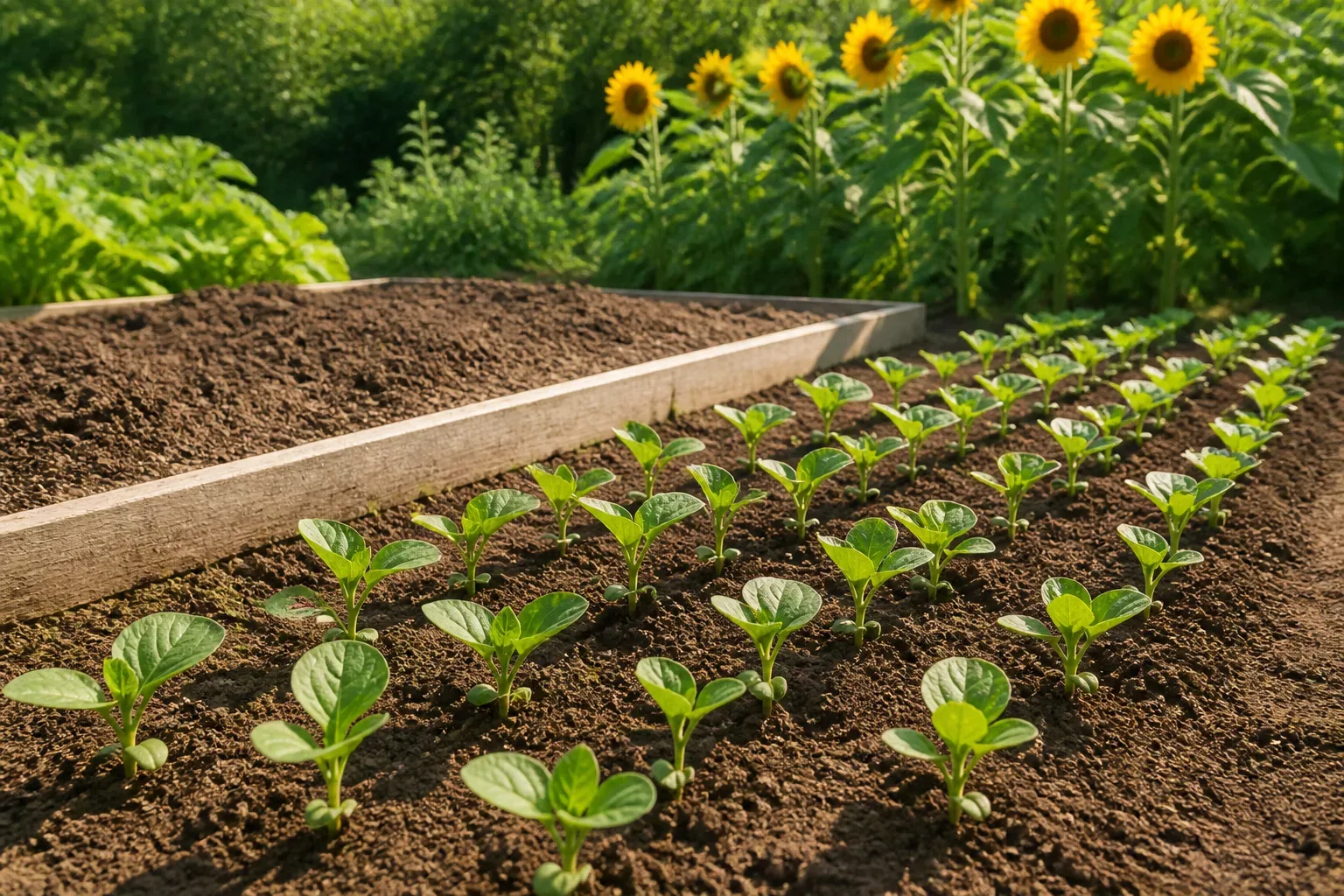
Wait until the seedlings have several true leaves and one plant is clearly stronger. Then snip the extras at the soil line or pull them carefully when the mix is moist. Do not leave three plants growing together “for a fuller look”; overcrowding creates weak stems, competition for water, and a much greater chance that the pot will dry unevenly.
If pests are common, waiting until the seedlings are established gives you insurance. Thinning immediately after emergence can leave you with no plant if a slug or bird removes the only survivor. Keep the best plant and give it the full root volume the container was meant to provide.
Give the Pot the Right Light and Location
Aim for at least six hours of direct sun, with eight hours better for strong stems and flowers. A south-facing patio or unobstructed balcony is often ideal, but watch how nearby walls and railings change the light during the day. Morning brightness through glass is not the same as several hours of outdoor direct sun.
Turn the pot a quarter turn every few days while the stem is young if it is leaning toward one direction. Once the plant is tall or carrying a flower head, moving or rotating it can damage roots and loosen the stem. Put the pot in its final position early, and use a wheeled plant caddy only if you can move it without jolting the root ball.
Wind deserves as much attention as sunlight. A sheltered wall can protect a dwarf sunflower, but a corner between tall buildings may create gusts that are worse than an open garden. Keep enough clearance for airflow, but avoid a spot where the stem is repeatedly rubbed against a railing.
Water Potted Sunflowers by the Root Zone
Containers dry faster than garden beds, particularly in terracotta, small pots, windy positions, or dark heat-absorbing containers. Water thoroughly when the top inch or two of mix is dry, allowing excess to drain from the bottom. Then empty the saucer so the roots are not left in standing water. The NC State Extension profile for Helianthus annuus likewise emphasizes moist but well-drained conditions rather than permanently wet soil.
During germination and early growth, check daily in hot weather because a small root system cannot reach deep moisture. Once the plant is established, deep watering is more useful than a shallow splash that wets only the surface. In a large container, insert your finger several inches down or lift the pot if it is small enough; weight is a helpful clue, but the soil test is more reliable.
Do not use a fixed “every other day” schedule. A cloudy week, a cool patio, and a large glazed pot need a different rhythm from a hot, windy balcony. The related sunflower growing guide uses the same principle: steady moisture matters, but soggy roots are a different problem from dry soil.
If leaves droop briefly in intense afternoon heat but recover by evening, check the mix before reacting. Morning droop, crisp leaves, or a pot that feels unusually light points toward water stress. Persistent droop with wet soil suggests poor drainage, damaged roots, or a stem problem rather than a need for more water.
Feed Lightly and Avoid Weak, Leggy Growth
Many fresh potting mixes carry enough nutrition for early growth. If the plant stays pale or growth slows after the first month, use a balanced slow-release fertilizer according to the label or a diluted liquid feed at the recommended interval. Water before applying fertilizer to dry mix, and never stack several products because the plant looks small.
Sunflowers are not improved by unlimited nitrogen. A high-nitrogen feed can push soft leaves and tall stems that are poorly prepared for a heavy flower head. If growth is leggy, fix light and spacing first. If the plant is green and growing but has not flowered, check the variety’s maturity window before adding more food.
Support Tall Plants Before Wind Does the Damage
Install a stake when you plant if the variety is tall or the container is exposed. Pushing a stake into a mature pot can cut through roots and destabilize the root ball. Use a sturdy stake set near, but not through, the main stem and attach the stem loosely with soft ties.
Support should guide the plant, not clamp it rigidly. Leave room for the stem to thicken and check ties as the plant grows. A group of pots can shelter one another, but do not crowd foliage so tightly that leaves stay wet and airflow disappears.
Care Through Bud, Bloom, and Deadheading
As the bud enlarges, keep moisture consistent. A severe dry-out followed by heavy watering can stress the plant and make a container more likely to tip when the head becomes heavy. Avoid wetting flowers repeatedly late in the day; water the mix at the base when possible.
Deadheading depends on your goal. Remove a spent flower just below its head when you want the plant to look tidy or encourage a branching cultivar to redirect energy to side buds. Leave the head in place if you want mature seeds for birds or saving. A single-stem sunflower usually has one main show, while branching types can keep producing flowers after the first head is removed.
For cut flowers, harvest when petals are beginning to open and the flower head is not fully mature. Use clean, sharp snips and place stems in water immediately. For seed, wait until the back of the head turns yellow-brown, the face droops, and the seeds become plump and firm. Protect the head with breathable mesh if birds arrive first.
Troubleshoot Drooping, Yellow, or Stalled Plants
Drooping in the morning: feel the soil and inspect the drainage hole. Dry mix calls for a slow, thorough watering; wet mix calls for better drainage and a pause, not another drink.
Drooping only in afternoon heat: temporary heat stress is possible. Move a small pot only if the stem and root ball can tolerate it, and check whether the container is too small or exposed to reflected heat.
Yellow lower leaves: one older leaf can yellow naturally, but several yellow leaves with wet mix point to poor drainage or root stress. Several pale leaves with dry mix suggest underwatering; correct the root-zone condition before feeding.
Tall, thin stem: insufficient direct light, crowded seedlings, excessive nitrogen, or a variety that is too tall for the pot are common causes. More fertilizer will not compensate for a dim location or an unstable container.
No flower yet: check the packet’s maturity estimate, count from sowing, and remember that cool weather, transplant shock, shade, drought, and crowding can delay buds. Do not remove the growing tip while trying to make the plant branch.
Plant keeps leaning: rotate only while it is young. Later, add a stake, move it to a sheltered position if possible, and check whether the pot is too light for the mature plant.
Grow Sunflowers for Cut Flowers or Seeds
Your harvest goal should shape the whole setup. For cut flowers, choose branching or pollenless types when available, sow in succession if the season is long, and harvest before the flower is fully open. Keep enough flowers on the plant to maintain its energy, but remove spent heads from branching varieties when you want more side blooms.
For edible or bird-attracting seed, choose a variety advertised for seed production and use a heavier pot with room for the head. Let the back of the head dry gradually, then cut it with a length of stem and finish curing it somewhere dry and airy if birds are taking the crop. Store only fully dry seed; damp heads can mold quickly.
A Simple Container Care Calendar
Before sowing: choose a variety by mature height, confirm the pot drains, fill with potting mix, and place the container where it will receive direct sun.
Days 1–14: keep the seed zone evenly moist, protect emerging seedlings from pests, and avoid moving the pot unnecessarily.
Weeks 2–4: thin to one healthy plant, begin checking the full root-zone moisture, and install early support if the variety will be tall.
Active growth: water deeply when the mix begins to dry, feed modestly only when the plant needs it, and inspect ties, drainage, and wind exposure.
Bud and bloom: maintain steady moisture, avoid high-nitrogen feeding, deadhead only if it fits your goal, and harvest flowers or seed at the appropriate stage.
Conclusion: Start With the Right Sunflower and Pot
The best potted sunflower is not necessarily the tallest or the one with the biggest flower. It is the variety whose mature height, root demand, and branching habit match a stable container in a genuinely sunny, reasonably sheltered place.
Sow directly, thin decisively, water the root zone when it begins to dry, and support the plant before it becomes top-heavy. With those decisions made early, a pot can produce a long-lasting summer display, useful cut flowers, or a final head of seed without the common cycle of weak stems, water stress, and fallen containers.