How to Protect Tomato Plants From Frost in Fall
Learn how to protect tomato plants from frost with covers, containers, greenhouses, watering, and a clear harvest plan for green tomatoes.
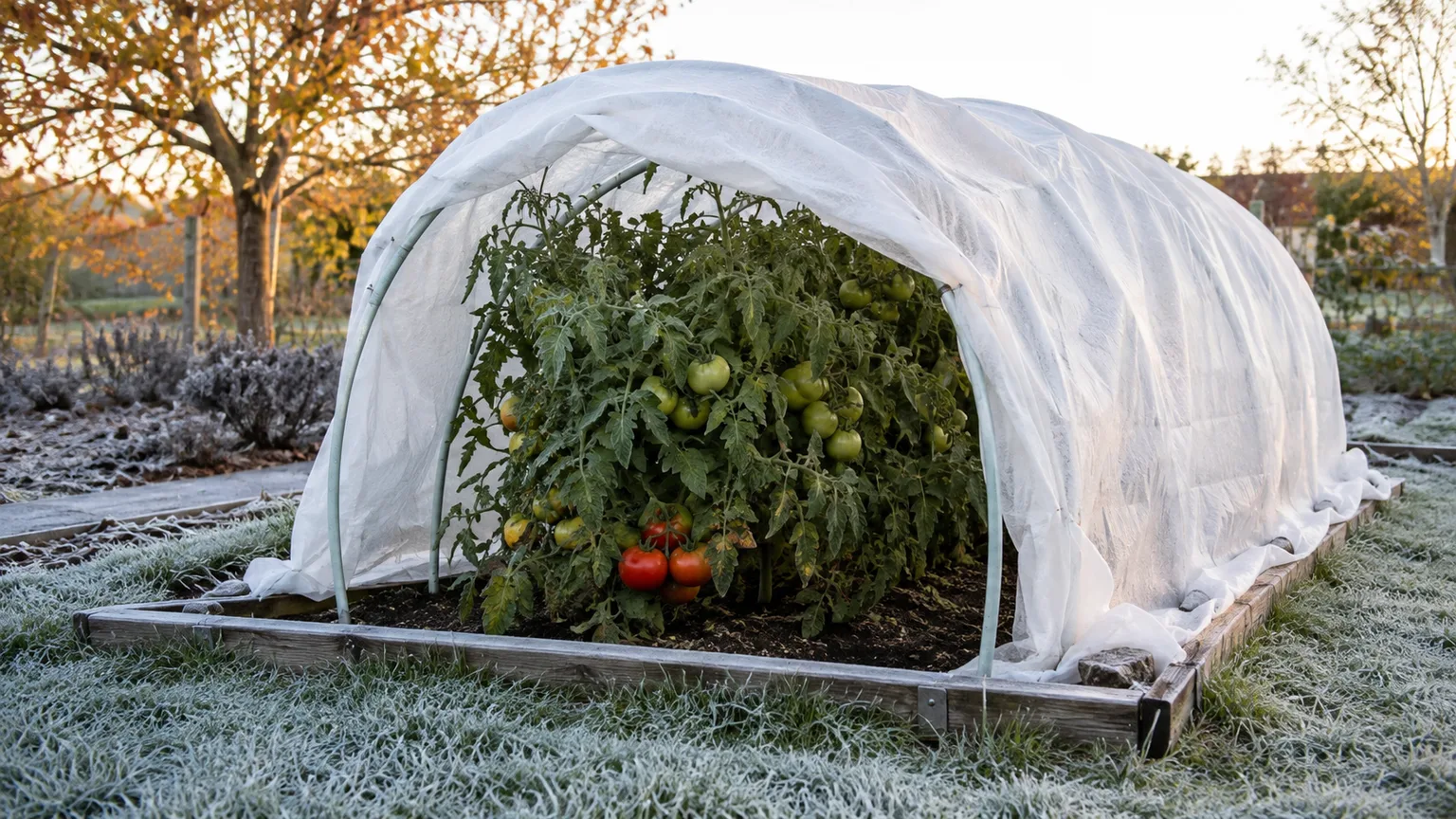
Tomatoes can keep producing into fall, but they do not become cold-tolerant just because the calendar has changed. A single freezing night can blacken leaves, stop new growth, and ruin fruit that was still worth saving. The goal is not to keep a tomato plant alive through winter; it is to buy enough warm nights for the existing crop to finish, then harvest before the weather turns decisively colder.
For one cold night, the winning sequence is simple: check the temperature at plant level, water the soil if it is dry, support a cover so it does not touch the foliage, drape that cover to the ground, and remove or ventilate it after the danger passes. If the forecast points to a hard freeze or a long run of cold nights, stop trying to stretch the season indefinitely. Move container plants, use a properly sized structure, or bring in the fruit that has already earned the chance to ripen.
The Fastest Decision: Cover Tonight, Move the Pot, or Harvest
Use the forecast low as a starting point, not the whole decision. Tomato plants are frost-tender warm-season crops, so a forecast near freezing deserves action, especially if your garden sits in a low spot, the night will be clear and calm, or you have already measured that the bed runs colder than the weather app.
| Tonight’s situation | Best first move | What that move can and cannot do |
|---|---|---|
| A brief dip near freezing and the plant has many green fruit | Water the soil and cover the plant with frost cloth or a sheet over hoops | Buys protection for a short event; it does not make the plant hardy |
| The tomato is in a pot | Move it to a garage, enclosed porch, or other frost-free shelter | Protects the whole plant, but the plant still needs light if it stays sheltered for days |
| Several frost nights are coming | Use a greenhouse or cold frame, or combine a tunnel with good ventilation | Reduces repeated setup, but the structure must be large enough and monitored |
| A hard freeze is likely or the plant is declining | Harvest ripe, turning, and mature green tomatoes | Saves the crop even when foliage protection is no longer a good use of time |
This is also a useful value judgment. Covering one healthy plant takes minutes; harvesting a basket of mature fruit takes longer but prevents the common mistake of protecting leaves while allowing the tomatoes themselves to freeze. If only a few small, dark green fruit remain, the plant may have reached the point where cleanup is more sensible than building a season extender.
Know What Kind of Cold Is Coming
Frost, a hard freeze, and an ordinary chilly night are different problems. NC State Extension lists frost conditions around 31–33°F as capable of damaging or destroying foliage on warm-season vegetables including tomatoes, while colder temperatures and longer exposure increase the risk of a hard frost or freeze. The exact result depends on the actual temperature, how long it stays there, wind, moisture, plant size, and whether the reading came from the garden or a warmer weather station.
A night in the 40s is not the same as a freeze, but it can still slow growth and interfere with flowers and fruit set. Treat cold nights as a warning to finish ripening and keep the plant healthy, not as proof that the plant is about to die. Once the forecast approaches freezing, switch from general cold-weather care to a specific protection plan.
Why a clear, calm night can be the most dangerous
Many damaging autumn frosts happen on clear, quiet nights. The soil and leaves lose heat to the open sky, and there is little wind to mix warmer air above with the colder air near the ground. That is why a calm night can freeze a tomato bed even when the afternoon felt warm.
Wind adds a different stress. It can dry leaves and make already-cold tissue lose heat faster, while a wet plant may be more vulnerable to the cold. The practical response is the same: protect the plant from exposure and keep a cover from rubbing against wet foliage.
How your garden’s microclimate changes the forecast
The number on a phone app is usually a regional estimate. Your tomato bed may sit beside a warm wall, on a raised terrace, at the bottom of a slope, or behind a fence that changes airflow. Cold air drains downhill and collects in low areas, creating a frost pocket that can be colder than a nearby patio.
Place a minimum/maximum thermometer near the plants, roughly at foliage height and out of direct contact with a wall or cover. Track it for several cool nights. Tomato Dirt makes the same practical point for home growers: the temperature in the tomato garden is the temperature that matters, not just the number shown for the nearest town. Use that observation to decide whether “near freezing” on the forecast means “cover now” in your yard.
Prepare Before the First Frost
Good frost protection begins while the plant is still vigorous. A healthy, hydrated root system and a simple cover frame are more useful than a last-minute pile of materials that collapses onto the leaves. Set up hoops, cages, stakes, clips, or landscape pins before the cold arrives so you can cover the plant quickly at dusk.
Water the root zone, but keep foliage dry
Dry plants are more stressed by cold, and moist soil can hold and release more heat than very dry soil. NC State Extension recommends ensuring vegetables are well watered before a frost or freeze and also warns against cultivating the soil immediately beforehand.
If the top few inches are dry, water deeply at the soil line earlier in the day so the root zone has time to absorb moisture before nightfall. Do not turn this into a late-night shower over the leaves. Wet foliage under a cover dries slowly, and water sitting on leaf surfaces is not a substitute for a properly supported cover.
Keep the soil evenly moist rather than soggy. Waterlogged roots have less air and may already be under stress, so adding more water to chase a temperature number can backfire. A thick, settled layer of organic mulch can reduce temperature swings and slow moisture loss, but it protects the roots more than the stems and leaves.
Stop encouraging tender new growth
Late in the season, the plant’s job is to ripen the fruit already set. Avoid a nitrogen-heavy feeding just before frost season because it pushes soft, new growth that is especially vulnerable to cold. If the plant is still flowering heavily and a real freeze is approaching, pinch off new flowers and tiny fruit that have no realistic chance to mature.
Prune selectively rather than giving the plant a dramatic haircut. Remove diseased leaves, leaves lying on the soil, and growth that prevents a cover from fitting, but keep healthy foliage that shades fruit and supports ripening. Do not dig, hoe, or cultivate around the roots immediately before a cold event; root disturbance and lost soil moisture add stress when the plant needs stability.
Choose a Protection Method That Matches the Night
The best method depends on plant size, location, and how many cold nights you expect. Frost cloth is the quick answer for an in-ground plant. A movable container is easier to shelter completely. A greenhouse or cold frame earns its space when the forecast calls for repeated cold, but it must be operated as a warm-season season extender rather than treated like a sealed box that needs no attention.
Frost cloth over a frame
Frost cloth, also called a frost blanket or floating row cover, is breathable fabric designed to reduce heat loss while allowing some air and light through. Choose a width that reaches from one side of the bed, over the plant, and down to the soil on the other side. A piece that barely covers the canopy leaves cold gaps at the bottom.
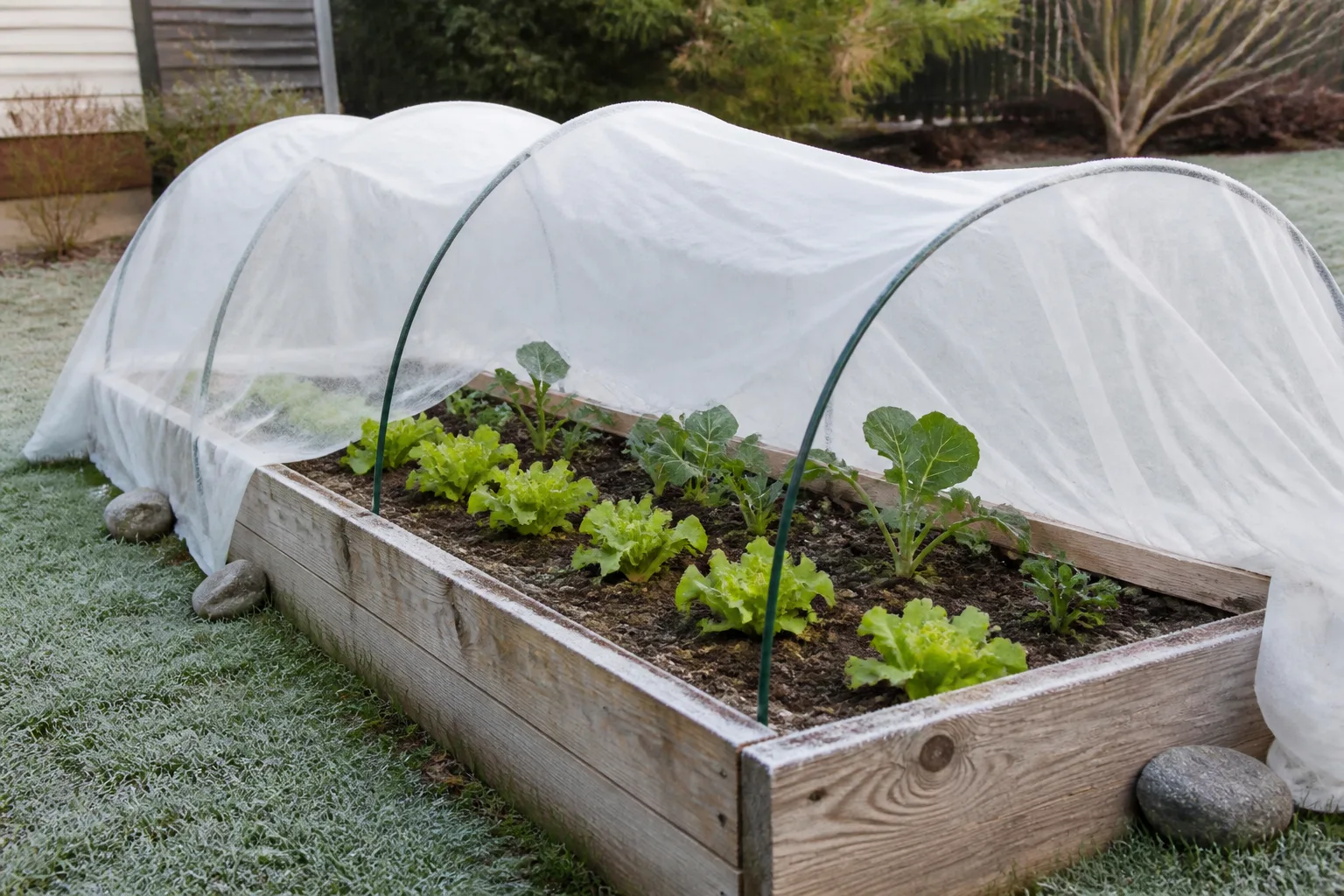
Support the cloth with hoops, a tomato cage, or sturdy stakes. The frame protects stems from crushing and creates an air pocket between the fabric and foliage. NC State Extension notes that frost cloth is rated by the degree of protection it provides; use the product’s rating as a planning guide, not a guarantee, because an exposed bed, strong wind, long freeze, or poorly sealed edge reduces its benefit.
For a small plant, an overturned bucket or waxed paper cup can provide short overnight protection, but it must not trap a plant in heat after sunrise. For a tall indeterminate tomato, use hoops or a cage and check that the cover will not snag on fruit clusters. Anchor edges with landscape pins, boards, or smooth stones rather than heavy objects balanced on delicate stems.
Containers: move the plant and protect the pot
If the tomato is already in a pot, moving it is usually the most reliable single-night strategy. A garage, shed with safe temperatures, enclosed porch, or bright protected room can block frost and wind. The shelter does not need to be a perfect growing space for one night, but it must stay above freezing and have enough clearance that the plant is not bent or crushed.
Containers lose heat faster than garden soil, especially when they are exposed on all sides. The Royal Horticultural Society likewise recommends moving container-grown plants to a sheltered position and insulating the pot when cold weather arrives. Move the pot against a sheltered wall, group several pots together, or wrap the outside of the container with insulating material while keeping drainage holes clear. Do not wrap the foliage in plastic or place the pot beside a heat source.
For several days indoors, light becomes important. A dark garage can save the plant from one freeze but will not replace sunlight for extended growth. Before moving a tomato into a living space, inspect it for aphids, whiteflies, and damp leaves, and give the foliage room to dry; a short sheltering move should not become a pest or disease problem.
Greenhouse or cold frame
A portable greenhouse or cold frame is useful when you expect multiple frost nights and have enough remaining fruit to justify the setup. A cold frame is low and compact, while a greenhouse provides more height for caged or staked tomatoes. In either case, the cover should be tall enough that plastic or glazing does not rest on leaves.
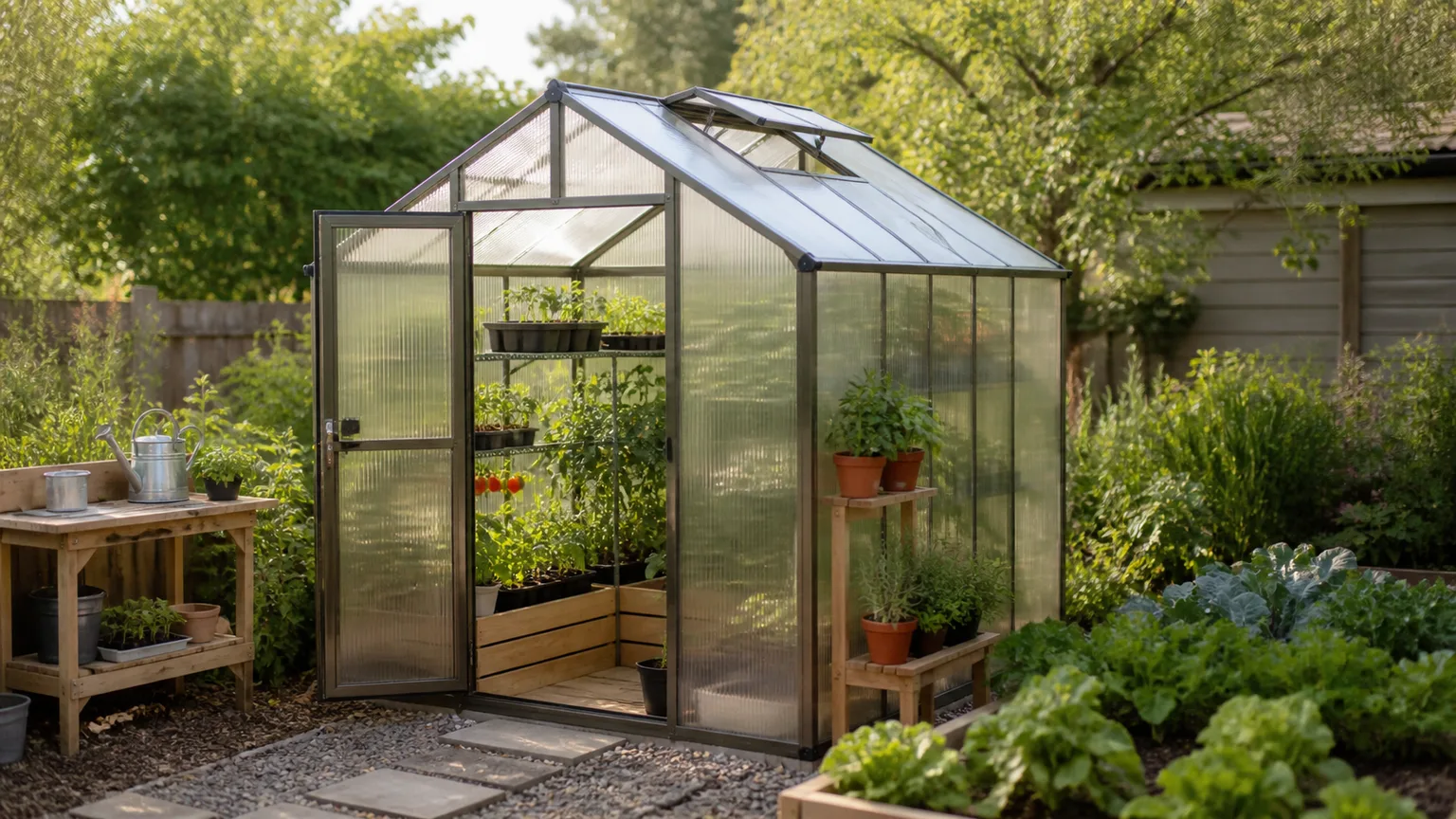
The structure works by slowing heat loss and trapping daytime warmth. It does not guarantee a frost-free interior. Close it before the evening temperature drops, secure the base against wind, and monitor the inside on sunny mornings. A sealed structure can become too warm quickly, so open vents or a door as the interior warms and close them again before the next cold night.
If you use supplemental heat, choose equipment designed for the setting and follow its safety instructions. Improvised candles, open flames, or an unattended household lamp are not a sensible way to protect an edible crop. Good sealing, an air gap, daytime solar gain, and a thermometer are the first-line tools.
Cover Tomatoes Correctly
A cover is only as effective as its setup. The aim is to hold a pocket of slightly warmer air around the plant by slowing heat loss from the soil. Wrapping the fabric tightly around the stems or laying a sheet over the top of a cage without closing the bottom misses the basic job.
Build an air gap and seal to the ground
Put the support in place before draping the cover. The cloth should arch over the plant with enough clearance that leaves and fruit are not pressed against it. A plastic sheet can serve as an outer roof or wind barrier only when it is held off the foliage by a frame; plastic touching leaves can conduct cold directly to the tissue and may cause condensation to linger.
Drape the cover all the way to the ground on every side. This traps some of the warmth released from the soil rather than allowing cold air to flow under the canopy. Anchor the edge continuously with boards, clips, soil-free weights, or pins, but do not mound wet soil against the stem or bury the plant under a heavy load.
For a broad bed, overlap pieces of cloth rather than leaving a seam open to the wind. Check corners and the windward side first. If the fabric is flapping, it can abrade leaves and pull the support loose; a calm, taut cover with room inside is safer than a tight wrap.
Remove or vent at daylight
The cover is for the cold window, not for the entire day. As soon as the morning has warmed past the threat of freezing and sunlight begins heating the air underneath, uncover a small plant or open the ends of a tunnel. Remove the fabric fully when practical so the foliage can dry and receive light.
This step matters even more with plastic or a greenhouse. Heat can build rapidly inside a small enclosure, and condensation can keep leaves wet. iGrow Tomatoes advises placing covers before nightfall and removing them promptly in the morning; use that as the default rhythm unless a thermometer shows that the protected space is still genuinely cold.
If another frost is forecast the following night, do not leave a damp sheet bunched against the plant during the day. Dry it, repair tears, and reset the support while the weather is comfortable. A reusable system is easier to trust when it is ready before sunset.
Decide What to Do With Fruit
Frost protection is often about the fruit more than the plant. A tomato plant can look green and productive while its newest blossoms will never mature before the season ends. Walk the plant in daylight and sort the crop by ripeness so you know what needs protection and what should come inside.
Harvest before a hard freeze and ripen green tomatoes
Pick ripe and nearly ripe fruit first. Next, choose full-size green tomatoes that have begun to lighten from deep green toward a paler or whitish green; these mature green fruit have a better chance of ripening indoors than tiny, hard fruit that has barely developed.
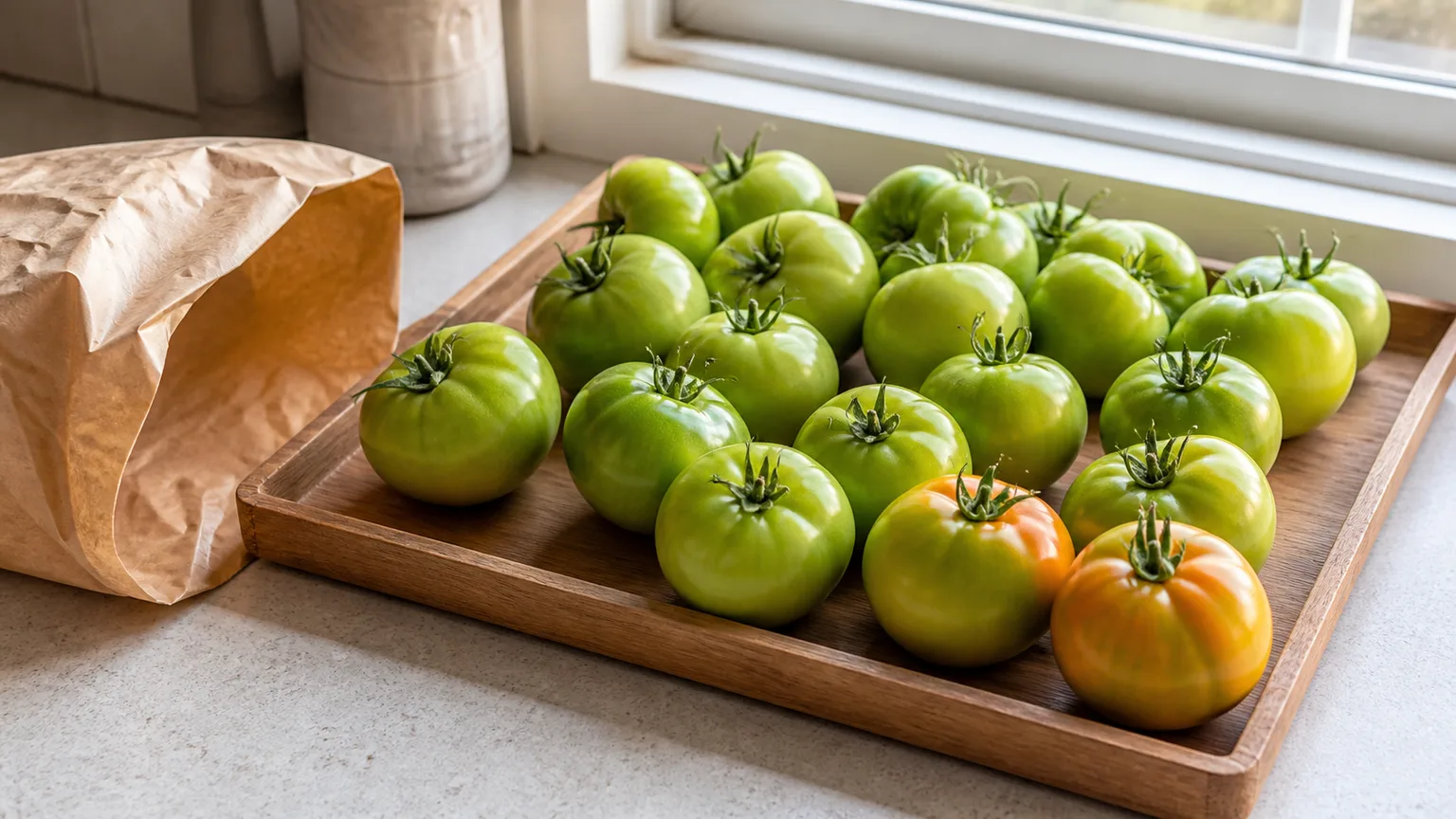
Tomato Dirt recommends harvesting before a heavy frost and sorting fruit by ripeness. Store sound mature green tomatoes in a cool, dry place away from direct sun, checking them often and removing any fruit that becomes soft or moldy. A paper bag or a single layer in a box can help organize the fruit, but crowding and trapped moisture speed decay.
Fruit that is already turning color can finish in a room-temperature spot away from hot direct sun. Very immature green tomatoes may not develop the flavor or texture of a vine-ripened fruit, so use them promptly for cooking rather than assuming every small tomato can be stored for weeks. Tomato Dirt’s harvest guidance makes the same distinction between mature green fruit and immature fruit. Never try to rescue fruit that has become water-soaked, mushy, cracked, or moldy after freezing.
Harvesting is not a failure of frost protection. It is the correct final step when the forecast says the plant cannot be safely carried farther. A basket of mature green tomatoes is a better outcome than leaving them on a covered plant through a freeze and discovering that both foliage and fruit were damaged.
If Frost Already Hit
Do not rush outside at dawn to strip blackened leaves while they are still frozen. Let the plant thaw gradually, ideally out of strong direct morning sun, then inspect the stems, growing tips, and fruit. The RHS notes that repeated freezing and thawing or very rapid thawing can be especially damaging; the first visible sign may be water-soaked or dark green tissue that later turns black and collapses.
Light damage limited to a few leaf edges does not automatically mean the plant is lost. If stems remain firm and green and the main fruit is sound, continue normal care and protect the plant from another cold night. Damaged leaves will not recover, but the plant may continue ripening fruit if enough healthy tissue remains.
If a stem is soft, black, or collapsed, cut it back to firm living tissue with clean shears. Wait until the frost danger has passed before major pruning so you do not remove tissue that only looks injured while frozen. Disinfect shears between plants when disease is also present, and remove fallen, slimy debris from the bed.
Inspect fruit separately. Fruit that stayed above freezing under a cover may be fine even when an exposed leaf was damaged. Fruit that froze can develop a poor texture and decay quickly, so use a conservative standard: keep only firm, unblemished tomatoes and discard anything leaking, mushy, or moldy.
Common Mistakes That Cost the Crop
Using plastic directly on leaves. A tarp or plastic sheet is not a magic blanket. When it touches foliage, it can transfer cold to the plant, collect condensation, and cause mechanical damage as it flaps. Use breathable frost cloth when possible, or support plastic on a frame with a fabric layer beneath it.
Covering only the top of the plant. A hat does little if cold air moves freely under the edges. Extend the cover to the soil, anchor the perimeter, and leave the stem itself unwrapped and uncrushed.
Leaving the cover on all day. Fabric blocks light and a closed plastic structure can overheat quickly. Remove covers or open ventilation after the cold window, then reset them before the next evening.
Relying on mulch alone. Mulch helps moderate root-zone temperature and moisture, but it will not keep tomato leaves and fruit above freezing. Pair root protection with a cover or harvest plan.
Watering the leaves at the last minute. Water the soil if it is dry; do not soak the canopy and then seal wet foliage under a cover. Frozen or wet tissue is not made safer by a rushed spray.
Feeding nitrogen or pruning heavily in late fall. New, sappy growth is vulnerable, and severe pruning removes the leaf area that still supports ripening. Make only targeted cuts and focus on fruit already set.
Trusting a regional forecast without checking the bed. A wall, slope, fence, raised bed, or low pocket can change the result by enough to matter. A simple plant-level thermometer is more useful than arguing with the forecast the next morning.
Trying to protect an exhausted plant indefinitely. If the plant is diseased, mostly bare, or carrying only tiny fruit, repeated covers may add work without saving a meaningful harvest. Pick the sound fruit, remove diseased material, and prepare the bed for the next crop.
Conclusion
Protecting tomatoes from frost is a short-season strategy built around timing. Keep the root zone from drying out, stop encouraging vulnerable new growth, support a breathable cover over the plant, seal it to the ground for the cold window, and uncover it as soon as the morning warms. For potted tomatoes, moving the container is often simplest; for repeated frosts, a monitored greenhouse or cold frame can buy more nights.
The other half of the plan is knowing when to stop. Harvest ripe, turning, and mature green tomatoes before a hard freeze, ripen sound fruit indoors, and accept that tiny immature fruit may not be worth carrying through the final cold snap. That combination—protect the plant when the risk is brief, then protect the harvest when the season is ending—keeps a fall tomato crop productive without asking a warm-season plant to do the impossible.



