Feline Jungle Plant Tour: Inside Vionna Wai’s Apartment
See how Vionna Wai built a cat-filled indoor jungle in Brooklyn, from the “wall of distraction” to plant trades, rescue rehab, and south-window hanging displays.
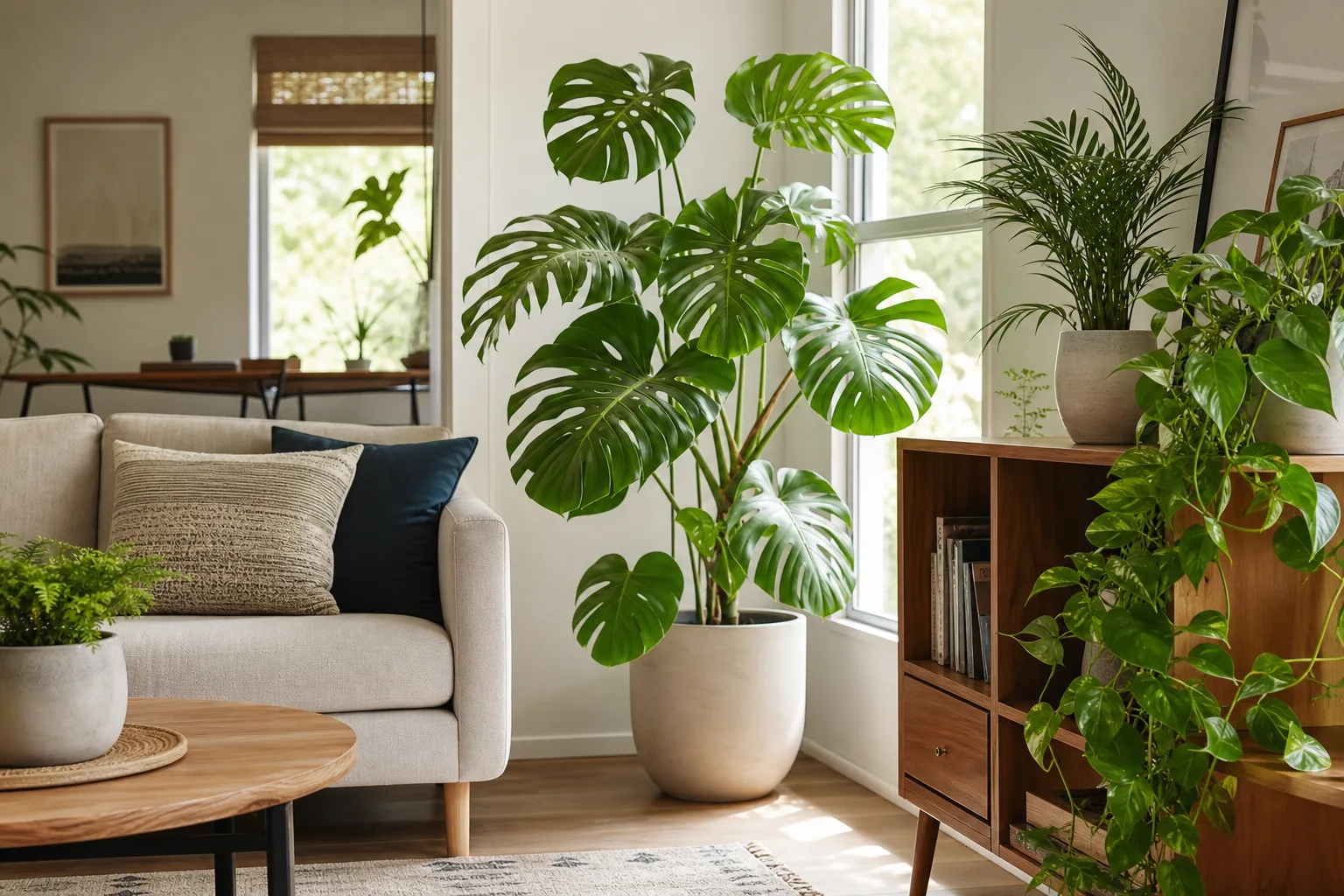
Walk into Vionna Wai’s Brooklyn apartment and the name feline jungle stops feeling like Instagram branding. More than 100 houseplants fill shelves, windows, and hanging corners while her cats Ding and Mi treat the whole place like their territory. Vionna documents the collection as @felinejungle, and the tour that circulates through plant-media series In the Weeds With Plant People is less about perfect staging than about how a real collector lives: dense greenery, terracotta everywhere, rare aroids beside rescued mail-order casualties, and a boyfriend who once turned a fiddle-leaf fig pot into a seed experiment.
This page walks through that tour the way a serious plant parent would watch it—not as passive entertainment, but as a case study in display design, affordable rare-plant acquisition, shipping rehab, and the honest friction of cats plus collector plants.
Meet Vionna Wai’s Brooklyn indoor jungle
Vionna’s apartment reads as a deliberate retreat: layered foliage, warm pots, and rooms that function like small climate zones rather than a single “plant corner.” That density is the point. A jungle-style home uses repetition—many pots, many textures, many heights—so the eye travels instead of landing on one statement tree.
Two cats, more than 100 plants, one very green apartment
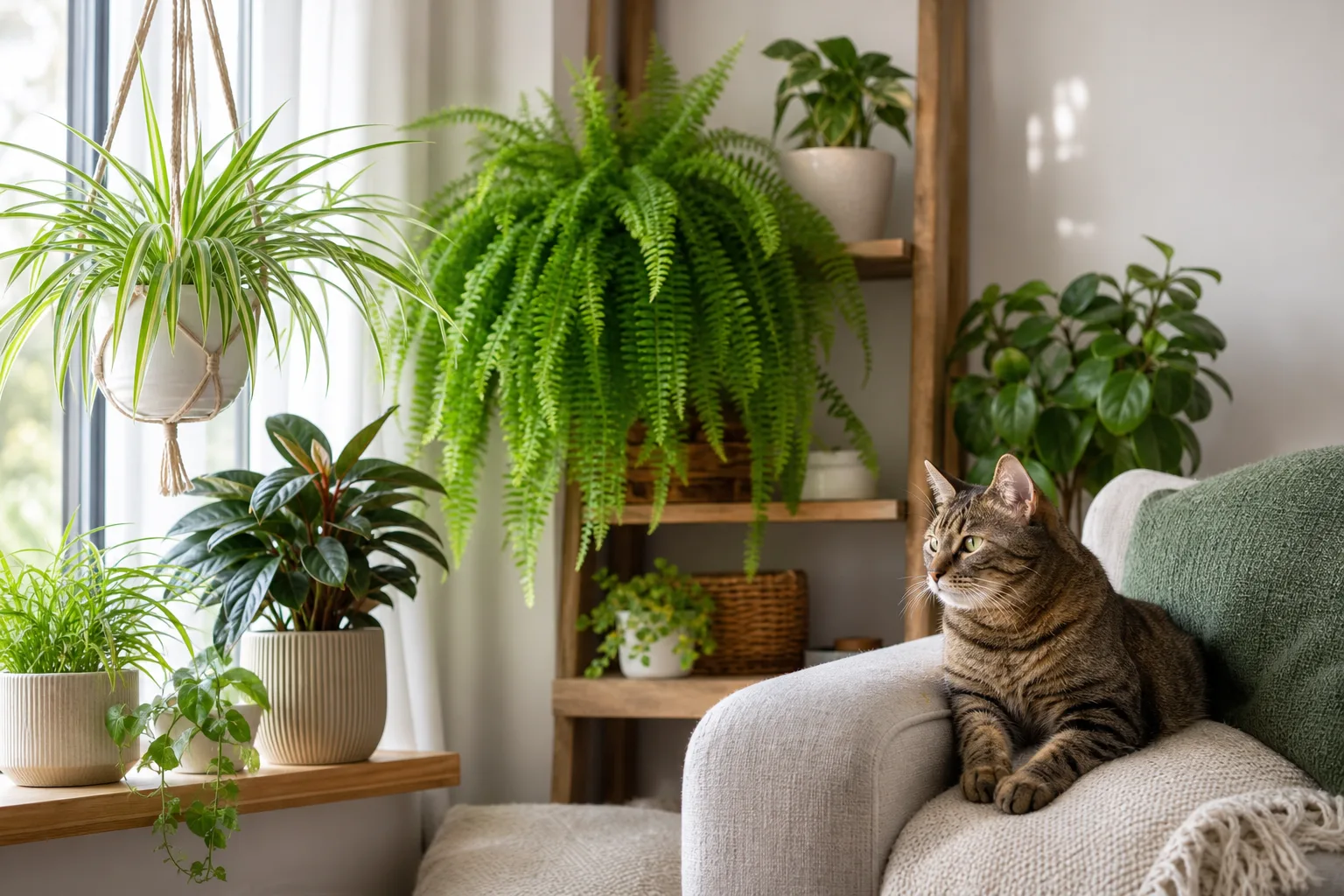
Ding and Mi appear early in the tour for a reason. They are co-residents, not props. Any collector with cats quickly learns that scale changes behavior: more plants means more soil to dig, more dangling leaves to bat, and more opportunities for a curious cat to treat a new import like a toy. Vionna’s setup works visually because shelves and hanging placements create vertical interest. It works practically only if you accept ongoing management—stable pots, weight on shelf brackets, and a clear-eyed view of which species are toxic when chewed.
If you are browsing tours for inspiration, separate aesthetic density from pet safety. A photo-ready wall of aroids can be stunning and still contain plants that veterinary toxicologists classify as problematic for cats. The ASPCA maintains separate searchable lists for cats and dogs; for cat households, verify every new genus before it enters chewing range. (ASPCA)
Room by room: what the tour actually shows
Episode tours move fast. Slowing them down by room makes the design logic visible.
The “wall of distraction” shelf display
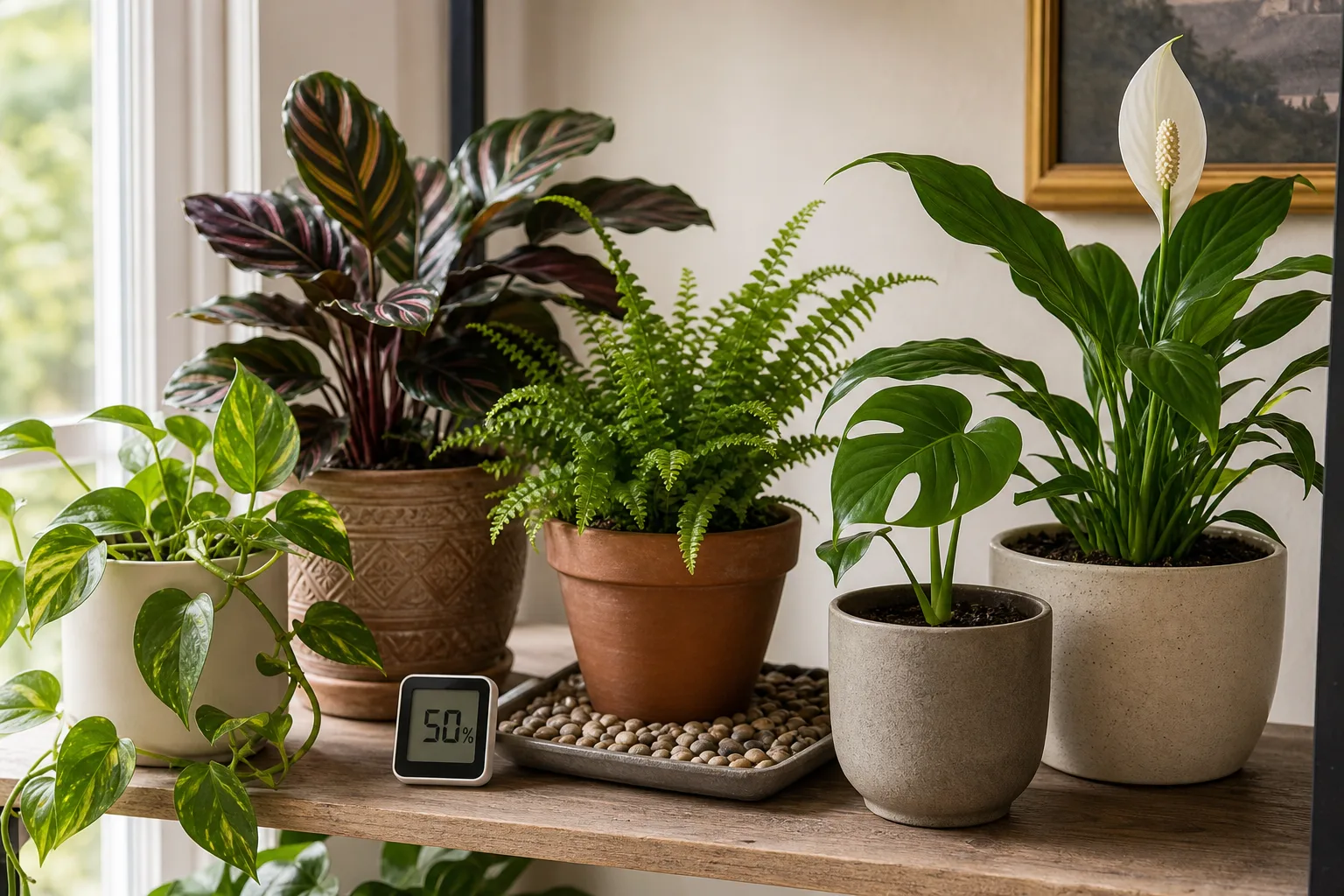
The tour’s first major set piece is what Vionna’s boyfriend nicknamed the wall of distraction: stacked shelves crowded with plants in terracotta pots. The joke lands because every collector recognizes the behavior—intending to check one thirsty pot and emerging twenty minutes later with a mental inventory of who needs wiping, rotating, or repotting.
Why terracotta here? Porous clay dries faster than glazed ceramic, which suits collectors who water frequently and want a visual cue when soil moisture drops. On shelves, matching pot material also unifies chaos: fifty different species can still read as one intentional wall when the containers rhyme.
Copy the idea without copying the clutter:
- Assign each shelf a light level instead of filling every surface randomly. Top shelves for brighter lovers; lower shelves for tolerant foliage.
- Leave maintenance space. A wall you cannot reach without knocking neighbors is a wall that will hide pests and dry pockets.
- Load-test brackets. Mature collector pots with chunky aroid mixes get heavy fast. A dedicated plant shelf—not a bookshelf doing double duty—is safer long term, a lesson echoed in other small-apartment collector tours where every vertical inch gets claimed.
Dining room sun and hanging plants
The dining area shows hanging plants in a south-facing window, with strong direct sun for part of the day. That placement explains why the hangers look vigorous: many popular trailing plants need bright light to keep internodes tight. A dim hallway hanger often etiolates; a south window hanger can burn if water rhythm lags on hot afternoons.
Use the tour as a light map:
- South glass suits high-light hangers and some upright tropicals if acclimated.
- Sheer diffusion or slight offset from the pane prevents sudden leaf scorch when seasons shift.
- Rotate hangers weekly so one side does not dominate growth toward the glass.
If your home lacks south exposure, do not force the same species into a dark dining nook. Swap in lower-light trailers and accept slower growth rather than fighting etiolation with fertilizer.
How Vionna built such a large collection
A hundred-plant home rarely happens by retail alone. The tour highlights two collector economics that scale better than repeated impulse buys.
Architecture class and the first ZZ plant
Vionna’s origin story starts in an architecture class green-wall prototype that required a living plant. She chose a ZZ plant (Zamioculcas zamiifolia) for toughness and the popular association with resilient indoor greenery. That first success matters psychologically: one surviving plant teaches watering rhythm, light reading, and the confidence to add a second pot.
For beginners watching the tour, the transferable lesson is smaller than the species choice: start with one plant that matches your actual attention budget, learn its drought tolerance, then expand. Jumping from zero to rare aroids skips the feedback loop that makes large collections sustainable.
Plant trades and group buys for rare aroids
Two budget strategies stand out:
- Trading — Vionna traded for a Moonshine snake plant (Dracaena trifasciata ‘Moonshine’), turning duplicate propagations or steady growers into new genetics without cash.
- Group buys — She split the cost of a King Anthurium with friends, planning to propagate and divide once the juvenile plant strengthens.
Both methods are standard in active plant communities. Swaps and meetups let enthusiasts exchange cuttings, compare culture notes, and diversify collections sustainably when done carefully. Retail blogs serving the houseplant community recommend bringing labeled, pest-free cuttings, trading fairly, and treating swaps as social learning—not just free shopping. (BWH Plant Co)
Quarantine either way. Mail-order imports and swap cuttings alike can introduce pests. Isolate new plants for two to three weeks, inspect undersides weekly, and avoid placing fresh arrivals on the same shelf as your healthiest specimens. Rural Sprout and other collector-oriented guides emphasize swaps as thrift, but thrift only works if you do not pay later in spider mites.
Standout plants worth noticing
Tours seduce with rare leaves. The useful question is what each standout needs—and whether your home can provide it.
Philodendron Florida Ghost and velvet anthuriums
Vionna calls Philodendron ‘Florida Ghost’ a favorite for its shifting leaf shapes and red stem accents. Ghost-type philodendrons are climbing aroids: they want bright indirect light, a support to attach to, and a stable watering rhythm that avoids long swings between bone-dry and soggy. Without support and light, they stay juvenile and lose the dramatic foliage that makes them collector favorites. For deeper culture on philodendrons as a group, see philodendron toxicity—important in cat homes because philodendrons contain calcium oxalate crystals that irritate mouths and GI tracts when chewed. (Clemson HGIC)
Her Anthurium clarinervium gets attention for velvety leaves and the rarity of berries after successful pollination—collectors sometimes coordinate flowering windows to hand-pollinate. Velvet anthuriums want high humidity, excellent drainage, and warm stable roots. They are not beginner plants, and they are toxic to cats if ingested. Treat them as display specimens on secured upper shelves with zero expectation that “cats never bother my plants” stays true forever.
Rescuing a Philodendron sword after shipping trauma
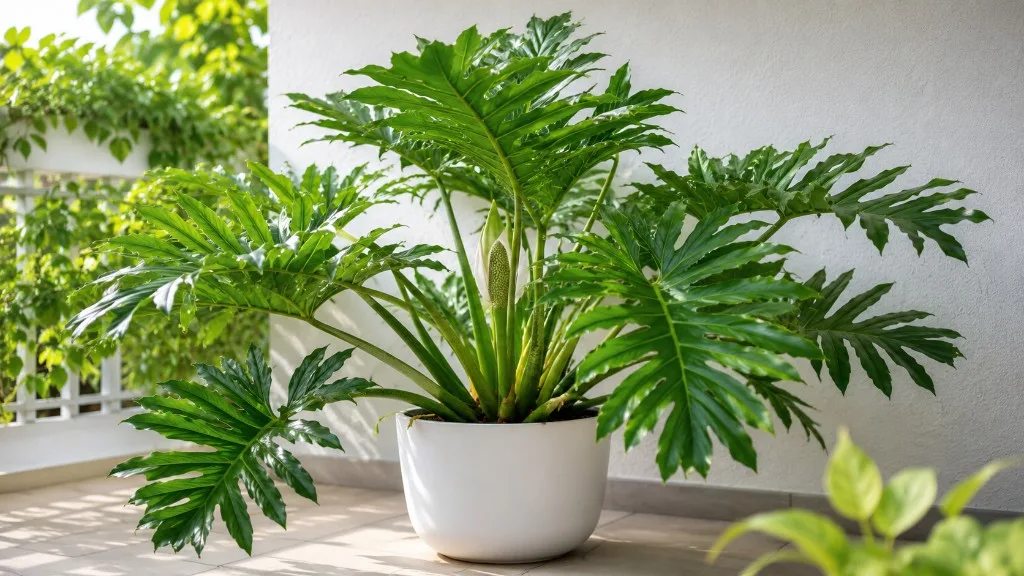
One of the tour’s most practical beats is not a glamour plant—it is recovery. Vionna ordered a Philodendron sword, the shipment stalled, and the plant arrived stressed. She nursed it back rather than discarding it.
Use this sequence when mail order goes wrong:
- Unbox immediately and photograph damage for seller claims.
- Inspect roots—mushy roots get trimmed; firm roots stay.
- Hold fertilizer for four to six weeks; stressed roots cannot process salts.
- Stabilize humidity with a loose clear bag or humid corner, not a soaking pot.
- Wait on repotting until you see new growth; fresh trauma plus fresh soil often compounds rot.
Collectors who rehab shipping casualties build skill faster than collectors who only keep perfect nursery specimens. They also learn which sellers package well—a hidden budget saver.
The fiddle-leaf fig—and the accidental pepper plant
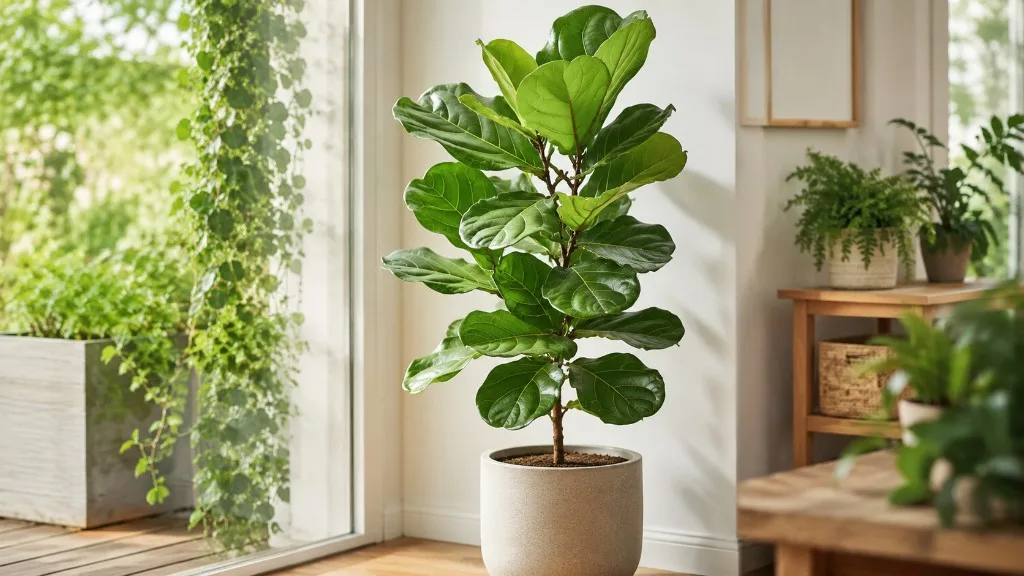
Near the dining light, a fiddle-leaf fig (Ficus lyrata) stands tall—classic apartment sculpture foliage. Fiddles want bright light, infrequent but deep watering once the top few inches dry, and minimal relocation once acclimated. They also appear on extension lists of houseplants to avoid when pets chew foliage because sap irritation is common. (Clemson HGIC)
The tour’s lighter moment: a pepper seed sprouted in the same pot after her boyfriend tossed seeds experimentally. It is a reminder that pot soil is an ecosystem—volunteer seedlings happen when compost or kitchen experiments meet warm moist media. Cute story, but in cat homes, unexpected sprouts can attract digging. If you replicate playful seed experiments, use labeled pots away from shared cat highways.
Growing a serious collection when you share space with cats
“Feline jungle” branding is charming until a cat knocks a ceramic pot or chews a leaf you assumed was out of reach. Cat households can host large collections, but the planning layer is non-optional.
Toxicity reality check for collector favorites
Several plants highlighted in this tour are not cat-safe if ingested, including many philodendrons, anthuriums, ZZ plants, snake plants, and ficus. Cornell Cooperative Extension’s pet-safe gardening guidance stresses verifying botanical names, not common labels, because “fern” or “lily” wording misleads constantly. (Cornell Cooperative Extension Tioga)
Build a two-list household:
| Goal | Action |
|---|---|
| Keep collector favorites | Treat as toxic displays: secure elevation, stable pots, no fallen leaf debris on floors |
| Reduce emergency risk | Add verified non-toxic species from the ASPCA non-toxic list in cat-accessible zones |
| Unknown exposure | Call ASPCA Animal Poison Control at (888) 426-4435 |
For a curated starting set of safer options, see pet-safe houseplants. That does not mean banishing aroids—it means not pretending aesthetics equal safety.
Shelving, height, and “distraction” that actually helps
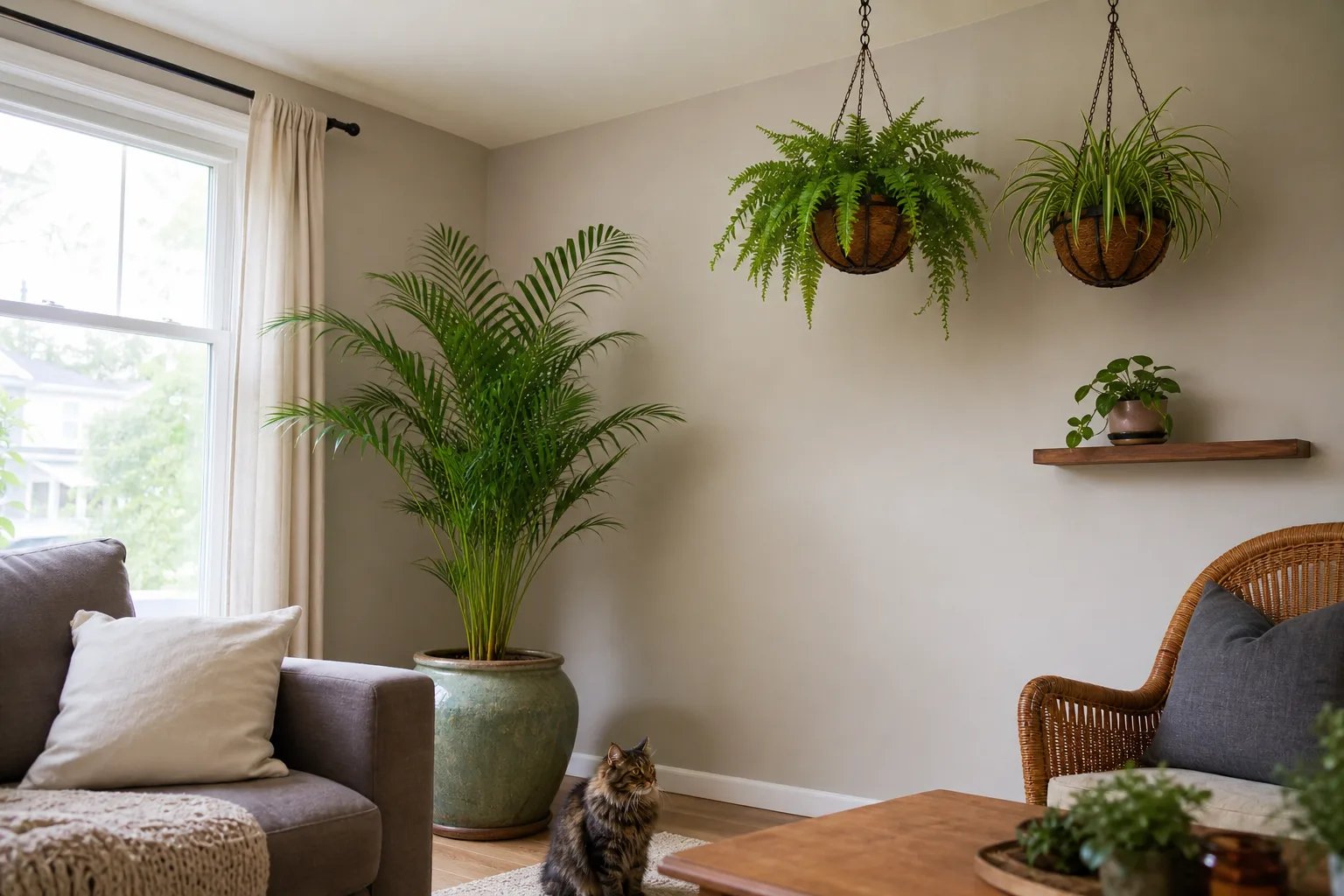
The wall of distraction works as cat management only when shelves are physically stable and reachable for you but awkward for cats. Wide overhangs, mixed pot weights, and wall-mounted standards rated for load beat teetering ledges. Distraction is not a substitute for toxicity awareness; it is a way to spread interesting textures across vertical space so one pot is less likely to become the single target.
Other small-apartment collector habits that pair well with cats:
- Dedicated plant furniture instead of repurposed bookshelves with weak back panels
- Hanging baskets with secure hooks and drip trays that cats cannot easily swat
- Floor clearance under hangers so fallen leaves do not become snacks
- Closed-door rooms for quarantine or high-risk specimens during adjustment periods
What new plant parents should steal from this tour
Vionna closes with advice that sounds simple and is actually the hardest filter in the hobby: know the care a plant needs before you buy it, and know yourself.
Translate that into decisions:
- Light first — Map your windows honestly. A south dining window and a dim bedroom are different biomes.
- Time budget — Velvet anthuriums and rehab projects need attention. Snake plants and ZZ plants forgive neglect.
- Pet reality — If your cat explores every new surface, prioritize non-toxic species at nose height even if Instagram tours feature rare aroids lower down.
- Budget path — Trades and group buys beat credit-card rare-plant sprints when you still learning propagation.
- Community — Online plant groups accelerate ID and pest diagnosis; local swaps diversify genetics. Engage for learning, not just acquisition.
If you want layout ideas beyond shelving, living room plants covers how to place greenery in shared spaces without turning traffic paths into obstacle courses.
Conclusion
Vionna Wai’s feline jungle tour is worth watching because it shows a working collector home—not a staged showroom. The wall of distraction, south-window hangers, trade-and-split economics, and shipping rehab story are the pieces to copy. The implicit warning is just as important: cats and rare aroids can coexist only with toxicity literacy, secure display, and a willingness to quarantine new plants before they join the wall.
Watch the tour for inspiration, then build your version slowly—one room, one light zone, one verified plant at a time. That is how a jungle becomes a home instead of a maintenance crisis waiting behind the next terracotta pot.