Tracey Hairston's Plant Tour — Episode 2 Guide
Tour Tracey Hairston's 100+ plant Chesapeake home from In the Weeds Episode 2 — styling tips, Thai Constellation care, and how to grow a collection one plant at a time.
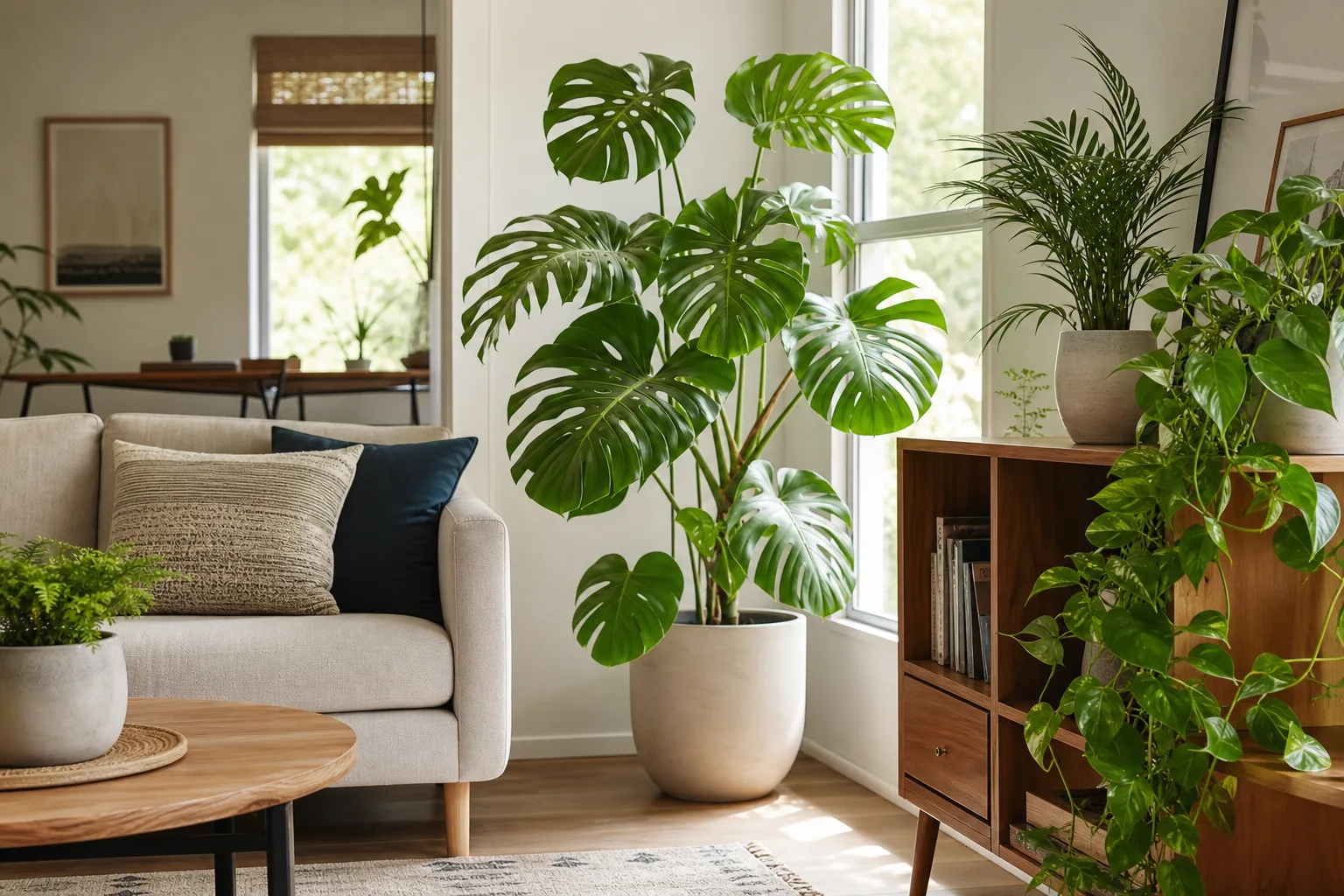
Walk through Tracey Hairston’s Chesapeake, Virginia home and the first thing you notice is density without chaos. More than 100 houseplants fill shelves, corners, and rattan stands — each pot placed like it belongs in a room that happens to be green, not a greenhouse that happens to have furniture. Tracey documents the collection as @mochagirlplace on Instagram, and Episode 2 of In the Weeds With Plant People follows her through that home with the camera at plant height: begonias with names, a corner devoted to humidity lovers, a golden pothos she has moved twice, and a Monstera Thai Constellation that would make any collector pause at the price tag.
This page treats the tour the way a serious plant parent would — not as background viewing, but as a case study in styling, species selection, maintenance workflow, and the slow discipline required to keep triple-digit collections alive.
Meet Tracey Hairston and her Chesapeake plant sanctuary
Tracey’s home reads as intentional sanctuary rather than accidental accumulation. Plants sit in complementary pots, textures repeat across rooms, and trailing vines share vertical space with upright statement foliage. That cohesion is the difference between “many plants” and a collection — the latter has rules, even if they live mostly in the collector’s head.
How her mother’s green thumb shaped the collection
Tracey opens the tour with a personal note: her mother had an exceptional green thumb, and that early exposure turned plant care from hobby into identity. The emotional anchor matters because large collections rarely survive on aesthetics alone. Collectors who last treat plants as living relationships — some inherited, some gifted, some rescued — rather than interchangeable decor.
Her golden pothos (Epipremnum aureum) embodies that thread. Given to her after her mother’s death, it is the plant she travels with and has carried through two moves. Sentimental plants teach a different skill set than nursery impulse buys: you learn propagation backup, travel-safe packing, and how to stabilize a vine that carries memory in every node.
Room by room: what the Episode 2 tour reveals
Episode tours move quickly on video. Slowing them by room exposes the design logic collectors can actually copy.
Entry statement plants and the Begonia “Martha Stewart”
The tour begins at a lush red Begonia hybrid Tracey named Martha Stewart — a playful nod, but also a signal about how collectors personalize specimens. Begonias with bold foliage want bright indirect light, warm stable roots, and consistent moisture without soggy media. Rex and cane-type begonias especially punish cold drafts and wet crowns; a named plant at the entry means Tracey checks it often, which is half the battle.
Use entry plants as health barometers: if the first pot you pass every day looks crisp, you catch problems early. If it declines quietly, deeper issues hide behind the rest of the wall.
The tropical corner: monsteras, calatheas, and prayer plants
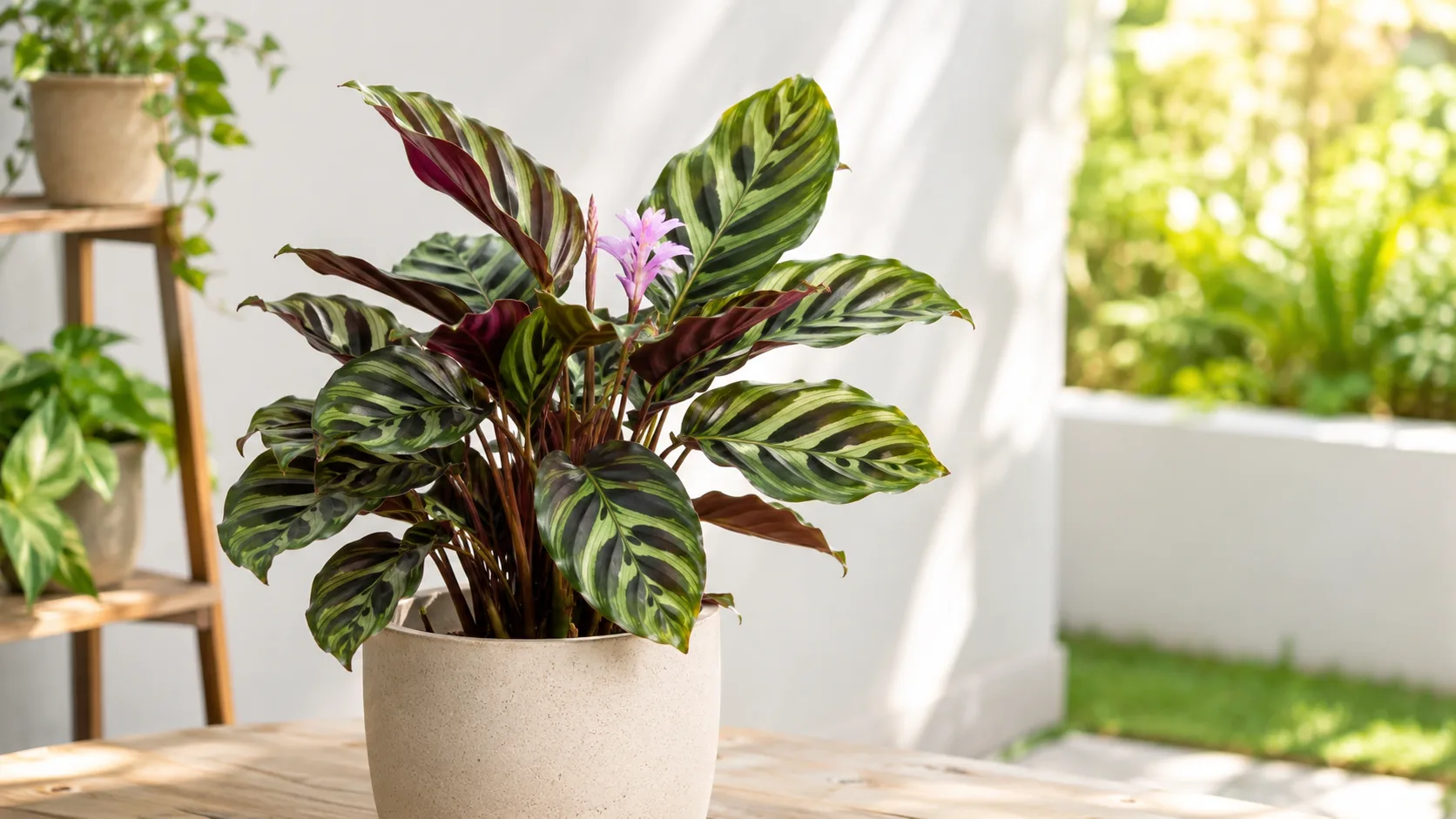
A dedicated corner groups monsteras, calatheas, and marantas (prayer plants) — species that share a preference for warmth, filtered bright light, and elevated humidity. NC State Extension notes that Monstera deliciosa prefers temperatures of 60–85°F, moderate brightness without direct sun, and high humidity, with variegated cultivars needing more light than solid-green forms (NC State Extension).
Grouping humidity lovers is not lazy styling — it is microclimate management. A corner away from heating vents, possibly near a humidifier or pebble trays, keeps prayer-plant leaves from curling and calathea edges from crisping. Monstera in the same zone benefits until variegation demands even brighter exposure; Thai Constellation often sits slightly closer to the window than a plain deliciosa would tolerate.
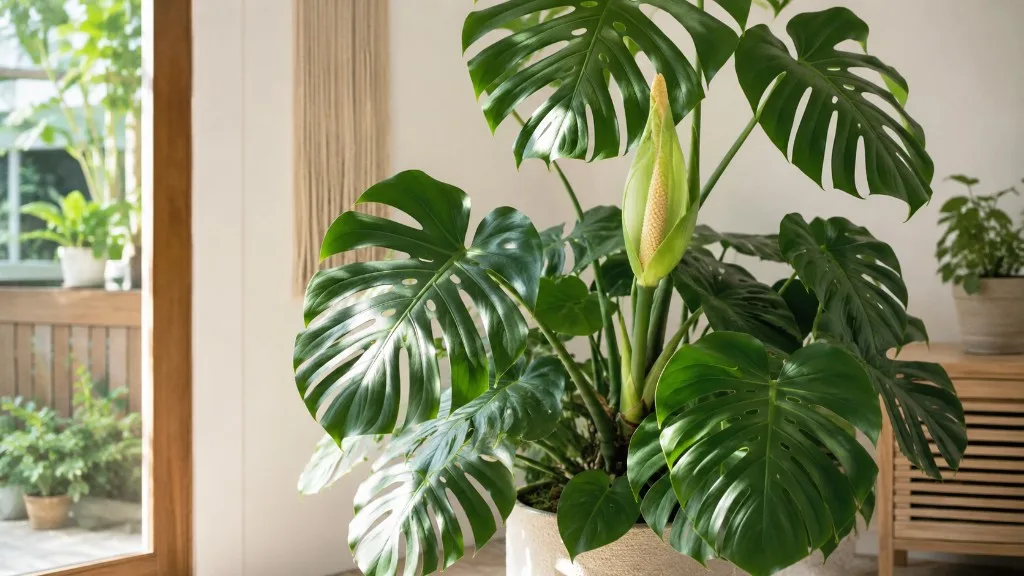
Reading your plants beyond watering schedules
Tracey says she talks to her plants and believes they have moods — language that sounds whimsical until you translate it into horticulture.
What “plant moods” actually mean for care
Experienced growers read posture, turgor, and color the way others read facial expressions. A fiddle-leaf fig that suddenly drops lower leaves is “annoyed” about relocation or inconsistent water. A calathea with folded leaves at midday is responding to light intensity or dry air, not personal spite. Talking aloud can help because it slows you down to inspect — the useful part is observation, not acoustics.
Build a simple check-in habit:
- Morning glance — droop, new growth, pest spots
- Weekly rotate or wipe — dust blocks photosynthesis on broad leaves
- Monthly soil probe — finger or moisture meter before default watering
Tracey’s fiddle-leaf fig story in the tour — the classic collector struggle with a demanding Ficus lyrata — fits this frame. Fiddles punish draft, low light, and overwatering with equal enthusiasm. Treat “mood” as symptom language, then match fixes to cause rather than doubling water on a sulking tree.
Standout plants and what they need
Tours highlight glamour specimens. The useful question is whether your home can replicate their requirements.
Fiddle-leaf fig: the collector’s temperamental tree
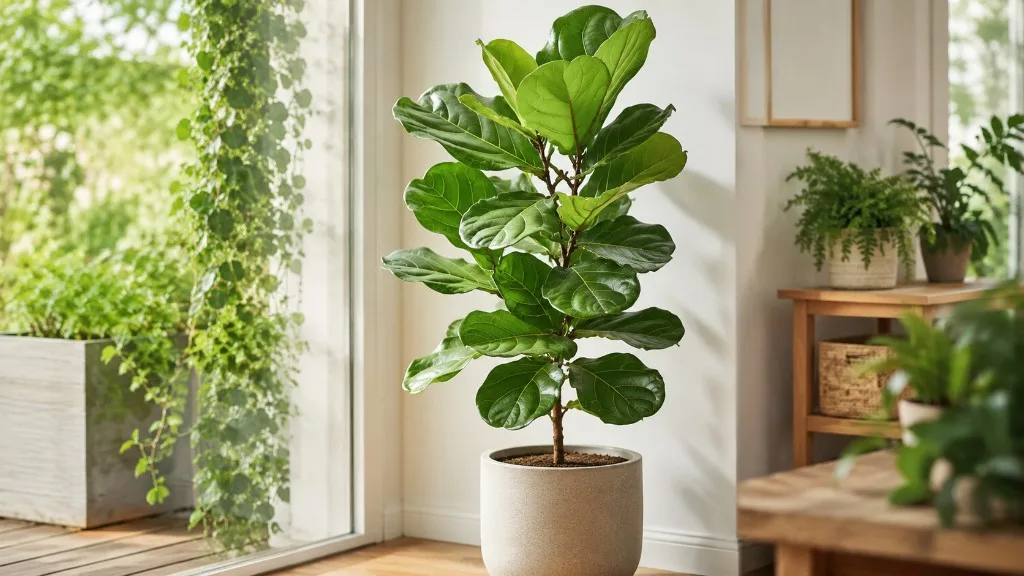
The fiddle-leaf fig remains the apartment sculpture plant — tall, graphic leaves, instant vertical drama. It wants bright indirect to gentle direct light, deep watering only after the top few inches of soil dry, and minimal moving once acclimated. Leaf drop after a window change is normal protest, not immediate death.
If your fiddle struggles while surrounding pothos thrive, you are comparing two different tolerance profiles. Pothos survives dim corners; fiddles do not. Place the fig where it receives the brightest stable spot you can offer, keep humidity moderate, and avoid misting as a substitute for proper light.
Monstera Thai Constellation: rare variegation, real requirements
Tracey’s most expensive plant is a Monstera Thai Constellation she received as a gift — variegation locked in through tissue culture, with cream-to-white splashes on split leaves. Market pricing for cuttings often runs $250–$500 depending on node count, variegation stability, and seller reputation; whole established specimens cost more. Gifted or bought, the care bar is higher than standard deliciosa.
Variegated tissue lacks chlorophyll. Thai Constellation needs brighter indirect light than a green monstera, excellent drainage, and stable humidity without wet feet. Overwatering variegated monsteras invites root rot faster because stressed white sectors recover slowly. Support the vine early — NC State recommends sturdy support to prevent stem breakage as leaves enlarge (NC State Extension).
Treat rare monsteras as display investments: quarantine after purchase, propagate a backup cutting when the plant is healthy, and never let Instagram rarity outpace your brightest room.
Golden pothos as a living heirloom
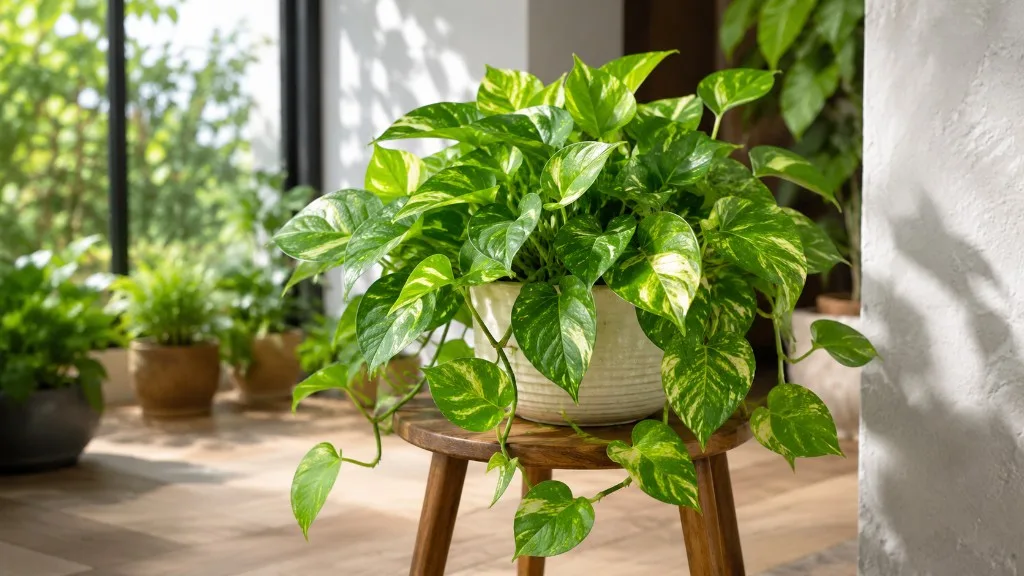
Tracey’s golden pothos is more than easy greenery — it is the plant she packs for moves and refuses to leave behind. That choice makes sense botanically: pothos tolerates low to bright indirect light, survives dry-down between waterings, and roots readily from cuttings (NC State Extension). NC State also notes medium poison severity if ingested — relevant if pets or children chew vines.
For a travel companion plant:
- Take cuttings before a move as insurance
- Pack the parent pot upright with cushioned support; avoid letting soil slam sideways
- Hold fertilizer for four weeks after arrival until new growth confirms recovery
- Quarantine briefly if the plant shared a truck with unknown specimens
A golden pothos that survived two relocations is proof that forgiving genetics plus consistent handler attention beats rare-species roulette for emotional anchor plants.
Styling a home around plants
Tracey clearly thinks like a designer: plants enhance rooms instead of filling empty gaps randomly.
Living room layers and design cohesion
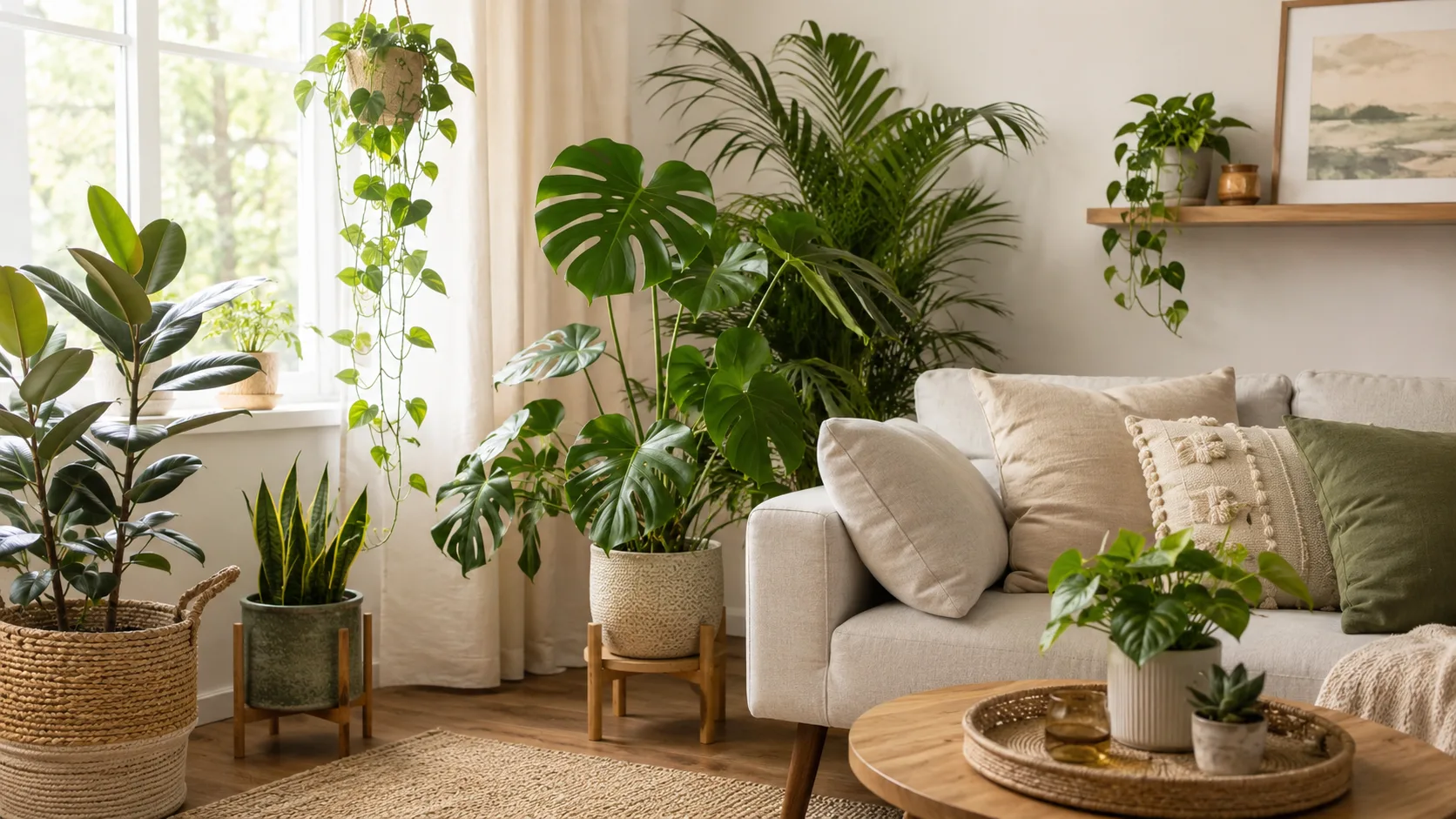
The living room tour shows height variation — upright figs and monsteras, mid-level foliage, trailing pothos on rattan stands. Rattan adds warmth and visual lightness; it also elevates trailers off floor drafts. Repeating pot materials or color families across disparate species makes fifty genera read as one palette.
Copy the layering without copying the count:
| Layer | Role | Example from tour |
|---|---|---|
| Canopy | Vertical anchor | Fiddle-leaf fig, monstera |
| Midstory | Volume and color | Calathea, begonia |
| Understory / trailer | Softening edges | Golden pothos on rattan |
Leave walk paths and light access — a living room that photographs well but blocks window light to half the collection will rotate problems monthly.
The kitchen nook plantshelfie maintenance station
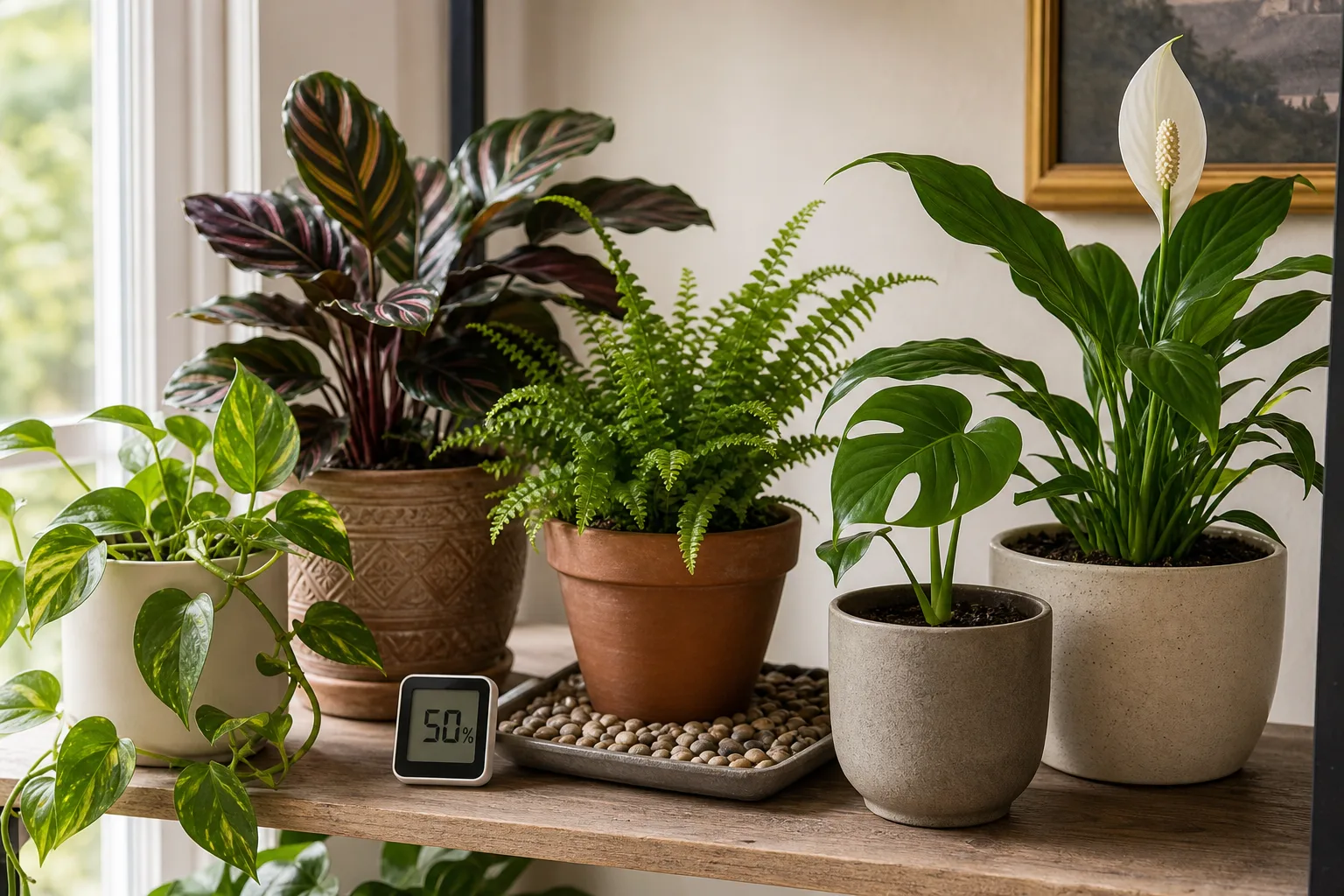
The kitchen nook doubles as Tracey’s plant maintenance hub — the place she tends smaller specimens and stages the #plantshelfie display: compact plants arranged among decor objects at shelf height. A dedicated maintenance nook is one of the most underrated tools in large collections. It centralizes pruners, neem, watering cans, microfiber cloths, and spare pots, so care happens in one spill-tolerant zone instead of across every room.
Build a functional plantshelfie:
- Match shelf plants to similar light — do not stack shade lovers under a grow-light bar meant for succulents
- Leave air gap between pots for airflow; tight Pinterest spacing hides mealybugs
- Rotate front-row plants weekly so back-row specimens do not etiolate
- Use the shelf as quarantine-lite — new small plants can live here two weeks before joining wall displays
For broader layout ideas in shared spaces, see living room plants.
How to grow a large collection without burning out
Tracey closes with advice that sounds simple and filters out most failed collector sprints: start with one plant.
Start with one plant, then earn the next
Her rule: keep one plant alive, then add another. When two thrive, keep going. That progression forces you to learn your home’s dry-down speed, seasonal light shift, and honest time budget before rarity enters the chat. Skipping straight to Thai Constellation without that feedback loop is how expensive plants become expensive lessons.
A practical expansion ladder:
- One forgiving vine or foliage plant — golden pothos, snake plant, or zz plant
- One humidity moderate plant — peperomia or philodendron
- One humidity diva — calathea or maranta only after you have a humid corner plan
- One statement tree — fiddle-leaf or monstera once light is mapped
Trailing and climbing displays on rattan stands
The trailing and climbing section on rattan furniture shows how vertical hardware changes growth. Pothos and philodendrons climb via aerial roots when given supports; without them, vines lengthen with smaller leaves at the nodes. Elevated stands keep trailers off cold floors and make watering saucers accessible.
Install moss poles or coir boards before vines reach four feet — retrofitting support on brittle older stems breaks easily. Rotate stands quarterly so all sides receive light; one-sided growth is the main reason trailing corners look thin on the room-facing side.
Keeping 100+ plants healthy: maintenance systems
Triple-digit collections fail without systems, not willpower. Tracey’s kitchen nook hints at hers; extrapolate the operational layer any large home needs.
Watering by zone, not by calendar. Group pots with similar dry-down speeds on the same shelf. Succulent-adjacent plants on one day, tropicals the next. A moisture meter at the maintenance nook beats guessing across dozens of pots.
Weekly pest patrol. Spider mites love dense calathea corners. Inspect leaf undersides while wiping dust — the tour’s lush monstera wall is exactly where mites hide until webbing spreads.
Quarterly repot audit. Only repot active growers in spring; root-bound pothos can wait, but thirsty ferns cannot. Keep spare mix at the kitchen station so repotting does not require hunting supplies mid-job.
Light map refresh each season. A south window that was gentle in winter becomes harsh in late summer. Move variegated monsteras and begonias before bleached leaves become permanent scars.
Propagation pipeline. Backup cuttings of sentimental or rare plants turn anxiety into redundancy. One healthy golden pothos jar on the sill is cheaper than emergency shipping replacement.
Moving with a plant collection
Tracey’s golden pothos survived two moves — rare proof that large collections can relocate if you prioritize hardy anchors and prep over panic.
Before moving day:
- Water lightly two days out, not heavily the night before — wet soil sloshes and cracks roots in transit
- Bag or wrap trailing vines gently; tape stems to stakes inside the pot
- Label quarantine candidates separately from established wall plants
- Transport in climate-controlled vehicle when possible; trunk heat kills faster than daylight
After arrival:
- Unpack within 24 hours and place pots in similar light orientation to the old home when you can
- Expect transplant shock — hold fertilizer four to six weeks
- Inspect for pests brought from old walls or new apartment history
Sentimental plants deserve backup cuttings before the truck arrives. Memory lives in the parent vine; insurance lives in the water-rooted jar on the counter.
Conclusion
Tracey Hairston’s Episode 2 tour is worth studying because it shows a working collector home — named begonias at the door, a humidity-managed tropical corner, a Thai Constellation treated like art, and a golden pothos carried through grief and relocation. The design takeaway is layered styling with maintenance access. The care takeaway is match species to zones, read plants as feedback loops, and expand one survivor at a time.
Watch the tour for inspiration, then build your version with systems: a kitchen nook for tools, a light map for rare leaves, and the patience to earn plant number two only after plant number one thrives. That is how a Chesapeake sanctuary scales without becoming a watering crisis behind the next rattan stand.