Fall Vegetable Companion Planting: What to Grow Together
Can companion planting increase fall vegetable yields? Learn which pairings help with space, pests, and timing—and which combinations compete or spread disease.

The best companion planting for fall vegetables is less about finding a magical pair and more about making every part of a short growing season do a useful job. A radish can mark a slow carrot row and finish before the carrot needs room. A flowering herb can feed hoverflies and parasitoid wasps while you watch for aphids. A pea trellis can add vertical production without taking another bed.
That can mean more food from the same square footage, fewer bare gaps, and a garden that is easier to monitor. It does not mean that a marigold beside kale guarantees a pest-free harvest or that any two crops planted close together will make each other grow faster. The Royal Horticultural Society’s companion-planting guidance makes the important distinction: some associations are useful, but the benefit is not universal in every crop, site, or season.
Why Fall Gardens Benefit From Thoughtful Neighbors
Fall vegetables already have a built-in advantage: many prefer cool soil and mild days, so the garden can keep producing after summer crops decline. The challenge is that the usable window is compressed. A companion that takes six weeks to mature may be a poor choice if your first hard freeze arrives in five weeks, while a quick radish or baby-leaf green can be harvested before a slower crop fills the bed.
Fall also changes the pest picture. Cabbage worms, aphids, flea beetles, slugs, and leaf miners can still be active while seedlings are small. Mixed plantings may make a target crop harder for some insects to find, and flowers can support predators and parasitoids, but a diverse bed can also hide damage if it is too crowded. Your layout needs to make scouting easier, not merely look abundant.
Practical companion-planting charts, such as Homestead and Chill’s garden companion guide, are useful for generating candidates. Treat them as starting points rather than guarantees, then check each plant’s mature size, season, water needs, and crop-family history in your own bed.
Virginia Cooperative Extension describes companion planting through several real mechanisms: trap crops, nitrogen fixation, biochemical interactions, spatial sharing, nurse crops, beneficial habitats, and diversity. Those mechanisms are more useful than a list of “friends” because they tell you what to expect. A tall crop may provide support or shade; a legume may contribute nitrogen over time; a flowering plant may supply nectar; and a fast crop may use space before a slow crop expands. Virginia Tech’s expert-reviewed overview explains these roles in practical terms.
The claim to avoid is that a companion plant is a pesticide in flower form. Aromatic foliage can interfere with how some insects locate host plants, but scent is not a guaranteed barrier. A trap crop may attract a pest away from your main crop, but only if you inspect it and remove or manage the pest before it becomes a nursery. Companion planting is one layer of garden management, alongside crop covers, rotation, sanitation, watering, and regular observation.
Does Companion Planting Increase Fall Vegetable Yields?
It can increase the total harvest from a fall bed, but the result is usually indirect and conditional. Companion planting can help you use vertical and horizontal space, harvest quick crops before slow crops mature, support beneficial insects, and reduce the chance that one pest outbreak wipes out a uniform planting. It cannot guarantee that each individual plant will produce more than it would alone.
The distinction matters. Suppose a 4-by-8-foot bed produces two heads of broccoli, a row of kale, several cuttings of cilantro, and three successions of radishes. Interplanting may increase the bed’s total edible output even if each broccoli plant is no larger than a broccoli plant grown in a dedicated row. The “yield” win is often harvest per bed and harvest reliability, not a dramatic boost in the weight of one crop.
West Virginia University Extension recommends using positive relationships within roughly two or three rows and separating plants with negative relationships by a similar distance. Its guidance also highlights space saving, shade, weed suppression, insect management, and root-zone differences. WVU Extension’s companion-planting guide is a good reminder that geometry and timing can be just as important as plant chemistry.
More harvest per bed is different from bigger plants
There are four realistic ways a fall companion arrangement can improve your harvest:
- Time stacking: Radishes, baby greens, and scallions finish while broccoli, cabbage, or Brussels sprouts are still building leaves.
- Space stacking: Carrots and beets occupy deeper soil while lettuce and spinach use a shallower layer, provided the rows are not overcrowded.
- Habitat building: Flowering dill, cilantro, calendula, and alyssum provide nectar and pollen for insects that may prey on aphids and caterpillars.
- Risk spreading: A mixed bed does not put every harvest in one crop family, so one disease or pest peak is less likely to remove everything.
The greatest benefit often comes from combining two or three of these jobs. The greatest failure comes from choosing too many plants and creating one dense canopy with shared water and pest problems. Start with one clear objective—more salads before frost, fewer aphids on kale, or more food from a small bed—then choose neighbors that support that objective.
Build the Bed Before You Choose Companions
Start with sun, drainage, and airflow
Put the fall bed in the sunniest practical location, especially if you want broccoli, cabbage, peas, or late-season roots to size up before cold weather. Leafy greens tolerate some shade, but shorter days already reduce light. A plant that was fine in July shade may simply stall in October when the sun angle drops.
Drainage and airflow deserve equal attention. Wet soil slows roots and encourages slug activity; wet leaves that stay crowded together are more vulnerable to foliar disease. Leave paths wide enough to harvest without stepping into the bed, and keep a visible gap around crowns so you can water at the soil line, pull weeds, and inspect the undersides of leaves.
Orient tall plants and trellises so they do not cast all-day shade across short crops. In the Northern Hemisphere, placing tall crops on the north side is a reliable starting point. Adjust for your actual winter sun, fences, and slope; a rigid compass rule is less useful than watching where the shadow lands at 10 a.m. and 2 p.m.
Match water, fertility, and root depth
A good neighbor has compatible care needs. Spinach, lettuce, radishes, and young brassicas can share steady moisture. Rosemary and thyme prefer a drier, sharper-draining position, so put them in a pot or at the bed edge rather than watering them as if they were lettuce. A plant that needs drought between waterings is not a useful companion simply because a chart places it next to a vegetable.
Root depth can make a small bed more productive. Radishes and carrots explore differently from shallow-rooted lettuce, but that does not give you permission to sow every seed at the same density. Thin seedlings early, account for mature leaves, and keep compost and water available to the whole bed. The University of Massachusetts Amherst describes companion planting as a way to combine nutrient, pest, pollination, and yield considerations; those benefits only appear when the underlying bed has adequate fertility and moisture. UMass Amherst’s companion-planting fact sheet
Best Pairings by Garden Job
Brassicas with herbs and roots
Kale, broccoli, cabbage, cauliflower, collards, and kohlrabi are the anchor crops in many fall gardens. Pair them with dill, cilantro, thyme, chives, beets, lettuce, or radishes when the mature sizes and harvest windows fit. The herbs and flowers can support beneficial insects; the roots and greens can fill open soil before brassica leaves spread.
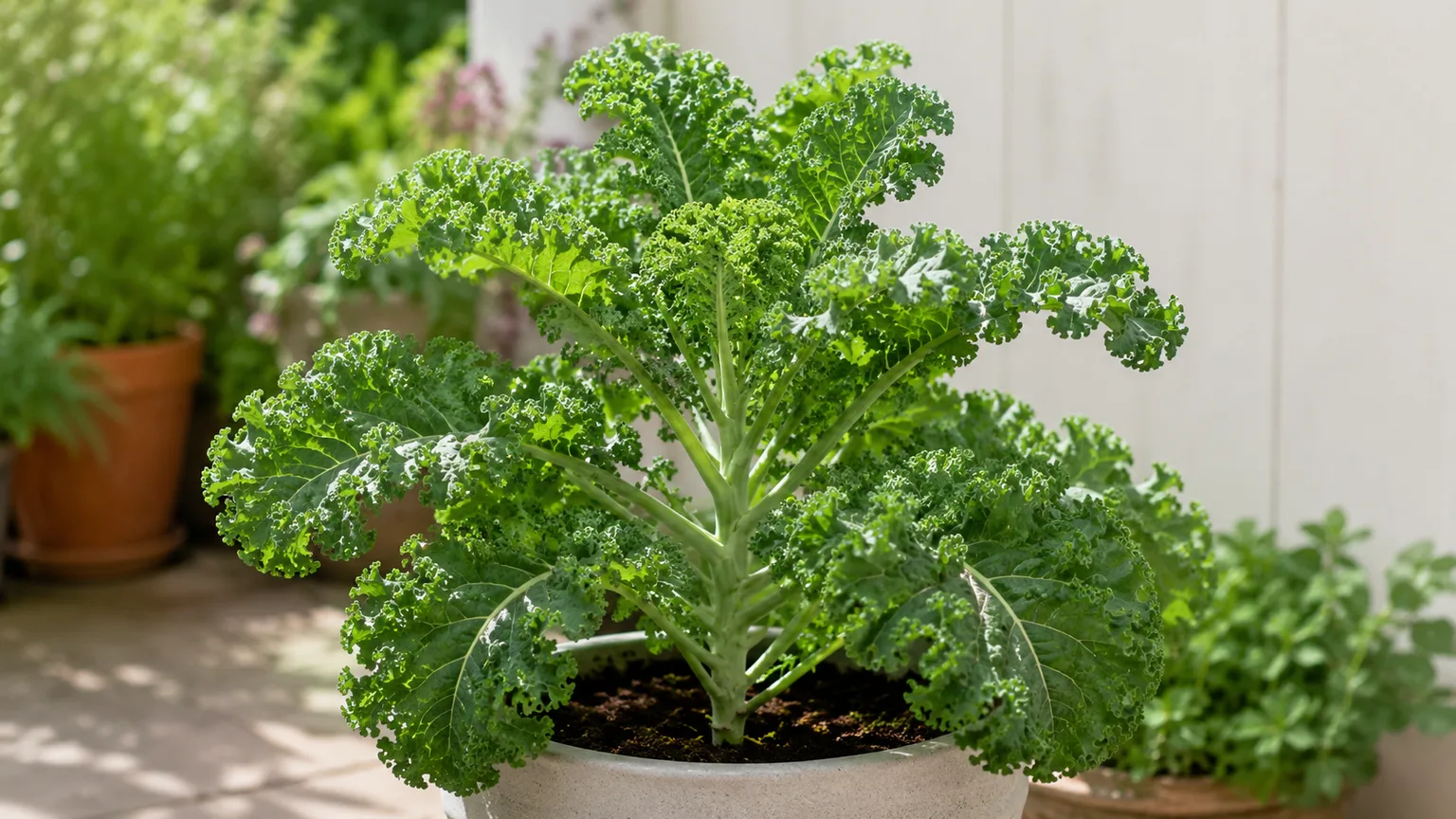
For a small bed, transplant broccoli or cabbage at the spacing recommended for the variety, then sow radishes or baby lettuce in the gaps only if you can harvest them before the brassica canopy closes. Put dill and cilantro at the end of the row, where their flowers are easy to reach and their stems will not lie across the brassica leaves. Chives can sit along a path-side edge, where their clumps stay manageable.
Do not interpret “herb companion” as “pest control.” Brassicas still need frequent inspection for eggs and caterpillars, and row cover is often more dependable for excluding pests while plants are young. A mixed bed can help you spot movement and host beneficials, but it cannot repair a neglected crop.
Greens with fast root crops
Spinach, lettuce, arugula, and mustard greens work well with radishes, baby beets, scallions, and short carrots because the harvest windows overlap without being identical. Radishes are particularly useful as row markers: they germinate quickly, show you where slower seedlings are located, and can be pulled before the greens need more room.
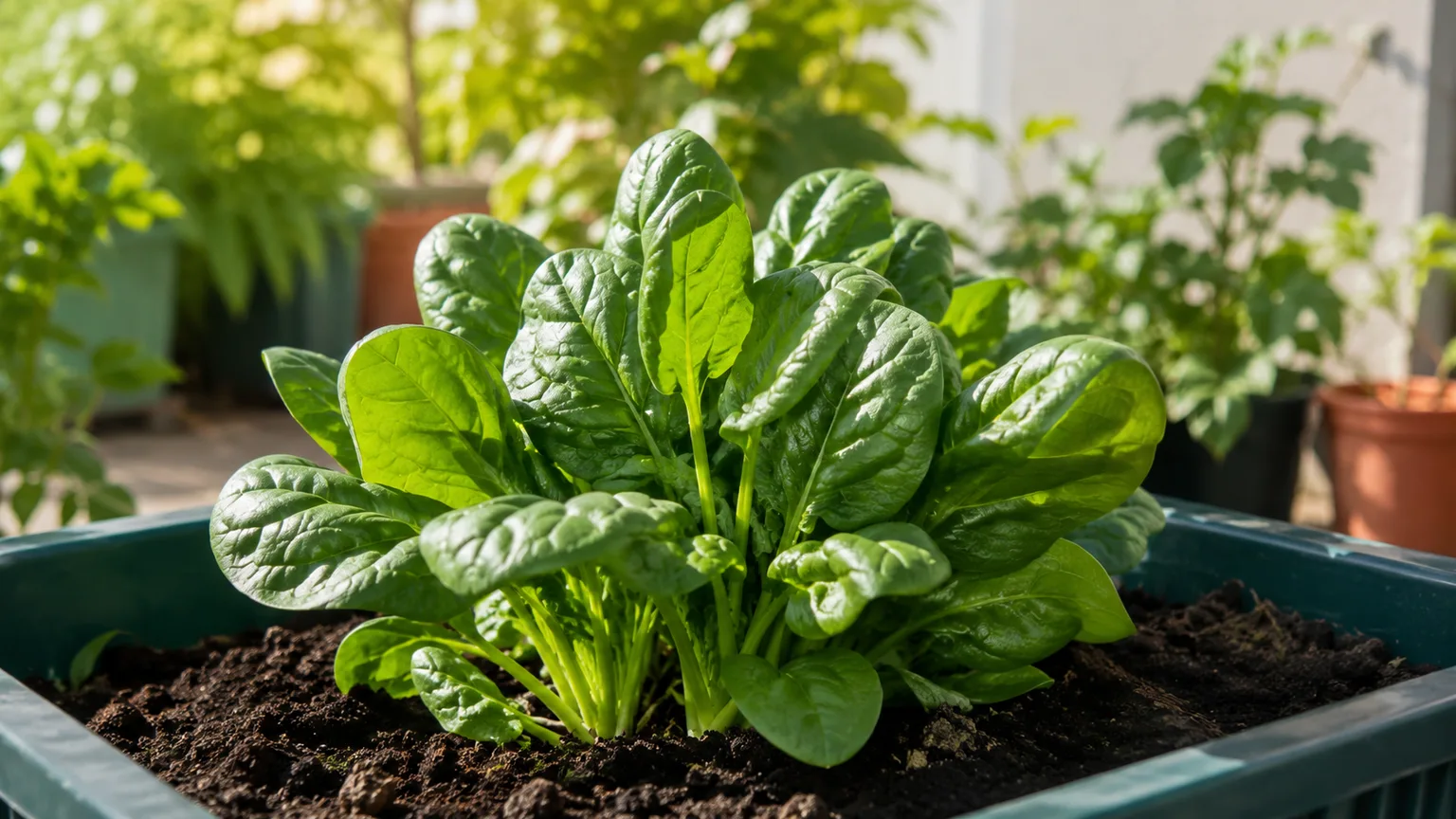
Sow the crops in alternating narrow bands rather than mixing every seed in one furrow. A practical arrangement is a 4-inch band of spinach beside a radish row, with carrots in a separate band where you can thin them properly. Keep the greens harvested so they do not become a solid, damp mat. If fall weather turns wet, airflow and access matter more than squeezing in another succession.
Kale and spinach can share a bed, but consider their different scales. A kale plant may occupy a wide footprint for months, while spinach is a short-lived crop that can be cleared after several cuttings. Plant the spinach where it receives light early, and treat it as a planned understory—not a permanent carpet under a brassica.
Peas and beans for timing and structure
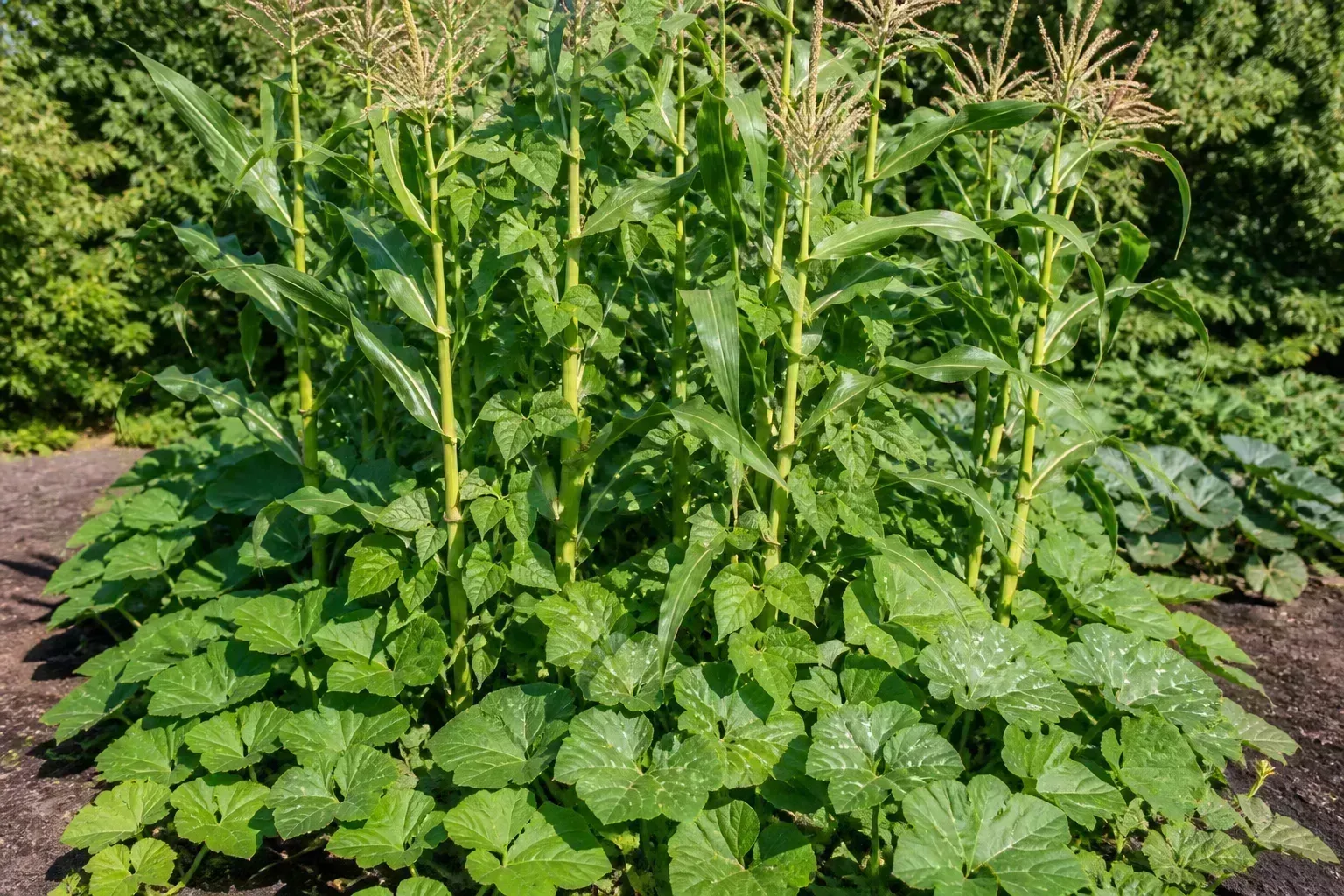
Peas are natural fall companions in climates where there is enough time for vines to establish before cold weather. They can climb a trellis on the north side of a bed while spinach or lettuce uses the sunny side. In a mild region, bush beans may also fit an early-fall window, but do not choose them if your frost date is too close for a worthwhile harvest.
Legumes form relationships with rhizobia bacteria in root nodules and can fix atmospheric nitrogen. That is an important biological process, but it is often overstated in companion-planting advice. A living pea does not instantly feed a neighboring kale plant through the soil. Much of the fixed nitrogen stays in the legume until roots and residues decompose, so the immediate benefit is usually the pea harvest, the trellis use, and the later contribution of plant material.
Keep onions, garlic, and leeks out of the same tight legume row when you are following conservative extension charts; onions and peas are frequently listed as a poor match. The evidence behind every traditional “foe” is not equally strong, but the practical issue is clear: different root systems and harvest disturbance can make close interplanting awkward. Leave a buffer or place alliums in another bed edge.
Flowers for beneficial insects and scouting
Calendula, nasturtium, marigold, dill, cilantro, and sweet alyssum can earn space in a fall garden when they are chosen for bloom timing and mature size. Flowering plants provide nectar and pollen; they can also make pest activity more visible because aphids often gather on particular stems or flowers instead of being scattered invisibly through a crop.
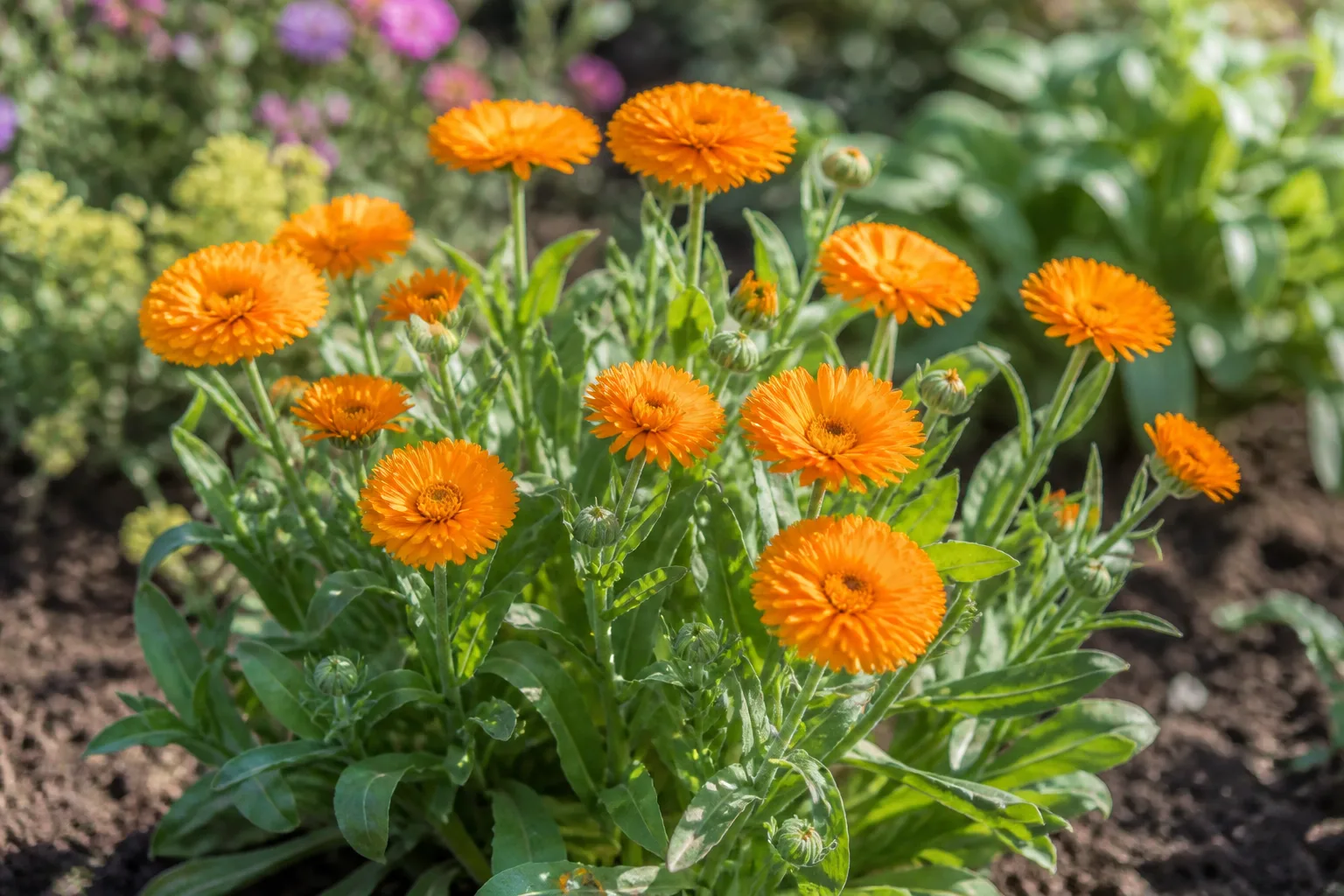
Use flowers in a border, at bed corners, or in a short drift rather than dropping one token plant into every row. If nasturtiums become a trap crop for aphids, you need to inspect them and decide whether to remove the affected growth. If you plant marigolds, treat them as a flowering, diversity-building edge; do not assume a few plants will repel every flea beetle or cabbage worm.
Flower choice should follow your climate. Calendula can continue in cool weather, while basil may stop growing after the first cold night. Dill and cilantro can flower quickly as days shorten or plants experience stress, which is useful for insect habitat but may end their leaf harvest sooner. That is not a failure—just a reason to plant a separate succession for eating and another for flowers.
Pairings to Treat Carefully
Crowded crop families and shared pests
Companion planting is not the same as putting every crop in one bed. Closely related vegetables can share pests and diseases, and a mixed arrangement can make rotation harder. Brassicas such as kale, broccoli, cabbage, and turnips belong to the same broad crop family; grouping them may simplify row cover, but it does not break the disease cycle. Move the family to a different bed in the next season when possible.
Nightshades—tomatoes, peppers, eggplants, and potatoes—are usually summer crops rather than fall companions, but they can still occupy the bed when fall seedlings are being started. Avoid using a declining tomato as a trellis for brassicas if leaves are diseased or the soil is contaminated with a persistent problem. Remove spent plants promptly, and do not let a companion arrangement become an excuse to leave unhealthy debris in place.
Virginia Tech’s chart lists both compatible and incompatible examples, including warnings about crop combinations that share pests or compete for resources. Use such charts as starting points, then check whether the specific crops in your climate will be mature at the same time. Virginia Cooperative Extension’s companion-planting chart is more useful when read as a set of mechanisms than as an infallible rulebook.
Mismatched water, shade, and aggressive spreaders
The most common companion failure is not a chemical conflict. It is a plant becoming too big, too thirsty, too shady, or too difficult to remove. Mint belongs in a container. Trailing nasturtiums need an outer edge. Standard sunflowers can shade greens and compete for water; if you use one, put it where its height is deliberate and do not expect a small vegetable to thrive beneath it.
Alliums, herbs, and flowers also need a buffer from the vegetable crown. A useful rule is to keep small companions at least 6 inches from a young plant’s stem and give larger or spreading plants 12 to 24 inches, then adjust for the variety’s mature width. The right distance is the one that preserves light, airflow, watering access, and harvest—not a universal number printed on a chart.
A Copyable Small Fall-Garden Layout
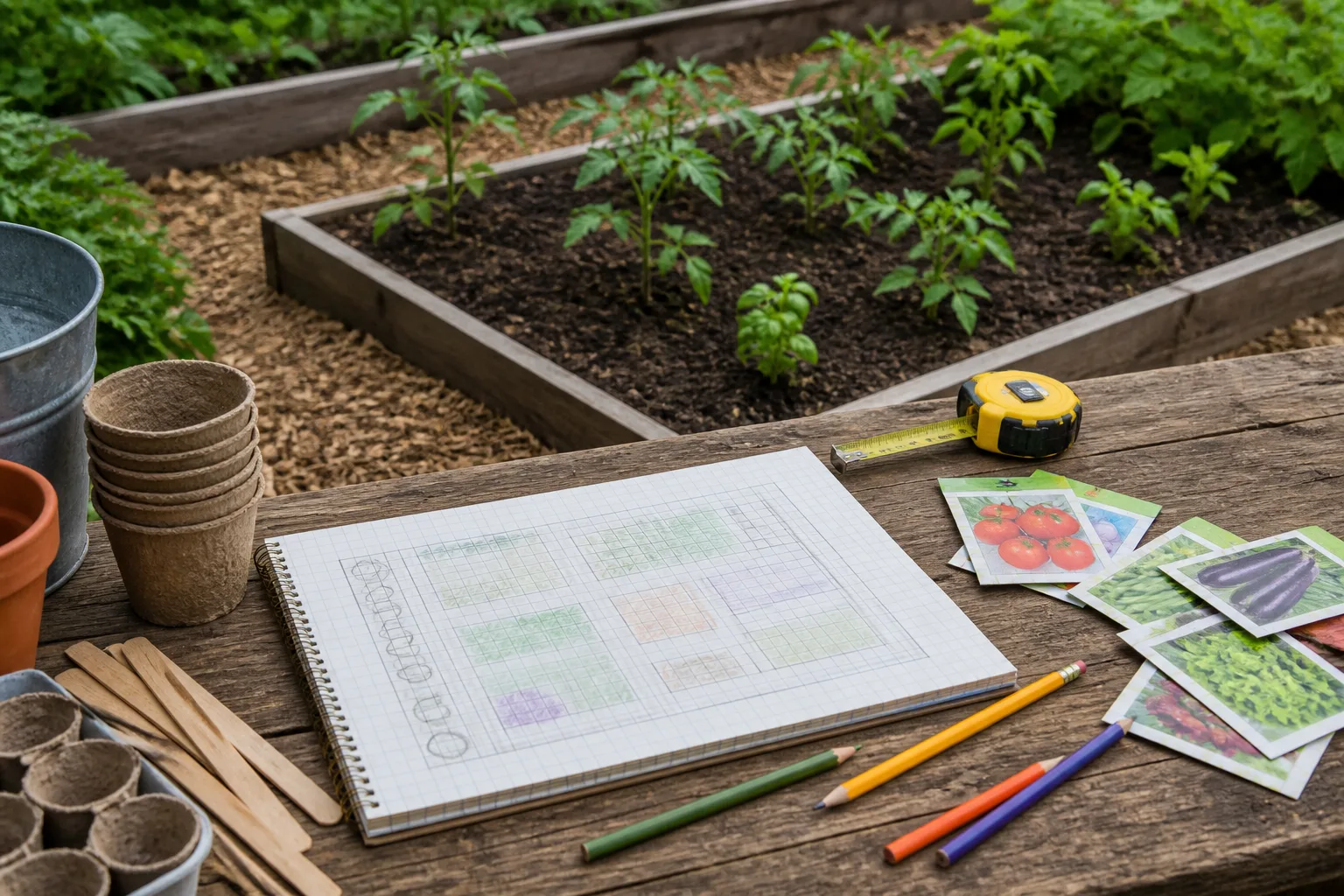
For a sunny 4-by-8-foot bed, put a pea trellis on the north edge if your climate gives peas enough time. Run a row of kale or broccoli 18 to 24 inches in front of it, depending on variety, then use the open spaces between young transplants for baby spinach and radishes. Keep a 6- to 8-inch path-side margin for chives, cilantro, or calendula rather than planting flowers directly against the brassica crowns.
On the south or east side, use two narrow bands of lettuce and spinach followed by a radish succession. Sow a second band of greens two or three weeks later if your season allows. Put carrots and beets in their own carefully thinned row, because thinning is difficult when their seedlings are mixed into a dense salad crop.
This layout gives each companion a job: peas use vertical space, brassicas provide the long harvest, greens occupy the early gaps, roots offer a different harvest layer, and flowers support insect activity at the edge. It also leaves enough access to lift row cover, water the base of plants, and pull a diseased leaf without stepping on the bed.
Timing Companions Around First Frost
Work backward from your expected first frost, then check the maturity range on the seed packet or transplant label. The date is only an estimate, but the sequence is useful. Start the longest-season crop first, add fast companions when the bed still has light, and sow another quick crop only if there is time to harvest it at baby size.
For example, plant or transplant kale and broccoli early enough to establish before nights turn cold. Add radishes and baby greens immediately or a week later, depending on heat and soil moisture. Sow cilantro and dill in small successions so one flush can be harvested while another is flowering. Add garlic for an overwintering crop only where its harvest will not require digging through the main vegetable root zone.
Row cover changes the calculation. It can protect young greens from light frost and reduce insect access, but it also adds warmth and humidity. A covered bed needs ventilation on sunny days and extra scouting for pests that got inside. Companion flowers should not be so tall or dense that they prevent you from removing the cover quickly.
How to Tell Whether a Pairing Helped
Treat one bed as a small experiment. Before planting, write down the crop, variety, sowing date, spacing, first harvest date, and the problem you want the companion to address. Take a quick weekly count of damaged leaves, aphid colonies, missing seedlings, and the number of harvests rather than relying on a general impression.
Compare the companion strip with a short control strip if you have room. A row of kale with calendula beside it and a row of kale without calendula will not produce a publishable scientific trial, but it can tell you whether the flowers are creating extra work or whether you are seeing a repeatable difference in your own yard. Keep weather, row cover, watering, and planting dates as similar as possible.
Measure total edible harvest and maintenance time together. If a companion adds two bowls of cilantro and makes aphids easier to spot but requires weekly trimming, that may still be a good trade. If it produces no useful food, blocks access, and does not change pest pressure, remove it next season. The garden—not the chart—gets the final vote.
When Companion Planting Is Not the Fix
If seedlings are pale and stunted, start with light, roots, water, and fertility before adding another plant. If leaves are being eaten to the veins, use scouting and an appropriate physical or labeled control method instead of expecting marigolds to solve the problem. If disease is spreading, remove affected material, improve airflow, and review crop rotation.
Companions cannot compensate for planting fall vegetables too late, choosing varieties that need a longer season than your climate provides, or placing the bed in winter shade. They cannot replace compost incorporated according to a soil test, consistent irrigation during establishment, or protection from a hard freeze. A bed with one well-timed crop under row cover will often beat a crowded bed with ten “beneficial” neighbors.
The LeafyPixels guide to whether companion planting actually works covers the broader evidence and limitations, while how to plan a vegetable garden layout can help you map sun, paths, and crop-family rotation before you sow. Use the companion idea to improve a sound plan, not to avoid making one.
Conclusion
Companion planting can give you more fall vegetables from the same bed when you use it to stack harvest windows, separate root zones, create useful insect habitat, and spread risk across several crops. The strongest pairings are not magical friendships; they are practical arrangements such as radishes before carrots need room, spinach between larger brassicas, peas on a north trellis, and calendula or cilantro along an accessible edge.
Choose one job, match the neighbors’ light and water needs, preserve airflow, and leave enough room to scout. Then record what you harvest and what you have to maintain. That approach turns companion planting from a promise into a manageable, evidence-aware fall-garden experiment.