Is It Too Late to Winterize Plants? Do This Now
Think you missed the winterizing window? Learn which plants can still be saved, what to do after frost, and how to protect roots, pots, and shrubs now.
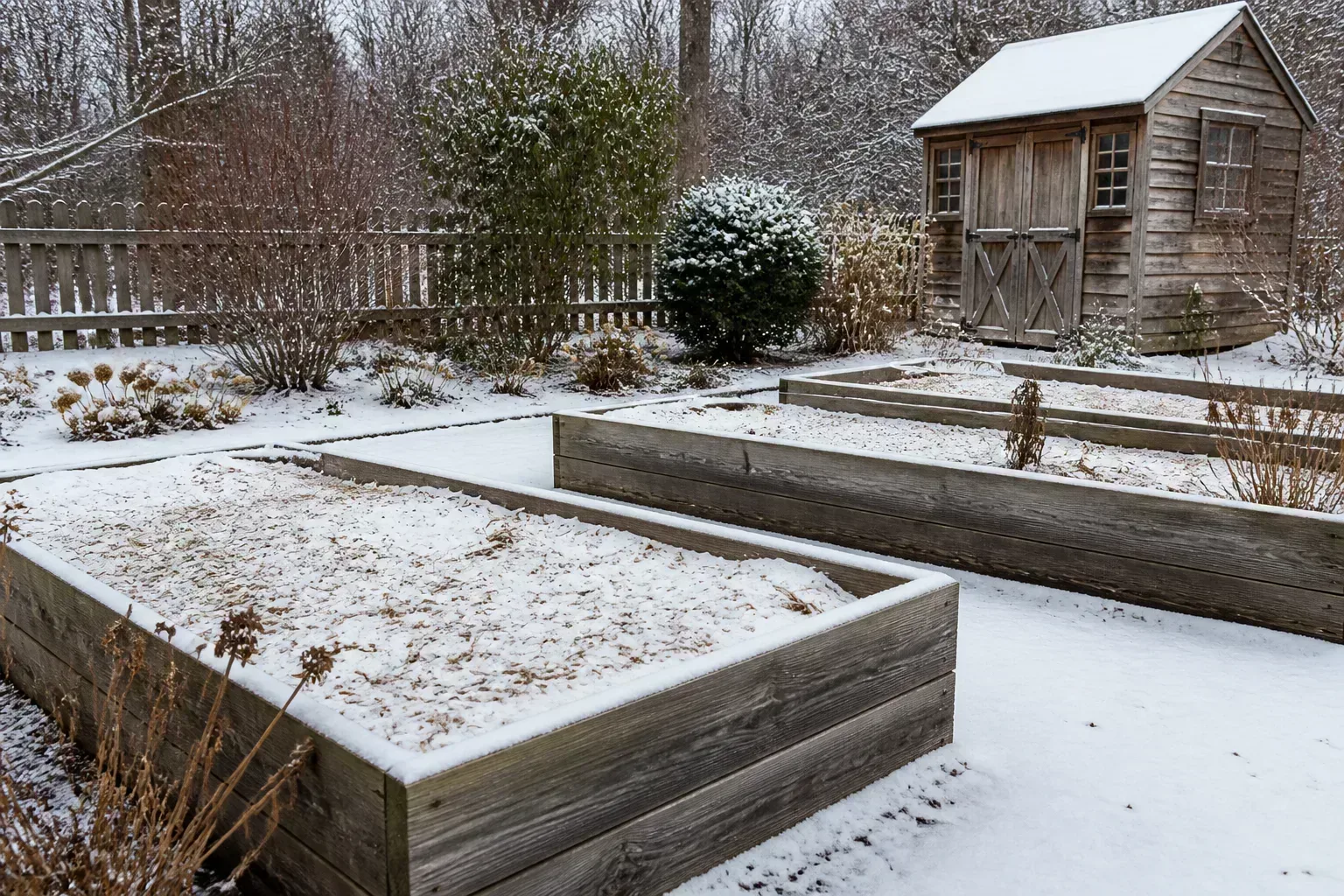
If frost has already touched the garden, you have not necessarily missed your chance. It may be too late to restore a frost-killed annual or tropical leaf, but it is often not too late to protect living roots, dormant crowns, newly planted shrubs, potted plants, and evergreen foliage from the next cold event.
The useful question is not “Did I winterize on time?” It is “Which part of this plant is still alive, what kind of cold is coming, and what protection can still change the outcome?” That shift keeps you from wasting a freezing evening on dead tomato vines while a shallow-rooted perennial, exposed pot, or wind-burned evergreen quietly needs attention.
The quick answer: what you can still save
Late winterizing is worthwhile when a plant is hardy or marginally hardy in your area, still has a living crown or root system, or is vulnerable because it was recently planted or grown in a container. Add root-zone protection, correct water stress, move pots, and use breathable covers before the next frost or freeze. The goal is to reduce stress and temperature swings, not to make an outdoor plant behave as if it were in a heated greenhouse.
Some plants are different. A warm-season annual with black, collapsed stems after a hard freeze is usually finished, while a tropical with frost-wilted leaves may still have a living stem or root ball. Wrapping damaged foliage will not restore it, so wait to cut until you can tell what is dead.
| Plant situation | Is late protection useful? | Best first move |
|---|---|---|
| Warm-season annual already blackened by a hard freeze | Usually no for the plant; harvest anything undamaged | Remove diseased or collapsing material, then protect plants that will return |
| Tropical or tender plant in a pot after a light frost | Often, if the root ball and crown are not frozen | Move it to a frost-free, bright or cool shelter suited to its dormancy needs |
| Hardy perennial, especially newly planted or shallow-rooted | Yes | Water if the soil can absorb it, then stabilize the root zone with loose mulch |
| Evergreen shrub in drying wind | Yes, even if it is hardy | Water during workable weather and install a spaced windbreak |
| Deciduous tree or shrub with dormant buds | Often | Protect roots, guard the trunk from animals, and wait before pruning |
This is consistent with the practical guidance from University of Florida IFAS, which separates pre-freeze protection from post-freeze recovery, and with University of Missouri Integrated Pest Management guidance that winter covers often protect against rapid freezing and thawing rather than simply “keeping a plant warm.”
Triage plants by risk, not guilt
Before you pull out blankets, walk the garden with a phone or notebook. List plants by cold sensitivity, root exposure, age, moisture status, and wind exposure. A mature peony in the ground may need nothing while a supposedly hardy shrub planted last month needs water, mulch, and a guard.
Plants that usually cannot be rescued after frost
Annual vegetables and flowers that are truly frost-tender—tomatoes, basil, impatiens, marigolds, and many summer bedding plants—can lose their growing points and cell structure at the first serious freeze. If stems are water-soaked, black, and limp from the base upward, there is little value in covering them afterward. Harvest firm fruit and seed heads that are still sound, and remove plants that are rotting or carrying obvious disease.
That does not mean every plant with black leaves is dead. Some perennials and woody plants shed damaged leaves while their crown or stems remain viable. A tropical in a container may look terrible above the soil and still be worth moving if the stem is firm and the root zone has not frozen solid. Treat the whole plant—not one ugly leaf—as the unit you are assessing.
Plants that are worth protecting late
Prioritize marginally hardy perennials, newly planted shrubs and trees, shallow-rooted plants, evergreens, and any container plant you cannot replace easily. Roots in the ground benefit from surrounding soil volume; roots in a pot are exposed to cold on every side. A late mulch ring or a move to an unheated but frost-free shelter can matter even after the first frost because the most damaging part of winter may be the repeated freeze-thaw cycle that follows.
Plants that are dormant also have a better chance of benefiting from late protection. You are not trying to keep their stems actively growing. You are trying to keep the crown from heaving out of the soil, reduce moisture loss from evergreen foliage, and prevent an abrupt swing from frozen to warm and back again.
Plants that need protection even when hardy
Hardiness is not a force field. A plant can be rated for your region and still be at risk if it was planted late, sits in a windy corridor, grows in poorly drained soil, or is exposed above ground in a small pot. The site can be colder, drier, or wetter than the zone label suggests.
Give extra attention to broadleaf evergreens, newly planted trees, roses or shrubs near the edge of their hardiness, shallow-rooted strawberries and small bulbs, and plants weakened by drought, pests, disease, or root disturbance. Purdue Extension notes that shallow-rooted plants and new specimens are especially vulnerable to root heaving when soil temperatures swing sharply.
Check the plant, soil, and forecast before acting
The same low temperature can create very different damage in two yards. A clear, calm night allows radiational cooling at the soil and leaf surface; wind during a cold spell increases drying; a low pocket collects cold air; a south-facing wall can provide stored heat. Check the forecast for several nights, wind, cloud cover, and the number of hours below freezing instead of reacting to one temperature number.
Then check the soil. Push a finger or a hand trowel into the root zone if it is workable. Dry soil is a risk for roots and evergreens, but saturated soil is also a problem because cold, airless conditions damage roots. Do not turn a late rescue into a muddy excavation project.
Frost, freeze, and a damaging winter pattern
Frost is ice that forms on plant surfaces; a freeze is a period when air or plant tissue falls below the plant’s tolerance. A light frost may ruin basil leaves while leaving a dormant perennial untouched. A prolonged freeze can damage roots, woody stems, and pots, especially when there is little insulating snow and the plant has been stressed.
The most useful way to plan is to match the protection to the event. Use a fabric cover for a short frost, root-zone mulch for repeated soil swings, a windbreak for drying winds, and a protected location for a tender container. UF/IFAS explains that covers are generally more effective against frost than against extreme cold, and that plastic touching foliage can worsen injury.
Use hardiness zone as a filter, not a promise
Your plant’s hardiness rating is a starting point for deciding whether it belongs outside, in a cool shelter, or indoors. It does not account for every patio, balcony, exposed hill, wet clay bed, reflective wall, or sudden weather change. A plant that is hardy in the ground may need protection in a container because its roots do not have the same soil insulation.
If you do not know a plant’s rating, look up the species or cultivar before you improvise. For a borderline plant, make the conservative choice when the root zone is small, the forecast is unusually cold, or the plant is newly installed. The cost of moving one pot or adding a loose mulch ring is usually lower than discovering in spring that the root crown froze.
The first-aid sequence for the next 24 hours
When a frost or freeze is close, use this order so the highest-risk plants receive help before you run out of daylight:
- Move tender containers first. Put tropicals, citrus, tender herbs, succulents, and summer annuals in an appropriate protected space before the root ball freezes. A heated room suits plants that need to keep growing; a frost-free garage or basement suits plants that need a cool dormant rest.
- Harvest what cold can ruin. Pick ripe tomatoes, peppers, figs, herbs, and other usable produce before the event. Harvesting is more productive than trying to save already damaged fruit under a cover.
- Check moisture. If a bed or pot is dry and the soil can absorb water, give it a slow, thorough drink. Skip this step if the mix is frozen, waterlogged, or about to receive heavy rain.
- Protect the most exposed roots. Add loose organic mulch around dormant perennials and newly planted shrubs, leaving crowns and trunks uncovered.
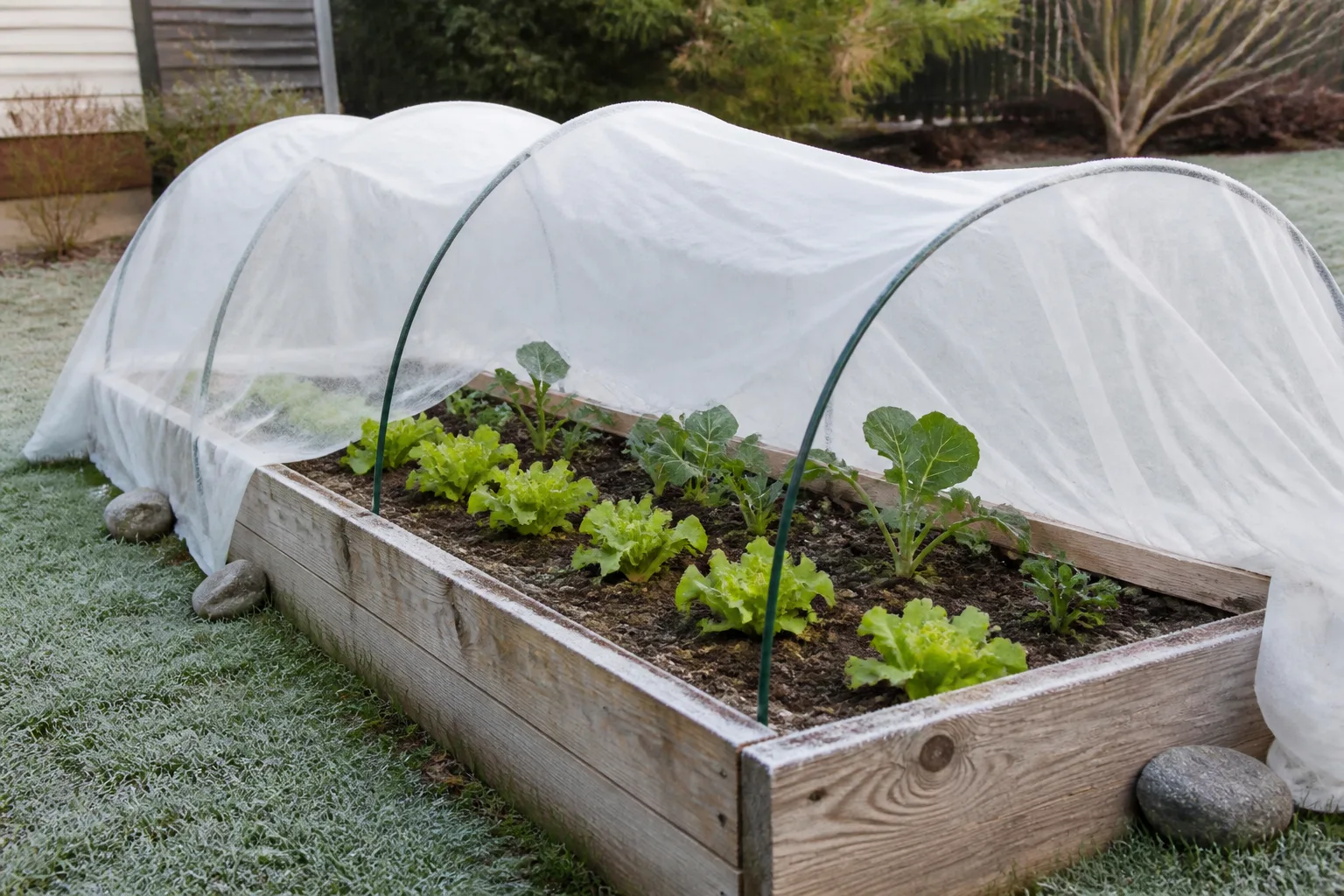
- Cover foliage that is still worth saving. Use fabric over hoops or stakes, extend the edges to the soil, and anchor them. Do not let the material rest on tender leaves if you can create a frame.
- Install animal and wind protection. Place guards around young trunks and a spaced burlap screen on the windward side of exposed evergreens.
This order also works when winter has already started. If you have only an hour, spend it on containers, new plantings, and marginal plants.
Water only when the root zone can use it
Water is not a magic antifreeze, but dry roots enter cold weather with less margin. Moist soil can absorb and release heat more gradually than dry soil, and adequate moisture helps evergreens replace some of the water they lose through needles or leaves. Give water slowly at the root zone rather than spraying foliage and creating an ice coat.
The timing and drainage matter more than the size of the watering can. Water when the soil is unfrozen and the plant can drain. If water puddles around the crown, wait for a better window and improve drainage later; prolonged saturation can injure roots just as surely as drought.
After a freeze, inspect the soil or container mix before watering again. If the surface is frozen but the root zone below is dry, wait until water can enter rather than pouring onto a hard crust and letting it run away. On a bright day after a freeze, a slow watering may help make moisture available and thaw the medium, but do not leave the plant standing in a full saucer.
Stop using the summer watering calendar once plants are dormant. Check moisture during thaws, especially for evergreens and sheltered containers, but do not keep cold, inactive roots constantly wet. The right question is always whether the root zone is dry enough to need water and warm or permeable enough to receive it.
Add mulch after dormancy to stabilize roots
Winter mulch is a temperature stabilizer, not a cozy blanket that should warm a plant into new growth. It reduces the speed and range of soil temperature changes, helping prevent roots from being pushed upward by repeated freezing and thawing. That is especially helpful for shallow-rooted plants, small bulbs, and new transplants.
For most dormant plants, apply about 2 to 4 inches of loose organic material such as straw, pine needles, or bark chips. Purdue’s winter-mulch guidance recommends waiting until plants are completely dormant and temperatures are consistently below freezing so an early, wet cover does not smother growth or encourage disease. If the plant is already dormant and the window was missed, adding it after the holidays can still be useful.
Choose the material for the plant. Pine needles, straw, and airy evergreen branches allow more air and light around plants that retain green growth. Dense compost, wet leaves, and heavy layers can press down tender crowns. Missouri Extension notes that stiff oak leaves can work when held in place, while soft leaves that collapse into a soggy mat may suffocate small plants or shoots.
Spread the mulch over the root zone, not against a trunk or directly over a crown that needs air. Keep a visible gap around woody stems. BBC Gardeners’ World Magazine recommends preparing and watering the soil first, then laying mulch without smothering lower stems. In spring, pull back excess material gradually as growth resumes instead of leaving a wet mound over emerging shoots.
Protect pots from the sides and bottom
A pot changes the winter equation. In-ground roots are surrounded by a large mass of soil; container roots sit in a limited volume that can freeze from the sides, warm quickly in sun, and heave or stay wet as conditions change. The plant may be hardy in your ground and still be vulnerable on an exposed deck.
Move tender containers to the right destination. A tropical foliage plant needs warmth and bright light if you expect active winter growth. A dormant geranium, dahlia, fig, or similar tender perennial may prefer a cool, dark, frost-free garage or basement with sparse watering. Do not put a dormant plant in a warm sunny window and assume more light is always better; premature growth can be weak and difficult to maintain.
For hardy containers that must stay outside, group them close together in a sheltered location, protect the pots from wind, and keep drainage holes clear. Wrap the container—not the foliage—with burlap, bubble wrap, an old blanket, or another breathable insulating layer, while still allowing excess water to drain. Elevate pots off frozen pavement where practical, and remove saucers that would hold cold water against the base.
Pot material matters too. Terra-cotta and ceramic can crack when wet material freezes and expands; flexible plastic, wood, metal, and composite pots generally tolerate the cycle better, though they do not automatically insulate roots. Homesteading Family’s container-overwintering guide describes two useful late-season options: plunge the pot into the ground and cover the exposed top with mulch, or wrap and group the pot in a sheltered space.
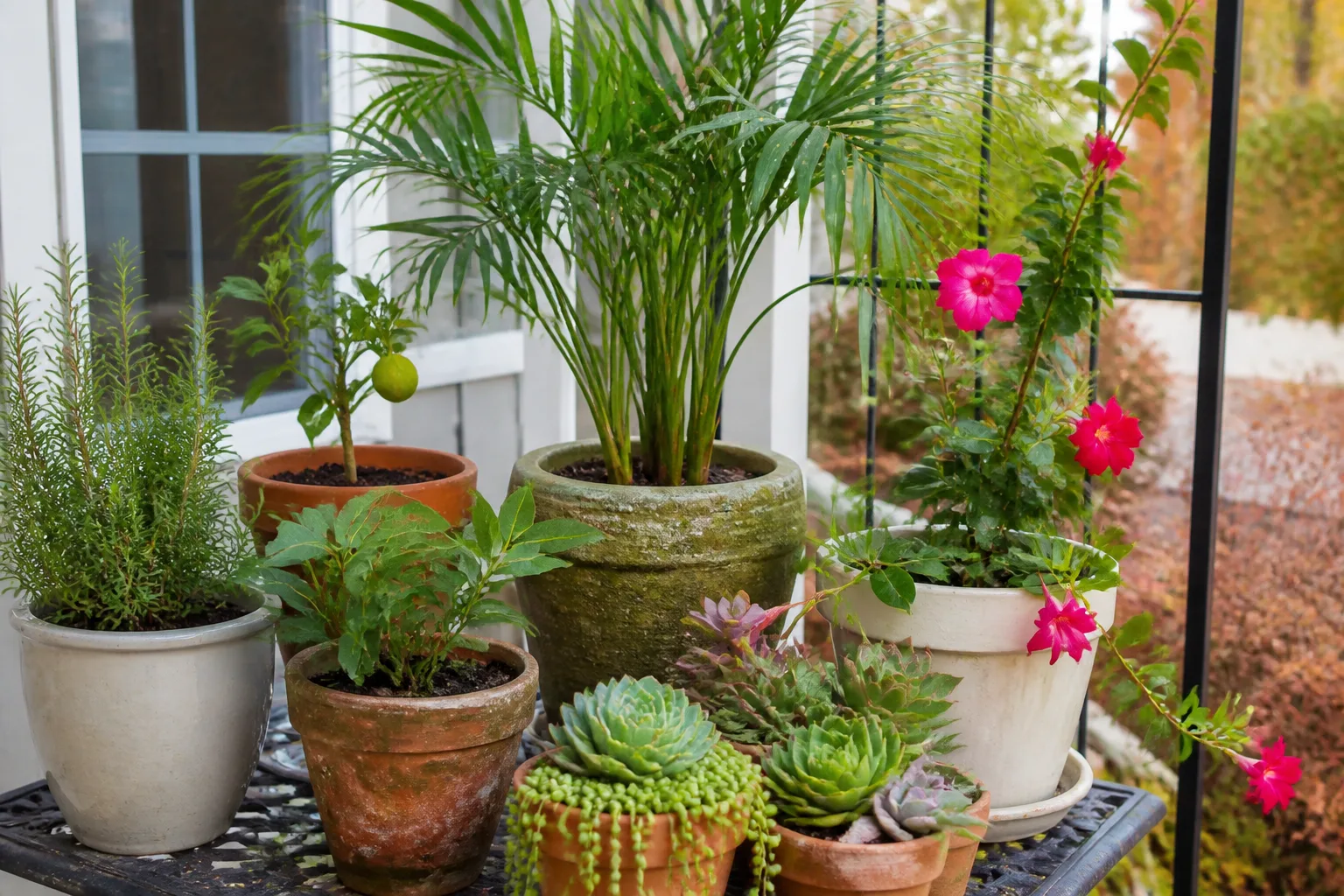
If you bury a container, use a well-drained location and cover the pot completely with soil. Do not bury it in frozen or saturated ground; late action should improve the root zone, not trade cold exposure for rot.
Use covers and burlap without trapping damage
For a short frost, a supported fabric tent is one of the most useful interventions. Place hoops, stakes, or a cage over the plant, drape frost cloth, a sheet, or a light blanket over the frame, and anchor the edges at ground level. The soil is the heat source you are trying to retain, so a cover that floats above the plant but leaves a gap at the bottom is less effective than one sealed to the soil.
Breathable fabric is the safest default because it allows some air exchange and can stay in place briefly without creating the same trapped-condensation problem as plastic. If plastic is your only option, keep it off leaves with a frame, vent or remove it during the day, and never let sun heat a sealed tunnel after the cold event has passed. The leaves touching plastic can be colder and more damaged than leaves under a properly supported cover.
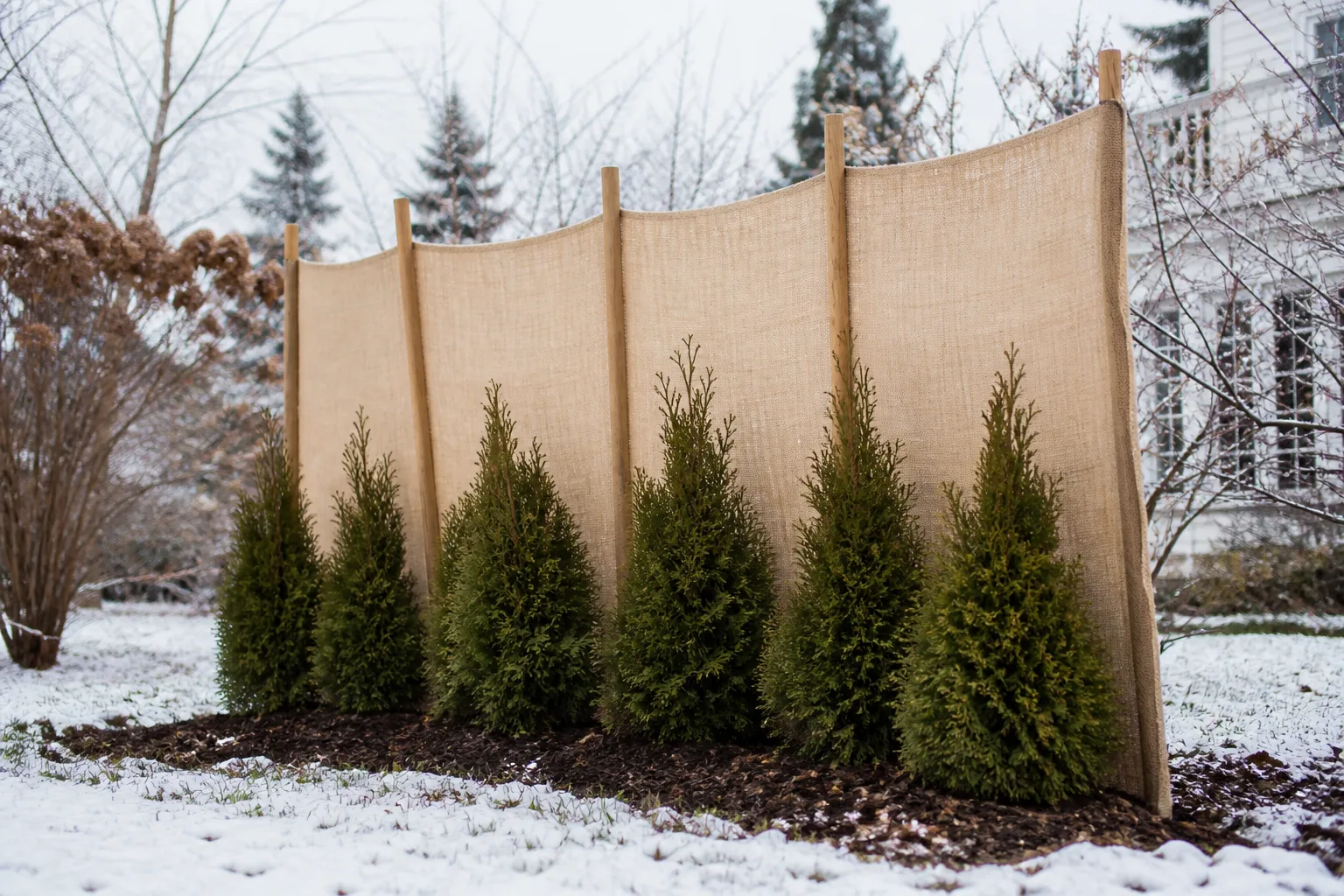
Burlap has two different jobs. A loose burlap screen between posts can slow drying wind before it strikes an evergreen. A tight burlap wrap around the entire plant may rub branches, restrict airflow, trap wetness, and provide little protection against a deep freeze. Wrap only when the plant and climate justify it, and leave room for air movement.
Do not keep an opaque cover on for days just because the weather remains cold. Check for condensation, broken stems, rodent activity, and rising daytime temperatures. Re-cover before the next freezing night, then remove or vent when the plant can safely receive light and airflow.
Shield evergreens, young trees, and wildlife targets
Evergreens can lose water all winter through needles and leaves, even when the surrounding soil is cold. Drying wind and bright winter sun make that loss harder to replace, particularly for newly planted evergreens with small root systems. Water during mild, workable periods, mulch the root zone, and use a windbreak on the side facing the prevailing wind rather than swaddling the whole canopy by default.
Young trees and shrubs also need protection from animals when snow covers other food. Rabbits can chew bark near the ground; deer may browse branch tips or rub against slender trunks. A physical guard or sturdy fence is more dependable than a scented home remedy, and it should stand far enough away that the animal cannot reach through it. Check after snowfalls because damage can happen when you are focused only on temperatures.
Do not pile mulch against tree trunks. That creates a damp, protected space for rodents and can keep bark wet. Make a broad, shallow ring over the feeder roots, then keep the trunk base visible. This is a small detail with a large payoff: root insulation and trunk ventilation are separate jobs.
Winter windbreaks also have limits. UF/IFAS notes that barriers help most during drying, windy freezes, while they do less during a still, radiational freeze. Use a screen because the site is exposed, not because burlap is a seasonal uniform every plant must wear.
Clean up selectively and leave useful habitat
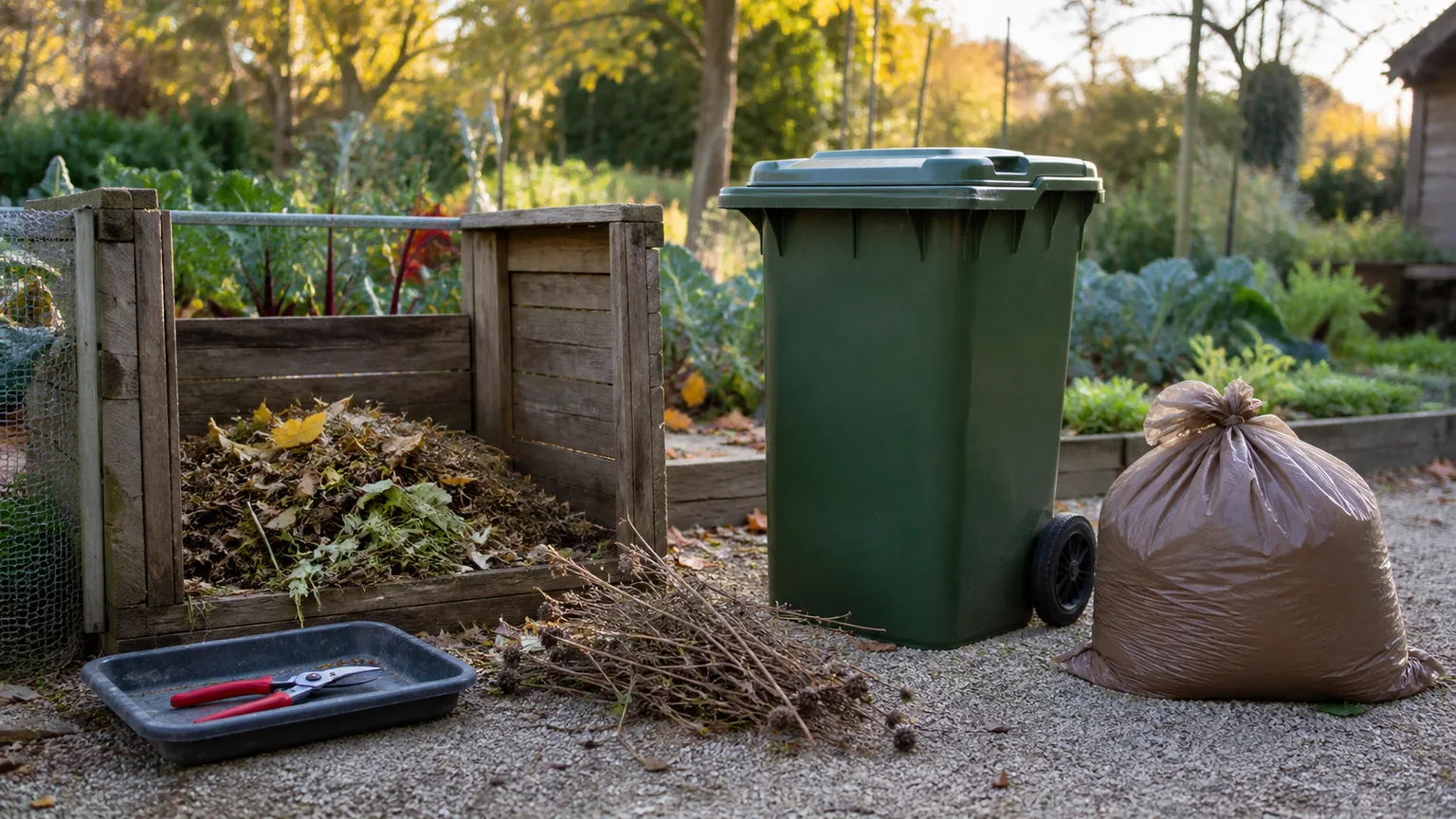
Late cleanup is still worthwhile, but “clean” should not mean stripping every stem from the garden. Remove annuals that have collapsed, weeds that are carrying seed, and plant debris that is clearly diseased or infested. Bag or dispose of material when leaving it in place could preserve a serious pest or pathogen; do not add questionable debris to a compost pile you plan to use around healthy plants.
Sound perennial stems and seed heads can provide winter structure, food, and shelter for wildlife. They also help identify where dormant crowns are located so you do not step on them or bury them under a heavy, wet layer. Cut them back during a dry thaw if they are diseased, hazardous, or likely to rot against a crown, but do not make an aesthetic cleanup the first priority during an approaching freeze.
Cleaning the soil surface also helps you see what needs attention: remove rotting fruit, clear space for trunk guards, and check that leaves are not forming a dense mat over small plants. Gardeners’ World’s mulch guidance similarly warns that a thick or poorly placed organic layer can block emerging growth.
What not to do this late
The panic response is often more damaging than the missed deadline. Avoid these common late-season mistakes:
- Do not fertilize with nitrogen to “help plants fight winter.” A late flush of soft new growth is more vulnerable to cold. Feed according to the plant’s normal schedule when growth resumes, not when a freeze is already on the forecast.
- Do not prune every brown leaf immediately. Brown foliage can be ugly without telling you whether the crown or branch is alive. Leaving some damaged tissue in place can also help you see the boundary between living and dead wood later.
- Do not put plastic directly on foliage. It can conduct cold to leaves, trap condensation, and overheat plants when the sun returns. Use fabric or a frame whenever possible.
- Do not bury a warm, actively growing crown under a wet blanket of mulch. Winter mulch belongs after dormancy; use airy material over or around the plant only when the species and local practice call for it.
- Do not overwater frozen or saturated soil. Cold roots need oxygen as well as moisture. Wait for a thaw or better drainage window if water cannot enter and move through the root zone.
- Do not wrap every hardy shrub tightly. Unnecessary covers can rub branches, catch snow, and create damp conditions. Protect the exposed side, roots, trunk, or pot that actually has a vulnerability.
- Do not dig frozen or waterlogged soil. You can damage roots and compact the bed when it is least able to recover. Use the time for moving containers, staging covers, and checking guards instead.
These limits are why late winterizing is a triage exercise rather than a race to copy every fall checklist. The right intervention is the smallest one that addresses the actual risk.
After the freeze: assess before pruning
Wait before you decide a plant is dead. Frozen leaves may turn brown over several days, and woody damage can remain hidden until buds attempt to break. UF/IFAS recommends removing dead leaves once they are brown but postponing severe pruning until new growth appears, so you do not cut away living wood that looked damaged on the first morning.
For deciduous shrubs and trees, inspect the branch structure during a thaw, but avoid making a large cut based on color alone. A branch that is flexible, has firm buds, or shows live tissue farther along may still recover. If a small section under the outer bark is clearly brown or black rather than green, mark it and reassess in spring; do not keep scraping the plant in multiple places.
For perennials, wait for the crown to show its hand. A dead top does not prove the roots are dead. Keep the root zone evenly—not constantly—moist when conditions allow, maintain protection against repeated heaving, and watch for new shoots as temperatures stabilize.
Containers deserve a separate check. Look for a frozen or waterlogged root ball, cracked pottery, split stems, and sudden leaf drop after a move indoors. A plant can lose leaves from a light, temperature, or humidity change and still recover. Place it in the right temperature and light, isolate it from other houseplants while you inspect for pests, and reduce watering rather than compensating for leaf loss with more water.
Some plants are finished. If a tender annual is collapsed from the crown and has no healthy tissue to harvest or propagate, remove it and use the time to protect plants that can return.
A simple winter rescue checklist
Use this abbreviated list when the season has already turned cold:
- Identify what is tender, newly planted, potted, shallow-rooted, evergreen, or wind-exposed.
- Move plants that cannot tolerate the forecast into a suitable frost-free space.
- Harvest usable tender crops before the next event.
- Water dry soil only when it is unfrozen, absorbent, and well drained.
- Add 2–4 inches of loose mulch around dormant roots, not crowns or trunks.
- Cover worthwhile foliage with supported fabric that reaches the ground.
- Use burlap as a spaced windbreak when drying wind is the problem.
- Guard young trunks from rabbits and deer.
- Remove diseased or collapsing debris, but leave sound habitat when appropriate.
- Wait for new growth before making severe frost-damage cuts.
If you have more plants than time, protect in this order: tender containers, newly planted and marginal plants, exposed evergreens, shallow-rooted perennials, then everything else. That sequence gives late work the best chance of changing spring’s outcome.
Conclusion
It is not automatically too late to protect your plants this winter. Frost may have ended some annuals, but late action can still protect roots, crowns, dormant buds, container plants, evergreens, and young trees from the next stage of cold.
Start with triage, then match the tool to the risk: move tender pots, water dry but drainable soil, mulch dormant root zones, cover living foliage with breathable fabric, screen drying wind, and guard young trunks. After a freeze, wait for evidence before pruning. A calm, targeted response now is more useful than an elaborate winter blanket applied to the wrong plant.



