20 Lavender Companion Plants for a Low-Maintenance Garden
Find the best lavender companion plants for a low-maintenance garden, from rosemary and thyme to pollinator perennials, plus spacing and watering trade-offs.
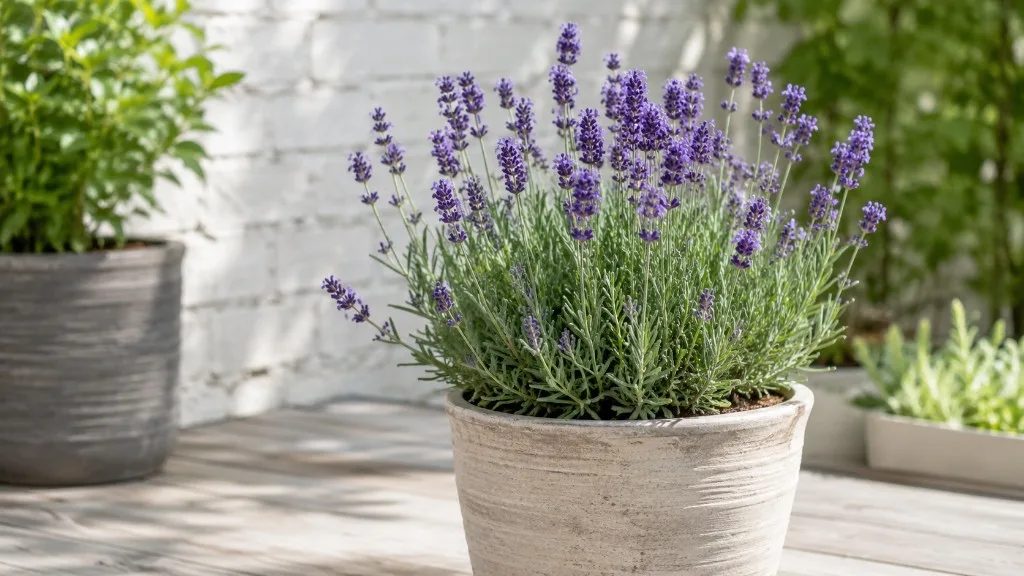
Lavender companion plants should fit the lavender bed, not just look pretty beside it. The best neighbors can handle full sun, fast drainage, modest fertility, and a watering pattern that becomes fairly dry after lavender establishes. They also stay small enough to preserve airflow and do not turn the bed into a tangle of roots, runners, or shade.
That definition changes the list. Rosemary, thyme, sage, yarrow, catmint, sedum, and blue fescue are naturally easy matches. Roses, strawberries, bell peppers, and jasmine can work, but they usually need more regular moisture or richer soil, so they belong in a separate irrigation pocket rather than directly in the same dry zone. And lavender’s strong aroma is not a substitute for inspecting plants or managing pests responsibly.
The guide below gives you 20 options, explains the job each plant can do, and flags the combinations that look compatible on paper but create extra work in a real garden.
The Compatibility Test: What Lavender Neighbors Must Share
A good companion plant passes five checks. It likes the same light, tolerates the same drainage, survives the local winter or can be treated as an annual, fits the lavender’s mature spread, and does not require you to keep the whole bed constantly moist. If a plant fails two of those checks, it may still be attractive nearby, but it is not a low-maintenance companion.
Companion planting is often described as if plants exchange invisible favors. In practice, the dependable benefits are more ordinary and more useful: you can prepare one kind of bed, group plants with similar irrigation needs, keep soil covered with living foliage, extend bloom season, and create better habitat for insects. Practical pairing lists from Epic Gardening and Plant Addicts are most convincing when they follow that shared-care logic.

Do not treat lavender as a chemical shield. Its fragrance may be noticeable to people and some insects, but planting it beside a rose or pepper does not guarantee that aphids, whiteflies, deer, or rabbits will stay away. Use healthy plants, inspect leaves, remove badly affected growth, and choose the least disruptive control that fits the pest and the label.
Before You Plant, Check Sun, Soil, and Water
Full Sun Is Nonnegotiable
Give lavender at least six hours of direct sun; eight hours is even better in humid or rainy climates. Shade from a fence, shrub, or tall companion can turn an airy, dry bed into a damp pocket where lavender becomes thin and short-lived. Put taller plants behind lavender when viewed from the main approach, and check the angle of midsummer sun before you dig.
The Royal Horticultural Society’s lavender growing guide describes lavender as a sunny, free-draining shrub and warns against cold, damp positions. That is the key filter for every plant in this list: “full sun” on a label is not enough if the plant also expects rich, moisture-holding soil.
Drainage Beats Rich Soil
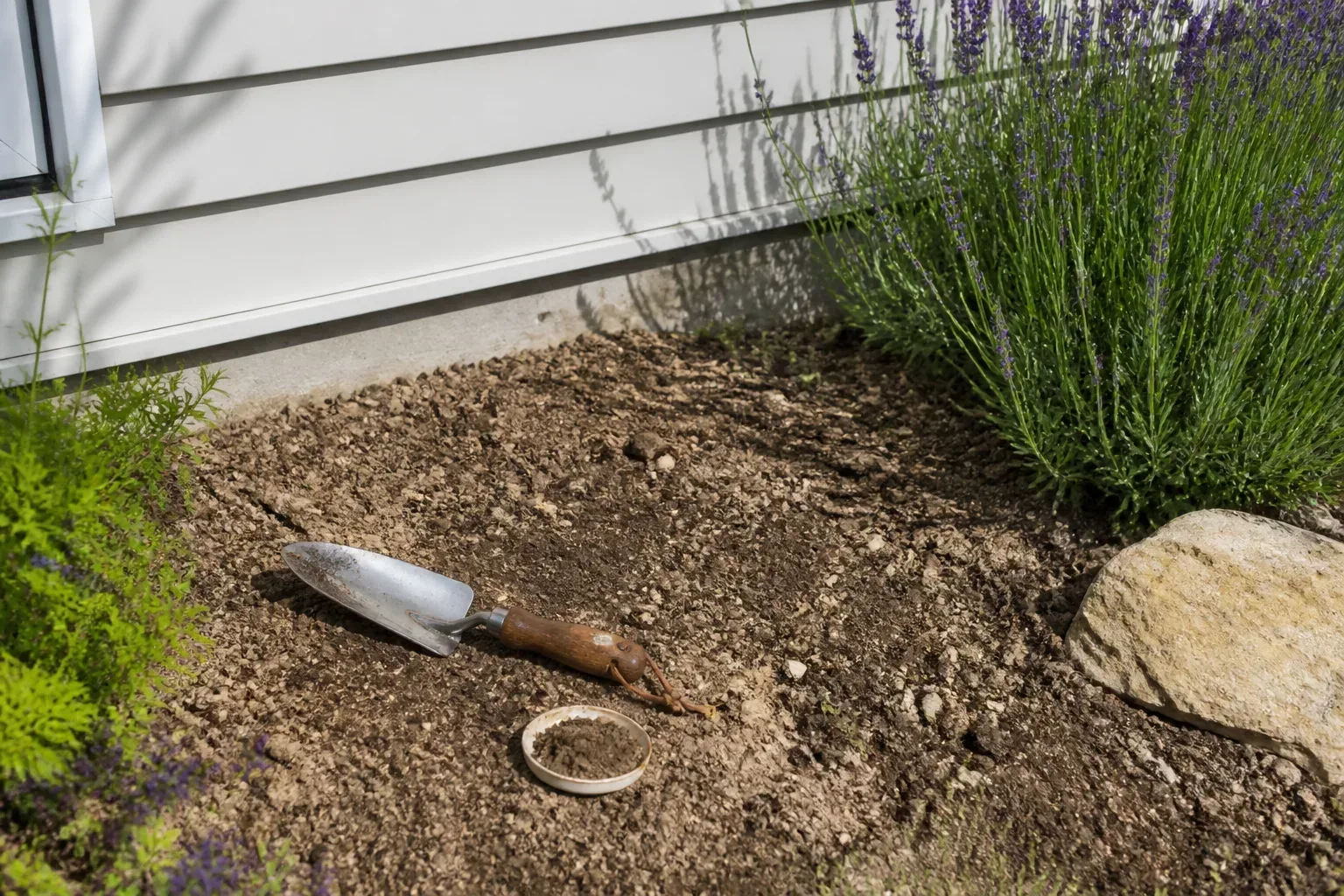
Lavender prefers poor to moderately fertile soil that drains quickly. If your soil is heavy clay or stays wet after rain, do not try to solve the problem by adding a little grit to the top few inches and hoping for the best. Build a raised bed, plant on a broad mound, or use a container with generous drainage holes; a root zone that remains saturated is a site problem, not a fertilizer problem.
Test the bed before buying 20 plants. Dig a hole about 12 inches deep, fill it with water, let it drain, and fill it again. If water is still standing the next day, move the lavender to higher ground or improve the bed structure before you add companions. In a mixed planting, keep the driest plants on the highest or fastest-draining shoulder and put thirstier plants where a separate drip line can reach them.
Lavender types also differ. English lavender and lavandin are generally more dependable in cold gardens, while French and Spanish types are often better treated as tender container plants outside mild climates. Match the companion’s winter hardiness to the actual lavender cultivar on your tag instead of assuming every plant sold as “lavender” has the same limits.
20 Lavender Companion Plants at a Glance
| Plant | Best job beside lavender | Water fit after establishment |
|---|---|---|
| Rosemary | Evergreen herb and scent-garden anchor | Close match; protect in colder climates |
| Sage | Edible, textured Mediterranean herb | Close match |
| Thyme | Low edging or living groundcover | Close match |
| Oregano | Edible edging and pollinator plant | Close match |
| Yarrow | Drought-tolerant pollinator perennial | Close match |
| Catmint | Long-flowering border filler | Close match |
| Sedum | Low, heat-tolerant flower and foliage filler | Close match |
| Coneflower | Upright pollinator color | Moderate; separate from the driest pocket if needed |
| Black-eyed Susan | Late-summer gold and seedheads | Moderate; water while establishing |
| Coreopsis | Long flowering and fine texture | Dry to moderate, depending on cultivar |
| Blanket flower | Heat-tolerant red-and-yellow color | Close to moderate |
| Blue fescue | Cool blue texture and structure | Close match |
| Allium | Spring-to-early-summer vertical accent | Close match once bulbs are established |
| Red hot poker | Bold warm-colored flower spikes | Close to moderate; needs room |
| Red valerian | Long bloom season on dry banks and walls | Close match |
| Zinnia | Quick annual color and insect activity | Moderate; irrigate the root zone, not the lavender |
| Rose | Fragrance and height in a classic border | Conditional; usually thirstier and hungrier |
| Strawberry | Edible ground layer and spring flowers | Conditional; needs more even moisture |
| Bell pepper | Pollinator-friendly edible crop nearby | Conditional; needs regular watering and fertile soil |
| Jasmine | Fragrance and vertical screening in warm climates | Conditional; can outgrow or shade lavender |
The table is a starting filter, not a command to plant all 20 together. A low-maintenance bed usually combines three to six plants with the same water fit, then places the conditional choices in their own pocket or container.
Dry-Bed Herbs That Can Share Lavender’s Routine
Rosemary, Sage, Thyme, and Oregano
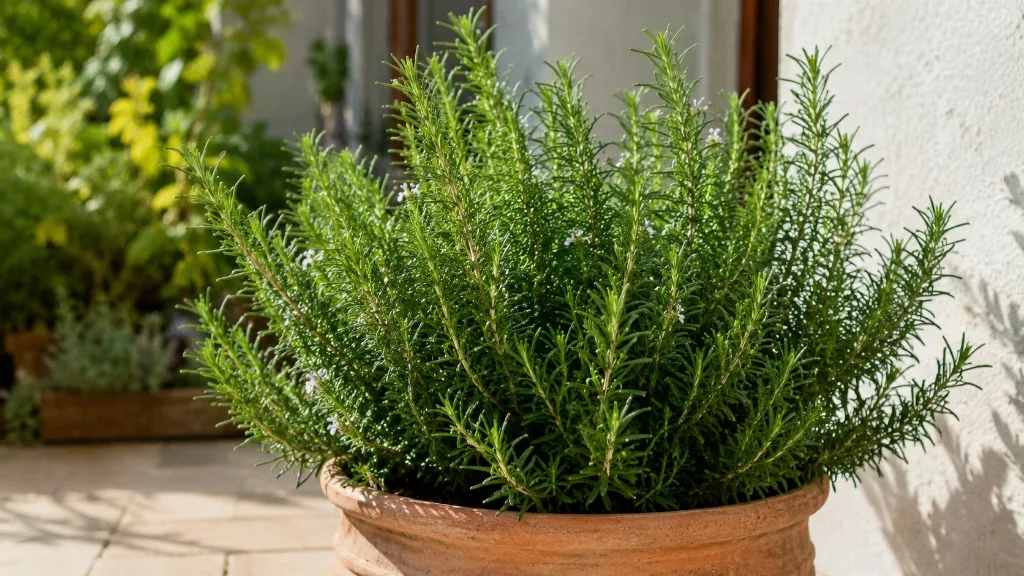
1. Rosemary (Salvia rosmarinus) is the closest visual and cultural match for lavender. Its woody, evergreen shape gives a lavender border structure after the flower spikes fade, and its small flowers add another nectar source in the season. Plant it where it will not be buried by lavender’s mature spread, and remember that rosemary is less winter-hardy than many English lavenders; in cold areas, use a container or a protected microclimate.
2. Sage (Salvia officinalis) brings broad, gray-green leaves that contrast with lavender’s narrow foliage. It likes sun, lean soil, and a dry-down between waterings, so the two can share one irrigation zone once established. Keep the plants open enough for air to move through the foliage, and harvest or lightly shape sage without turning the herb bed into a dense hedge.
3. Thyme (Thymus vulgaris) is useful at the front edge because it stays low while lavender provides height. Common thyme can tolerate the same sunny, well-drained conditions; creeping thyme is better when you want a soft mat over a gravel edge, but do not let it climb into the lavender crown. Leave a small bare or gravelly gap around each woody stem so water does not collect at the base.
4. Oregano (Origanum vulgare) works as an edible edging plant and becomes more valuable to pollinators when you let it flower. It spreads wider than a nursery pot suggests, so place it at the outer edge rather than between tightly spaced lavender shrubs. Shear it after flowering if you need to keep the path clear, and avoid fertilizing the whole bed just to make oregano lush; that can push lavender toward soft, overly leafy growth.
These four herbs are the safest starting group for a true low-water herb garden. A useful layout is rosemary at the back, lavender in the middle, and thyme or oregano along the edge, with sage filling a second row only if the mature widths leave room.
Pollinator Perennials for Color and Continuity
Yarrow, Catmint, Sedum, and Coneflower
5. Yarrow (Achillea millefolium) has flat flower clusters that create a different landing shape from lavender’s spikes. It handles sun and dry soil, adds flowers in colors beyond purple, and is a strong choice for a border that needs a little less attention after establishment. Cut stems back when the display is finished if you want a tidy bed, or leave selected seedheads for structure and wildlife.
6. Catmint (Nepeta spp.) echoes lavender’s blue-purple color but has a softer, looser habit. It is a good front-of-border partner for a sunny, dry bed, especially when you want repeated bloom after lavender’s main flush. Choose a named, clump-forming cultivar when possible; ordinary catnip and regular mint are different choices, and mint’s running stems can take over an open bed.
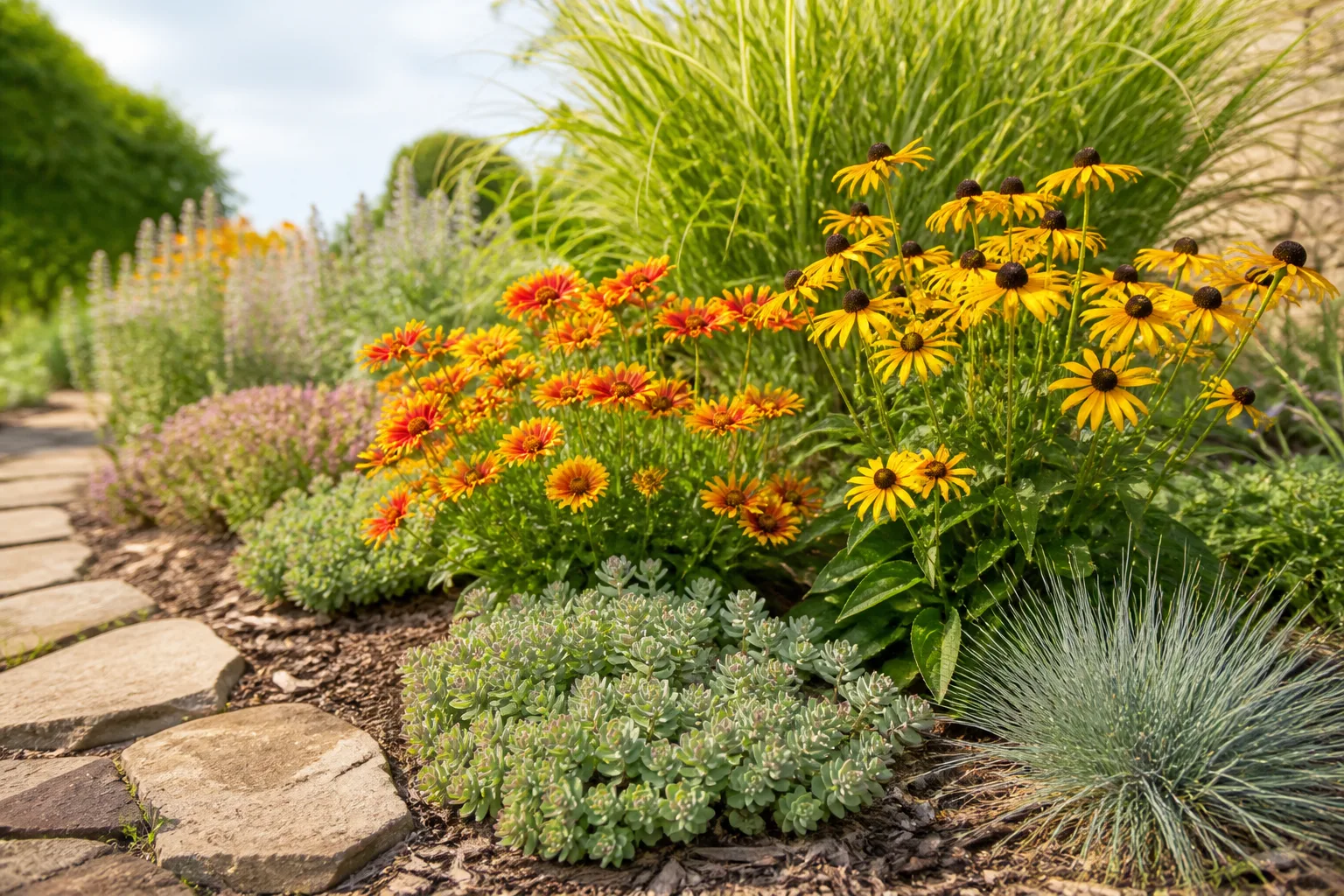
7. Sedum or stonecrop fills hot, gravelly gaps without demanding the regular irrigation that leafy companions often need. Low forms can edge a path, while upright forms add late-season flower heads. Keep the plant where it will not cover lavender’s lower stems, and choose a well-drained cultivar for the same reason you chose the lavender: winter wet is usually the bigger risk than summer thirst.
8. Coneflower (Echinacea spp.) adds daisy-shaped blooms and sturdy seedheads that carry the bed beyond lavender’s peak. It tolerates sun and periods of dry weather once rooted, but young plants still need water while establishing. Give it more space than a small plug suggests and place it behind or beside lavender, not directly over its crown.
The habitat benefit comes from variety, not from a magic pairing. The National Park Service recommends flowers of different shapes, sizes, and colors, planted in clumps rather than isolated singles, so pollinators can find a useful food patch. Lavender plus yarrow, catmint, sedum, and coneflower gives you a more varied sequence than a bed of one purple flower repeated everywhere.
Black-Eyed Susan, Coreopsis, and Blanket Flower
9. Black-eyed Susan (Rudbeckia hirta) brings strong yellow contrast and a late-summer handoff when some lavender varieties are winding down. It prefers sun and reasonable drainage, but it is not as forgiving of a neglected first season as an established lavender shrub. Water new plants deeply, then let the soil begin to dry rather than keeping the entire bed wet for them.
10. Coreopsis adds fine-textured foliage and often flowers for a long stretch in a sunny border. Cultivars vary in size and moisture tolerance, so read the tag instead of treating every coreopsis as a xeric plant. Use a compact type at the lavender edge and a taller type farther back, leaving enough space that neither plant collapses into the other after rain.
11. Blanket flower (Gaillardia spp.) is a strong choice for heat and bright, red-and-yellow color. It suits a dry border better than many big, soft-leaved perennials, and its flowers make the lavender bed feel less monochromatic. Deadhead for tidiness, but do not add rich compost or frequent fertilizer simply to keep the display going; lean conditions are part of what keeps lavender compact and fragrant.
If your climate is humid or your bed is irrigated often, use these three as a transition row rather than mixing them into the driest gravel pocket. Water them at the root zone during establishment, then adjust the drip line so lavender is not receiving the same prolonged moisture.
Structural and Seasonal Accents
Blue Fescue, Alliums, Red Hot Poker, Red Valerian, and Zinnias
12. Blue fescue (Festuca glauca) supplies cool, blue-gray blades that repeat lavender’s foliage color without adding a second shrub. It is especially useful in a rock garden or narrow sunny border. Replace tired clumps when they thin rather than watering them more often; excess moisture will not restore a grass that has reached the end of its useful clump life.
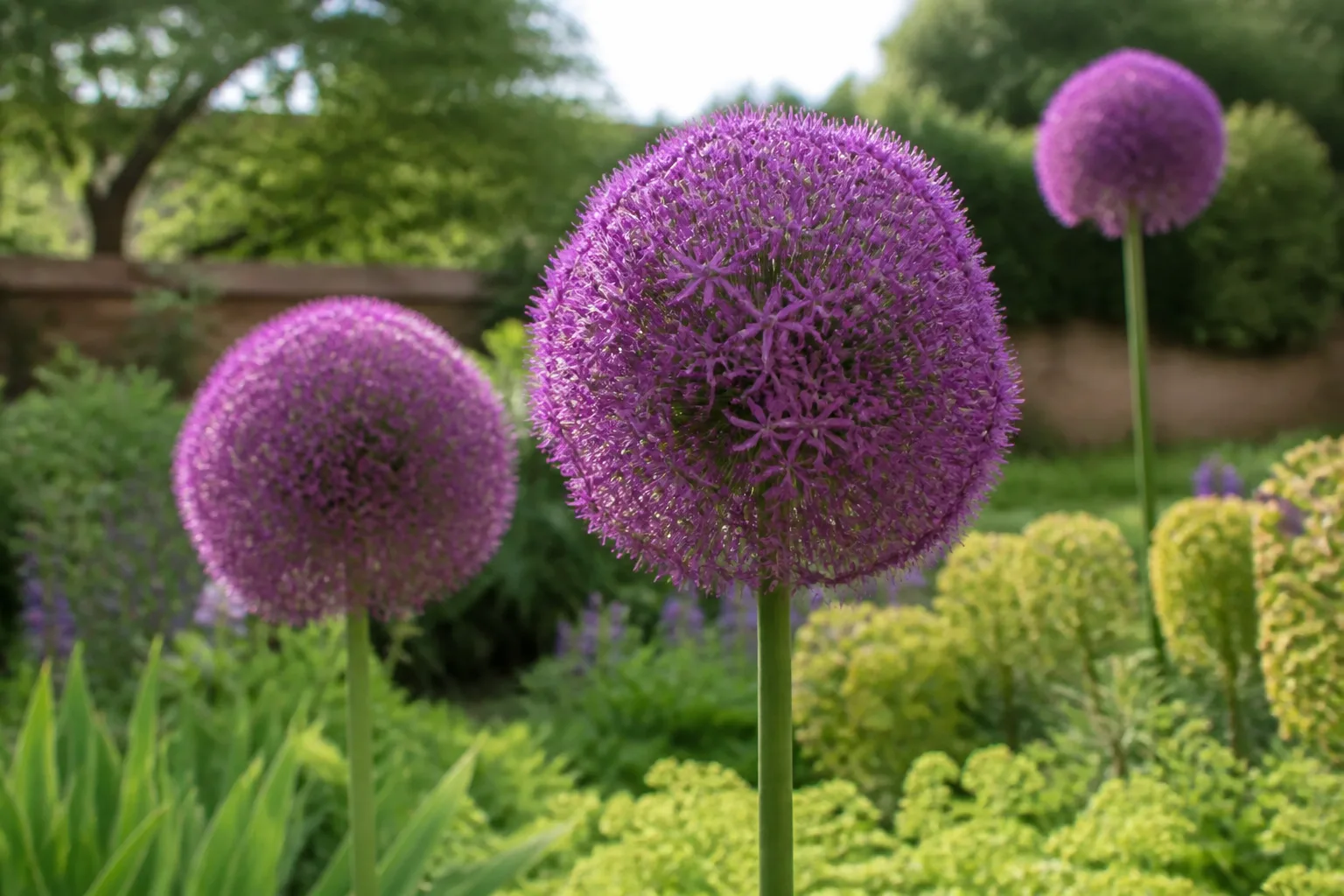
13. Alliums rise above lower lavender foliage with round flower heads and then leave ornamental seedheads behind. Plant bulbs where the soil drains quickly, and place them in groups so the display reads as a deliberate accent rather than scattered stems. Their foliage often fades after flowering, so let nearby low plants hide that decline without covering the lavender crown.
14. Red hot poker (Kniphofia spp.) gives a dry, sunny bed a warm vertical counterpoint to lavender’s cool spikes. It needs a generous footprint and can dominate a small border, so reserve it for a back or middle position where it will not shade the lavender for hours. In cold or wet climates, confirm the cultivar’s hardiness and drainage needs before treating it as a permanent perennial.
15. Red valerian (Centranthus ruber) suits sunny banks, walls, and lean soil where a fussier perennial would sulk. Its clusters of red, pink, or white flowers extend the color range and can soften stonework around lavender. Check local invasive-plant guidance before using it, because a plant that self-seeds politely in one garden can spread too freely in another.
16. Zinnia (Zinnia elegans) is the useful annual when you want a first-year burst of color while slower perennials establish. Choose a compact variety at the front and keep its irrigation targeted; zinnias can accept more summer water than lavender, especially in containers or hot beds. Their flowers support garden insects, but remove diseased foliage promptly and avoid crowding, which raises humidity around both plants.
For a wildlife-focused lavender border, consider cultivar choice as well as companions. The RHS summary of a University of Sussex trial reports that lavandin cultivars received more insect visits than English lavender in that trial, with meaningful differences even among lavandin cultivars. That does not make English lavender a poor plant; it simply shows that a pollinator planting can be improved by choosing a strong lavender cultivar and then adding a varied supporting cast.
Conditional Edible and Fragrant Neighbors
Roses, Strawberries, Bell Peppers, and Jasmine
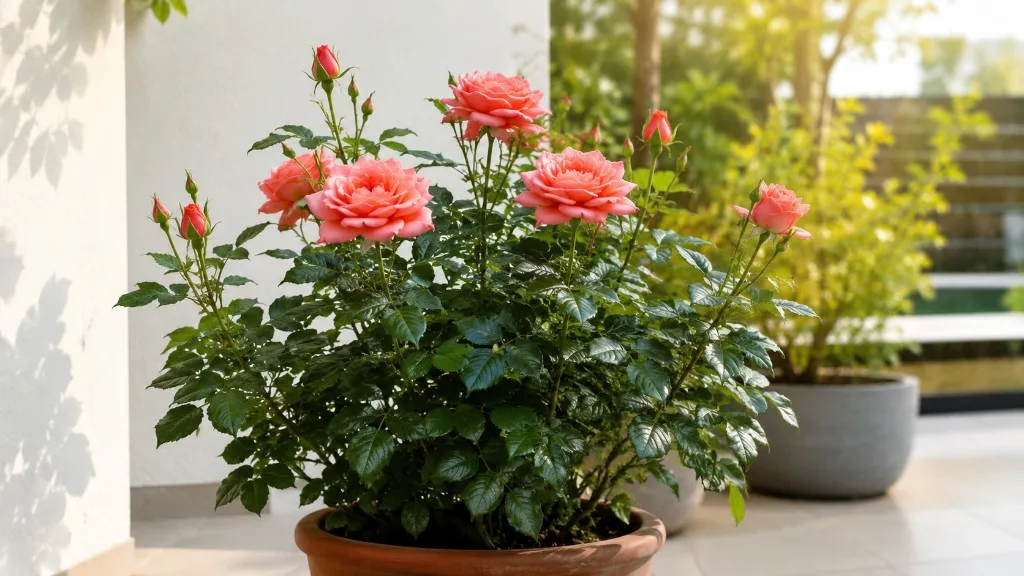
17. Roses (Rosa spp.) are a classic visual pairing, but they are not automatically a shared-care pairing. Roses generally appreciate more even moisture and more feeding than lavender, so the lowest-work layout gives each plant its own root zone and irrigation control. Put the rose where it can receive water and compost without saturating the lavender, and leave space for mature airflow rather than squeezing both into a narrow strip.
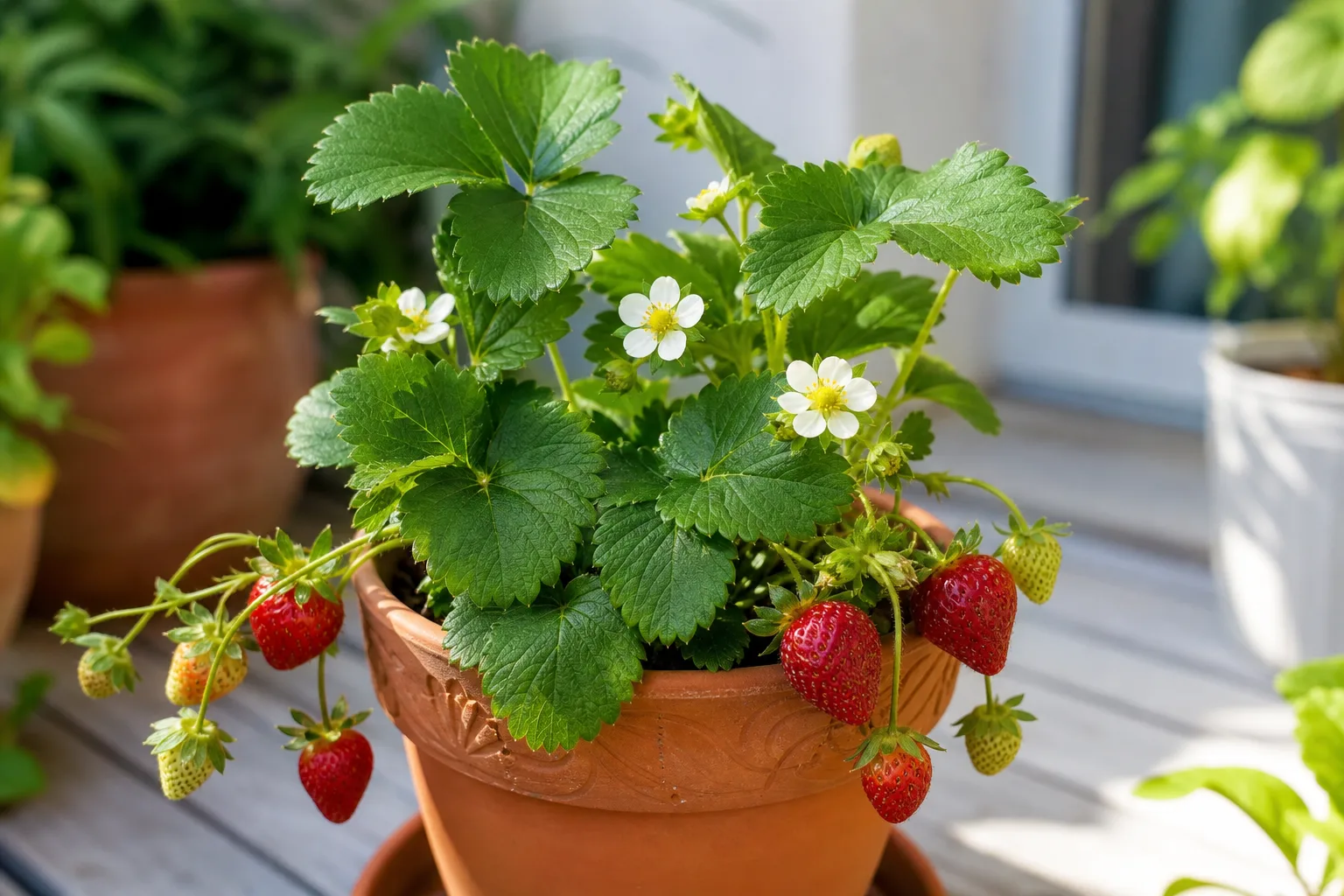
18. Strawberries (Fragaria × ananassa) can share a sunny garden, and their low growth makes an appealing edible layer. Their fruiting performance improves with consistent moisture, however, while established lavender prefers a drier rhythm. Use strawberries at the edge of a raised bed or in a nearby pocket with its own drip line; do not mulch the whole lavender crown with moisture-holding material to satisfy the berries.
19. Bell peppers (Capsicum annuum) benefit from a nearby pollinator-friendly garden, and lavender can sit beside a vegetable bed if the crops have enough sun and air circulation. Peppers are not drought-bed plants during fruit production: they need fertile soil and regular moisture. Keep them in a separate, enriched row, and let lavender serve as a sunny border plant rather than pretending both crops want identical care.
20. Jasmine is a conditional choice for warm climates and large spaces. Its fragrance complements lavender, but its species and growth habit vary widely; some forms climb, require support, or want more moisture and fertility. Plant jasmine behind or well away from lavender, confirm it will not shade the bed, and skip the pairing entirely in a small border where pruning would become the main maintenance task.
The honest rule for these four is nearby, not necessarily mixed. A bed can contain several irrigation zones while still looking like one composition. Place the thirsty crop where the hose or drip line reaches it, keep lavender on the high, lean shoulder, and use a stone path or gravel strip to make the transition visible.
How to Place and Space the Planting
Start with the mature width on the nursery tag, not the size of the pot. The RHS suggests about 90 cm (3 ft) between lavender plants in groups, with closer spacing for a hedge and wider spacing for larger cultivars; Savvy Gardening gives a similar reminder to adjust spacing to variety and airflow. In a mixed border, give a standard lavender plant roughly 18 to 36 inches of open space from the center of its main neighbor, then reduce or increase that distance after checking the cultivar’s mature spread.
Use these layout rules:
- Put the tallest plant on the north side or back edge so it does not steal midday light.
- Place low thyme, sedum, or blue fescue toward the path, but keep a clear collar around each lavender crown.
- Group three or more pollinator plants together when space allows; repeated clumps are easier for insects to find and easier for you to water consistently.
- Put roses, strawberries, peppers, and jasmine in separate moisture pockets instead of sharing one blanket irrigation schedule.
- Leave a path or stepping stone through a large bed so pruning, harvesting, and inspection do not require walking on the root zone.
After planting, water each root ball thoroughly. New lavender needs regular water in its first season even though it becomes drought tolerant later; the RHS guide makes that establishment distinction clear. Once roots are settled, water deeply when the soil is genuinely drying, not on a fixed schedule designed for the thirstiest plant in the border.
Container Combinations That Do Not Fight Over Water
Lavender is often easier to manage in a container when the garden soil is heavy or winter-wet. Use a pot at least about 12 to 16 inches wide for a substantial plant, make sure it has large drainage holes, and use a free-draining mix. The RHS recommends a large container and extra coarse grit for drainage; the pot should dry more quickly than a dense garden bed, not act like a water reservoir.
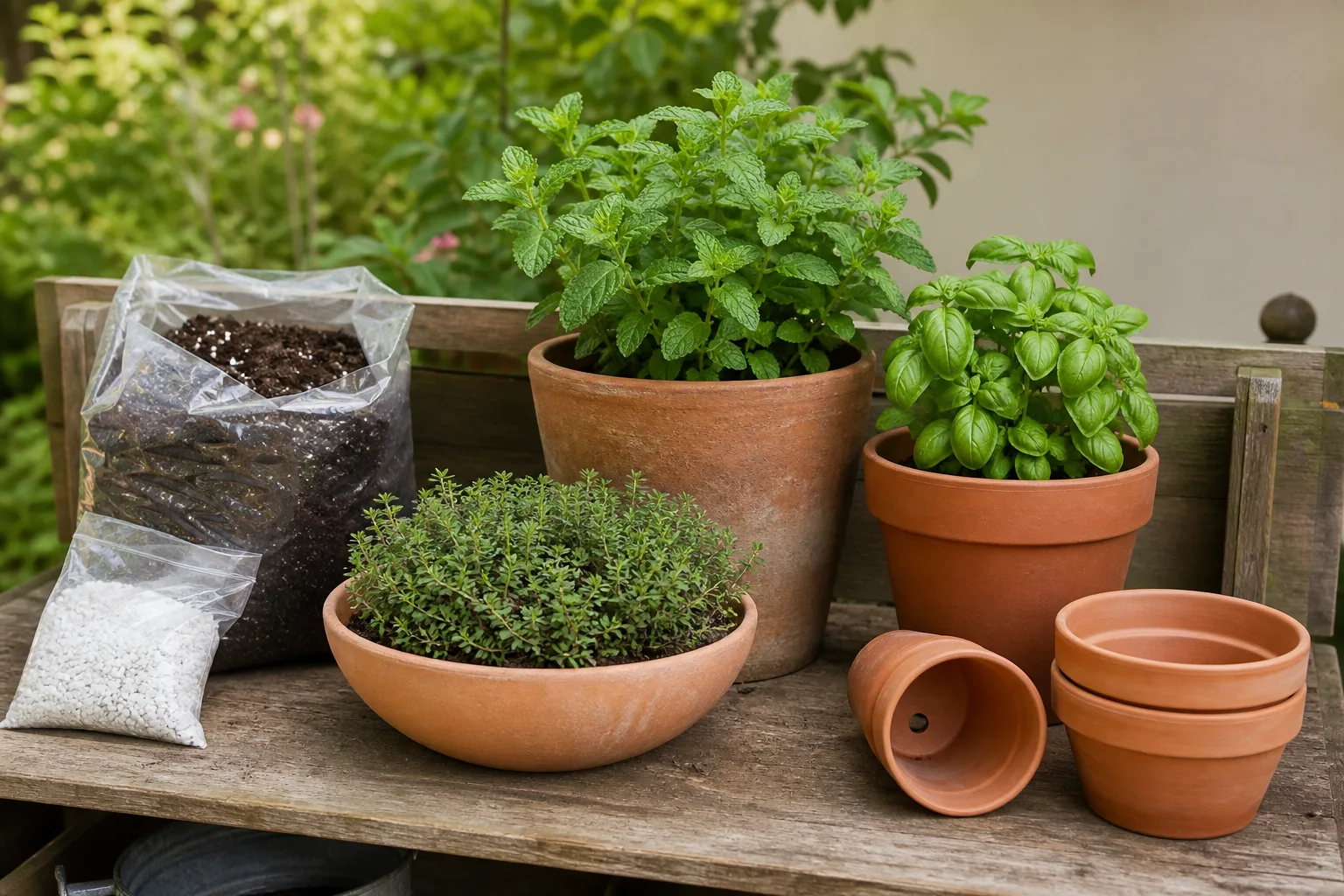
For one container, combine lavender with thyme and a compact oregano if you want an edible trio, or with a small sage and trailing thyme for texture. A single lavender plant with blue fescue is even simpler. Keep rosemary in its own pot when possible because its size, root competition, and winter needs can differ from the lavender’s.
Avoid combining lavender with roses, strawberries, peppers, or jasmine in one container. Their higher water or fertility needs will either leave them stressed or keep lavender too wet. Containers also magnify cold: tender lavender and rosemary may need a sheltered winter position even when the same species survives in the ground nearby.
What Not to Plant—and the Mistakes That Cause Trouble
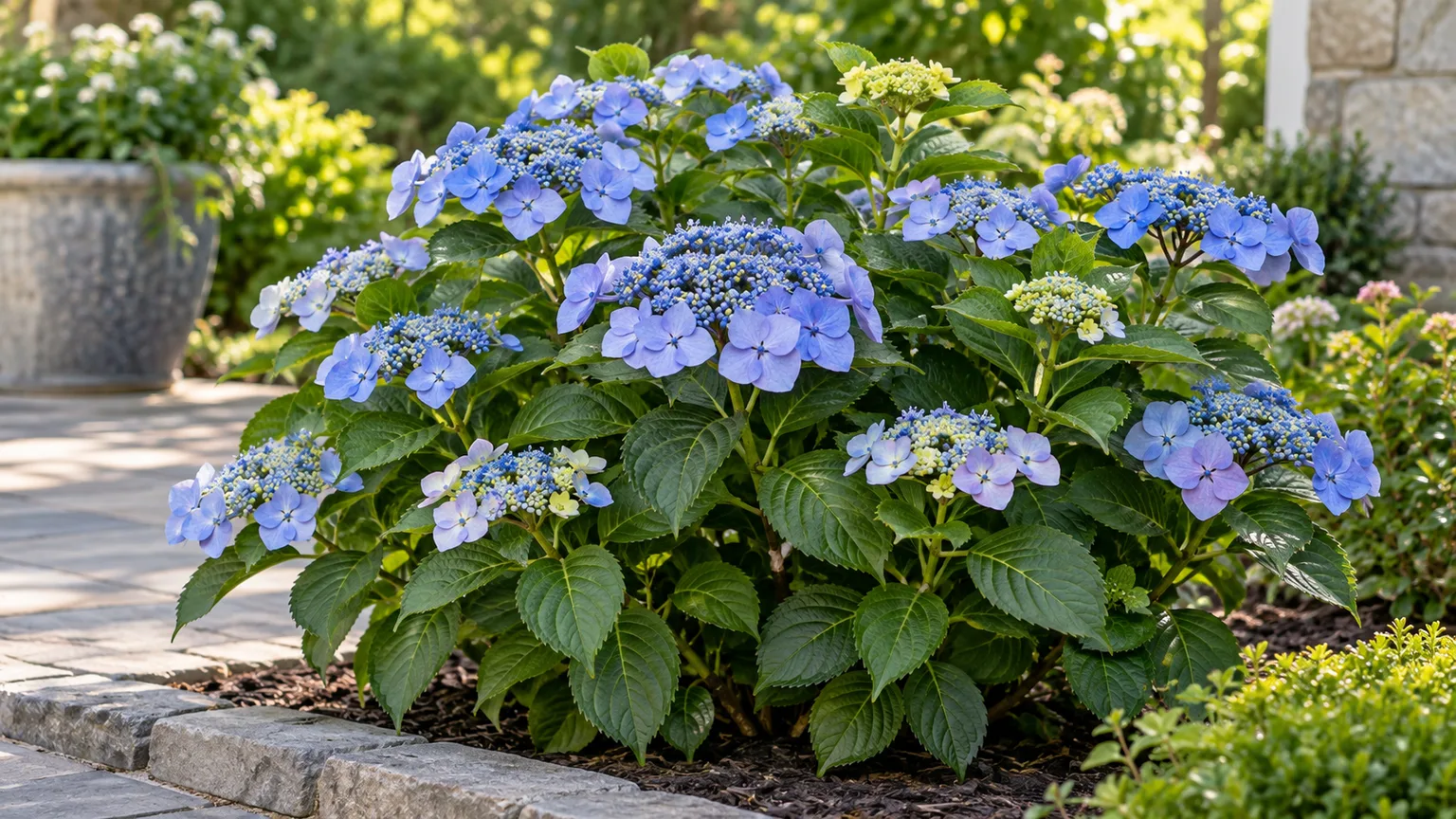
The clearest “do not plant” list is made of plants that want a different root environment. Ferns, hostas, hydrangeas, impatiens, and many rain-garden plants prefer more moisture or less sun than lavender can tolerate. Camellias and fuchsias may look attractive in a mixed border but generally belong in a different moisture and shade strategy. Standard mint is also a poor low-maintenance neighbor because its runners can spread through the bed; catmint is the better-behaved alternative.
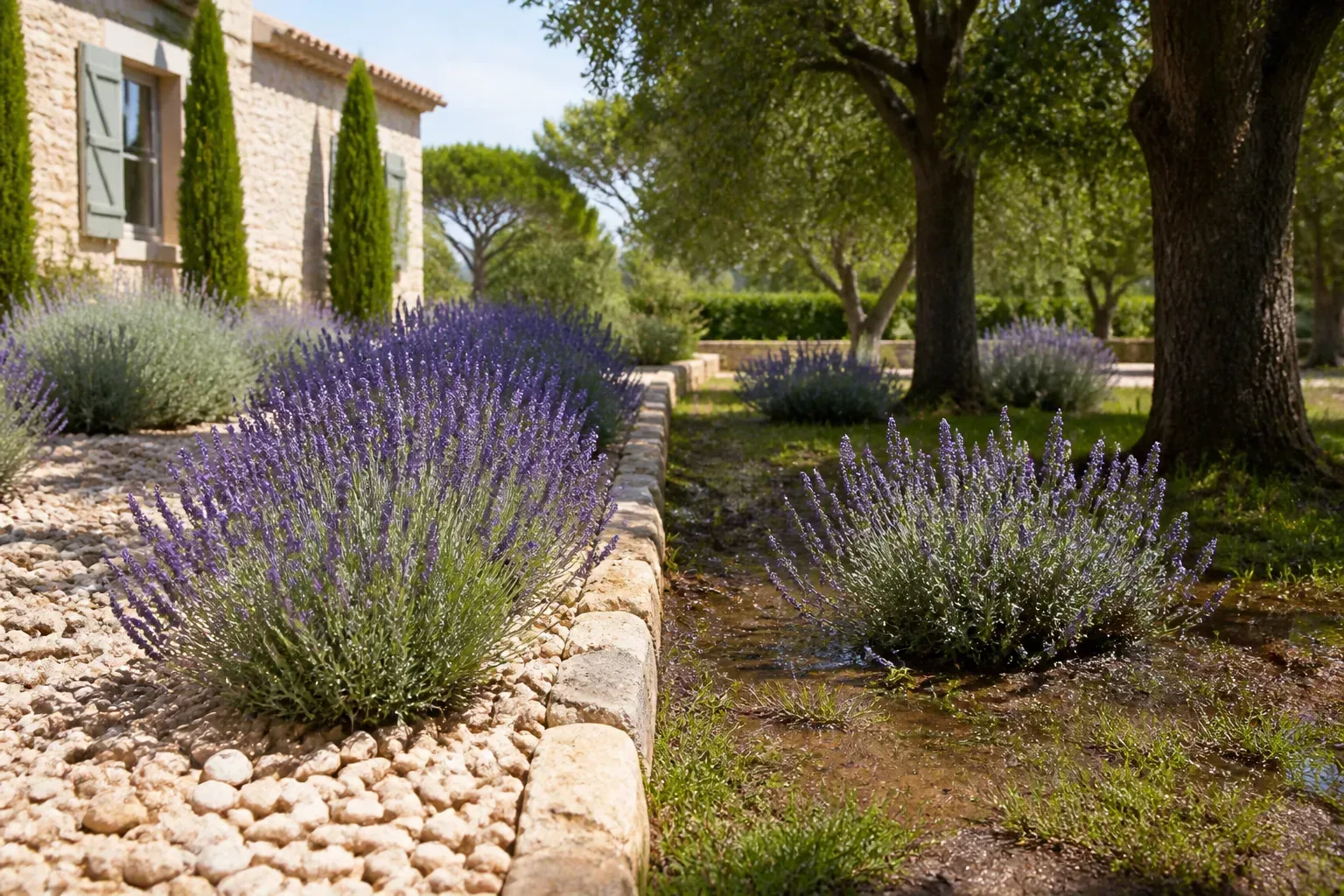
Avoid these common mistakes:
- Watering the whole bed for one thirsty companion. Put thirsty plants on a separate line or choose a drier substitute.
- Adding rich compost everywhere. Lavender is not a hungry shrub; improve structure when needed, but do not turn the entire bed into a moisture-holding, high-nitrogen patch.
- Using scent as pest control. Fragrant plants can support a diverse garden, but they do not replace scouting, sanitation, or correctly timed treatment.
- Planting too tightly. A full nursery pot is not the mature plant. Crowding traps humidity, hides pests, and makes annual pruning harder.
- Ignoring winter wet. A plant can survive cold but still fail when its crown sits in saturated soil for weeks. Raise the bed or move the pot under cover.
- Mixing tender and hardy plants without a plan. If Spanish lavender is a seasonal container plant in your climate, its annual companions do not need to be designed like a permanent perennial border.
Low maintenance comes from reducing conflicts before they happen. The fewer times you need to rescue lavender from overwatering, shade, crowding, or a badly chosen winter site, the more the companion planting will feel like a benefit.
A Low-Maintenance Maintenance Calendar
Spring: Check for winter dieback, clear debris from the crown, and confirm that runoff is not collecting around the plants. Plant new lavender after the soil warms and hard frost has passed in your climate. Water newly planted companions consistently while roots establish, but do not keep established lavender constantly damp.
Early summer: Check the bed after a heavy rain and after the first hot, dry stretch. Redirect irrigation toward roses, strawberries, peppers, or jasmine if their leaves wilt while lavender’s soil is still moist. Weed before roots become tangled, and stake or redirect any tall companion that starts shading the lavender.
Late summer: After flowering, trim lavender lightly into green growth to keep it compact; do not cut deep into old, woody stems because lavender may not resprout there. Deadhead companions according to the look you want, but leave some seedheads where they provide winter structure or food. The RHS guidance specifically recommends annual trimming after flowering and warns against cutting into old wood.
Autumn and winter: Reduce watering for containers as light and temperatures fall, and shelter tender lavender from prolonged cold rain. Leave some healthy stems standing to protect the crown and provide habitat, but remove diseased foliage and any plant that is smothering the lavender. In cold, wet regions, the best winter protection is often drainage and a raised position, not a thick layer of wet mulch.
For pollinator value, be selective about cleanup and pesticides. The National Park Service advises offering a variety of flowers, leaving some plant material for shelter, and considering whether a pesticide is necessary before applying it; if treatment is unavoidable, follow the product label and reduce exposure to active pollinators. A diverse, well-sited bed is a more dependable long-term strategy than promising that one aromatic plant will repel every pest.
Conclusion
The best lavender companion plants are not simply the flowers that photograph well beside purple spikes. They are the plants that can share a sunny, fast-draining site without forcing you to keep the lavender wet, feed it heavily, or prune away a jungle of competing growth.
For the simplest low-maintenance design, start with rosemary, sage, thyme, oregano, yarrow, catmint, sedum, blue fescue, or alliums. Add coneflower, black-eyed Susan, coreopsis, blanket flower, red hot poker, red valerian, or zinnias when you want more color and pollinator variety. Treat roses, strawberries, bell peppers, and jasmine as conditional neighbors with separate water, fertility, or space needs.
Prepare the drainage first, measure mature widths, group plants by water demand, and give lavender room to breathe. That small amount of planning does more for a healthy, fragrant garden than any companion-planting promise.