How to Grow and Care for a Lime Tree at Home Year-Round
Grow a lime tree in a pot or the ground with clear advice on varieties, sunlight, watering, fertilizer, pruning, winter care, pests and harvest timing.
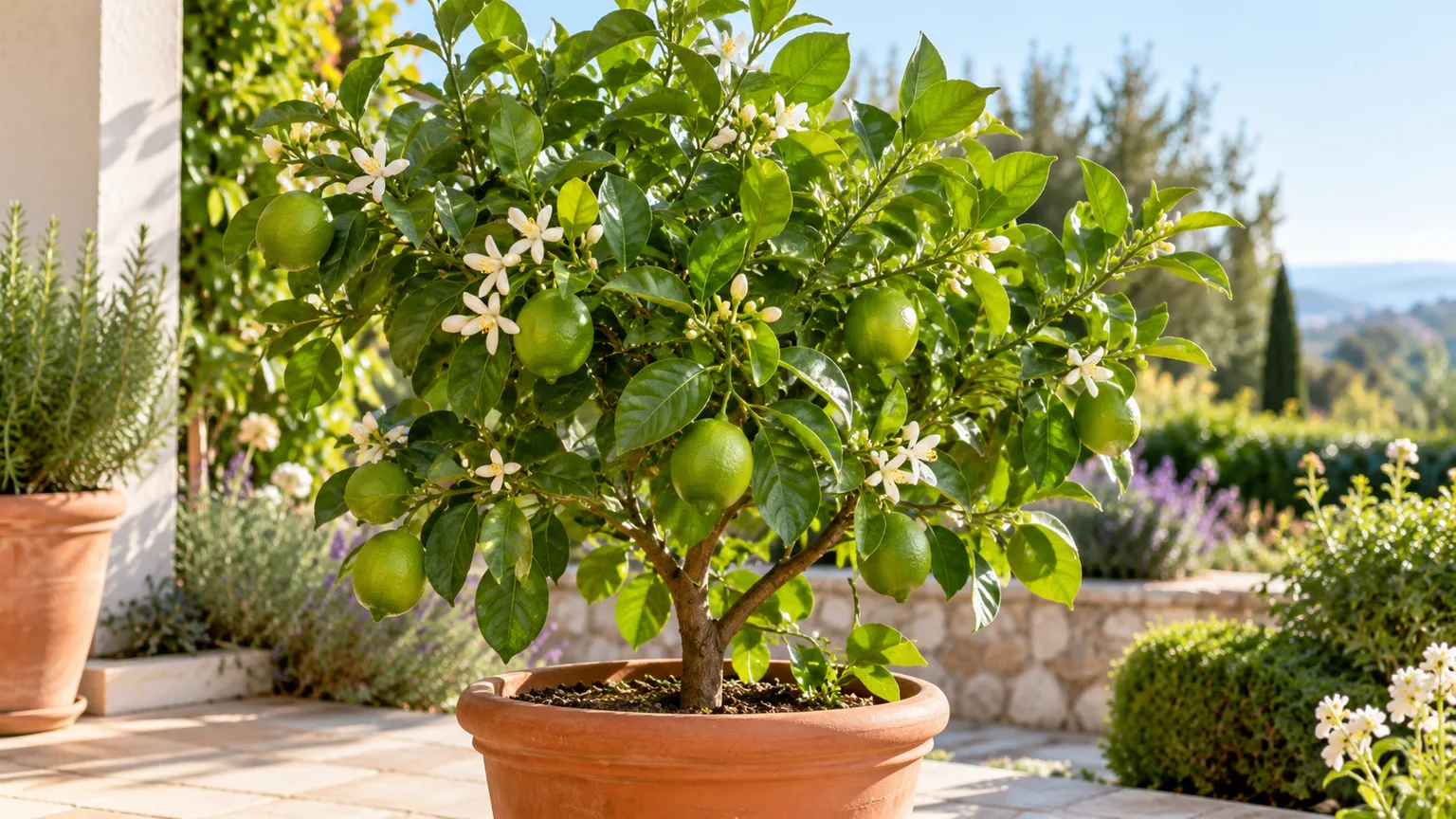
A lime tree can grow in the ground in a warm climate or in a pot that moves to shelter when temperatures fall. Either way, success comes down to a short list: choose the right kind of lime, give it strong sun and fast drainage, keep its roots evenly supplied with water, and protect it from cold before damage starts.
“Lime tree” can mean several different citrus plants. The familiar grocery-store fruit usually comes from Persian, also called Tahiti or Bearss, lime (Citrus × latifolia); Key lime (C. × aurantiifolia) is smaller and more tart, while makrut lime (C. hystrix) is prized mainly for its aromatic leaves. This guide focuses on fruiting Persian and Key limes, with notes for container growers and a brief distinction for makrut lime.
| Growing need | Practical starting point |
|---|---|
| Light | At least 6 hours of direct sun; more is useful if heat and water are manageable |
| Soil | Moisture-retentive but well drained; avoid a persistently wet root zone |
| Outdoor climate | Warm subtropical or tropical conditions; cold tolerance varies by lime type |
| Container | Drainage holes, a free-draining citrus or container mix, and a plan for moving it |
| Fruit | Harvest by size, aroma, firmness, and cultivar; green fruit can be ripe |
Before you plant, choose the lime that fits your plan
The best lime tree is the one that suits your intended harvest and your winter weather. A compact grafted tree can begin flowering much sooner than a seedling, and a pot makes cold protection possible, but neither choice compensates for a dark patio or waterlogged soil.
Persian, Key, and makrut limes have different jobs
Persian or Tahiti lime is the dependable choice if you want large, juicy, usually seedless fruit for drinks and cooking. It is the lime most often sold in grocery stores. The fruit is mature while still green and becomes yellow as it stays on the tree and softens in flavor; UF/IFAS reports that Tahiti lime fruit takes roughly 90–120 days from bloom to maturity, though temperature changes the timeline. Epic Gardening’s container-citrus guide notes the same green-to-yellow change as Persian limes stay on the tree. Its flowers do not need pollination to set fruit, so one healthy Tahiti lime can crop on its own. (UF/IFAS Extension’s Tahiti lime guide; Epic Gardening’s container-citrus guide)
Key lime, also called Mexican or West Indian lime, produces smaller fruit with a sharper flavor and usually a thornier, bushier tree. It is less cold tolerant than Tahiti lime, so it is a better fit for a genuinely frost-free location or a container that can be sheltered. Labels can be confusing: check the botanical or cultivar name, mature size, and rootstock rather than relying on a vague “dwarf lime” tag alone.
Makrut lime is a different choice. Its aromatic leaves are often the main reason to grow it, while its fruit is not a juicy substitute for Persian or Key lime. If your goal is everyday lime juice, buy a tree identified as Persian/Tahiti/Bearss or Key/Mexican lime rather than a makrut lime. For a small space, a named dwarf cultivar or grafted tree on a compact rootstock is more predictable than hoping any lime will stay small in a pot.
Give a lime tree the warmest, sunniest place you have
Choose a location with at least six hours of direct sun, preferably more, and good air circulation. A south- or west-facing wall can provide reflected warmth in a cool region, but do not tuck the tree into a narrow, shaded corner: nearby trees, fences, and roof overhangs can reduce fruiting even when the spot looks bright at midday. NC State Extension lists full sun and good drainage as central conditions for Persian lime. (NC State Extension’s lime profile)
Hardiness-zone labels help narrow the decision, not guarantee a lime will survive every winter. Persian lime is commonly recommended for warm regions around USDA Zones 9–11, but microclimates, duration of a freeze, wind, soil moisture, rootstock, and prior acclimation all affect injury. UF/IFAS notes that Tahiti lime leaves may be injured below about 28°F, wood below about 26°F, and severe damage or death can occur below about 24°F; those thresholds describe Tahiti lime under the conditions covered by that Florida guidance, not a safe universal temperature for every lime tree. Key lime is more cold sensitive. If your area regularly freezes, plan on a movable container or choose another fruit tree.
Soil and drainage matter more than a rich planting hole
Lime roots need oxygen as well as moisture. The ideal site has soil that drains after rain but does not turn bone dry immediately; sandy loam is easier to manage than heavy, compacted clay. Avoid low spots, leaking downspouts, and beds where water stands after a storm. If the yard is poorly drained, choose a raised bed or mound rather than trying to “fix” a wet site by dumping sand into a planting hole.
A soil test is useful before major amendments. Persian limes tolerate a range of soils, but high-pH or calcareous soil can make iron and other micronutrients less available; that can produce yellowing that looks like a simple fertilizer shortage. Use a local soil lab or Extension office to interpret pH and nutrient results. Do not add lime to the soil just because you are planting a lime tree—the fruit name is unrelated to agricultural lime, and raising pH can make a citrus nutrient problem worse.
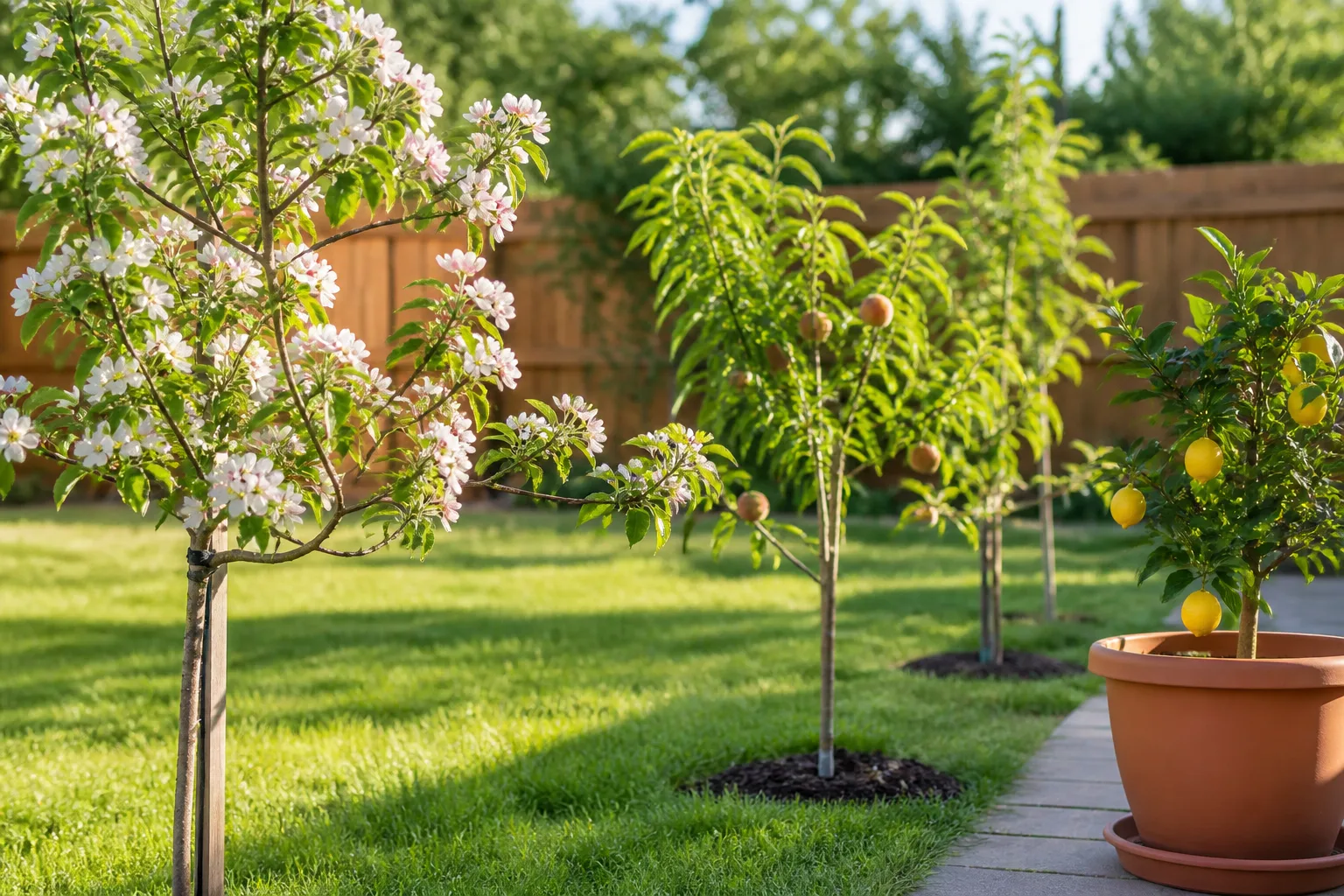
Plant a nursery tree without burying the trunk
For a first tree, buy healthy nursery stock from a reputable local nursery. A grafted tree preserves the named cultivar and usually reaches fruiting sooner than a seed-grown tree; a seed from a store-bought lime may not match its parent and can spend years in a juvenile phase before blooming. Inspect the leaves and stems for pests, check the trunk for injuries, and look at the root ball for severe circling roots. If buying online or across state lines, follow your local rules for citrus movement because regulated citrus pests and diseases can move with plants.
Plant in spring after the risk of cold has passed, giving a young tree time to settle before winter. In a warm, frost-free climate, planting can be more flexible, but the first season still needs careful watering. Keep the graft union visible above the soil; burying it can encourage the rootstock to send up shoots or expose the trunk to rot.
Planting in the ground
Dig a hole about as deep as the root ball and two to three times as wide, then loosen the surrounding soil so new roots can spread. Set the root ball so the top sits level with or slightly above the finished grade. Backfill with the native soil you removed; avoid creating a pocket of rich potting mix or compost, which can hold water differently from the surrounding soil and discourage roots from moving outward. UF/IFAS recommends keeping the top of the nursery soil level with or slightly above the nearby soil and selecting a warm, non-flooding site for Tahiti lime.
Water slowly after planting to settle soil around the roots. If the site is windy, use a short stake only until the root ball anchors; tie the trunk loosely with a soft, broad tie and remove the support once it stands firm. Spread a shallow layer of organic mulch over the root zone to moderate moisture and temperature, but leave a clear gap around the trunk so bark stays dry and visible.
Do not add fertilizer directly into the hole. Fresh roots can be damaged by concentrated salts, and a well-planted tree can take up the nutrients it needs as roots expand. Begin feeding only when the tree has resumed active growth, using a citrus fertilizer and local guidance appropriate for your soil and climate.
Grow a lime tree in a pot and move it seasonally
Container growing is the realistic option where winter freezes, yard soil drains poorly, or space is limited. It does add work: a pot dries faster than the ground, the roots experience temperature swings, and the tree needs enough light indoors to support new growth. A dwarf label describes a smaller mature habit; it does not mean the tree can live indefinitely in a tiny pot or fruit well in a dim room.
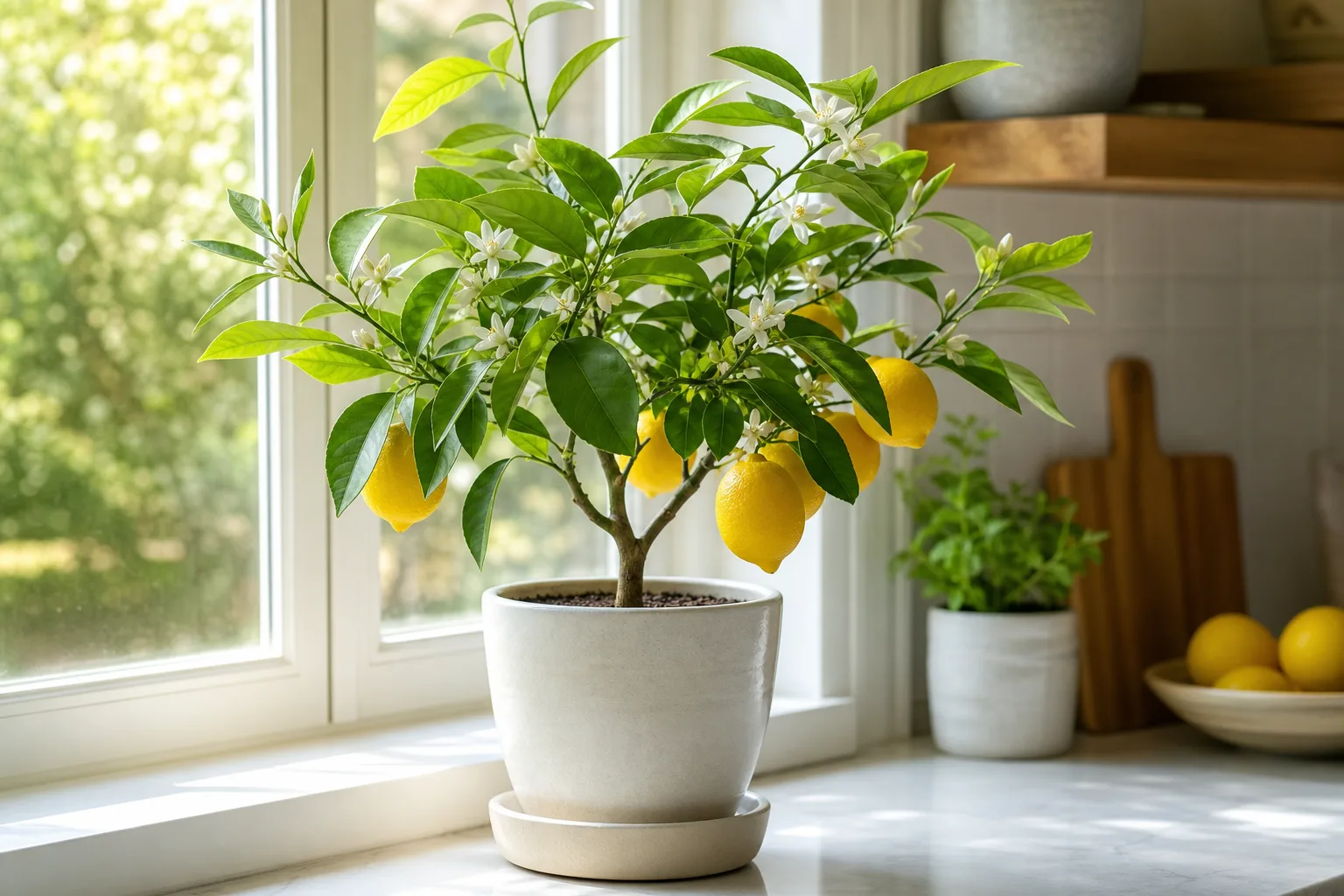
Choose a sturdy container with several unobstructed drainage holes and room for the root ball plus a modest amount of new soil. A pot only one size larger than the nursery container is easier to keep evenly moist than an oversized tub full of unused wet mix. Use a coarse, well-draining container or citrus potting mix, not dense garden soil. Set the tree at its original soil depth, water until the mix drains freely, and empty the saucer so the pot is never left standing in water.
A lightweight pot on a rolling caddy is worth considering before the tree is mature. Wet mix makes a large container heavy, and moving it through a narrow doorway is much harder than moving it when the tree is small. Repot when roots fill the container, circle tightly, or emerge from drainage holes, rather than automatically upgrading to an enormous pot every year.
Overwinter container limes without shocking them
Keep the lime outdoors in the brightest, warmest position during its safe growing season, then bring it inside before cold nights threaten it. Many growers begin the move when nighttime temperatures are falling into the 50s°F; this is a conservative management cue for a potted citrus tree, not a hard biological limit. Savvy Gardening’s container-citrus guidance also stresses a bright winter location and moving the plant indoors as night temperatures cool. (Savvy Gardening’s citrus-in-pots guide)
Acclimate it over a week or two when possible. First move the pot to a sheltered, bright outdoor spot, then bring it inside; in spring, reverse the process by giving it a few days of shade before returning it gradually to full sun. A sudden change in light, humidity, and temperature can trigger leaf or fruit drop. Some leaf loss may happen during the transition, but keep the root zone draining and watch for pests before assuming the tree is dying.
Indoors, place the tree at the brightest window you have and keep it away from heating vents and cold drafts. A grow light can help if winter daylight is weak; rotate the pot occasionally so one side does not become shaded. Indoor air is often much drier and stiller than a patio, so inspect stems and leaf undersides for scale, mites, and aphids. Water less often in winter because growth slows and the mix dries more slowly, but do not let the root ball remain bone dry for long stretches.
Water to the root zone, then let excess drain
Do not water by the calendar alone. Check the soil several inches down near the edge of the root zone: when the upper few inches have begun to dry, water deeply enough to wet the root ball, then let excess drain away. A newly planted tree has a small root system and needs closer attention than an established tree; rain, soil texture, heat, wind, and mulch all change how quickly it dries.
UF/IFAS advises watering a newly planted Tahiti lime at planting, every other day for about the first week, and then once or twice weekly for the first couple of months, with more irrigation during prolonged dry periods for young trees. That schedule is a Florida starting point, not a universal prescription: reduce it after rain or in heavier soils, and check the soil before adding more water. The useful principle is to keep new roots from drying out while avoiding constantly saturated soil. (UF/IFAS Extension)
A container tree may need water more often during hot, windy weather because its limited root volume cannot search beyond the pot. Water thoroughly until it flows from the drainage holes, then empty the saucer. In winter or during cool, cloudy weather, the same pot can stay moist much longer, so test before watering. Leaves curling, drooping, or yellowing are not proof of thirst by themselves; check the mix first, since waterlogged roots can produce the same above-ground symptoms as drought.
Feed during active growth, not by a generic calendar
Citrus are hungry compared with many ornamentals, but more fertilizer does not automatically mean more limes. Use a fertilizer labeled for citrus or fruit trees and follow the product label for your tree size and growing method. A young tree needs smaller, more frequent applications than a mature one; a container tree also loses nutrients through drainage and may need a different product or schedule from an in-ground tree.
In Florida, UF/IFAS recommends multiple applications during the first year for Tahiti limes, then fewer applications as the tree grows, with rates tied to age and fertilizer analysis. That regional program is useful evidence that citrus feeding should be staged, but the numbers should not be copied into a different climate or a container without local advice. In California commercial citrus, CDFA and UC Davis guidance emphasizes nutrient diagnosis and the risks of excessive nitrogen; home-garden amounts and timing still need to follow a local Extension recommendation. (UF/IFAS Tahiti lime guidance; CDFA/UC Davis citrus fertilization guidelines)
Apply granular fertilizer over the active root zone, not against the trunk, and water it in as directed. Avoid feeding a stressed, dry tree or forcing late-season growth in a region where cold weather is approaching. Excess nitrogen can produce lots of soft leafy growth at the expense of fruit maturity and can be more vulnerable to winter injury; yellow leaves should be diagnosed before adding a blanket dose. If you see pale new growth with green veins or widespread yellowing, confirm soil pH and consider a soil test rather than stacking on fertilizer.
Prune lightly and protect the graft
A lime tree generally needs less pruning than shaping. Remove dead, broken, rubbing, or diseased branches with clean, sharp pruners, and thin only enough to keep the canopy manageable and let light reach the interior. Avoid shearing the whole tree into a dense ball: that can remove flowering wood, shade the lower canopy, and leave clusters of fast, weak shoots.
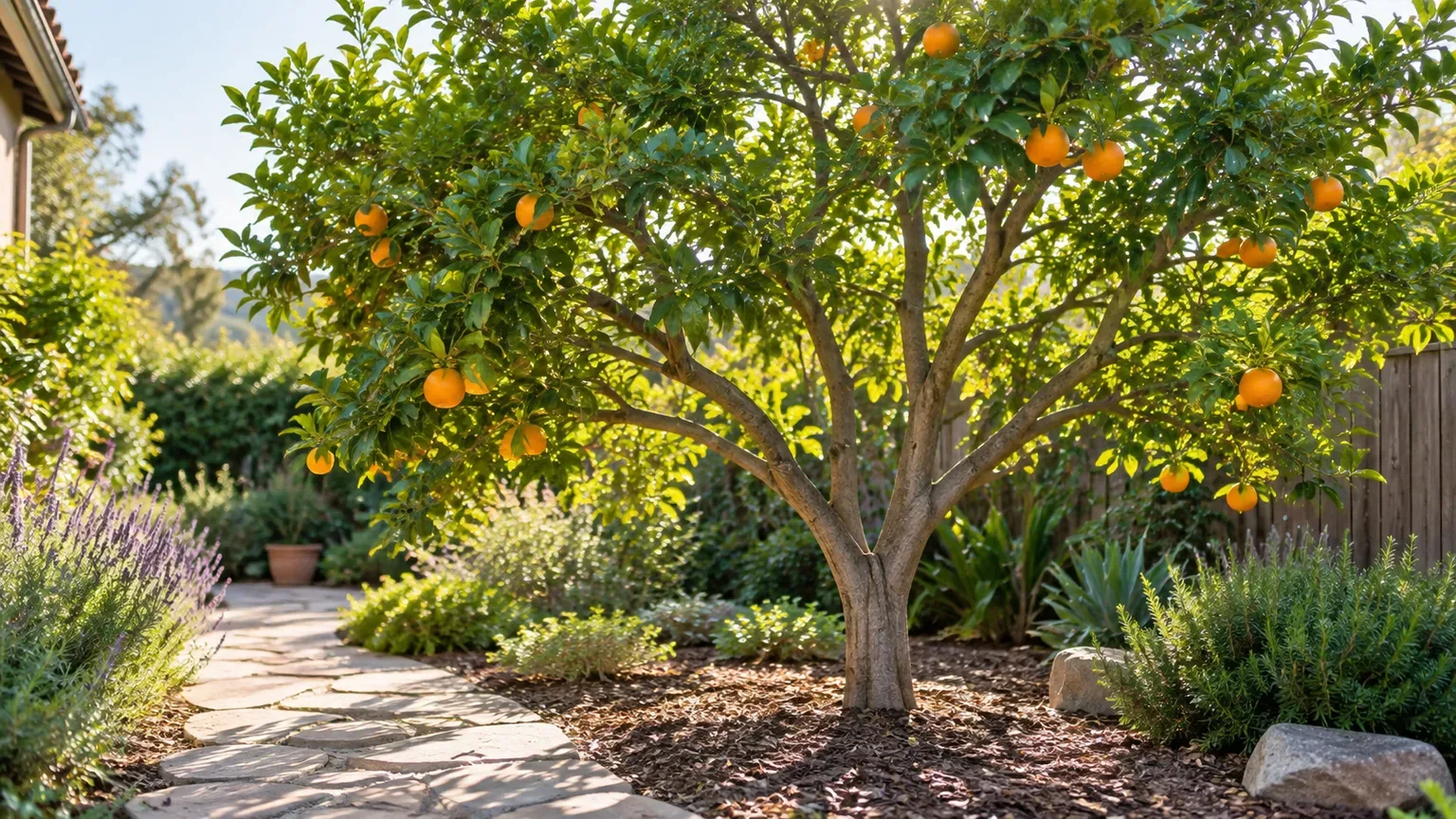
Look for shoots that emerge below the graft union on a grafted tree. Those are rootstock suckers, not the named lime, and they can outgrow the top if you leave them. Rub off small suckers while they are soft or cut larger ones flush to their point of origin; do not leave a stub that can resprout.
In a frost-prone area, wait until freeze damage is clear before pruning damaged wood. Leaves can look scorched while branches remain alive, and premature cuts may remove wood that would have recovered. If the tree is too tall to prune safely from the ground, hire a qualified arborist rather than climbing an unstable ladder among thorny branches. A mature tree is better managed with a few well-chosen cuts than a severe annual cutback.
Flowers, fruit set, and harvesting
A lime tree may bloom in flushes rather than on one tidy schedule, especially in warm climates. A flush of flowers does not guarantee every tiny fruit will remain: citrus commonly sheds some flowers and young fruit, and the tree may drop more when drought, root stress, cold, sudden indoor movement, or an excessive crop interrupts growth. If a few fruits set on a small young tree, remove some rather than asking a weak root system to carry a heavy crop.
Persian/Tahiti lime does not need a second tree to set fruit; UF/IFAS describes its flowers as not requiring pollination for fruit set. Other lime cultivars may have different pollination details, so check the plant label if a particular cultivar has failed to fruit. For an indoor tree in flower, a gentle shake of the branches or a soft brush moved across several flowers can help distribute pollen if insects cannot reach it, but this will not fix low light, a juvenile seedling, poor nutrition, or temperature stress.
How to tell when a lime is ready
Do not wait for every fruit to turn bright green or yellow. Persian limes are often picked while green, when full-sized and aromatic; if left longer, they may yellow and become less sharply acidic. Key limes also change color as they mature, but the exact look and timing depend on cultivar. UF/IFAS notes that mature Tahiti limes are medium to dark green and yellow before dropping, and that fruit maturity is affected by temperature.
Use several cues together: the fruit has reached the cultivar’s expected size, feels firm but not rock-hard, smells distinctly citrusy at the stem end, and comes away with a gentle twist or a clean snip. If a lime is undersized, very hard, and weakly scented, give it more time. Pick with hand pruners when stems are tough or branches are thorny; pulling can tear the rind or break fruiting twigs. Harvest what you need and leave sound fruit on the tree until it reaches your preferred balance of acidity and aroma.
Diagnose yellow leaves, flower drop, and pests
A stressed lime often shows the same few symptoms for several different reasons. Start with the growing conditions and the pattern of damage before reaching for fertilizer or pesticide.
| What you see | Check first | A sensible next step |
|---|---|---|
| Older leaves turning evenly pale | Dry soil, poor drainage, nitrogen availability | Correct watering; use a soil test before feeding |
| New leaves yellow between green veins | High soil pH, root stress, or micronutrient availability | Test soil and ask local Extension about a targeted correction |
| Sudden leaf or fruit drop after moving indoors | Abrupt light or humidity change, cold draft, watering shift | Stabilize placement and moisture; avoid repeatedly moving it |
| Silvery trails or curled new leaves | Citrus leafminer or other insect damage | Inspect new flushes and use local Extension guidance for the pest |
| Raised corky spots, lesions, or spreading leaf/fruit marks | Citrus disease, including canker in susceptible areas | Isolate new plants, avoid moving suspect material, and contact Extension |
| Sticky leaves or clusters of insects on new growth | Aphids, scale, or honeydew-producing pests | Identify the pest first; use only labeled controls if needed |
Check moisture and light before adding fertilizer or spray
Begin with a simple sequence. Feel the soil below the surface and inspect the pot’s drainage; if it is wet for days, stop watering and correct the drainage rather than adding nutrients. If the soil is dry well into the root zone, water thoroughly and adjust how often you check, especially during a heat wave or after moving the tree outside.
Next, look at which leaves are affected. Older leaves that fade evenly can point toward nitrogen shortage, while interveinal chlorosis on new leaves may be linked to high pH or micronutrient uptake. A nutrient symptom is not a diagnosis by itself: root damage, cold, salt buildup, and disease can look similar. Check the fertilizer history and soil test before applying iron, zinc, or a stronger citrus blend.
Inspect the undersides of leaves, tender new growth, and branch joints for scale, aphids, mites, and leafminer trails. A few pests on a mature tree rarely justify a broad spray; first rinse small populations off with water, prune a badly infested tip if the tree can spare it, and preserve beneficial insects. If a pesticide is necessary, identify the pest, follow the product label exactly, and check local rules—citrus guidance and approved products vary by location.
Citrus canker can create raised brown lesions with yellow halos and may spread through wind-driven rain or handling of wet foliage. Citrus greening (huanglongbing) can cause uneven yellow blotching, misshapen fruit, twig dieback, and a general decline that resembles nutrient trouble. The Asian citrus psyllid spreads the disease, and there is no curative treatment for an infected tree; restrictions and response guidance vary by region. USDA APHIS maintains current information on citrus diseases and regulated plant movement, while UF/IFAS recommends contacting local Extension for current pest and disease advice. (USDA APHIS citrus disease information; UF/IFAS Tahiti lime disease and pest notes)
Conclusion
Choose a lime by the fruit you want and the cold your garden can actually protect against. Give an in-ground tree a warm, sunny, well-drained site; give a potted tree a free-draining mix, a manageable container, strong light, and a seasonal route indoors before cold nights arrive.
Then let the tree’s signals guide care: check soil before watering, feed modestly while it is growing, prune only what improves health or access, and harvest fruit by size, scent, and firmness as well as color. If leaves yellow, flowers drop, or new growth looks distorted, diagnose moisture, light, roots, nutrients, pests, and disease in that order before treating. A sound start and measured adjustments do more for a lime crop than any single fertilizer or spray.