8 Low-Maintenance Spring-Flowering Perennials
Eight spring perennials that add color and structure with minimal upkeep—plus when to plant, where each belongs, and what actually goes wrong.
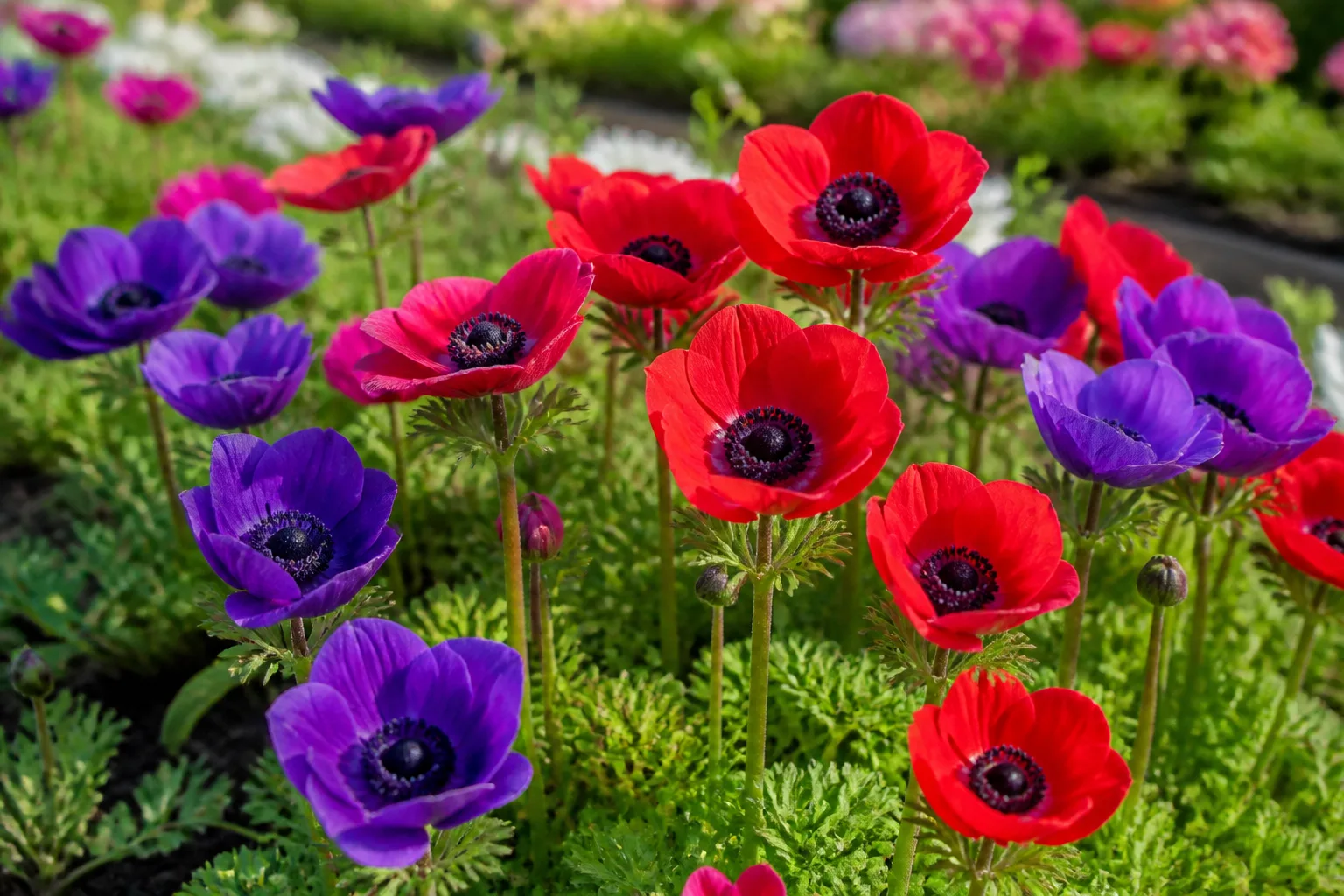
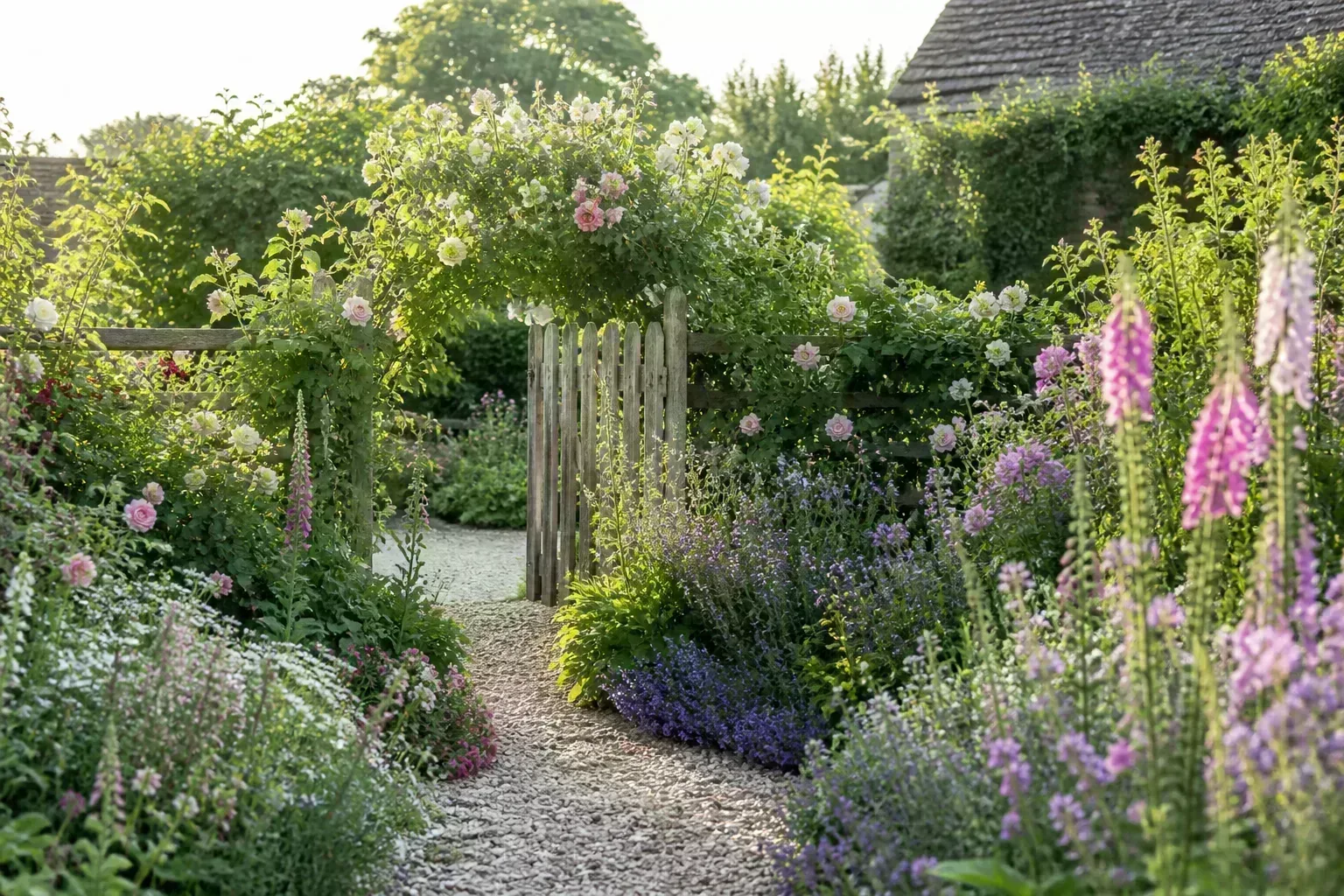
Spring bulbs get the headlines, but low maintenance spring flowering perennials are what turn a bare yard into a garden that looks intentional by May—without a summer of staking, spraying, and daily watering. The eight below earn their place because they bloom early, ask for little once established, and bring more than a two-week flower flush: seed heads, evergreen foliage, or mounding habits that hold the border together after petals drop.
This is not a “set and forget” list. Low maintenance in gardening means matching the plant to your sun, drainage, and USDA zone, then giving it a fair establishment season. Do that, and these perennials repay you with spring color and structure for years.
Why “Low Maintenance” Spring Perennials Still Need a Smart Match
A perennial is low maintenance when its natural habitat overlaps your site. Prairie smoke wants lean, sunny ground; Jacob’s ladder wants cool, moist shade; candytuft wants sharp drainage on a wall edge. Swap those roles and you will water, replace, or fight pests until the plant—or your patience—gives out.
Spring-flowering perennials differ from spring bulbs in one practical way: most grow from persistent crowns and roots, not stored bulb energy. You can plant many of them in early spring as container-grown starts and still see blooms this year, especially if you buy well-rooted pots and install before sustained heat. Bulbs are usually planted the previous fall; these herbaceous perennials fit the gardener who is shopping right now.
What low maintenance actually means in year one vs year five
Year one means regular deep watering while roots expand, light mulch to even out soil moisture, and resisting the urge to feed heavily. Penn State Extension notes that new perennials need consistent moisture during establishment—think weekly deep soakings in the absence of rain, not a daily sprinkle that only wets the surface.
Year five means occasional division (candytuft, pig squeak), a single post-bloom haircut (candytuft, leopard’s bane), or nothing at all (golden Alexander, prairie smoke). Fertilizer is rarely necessary in average garden soil; a thin compost top-dress every few years beats monthly synthetic feeds that push floppy growth.
If you are building a broader spring plan, pair this list with our guide to perennial flowers to plant this spring for summer-blooming companions that extend the season.
Spring Planting Windows: When Container Perennials Establish Fast
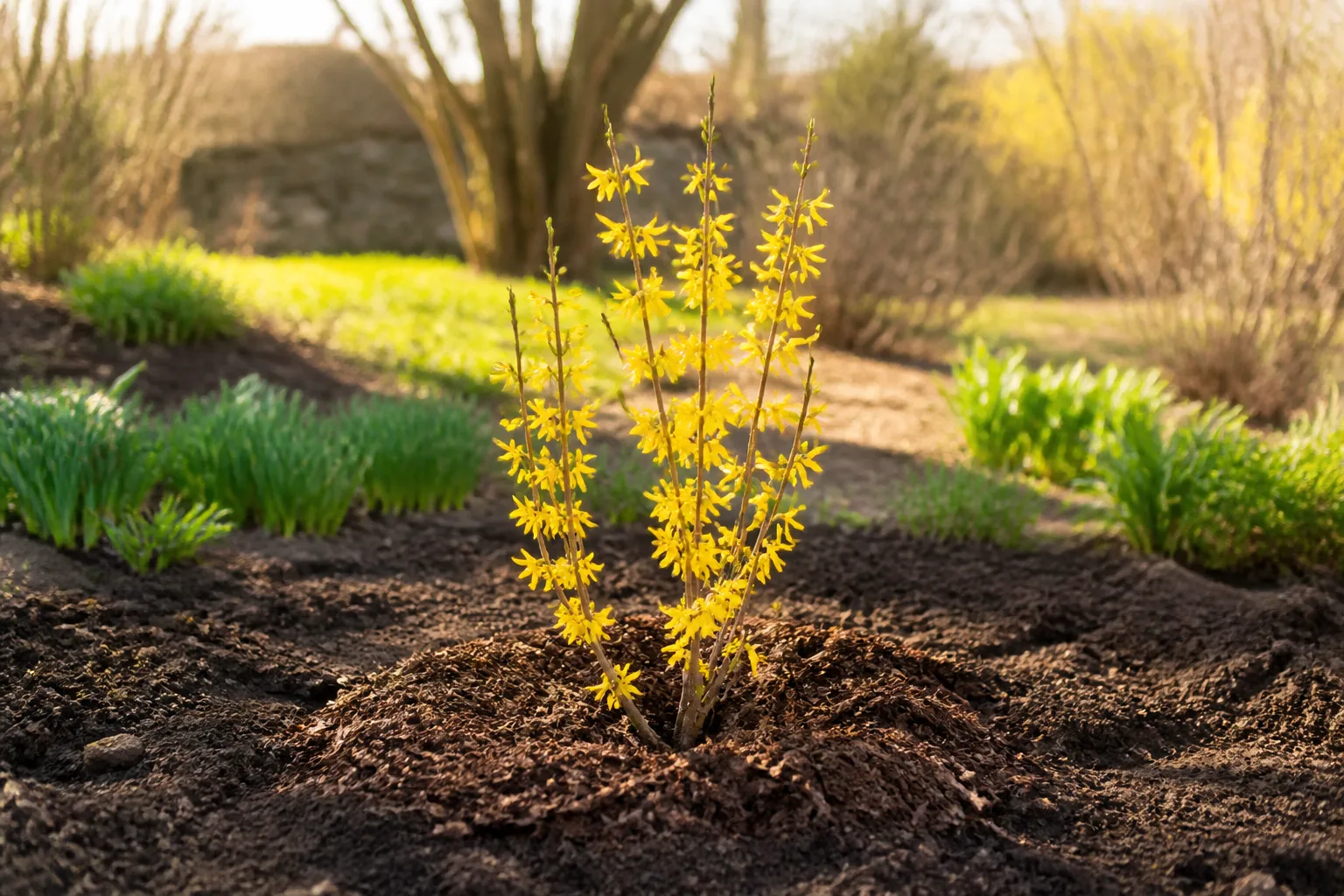
Early spring is a legitimate planting window for herbaceous perennials—even though woody spring bloomers like azaleas and lilacs are often better planted in fall when they are dormant. For the eight plants below, container-grown stock planted in spring usually outperforms bare-root divisions installed at the same time, because roots are already active and you can see top growth.
Frost dates, soil readiness, and the bare-root rule
Plant after your last hard frost when soil is workable and no longer a wet sponge. Squeeze a handful: if it forms a tight ball that stays clumped, wait. If it crumbles, dig.
Zones 5–6: Mid-April through May is ideal for most of this list. Nights above freezing and days in the 50s°F give roots six to eight weeks before summer stress.
Zones 7–8: March into early April works for shade lovers like wild geranium and pig squeak; install sun lovers before consistent 85°F days.
Zones 3–4: Late May into early June—use larger containers and be ready to protect tender new growth during late cold snaps.
Bare-root perennials—often sold mail-order—need longer to settle. For spring color this year, buy container-grown plants from a local nursery. If you already have bare-root stock, plant immediately at the cool end of your window and keep soil evenly moist. Do not let new bare-root plants bake on a patio while you finish other chores.
How much to water during the first six weeks
Water deeply at planting, then check the root zone twice a week. A finger inserted 2 inches down should feel cool and slightly moist—not soggy, not dust. Mulch 2 inches deep, keeping it off crowns. Once you see active new leaves and the plant survives a dry week without wilting, stretch intervals. Most entries on this list are moderate drinkers; prairie smoke and golden Alexander lean drier after establishment.
Sun, Shade, and Soil: Place Each Perennial Where It Wants to Live
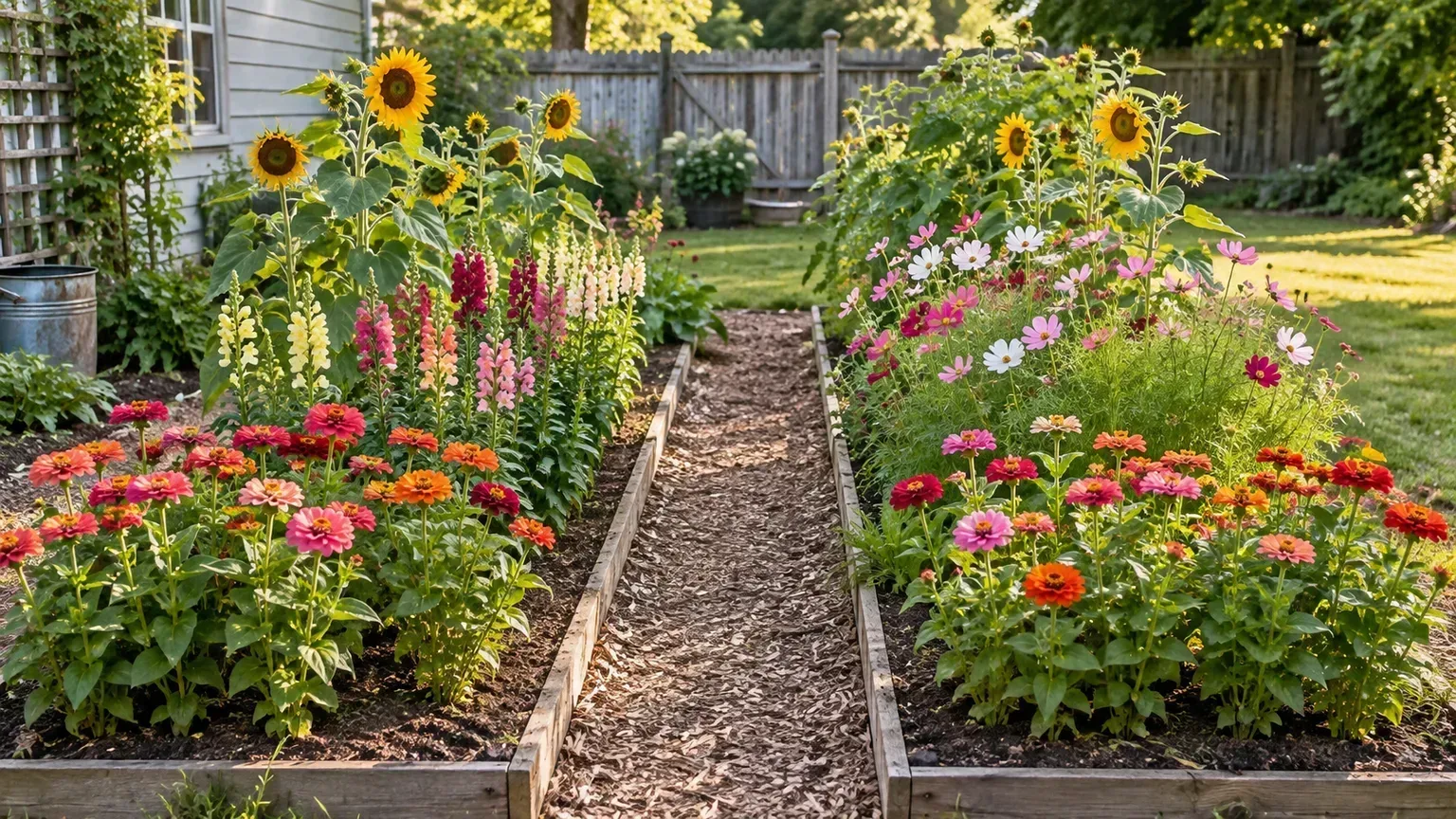
Structure in a spring border comes from repeating forms: low evergreen mats at the front, mounding foliage in the middle, airy vertical flowers at the back. Color follows placement more than variety.
| Plant | Best exposure | Soil note | Mature size (approx.) |
|---|---|---|---|
| Prairie smoke | Full sun | Lean, well-drained | 6–18 in. tall |
| Jacob’s ladder | Partial/dappled shade | Rich, moist | 12–24 in. tall |
| Candytuft | Full sun to part shade | Gravelly, sharp drainage | 6–12 in. tall, spreading |
| Leopard’s bane | Partial shade | Cool, moist | 1–3 ft. tall |
| Golden Alexander | Sun to part shade | Average, tolerates clay | 1–3 ft. tall |
| Wild geranium | Partial shade | Humus-rich woodland | 1–2 ft. tall |
| Pig squeak | Partial to full shade | Loamy, moisture-retentive | 12–18 in. tall |
| Hardy fuchsia | Part shade | Well-drained, cool roots | 2–4 ft. tall |
Quick placement guide for borders, rock gardens, and woodland edges
Rock gardens and wall toes: Candytuft is the specialist—tuck it where soil drains fast and winter wet will not rot crowns. See also our rock garden plants guide for pairing stones and drought-tolerant companions.
Woodland edges and north-facing beds: Wild geranium, Jacob’s ladder, leopard’s bane, and pig squeak thrive where afternoon sun is soft. For more shade options beyond spring, browse bright perennials for shade.
Open sunny borders and pollinator strips: Prairie smoke, golden Alexander, and candytuft (with afternoon shade in hot zones) build early-season nectar before summer perennials wake up. Our native perennials guide helps layer regional natives through the year.
Prairie Smoke (Geum triflorum)
Prairie smoke is a North American native whose nodding spring flowers are charming, but the smoky pink seed heads are the reason gardeners plant it. Those wispy plumes hover above ferny foliage from late spring into summer and look especially good backlighted by low sun.
Grow it in full sun and well-drained soil. It tolerates sandy or clay loam if drainage is honest. Plants reach roughly 6 to 18 inches tall and spread slowly—give them breathing room so taller neighbors do not swamp them. Water regularly the first season; after that, prairie smoke prefers drier summer conditions and needs little beyond removing spent foliage in late winter.
Zones 3–7. Bloom colors run pink to purple-red. Because it is compact, use prairie smoke at path edges or in front of taller spring partners where the seed heads stay visible. If you want maximum smoke effect, skip heavy fertilizer; lean soil encourages tighter growth and better seed-head display.
Jacob’s Ladder (Polemonium caeruleum)
Jacob’s ladder—also called Greek valerian—brings cup-shaped blue flowers and ladder-like leaflets to cool, shady gardens. It wants rich, consistently moist soil and tolerates dappled shade better than dry shade under thirsty trees.
In the species, flowers are deep blue; cultivars expand the palette to white, pink, and soft yellow. Expect 12 to 24 inches of height with a clumping habit. Dry spells shorten bloom and crisp foliage; a deep soak during hot, dry weeks extends flowers and keeps leaves presentable into summer.
Zones 4–9. Divide crowded clumps every few years in early spring if the center dies out—otherwise maintenance is light. Jacob’s ladder pairs beautifully with wild geranium and pig squeak in a woodland border where structure comes from contrasting leaf textures rather than constant color.
Candytuft (Iberis sempervirens)
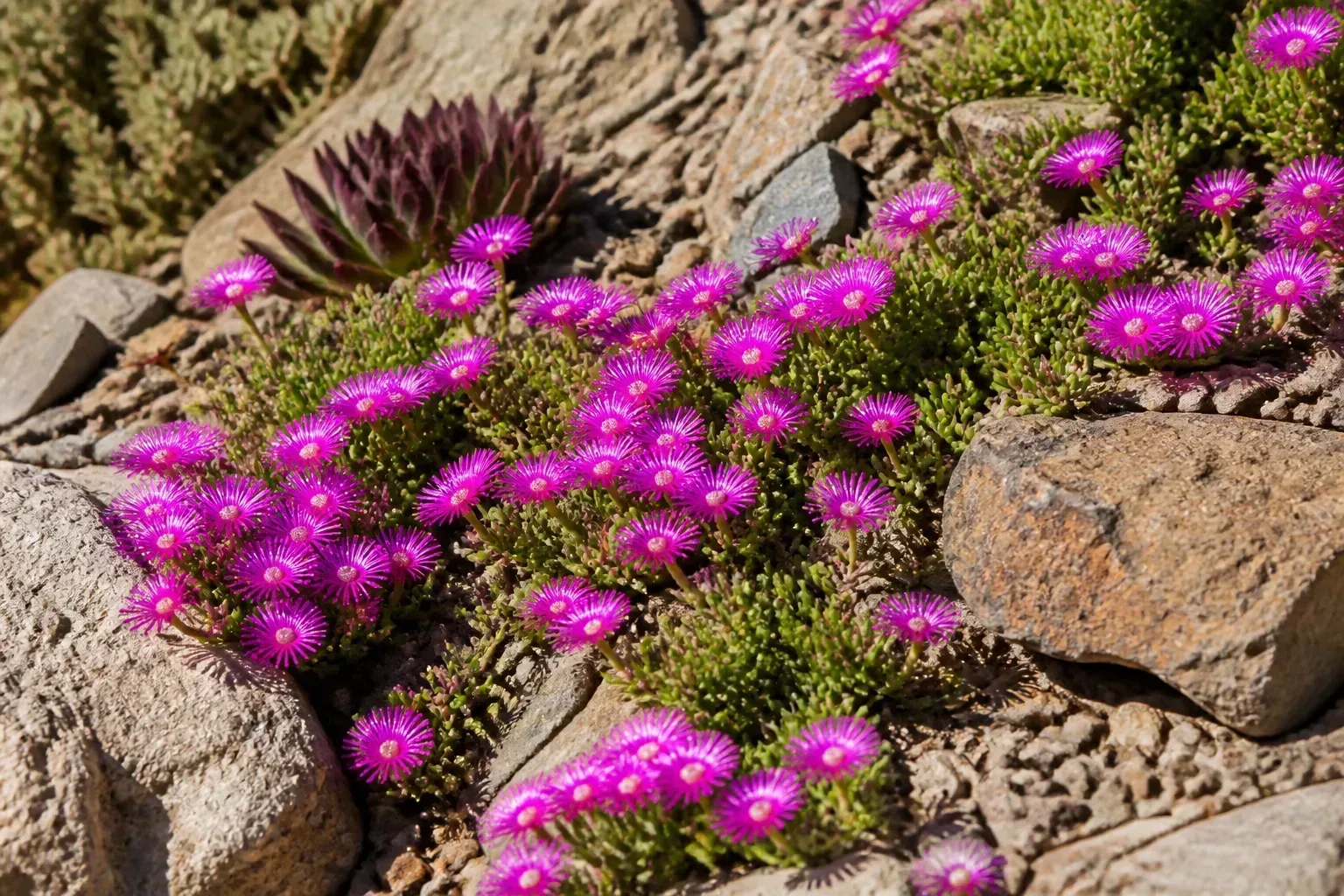
Candytuft is the workhorse for rock gardens, retaining-wall lips, and path edges. Evergreen mounds of narrow leaves erupt in dense clusters of white flowers in spring; pink and purple cultivars exist, but white remains the classic for brightening stonework.
More sun equals more bloom, though in Zones 8–9 afternoon shade prevents scorch. Sharp drainage is non-negotiable—wet winter soil is the fastest way to lose plants. After flowering, shear plants back by one-third to one-half to keep mounds tight; this is the main annual chore and takes five minutes per clump.
Zones 3–9. Height stays roughly 6 to 12 inches with a spreading habit that makes candytuft useful as a low evergreen skirt in front of taller spring perennials. Once established, water only during extended drought.
Leopard’s Bane (Doronicum orientale)
Leopard’s bane lights up partially shaded beds with daisy-like yellow flowers on sturdy stems in mid-spring. It is one of the few true yellow spring perennials for shade, and it photographs like sunshine against emerging hosta and fern foliage.
Cool nights extend its show; hot, humid summers often trigger dieback—do not panic. Cut tired foliage to the ground; fresh leaves usually return in fall. Species plants can reach 3 to 4 feet; compact cultivars like ‘Little Leo’ stay near 12 to 18 inches for smaller spaces.
Zones 4–7. Soil should stay evenly moist but not boggy. Leopard’s bane needs little feeding; compost at planting is enough. If you want a tidy summer look, interplant with ferns or hostas whose foliage covers the gap when leopard’s bane rests.
Golden Alexander (Zizia aurea)
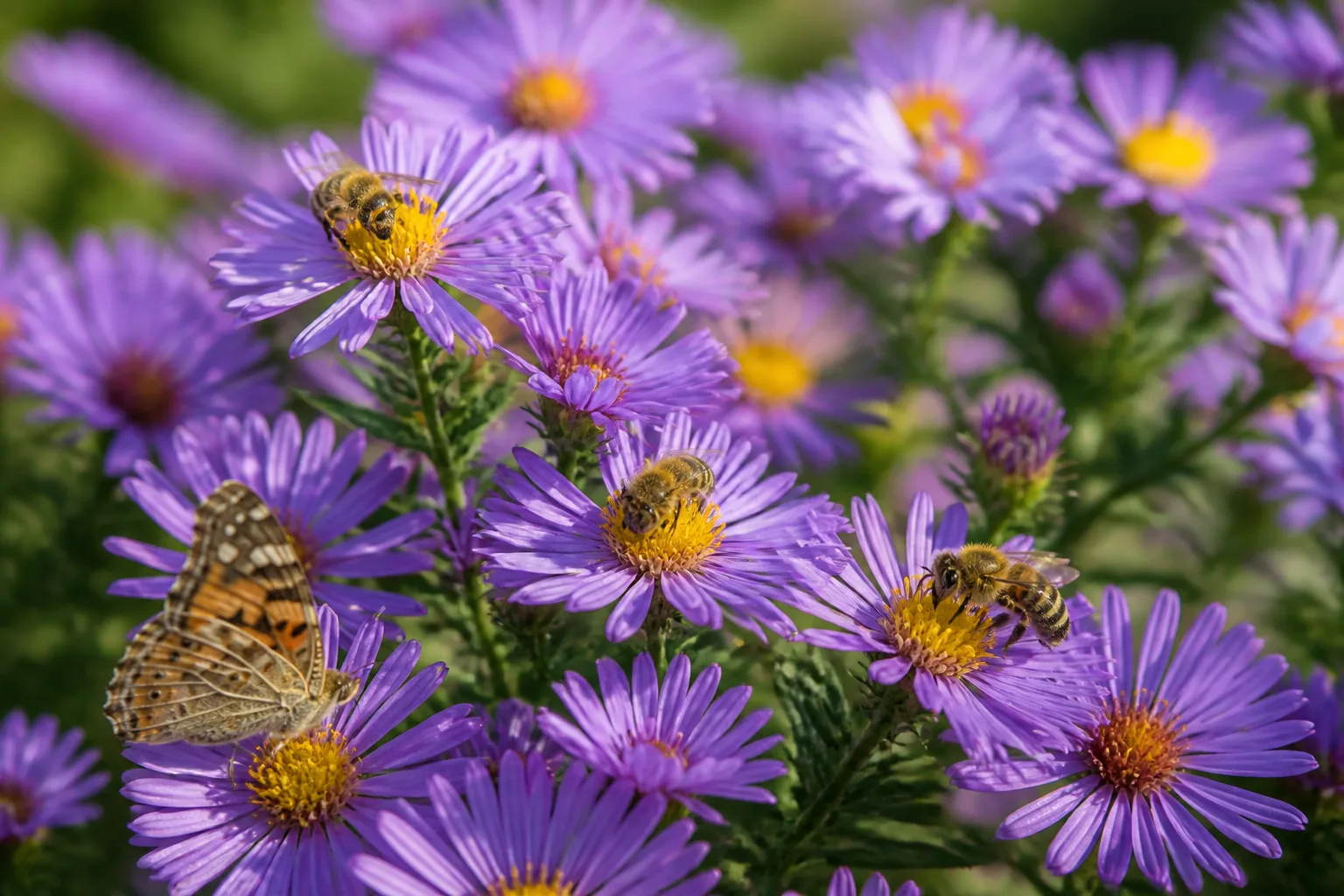
Golden Alexander is a native umbel bloomer—flat clusters of tiny yellow flowers on 1- to 3-foot stems—that feeds early pollinators when little else is open. Missouri Botanical Garden notes its value in native and pollinator plantings, and it serves as a larval host for black swallowtail butterflies.
Treat it as a short-lived perennial or long-lived biennial in some gardens: it self-seeds politely in open soil. If you do not want volunteers, deadhead before seeds mature. Otherwise, let it move gently through the border.
Zones 3–8. Full sun to part shade; average to clay soil with decent drainage. Drought tolerance is good after establishment, and pruning is optional. Golden Alexander bridges the gap between early spring ephemerals and summer daisies—excellent behind prairie smoke or along a fence line where its airy habit softens structure.
Spotted Wild Geranium (Geranium maculatum)
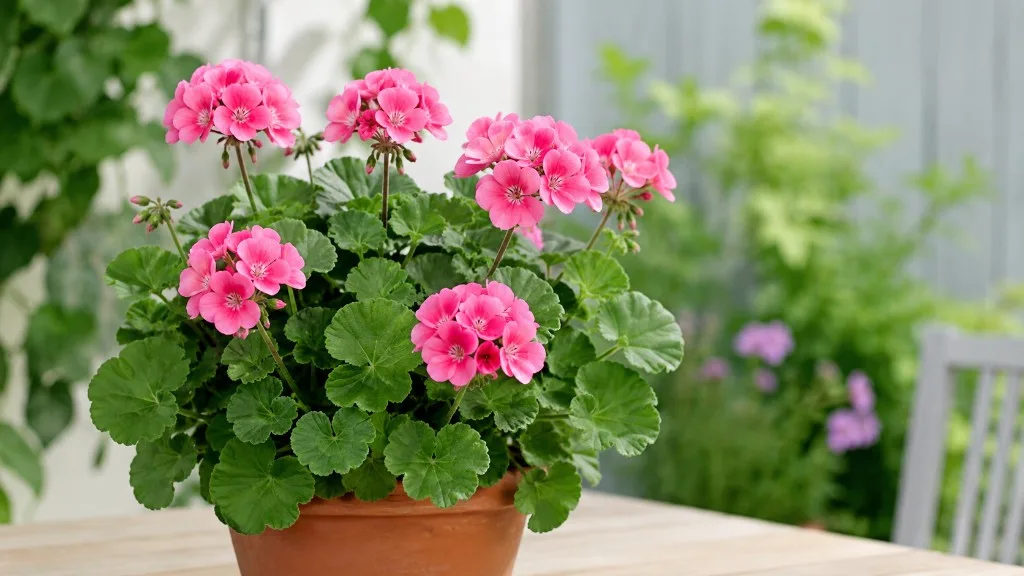
Wild geranium—cranesbill—is not the red Pelargonium sold as “geranium” in summer annual displays. This native woodland perennial offers saucer-shaped pink to lilac flowers, deeply lobed leaves, and red fall color in the best cultivars.
NC State Extension describes it as one of the showiest native cranesbills, preferring light shade to partial sun with rich, moist soil—though it tolerates full sun if moisture stays steady. Plants run 1 to 2 feet tall and spread into dense clumps that work as groundcover under shrubs.
Zones 3–8. Deer and rabbit resistance is a practical plus. Summer heat may yellow foliage; shear back lightly to refresh. Cultivars like ‘Espresso’ (dark leaves, pale pink flowers) and ‘Album’ (white blooms) add foliage interest after petals fall—real structure, not just a spring flash.
Pig Squeak (Bergenia cordifolia)
Pig squeak earns its nickname from the squeaky sound thick leaves make when rubbed. Leathery, glossy foliage forms evergreen clumps in shade, then sends up pink flower stalks in April—one of the few brightly colored spring bloomers for darker beds.
University of Minnesota Extension recommends partial to full shade and moist, well-drained soil. Plants spread slowly into dense mats without becoming invasive. Remove spent flower stalks after bloom; cut damaged winter leaves in early spring if they look tattered.
Zones 3–8. Water during prolonged dry spells—shade beds under trees can still dry out. Pig squeak’s bold leaves anchor the front of a shade border when wild geranium and Jacob’s ladder provide lighter texture behind it.
Fuchsia and Hardy Fuchsia: Read the Zone Label Twice
Tender fuchsias in hanging baskets are annuals in most of the country. For a perennial fuchsia in the ground, you need hardy fuchsia (Fuchsia magellanica and cultivars), which survives winters in roughly Zones 6–10 with mulch in the coldest end of that range. It blooms in summer and fall, not early spring—so include it as structure and late-season color, not as part of your April flower plan.
Plant hardy fuchsia after nights stay above 50°F. It wants partial shade, cool roots, and consistent moisture—avoid hot afternoon sun and dry winds. In Zone 5 and colder, grow fuchsias in pots and overwinter in a cool bright space rather than pretending they are no-maintenance ground plants.
If your goal is strictly spring bloom in cool climates, prioritize the seven species above and treat hardy fuchsia as a bonus for late summer hummingbirds.
Build a Spring Border With Structure, Not Just Flowers
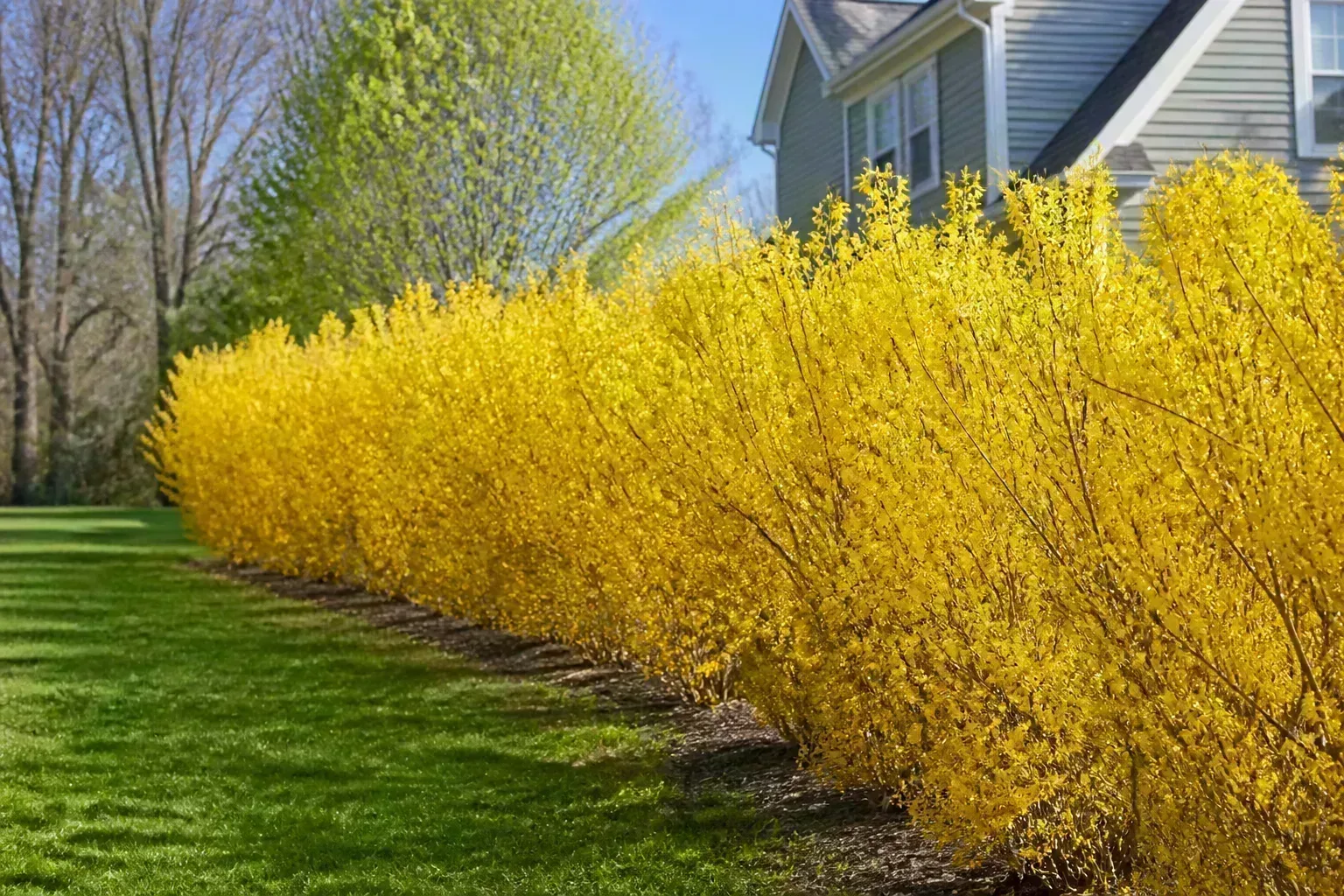
Color without structure reads like a temporary display. These perennials add foliage, seed heads, and evergreen mats that keep beds legible in June.
Layering height, foliage, and bloom sequence
Front edge (6–12 inches): Candytuft evergreen mounds; prairie smoke seed heads rising above low foliage.
Mid-layer (12–24 inches): Wild geranium clumps; pig squeak bold leaves; compact leopard’s bane cultivars.
Back or airy layer (2–3 feet): Golden Alexander umbels; tall Jacob’s ladder or species leopard’s bane; hardy fuchsia where climate allows.
Repeat each plant in odd-numbered drifts—three clumps of wild geranium read calmer than one of everything. Leave gaps for summer companions you will add from our long-blooming perennials list so the border does not peak and collapse in May.
Mistakes That Turn Easy Spring Perennials Into High-Maintenance Plants
Planting into cold, soggy soil. Roots suffocate; crowns rot. Wait for crumbly soil, especially for candytuft and prairie smoke.
Choosing bare-root for instant spring color. Container plants bloom sooner and fail less in year one.
Sun-shade mismatch. Pig squeak in blasting afternoon sun scorches; candytuft in deep dry shade thins out; Jacob’s ladder under maple roots dries to crisps.
Over-fertilizing natives. Prairie smoke, golden Alexander, and wild geranium prefer modest fertility. Excess nitrogen produces weak stems and fewer flowers.
Ignoring mature width. Wild geranium and pig squeak spread into respectable clumps—space for year three, not the pot size at checkout.
Treating hardy fuchsia like a spring annual. Know your zone; otherwise you are replanting every year and calling it low maintenance.
Letting aggressive neighbors swallow small plants. Prairie smoke and candytuft lose to tall aggressive grasses or spreading groundcovers—edit neighbors, not the perennial.
Conclusion
The best spring-flowering perennials for easy care are the ones that already like your yard: sunny and lean for prairie smoke and candytuft, cool and moist for Jacob’s ladder and leopard’s bane, humus-rich shade for wild geranium and pig squeak, open soil for golden Alexander’s pollinator show. Plant container-grown stock after frost into workable soil, water through the first establishment season, and let foliage and seed heads carry the border after blooms finish.
Pick three plants from the table that match your light and soil, install them this spring, and repeat in drifts—not singles. That is how you get spring color and structure without turning gardening into a part-time job.