What Is Micro Clover? Pros, Cons, and Lawn Care
Micro clover can reduce nitrogen fertilizer and mowing, but shade, heat, traffic, and herbicides matter. Use this practical guide to decide and plant well.
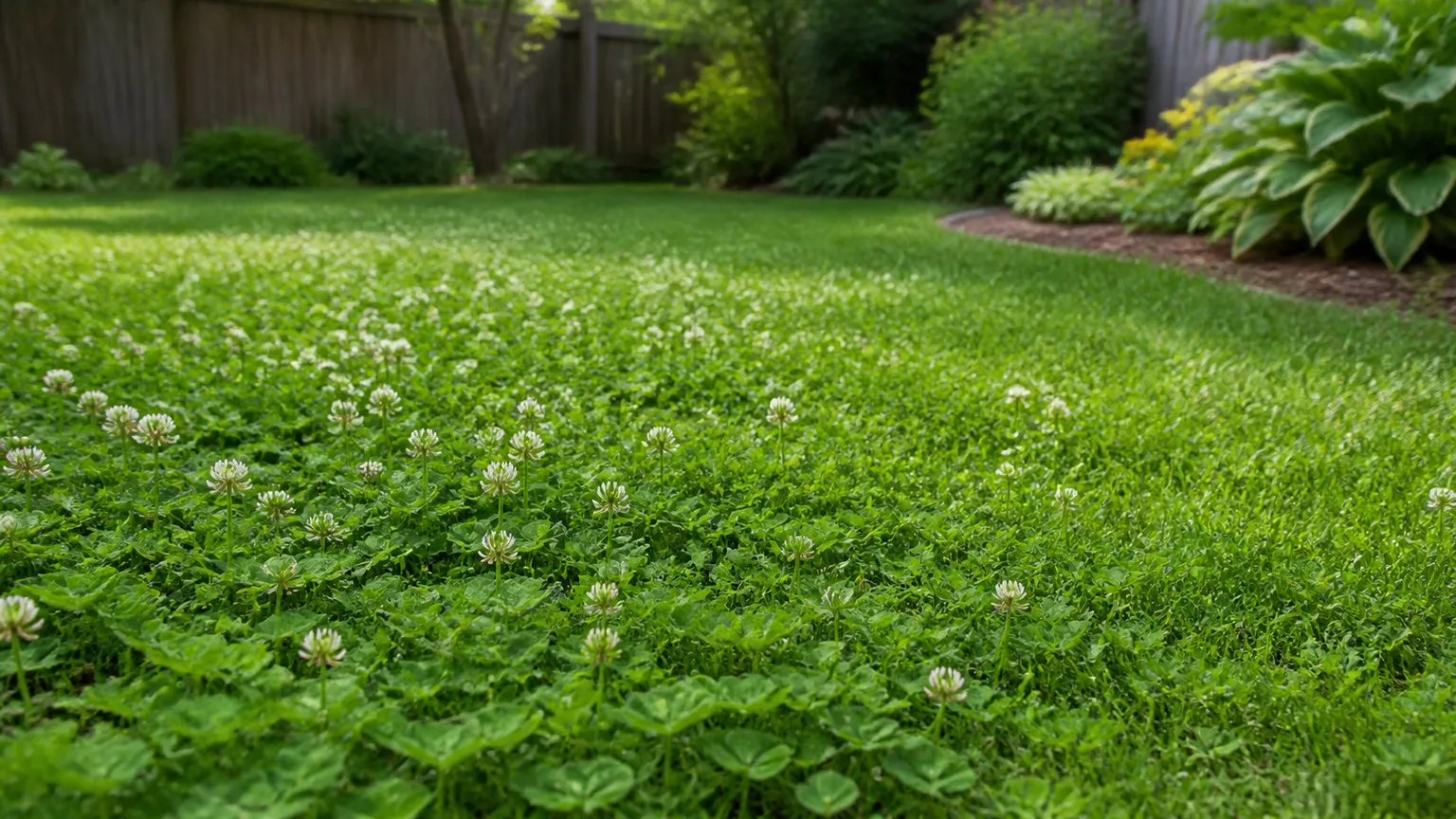
Microclover is a small-leaved selection of white clover chosen to blend into a lawn more quietly than ordinary white clover. It stays low, spreads through creeping stems, and partners with soil bacteria to fix atmospheric nitrogen. Those traits can mean less nitrogen fertilizer, fewer mowing passes, better cover over thin soil, and a softer-looking lawn.
The important qualification is that microclover is not a universal grass replacement. It performs best in a sunny site with a compatible cool-season turf, reasonable drainage, and light to moderate traffic. In deep shade, intense summer heat, constantly dry soil, or a yard that doubles as a sports field, it can thin quickly. The best question is not “Is microclover good?” but “Will microclover solve this lawn’s problem without creating a worse one?”
The short answer: what microclover is and what it does
Microclover is not a separate species from white clover. It is a group of smaller, lower-growing selections of Trifolium repens, including cultivars sold under names such as ‘Pirouette’ and ‘Pipolina’. Compared with standard white clover, it generally has smaller leaflets, a finer texture, fewer conspicuous flowers, and a habit that sits closer to the soil when mowed.
It is a legume, not a grass. Legumes form relationships with Rhizobium bacteria in root nodules. Those bacteria convert atmospheric nitrogen into forms the plant can use. Some nitrogen eventually becomes available to neighboring grass through plant residues, roots, and decomposition, but microclover is not a timed-release fertilizer dispenser. The amount of benefit depends on how much clover is present, whether the bacteria are active, the soil’s fertility, the grass species, and the weather.
That distinction changes how you care for a mixed lawn. You may be able to reduce a nitrogen application, but a soil test is a better guide than a blanket “never fertilize” rule. Adding excess nitrogen can also push the grass to grow more aggressively and shade or outcompete the microclover you planted.
Microclover is usually used in one of three ways:
- As an overseeding partner: Add it to an existing cool-season lawn to fill gaps and diversify the stand.
- As a grass-clover blend: Sow it with compatible grass seed when renovating a thin lawn.
- As a low-use ground cover: Grow it nearly alone where a flowering, informal surface is acceptable and foot traffic is limited.
For most home lawns, the second option is the safest starting point. Grass contributes wear tolerance and, in many climates, more reliable winter structure. Microclover contributes living cover and nitrogen fixation without requiring the entire yard to behave like a clover meadow.
Microclover vs. white clover vs. grass
The phrase “clover lawn” can describe several very different surfaces. Regular white clover has larger leaflets, more obvious flower heads, and a more visibly spreading habit. Microclover is selected to look tidier in a turf mix, but it can still flower and spread beyond the area where you sow it. Grass provides a more familiar texture and usually handles repeated running and turning better.
| Feature | Microclover | Regular white clover | Grass-dominant lawn |
|---|---|---|---|
| Leaf and texture | Small leaflets; fine, low look | Larger leaflets; more obvious clover texture | Blade texture varies by species |
| Flowers | Fewer when mowed, but still possible | More noticeable and frequent | Usually no flowers in a regularly mowed stand |
| Nitrogen | Fixes atmospheric nitrogen with bacteria | Same basic legume relationship | Usually needs added nitrogen for strong growth |
| Traffic | Best with grass in busy areas | Can spread and recover, but may thin in paths | Usually the strongest choice for repeated play |
| Shade and heat | Often weak in dense shade and peak heat | May be more forgiving, depending on site | Choose a grass species for the actual conditions |
| Weed control | Broadleaf treatments can damage it | Same broadleaf-herbicide problem | More broadleaf treatment options, subject to labels |
What a microclover lawn actually looks like
The visual goal is usually not a carpet of obvious clover. In a good blend, the small rounded leaflets sit between grass blades and make thin areas look fuller. When the microclover share is high or the grass is stressed, the clover becomes more visible and the lawn takes on a soft, slightly mottled texture.
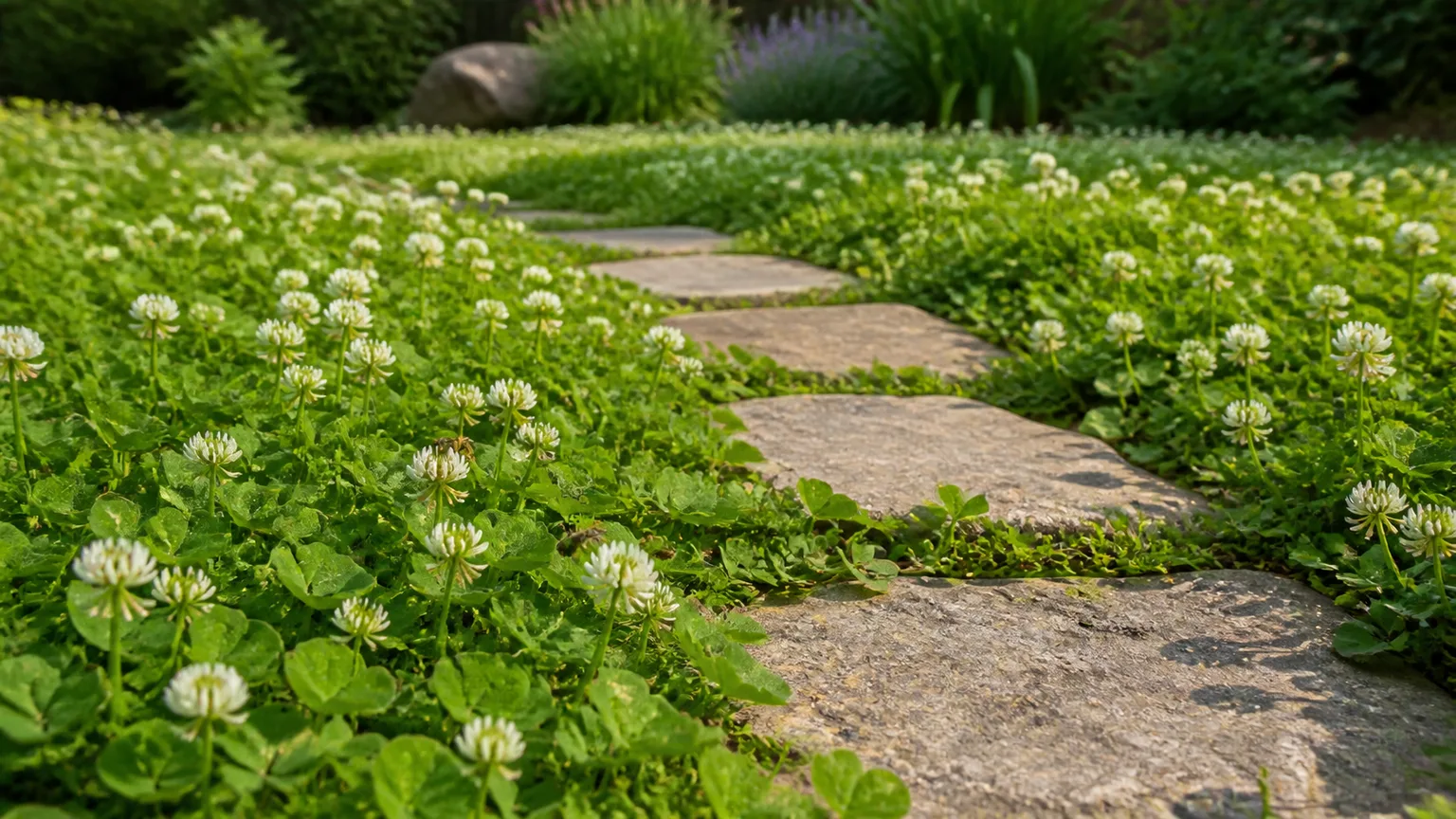
Regular mowing can keep flowers sparse. If you allow the lawn to grow taller between cuts, white flower heads will appear and attract bees. That is not a defect; it is the ecological trade-off of using a flowering broadleaf in place of an all-grass surface. If you need a tidy, barefoot area, create a mowed or paved route through the planting rather than trying to make the entire yard flower-free with chemicals.
When microclover is a good fit for your yard
Microclover earns its place when its strengths line up with the job. It is a promising candidate for a sunny front lawn, a lightly used backyard, a slope that needs living cover, or a thin cool-season lawn where reducing fertilizer inputs matters. It is less convincing as the sole surface for a soccer field, dog run, or shaded lawn under mature trees.
Screen the site for sun, soil, and climate
Start with sunlight, because it is the easiest deal-breaker to miss. Microclover needs several hours of direct light to compete successfully. A yard that receives bright reflected light but only a short beam of direct sun under a tree may still be too shady. If you can see the lawn only in morning or late afternoon light, trial a small patch before buying enough seed for the whole property.
Soil matters as much as the seed. Microclover dislikes the combination of compacted surface, standing water, and thin organic matter. It also tends to underperform in very sandy soil that dries rapidly. A soil test can reveal pH and nutrient problems, but it cannot replace a walk around the yard after rain. If water sits for a day, fix drainage and compaction before expecting a low-growing plant to fill the area.
Climate is the next screen. Microclover is perennial, but “perennial” means the plant can persist over years; it does not promise an uninterrupted green surface every month. Cold can cause top growth to die back, while intense heat and drought can make the clover disappear temporarily or create gaps that weeds occupy. A grass component can make those seasonal transitions less noticeable.
For a lawn with a difficult site, compare microclover with other options in our guide to lawn alternatives, rather than forcing one seed into the wrong conditions.
Match the lawn to traffic and household use
Ask how the lawn is used at its most demanding point, not on an average Tuesday. A decorative front yard with occasional walking is different from a backyard where children cut the same corner, a dog circles the fence, or guests drag chairs across the grass every weekend.
Microclover can recover from light use, but repeated traffic compacts the surface and breaks the growing points of a low plant. A blend with grass is more durable than a pure microclover stand because grass supplies upright leaves and, depending on the species, stronger wear tolerance. You can improve the odds further by adding stepping stones, a defined play zone, or a durable path where feet always travel.
Pet urine deserves a realistic expectation. Clover may recover from an occasional spot better than a stressed grass blade, but no groundcover is immune to repeated concentrated urine, digging, or a well-worn gate path. If your dog uses one strip constantly, solve the traffic pattern instead of expecting seed to compensate for it.
Benefits that hold up in a real lawn
Microclover is appealing because several small advantages reinforce one another. A dense, low stand can cover soil; covered soil leaves fewer open spaces for weeds; the legume supplies its own nitrogen; and fewer tall grass blades can mean fewer mowing passes. None of those benefits is automatic, but they are real when the site and management fit.
Nitrogen fixation can lower fertilizer pressure
The strongest practical reason to mix microclover into turf is its nitrogen relationship. Grass cannot fix atmospheric nitrogen on its own, so it depends on soil reserves, organic matter, clippings, and fertilizer. Microclover can obtain nitrogen through its bacterial partnership and can return some of that nutrient to the lawn system as roots and leaves decompose.
University of Maryland Extension research describes microclover as a potential organic nitrogen source in turf mixtures and reports the possibility of eliminating one nitrogen application in some systems (University of Maryland Extension’s lawns and microclover guidance). Treat that as a management possibility, not a universal schedule. A young lawn with little clover, poor soil, or a grass that is already nutrient-stressed may not deliver the same result.
Use a soil test before adding nitrogen. If the grass is pale, check whether the cause is actually nitrogen deficiency; compaction, poor drainage, drought, disease, and incorrect mowing can all create weak color or thin growth. In a successful blend, overfertilizing can be counterproductive because lush grass shades the microclover and changes the balance you wanted.
Dense cover helps with weeds, erosion, and bare soil
Microclover spreads through low, creeping stems and can occupy small openings between grass plants. That coverage makes it harder for some annual weeds to establish, especially where the lawn would otherwise have exposed soil. It is a competition advantage, not a weed-proof guarantee. A compacted lawn with a thin canopy can still grow crabgrass, plantain, dandelions, or other weeds alongside clover.
The same cover can help reduce soil movement on a gentle slope. Roots and stolons hold the surface together better than bare dirt, particularly during ordinary rain. On a steep or eroding bank, microclover should be one part of a drainage and erosion plan, not the only intervention. Slow runoff, stabilize channels, and choose plants that can survive the slope’s moisture pattern.
The useful sequence is simple: fix the cause of thin turf, expose enough soil for seed, establish a dense mix, and mow at a height that preserves leaf area. Our guide to helping a lawn grow faster covers the broader soil, watering, and mowing decisions that make any overseeding more successful.
Flowers support pollinators, with a few practical caveats
A grass-only lawn offers little forage when it is kept short. Microclover flowers add a resource for bees and other small pollinators, particularly when a section is allowed to bloom. The smaller flower display can look more restrained than ordinary white clover, but mowing suppresses flowers rather than changing the plant’s biology.
That benefit needs to be planned around how people use the yard. Bees close to the ground are useful in a pollinator lawn and inconvenient in a barefoot play lane. If someone in the household has a serious sting allergy, keep flowering areas away from the main seating and walking route, mow before peak bloom where appropriate, and follow the person’s medical safety plan. Do not spray insecticide across a flowering lawn to remove beneficial pollinators.
Microclover can also coexist with pets, but do not sell it as a pet-proof lawn. Give dogs a durable route and a designated relief area, and keep clover away from the spots that receive constant turning. For more deliberate pollinator planning, see our clover lawn guide.
Limitations to plan for before you sow
Microclover’s low, fine appearance can create unrealistic expectations. It is lower-input in the right situation, not maintenance-free in every situation. Before buying seed, decide which compromise you can live with: some seasonal brown, occasional flowers, a limited herbicide toolbox, or the need to reseed after stress.
Heat, shade, drought, and winter dieback
Dense shade is one of the clearest reasons to skip microclover. The plant needs enough light to make the carbohydrates that support creeping growth. Under a mature tree, the competing roots, dry surface soil, and filtered light can combine into a site where clover and grass both struggle. Raise the mowing height, improve the soil where possible, or choose a shade-adapted alternative instead.
Peak summer is another stress test. Microclover is sometimes promoted as drought tolerant because its roots and low cover can conserve water compared with taller, thirstier growth. That does not make it drought-proof. During prolonged heat or drought, it may go dormant or thin while the grass component also slows. Irrigate according to local water restrictions and soil conditions, then wait for cooler weather before deciding the stand has failed.
Winter appearance varies with temperature and snow cover. A perennial crown can survive even when the top growth turns brown, but a sparse winter surface may expose soil to weeds and erosion. This is one reason a compatible cool-season grass mix is usually more forgiving than a 100% microclover lawn. If year-round uniform green is non-negotiable, microclover may be the wrong aesthetic choice.
Herbicides make weed control a different job
Microclover is a broadleaf plant. The broadleaf herbicides commonly used to remove dandelions and other lawn weeds may also injure or kill the clover you intentionally planted. University of Maryland Extension notes this limitation for microclover mixed with turfgrass, so read every product label for the specific grass, clover, application timing, and restrictions before treating the lawn.
Do not assume that a product labeled “safe for lawns” is safe for a grass-clover mix. If chemical control is incompatible, use prevention, mowing, hand removal of isolated weeds, and better density as your first tools. Correct drainage and compaction, because weeds exploit the same thin spots that allow microclover to decline. During establishment, avoid herbicide applications unless the label explicitly permits the product on the new mixture and the timing is appropriate.
This limitation is not a reason to tolerate every weed. It is a reason to identify the weed, protect the desirable plants, and choose the least risky control method. Our guide to getting rid of lawn weeds explains how to match the method to the weed and the site.
How to establish microclover in a lawn
Establishment is where many “easy lawn” promises fall apart. Microclover seed is small, and existing turf can hide it from soil contact. The goal is not to scatter seed over a thick thatch layer; it is to create enough open, firm soil for the seed to stay moist and root before the grass canopy closes again.
Pick the timing, cultivar, and grass partner
Choose a cool, actively growing window. In a northern lawn, that is commonly spring after the soil can be worked or late summer into early fall, when air temperatures moderate and cool-season grass is ready to grow. In a warmer region, local fall timing may be more reliable than spring if summer heat is severe. Leave enough time for seedlings to root before the first sustained freeze or the next hot, dry stretch.
Buy seed that identifies the plant as microclover or a named microclover selection, not a bag that merely says “clover.” Confirm whether it is coated and inoculated, and read the label for the seeding rate. The coating can carry beneficial bacteria and make tiny seed easier to handle, but it does not correct poor seed-to-soil contact or unsuitable site conditions.
Grass compatibility matters. Microclover has been reported with Kentucky bluegrass, perennial ryegrass, turf-type tall fescue, and fine fescues, but results vary by cultivar, rate, climate, and soil. An Ask Extension summary of University of Maryland trials describes good balance with Kentucky bluegrass and turf-type tall fescue, while microclover dominated tested hard and chewings fescue mixtures under some conditions (Ask Extension’s microclover mixture discussion). If the seed label gives a tested blend, use it; otherwise trial a small area before converting the whole lawn.
Prepare the surface and calculate seed
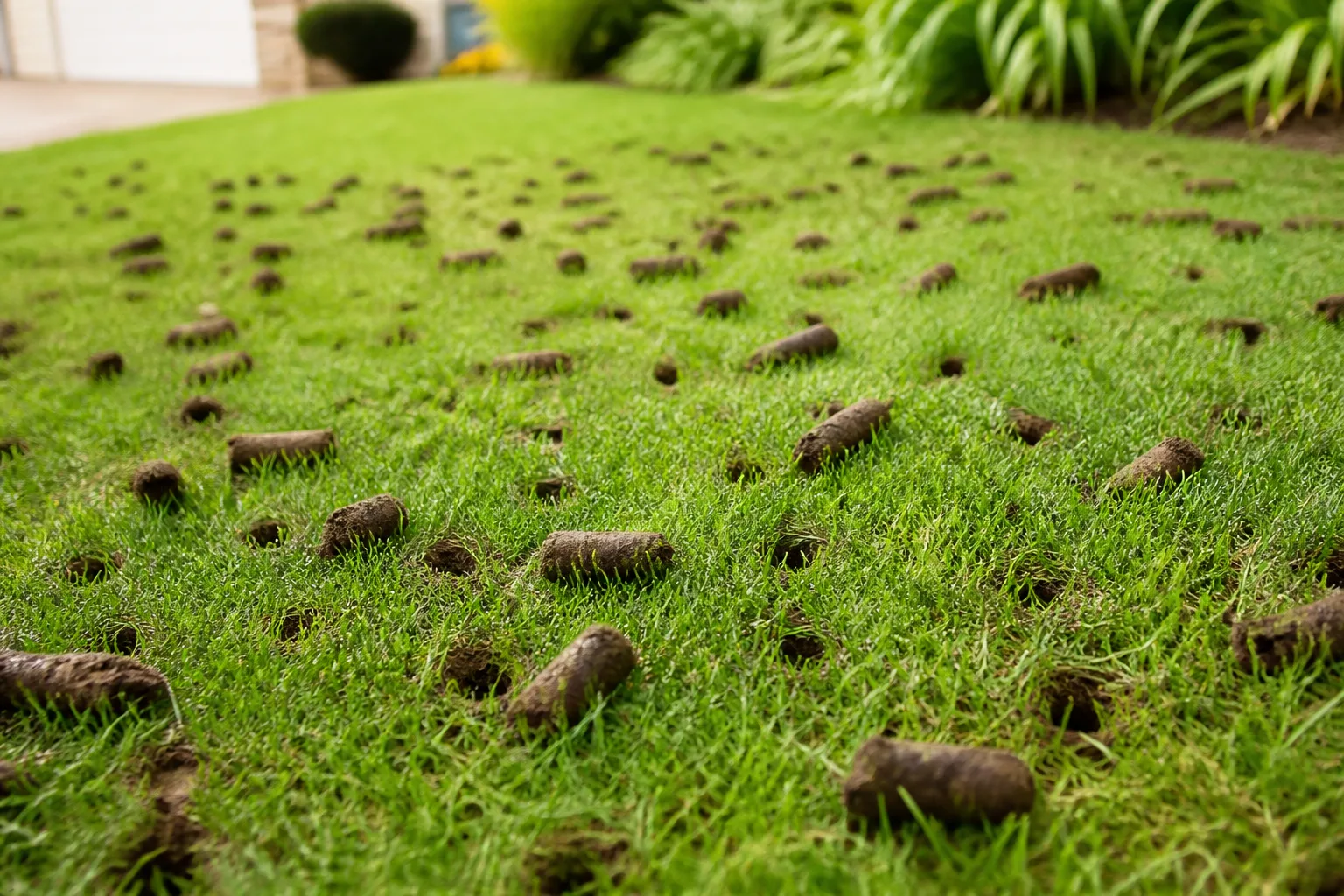
For overseeding, mow the existing lawn shorter than usual—roughly 2 to 3 inches is a practical starting point for many cool-season stands—and remove clippings. You are not trying to scalp the grass; you are opening the canopy so light reaches the seed and the seed can touch soil. Rake out thick thatch, and use core aeration or another appropriate renovation method if the surface is compacted.
Penn State Extension’s lawn establishment guidance emphasizes planning around soil conditions, seed-to-soil contact, moisture, and follow-up care. Those basics apply to microclover even though the clover seed itself is smaller than most grass seed.
Use the package rate rather than borrowing a number from another cultivar. The math is:
area in square feet ÷ 1,000 × label rate per 1,000 square feet = seed required
For example, if a label calls for 1.5 pounds per 1,000 square feet and you are treating 2,000 square feet, the calculation is 2 × 1.5, or 3 pounds. If you are adding microclover to an existing lawn, the correct rate may be lower than the rate for a pure stand. Weigh the seed instead of estimating by cups; tiny seed is easy to overapply, and too much clover can change the balance of the mix.
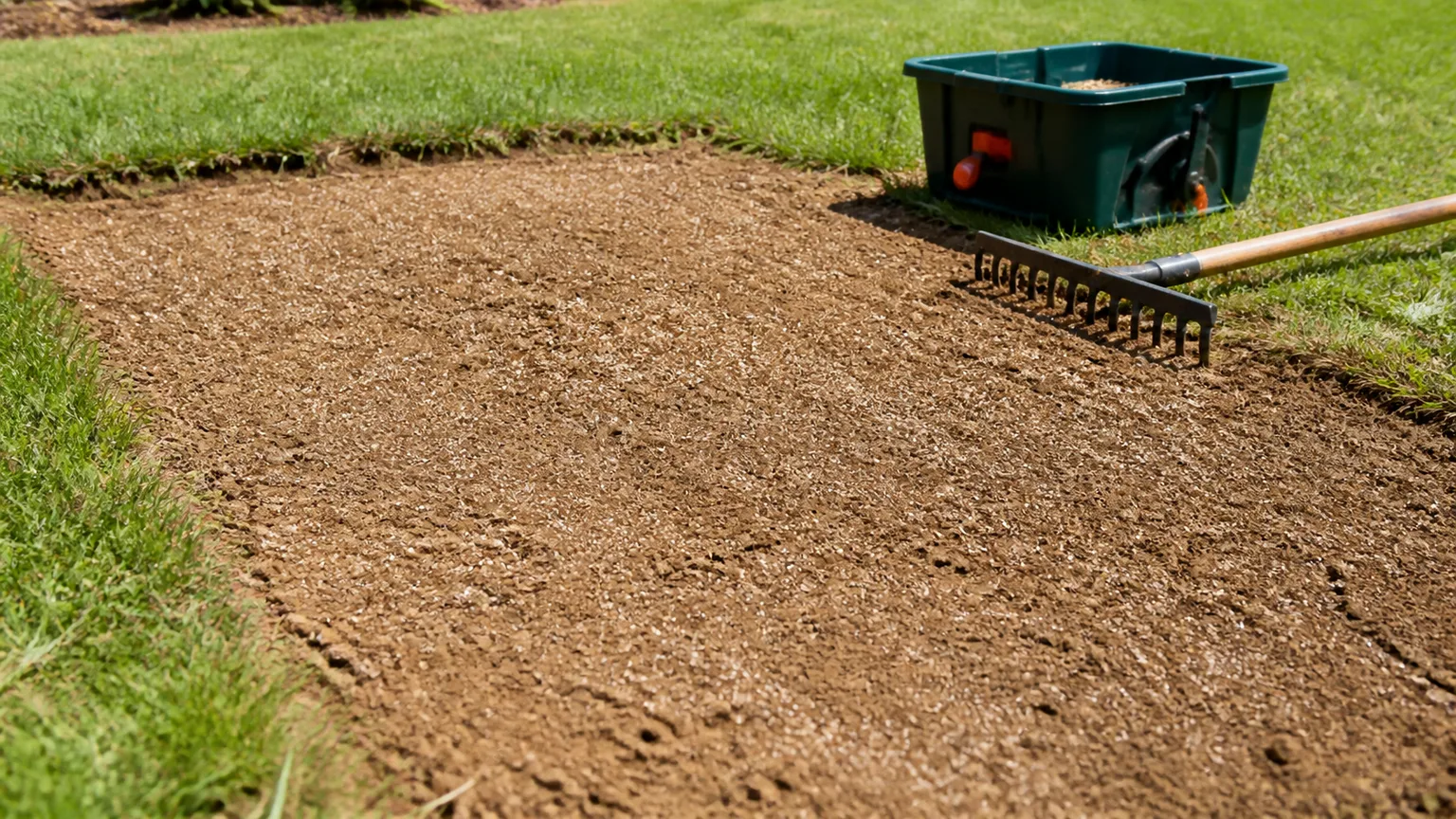
If the product allows it, blend the seed with a dry, inert carrier so it spreads more evenly. Divide the total into two portions and broadcast in perpendicular directions. Finish by pressing or rolling lightly. Do not rake the seed deeply; a thinly covered seed may fail where a seed resting on firm soil would have germinated.
Broadcast, water, and make the first mow count
Water immediately after sowing and keep the top layer consistently damp while the seed germinates. Use short, gentle watering cycles that moisten the surface without washing seed into a low spot. Wind, sun, soil texture, and mulch change the schedule, so check the soil with a finger rather than setting a timer and walking away.
As seedlings emerge, protect the area from foot traffic. Fresh roots are shallow, and a dog or mower wheel can undo several days of establishment. When the grass and clover are rooted enough that a light step does not leave them flattened, begin mowing according to the grass component’s height. Penn State Extension recommends starting newly established turf when it is about one-third taller than the desired cutting height and removing small amounts rather than scalping a long stand.
Set the mower high enough to protect the grass and allow the microclover to remain leafy. If the mix is flowering and you prefer fewer flowers, mow before bloom peaks, but never lower the deck so far that you remove most of the canopy. The first season is about building a rooted stand, not achieving a perfectly uniform picture immediately. Under good conditions, microclover can take several weeks to settle into a blend; Martha Stewart’s horticulture coverage describes roughly two months for full establishment, with timing affected by the site (Martha Stewart’s microclover growing guide).
How to maintain a microclover-grass lawn
Treat maintenance as balance management. Mow for the grass’s needs, water deeply enough for the site once roots are established, and adjust fertility based on a soil test instead of automatically feeding a grass calendar. If the clover declines, inspect light, moisture, compaction, traffic, and herbicide exposure before buying more seed.
The mowing height should serve the taller partner in the mix. Microclover tolerates regular mowing, but cutting a lawn too low removes leaf area and exposes soil, creating the conditions that invite weeds and heat stress. Keep to the one-third rule, sharpen the blade, and avoid mowing saturated ground. A low clover-heavy stand may need fewer passes, but a grass-heavy mix will still grow at the grass’s pace.
Water new seed frequently enough to keep the surface damp; water an established lawn less often but more thoroughly when weather and local restrictions allow. Microclover may remain green longer than stressed grass in some conditions, but do not use its presence as proof that the whole root zone has enough moisture. Check the soil and the grass together.
Fertilize only what the soil and the grass require. Nitrogen can be reduced in a successful microclover blend, while phosphorus and potassium should not be added just because the lawn contains a legume. Too much nitrogen favors tall, dense grass and can gradually shade out the clover. If a test shows a deficiency, follow the local recommendation and the product label rather than guessing.
Expect to reseed thin areas after winter dieback, prolonged summer stress, construction, or heavy traffic. Reseed when growing conditions return, and repair the cause at the same time. A strip that thins every year beside a gate needs a path or traffic change; a patch that disappears under a tree needs a light and moisture solution; a lawn that fails after weed killer needs a new weed-control plan.
If microclover has spread into a bed where you do not want it, pull young runners before they root deeply and maintain a clean edge. Avoid broad herbicide drift near desirable plants. The plant’s low, creeping habit is an advantage in a lawn and a containment task at the border.
Conclusion: choose microclover for the right lawn, not every lawn
Microclover is a useful lawn partner when you want a fine, low-growing surface with some nitrogen-fixing capacity, fewer conspicuous flowers than ordinary white clover, and a chance to reduce mowing or nitrogen inputs. It is most dependable in a sunny, reasonably fertile, well-drained lawn mixed with compatible cool-season grass and used lightly to moderately.
It is not the right answer for deep shade, a constantly abused play field, severe heat and drought without irrigation, or anyone who depends on broadleaf herbicides and expects a clover blend to survive them. Start with a test strip, read the seed label, expose soil, press the seed in, keep it moist, and judge the result through a full season rather than one flush of spring growth. A lawn that fits your site will need fewer rescues than a lawn chosen from a benefits list.