Monkey Tail Cactus Care: Light, Water, and Soil
Grow a Monkey Tail Cactus with bright light, gritty soil, seasonal watering, safe propagation, and practical fixes for rot, pests, and weak stems.
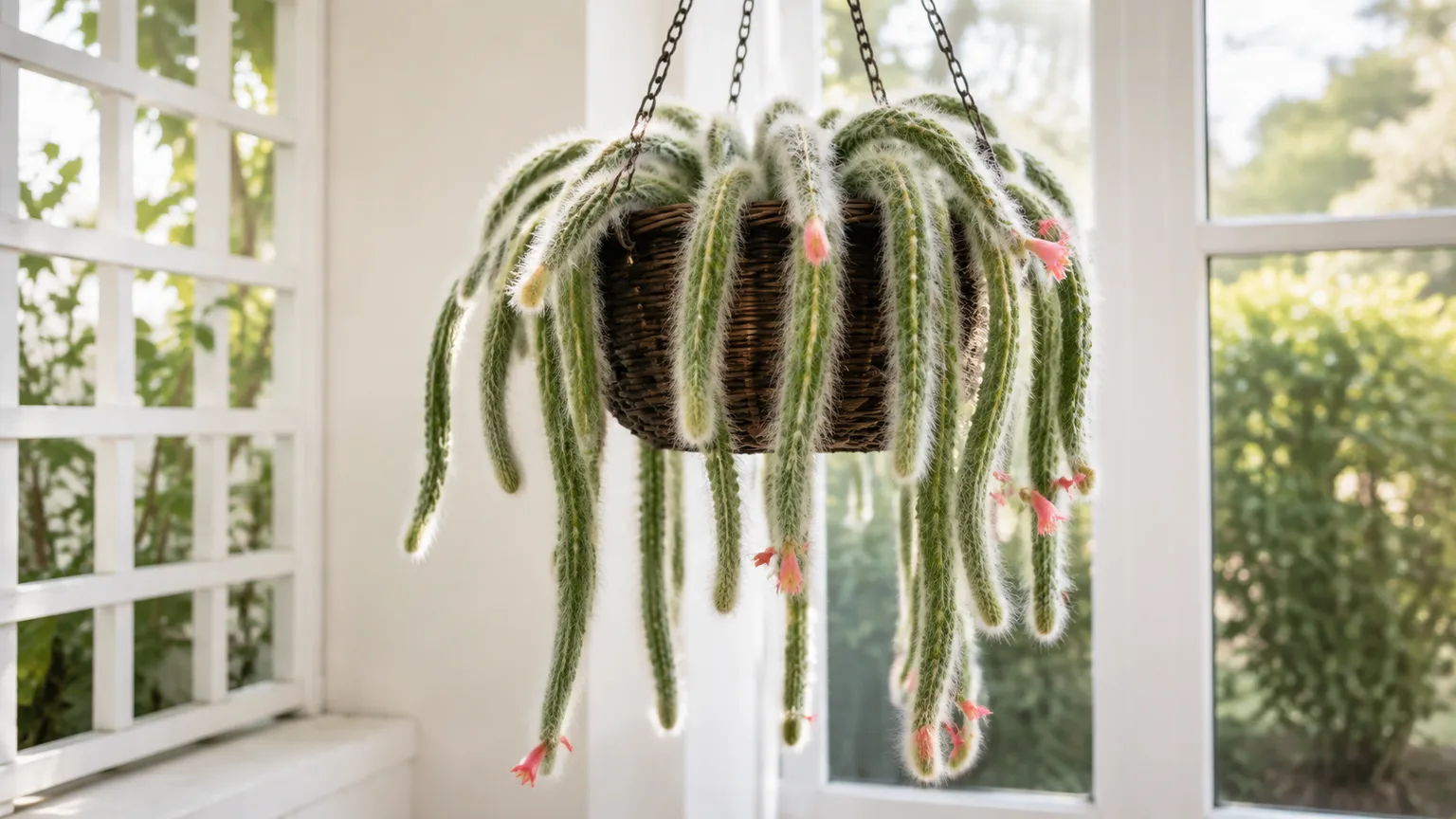
The Monkey Tail Cactus (Cleistocactus colademononis) is a trailing cactus with cylindrical green stems cloaked in long, white, hair-like spines. It starts upright, then spills over a pot or basket, and mature plants can produce red or pink tubular flowers.
The easiest way to keep it healthy is to think in terms of bright light above ground and fast-drying soil below ground. The plant stores water in its stems, but that does not make a wet pot safe. Give it enough light to use water, a gritty mix that lets roots breathe, and a dry rest when temperatures and growth slow.
What makes this cactus different
Kew accepts Cleistocactus colademononis as the species name and records its native range in Bolivia’s Santa Cruz region. You may also see it sold under older names such as Hildewintera colademononis or Cleistocactus winteri subsp. colademono; those names describe the same familiar plant in the nursery trade. Kew’s Plants of the World Online is a useful reference when a label uses a synonym.
The species grows as a trailing, fleshy-stemmed cactus associated with rocky sites. The Royal Horticultural Society describes stems up to about 1 metre in cultivation, white hair-like spines, spring red or pink flowers, full light, and well-drained growing conditions. Its highland origin explains why it can appreciate a cool, dry winter, but it does not mean a potted plant is safe from frost or rain-soaked roots.
The common name is also easy to confuse with rat-tail cactus. Rat-tail usually refers to Aporocactus flagelliformis or related names, a different cactus with shorter bristly spines and a different botanical background. Gardenia’s comparison page describes the rat-tail’s Mexican range and bristly stems; buy by the botanical name if the exact plant matters.
Monkey Tail Cactus care at a glance
| Need | Practical target | What tells you to adjust |
|---|---|---|
| Light | Bright indoor light with gentle direct sun; stronger outdoor light only after acclimation | Thin, stretched stems suggest too little light; bleached or brown patches suggest too much too quickly |
| Soil | Cactus or succulent mix cut with mineral material, in a pot with a drainage hole | Water sits on the surface, the mix stays cool and wet, or the stem base softens |
| Water | Soak thoroughly only after the mix is dry; drain the saucer | Watering on a schedule keeps the root zone wet, especially in winter |
| Temperature | Warm growth, cool and dry rest; no frost exposure | Cold plus wet soil is more dangerous than a short cool spell in a dry pot |
| Fertilizer | Dilute, low-nitrogen cactus feed during active growth | Soft, overly lush, or weak stems usually mean too much feed or too little light |
| Display | Sturdy hanging basket or heavy pot with room for trailing stems | Tails drag on a shelf, the container tips, or handling breaks the hair-like spines |
These are starting points, not promises. A small plant in a bright terracotta pot may dry in a week, while a large plant in a dim room can stay wet for several weeks. Check the plant and pot before you reach for the watering can.
Choose the brightest safe placement
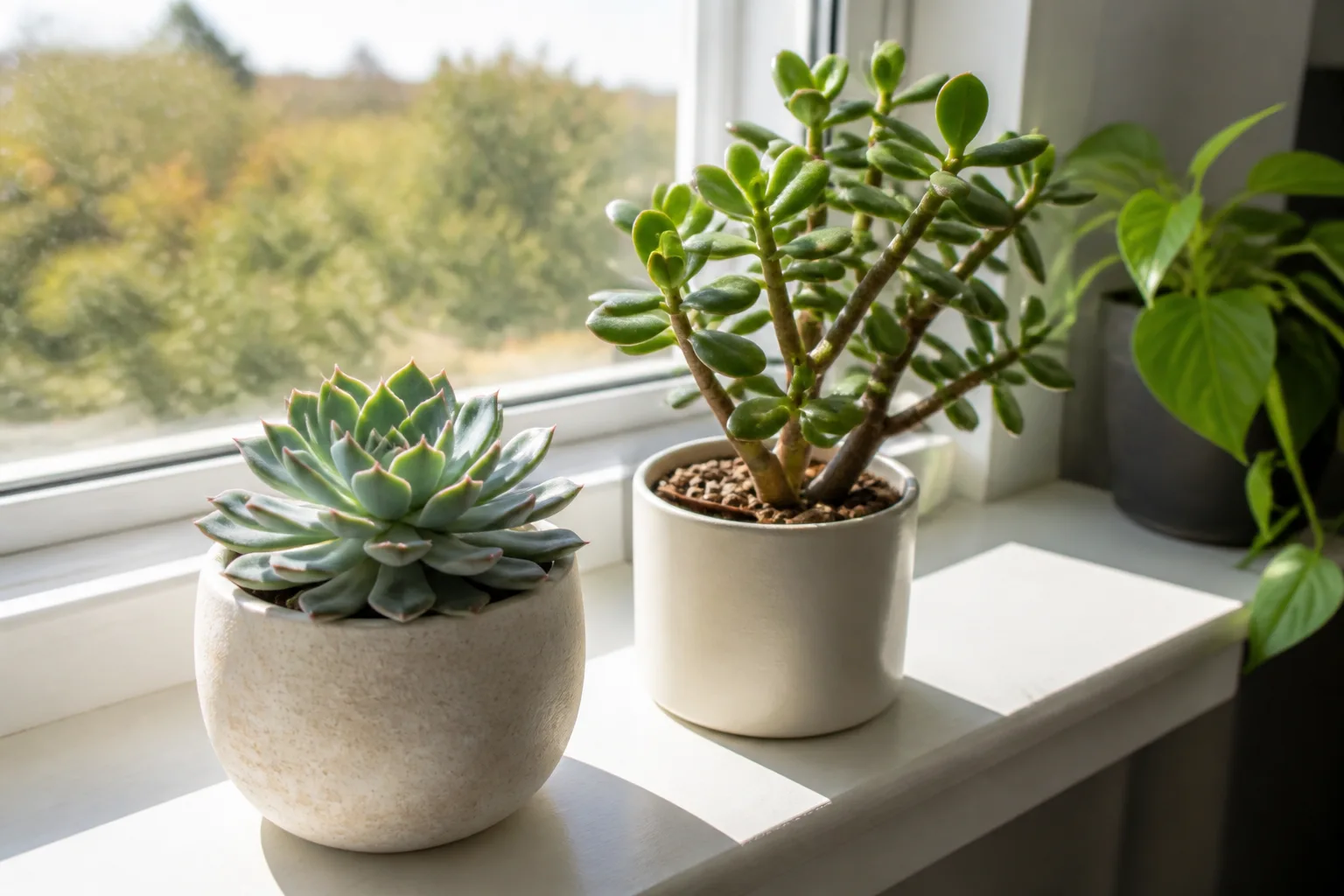
Indoors, put a Monkey Tail Cactus close to a bright east, south, or west window. A sheer curtain can soften intense midday rays, but a dark corner several feet from the glass will usually produce thin, weak growth rather than a full coat of white spines. A grow light can help in winter if the plant is warm enough to keep growing; if the room is cool and the plant is resting, do not use extra light as a reason to keep watering.
Outdoors, the best location depends on the strength of your climate. In a mild coastal or high-elevation garden, the plant may take more sun. In a hot interior climate, morning sun with afternoon shade is safer. The RHS lists full sun for cultivation, while species-level growing guidance from Gardenia emphasizes bright light with protection from the harshest afternoon exposure. Both points can be true when you treat light intensity and acclimation as variables rather than labels.
Acclimate before giving stronger sun
Never move a plant from a dim indoor shelf directly into full outdoor sun. Start with bright shade or gentle morning sun for several days, then lengthen the exposure over one to two weeks. If the stems develop bleached cream patches, reddish-brown scarring, or a sudden dull cast, move it back to filtered light and slow the transition.
Rotate an indoor plant a quarter turn every week or two if one side is stretching toward the window. Do not rotate it into a hotter pane during the afternoon without checking the temperature of the stem. Light through glass can create a much hotter microclimate than the room temperature suggests.
Build a fast-draining root zone
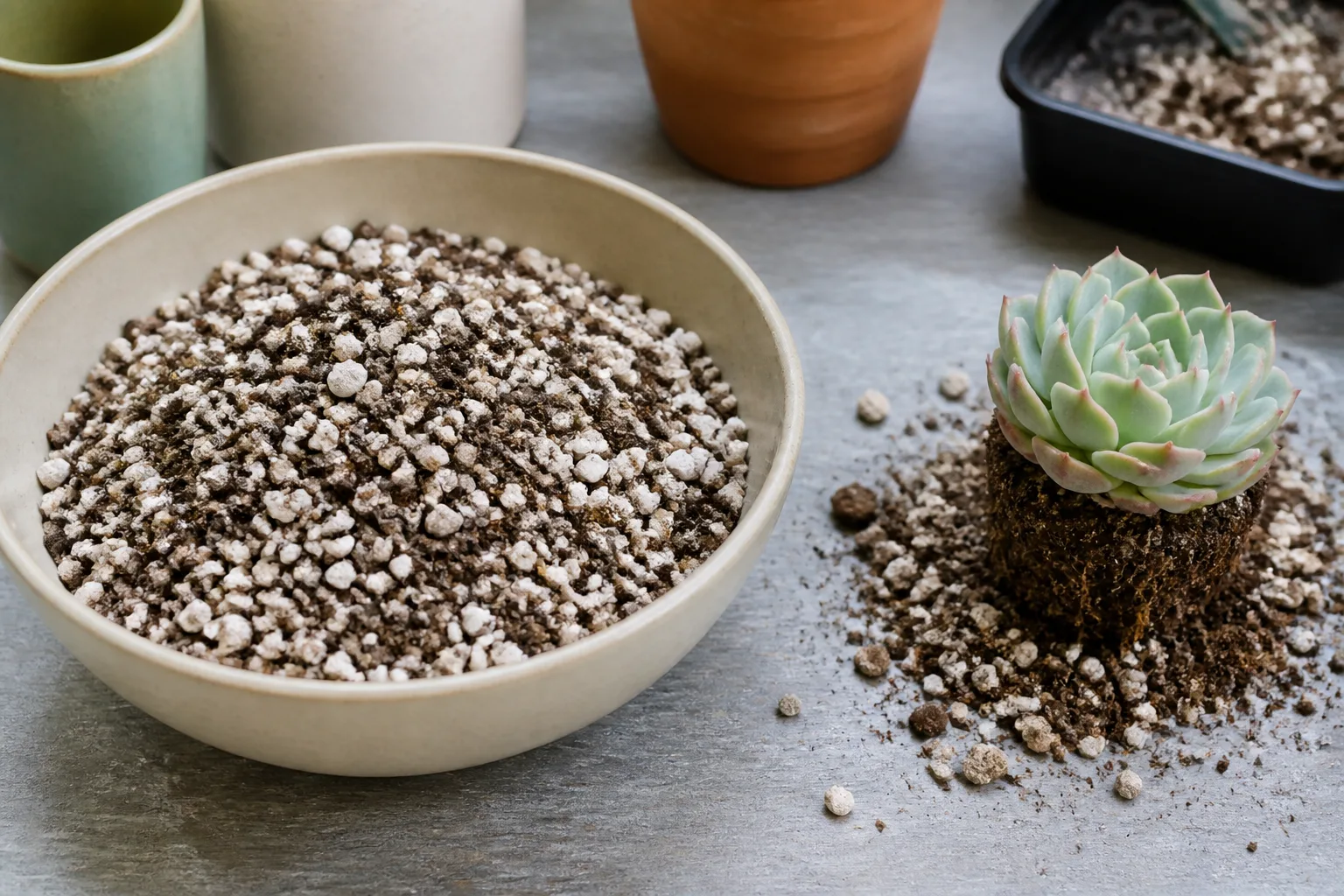
Use a commercial cactus mix, then improve it if it feels fine, peat-heavy, or slow to drain. A practical starting blend is about one part cactus mix to one part pumice, perlite, or coarse mineral grit by volume. In a very dry climate you can use a little more organic mix to keep a newly rooted cutting from drying instantly; in a humid or rainy climate, increase the mineral portion and shelter the pot from repeated downpours.
Avoid relying on a thick layer of stones at the bottom of a pot. That does not create a raised water table or fix heavy soil; it simply reduces the volume available to roots. Put the drainage work into the mix itself and use a container with an open hole. Fine Gardening’s guidance for cacti in cold or wet regions similarly puts well-drained, dry conditions ahead of rich soil.
Test a new mix before planting. Pour water onto a handful or a small filled pot. Water should pass through promptly, the surface should not become a smooth paste, and the mix should feel lightly moist rather than saturated after drainage. If the pot remains heavy and wet days later, change the mix before the plant shows damage.
Water by soil and season, not by calendar
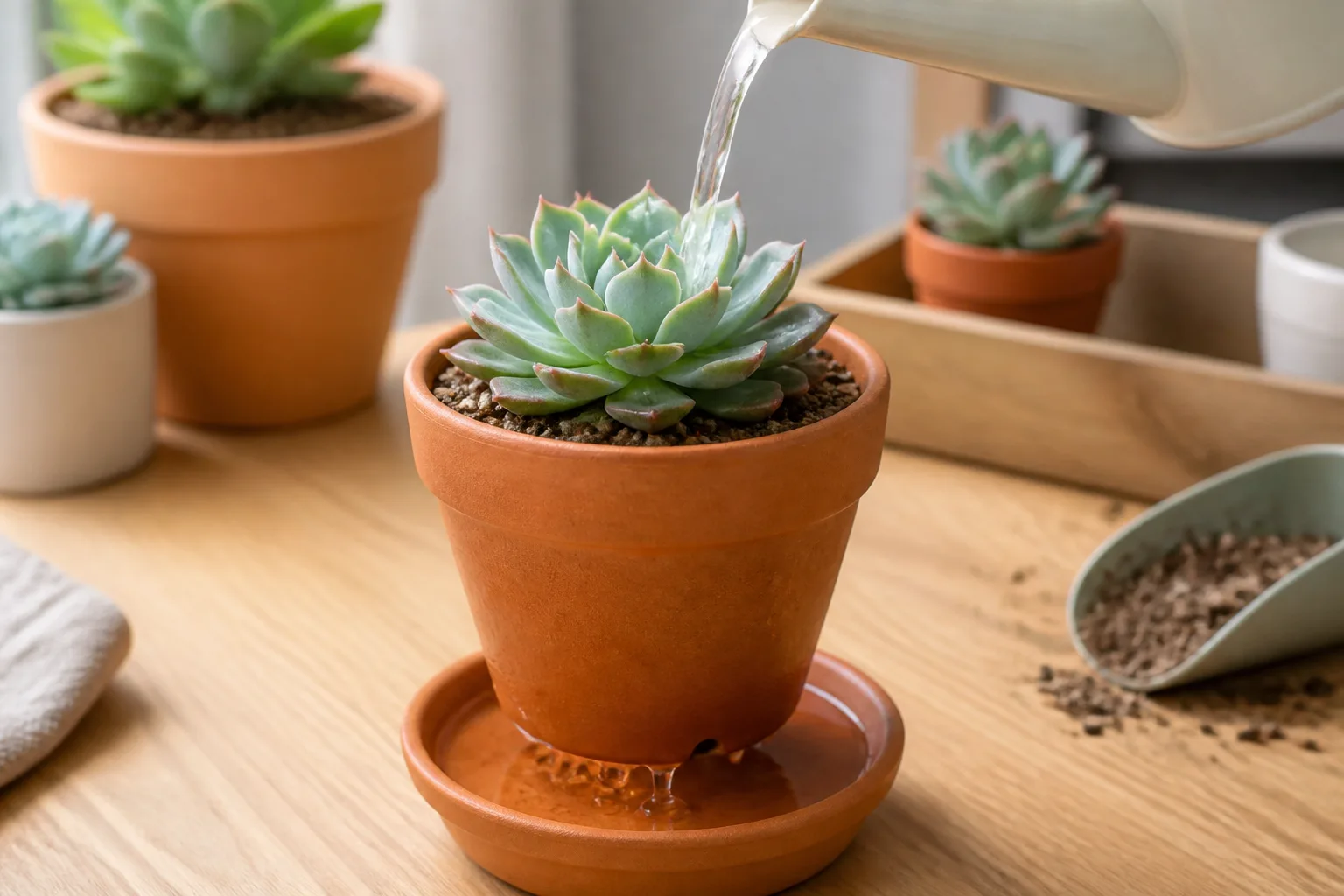
During active growth, water deeply when the mix is dry through most or all of the pot. Pour slowly over the soil until water exits the drainage hole, wait a few minutes, then empty the saucer or cachepot. This wets the entire root ball and prevents a small, frequent sip from leaving the center of the pot permanently damp.
Use your finger, a wooden skewer, or the weight of the pot to check dryness. The top inch can feel dry while the center is still wet, so a deeper check matters in a tall container. Expect more frequent watering in bright, warm weather and less in a cool, dim, humid room. A seven-day reminder is a prompt to inspect, not a command to water.
In a hanging basket, make sure the liner and pot can drain freely. Watering a basket in place without checking the runoff can leave a hidden puddle on a saucer or floor tray. A plant that gets rain outdoors may need no extra irrigation at all; repeated rain is a reason to move it under an eave, not a reason to add more grit and hope.
Use a dry winter rule
When days shorten, temperatures fall, or growth pauses, stop treating the cactus like a summer plant. Keep the mix dry for longer and water only when it is completely dry and the stems show mild, whole-plant shriveling rather than a single soft or discolored section.
If the pot is outdoors, protect it from frost and winter rain before the weather turns cold. BBC Gardeners’ World Magazine’s cactus guidance emphasizes that watering, light, feeding, pests, and propagation all need to be managed across the year; the seasonal shift is more important than a universal number of days. Never water just before a cold night.
Keep temperature, humidity, and airflow in balance
Aim for warm conditions while the plant is actively growing and a cooler, dry rest in winter. Common care references place it in warm, frost-free outdoor climates and list USDA zones 9–11, but a zone label cannot account for a wet patio, an exposed hanging basket, or a sudden freeze. Treat the plant as frost-sensitive in a container and move it inside or under reliable cover before freezing weather.
Low to moderate household humidity is usually easier than a steamy bathroom or sealed plant cabinet. Humidity alone is not a substitute for watering, and raising it to solve spider mites can increase the risk of slow-drying soil and fungal or bacterial problems. Give the stems air space, avoid crowding the basket against a wall, and use a small fan only for gentle circulation—not a constant blast.
Cold and wet together are the dangerous combination. A dry plant can tolerate a cool rest better than a recently watered plant whose tissues and roots stay chilled. When moving the cactus indoors, inspect the stems and pot first, let outdoor foliage dry, and keep the plant separate from your collection for a short observation period.
Feed for steady growth instead of soft stems
Fertilize only during active growth and only after the plant is already receiving enough light. Use a cactus fertilizer diluted below the label’s full strength, preferably one that is not high in nitrogen. Apply to already-moist soil rather than to bone-dry roots, and do not fertilize a stressed, recently repotted, sunburned, or rotting plant.
One light feeding in spring may be enough for a modest indoor plant. A vigorously growing plant in bright light can receive another diluted feeding later in the season, but more is not automatically better. Excess nitrogen combined with dim light often creates soft, elongated stems that are more likely to flop and less likely to flower well.
Stop feeding as growth slows in autumn. Flush the pot with plain water on a normal watering day if you see a crust of fertilizer salts on the mix or rim, then allow it to drain completely. Fertilizer cannot compensate for a root system that lacks oxygen.
Choose a pot that supports the tails
The container needs a real drainage hole and enough weight or a secure hanger to support trailing stems. A terracotta pot can help an overwaterer because its sides dry faster, while a plastic nursery pot may be useful if your home is very dry and you monitor more carefully. The material is less important than the drainage, pot size, and drying speed.
Repot when roots circle densely, the plant repeatedly dries in a day despite good care, the mix has broken down, or the trailing mass has made the container unstable. Choose a pot only a little wider than the root ball—roughly 1 to 2 inches for a small plant—not a huge pot for future growth. Extra unused soil holds extra water and makes rot harder to detect.
Repot in the growing season when possible. Work with dry soil, protect your hands and arms, support the stems rather than pulling the hair, and inspect roots for firm pale tissue versus soft brown tissue. After repotting, wait several days before watering so small root injuries can dry; if you removed rotten roots or the weather is cool and damp, wait longer and prioritize airflow.
Prune and handle the plant without damage
Routine pruning is unnecessary. Remove a dead or badly damaged stem with a clean, sharp blade, cutting back to firm healthy tissue. Disinfect the blade between cuts if rot or pests are present, and let a fresh cut dry before it contacts wet soil or crowded foliage.
The white covering looks soft, but the spines can still irritate skin and catch on clothing. Use thick gloves, folded cardboard, tongs, or a towel to move the plant; never squeeze a tail to test its firmness. If a stem snaps, treat it as a cutting: set the healthy piece aside to callus and inspect the parent cut for soft tissue.
Propagate from stem cuttings
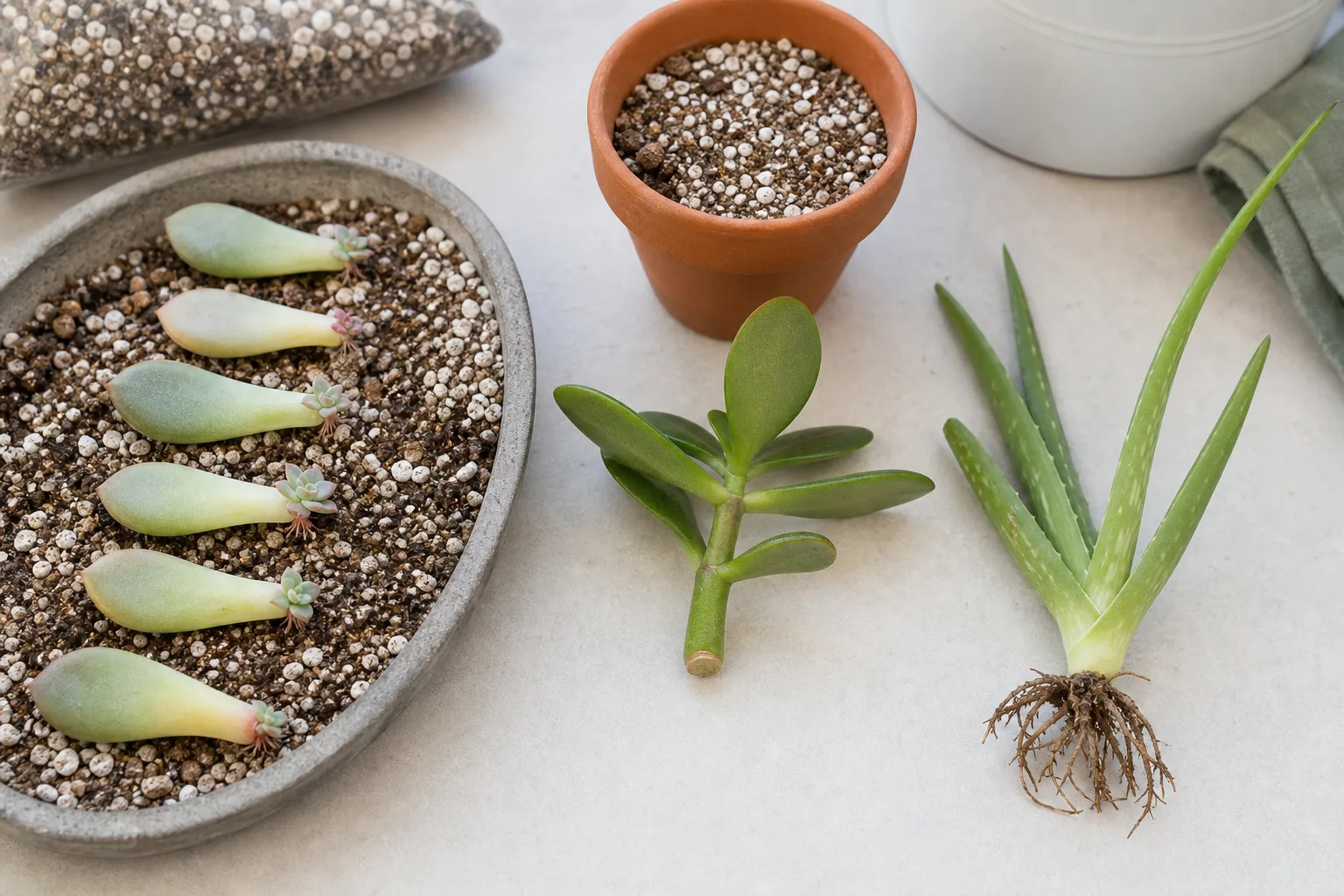
Stem cuttings are the practical way to make more Monkey Tail Cacti. The best window is spring or early summer, when the parent plant is growing and a new cutting can receive warmth and bright filtered light. Epic Gardening’s general cactus propagation guide recommends clean tools, callusing, a well-draining medium, and a gradual return to normal care.
- Choose a firm, healthy stem and cut a 4- to 6-inch section with a clean blade. Use tongs or gloves so you do not crush the hairs or skin.
- Place the cutting in a dry, shaded, ventilated spot for several days. The cut end should form a dry callus rather than remain glossy or wet.
- Set the callused end 1 to 2 inches deep in a small pot of gritty cactus mix. Stake it loosely if the stem cannot stand upright.
- Keep the pot warm in bright filtered light. Do not begin with a heavy soak; a rootless cutting can rot faster than it can use water.
- After about a week, offer a small amount of water only when the mix has dried. Wait several weeks before checking for resistance with one gentle tug.
- Once roots hold the cutting and new growth begins, increase light gradually and switch to the parent plant’s soak-and-dry routine.
Rooting time varies with cutting size, warmth, light, and humidity. A cutting may root in a few weeks, but visible new stem growth can take much longer. Do not discard a firm, unchanged cutting simply because it has not grown a new tail yet.
Grow from seed only if you want a long project
Seed propagation is possible but depends on obtaining viable seed and, for home plants, successful flowering and pollination. Sow fresh seed on a sterile, free-draining seed mix, press it onto the surface, and keep it evenly moist—not waterlogged—in bright indirect light with ventilation.
Seedlings need more consistent moisture than mature plants, so this is not the same dry routine used for an established cactus. As seedlings emerge, reduce stagnant humidity, keep the medium airy, and protect them from harsh sun. Cuttings preserve the parent plant’s form much more quickly; seed is best for experimentation rather than a fast way to fill a basket.
Encourage flowers with a full-year routine
The red or pink flowers are tubular and appear from the stems, usually when a plant is mature, strongly growing, and receiving enough light. The RHS records spring flowering and blooms up to about 5 centimetres long. Indoor plants can grow well without flowering, so treat blooms as a result of suitable conditions and maturity—not as proof that a fertilizer trick worked.
To improve the odds, keep the plant bright during spring and summer, water deeply only after drying, and feed lightly rather than pushing soft growth. In autumn and winter, give it a cooler, drier rest with enough light to remain firm. Do not force cold if frost is possible, and do not keep watering a dormant plant because you want to hurry the next bloom.
If a mature plant grows but never flowers, check the sequence: Is it stretching? Is the pot staying wet? Did it spend winter warm, dark, and frequently watered? Did you prune or repot just before the expected bloom window? Correct the limiting condition and give the plant a full season; moving it, feeding it, and watering it repeatedly in one week creates more stress than flowers.
Diagnose yellow, floppy, shriveled, or mushy stems
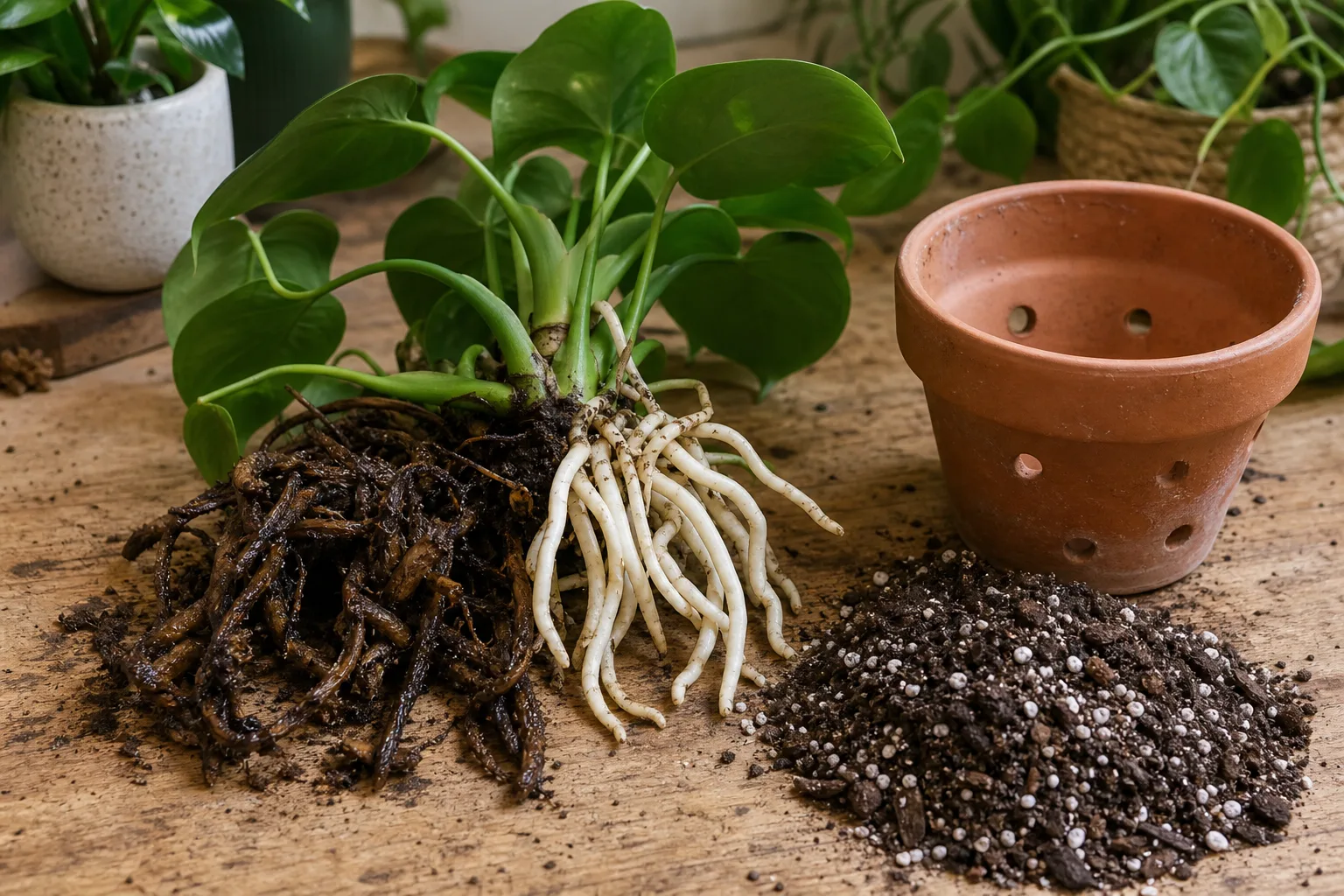
Color alone is not a diagnosis. Start with three checks: Is the soil wet or dry? Are the stems firm or soft? Did the change follow a move into stronger sun or cold weather? Those answers narrow the next step more reliably than adding fertilizer.
| Symptom | Most useful clue | First action |
|---|---|---|
| Yellowing from the base upward | Mix stays wet, pot is heavy, or stem base is soft | Stop watering, unpot, and inspect roots for rot; repot only if the mix or roots are failing |
| Bleached, tan, or reddish patches on one exposed side | Appeared soon after a move into stronger sun | Return to bright filtered light and acclimate more slowly; damaged tissue will not turn green again |
| Thin, elongated, floppy but firm stems | Light is weak, especially with long gaps between areoles or sparse hair | Move closer to bright light; do not solve a light problem with fertilizer |
| Wrinkled, limp stems with fully dry mix | Prolonged drought, intense heat, or damaged roots | Water thoroughly if the plant is firm and the pot drains; if it stays limp, inspect the roots |
| Soft, dark, wet-looking stem tissue | Overwatering, poor drainage, cold wet exposure, or active rot | Isolate the plant, cut back to firm tissue, let cuts dry, and reroot healthy sections if needed |
| White cottony clusters or brown attached bumps | Mealybugs or scale hidden among the hairs | Isolate, physically remove what you can see, and use a product labeled for the plant according to its instructions |
Root rot is the point at which “water less” is no longer enough. If roots are soft and brown, remove damaged tissue, discard the old wet mix, use a clean pot and fresh gritty medium, and delay watering until cuts and roots have dried. Save firm stem sections as cuttings when the parent plant cannot be repotted intact.
Find and manage pests hidden in the hairs
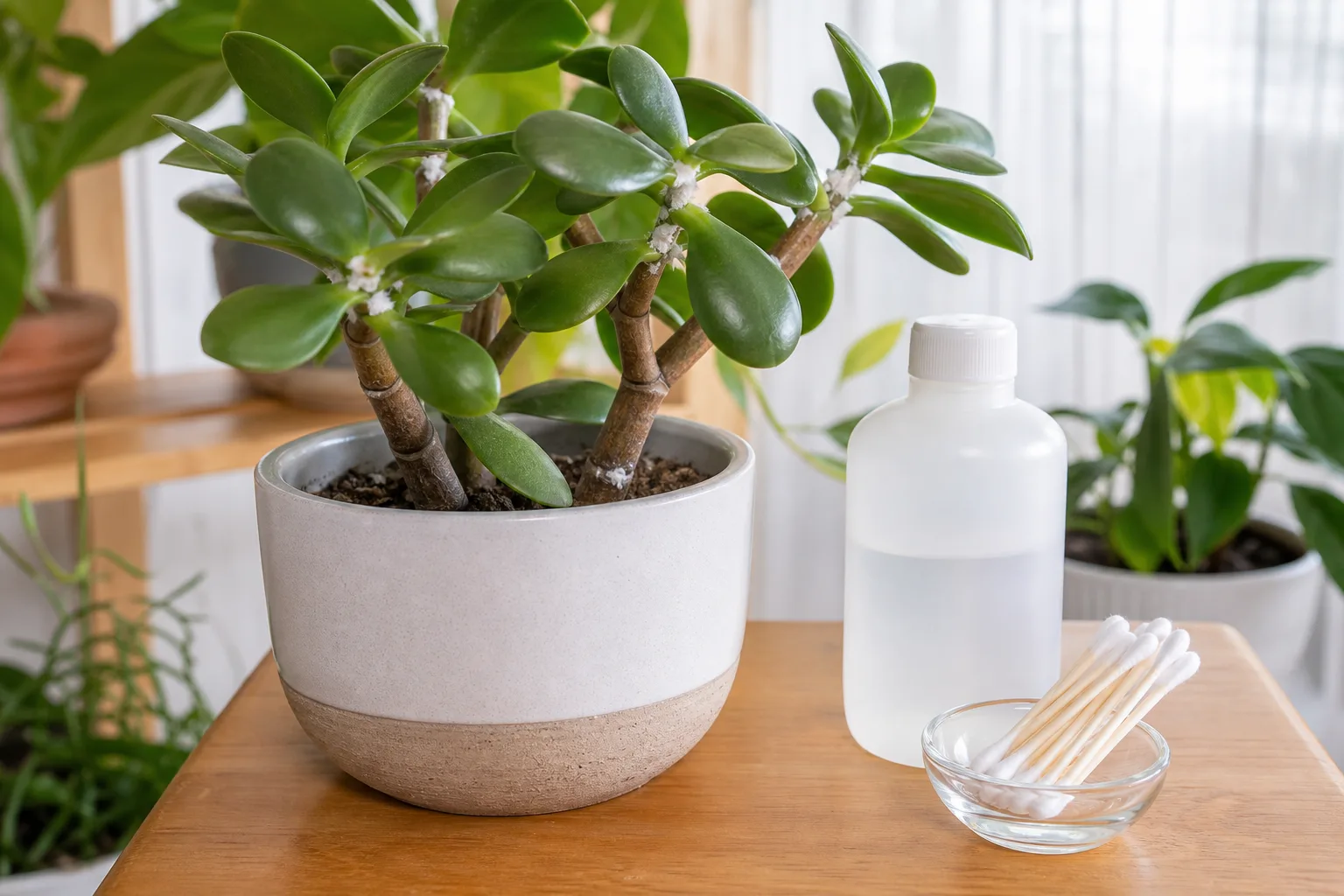
Mealybugs, scale, and spider mites can hide where the white spines meet the green stem. Inspect with a bright flashlight, especially around the base, under the basket rim, and where stems overlap. Cottony tufts, sticky residue, brown shields, fine webbing, or unexplained stippling are stronger pest clues than a general loss of vigor.
Isolate an infested plant before treatment. Remove visible insects with a soft tool or cotton swab, taking care not to tear the skin, then repeat inspections because eggs and crawlers may appear after the first cleanup. For a larger infestation, choose an insecticidal soap or other registered product whose label includes ornamental plants or cacti, and follow the label for mixing, coverage, protective equipment, and repeat timing. Keep treated tissue out of harsh sun until dry.
Do not use a humidity increase as the main spider-mite strategy for this cactus. Better control comes from confirming the pest, improving plant vigor, removing heavily affected material, and repeating a compatible labeled treatment. If an infestation keeps returning, inspect nearby plants and the hanger or shelf rather than treating the cactus in isolation.
Conclusion: give the plant light, air, and dry roots
Monkey Tail Cactus care becomes straightforward when you stop chasing a perfect schedule. Give it bright light that matches its acclimation history, a pot and mix that drain quickly, thorough watering followed by a real dry period, and a cooler dry rest when growth slows.
Check the root zone before changing fertilizer, and check stem texture before assuming yellowing means thirst. With careful handling, a healthy stem can become a new plant, and with enough maturity, bright growth-season light, and a dry winter rest, the same simple routine can lead to flowers.



