The One Veggie Fertilizer a 10-Year Gardener Keeps Rebuying
Sunday Garden Naturals Veggie + Tomato Plant Food review: NPK breakdown, container and bed rates, seasonal timing, and mistakes that waste money.
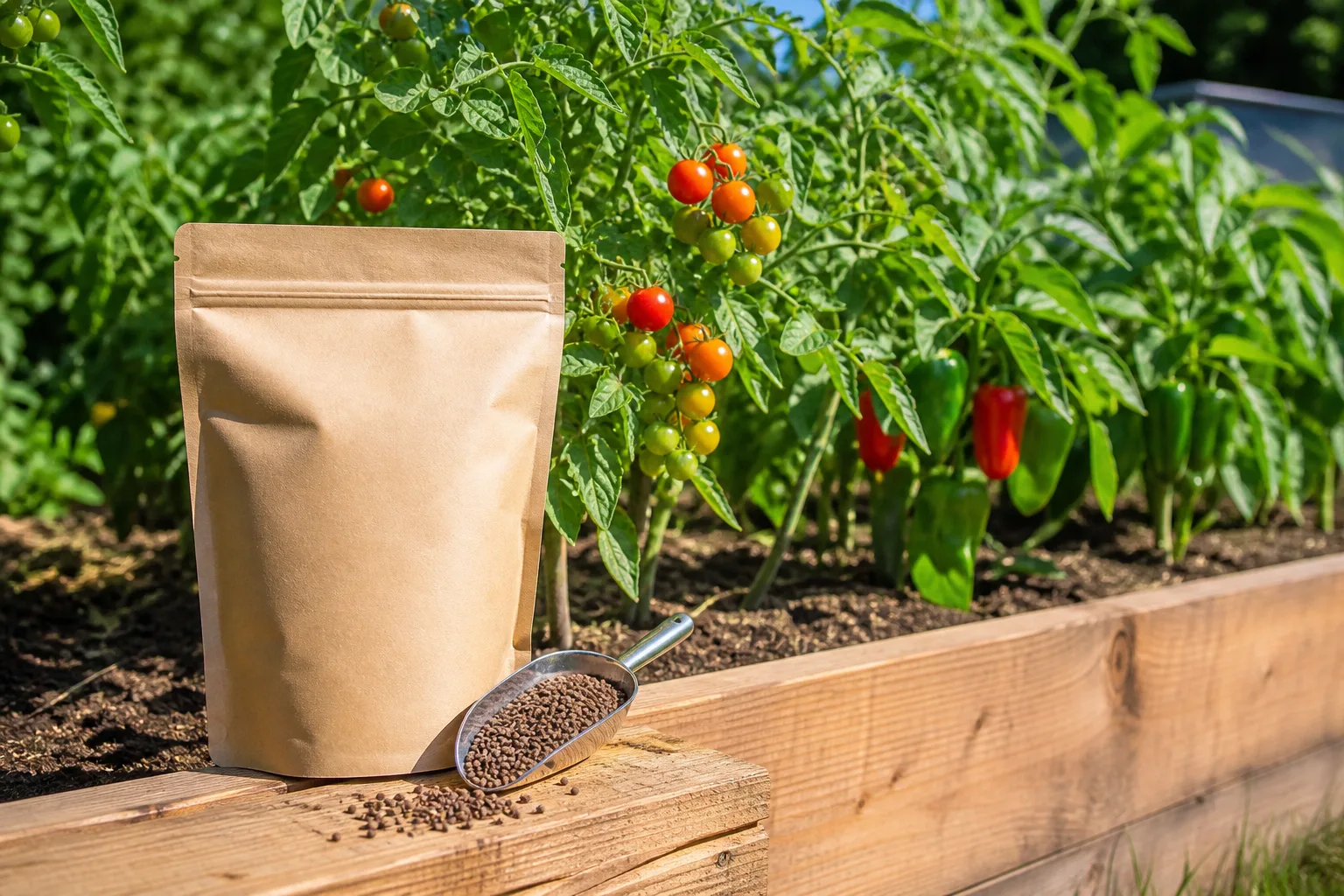
My mom has been gardening seriously for more than a decade — raised beds, patio containers, and a rotation of houseplants she parks outside every summer. In that time she has cycled through liquid feeds, spike tablets, “bloom booster” bottles, and more all-purpose mixes than she cares to count. Most landed in the shed and stayed there.
The one she actually reorders is Sunday Garden Naturals Veggie + Tomato Plant Food Mix — a dry, shaker-bag organic granular labeled 5-4-4 NPK and marketed for vegetables, tomatoes, herbs, and container use. It is not magic dust. It is a well-balanced organic granular with straightforward label rates and a feeding window of about four to six weeks per application. What earned her loyalty is simpler: visible recovery on stressed plants, steady fruit set on peppers and tomatoes, and an application method she will actually repeat on a hot August evening.
This page explains what is in the bag, how she uses it, where the label rates come from, and — equally important — when not to reach for it.
What Makes a Vegetable Fertilizer Worth Repurchasing
Repeat purchases in a home garden usually trace back to three practical tests, not marketing adjectives.
First, the NPK profile matches fruiting crops. Tomatoes, peppers, squash, and most kitchen herbs need moderate nitrogen for leaf growth, plus enough phosphorus and potassium to support flowering and fruit development. A balanced-to-slightly-fruiting ratio beats high-nitrogen lawn food, which pushes leaves at the expense of harvest.
Second, the form fits real life. Dry granules in a resealable shaker bag survive humidity, store cleanly, and do not require mixing a watering can every two weeks. For a gardener who feeds beds and containers in the same afternoon, that matters.
Third, results show up on the schedule the label promises — without drama. Greener foliage within a week, new buds within two, and no burned leaf tips from mis-diluted liquid concentrate. When a product passes those checks twice in one season, it earns a permanent spot on the shelf.
Why Fruiting Crops Need a Different NPK Balance Than Lawn Food
NPK is the three-number fertilizer analysis on every bag: nitrogen (N) – phosphorus (P) – potassium (K), always in that order, always as percentage by weight. A 5-4-4 label means the product is 5% nitrogen, 4% phosphorus (expressed as P₂O₅ on U.S. labels), and 4% potassium (as K₂O).
For fruiting vegetables, you want enough nitrogen to keep leaves healthy without triggering the “jungle plant, empty basket” pattern extension guides warn about. NC State Extension’s home vegetable gardening guide notes that overfertilizing can produce lush growth while decreasing flowering and fruit development and increasing pest pressure. A moderate, balanced organic granular like 5-4-4 sits in the sensible middle — not a heavy bloom booster, not a nitrogen bomb.
Phosphorus supports root development and flower formation; potassium helps fruit quality and overall plant stress tolerance. That is why tomato-specific blends cluster around balanced ratios rather than the high-nitrogen formulas sold for turf.
Soil Tests Still Come First
No fertilizer — including one your family swears by — replaces a soil test. Clemson HGIC’s tomato guide opens its fertilizing section with exactly that advice: test soil, follow recommendations, and maintain pH between 6.0 and 6.5 for tomatoes.
If phosphorus is already high in your county’s clay, adding more with every feed wastes money and can create runoff issues. If nitrogen is deficient, even a good product will underperform until the baseline is corrected. Sunday’s shaker bag works best as maintenance feeding on reasonably healthy soil, not as a rescue for a bed that has never been amended or tested.
Sunday Garden Naturals Veggie + Tomato Plant Food: What’s in the Bag
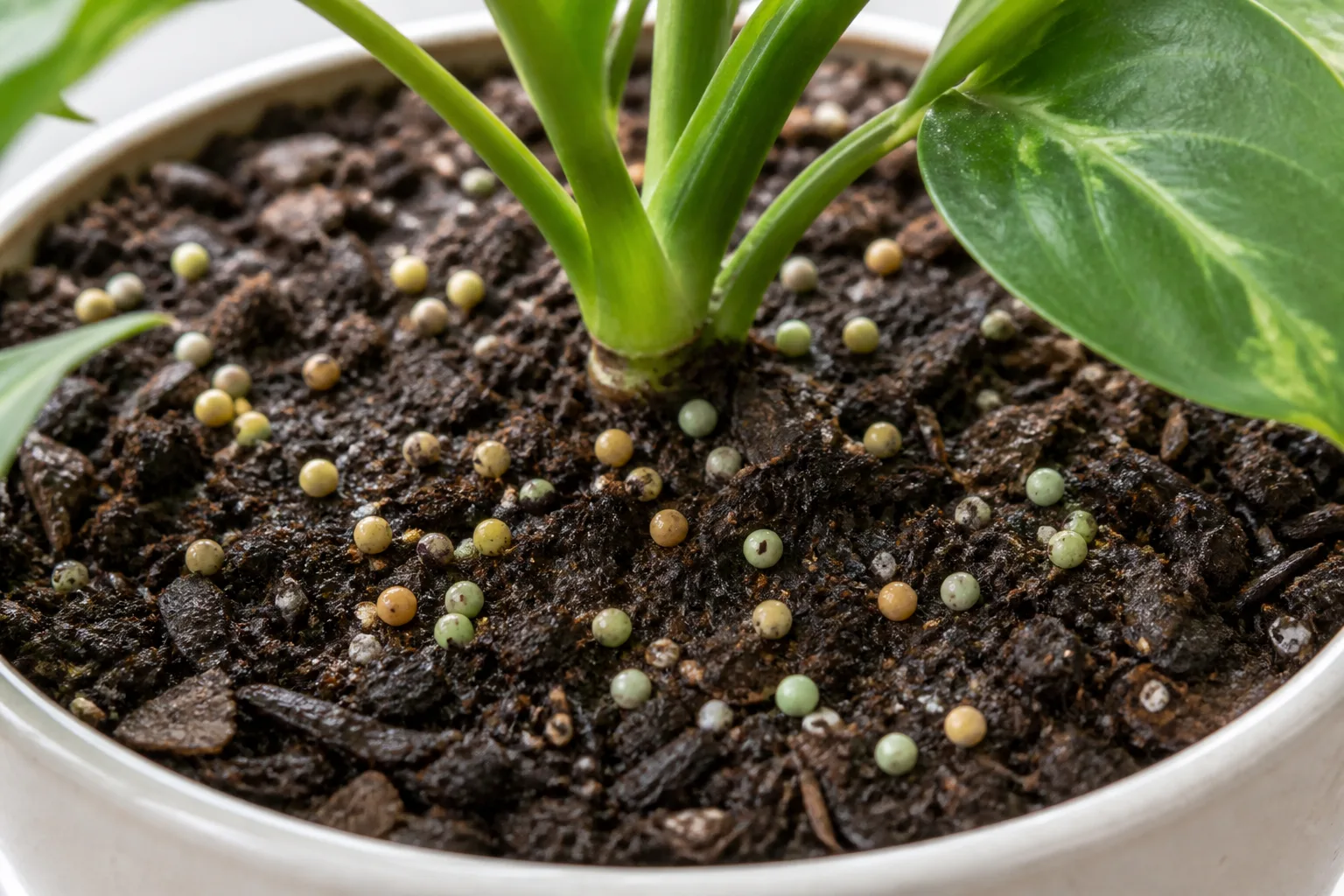
Sunday Garden Naturals is the garden line from Sunday (better known for lawn care subscriptions). The Veggie + Tomato Plant Food Mix comes in multi-pound shaker pouches — commonly sold as a two-pack — and is labeled for indoor and outdoor use on vegetables, tomatoes, and herbs.
Product listings describe an OMRI Listed organic blend built from soy protein, composted turkey litter, feather meal, and potash. Those are classic organic nitrogen and phosphorus sources (protein and feather meal) plus potassium (potash) and micronutrients from the composted litter. Release is biological: soil moisture and temperature control how fast microbes break ingredients down, which is why the label cites a four- to six-week feeding window rather than an instant hit.
The 5-4-4 NPK Mix and What Each Number Does
5-4-4 is a balanced organic vegetable ratio:
- 5% nitrogen fuels chlorophyll and steady leaf expansion — important when summer heat yellows container plants moved outdoors.
- 4% phosphorus supports root establishment after transplant and the shift into flowering.
- 4% potassium assists fruit development and general plant vigor during heavy harvest weeks.
You may also see 5-4-5 in older marketing copy for the same product family. Retailers occasionally mismatch numbers between listings. Always read the physical label on the bag you bought before calculating rates. For planning purposes, treat it as a moderate, near-balanced organic feed — not a 10-30-20 bloom concentrate and not a 24-0-8 lawn formula.
Organic Ingredients and How They Release in Soil
Organic granules behave differently from water-soluble synthetics. Nothing is available to roots until microorganisms process the material. Warm, moist soil speeds release; cold spring soil or drought slows it.
That slower curve is a feature for busy gardeners — fewer applications, less risk of a single over-strong liquid dose — but it also means patience. Do not expect overnight transformation on a plant that is underwatered, root-bound, or sitting in pure peat with no compost. Fix water and roots first; then granular organic feed has something to work with.
What Changed After the First Few Applications
These observations come from one experienced home garden — not a replicated trial — but they match what extension guides predict when a balanced feed is applied to actively growing plants on a reasonable schedule.
Greener Leaves After Summer Stress
The first noticeable change was leaf color on container plants my mom had moved outdoors for summer. Several showed pale or yellowing lower leaves — classic signs of nitrogen limitation or root stress after a sudden light and temperature shift. After one application worked into the top of the potting mix and watered in, new growth came in noticeably greener within about a week.
That aligns with how nitrogen drives chlorophyll production. It does not prove this brand is uniquely superior to every other 5-5-5 organic granular; it shows the product matched a visible deficiency at the right moment.
More Peppers and Tomatoes — When Timing Matters
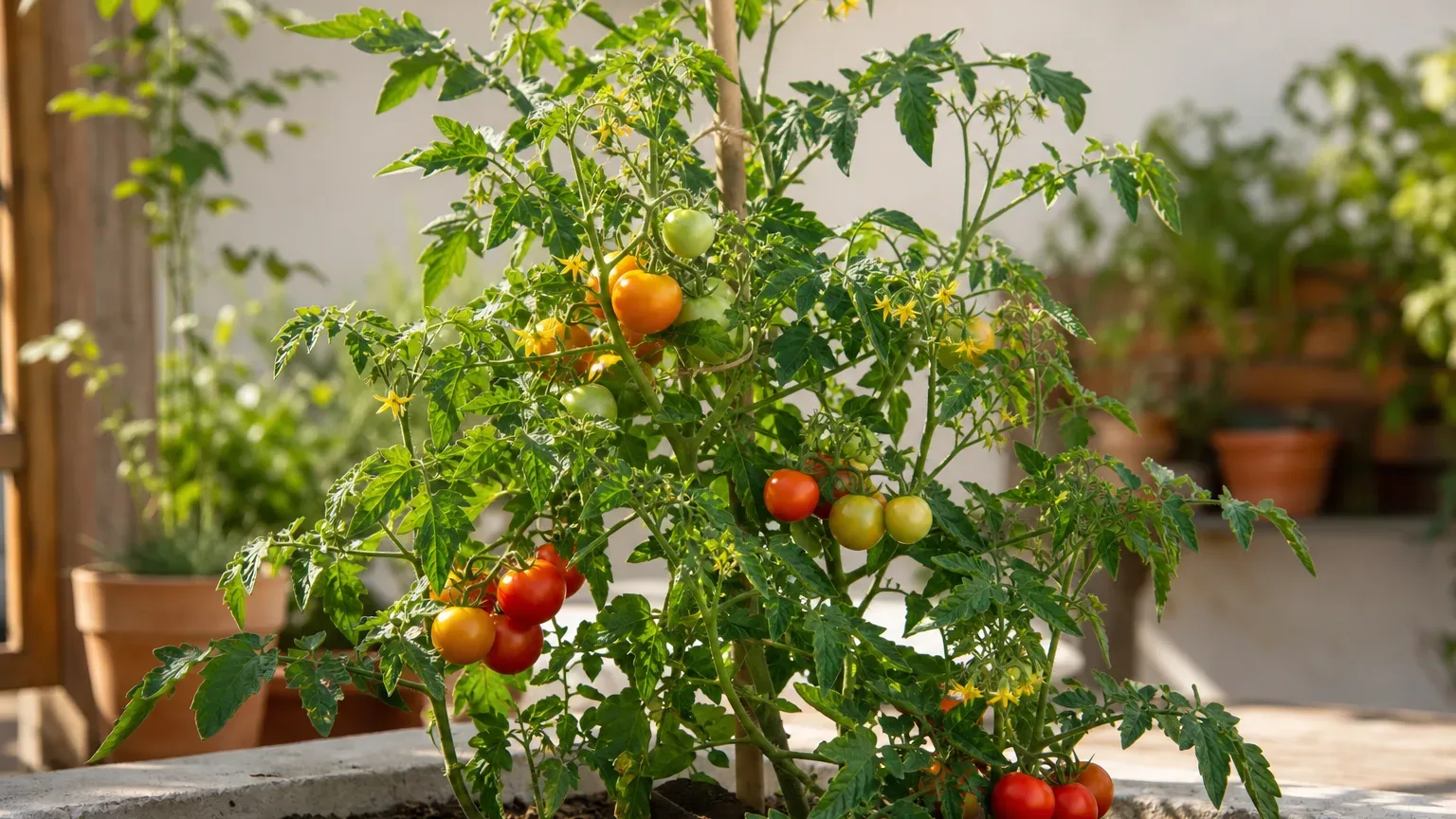
A second application roughly two weeks later coincided with new flower buds on pepper plants and firmer, darker fruit on tomatoes that were already sizing up. Timing mattered: these were mid-season plants in active growth, not seedlings still in shock.
Practical feeding guides for organic tomatoes and peppers describe a similar rhythm — support vegetative recovery early, then keep phosphorus and potassium available through flowering and fruit set. A 5-4-4 granular every four to six weeks on heavy feeders in beds and large pots fits that maintenance lane without forcing you to swap bottles mid-season.
Clemson HGIC recommends side-dressing additional nitrogen for tomatoes several weeks after planting in in-ground rows. Sunday’s product can serve part of that side-dress role on organic gardens, though calcium-sensitive crops may still need separate calcium management (consistent watering matters more for blossom end rot than any single fertilizer brand).
Fewer Pests? What Fertilizer Can and Cannot Do
My mom reported fewer visible pest issues that summer. Treat that carefully. Healthier, well-fed plants can tolerate minor insect pressure better than stressed, nitrogen-starved ones — but fertilizer is not an insecticide, and NC State Extension explicitly links excess fertilization to increased pest problems when growth becomes overly lush and soft.
If pest counts dropped, the more plausible story is better overall plant vigor plus normal seasonal pest cycles, not the bag repelling bugs. Do not skip integrated pest practices — hand-picking, water blasts, row cover, beneficial habitat — because a fertilizer label implies protection.
Application Rates for Containers, Pots, and Garden Beds
Sunday’s label rates are simple; the skill is measuring your space honestly and working granules into moist soil so they do not sit on dry foliage.
Always shake or mix the bag before scooping — organic blends can separate in shipping. Water after application to start breakdown and wash any granules off leaves. Clemson HGIC warns that dry fertilizer on foliage can burn leaves; overhead watering after broadcast application reduces that risk.
New Containers and Potting-Mix Prep
When filling new containers before planting, the label calls for 2 tablespoons of dry fertilizer per gallon of potting mix. Mix thoroughly through the volume you are using, not just the top inch.
| Pot size (approx.) | Potting mix volume | Fertilizer at planting |
|---|---|---|
| 1-gallon nursery pot | ~0.75–1 gal mix | 2 tbsp |
| 5-gallon bucket | ~4–5 gal mix | 8–10 tbsp (½ cup) |
| Half wine barrel | ~15–20 gal mix | 1¼–1½ cups |
That pre-mixed charge feeds for several weeks as roots expand. Do not double the rate “for insurance” — organic burn is slower than liquid burn but still possible in small pots with limited drainage.
Existing Pots and Houseplants Moved Outdoors
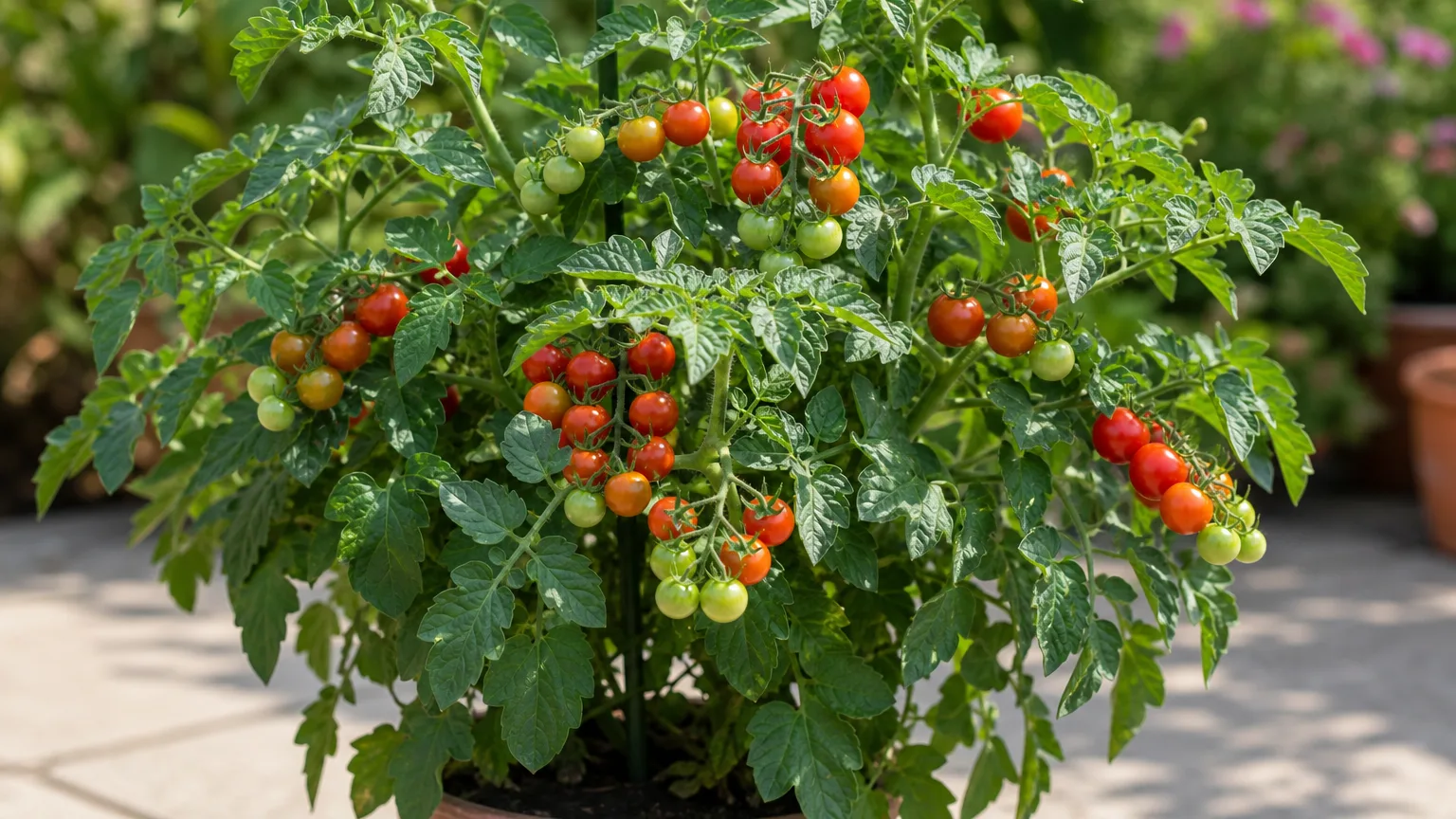
For established containers, apply 1 tablespoon per 4 inches of pot diameter, worked lightly into the top inch of mix.
| Pot diameter | Fertilizer per application |
|---|---|
| 8 inches | 2 tbsp |
| 12 inches | 3 tbsp |
| 16 inches | 4 tbsp (¼ cup) |
My mom’s method: shake the bag, sprinkle evenly around the plant stem zone — not piled against the stem — scratch in with a hand fork, then water until a little drains from the bottom on outdoor pots. She avoids dusting leaves on purpose; roots are the target.
In-Ground Beds and Raised Beds
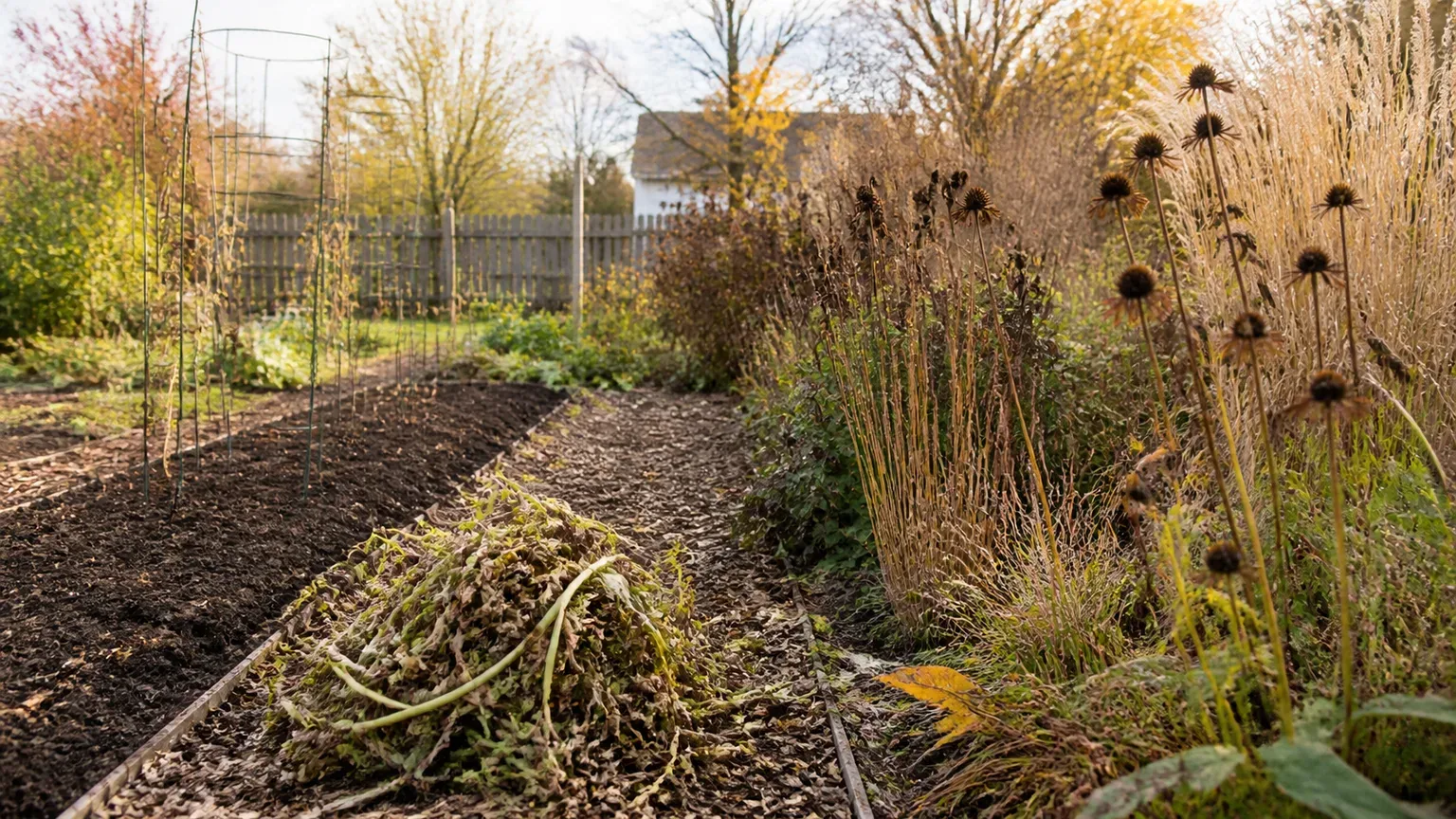
For garden beds, broadcast into the top 4 inches of soil:
- 1 cup per 25 square feet for general vegetables and herbs.
- 1 cup per 20 square feet for heavy feeders: tomatoes, peppers, squash, melons, and similar crops.
To estimate square footage: multiply bed length × width. A 4 × 8 foot raised bed is 32 square feet — roughly 1¼ cups at the general rate, or closer to 1½ cups if the bed is mostly tomatoes and peppers.
Side-dress 4 to 6 inches away from plant stems, the same distance Clemson recommends for synthetic side-dress, to keep concentrated granules off major roots until water carries nutrients outward.
When to Feed Through the Season
The label interval is every four to six weeks during active growth. That matches how organic granules release in warm garden soil and how heavy feeders deplete nutrients while fruiting.
Every Four to Six Weeks — and When to Skip a Round
Feed on schedule when plants are actively growing, soil is consistently moist but not waterlogged, and harvest demand is ongoing — mid-summer peppers and indeterminate tomatoes are the classic case.
Skip or delay feeding when:
- New transplants have been in the ground less than two weeks — roots need settle time before another nutrient pulse.
- Heat or drought stress has shut plants down — fertilizer does not fix wilt from dry soil and can concentrate salts in shrinking root zones.
- Foliage is already deep green and growth is excessive with few flowers — you may be nitrogen-heavy; pause and assess water and light before adding more.
- Late season shutdown approaches — taper feeding four to six weeks before your average first frost so plants harden off rather than push soft new growth.
Organic release slows in cool soil, so early spring and late fall applications may last longer than the label window; adjust by watching plant response, not the calendar alone.
Mistakes That Waste Fertilizer or Hurt Plants
Applying to dry foliage and walking away. Granules on leaves plus hot sun equals spot burn. Water in every time.
Using bed rates in tiny pots. A “handful because the bed needed a cup” approach oversalts small containers fast. Use the diameter table instead.
Feeding instead of watering. Yellow leaves from drought look like hunger. Confirm soil moisture at root depth before fertilizing.
Expecting fertilizer to replace compost. Organic granules supplement a living soil; they do not recreate years of compost and mulch in one season.
Chasing pests with nitrogen. Lush overfed plants can attract aphids and other sap feeders. If pests spike after feeding, review rate and frequency before blaming the variety.
Ignoring soil pH. Even perfect NPK availability drops when pH is wrong for vegetables. Test every few years.
How This Compares to Other Organic Veggie Fertilizers
Sunday is not the only OMRI-listed granular in the aisle. Dr. Earth, Espoma Garden-tone, Down to Earth All Purpose 5-5-5, and EB Stone Tomato & Vegetable Food occupy the same shelf psychology: shaker or box, organic credentials, moderate NPK.
Use this comparison checklist before paying a premium for any brand:
| Factor | What to look for |
|---|---|
| NPK | Near 5-5-5 or 5-4-4 for general veggies; slightly higher P-K if you already run high nitrogen |
| Form | Dry granular for slow background feed; liquids if you want weekly control |
| Label clarity | Tablespoons per pot and cups per square foot — not vague “apply liberally” |
| Ingredients | Named organic sources (meal, compost, mineral potassium) vs. “organic fertilizer” alone |
| Your workflow | Shaker bag vs. box you scoop with a cup; storage in humid sheds |
| Soil context | Matches maintenance need — not a substitute for lime, compost, or calcium plan |
My mom’s verdict is experiential: Sunday’s bag is easy to store, easy to measure, and consistent enough that she stopped experimenting. Your soil may respond equally well to another 5-5-5 organic — the win is finding one balanced organic you will apply on schedule, not collecting half-used bottles.
If you grow mostly in small indoor containers year-round, a diluted liquid may still give finer control; for outdoor beds plus summer patio pots, this granular category is the low-friction choice she keeps rebuying.
Conclusion
After a decade of garden experiments, my mom landed on Sunday Garden Naturals Veggie + Tomato Plant Food Mix for practical reasons: a 5-4-4 organic NPK suited to fruiting crops, clear rates for pots and beds, a four- to six-week feeding rhythm that matches real life, and visible recovery on plants that actually needed feeding — not hype.
Use it as maintenance nutrition on tested, compost-rich soil, work granules in and water them, side-dress heavy feeders through mid-season, and stop when growth or weather says pause. No fertilizer replaces watering, pest scouting, or varietal choice.
If you have been cycling through half-finished bottles and want one shaker-bag organic you can apply to tomatoes, peppers, herbs, and summer containers with confidence, this is the product worth a controlled trial in your own beds — measured, watered in, and judged on harvest weeks later, not overnight leaf color alone.



