5 DIY Deer Repellents for Your Home and Garden
Mix garlic, eggs, and barriers into a layered deer-defense plan. Five DIY repellents, exact recipes, reapply timing, and when to skip sprays for fencing.
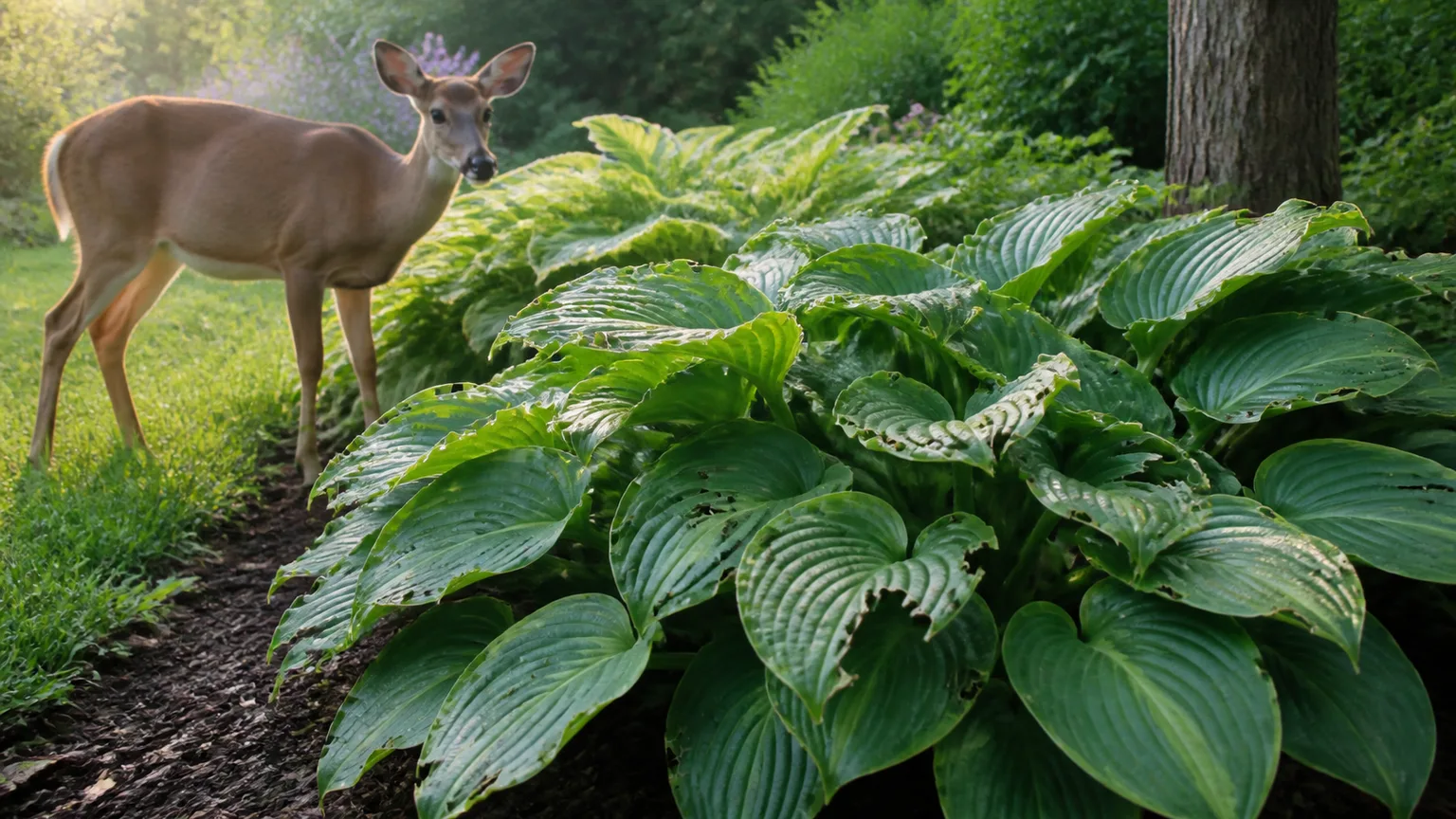
A whitetail in the hosta bed is not a landscaping quirk—it is a feeding pattern. DIY deer repellents can shrink that damage when you treat them as a system: scent and taste on vulnerable plants, unpalatable plants on the perimeter, and hard barriers where the herd is bold. None of the five methods below works forever on its own. Together, rotated on a schedule, they buy you weeks of quiet beds while you decide whether a full fence is worth the cost.
The Missouri Botanical Garden ranks exclusion as the only consistently effective deer control. Repellents are containment tools that need reapplication and fail when food is scarce. Plant choice lowers risk but does not create immunity. Read that hierarchy first, then use the DIY list in the order that matches your yard—not the order that sounds easiest.
Start with the right expectation: DIY repellents are layers, not magic
Homemade sprays smell strong to you because they are designed to smell offensive to deer. Putrescent egg solids, garlic, hot pepper, and soap stickers work on contact: deer taste or smell something unfamiliar and move on—until rain washes it off, new growth appears uncovered, or the herd learns the smell is harmless. That is normal. Your job is maintenance, not one heroic Saturday.
Match your method to deer pressure
Light pressure looks like occasional nibbles on tulip tips or one hosta with torn leaves. Deer-resistant border plants plus a weekly scent spray on new growth is often enough. Moderate pressure means repeated damage on the same beds, hoof prints on mulch, and browsing after you sprayed. Add reflective movement, rotate spray types every two to three weeks, and protect prize plants with netting. Heavy pressure—stripped shrubs, winter bark chewing, daily visits—needs fencing or individual cages. No egg recipe competes with a hungry herd that has memorized your lettuce.
| Pressure level | What you usually see | DIY stack that has a chance |
|---|---|---|
| Light | Random bites, new plantings targeted | Border plants + one spray on new growth |
| Moderate | Same beds hit weekly | Rotating sprays + reflective/hair + spot netting |
| Heavy | Whole plants gone, winter browsing | 8-foot fence or double fence; sprays only as backup |
If you are protecting hostas specifically, pair this page with how to keep deer away from hostas for cultivar-level tactics and recovery steps.
How deer choose what to eat—and why smell-based DIY can work
White-tailed deer (Odocoileus virginianus) are edge feeders. They prefer browsing where woods meet open lawn, especially at dawn and dusk. Suburban development has pushed more deer into smaller home ranges with reliable ornamental buffets—tender hosta leaves, rose buds, arborvitae tips, and spring bulb foliage.
Deer decide with nose and mouth first. Strong sulfur odors (rotten egg), capsaicin heat, and concentrated herbal oils signal risk or bad taste. Soap helps mixtures stick to waxy leaves. The catch is habituation: deer are skittish until they are not. A scent that worked in April may be ignored by June if you never rotated methods or reapplied after storms. Plan for uncertainty instead of betting on one bottle.
Repellent 1: Deer-resistant plants as a living border
The subtlest DIY repellent is a living fence of plants deer would rather skip. Strong fragrance, fuzzy or leathery texture, and known toxicity all lower browsing odds. This is not a guarantee—Missouri Botanical Garden guidance notes deer will eat nearly any plant under snow cover, overcrowding, or hunger—but resistant species shrink the menu.
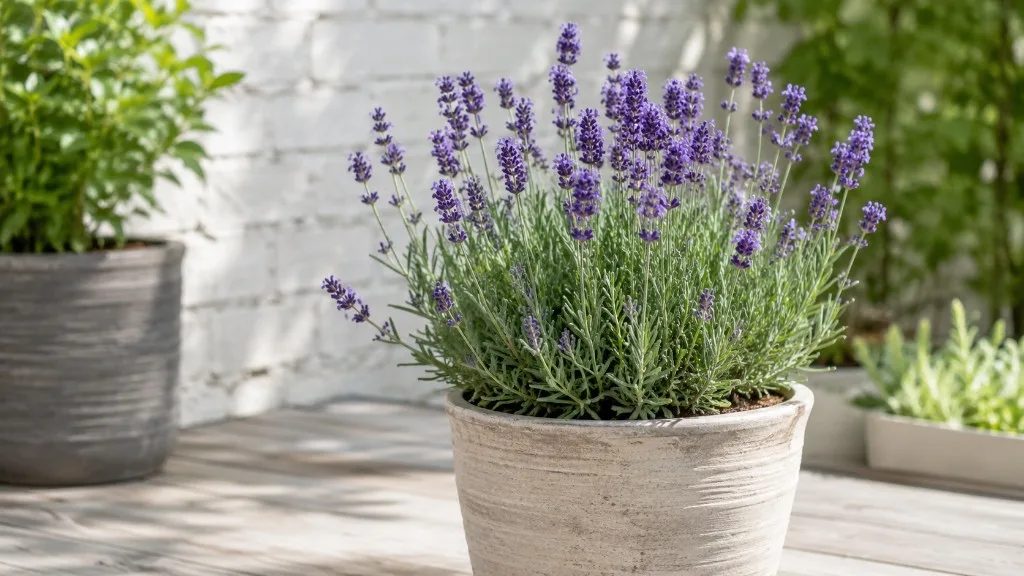
Where to place lavender, rosemary, marigolds, and other unpopular plants
Location beats list-making. Plant deer-resistant species at entry points and along the outer edge of beds deer approach from woods, alleys, or neighboring fields—not only in the center where damage already happens. Three workhorses for sunny borders:
- Lavender — aromatic foliage deer usually avoid when other food exists
- Rosemary — woody, oily leaves and a strong kitchen-herb scent
- Marigolds — pungent annuals useful as a sacrificial edge in vegetable gardens
For woody structure, browse deer-resistant shrubs and deer-resistant perennial ground covers before you replant entire beds. Combine resistant plants with sprays on inside treasures (hostas, tulips, hydrangeas) deer still love. Think of the border as a speed bump, not a wall.
Repellent 2: Garlic and hot pepper spray
Garlic and capsaicin target the same weak point: sensitive smell and taste. Commercial products use similar logic; your kitchen version is cheaper and needs stricter discipline about straining, labeling, and reapplication.
Mixing, straining, and spraying without clogging the bottle
Basic garlic–pepper spray (about 1 gallon):
- Blend 1 full garlic bulb (peeled cloves) with 2–3 fresh hot peppers (or 3–5 tablespoons dried cayenne flakes) in 1 quart water.
- Add 1 tablespoon liquid dish soap (sticker, not insecticide).
- Steep several hours or overnight, then strain through cheesecloth into a pump sprayer. Top up to 1 gallon with water.
- Spray dry foliage until leaves glisten. Avoid buds you intend to eat.
Application rules that matter more than the recipe: spray in late afternoon when deer feed; coat new growth first; shake the tank every few minutes; never spray wet leaves after rain or irrigation. Reapply every 7–14 days and immediately after heavy rain. Wear gloves and eye protection—capsaicin and garlic oils irritate skin.
Ornamentals only. Garlic–pepper mixes are not labeled for food crops. For vegetables, use a commercial repellent registered for edibles (ammonium soap formulations are common) and follow the label exactly. The Missouri Botanical Garden notes few repellents are cleared for produce; assume DIY sprays are off-limits on harvest-bound plants.
Repellent 3: Egg and milk repellent spray
Putrescent egg is the backbone of many store-bought deer repellents because sulfur smells mimic decay—and deer associate decay with predators. Homemade egg–milk sprays use the same logic at lower cost and higher odor in your mixing bucket.
The putrescent-egg recipe extension services recommend
University of Minnesota Extension and multiple county extension handouts cite a simple three-egg gallon:
- Blend 3 whole raw eggs with enough water to liquefy.
- Strain solids out—clogged sprayers waste your afternoon.
- Dilute to 1 gallon total volume.
- Add 1 tablespoon dish soap and 1 tablespoon vegetable oil to help adhesion on glossy leaves.
- Spray ornamentals until coated; reapply every two weeks or after rain.
Heavier-pressure variant (common in agricultural extension leaflets): beat 2 eggs with 1 cup milk, yogurt, or buttermilk; add 1 tablespoon Tabasco or cayenne, 1 teaspoon cooking oil, and 1 tablespoon dish soap; dilute to 1 gallon. Let sit 24–48 hours in a ventilated area so sulfur develops, then strain and spray.
Safety and realism: label the sprayer “deer repellent—do not drink.” Keep children and pets away while mixing. The smell is intense during application but fades on dried foliage. Egg sprays can leave a visible film on dark leaves—test a small branch first on prized evergreens. Again: not for edible parts you will harvest.
Repellent 4: Reflective objects and human hair
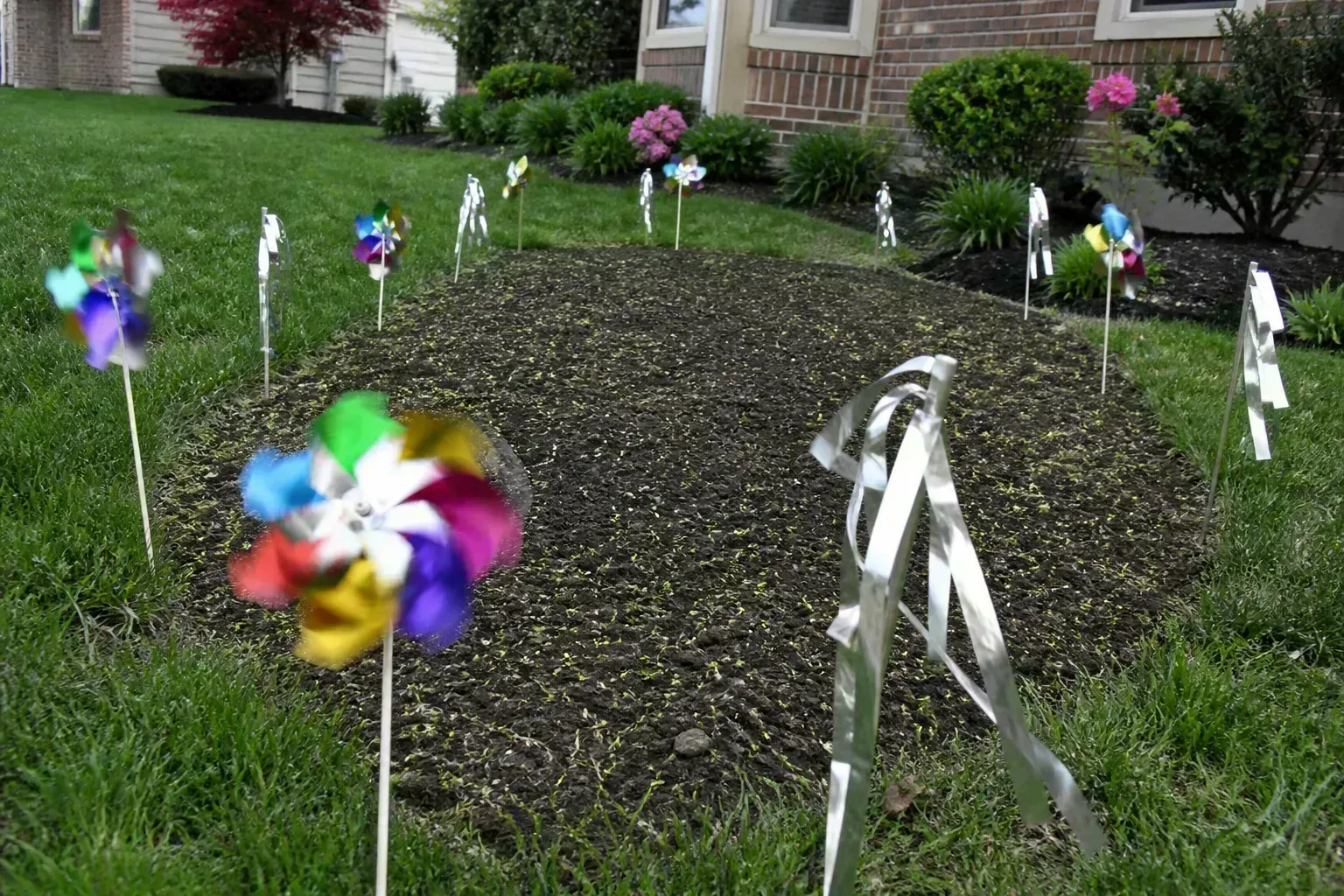
Deer are wary of unexpected movement and human scent—until they are not. Reflective CDs, mylar ribbon, aluminum pie plates, and human hair in mesh bags exploit startle reflexes. Effectiveness is shorter-lived than sprays unless you move items so the garden never feels predictable.
Height, placement, and rotation so deer do not habituate
Reflective hang-ups:
- String old CDs, mylar strips, or lightweight aluminum on fishing line at 3–5 feet height—deer eye level along approach paths.
- Space stations every 10–15 feet along bed edges and known trail gaps.
- Move or flip items every 3–7 days so light flashes from new angles.
Human hair:
- Collect hair from brushes or a trim (no product-heavy salon waste if you can avoid it).
- Stuff loosely into mesh bags or pantyhose; tie to stakes at 2–4 feet.
- Replace when rain and sun strip scent—about every 2–4 weeks.
Reflective and hair tactics work best as supplements while sprays dry on leaves. They rarely stop a starving deer. Pair them with motion sprinklers at entry points for a stronger surprise—but relocate sprinklers periodically for the same habituation reason.
Repellent 5: Physical barriers and motion deterrents
When DIY liquids fail, exclusion wins. Fences cost more upfront than a garlic bottle, but they are the method extension services trust when damage is economic or emotional—destroyed foundation plantings, stripped arborvitae, repeated vegetable losses.
Fence height, the double-fence trick, and sprinkler placement
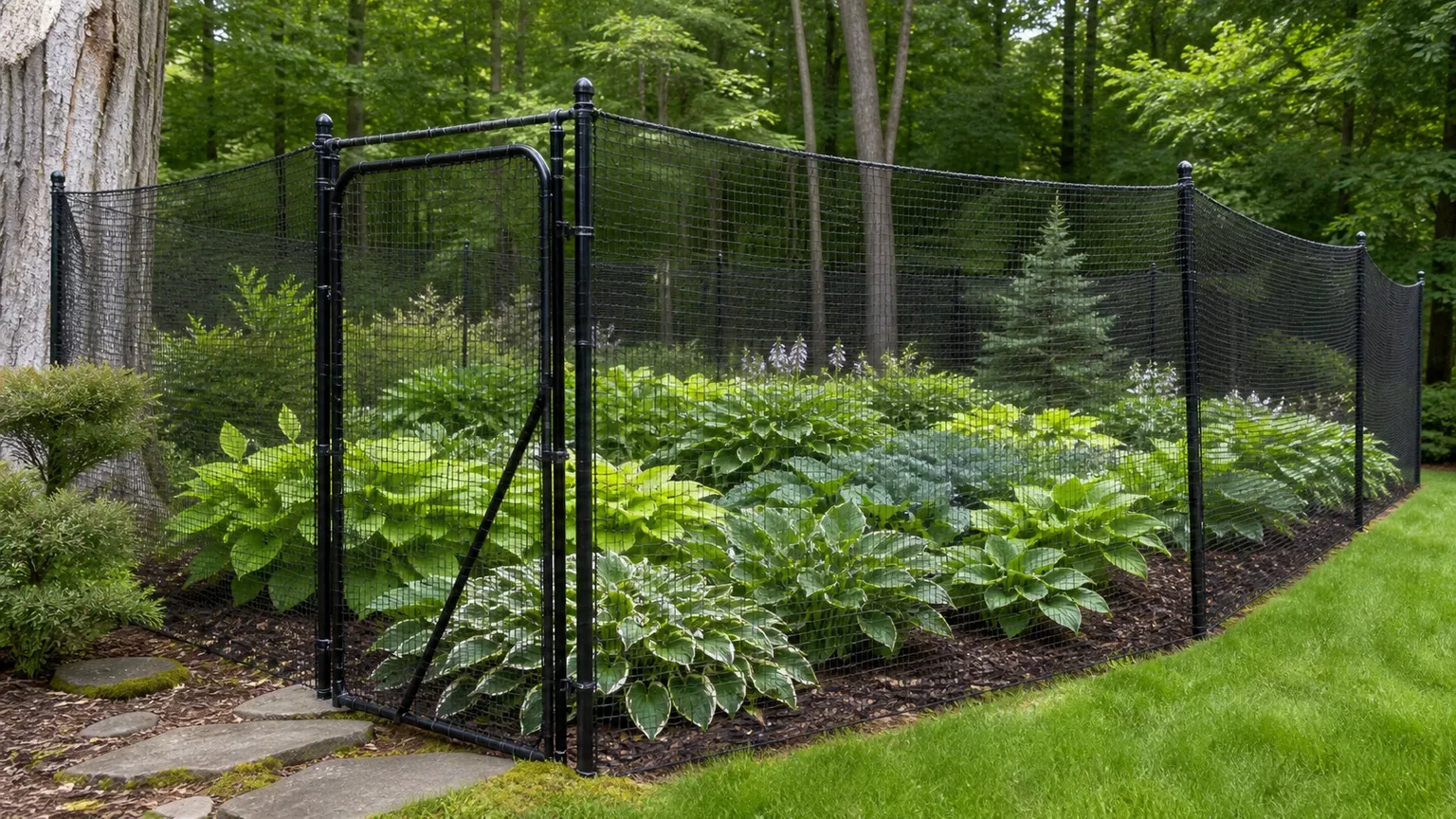
Conventional deer fence: about 8 feet tall, mesh or wire attached to the ground with no gaps under gates. Deer are strong jumpers; lower fences work only in special cases. Penn State Extension deer guidance treats tall exclusion fencing as the reliable fix for persistent pressure.
Double-fence alternative for smaller yards: two parallel fences 4–5 feet tall, spaced 4–5 feet apart. Deer struggle to judge the gap and often refuse the jump. Black polypropylene deer netting on posts blends into landscapes better than chain link for ornamental beds.
Motion-activated sprinklers: place at known entry points, overlapping coverage about every 15 feet along the perimeter. Aim sensors along trails, not across open lawn where wind triggers false sprays. Rotate positions every few days early in the season so deer do not learn the soak zone. Drain lines before hard freeze if you garden in cold climates.
Combine netting tunnels over short rows, shrub cages on new plantings, and deer-resistant shrubs as a visual screen outside the fence line. Physical barriers need occasional maintenance—sagging mesh, bent posts, and gate gaps are how deer re-enter.
How often to reapply homemade deer repellents
Consistency beats intensity. A thorough spray once a month loses to a light, scheduled coat every week during peak browsing. Rain is the biggest reset button; new spring growth is the second.
A simple seasonal calendar
| Season | What deer are doing | Your DIY schedule |
|---|---|---|
| Early spring | Bulb foliage, soft perennial shoots | Spray new growth weekly; refresh hair/reflections |
| Late spring–summer | Peak ornamental browsing | Rotate spray types every 2–3 weeks; reapply after rain |
| Fall | Woody browse, rut damage on trunks | Add spreader-sticker on evergreens; check fence gaps |
| Winter | Bark and twig feeding when snow limits options | Prioritize fencing and trunk guards; sprays less reliable |
Rotation example (moderate pressure): Week 1 egg–milk spray on bed edges; Week 3 garlic–pepper on the same zone; Week 5 reflective stations moved; repeat. Commercial putrescent-egg products (often ~37% egg solids, per Missouri Botanical Garden product notes) last longer than thin kitchen mixes—but still need label-driven reapplication.
Mistakes that make DIY deer repellents fail
Spraying wet foliage dilutes adhesion and washes active ingredients away before deer arrive. Wait until leaves are dry after rain or irrigation. Skipping the strainer clogs pump sprayers and leaves chunky residue that attracts pests instead of repelling deer.
Using one scent all season trains the herd. Habituation is why rotation matters as much as recipe choice. Protecting only the center of a bed while deer walk through unscented entry paths wastes product. Hit perimeters and approach trails first.
Applying DIY sprays to food crops risks off-flavor, leaf burn, and unlabeled pesticide exposure. If you grow vegetables, shift to labeled repellents or exclusion. Undersized fences—a 4-foot picket around a deer highway—create expensive false confidence.
Waiting until damage is severe makes every method look weak. Install cages on new shrubs the day you plant, not after the first night of browsing. Photograph damage to confirm deer (ragged tears, 4–6 foot browse height, pellet droppings) versus rabbits (clean cuts low to the ground).
When homemade repellents are not enough
Stop escalating recipes and install exclusion when:
- The same plants are stripped repeatedly within a week of spraying
- You see six-foot browsing and hoof-packed trails through beds
- Winter bark damage appears on young trees
- Neighbors report herd counts rising and your resistant plants are eaten anyway
At that point, a DIY egg spray is a bandage on a structural problem. Budget for 8-foot fencing or the double lower fence, gate hardware included, and treat repellents as backup on plants outside the fence. For high-value specimens, individual wire cages beat another gallon of garlic water.
If your goal is replacing eaten ornamentals, start with deer-resistant shrubs and accept that no plant list is deer-proof—only deer-resistant under normal pressure. Layer plants, sprays, scare tactics, and fences in that order of permanence.
Conclusion
The five DIY deer repellents that hold up in real gardens are not five separate life hacks—they are layers. Deer-resistant plants shrink easy access, garlic and egg sprays add taste and smell on vulnerable growth, reflective and hair tricks add unpredictability, and fences plus sprinklers enforce boundaries when scent stops working. Mix them on a calendar, reapply after rain, rotate before deer habituate, and keep DIY sprays on ornamentals unless a product label explicitly allows food crops.
Start with the pressure table honestly. Light browsing gets border plants and a simple three-egg gallon from University of Minnesota Extension guidance. Moderate damage gets rotation and motion. Heavy damage gets fence quotes. Your garden does not need more internet recipes—it needs the right layer at the right week, maintained until deer decide the buffet down the street is easier.



