Passionflower Plant Care & Growing Guide
Learn passionflower plant care for sun, soil, watering, trellises, pruning, propagation, blooms, fruit, containers, pests, and winter protection.
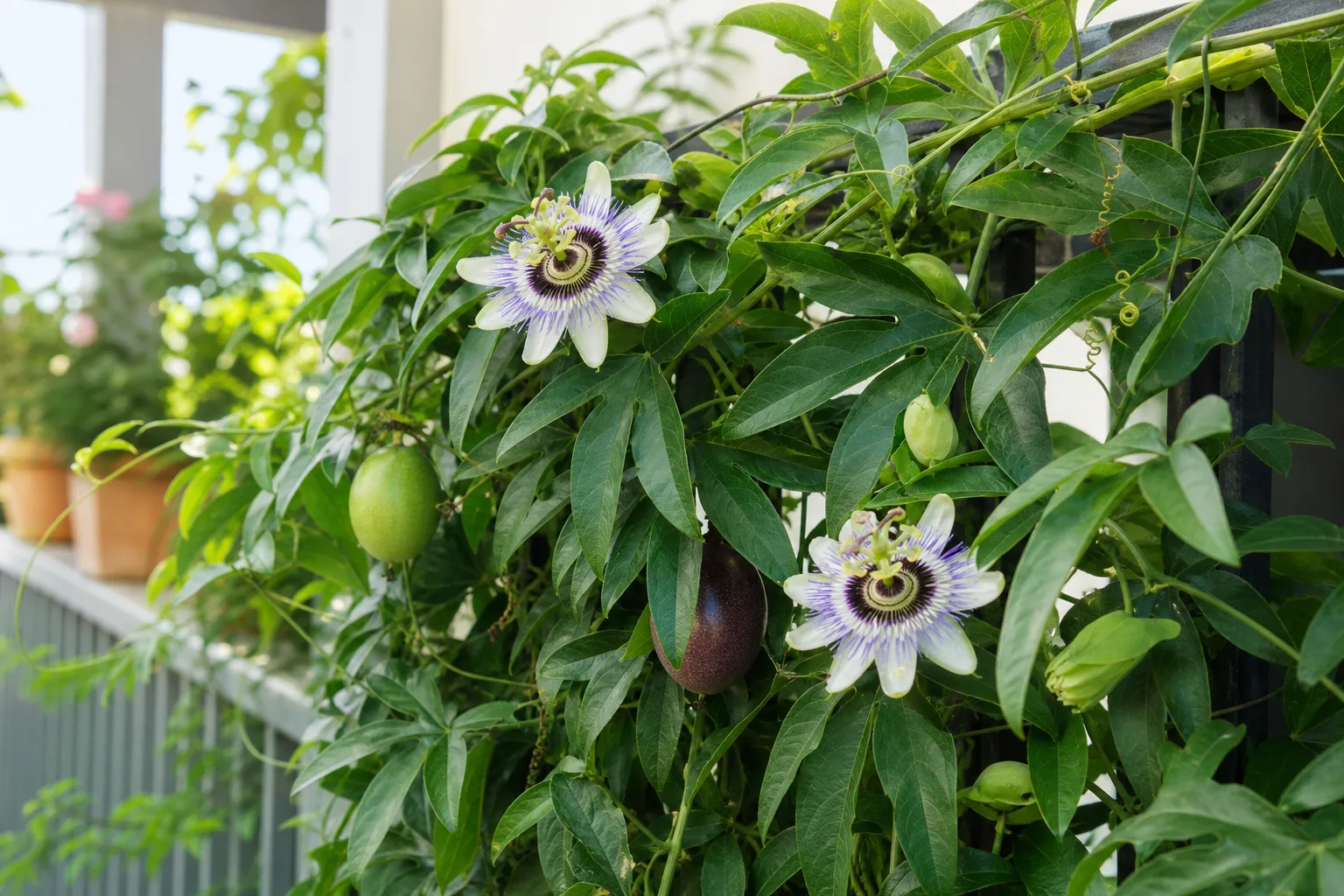
Passionflower is one of those vines that can look fragile and behave like a small landscaping project. Its fringed flowers are intricate, its tendrils climb quickly, and some types can spread beyond the place where you planted them. The reward is a long season of unusual blooms, wildlife activity, and, for the right species, aromatic fruit.
The important first step is not choosing a fertilizer. It is identifying the passionflower you have. The common name covers hundreds of Passiflora species, from hardy maypop (Passiflora incarnata) to tropical passionfruit vines and blue passionflower. Their light, winter, fruit, and size expectations are not interchangeable.
Start with the right passionflower for your site
Choose a named species or cultivar whenever possible, then check its mature size, winter tolerance, fruiting habit, and spread before planting. A nursery tag that says only “passionflower” is not enough if you live where freezes are common or if you want edible fruit.
Hardy maypop is often the best starting point for a temperate North American garden because the top can die back in cold weather while the root system returns in spring when the site suits it. Tropical Passiflora selections may stay evergreen and fruit heavily in warm climates, but they usually need a container, greenhouse, or reliably frost-free location elsewhere. Blue passionflower can be grown as a vigorous ornamental vine, while Passiflora edulis is the better-known passionfruit crop; do not assume an ornamental vine produces fruit that is safe or worthwhile to eat.
The NC State Plant Toolbox profile for maypop is useful because it shows why plant identity matters: this is a fast-growing perennial vine with wildlife value, a tendency to spread by root suckers, and plant parts that should not be casually eaten. Use the profile as a species check, not as a guarantee that every passionflower sold under the common name behaves the same way. (NC State Plant Toolbox: maypop passionflower)
Popular types and what changes
| Type | Best fit | What to plan for |
|---|---|---|
| Passiflora incarnata (maypop) | A sunny garden with room for a hardy, seasonal vine | Root suckers, winter dieback in colder areas, and species-specific safety precautions |
| Passiflora caerulea (blue passionflower) | A warm wall, arbor, or movable container | Fast growth, a substantial support, and frost protection outside mild climates |
| Passiflora edulis (passionfruit) | A long, warm growing season or greenhouse | Fruit set depends on maturity, pollination, heat, and the exact cultivar |
| Tender hybrids and red-flowered types | Containers, conservatories, or frost-free gardens | Less reliable winter survival and sometimes different pruning or fruiting expectations |
If your goal is flowers, favor a plant that fits your winter conditions and gives you enough sun. If your goal is fruit, buy a named edible type from a reputable nursery and learn whether it is self-fertile or needs cross-pollination. If your goal is coverage, plan the support and the boundary before the vine reaches the fence top.
Choose light and a support that can carry a vine
Give passionflower at least six hours of direct sun when you want strong flowering, with more light generally producing shorter gaps between leaves and more flower sites. In a very hot climate, protection from harsh late-afternoon heat can prevent wilting, but dense shade usually trades blooms for lanky growth.
Light must reach the vine after it climbs, not just the soil around its pot. A plant tucked under an overhang may look green at the base and still fail to flower because the upper stems are shaded. Before planting, stand where the trellis will go and watch the site through the day; a bright wall is not the same as direct sun.
Support is part of care, not decoration. Passionflower uses tendrils, so it needs a mesh, wire grid, narrow lattice, arbor, or pergola that the tendrils can actually catch. A solid fence panel gives the vine a surface to lean against but not necessarily a useful climbing structure.
That support-first approach also prevents a common mistake with fast vines: choosing a plant for its growth rate before checking the boundary that must contain it. Gardening Know How’s practical overview of fast-growing vines makes the same useful distinction between quick coverage and a structure that can carry, train, and contain the finished plant. (Gardening Know How: fast-growing vines)
Build a trellis for tendrils
Install the support before planting or before spring growth accelerates. Anchor it to posts or a sound frame, leave enough clearance to inspect the back, and size it for an established vine rather than the small plant in the nursery pot. A mature canopy becomes heavy when wet and can pull at a weak trellis.
Train the first stems loosely across the support instead of letting them form one tight column. Wide, fan-shaped training fills the space sooner, keeps air moving, and makes winter cutting or summer redirection easier. Check ties every few weeks; a soft tie that was loose in May can constrict a rapidly thickening stem in July.
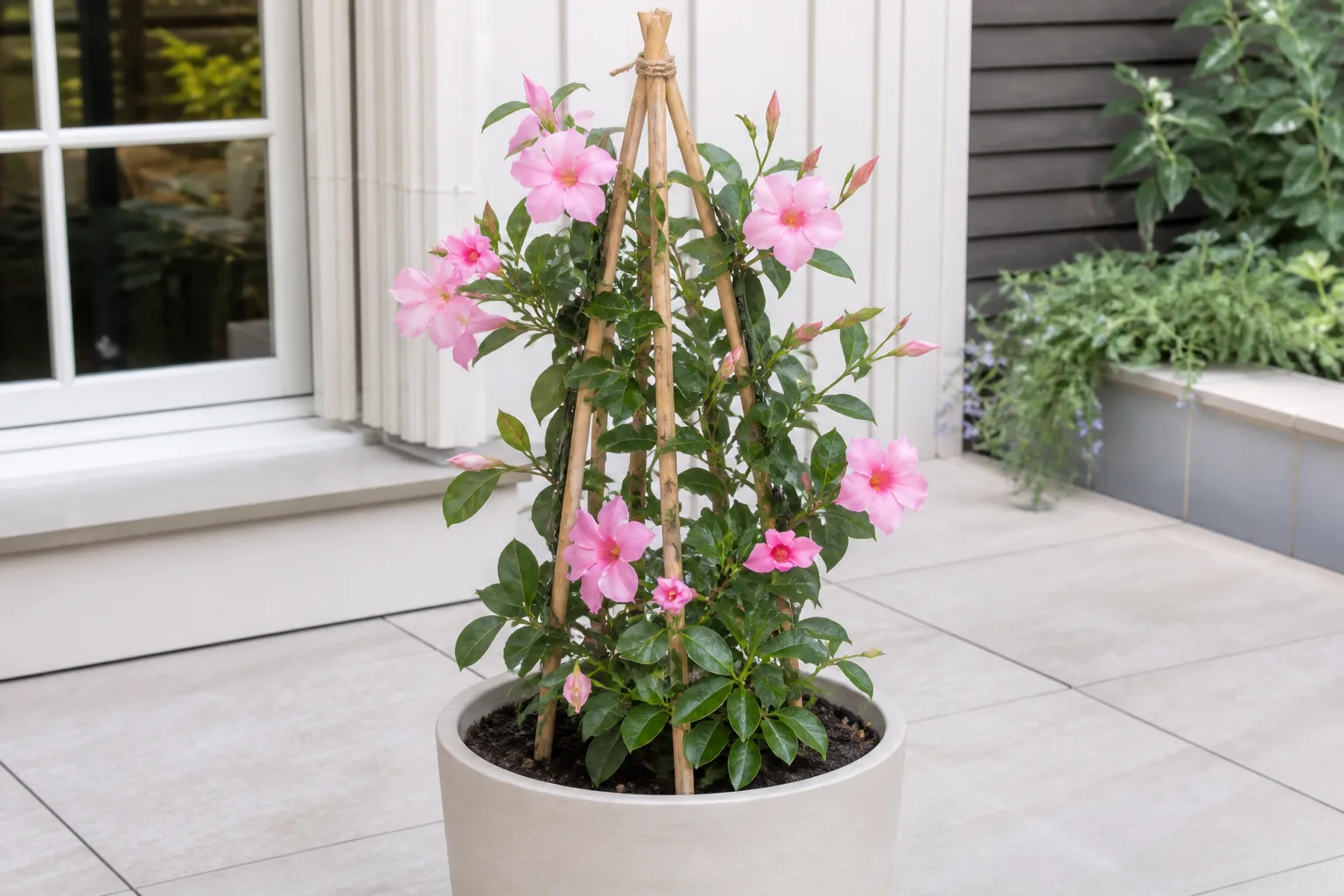
Planting, soil, and water
Plant in spring after the soil has warmed, or in early fall where the plant has time to root before cold weather. Set the root ball at the same level it grew in its container, loosen circling roots, and keep the base a little away from a wall or fence so you can water and inspect the stem.
Passionflower prefers soil that holds moisture without staying saturated. Mix compost into poor ground if needed, but do not turn a heavy clay pocket into a water-holding basin. The planting hole should drain after a thorough watering; if water sits for hours, fix the site or choose a raised bed or container before planting.
Water deeply after planting, then check the soil several inches down before watering again. During establishment, the root ball should not swing from bone-dry to waterlogged. Once a vine has rooted into the surrounding soil, it can tolerate short dry periods better, but drought during active flowering can still reduce growth and fruit set.
Mulch the root zone with a loose, even layer to moderate soil temperature and slow evaporation. Keep mulch off the stem, and do not use a thick wet blanket around a cold-climate crown. Wet winter soil is a more serious risk than a brief dry spell for many container and marginally hardy plants.
Container growing versus in-ground planting
A container is the practical choice when you need to move a tender plant indoors, control root suckers, or protect a fence from a vigorous runner. Use a pot with several large drainage holes and a free-draining potting mix; a decorative cachepot is fine only if excess water is emptied after irrigation.
Choose a container only a few inches wider than the root ball at first. An oversized pot holds more wet mix around a small root system, which slows drying and raises the risk of root problems. As the vine fills the pot, repot in spring or refresh the upper mix, but do not keep increasing the pot size if your real goal is to control the plant.
Container passionflowers need closer monitoring because sun and wind can dry the root ball quickly, while frequent watering leaches nutrients. In-ground plants usually need less frequent irrigation after establishment but require more attention to unwanted shoots. The best choice is the one that solves your limiting problem: winter, spread, or water management.
Fertilize for flowers, not just foliage
Passionflower is vigorous, but vigorous foliage is not the same as a good flower show. Apply a balanced, complete fertilizer in spring as new growth begins, then follow the product label for any repeat feeding during active growth. Container plants may need more regular feeding than in-ground plants because nutrients leave with drainage water.
Avoid responding to weak flowering with repeated high-nitrogen applications. Nitrogen can push long, soft shoots and large leaves while delaying the mature, light-exposed growth that carries flowers. If the plant is healthy but leafy and flowerless, check light, age, pruning timing, and root stress before adding more fertilizer.
Stop routine feeding as the plant slows for winter or as a tender container plant is moved into lower light. Fertilizer cannot compensate for cold, a dark room, saturated soil, or an undersized support. Those constraints need to be fixed first.
Prune and train without sacrificing blooms
Passionflower flowers on new growth for many commonly grown types, which makes late winter or early spring a useful time for the main size reduction before the new season starts. Remove dead, damaged, tangled, or escaped stems first, then shorten living growth to keep the vine within its support. Do not shear every stem to the same height unless you are deliberately resetting a container plant.
Use lighter summer pruning to redirect a wandering shoot, open a congested section, or remove growth that has reached a roofline, utility wire, tree, or neighboring bed. If the vine is grown for fruit, avoid cutting away flowering or fruiting stems during the production window. Wait until fruit has matured and the active season is ending for major cleanup when the species and climate allow it.
Deadheading is optional rather than required. Faded flowers drop naturally, and leaving selected flowers in place is necessary if you want to see whether the plant will set fruit. Pruning can make a vine look tidier, but it cannot make an immature plant bloom before it is ready.
Propagate passionflower by cuttings or layering
Cuttings and tip layering are usually more predictable than seed when you want a new plant that matches the parent. Start with a vigorous, disease-free plant, sanitize your pruners, and label the cutting with the cultivar because seedlings may not reproduce the parent’s flower, fruit, or growth habit.
Root softwood cuttings
Take a 4- to 6-inch piece of flexible new growth in spring or early summer, cutting just below a node. Remove the lower leaves, place the base in a clean, airy propagation mix, and keep the mix lightly moist rather than wet. A clear cover can hold humidity, but it must not press against the leaves or turn the cutting into a stagnant, overheated enclosure.
Set the pot in bright, indirect light and warmth while roots form. Check progress after a few weeks with a gentle resistance test instead of tugging hard. Once the cutting holds its mix and begins new growth, gradually open the cover, then pot it up or harden it outdoors. The young plant still needs protection from abrupt sun, wind, and cold.
Use tip layering for a low-risk clone
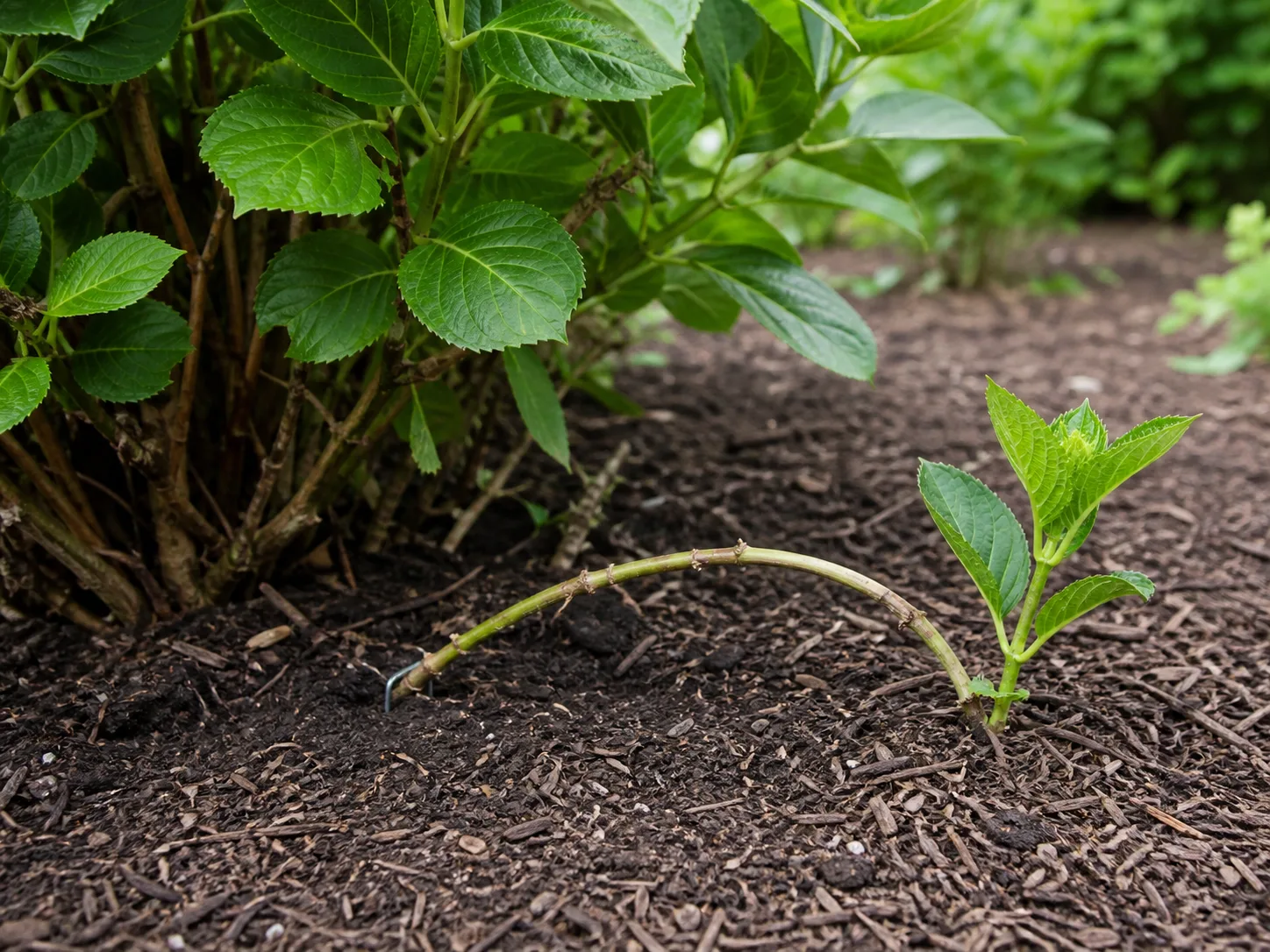
Tip layering is especially useful when a flexible vine already reaches the soil. Choose a healthy stem, remove leaves from the section that will be buried, make a shallow dip, and pin the stem into direct contact with the soil. Leave the tip exposed and water the area normally.
The buried section can root while it remains attached to the parent, so it has a steady water supply during the risky part of propagation. After it resists a gentle tug and has made fresh growth, cut it from the parent and transplant it, or let it establish where it is if that location is intentional.
Grow from seed when you want species diversity
Seed is worthwhile when you want to raise several plants, experiment with a species, or select for variation. It is slower and less predictable than a cutting, and hybrid seedlings may differ from the parent in flower color, size, or fruiting.
Use fully mature seed from a correctly identified plant. Clean away fruit pulp, soak the seed in warm water for a day or two, and sow it on the surface of a damp, well-drained mix because light can help germination. Passionflower seed can be slow and uneven; a warm, stable setup is more helpful than repeatedly disturbing the pot to check for sprouts.
When seedlings emerge, give them strong light without scorching the tender leaves and keep the mix evenly moist. Pot them individually after they have several true leaves, then harden them off gradually before outdoor planting. Move them outside only after frost risk has passed and nights are consistently suitable for the species.
If no seedlings appear quickly, do not assume the seed is dead. Passionflower germination can take much longer than the first few weeks, especially when the seed was stored rather than sown fresh. Keep the tray labeled and lightly moist, but discard it if mold, sour odor, or persistent saturation develops.
Overwinter in cold climates and indoors
Winter care depends on whether you are protecting a hardy root system or keeping a tender evergreen plant alive. In-ground maypop may die back after cold weather and return from the crown, while a tropical passionflower may need to be moved before nights approach its minimum safe temperature.
For an in-ground plant, stop late-season feeding, clean up diseased foliage, and apply a loose mulch layer over the root zone after the soil cools. Keep mulch away from the central stem. Drainage matters more than wrapping a plant tightly; a cold, wet crown can fail even when a thick mulch layer looks protective.
For a container, inspect leaves, stems, and the pot rim for pests before bringing it indoors. Prune the longest stems enough to fit the plant and its support, then place it in the brightest available window or under a grow light. Reduce watering as light and growth decline, but do not let the root ball become dust-dry for weeks unless the species is being kept in true cool dormancy.
Indoor survival is not the same as indoor performance. A passionflower can remain alive in a bright room and still produce few flowers or no fruit because light, humidity, mature vine size, and pollinators are limited. If you move a plant outdoors again in spring, acclimate it gradually from shade to stronger light; Iowa State University Extension gives the same gradual-transition principle for houseplants returning outside. (Iowa State University Extension and Outreach: moving indoor plants outside)
Pollination, fruit, and safe handling
The flower’s unusual corona is more than visual drama: its structure is part of the plant’s relationship with pollinators. University of Georgia researchers describe passionflower as supporting ecological relationships that include pollinators and caterpillars, so a few nibbled leaves may be part of the plant’s wildlife value rather than an automatic reason to spray. (University of Georgia Warnell School: beyond the bloom)
Flowering does not guarantee fruit. The vine must be old enough, receive enough light, stay adequately watered, and be pollinated by a compatible insect or by hand. Some edible passionfruit selections are more self-fertile than others, while indoor plants often lack the insects and air movement that transfer pollen.
If you hand-pollinate, use a clean small brush or transfer pollen between the flower’s reproductive structures soon after the flower opens, following the requirements of your cultivar. Treat this as a species-specific experiment rather than a universal recipe. If a plant is ornamental or unidentified, enjoy the flowers and do not eat the fruit.
Do not let pets or children chew passionflower leaves, stems, unripe fruit, or prunings. Some Passiflora species contain compounds that can be harmful when plant material is eaten, and common names do not tell you which species is in the pot. Keep edible fruit limited to a correctly identified, known-food cultivar and seek veterinary or poison-control guidance after suspected ingestion.
Diagnose yellow leaves, pests, and root problems
Yellow leaves are a symptom, not a diagnosis. Start with the pattern: an older lower leaf turning yellow while the soil is constantly wet points in a different direction from a whole vine going limp in dry soil or a new leaf paling under intense sun.
Scale, spider mites, and whiteflies are more likely when a plant is warm, stressed, crowded, or moved indoors with hidden pests. Inspect leaf undersides, tender shoot tips, and the joints where stems meet the support. Isolate a container plant before treatment, wash away light infestations where practical, and use only a labeled product according to its directions; a homemade spray can burn leaves and is not a universal substitute for diagnosis.
Leaf spots improve when foliage dries faster, air moves through the vine, and infected debris is removed. Root rot is a drainage problem before it is a fungicide problem: if the mix stays saturated, prune back the cause by improving the container or planting site. Do not keep watering a wilted plant simply because the leaves look thirsty; damaged roots cannot use water normally.
A simple troubleshooting sequence
- Check the soil at root depth. Dry soil calls for a thorough drink; wet soil calls for drainage and airflow checks, not another watering.
- Inspect the light and support. A shaded upper canopy or a collapsing trellis can explain weak flowering and damaged stems without a nutrient deficiency.
- Look closely for pests. Check the undersides and new growth before choosing a treatment.
- Review recent changes. Moving indoors, repotting, a freeze, heat wave, hard pruning, or a fertilizer application can all cause short-term stress.
- Change one variable at a time. Give the vine enough time to respond before adding another product or making a second severe cut.
If the vine is leafy but refuses to flower, rank the likely causes in this order: insufficient direct light, an immature plant, too much nitrogen, pruning at the wrong time, drought during bud formation, or roots stressed by poor drainage. If it flowers but produces no fruit, investigate pollination and plant identity before feeding more.
Conclusion: match the vine to the boundary
Passionflower succeeds when its speed, support, root behavior, and winter strategy fit the place you give it. Give a named species the light it needs, build the trellis before the tendrils run, keep soil evenly moist but free-draining, feed lightly, and prune with the bloom and fruit cycle in mind.
Use a container when winter or spread is the limiting problem, and choose in-ground planting when you have a defined boundary and room for a vigorous root system. With the right match, the plant’s odd flowers, curling tendrils, fruit, and wildlife value become features to manage—not surprises to repair.