How to Grow and Care for Scabiosa Flowers
Learn how to grow scabiosa in beds or containers, from light and watering to seed starting, deadheading, winter care, and common problems.
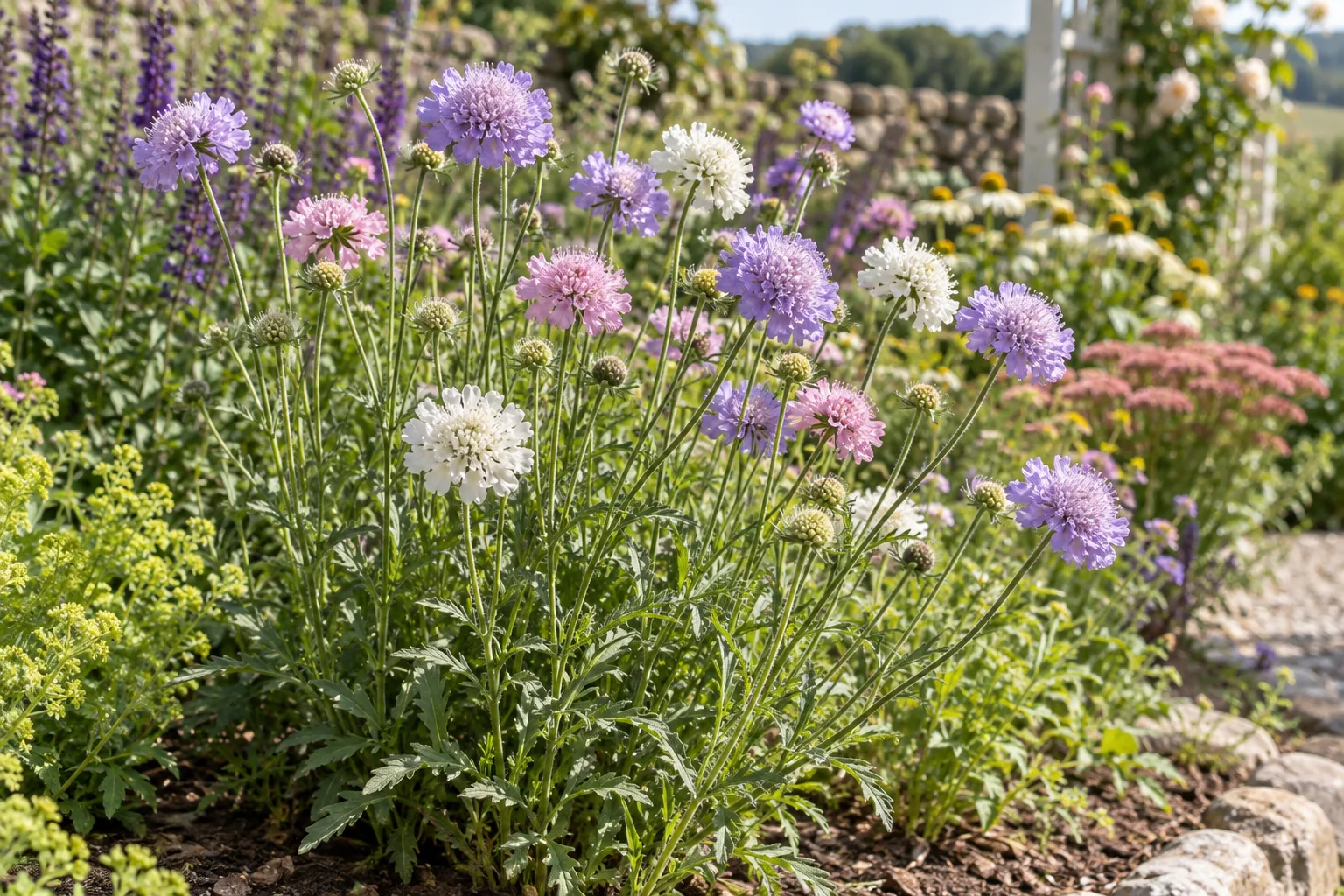
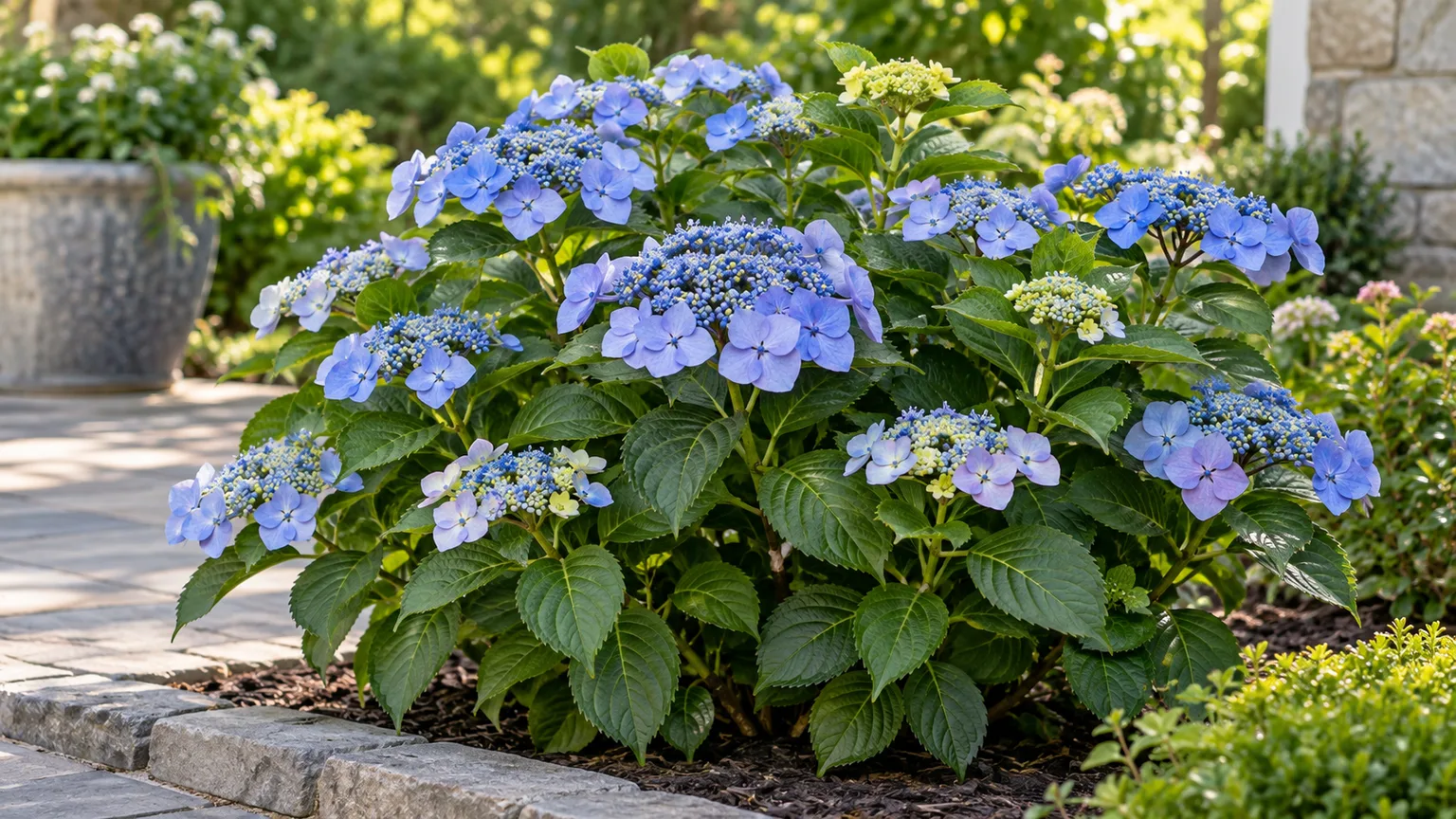
Scabiosa, commonly called pincushion flower or scabious, earns its place in a sunny border with a long succession of small, rounded blooms on wiry stems. The flowers look like colorful pins stuck into a cushion because the central stamens rise above the domed flower head. Depending on the species and climate, you may see white, pink, lavender, blue, burgundy, or red flowers from late spring or early summer into fall.
The plant is easy to grow, but “easy” has a condition: water must leave the root zone quickly. Scabiosa can tolerate a brief dry spell once established, while a waterlogged crown can decline during the first wet winter. Get the site right first, then use watering, light pruning, and modest feeding to keep the plant productive.
Quick reference: what scabiosa needs to thrive
| Need | Practical target |
|---|---|
| Light | Full sun; provide afternoon shade in very hot climates |
| Soil | Moisture-retentive but sharply draining soil |
| Water | Regular moisture while establishing; let the surface begin to dry later |
| Feeding | Usually light feeding; avoid high-nitrogen excess |
| Bloom season | Often late spring through fall, with a summer slowdown in heat |
| Habit | Low mound of foliage with tall, slender flower stems |
| Spacing | About 9 to 15 inches, adjusted for cultivar size |
| Container | At least a 12-inch pot with several drainage holes |
Scabiosa is often described as a perennial, but that label does not guarantee a long-lived plant. Some types return for several years in a well-drained bed; others behave more like annuals in cold, wet, or humid conditions. Treat survival as a site-and-climate result rather than a promise printed on a plant tag.
Start with the site, not the fertilizer
Choose light that matches your climate
Aim for six to eight hours of direct light for the strongest stems and most flowers. In a mild summer, all-day sun is usually the simplest choice. In a hot inland garden, scabiosa can perform better with morning sun and light afternoon shade, especially if the plant’s roots dry rapidly in a small container.
Shade is not a harmless compromise. A plant may stay green in low light but produce fewer buds, longer weaker stems, and a more open mound. If a healthy scabiosa has plenty of foliage but almost no flowers, check light before adding fertilizer.
Make drainage the nonnegotiable
Scabiosa likes soil that holds enough moisture for roots to function without staying saturated. Sandy loam or amended garden soil is usually easier than dense clay. If water remains in a planting hole after a rain, raise the bed, choose a slope, or grow the plant in a container rather than hoping an amendment will solve a site that drains poorly.
Do not create a small pocket of rich potting soil inside heavy native clay. That pocket can act like a bowl and collect water around the roots. Improve a broad planting area with organic matter, or select a genuinely raised location. The important change is a continuous path for excess water to move away from the crown.
Plant scabiosa for a strong first season
Plant nursery scabiosa after the danger of hard frost has passed in spring, or in early fall where plants have time to root before freezing weather. Handle the root ball gently and set the crown at the same level it occupied in its pot. Planting too deeply is a fast way to keep the crown damp.
Water the new planting slowly so the entire root ball is moistened, then keep the soil evenly damp while roots grow into the surrounding bed. A thick mulch layer can trap too much moisture at the crown, so leave a small gap around the base. In a rainy climate, an airy surface and good spacing matter more than frequent supplemental water.
Give each plant enough room for air to move through the foliage. Crowding does not just create a messy display; it keeps leaves wet longer after rain and makes fungal problems more likely. The final spacing depends on the cultivar, but roughly 9 to 15 inches is a useful starting range.
Water by root-zone signals
Young scabiosa needs consistent moisture while it builds roots. Check the soil with a finger or trowel rather than watering by calendar: if the upper inch is dry and the root zone below is beginning to dry, water at the base until moisture reaches the full planting depth. If the soil is still cool and wet several inches down, wait.
Once established, scabiosa tolerates short dry periods better than repeated soaking. It needs more attention during a hot, windy stretch, during flowering in a small pot, and immediately after shearing. Water deeply enough to reach the roots, then let excess drain. Frequent shallow sprinkles encourage a surface-rooted plant that collapses quickly when conditions change.
Container plants are the exception. A pot can go from adequately moist to dangerously dry in a single hot day, especially when the plant is in full sun. Lift the pot when possible, feel the mix below the surface, and water thoroughly when it is dry rather than giving a small sip that never wets the root ball.
Feed lightly and support naturally long stems
Scabiosa is not a heavy feeder. Mix a modest amount of finished compost into the planting area, or apply a balanced fertilizer according to its label during active growth if the soil is poor. Stop treating fertilizer as the solution when the plant is leafy but flowerless; too much nitrogen can favor foliage and soft growth instead of buds.
Long stems are part of the plant’s charm, but they can lean after rain or in a windy border. Place a low, unobtrusive support around the plant early in the season, before stems become tangled. A support installed after a flop is harder to hide and can bend stems that were otherwise healthy.
Keep pincushion flowers blooming
Scabiosa produces individual flowers on thin stems, so removing spent blooms can be a regular task. Cut a finished stem back to a strong pair of leaves or to the mound’s foliage. This keeps the plant from spending all its energy on seed production and makes room for fresh stems.
When midsummer heat slows flowering, do not assume the plant is dead or hungry. Keep the root zone appropriately moist, protect it from the harshest afternoon exposure if your climate is extreme, and shear tired flower stems back lightly. A healthy plant can resume blooming when temperatures moderate.
Deadhead for flowers or leave seed heads
Deadhead when your priority is a tidy display and more flowers. Leave some late-season heads when you want seed for future plants, enjoy the texture of dried heads, or want to observe which seedlings appear. The trade-off is simple: more seed left on the plant usually means fewer resources devoted to immediate repeat flowering.
Use clean, sharp snips when removing a large number of stems, and avoid cutting into the crown. A hard cutback is most useful after a clear flowering lull, not as a weekly response to every faded flower.
Choose a scabiosa type for your garden
Cultivars differ in flower color, stem height, heat tolerance, and how reliably they return. ‘Black Knight’ is known for deep burgundy flowers, while ‘Butterfly Blue’ has lavender-blue blooms that work well in a pollinator border or cut-flower patch. ‘Fama White’ produces large white flowers and can be especially useful where cooler weather extends the season. ‘Pink Mist’ offers pale pink flowers with a light, airy effect.
Read the plant label for the actual species and expected mature size rather than choosing only by flower color. A compact annual type may be ideal for a pot, while a vigorous perennial form deserves a permanent, sharply drained place in the border. If long-term survival matters, buy from a nursery that identifies the cultivar and check its recommended hardiness range for your area.
Grow scabiosa from seed
Seed is a cost-effective way to grow several plants, and scabiosa responds well to either indoor or outdoor sowing. Seedlings may not reproduce every detail of a named cultivar, however. If you need identical color or flower form, use a nursery plant or division instead.
Indoor sowing
Start seed about four to six weeks before the last expected spring frost. Fill clean cells with a fine, damp seed-starting mix, sow the seed evenly, and cover it with roughly one-quarter inch of mix. Keep the tray in bright light at about 65 to 70°F and maintain even moisture without leaving the cells waterlogged.
Germination often takes about five to 15 days under suitable conditions. Once seedlings emerge, give them strong light and gentle air movement so they do not stretch. Harden them outdoors over about a week, increasing exposure gradually, and transplant after hard frost is unlikely.
Direct sowing
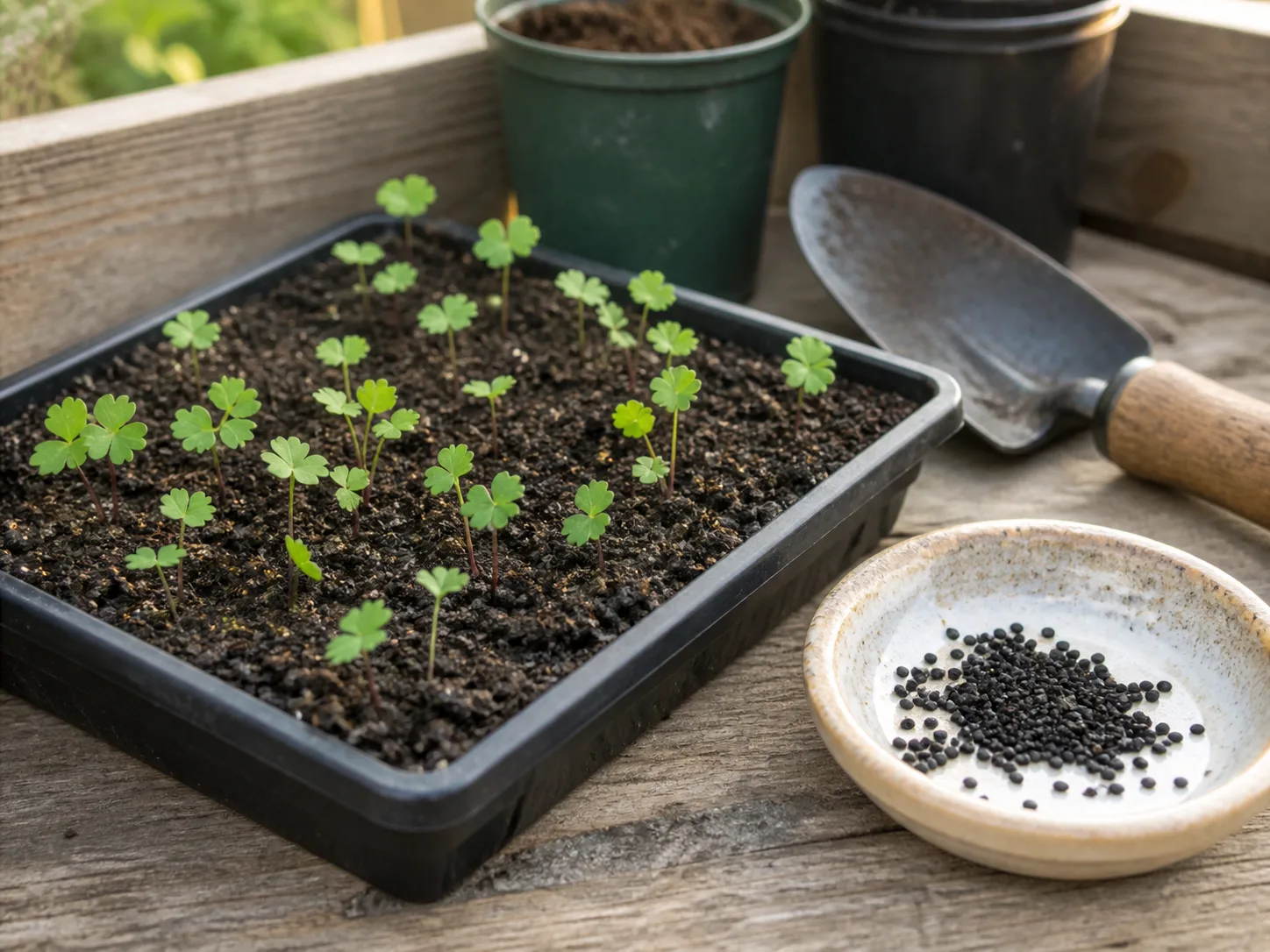
Sow outdoors in spring after the soil is workable and severe frost has passed, or in fall in climates where winter does not repeatedly heave seedlings from the soil. Mark the row because small seedlings can be mistaken for weeds. Thin young plants to their final spacing once they have several true leaves.
Avoid burying the seed deeply. A thin cover protects it while still allowing the emerging seedling to reach light. The goal is evenly damp soil during germination, not a saturated seedbed.
Divide established plants carefully
Division is useful when a mature clump becomes crowded or when you want a genetic copy of a plant that performs well in your garden. Divide in early spring as new growth begins, when the plant has time to rebuild roots before summer heat.
Lift the clump with a spade, tease or cut it into sections with healthy roots and several shoots, and replant the divisions immediately. Water them thoroughly, then keep them evenly moist while they establish. Small divisions may flower lightly in the first year; that is normal. Do not divide a plant already collapsing from wet soil or disease and expect division alone to cure the problem.
Grow scabiosa in containers
Choose a pot at least 12 inches across with multiple drainage holes. Use a quality potting mix rather than garden soil, and set the container where it receives strong light and good air movement. A tall cultivar may need a discreet ring support before its flower stems lengthen.
Containers make drainage easier to control, but they increase the risk of fast drying and temperature swings. Check moisture more often than you would in a bed, and move the pot away from reflected heat during an extreme heat wave. Never place the container in a saucer of standing water after irrigation.
At the end of the season, remove diseased debris and decide whether the plant is worth overwintering. A pot exposed to repeated freeze-thaw cycles can be harsher than the ground. Protect the container only if the cultivar and your climate justify the effort; otherwise, save seed or plan to replace an annualized plant next season.
Prepare pincushion flowers for winter
In fall, let the plant finish its final flush before cutting anything back. Remove visibly diseased foliage and clear material that is soft or rotting around the crown. In a dry, cold climate, a light layer of airy mulch can buffer temperature swings, but do not bury the crown under wet leaves.
Winter survival depends heavily on drainage. A scabiosa that survives a cold night in dry soil may fail after weeks in saturated soil. If your winters are wet, the best winter preparation may be improving the planting site for the next season rather than adding more mulch.
Troubleshoot by symptom
Flopping stems
First check light and spacing. Low light creates weak, stretched stems, while crowded plants compete for light and dry slowly. If the plant is otherwise healthy, install support early, reduce excessive nitrogen, and cut spent stems back to the foliage instead of allowing long bare stems to tangle.
Few or no flowers
Start with light: move a container or trim a nearby obstruction if the plant receives less than six hours of direct sun. Next check fertilizer, especially if foliage is lush and soft. Finally inspect the roots and moisture pattern. A plant repeatedly drying to the point of wilting may pause flowering, but a plant sitting wet may be declining before it has a chance to bloom.
Heat can also create a temporary flowering gap. Maintain appropriate moisture and wait for cooler weather before escalating. Do not keep adding fertilizer to a plant whose basic light or drainage is wrong.
Yellowing, wilt, or collapse
Yellow leaves with wet soil point toward root stress, not thirst. Stop routine watering, confirm that drainage holes are open, and improve the site before the crown rots. If roots are brown, soft, and foul-smelling, discard badly damaged material rather than propagating from it.
Wilt in dry soil calls for a slow, thorough watering. Wilt in wet soil calls for air, drainage, and restraint. That distinction is more useful than treating every drooping plant with more water.
Manage pests and disease without overreacting
Aphids, thrips, spider mites, and slugs may appear, but inspect before treating. Look under leaves and around tender growth, rinse small soft-bodied infestations with a firm stream of water, and remove heavily damaged leaves. Use any pesticide only according to its label and only when the pest, plant, weather, and beneficial-insect risk justify it.
Leaf spot and powdery mildew become more likely when foliage stays damp, air is stagnant, or plants are crowded. Water at the soil line, give plants room, and remove fallen diseased leaves. Root rot is primarily a water-management problem: no spray can compensate for a crown planted in a permanently wet pocket.
Scabiosa is listed as non-toxic to dogs and cats by the ASPCA plant database. “Non-toxic” does not mean a pet can eat unlimited plant material without stomach upset, and plant identification still matters. The genus also has a history of traditional medicinal use and contains bioactive compounds discussed in a peer-reviewed review of Scabiosa; do not turn that information into home-remedy advice or assume every species is edible.
Use scabiosa as a pollinator and cut flower
The open, central flower structure makes scabiosa useful in a mixed pollinator planting. Group several plants together so the flower display is easy for insects to find, and combine them with other plants that bloom before and after scabiosa. Avoid spraying open flowers when pollinators are active.
For cut flowers, harvest when the outer petals are open and the center still feels firm. Cut in the cool part of the day, strip foliage that would sit below the waterline, and place the stems into clean water promptly. Deadheading the stems you do not cut for arrangements helps redirect the plant toward more flowers.
Conclusion: give scabiosa sun, drainage, and timely cuts
The reliable formula for scabiosa is straightforward: give it strong light, plant it at the correct depth, and make sure water can escape the root zone. Water young plants consistently, water containers according to their faster drying, feed sparingly, and support long stems before they flop.
If flowering slows, check light, heat, soil moisture, and nitrogen in that order. Deadhead for repeat flowers, leave a few heads when you want seed, and judge perennial performance by your cultivar and winter drainage. With those decisions made early, pincushion flowers can provide a long season of airy color without demanding constant attention.