How to Grow and Care for Perennial Dianthus Plants
Learn which dianthus are truly perennial, then choose the right sun, soil, watering, pruning and winter care for healthier plants and more reliable flowers.
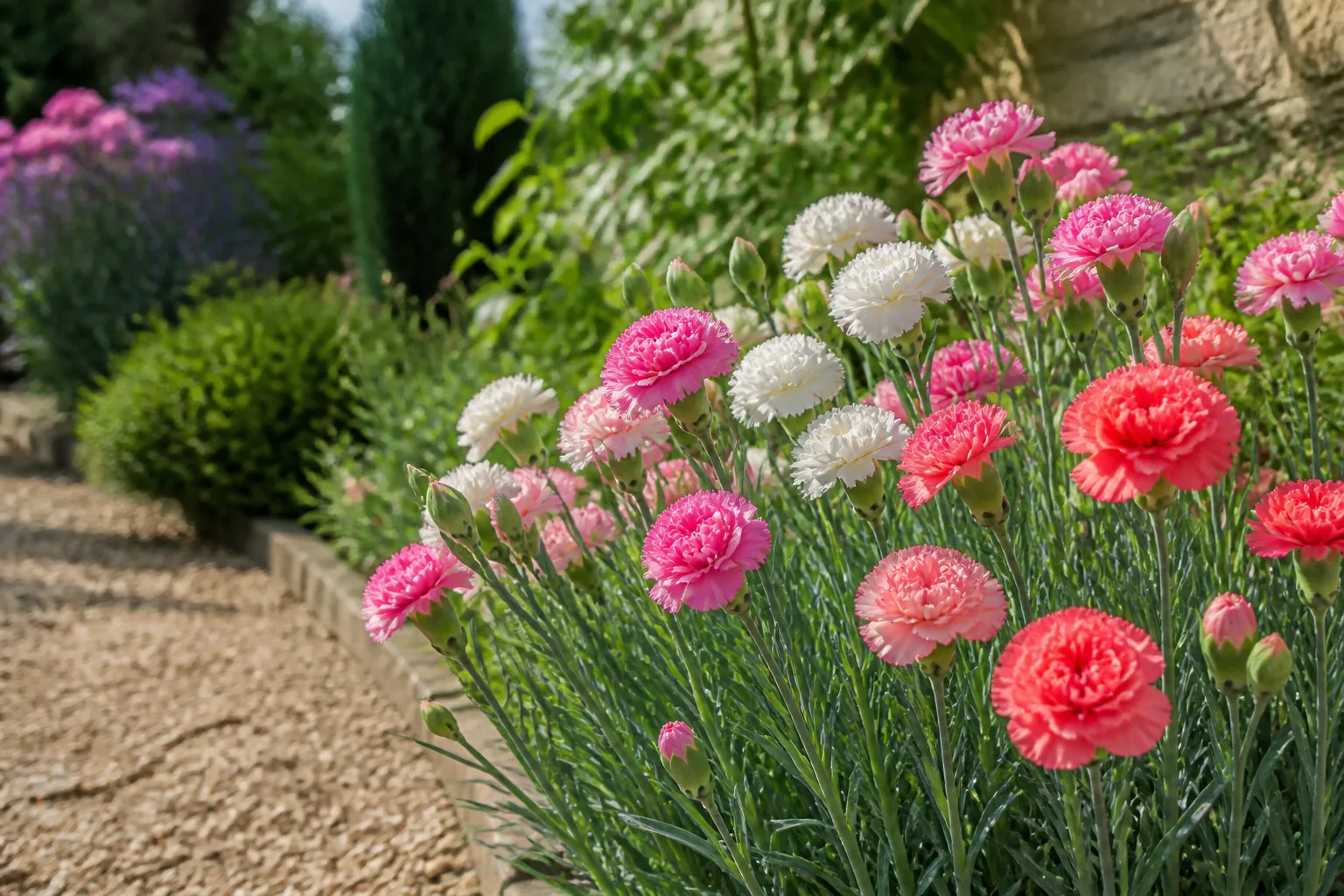
The word “dianthus” covers plants that behave very differently: some are dependable perennials, some are short-lived, and others are grown as annual bedding flowers. Even hardy garden pinks can disappear early when their crowns sit in wet soil. Start with the botanical name on the label, then match the plant to a sunny, fast-draining site; those two choices do more for its lifespan than frequent feeding or a rigid watering schedule.
Is Dianthus a Perennial? Check the Name on the Tag
Dianthus is a genus, not one uniform garden plant. The genus includes annuals, biennials, short-lived perennials, and longer-lived mat-forming perennials, so a nursery tag that says only “dianthus” does not promise that the plant will return for years. The NC State Extension Plant Toolbox lists several life cycles within the genus and describes hardiness and cultural needs that vary by species and cultivar.
The classic perennial “pinks” are usually garden forms of Dianthus plumarius and related hybrids, cheddar pinks (D. gratianopolitanus), or maiden pinks (D. deltoides). Carnations (D. caryophyllus) are also herbaceous perennials botanically, but many florist and bedding types are shorter-lived in gardens; Sweet William (D. barbatus) is often biennial or a short-lived perennial, while China pinks (D. chinensis) are commonly grown as annuals. The name on the pot gives you a much better forecast than a generic promise that all dianthus are hardy perennials.
Hardiness is just as species-specific. NC State’s genus entry spans USDA zones 4a through 9b, while the University of Wisconsin–Madison’s profile for D. gratianopolitanus ‘Bath’s Pink’ gives zones 3a through 8b; those ranges are not interchangeable guarantees for every dianthus sold. Use the hardiness range attached to the named cultivar, and remember that winter drainage, summer humidity, and local heat can shorten a plant’s life even when the zone number appears suitable.
Which Perennial Dianthus Should You Choose?
Choose by growth habit and bloom expectation, not flower color alone. Garden pinks and many hybrids form a low evergreen or semi-evergreen tuft of narrow blue-green leaves, then send up fragrant, fringed blooms in late spring or early summer; ‘Firewitch’ and ‘Bath’s Pink’ are familiar cheddar-pink choices for rock gardens and edging. Maiden pinks can spread into a low mat and may self-sow, while fringed pinks such as D. superbus carry more deeply cut petals and can have a taller, looser habit.
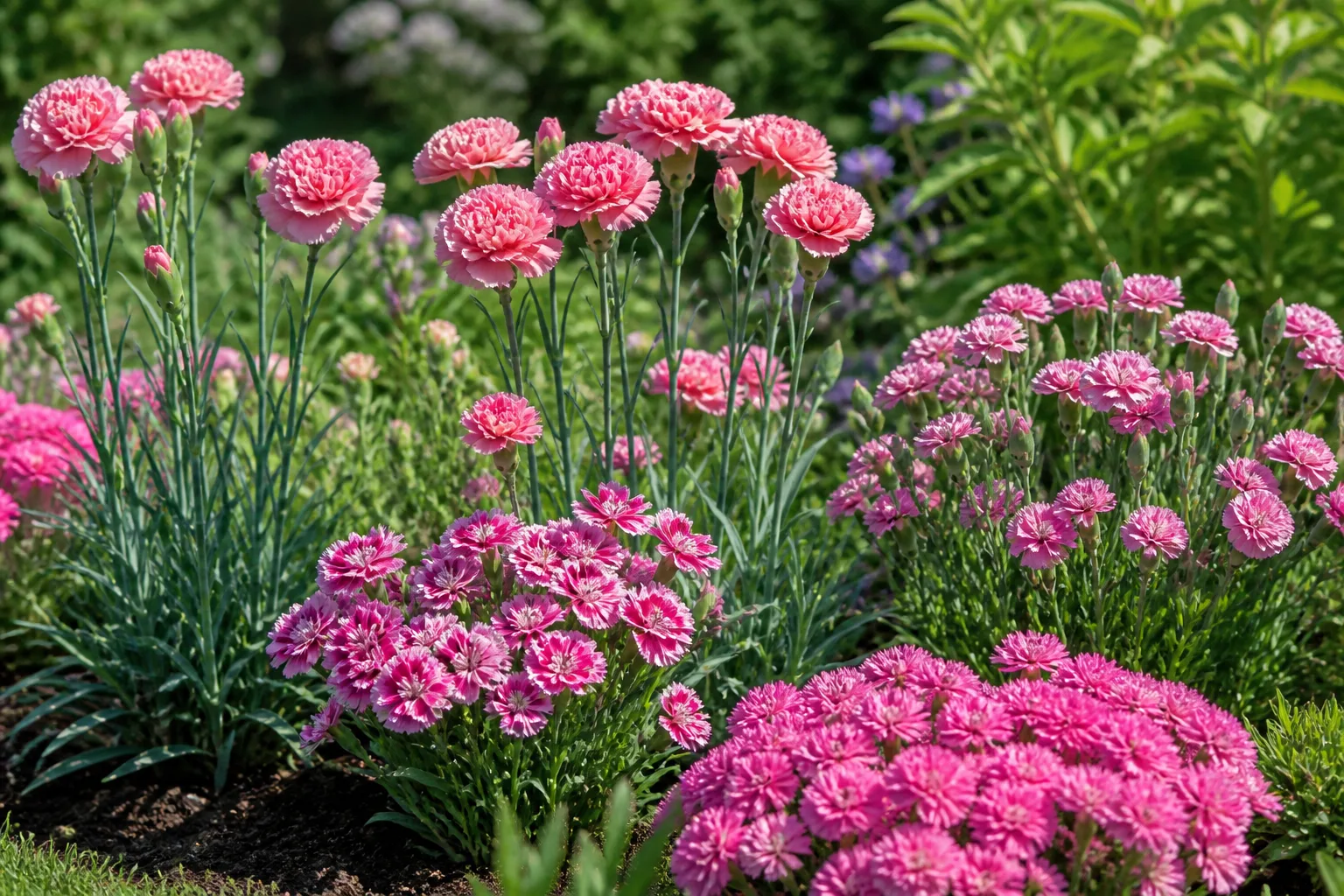
A useful buying question is “Do I want a compact clump, a spreading groundcover, or a cut-flower stem?” For a border edge or gravel garden, look for a named mat-forming perennial and check its mature width; for a patio pot, choose a compact cultivar; for taller flowers, confirm that the label describes a hardy garden type rather than a tender florist carnation. The Wisconsin Extension profile describes ‘Bath’s Pink’ as a 6- to 8-inch-tall mat that can spread 24 to 30 inches, a reminder to leave room around a low plant that may widen over time.
Expect the fragrance and flower form to vary. Many pinks smell spicy or clove-like, but not every cultivar is strongly scented, and single or double flowers can have different pollinator access and stem weight. If fragrance matters, buy a named, fragrant cultivar rather than assuming any plant labeled dianthus will perfume a walkway.
Where Dianthus Grows Best
A sunny, open spot with quick drainage is the safest default for perennial dianthus. It suits a raised bed, slope, rock garden, gravel edge, or the front of a mixed border where flowers can be seen and air can move through the foliage. Avoid planting it where roof runoff collects, irrigation keeps the crown wet, or dense neighboring plants trap humidity around the leaves.
Sun and air movement
Aim for about six hours of direct sun a day for compact growth and good flowering. NC State lists full sun and partial shade for the genus, so a little afternoon shade can be a sensible trade in a hot-summer garden; too much shade, however, usually means fewer flowers and a looser, damp plant. In regions with intense afternoon heat, morning sun with light late-day shade often balances bloom with less scorching.
Spacing is part of disease prevention, not just garden design. Follow the cultivar’s mature width and leave enough room that leaves dry after rain; crowded dianthus may flower well at first, then develop spots, gray mold, or a bare center as air circulation worsens. The UF/IFAS Gardening Solutions guide emphasizes well-drained conditions and keeping mulch away from the stem, especially in warm, humid settings.
Soil and drainage
Dianthus tolerates a range of soil textures, but it does not tolerate a crown that stays wet. NC State describes neutral soil (about pH 6.0–8.0) and good drainage, with a preference for neutral to slightly alkaline conditions; do not lime a bed just because dianthus is sometimes called a “lime-loving” plant. If a soil test shows a strong acidity problem, adjust according to the test rather than sprinkling ash or lime by guesswork.
In clay, choose a raised bed or a naturally sloping site rather than digging a small pocket and filling it with very loose potting mix. A sharply contrasting pocket can collect water at the interface with surrounding clay, leaving the roots wetter than they would be in a consistently improved bed. Work a modest amount of mature compost through a broad planting area if the soil is poor, but do not turn the crown zone into rich, water-holding soil; a thin mineral mulch or bare surface around the crown dries faster than a damp blanket of organic mulch.
Plant at the Correct Depth
Plant nursery dianthus at the same depth it grew in its pot, keeping the crown—the point where stems meet roots—level with the surrounding soil or just slightly above it in heavy ground. A buried crown can stay wet and rot, while a root ball perched too high dries out quickly and rocks in wind. Loosen circling roots gently, set the plant in a hole no deeper than its root ball, firm the soil around the roots, then water the root zone to settle it.
Spring planting gives a young perennial time to establish before winter; early fall planting can work where the soil remains warm and there is enough time for roots to grow before hard freezes. Space plants according to the mature width on the tag, not the size of the starter pot, and do not crowd several small plants together to make an instant mound. That short-term shortcut delays drying and often creates the very crown and leaf problems that make gardeners think dianthus is inherently short-lived.
Water by Soil Condition, Not a Calendar
Water newly planted dianthus when the root ball begins to dry, while keeping it evenly moist—not saturated—during establishment. Once the plant is rooted, check the soil a finger’s depth down and water deeply when that layer has dried; rainfall, soil type, wind, and heat change how often that happens. A weekly inch of water can be a rough starting point during dry weather, but it is not a prescription if the bed is already wet or the plant is dormant in heat.
Direct water to the soil rather than repeatedly wetting the foliage. Morning watering gives leaves time to dry and lowers the chance of fungal problems, while an afternoon sprinkler that splashes the crown every day can leave the plant stressed despite soggy soil. In winter, do not “help” a dormant clump with routine irrigation if rain or melting snow already keeps the soil moist; cold, wet crowns are a common route to rot.
If a plant wilts, feel the soil before adding water. Dry soil and a plant that recovers by evening usually call for a thorough soak; wet soil with persistent drooping points to root or crown damage, and more water will make that worse. That simple check prevents the common cycle of watering a declining dianthus more and more as it continues to yellow.
Fertilize Lightly
Perennial pinks are not heavy feeders when planted in ordinary garden soil. A small surface dressing of compost in spring is generally enough to refresh the bed; if you use a granular fertilizer, choose a modest rate according to its label rather than feeding every few weeks. Excess nitrogen can produce soft leafy growth at the expense of sturdy flowering stems and can make a tight mat more prone to disease.
Skip fertilizer as a first response to yellow leaves. Pale or yellow foliage can come from saturated roots, drought, heat, or a pest, and a nutrient boost will not fix those causes. Check drainage, soil moisture, and leaf undersides first; only consider a nutrient issue if the site and watering are sound and the pattern is consistent across otherwise healthy growth.
Prune for a Neat Mound and Possible Rebloom
Pruning has two different jobs: removing faded flowers can stop seed formation and tidy the plant, while a light post-bloom shear can encourage fresh foliage and sometimes another flush. Neither action can make every cultivar bloom all summer, and cutting too hard into old, bare stems may leave a weak plant with little ability to resprout. Start with spent stems and healthy green growth rather than treating every dianthus like a shrub that needs a severe annual haircut.
Deadhead individual flowers
For a few spent blossoms, snip or pinch the flower stem just above a leafy joint. This keeps the plant from spending energy on seed capsules and can encourage side buds on repeat-blooming cultivars, but the result depends on the plant’s genetics, weather, and remaining growing season. Leave some seed heads if you want seedlings; self-sown plants may differ from a named hybrid and can appear in nearby gravel or cracks.
Shear after the main flush
When most blooms have faded, trim flower stalks and lightly shape the leafy mound by roughly one-third, staying well above the bare woody center. The Wisconsin Extension profile for ‘Bath’s Pink’ notes that shearing after its main spring bloom can produce sporadic summer flowers, but the cultivar still blooms most heavily in spring. Treat a second flush as a bonus, not a guarantee, and stop cutting if drought or heat has already slowed the plant.
Do not automatically cut every plant to an inch or two in fall. Some dianthus stays evergreen in mild climates, and healthy foliage protects the crown and continues to support roots; remove only dead, diseased, or untidy material with clean snips. In colder regions, leave a low mat intact and use a light, airy winter cover only where exposure demands it, keeping the crown uncovered so moisture can escape.
Propagate with Seeds, Cuttings, or Division
Use seed when you want more plants and are comfortable with variation; use cuttings when you want copies of a particular hybrid or cultivar. Seedlings from named hybrids may not repeat the parent’s exact flower color, fragrance, or habit. Harvest to Table’s guide to growing pinks and Epic Gardening’s dianthus guide describe seed, cutting, and division routes; for a home gardener, the best method depends on whether fidelity or quantity matters more.
For seed, sow in spring after frost danger has passed or start indoors several weeks earlier using a clean seed-starting mix. Follow the packet for light coverage because seed size and cultivar instructions vary, then keep the surface lightly moist and provide bright light after germination; waterlogged trays invite damping-off. Transplant seedlings when they have several true leaves and can be handled without disturbing the roots, spacing them for their mature width rather than planting them in a dense tuft.
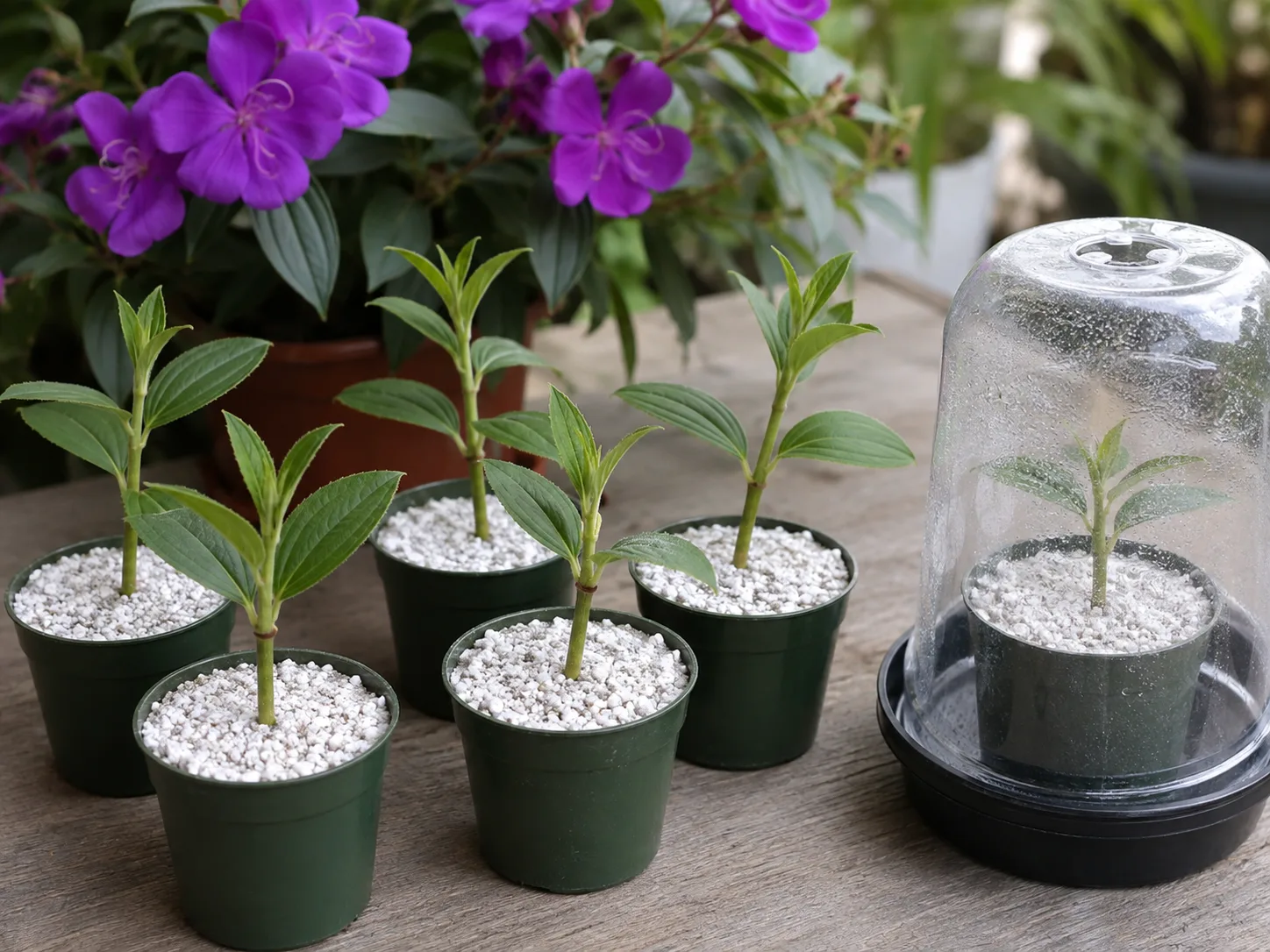
For a cutting, take a short, healthy, nonflowering shoot from a vigorous plant during active growth. Remove the lowest leaves, place the stem in a clean, free-draining propagation mix, and keep it humid and bright but out of harsh direct sun until roots form; gently tug only after a few weeks to test for resistance. Avoid taking cuttings from plants with wilt, leaf spots, or suspected rot, since propagation should not carry a problem into new pots.
Division works best on an established mat-forming clump, not every tall or short-lived dianthus. In cool weather, lift the plant, separate a healthy outer section with roots and shoots attached, and replant it promptly at the same crown height; water it in and keep it from drying while new roots establish. Divide only when the center has become thin or the plant needs renewal, because unnecessary disturbance can set a small clump back.
Grow Perennial Dianthus in Containers
Dianthus can thrive in a pot if the container has unobstructed drainage holes and the mix dries between waterings. Choose a pot wide enough for the cultivar’s mature spread, use a free-draining container mix, and avoid leaving the pot standing in a full saucer. A shallow, broad container suits a compact mat better than a tall narrow pot that stays wet at the bottom.
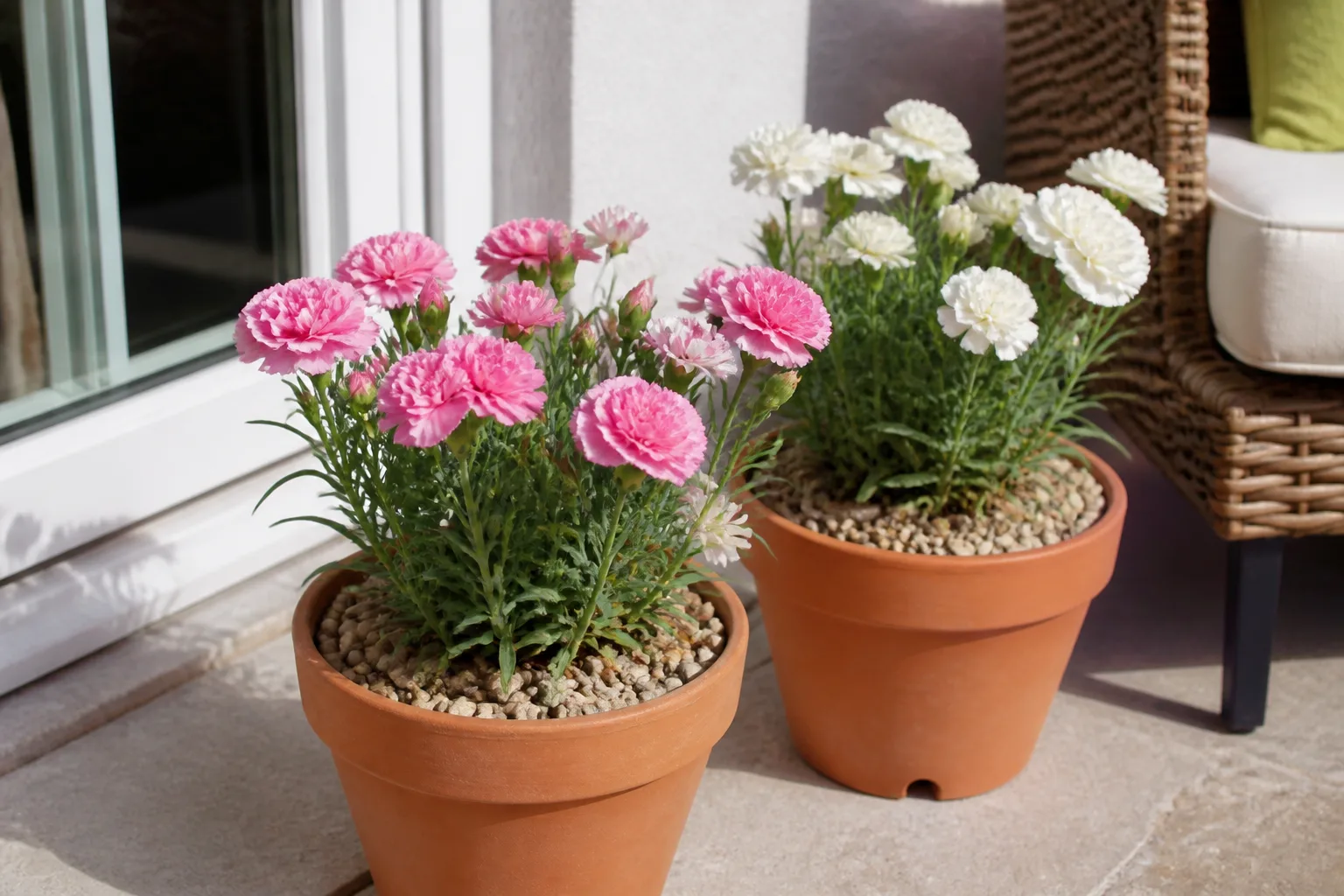
A container dries faster than a garden bed in wind and summer sun, so check it more often, but do not water simply because the surface looks pale. Lift the pot if needed: a noticeably lighter container and dry soil below the surface indicate it is time to water. In cold-winter areas, roots in pots are more exposed to freezing than roots in the ground; cluster containers in a sheltered spot or move them to an unheated protected area, while making sure meltwater can still drain.
Long-term indoor growing is usually a poor fit for perennial dianthus. A sunny windowsill may keep a small plant alive temporarily, but low indoor light and still air encourage weak growth and few flowers; use a container outdoors where the plant can get direct sun and ventilation. If your only location is indoors, choose a plant sold specifically as a temporary flowering houseplant and do not expect the same performance as a hardy garden pink.
Diagnose Common Dianthus Problems
Start with location and soil moisture before reaching for a spray. Many apparent “diseases” begin with a crown planted too deep, clay soil that stays wet, crowded foliage, or a hot spell that interrupts growth. Photographing the plant at the first sign of decline and checking the soil in two places—near the crown and several inches away—can reveal whether the problem is localized or bed-wide.
Yellowing, drooping, or wilt
Yellow lower leaves with damp soil suggest the roots are short of oxygen or beginning to rot; reduce irrigation and improve drainage rather than adding fertilizer. Brown, crisp edges with dry soil point toward drought or reflected heat; water deeply and, if afternoon heat is extreme, provide temporary light shade while the plant recovers. A plant that naturally pauses or looks tired during peak summer heat may resume when temperatures ease, especially if the crown remains firm and roots are not sitting in water.
Persistent wilt deserves more caution. The Connecticut Agricultural Experiment Station describes vascular wilt in carnations as dull-green growth followed by wilting and straw-colored tissue; root and crown rots can also cause a general collapse with brown, rotting roots. If a dianthus continues wilting in moist—not waterlogged—soil, declines in patches, or has a dark, soft crown, remove the worst plant with its roots, discard it rather than composting it, and avoid replanting the same species immediately in that spot; fungicides do not cure established soilborne wilt.
Leaf spots, gray mold, and insects
Tan or brown leaf spots, especially when foliage stays wet or plants are crowded, call for better spacing, morning soil-level watering, and removal of affected leaves. Brown, papery flowers with gray fuzz fit Botrytis risk during humid, cloudy weather; remove affected flowers when dry and improve airflow rather than spraying healthy buds on a schedule. The Connecticut Agricultural Experiment Station’s Dianthus problem guide documents vascular wilts, root and crown rots, leaf spots, rust, and Botrytis, making drainage and sanitation practical first lines of defense.
Look for aphids clustered on tender tips or buds; a strong water stream may dislodge a small colony. Fine stippling and webbing under leaves suggest spider mites, especially in hot, dry weather; isolate and inspect neighboring plants before deciding what to do. If a labeled insecticidal soap or horticultural oil is warranted, follow the product label, test a small area, avoid hot sun and flowering pollinator activity, and repeat only as directed; “natural” does not mean harmless to beneficial insects or safe for every temperature.
Protect Dianthus Through Heat and Winter
Dianthus generally flowers best in cool to moderate weather, so a midsummer pause is not automatically a sign that the plant is dying. During sustained heat, keep the root zone from becoming bone-dry, avoid fertilizing or hard pruning a stressed plant, and let the foliage remain until temperatures improve. In humid climates, give plants extra space, use a raised or sloped bed, and keep irrigation off the leaves; UF/IFAS recommends irrigating when the soil dries rather than keeping dianthus constantly wet.
Winter survival depends on both the cultivar and whether the soil drains. A hardy cultivar in a zone-appropriate site may need little intervention, while a plant in a heavy, waterlogged bed can rot during a mild winter with repeated rain and freeze-thaw cycles. Keep fallen leaves from matting over the crown, do not pile wet mulch on the plant, and use a loose cover only for a site-specific exposure problem; the goal is to buffer extremes without trapping moisture.
Keep Pets from Chewing Dianthus
Treat dianthus as a plant pets should not eat. NC State classifies the genus as having low-severity poison characteristics, and the ASPCA’s pinks listing identifies D. caryophyllus as toxic to cats and dogs, with mild gastrointestinal signs and mild dermatitis listed as clinical signs. The ASPCA lists the toxic principle as an unknown irritant, so do not assume another species or cultivar is safe just because the expected effect is often described as mild.
Place pots and cut flowers where animals cannot chew them, remove fallen petals, and contact a veterinarian or animal poison-control service if a pet eats the plant or shows symptoms. If you are growing dianthus near pets that chew garden plants, choose a different border flower or use a physical barrier rather than relying on a label, taste, or assumed dose to prevent exposure.
Conclusion
For long-lived perennial dianthus, buy a named hardy pink, match its zone range to your climate, and give it sun, open air, and soil that drains quickly. Plant the crown at soil level, water according to what the soil is doing, and prune lightly after the main flush rather than cutting every clump to the ground.
When a plant declines, check drainage and the crown first, then look for heat stress, leaf disease, or insects before changing fertilizer or applying a treatment. That sequence will not make every dianthus perennial forever—some types are naturally short-lived—but it gives the right cultivar the conditions it needs to return and flower well.