16 Perennials to Grow as Indoor Houseplants This Winter
Discover 16 perennials to grow as indoor houseplants this winter, with practical light, water, temperature, dormancy, and pest tips for each.
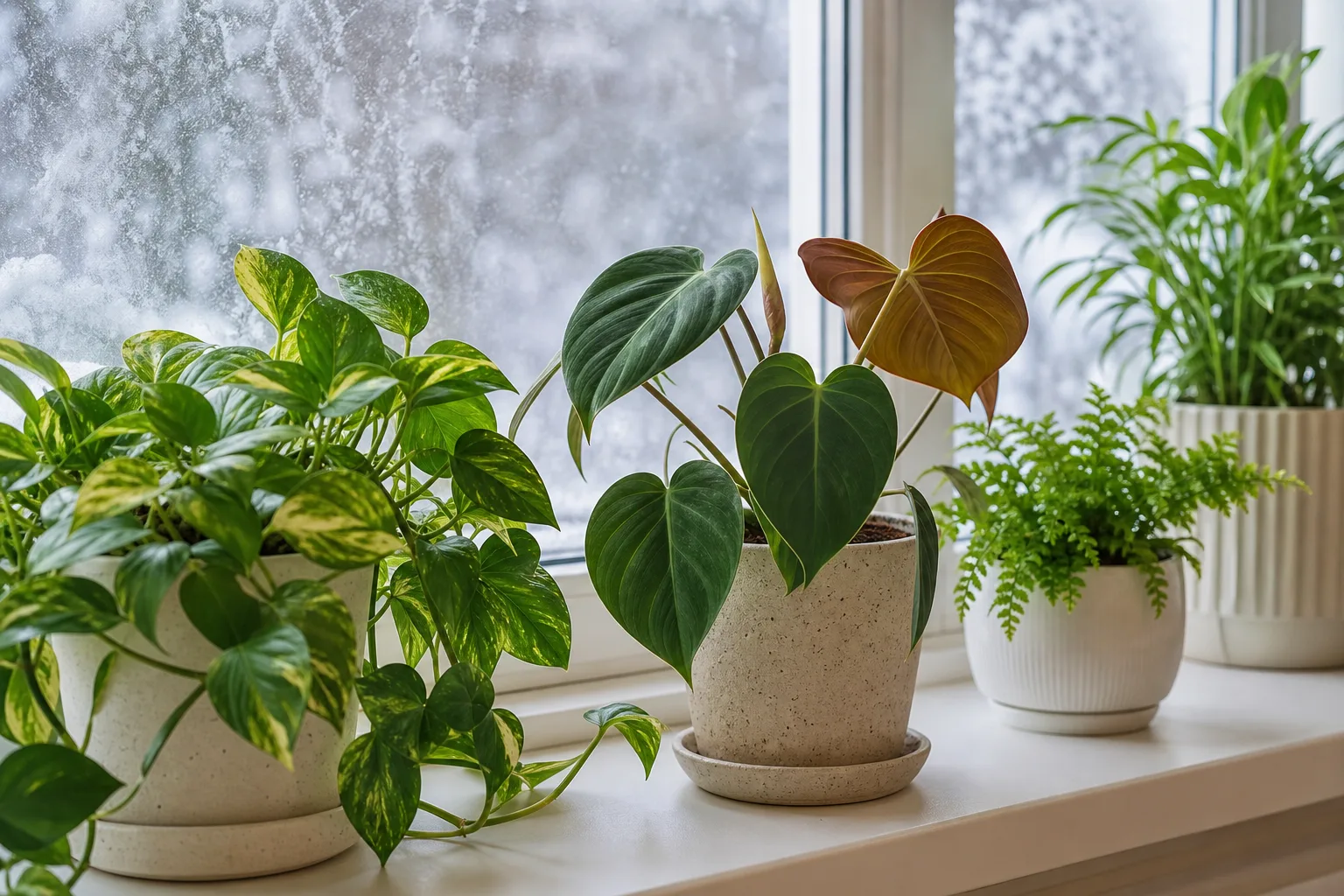
Quick answer: which perennials make the best winter houseplants?
The best perennials to grow as indoor houseplants this winter are the ones that match the conditions you can actually provide. Tropical hibiscus, croton, geraniums, wax begonias, coleus, and fuchsia reward a warm, bright room; rosemary, thyme, sage, and chives fit a sunny kitchen window; lady fern, agapanthus, calamondin, elephant ears, oxalis, and sedum need a more specific plan for cool storage, active growth, or dormancy.
Before moving anything inside, identify whether you are trying to keep it growing or simply keep it alive until spring. A flowering hibiscus and a dormant oxalis do not want the same temperature, light, or watering schedule. The most reliable winter setup is built around that distinction, not around a universal weekly watering reminder.
You also do not need to rescue every perennial from the garden. A hardy lady fern or sedum may survive winter outdoors in the ground and may decline indoors if exposed to dry furnace air or weak light. Bring it inside for a deliberate reason—a protected display, a tender cultivar, or a container that is more vulnerable than the plant’s roots would be in the soil.
The 16 plants organized by light, temperature, and care
This quick map makes the list easier to use. “Warm and bright” means a heated room with a sunny window or grow light. “Sunny kitchen window” means several hours of direct light and a pot that dries at a reasonable pace. “Cool bright or seasonal rest” includes plants that prefer cooler conditions, tolerate leaf drop, or naturally pause instead of pushing weak winter growth.
| Winter group | Perennials | Best winter goal | Main watch-out |
|---|---|---|---|
| Warm and bright | Tropical hibiscus, croton, geraniums, wax begonias, coleus, fuchsia | Active foliage or flowers | Dry air, pests, and insufficient light |
| Sunny kitchen window | Rosemary, thyme, common sage, chives | Fresh leaves and compact growth | Wet soil and weak winter sun |
| Cool bright or seasonal rest | Lady fern, agapanthus, calamondin, elephant ears, oxalis, sedum | Foliage, fruit, or protected dormancy | Confusing dormancy with death, or watering too often |
The categories are guides rather than hard rules. A cultivar, container size, window orientation, and indoor temperature can move a plant from one group to another. The Royal Horticultural Society’s conservatory guidance similarly separates warm, intermediate, and cool frost-free conditions instead of treating all tender plants alike.
Best for warm, bright rooms
These six can remain attractive indoors when they receive enough light and are not placed next to a heater. They are useful choices if your goal is to preserve summer color or keep a tropical-looking plant actively growing, but they are also the group most likely to show stress when a dark room, dry air, and wet soil arrive together.
Best for a sunny kitchen window
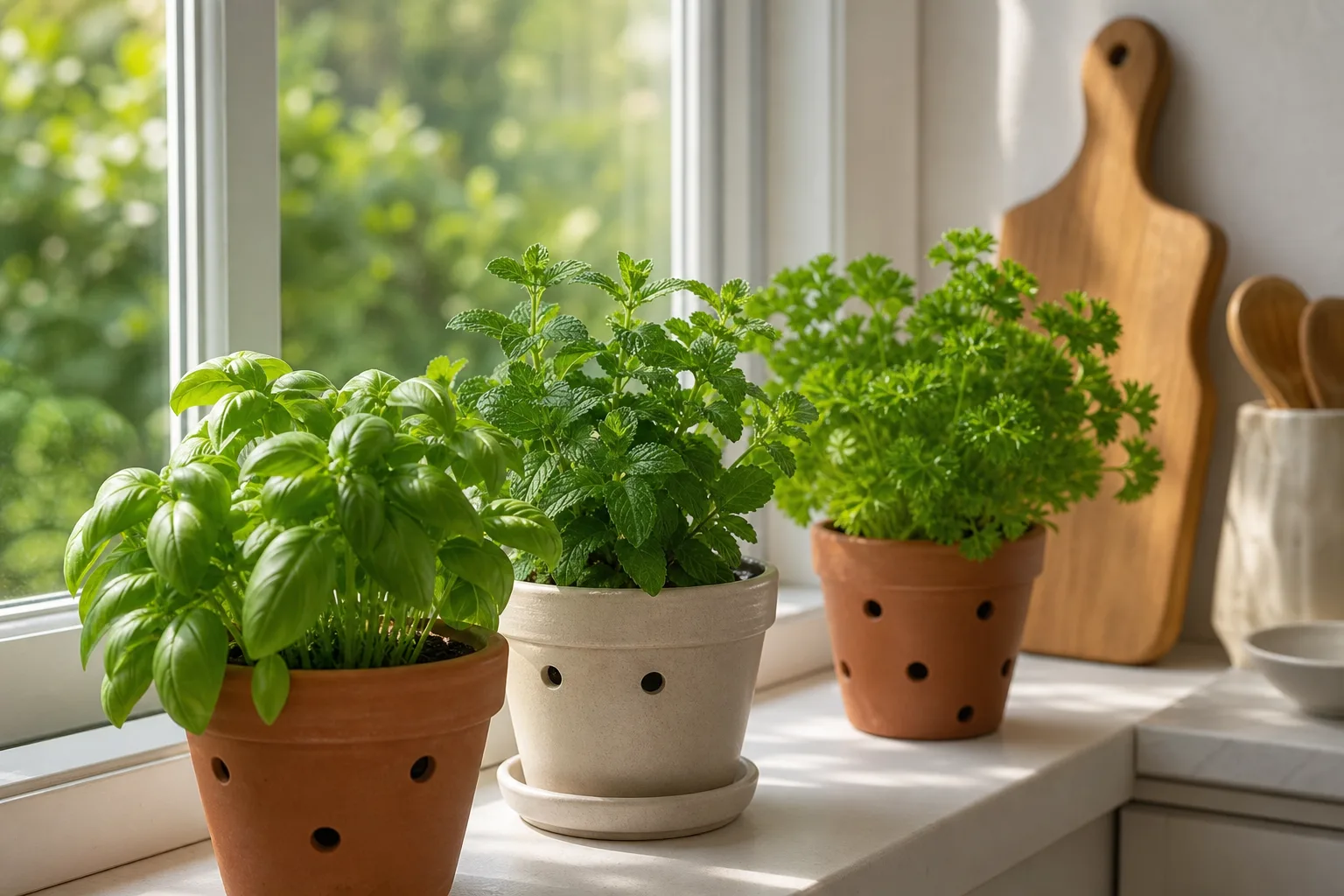
Rosemary, thyme, sage, and chives can provide a small edible harvest when the window is genuinely bright. A kitchen is convenient, but warmth alone is not enough; herbs in a dim window often become thin and pale while their soil stays wet for too long.
Best for cool bright rooms or seasonal rest
The last six need the most careful interpretation. Some prefer a cool, frost-free winter, some can be kept as active houseplants with strong light, and some are happier when allowed to rest. A plant that sheds leaves or stops growing is not automatically dying, but soft stems, sour soil, and collapsing roots are not normal dormancy.
Flowering and colorful-foliage picks
These are the plants to choose when winter indoor gardening is partly about color. Give them the brightest practical placement, keep their leaves away from cold glass and hot vents, and expect the indoor version of summer growth to be slower unless you add supplemental light.
Tropical hibiscus, croton, and geraniums
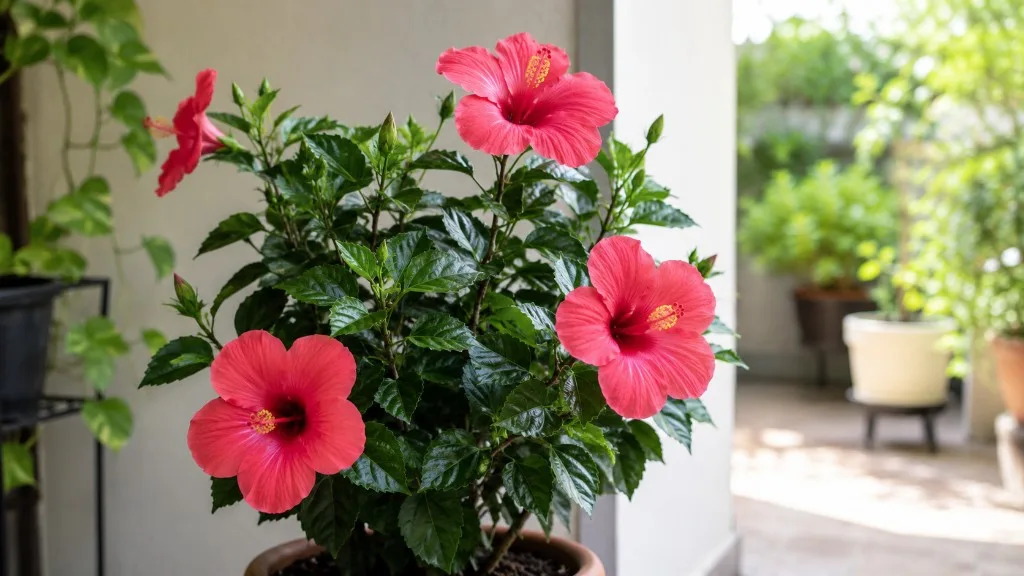
1. Tropical hibiscus (Hibiscus rosa-sinensis) is a strong candidate for an active indoor winter if you have a sunny south- or west-facing window or a grow light. It may drop some leaves or flower buds after the move because the light, humidity, and root temperature have changed; that is a transition response, not proof that the plant is lost. Let the top layer of mix dry slightly before watering, then drain the pot fully. Avoid moving it from a cool patio straight into a dim, heated corner, where it may keep transpiring while receiving too little light to replace the water it loses.
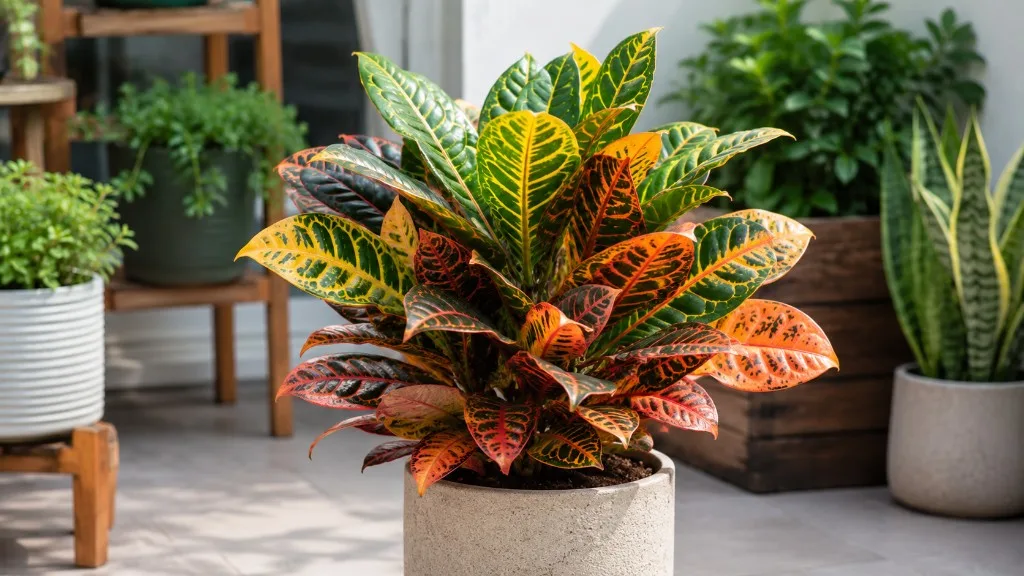
2. Croton (Codiaeum variegatum) brings color through its foliage rather than relying on flowers. Give it bright filtered light, stable warmth, and more humidity than a dry room naturally provides. Crotons can react to sudden changes by dropping leaves, so move them before cold weather and keep the new location consistent. A humidifier or plant grouping can help, but airflow still matters; a constantly wet, stagnant corner invites fungal problems.
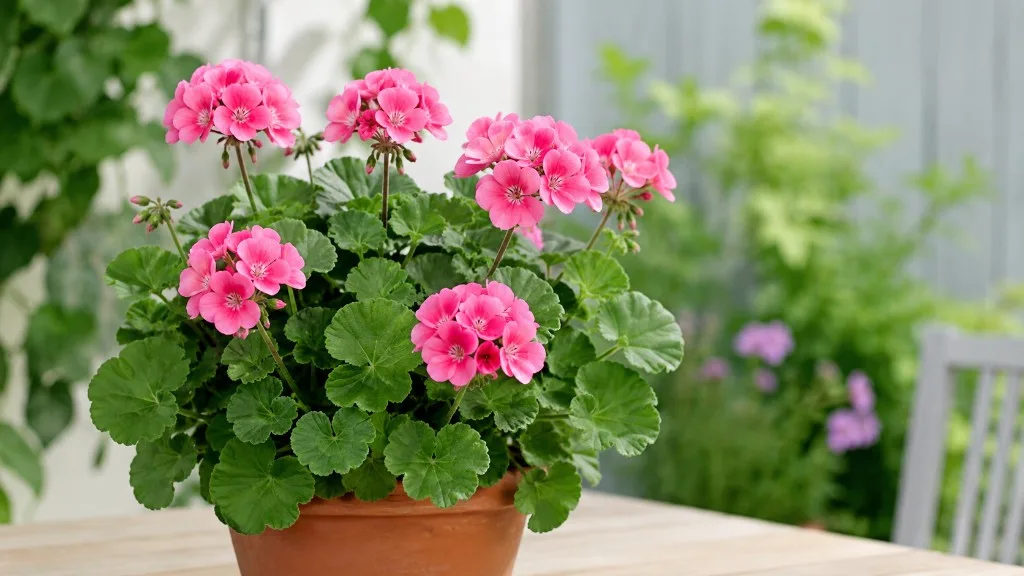
3. Geraniums, botanically Pelargonium species, are often treated as annual bedding plants but can be maintained indoors in two ways. A sunny window supports active growth, while a cooler frost-free space can hold a trimmed plant in a semi-dormant state with much less water. Remove dead leaves, avoid wetting the foliage repeatedly, and do not feed a plant that is barely growing. For a home with cats, confirm the exact species before placing the pot within reach: the ASPCA cat plant list includes geraniums among its toxic entries.
Wax begonias, coleus, and fuchsia
4. Wax begonias (Begonia × semperflorens-cultorum) are fibrous begonias that can keep growing indoors with bright indirect light and evenly—not constantly—moist mix. They are not interchangeable with tuberous begonias, which commonly enter dormancy and are stored as tubers. If you have a wax begonia in a small container, remove faded flowers and weak growth, keep water off the leaves when possible, and give it enough light to prevent stretched stems. The RHS overwintering guidance for tender plants is a useful reminder that the plant form matters when deciding between live growth and storage.
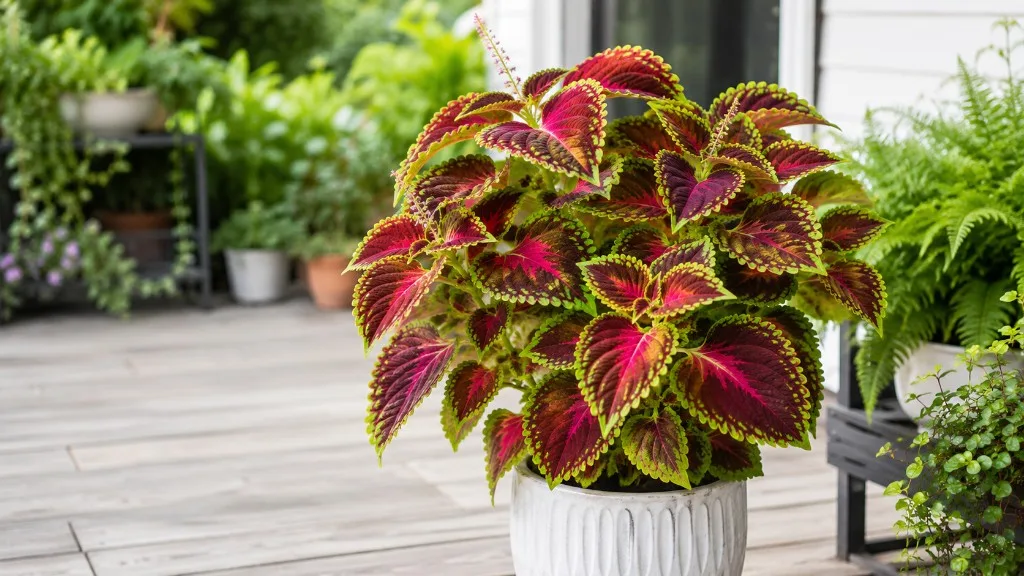
5. Coleus (Plectranthus scutellarioides) is one of the easiest ways to preserve vivid leaf color, especially when you take a few cuttings as insurance. Keep a parent plant in bright indirect light, pinch long stems above a leaf pair, and water when the surface begins to dry without letting the root ball turn dusty. If the room is too dim, the plant will stretch and lose its compact shape; a small grow light is often more useful than extra fertilizer. Cuttings also reduce the space and pest risk of moving a large summer container indoors.
6. Fuchsia (Fuchsia species) can grow indoors, but it is more particular than coleus or geranium. Active plants prefer bright indirect light, even moisture, and mild temperatures rather than a hot windowsill above a radiator. If you do not have a bright, cool place, a dormant winter rest may be the more realistic choice: reduce the plant after growth slows, keep it frost-free and cool, and water only enough to prevent the roots from becoming completely dry. Bring it back into stronger light gradually in spring.
Edible perennial herbs for winter windows
Herbs make good winter projects because you can judge success by new usable growth instead of by a perfect display. They also expose a common mistake: a plant can sit in a sunny-looking room while the actual light at leaf level is too weak for compact, aromatic growth.
Rosemary, thyme, sage, and chives
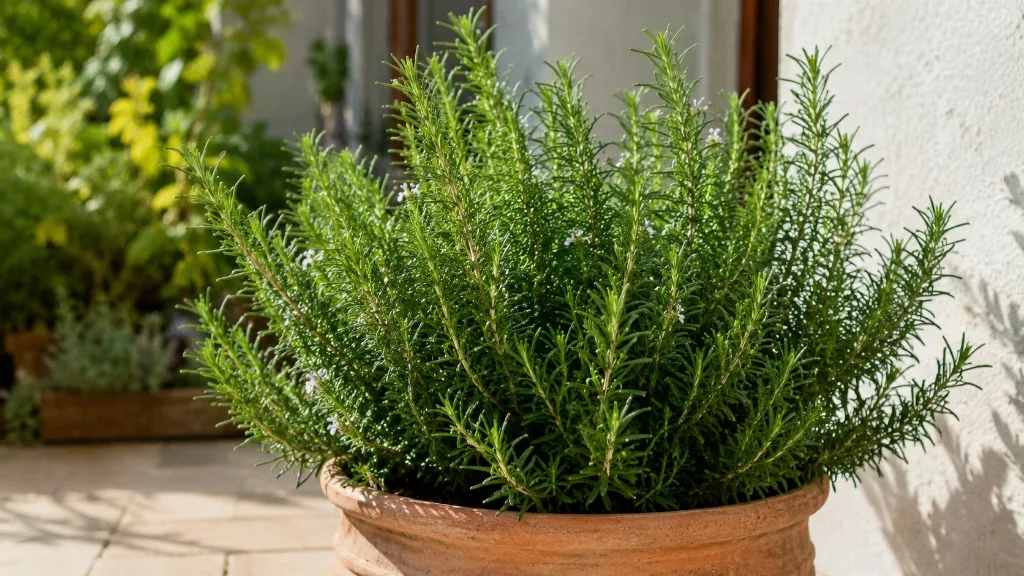
7. Rosemary (Salvia rosmarinus) wants the brightest window in the house, good air movement, and a fast-draining pot. Allow the surface to dry before watering, but do not swing from bone-dry soil to a long soak every few weeks. Rosemary dislikes the combination of warm dry air above the soil and persistent moisture around its roots, so check the root zone rather than misting on autopilot. Harvest lightly by snipping sprigs instead of shearing the whole plant, and move it away from a heat vent.
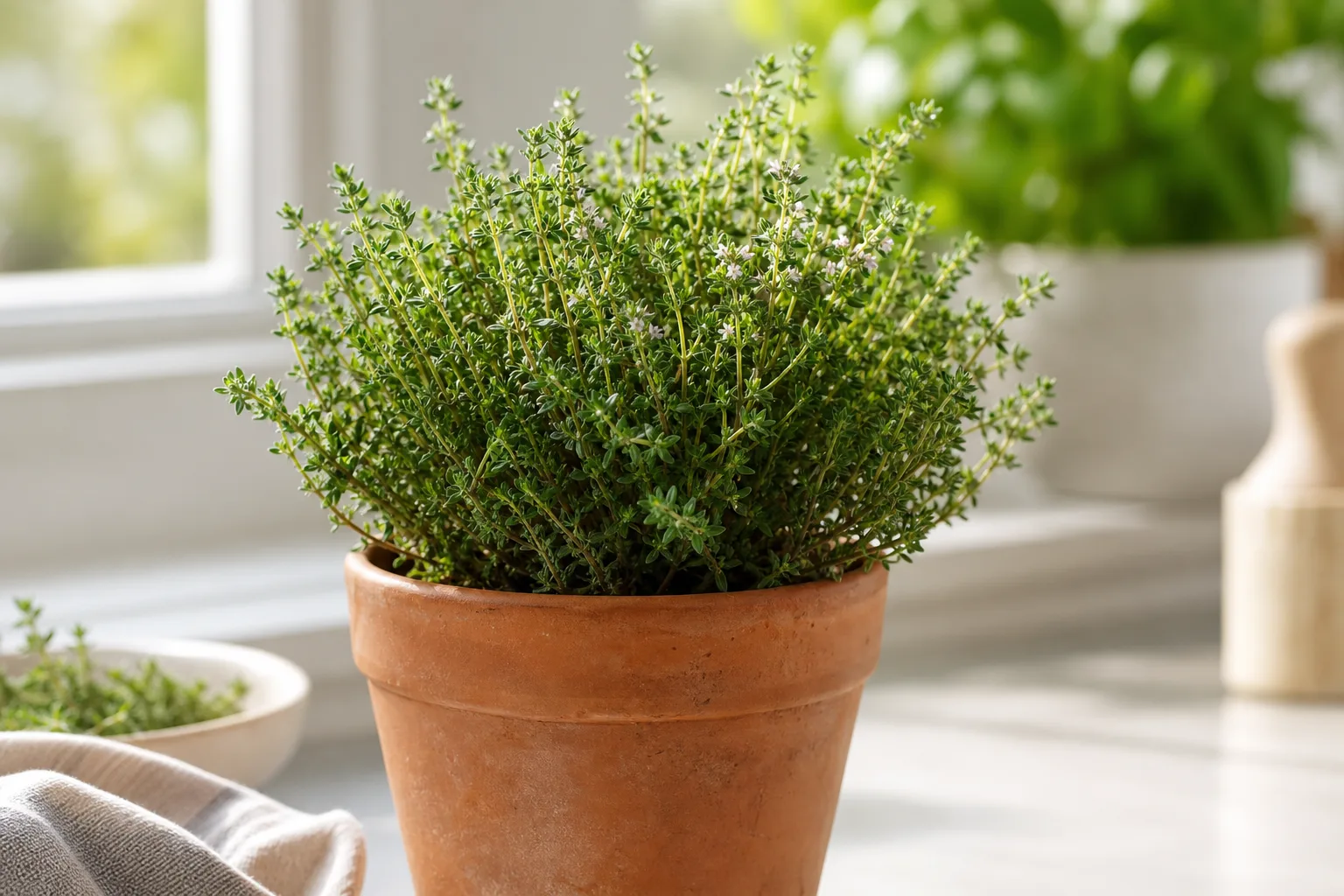
8. Thyme (Thymus vulgaris) tolerates a drier winter routine than leafy tropical plants. Place it directly in the strongest window you have, use a porous or airy mix, and wait until the pot has become noticeably lighter before watering thoroughly. Thin, floppy stems usually point to insufficient light rather than a need for more fertilizer. Trim the plant often enough to keep it compact, but do not remove so much foliage that it has no energy to recover during short days.
9. Common sage (Salvia officinalis) can spend winter indoors when its pot has excellent drainage and its leaves receive strong light. Water less often than you would water coleus or fuchsia, and keep the foliage dry when you can. Sage may grow slowly or pause indoors, especially in a cool room; that is a cue to reduce feeding, not to keep the soil wet. Replace the plant outdoors only after the spring transition, because a bright indoor day does not prepare leaves for wind and full outdoor sun.
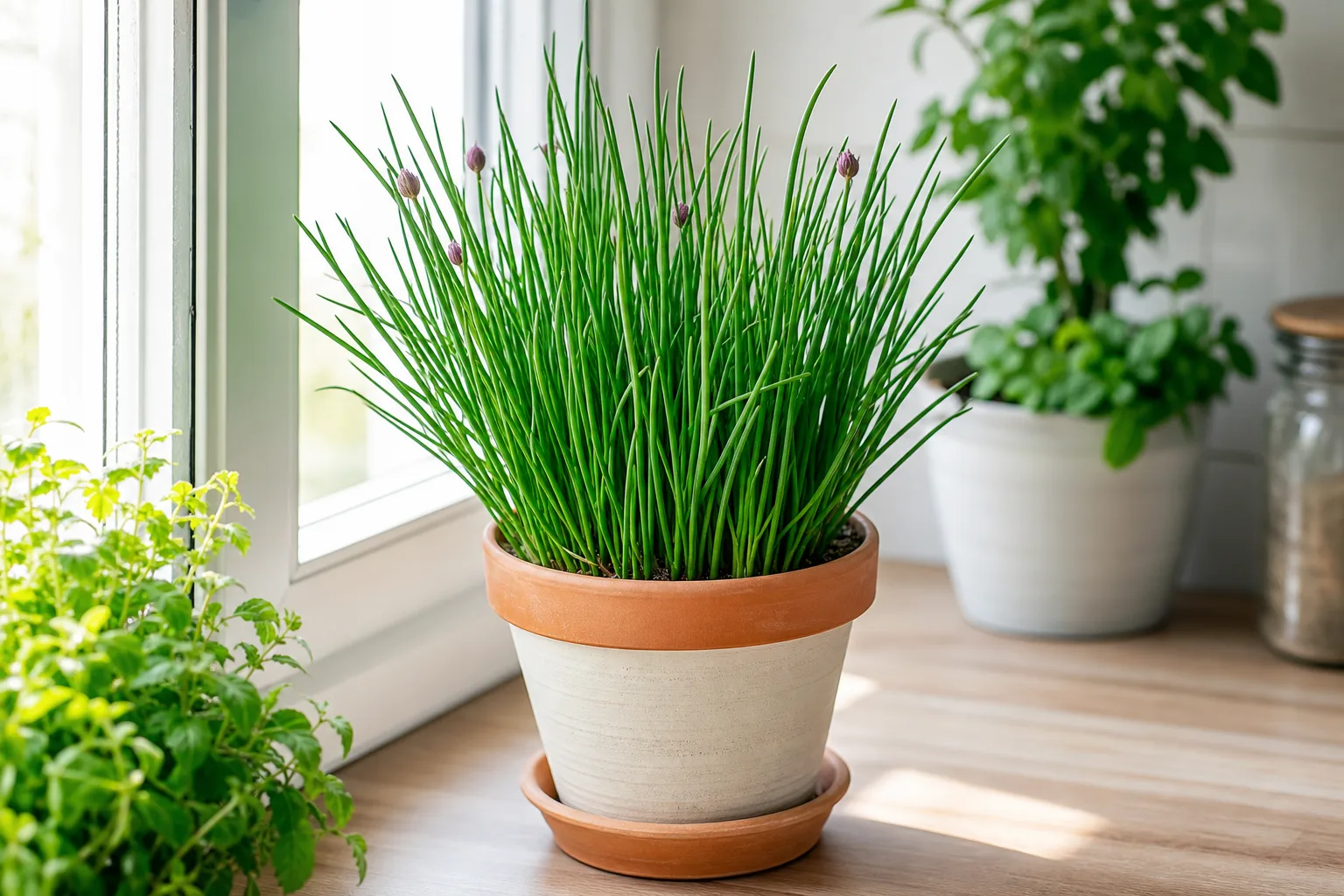
10. Chives (Allium schoenoprasum) are a forgiving perennial herb for a bright windowsill, especially when a clump is divided and potted in fall. They may continue making leaves indoors, or they may pause and regrow after a cool rest. Water when the top of the mix dries slightly, cut only what you need, and avoid removing more than roughly one-third of the foliage at a time. If the plant has gone fully dormant, do not force it with heavy fertilizer; increase light and water gradually when new shoots appear.
Foliage, seasonal, and low-water perennials
This group includes the plants most likely to be misunderstood. A fern does not become low-maintenance just because it is hardy outdoors, a citrus tree cannot make fruit in a dark room, and a succulent should not be watered on the same schedule as an elephant ear.
Lady fern, agapanthus, and calamondin orange
11. Lady fern (Athyrium filix-femina) is a hardy outdoor perennial rather than a conventional year-round houseplant. You can bring a container indoors for a winter display, but it needs cool indirect light, consistently modest moisture, and humidity that does not collapse beside a furnace. Do not place it in a hot, dry room and then compensate with a saucer of standing water. A bathroom with usable light or a cool plant room is more sensible than a dark basement. If the fern already has a safe, well-drained outdoor site and your goal is only survival, leaving it outdoors may be less stressful.
12. Agapanthus, or African lily, comes in deciduous and evergreen forms, and that difference changes the plan. Evergreen plants need a bright, frost-free location and light watering through winter; deciduous plants can lose their leaves and rest more coolly with much less water. Keep the crown and roots from sitting wet, especially in a large container. Do not push dormant agapanthus into a warm, dim room with frequent irrigation, because pale growth and rot are more likely than flowers.
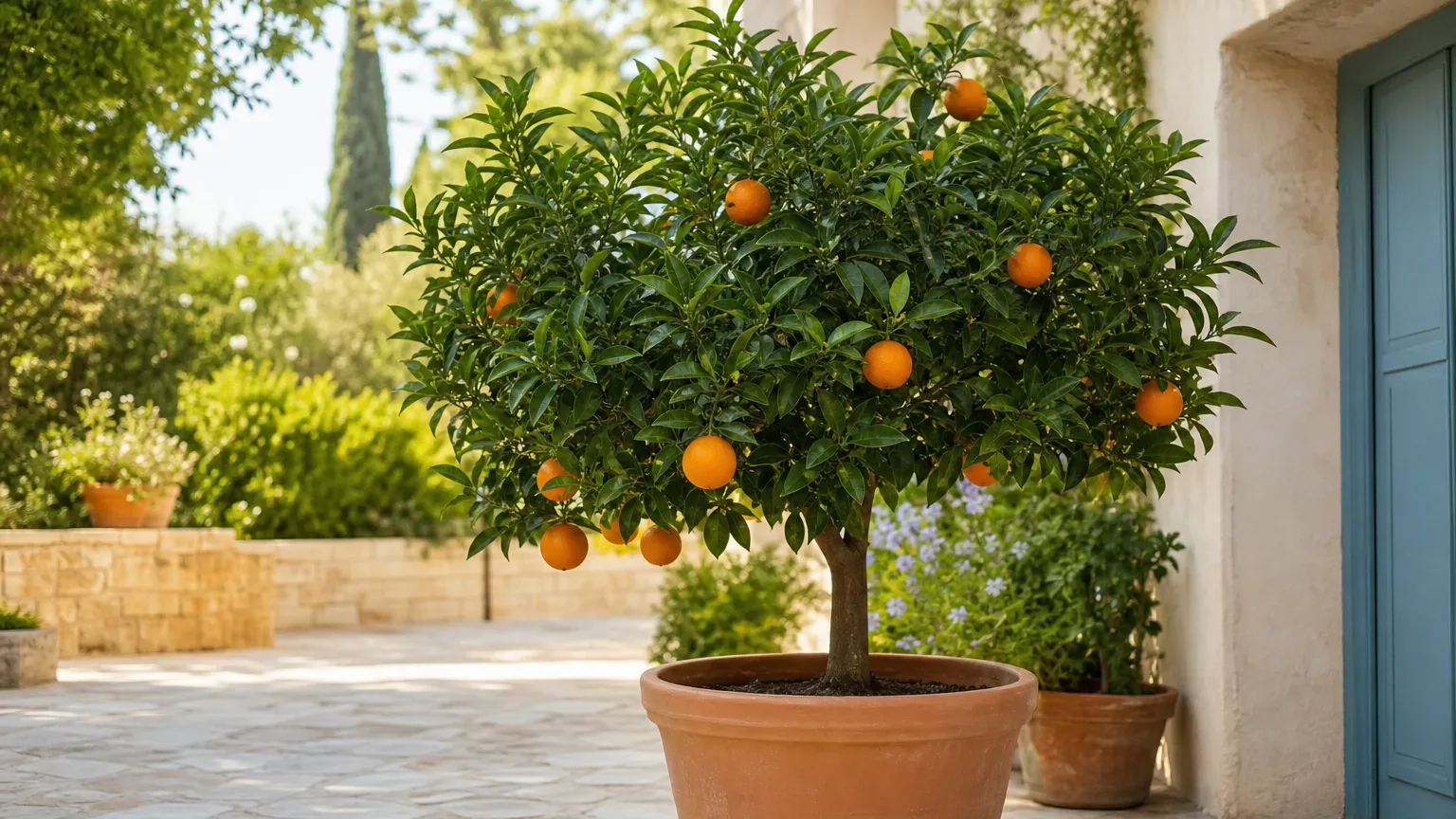
13. Calamondin orange (Citrus × microcarpa) is a rewarding indoor-outdoor perennial when you can offer high light and enough room for its root system. Put it at the sunniest window, turn the pot periodically, and use a grow light if the plant is expected to keep flowering or holding fruit through a gray winter. Let the top layer dry a little, but do not let a fruiting tree become severely drought-stressed. Check leaf undersides and branch joints for scale, aphids, and fine webbing, because a citrus tree can carry pests into the rest of the collection.
Elephant ears, oxalis, and sedum
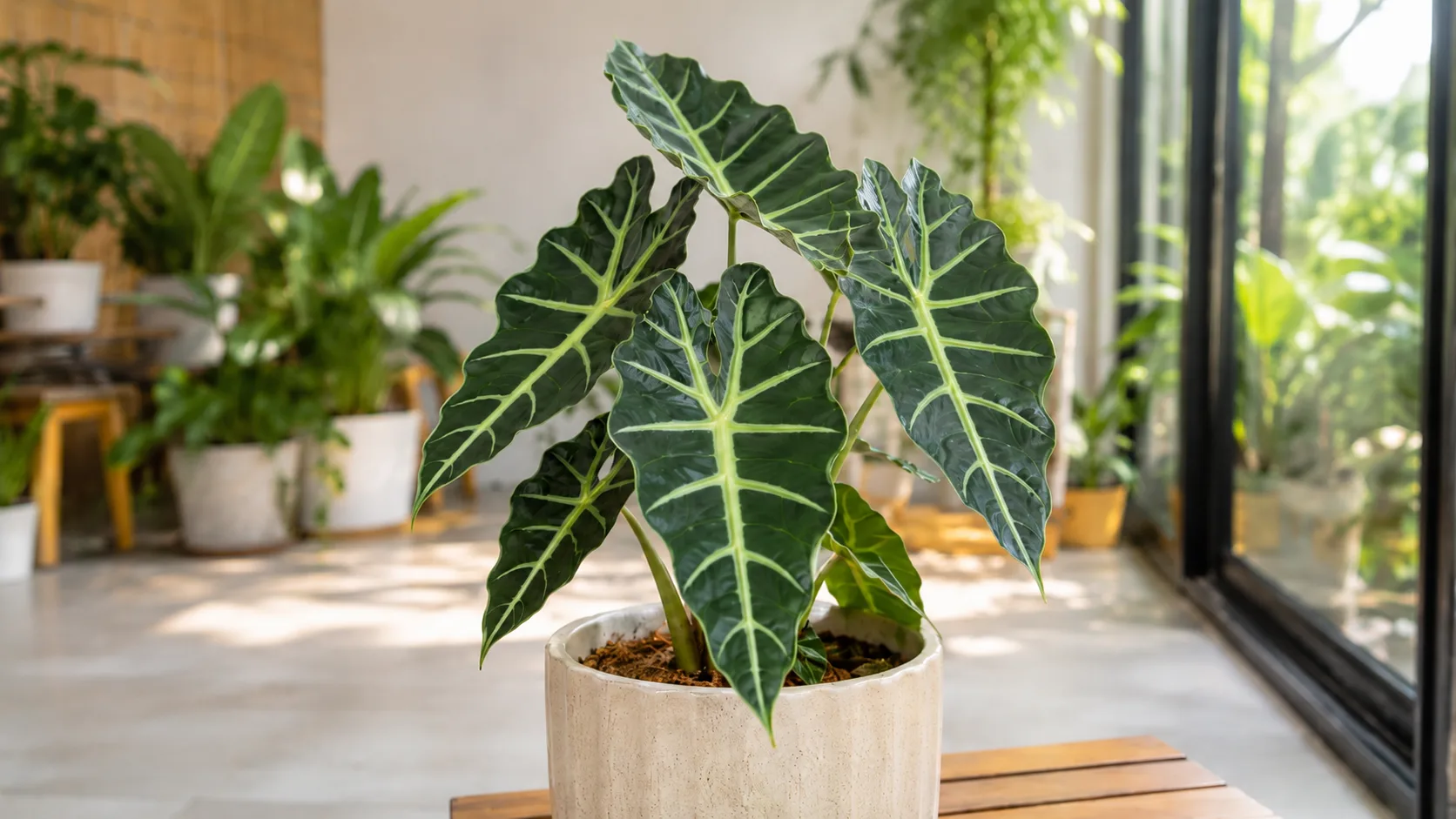
14. Elephant ears, including Colocasia and Alocasia, are tropical foliage perennials that prefer active warmth, bright filtered light, and evenly moist but well-drained mix. They can look spectacular indoors, but a small plant in a bright humid room is a more realistic winter project than a huge outdoor clump. If light is weak, growth becomes stretched and the soil stays wet; do not solve that by watering more. Some gardeners instead lift and store dormant tubers or corms, but that is a different method from keeping a leafy houseplant. For pet households, check the exact type carefully: elephant-ear names are used for several plants, and the ASPCA cat list includes alocasia, caladium, and colocasia entries among plants toxic to cats.
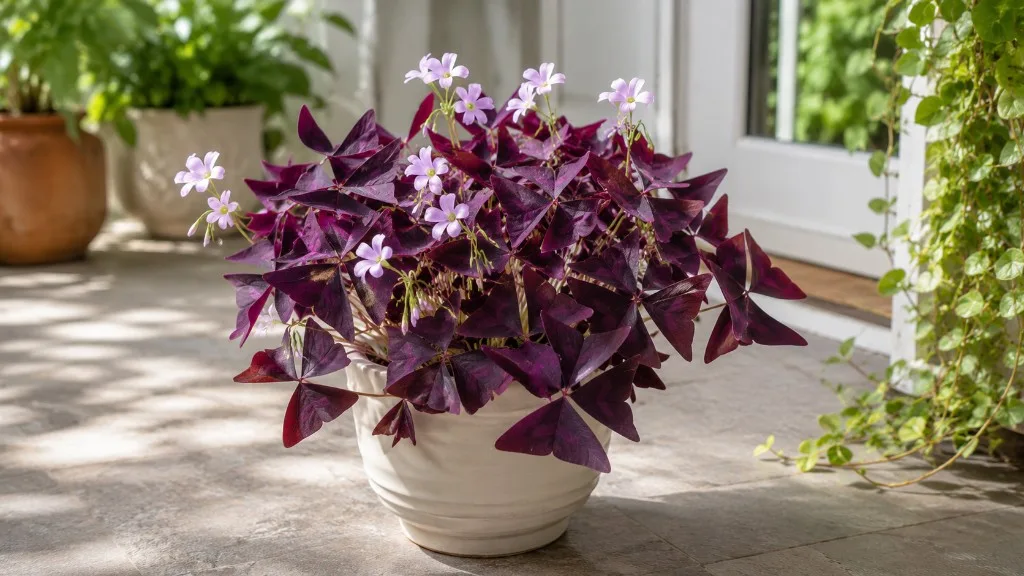
15. Oxalis, especially Oxalis triangularis, is one of the best examples of a perennial that may choose dormancy indoors. Its purple leaves can stay attractive with bright indirect light, but it may naturally die back after a season of growth. When the foliage fades, reduce watering sharply and keep the pot from remaining wet; resume modest watering when new shoots appear. Do not discard a firm, dormant corm just because the pot is leafless. Oxalis is also listed among the ASPCA’s toxic-to-cats entries, so keep it away from pets that chew plants.
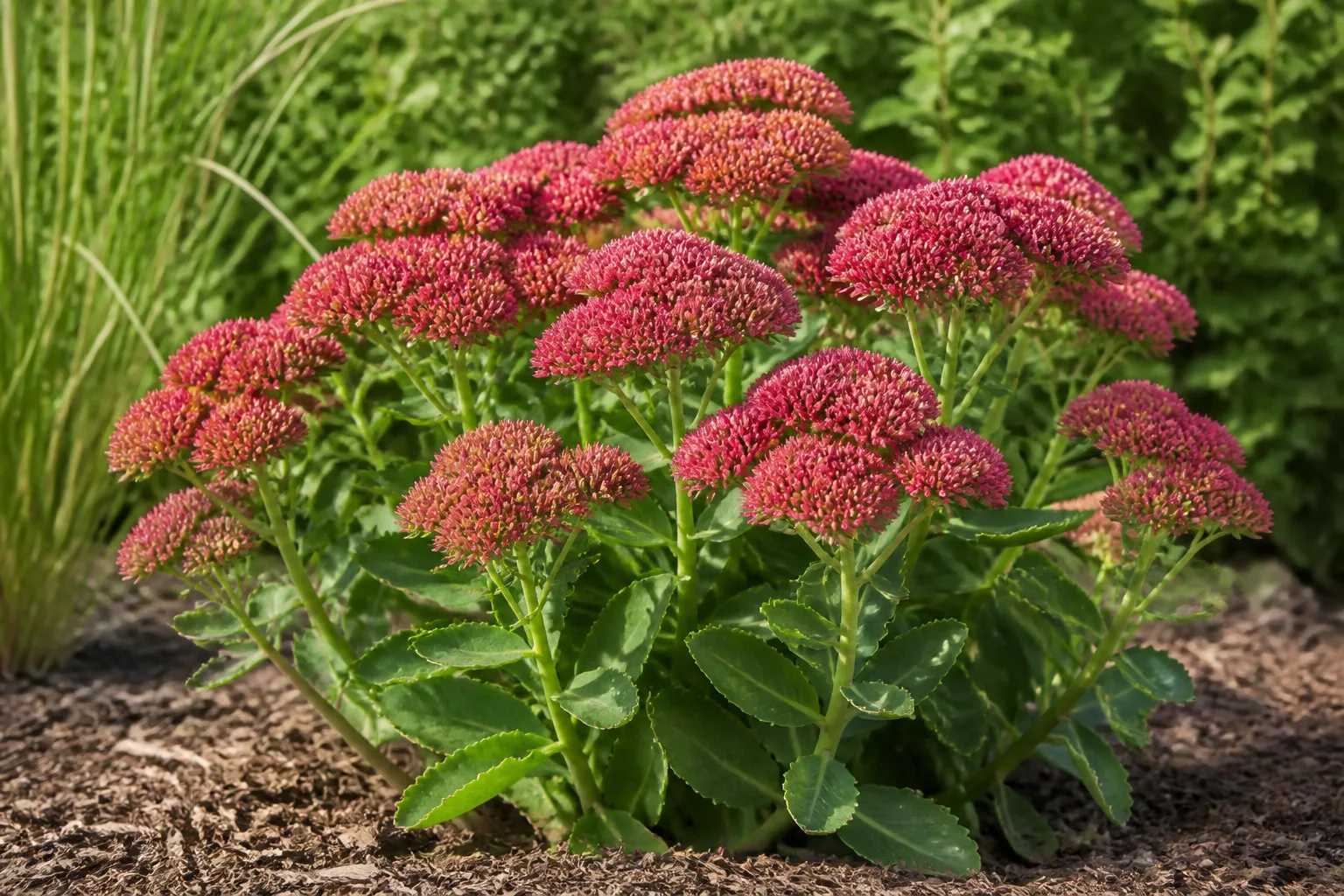
16. Sedum covers many species with very different habits. Tender, trailing sedums and small stonecrop types can make good sunny-window plants because their fleshy leaves tolerate missed watering, while hardy garden sedums may be better left outdoors. Use a gritty, fast-draining mix, give the plant direct light when possible, and wait until the mix is dry well below the surface before watering. Winter sun through glass can be weaker than it looks, so add a grow light if stems stretch. More water will not fix low light; it usually turns a light problem into root rot.
Move an outdoor perennial indoors without importing pests
Begin the move before frost, not after a cold night has already damaged the foliage. The RHS recommends watching local forecasts and moving vulnerable plants as temperatures approach the low-to-mid 50s, while container plants deserve extra caution because their roots have less insulating soil mass around them. A plant that is healthy, well-rooted, and still functioning is a much better candidate than one already covered in disease or badly wilted.
First, decide whether the plant is staying in its existing container or being reduced to a smaller root ball. Use the lightest pot that still accommodates the roots and has a real drainage hole. Do not bring garden soil indoors simply because it is familiar; it can compact in a container and may carry insects, weed seeds, or disease. If you must repot, use a clean container and fresh potting mix, set the plant at its original depth, and let excess water drain completely.
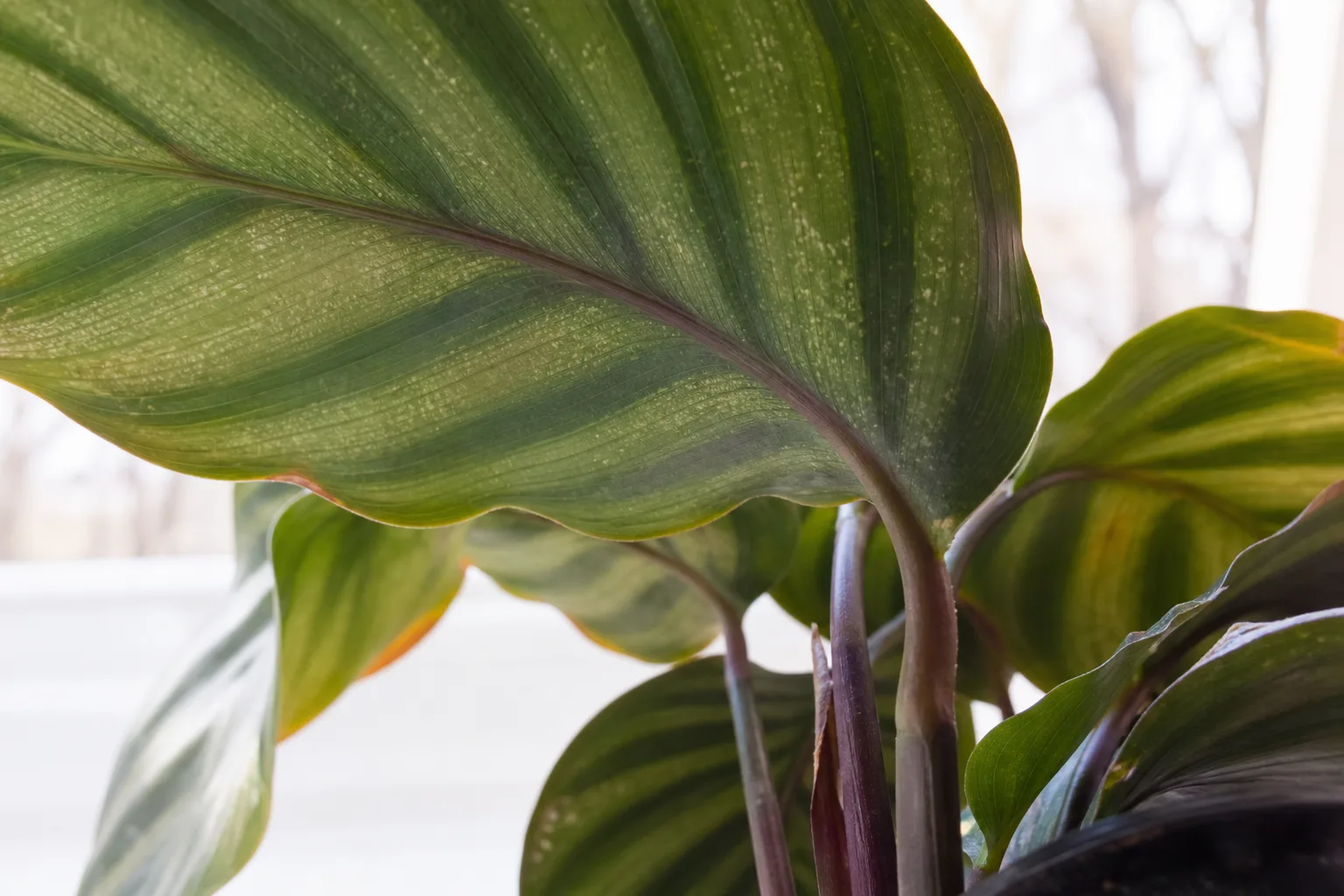
Inspect the soil line, pot rim, stems, leaf axils, and both sides of the leaves. Look for aphids, whiteflies, scale, mites, mealybugs, webbing, sticky residue, and small flies around the soil. Rinse foliage gently when the plant tolerates it, remove dead debris, wipe the pot, and isolate the newcomer from established houseplants for two to three weeks. Recheck it during quarantine; eggs and hidden insects can appear after the first cleaning. Savvy Gardening’s overwintering guidance also emphasizes inspecting leaves and soil before bringing outdoor plants into the home.
Do not automatically spray every plant with a homemade mixture. If you use insecticidal soap or horticultural oil, choose a product labeled for the plant and pest, follow the label, test a small area, and keep treated foliage out of harsh light until it dries. A yellow sticky card is useful for monitoring flying insects, but it does not replace isolation or a treatment plan.
Light, temperature, water, and humidity after the move
Place the plant according to its winter goal. Active hibiscus, croton, citrus, herbs, and sedum need the strongest light available; a sunny window may be enough for some plants, but cloudy days and short daylight can make a grow light the more dependable choice. Turn containers every week or two so one side does not stretch toward the glass, and keep leaves from touching cold panes.
Temperature matters as much as the thermometer reading at noon. Tropical plants should stay away from cold drafts, exterior doors, and heater blasts, while plants being held dormant need a cool, frost-free place that does not repeatedly warm and cool. The RHS lists roughly 60–70°F days as suitable for a heated conservatory and about 50°F as an intermediate condition for plants such as tropical hibiscus and citrus, but your cultivar and growth state still matter.
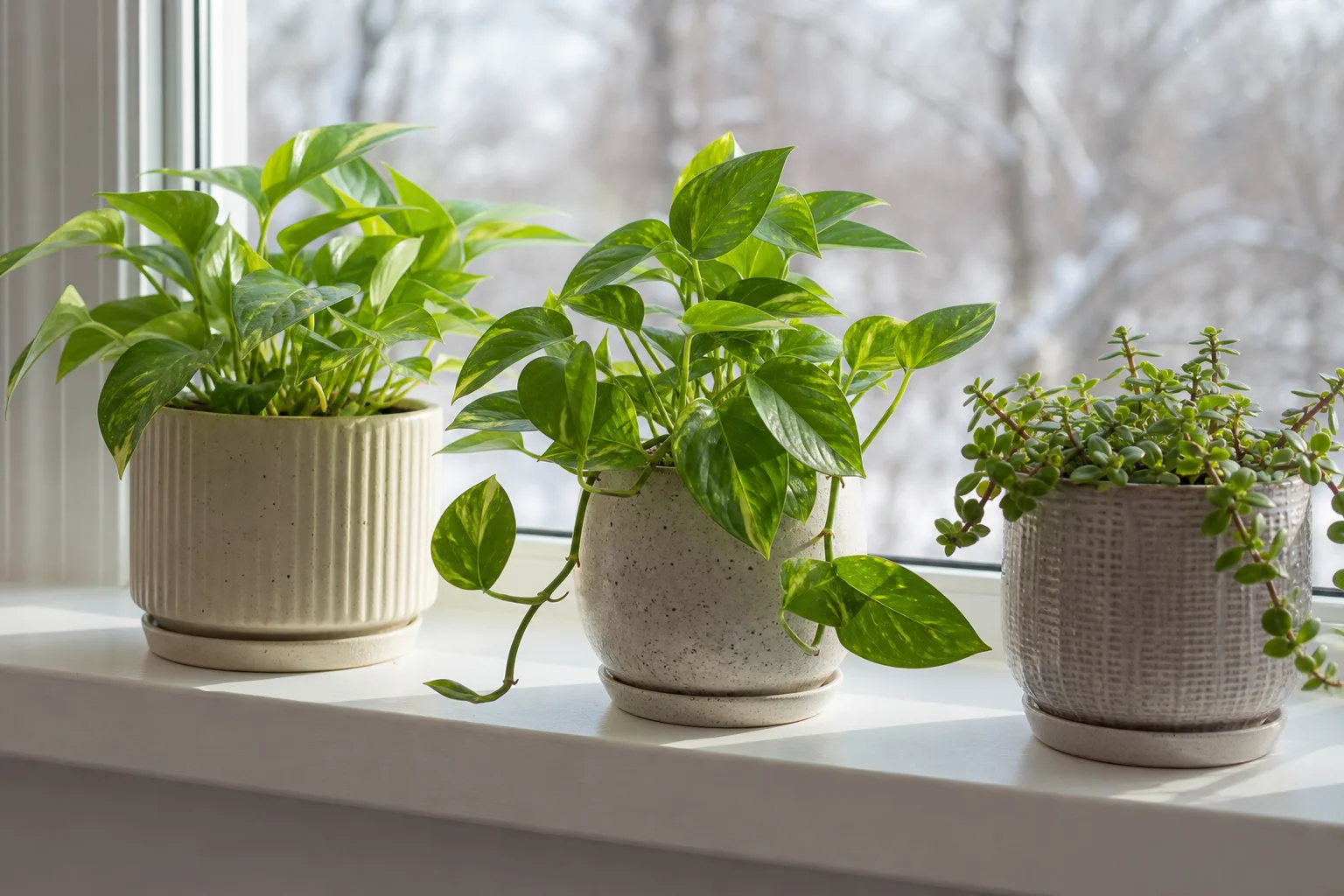
Water by soil moisture plus growth, not by the date. An actively growing coleus in bright light can need water while a dormant oxalis or cool geranium does not. Insert a finger or wooden skewer into the root zone, lift the pot when practical, and water thoroughly only when the plant’s mix has reached its appropriate dry point. Empty the saucer so roots are not left in runoff.
Humidity is useful for tropical foliage, but it is not a substitute for light or drainage. Grouping plants, using a humidifier, or placing a correct pebble tray nearby can reduce the shock of dry winter air; keep air moving and keep the pot base above any water. Brown tips can reflect dry air, but they can also come from root damage, salt buildup, sudden light changes, or inconsistent watering, so diagnose the whole setup before adding more moisture.
Do not fertilize a plant that is dormant or barely growing. Feed only after active growth resumes and only with a label-directed product at the appropriate dilution. Extra fertilizer cannot make a dim winter window brighter and can add salt stress to a pot that is already drying slowly.
Avoid these winter failure modes
Moving too late is the first avoidable mistake. Waiting for frost can turn a manageable transition into a rescue operation, especially for tropical plants and small containers. Move in time to inspect and quarantine while the plant still has firm, healthy tissue.
Keeping every plant warm and wet is the second. Warmth without enough light produces weak growth; wet soil in a cool room starves roots of air. If leaves yellow while the mix stays wet, check drainage and root condition before assuming the plant needs fertilizer.
Putting a hardy plant in a bad room is another common mismatch. A lady fern or outdoor sedum may be safer in a protected garden position than in a heated, dry room. Indoor placement should solve a real cold, display, or container problem, not happen automatically because the calendar says winter.
Hard-pruning on move-in day can also backfire. Remove dead, diseased, or awkward growth, but let a recently dug or chilled plant recover before combining transplant shock with a severe haircut. Prune more decisively only when you have chosen dormancy or need to reduce a healthy plant to fit its space.
Confusing leaf drop with death leads to overwatering. Fuchsia, geraniums, agapanthus, and oxalis may all reduce growth or lose foliage under a chosen rest period. Check stems and roots: firm tissue and a normal-smelling mix support patience, while soft stems, sour soil, and collapsing roots point to rot.
Ignoring pets creates a preventable household risk. Common names overlap, cultivars differ, and a plant described as a “geranium” may not be the species you think it is. Identify the plant botanically and use a current poison-control reference before putting it where a cat or dog can chew it.
The broader container lesson is that winter roots need protection from both freezing and saturation. Epic Gardening’s container-overwintering guide explains why pot roots are more exposed than in-ground roots and why drainage, container size, occasional watering, and an appropriate storage method matter more than a blanket hardiness number. Even when you are bringing a pot into the house, that root-zone logic still applies.
Take plants back outdoors in spring
Do not roll a winter houseplant directly from a bright window into full sun and wind. Indoor leaves have developed under gentler light and less air movement, so the plant needs a gradual hardening-off period. Start with a sheltered, shaded outdoor spot for a short visit, then extend the time and increase morning light over one to two weeks.
Wait for the plant’s temperature threshold, not only for one warm afternoon. Tropical plants such as hibiscus, coleus, fuchsia, elephant ears, and calamondin should return after cold nights have passed; herbs and hardier perennials can tolerate more, but their leaves still need acclimation. If the forecast turns cold again, bring containers back under cover rather than forcing the process.
Before the final move, check for pests one more time, inspect roots if the pot stayed wet, and water thoroughly only if the mix is dry enough for that plant. A dormant plant should be woken gradually: give it more light, then modest water as buds or shoots swell, and wait for clear new growth before feeding.
The goal is not to make spring arrival dramatic. Gradual light, temperature, and wind changes give roots time to support the canopy, which is why the RHS guidance on hardening off recommends acclimating plants before they return to outdoor conditions. A plant that takes an extra week to adjust is usually in better shape than one that scorches or wilts in a single day.
Conclusion
The most useful perennials to grow indoors this winter are the ones that fit your home, not simply the ones with the longest list of possible species. Choose tropical foliage and flowers for a warm bright room, herbs for a genuinely sunny window, and ferns, agapanthus, oxalis, or sedum only when you can match their moisture and dormancy needs.
Move plants before frost, inspect and isolate them, use fresh well-drained mix when repotting is necessary, and give light priority over fertilizer. Once you decide whether each plant is growing or resting, winter care becomes much easier: water to the root zone’s condition, keep air moving, and return plants outdoors gradually when spring is reliably warm.



