How to Deadhead Petunias: Type, Cut Point, and Rebloom Rules
Deadhead petunias without guessing: remove the calyx on grandiflora types, tidy self-cleaning Wave series, and fix heat or water stress when blooms stall.
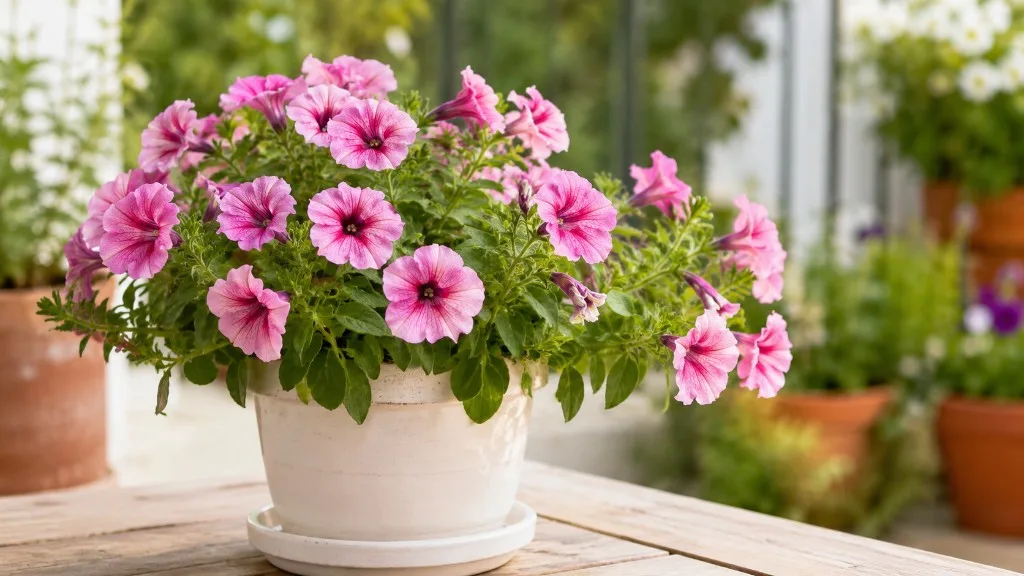
The Direct Answer: Deadhead Some Types, Skip Others
Yes — deadhead petunias when the flowers fade if you grow large-flowered, double, or most seeded types. Remove the spent bloom and the small green structure behind it so the plant does not set seed and stop pushing new buds. No — regular deadheading is optional on many modern self-cleaning Wave, Supertunia, and milliflora lines, though a tidy pass after wet weather and a midsummer stem cutback still help when plants open up in the center.
That split surprises people who bought a hanging basket labeled only “petunia.” The same genus can demand deadheading every few days or almost none, depending on whether the cultivar was bred to go to seed. NC State Extension (Richmond County) explains the biology plainly: a petunia’s main purpose is to produce viable seed, and once it has bloomed there is less reason to continue flowering unless you remove the ovary where seed would form. Vegetative, self-cleaning varieties were bred to keep blooming without that weekly seed removal. (NC State Extension)
Use this at-a-glance rule on the plant in front of you. If the tag says grandiflora, multiflora, double, or an older seeded series, plan on deadheading every two to four days in peak bloom. If it says Wave, Easy Wave, Supertunia, Surfinia, or “self-cleaning,” skip routine deadheading but watch for stuck blooms after rain and leggy stems by midsummer. If you do not know the type, deadhead for a week and see whether new buds keep opening at the stem tips — if bloom stalls despite clean grooming, the problem is usually sun, water, or heat, not missed snips.
Quick Decision by Petunia Category
| Category | Deadheading need | Stem pruning | Typical labor |
|---|---|---|---|
| Grandiflora / large doubles | High — remove flower + calyx every few days | Tip pinch at planting; cut back one-third if leggy | Highest |
| Multiflora / floribunda seeded | Medium–high | Same as grandiflora, often tougher in rain | Medium–high |
| Milliflora / compact seeded | Low to medium | Light tidy; rarely needs hard cutback | Low |
| Wave / spreading vegetative | Low — self-cleaning | Midsummer one-third cut if center goes bare | Low grooming, higher water/feed |
| Mixed hanging basket | Match the hungriest type in the pot | Trim longest stems weekly | Medium |
For full culture — light, watering, soil, and feeding — use the Petunia care guide and the Petunia care hub once you know your grooming schedule.
Why Individual Petunia Flowers Die So Fast
Each petunia flower is a short-lived display, not a month-long bloom. Individual blossoms often look crisp for only a few days before petals soften, curl, and collapse. That turnover is normal. What is not normal is when new buds stop opening, flowers drop before they fully expand, or the whole plant goes bare while leaves still look green.
NC State Extension’s plant profile notes that deadheading provides optimal performance and increased flower bud production on garden petunia hybrids. The habit only pays off when you understand that you are clearing yesterday’s flower so today’s bud can open cleanly — not trying to revive a bloom that has already finished its cycle. (NC State Extension)
Normal Turnover vs a Real Bloom Problem
Normal: A few flowers fade daily while fresh buds open elsewhere on the same stem. Spent blooms feel papery or limp but the plant keeps producing color along trailing or upright stems.
Investigate further: Buds drop before opening, flowers abort during hot afternoons, stems stretch with fewer buds, or holes appear in unopened buds. Those patterns point to water rhythm, heat, light, pests, or disease — not a deadheading schedule alone. If deadheading has been consistent for two weeks and bloom still collapses, run the troubleshooting sections below before assuming the plant is spent.
Know Your Petunia Type Before You Pick
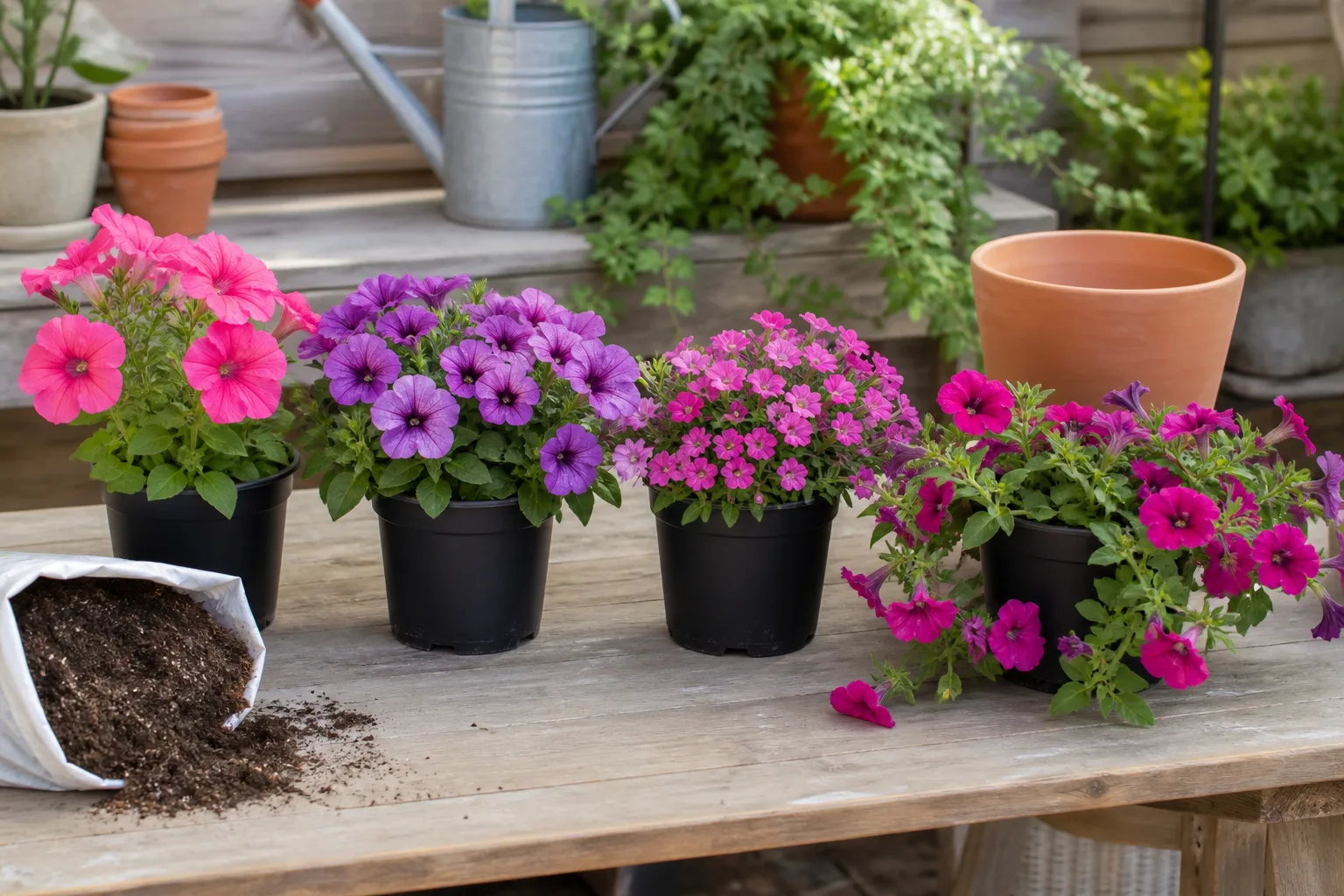
Shopping labels change how much grooming you inherit for the whole season. NC State Extension (Richmond County) divides the market into seeded and vegetative lines. Seeded types are usually cheaper and often must be deadheaded because seed set ends the bloom push. Vegetative types are propagated from cuttings so they keep their self-cleaning, continuous-bloom genetics — at a higher price, but often with fewer plants needed for the same color mass. (NC State Extension)
Iowa State University horticulture specialists likewise note that larger-flowering petunias require regular deadheading to keep blooming, while newer prolific cultivars need much less of that labor. That is not a quality judgment — it is a labor trade-off. Choose grandiflora for big close-up flowers in a feature pot; choose Wave or Supertunia when you want a basket that covers itself with less weekly pinching.
Seeded Grandiflora and Multiflora Types
Grandiflora petunias carry the largest flowers — often three inches or more — on upright or mounding plants. They deliver strong patio impact but rain can bruise big petals, and seed set shuts down bloom quickly if you leave faded flowers attached. UF/IFAS Gardening Solutions states that deadheading is necessary on large-flowered and double petunias. Plan on removing spent blooms every few days from spring through fall on these types. (UF/IFAS Gardening Solutions)
Multiflora types produce more flowers at once with slightly smaller blooms. They are often more weather-tough in mass bedding plantings but still benefit from regular deadheading on seeded lines. Both grandiflora and multiflora respond well to an early tip pinch at transplant — remove about the top inch when plants are roughly six inches tall — to force branching before the first heavy flush.
Self-Cleaning Wave and Vegetative Series
Wave, Easy Wave, Supertunia, and similar vegetative spreading types were bred to drop faded flowers and keep producing buds without weekly seed removal. Editorial Wave culture notes that these plants do not require pinching, deadheading, or shaping for their natural trailing habit — though a midsummer cutback can rejuvenate bare centers. (PlotMyGarden)
Self-cleaning does not mean zero maintenance. After sticky tropical rain, spent blooms can hang on stems and invite gray mold. Leggy baskets can open in the middle while color runs only at the rim. In those cases you are not deadheading for seed prevention — you are grooming for airflow and appearance, then feeding and watering to match a heavy bloomer.
How to Deadhead Petunias the Right Way
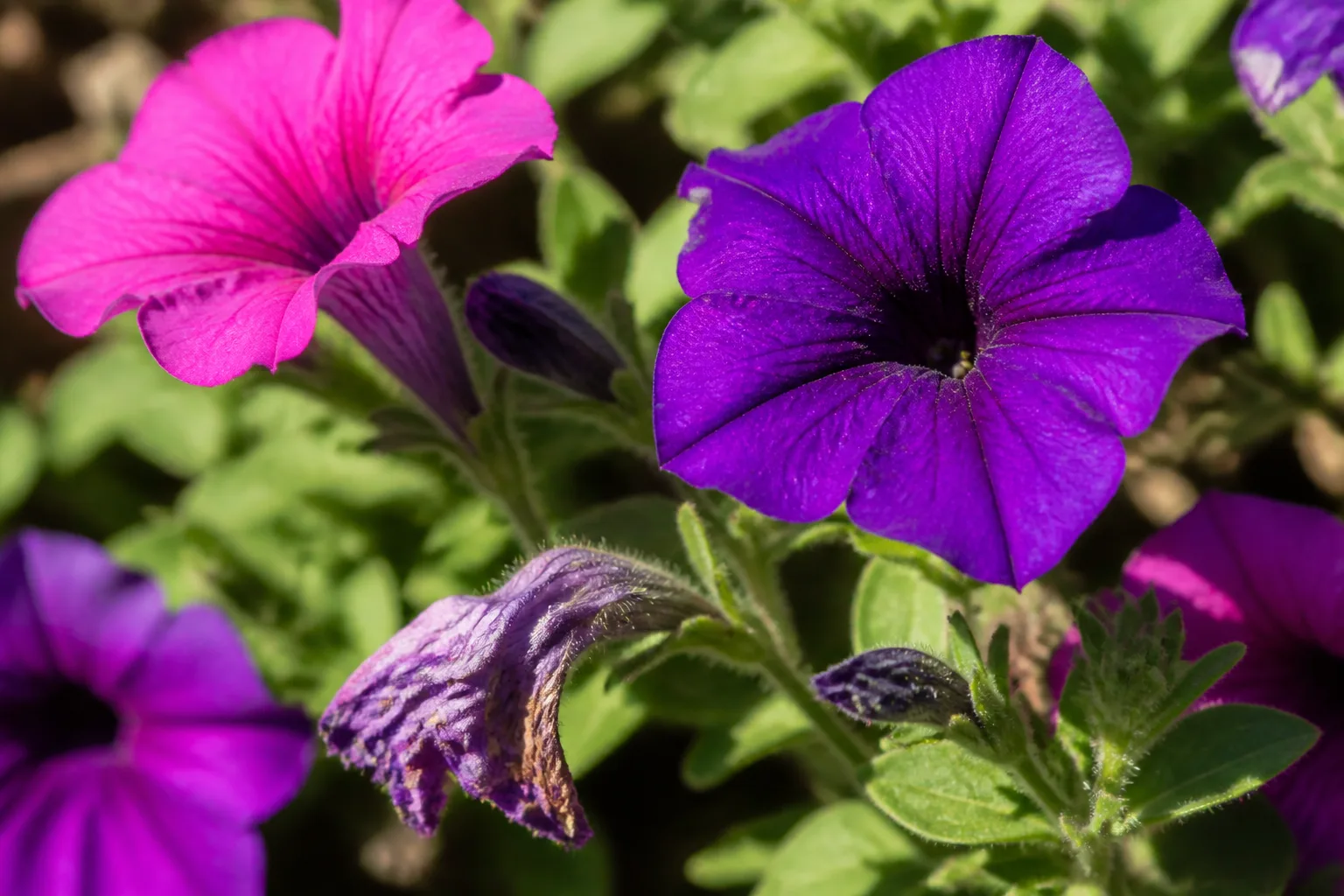
Deadheading petunias is simpler than deadheading many perennials because the cut point sits right behind the flower — but pinching only the petals is the most common mistake. The goal is to remove the calyx and ovary, the small green bump where seed would form.
Pinch at the Calyx, Not Just the Petals
Trace a faded flower down to the swollen green base where it meets the stem. That base is the calyx; the ovary sits inside it. Pinch or snip there, taking the whole structure off cleanly. NC State Extension (Richmond County) instructs gardeners to pluck not only the shriveled flower but the small bud structure behind it — the ovary where seed will be produced. (NC State Extension)
If you pull petals and leave the ovary, the plant still registers seed set and bloom slows on seeded types. If you cut too far down the stem and remove active buds above your cut, you delete future flowers. Follow the flower stalk to its base, not to the next leaf unless you are doing intentional stem pruning.
Work stem by stem during peak bloom. A five-minute pass through a window box every three days beats an hour-long rescue when seed pods have already formed on every stem.
When Finger Pinching Beats Scissors
Soft, faded grandiflora blooms usually snap off cleanly between thumbnail and finger — fast for daily grooming. Switch to sharp bypass pruners or scissors when stems are woody, when you are cutting back long bare branches, or when removing moldy tissue you do not want to touch. Sterilize blades between plants if botrytis gray mold has been present.
The Old Farmer’s Almanac lists petunias among annuals that bloom longer when you remove faded flowers — a useful reminder that the task is seasonal habit, not a one-time fix. (The Almanac)
Weekly Stem Pinching vs Flower Deadheading
Deadheading removes finished flowers. Stem pinching removes a portion of the branch to force side shoots and more bud sites. Both increase bloom on petunias, but they solve different problems.
During the growing season, trimming the longest stems by about one-third to one-half each week encourages branching on any petunia type — even self-cleaning Wave baskets. UF/IFAS recommends pinching the top inch at planting for branching on large-flowered lines; the same principle applies midseason when stems run ahead of buds.
Do not confuse a hard midsummer cutback with daily deadheading. Deadheading is light, frequent, and flower-focused. Stem pruning is occasional, deeper, and architecture-focused. If your plant is full and blooming but a few flowers fade daily, deadhead. If the basket is one long bare cascade with color only at the tips, prune stems and feed — deadheading alone will not rebuild a bushy plant.
When Deadheading Alone Will Not Restore Bloom
If you deadhead faithfully and bloom still stalls, the plant is telling you the care stack failed before grooming did. Fix sun and water first, then look for pests.
Water Stress and Heat Bud Drop
Both underwatering and overwatering can make petunia flowers wilt early or drop buds before they open. Check the top inch of soil or potting mix: water when it feels dry on containers that felt light yesterday; back off if mix stays soggy and stems wilt anyway. Heat waves add another layer — buds abort when roots cannot keep up with transpiration in afternoon sun.
Deadheading wilted flowers does not replace a deep soak on a dry basket, and it cannot reverse root stress from chronic wet feet. On the hottest days, a temporary move into afternoon shade for potted grandiflora can reduce petal burn while you keep morning sun hours high.
Too Little Sun and Sudden Shade Shifts
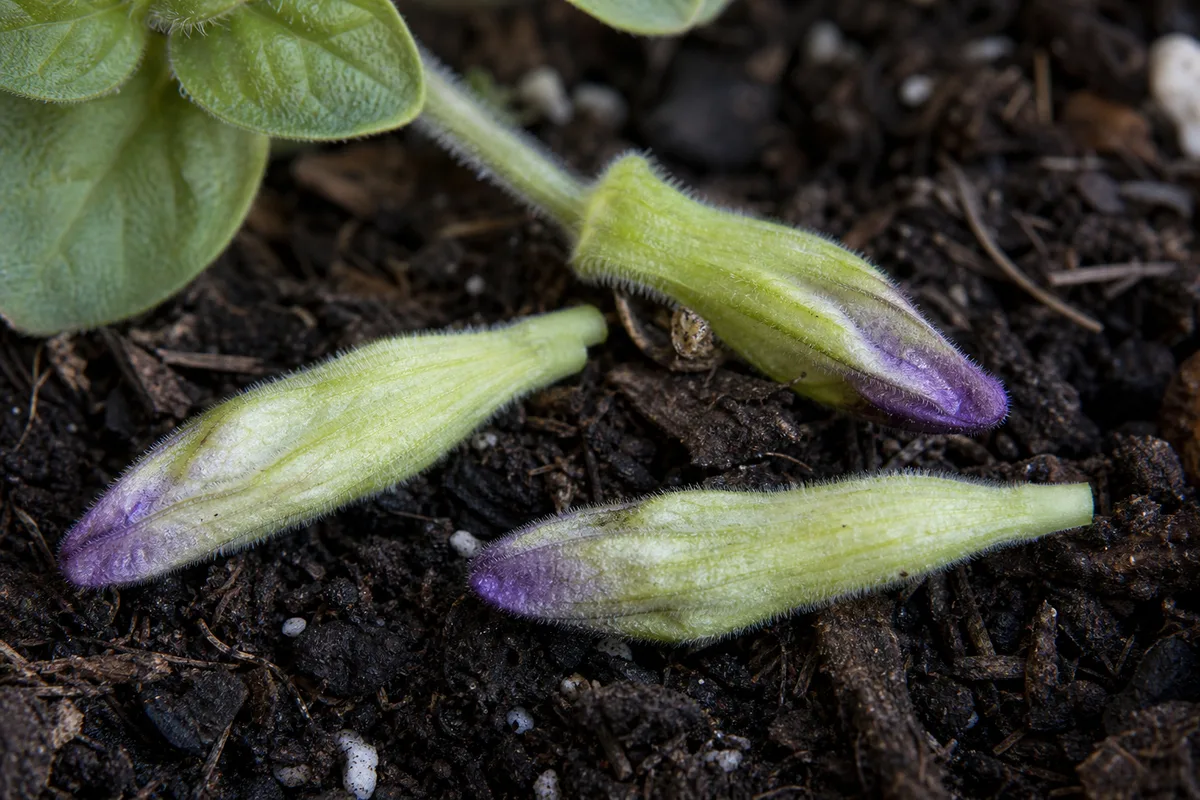
Petunias need at least five to six hours of direct sun daily for strong bloom; six or more is better for spreading types. Moving a sun-grown basket deep under a porch roof midseason can make flowers drop and stems stretch within days. Deadheading cannot compensate for shade shock — relocate the pot or accept fewer blooms until light improves.
Tobacco Budworm Holes in Blooms
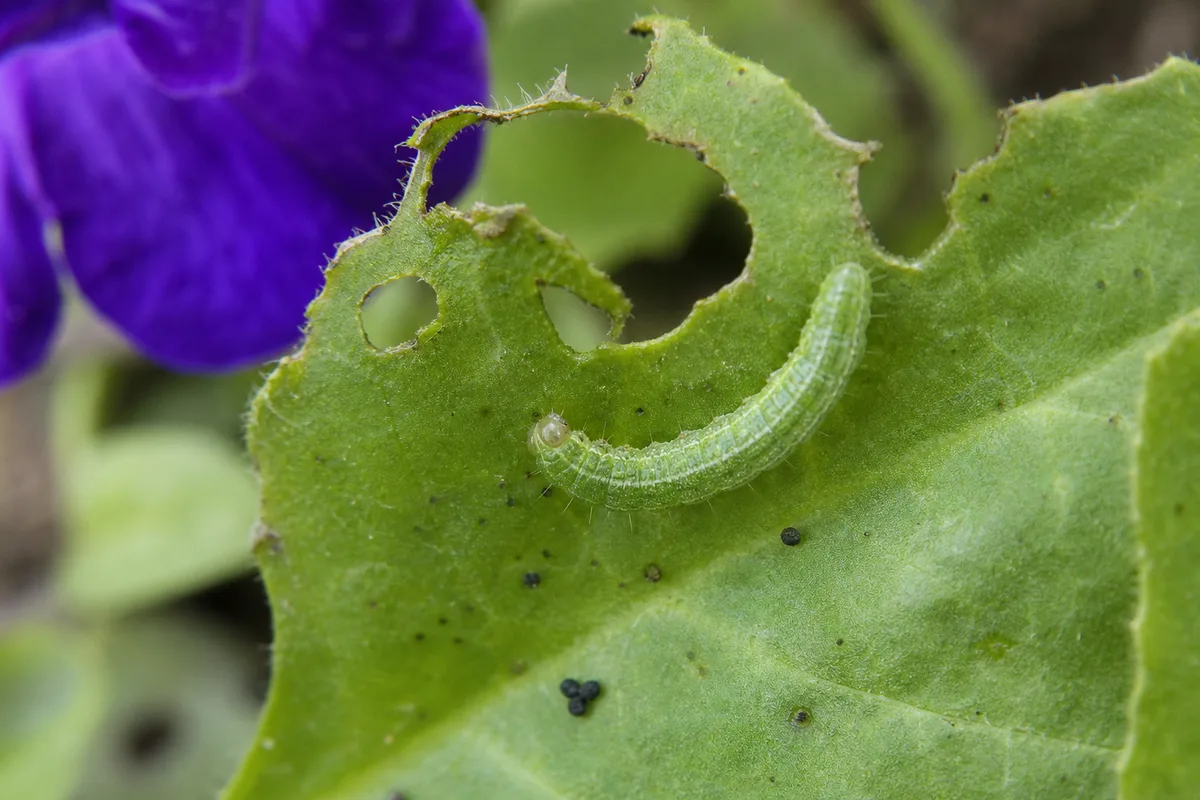
Tobacco budworm — a small striped caterpillar — feeds inside petunia buds and flowers, leaving ragged holes and prematurely “dead” blooms. Check unopened buds and curled flowers by hand; caterpillars hide in the center. Remove them manually on small plantings; on heavy infestations use a labeled biological or organic control appropriate for edible-adjacent beds after reading the product label.
Holes from budworm are not solved by deadheading alone because new buds are attacked before they open. Inspect weekly during peak summer on grandiflora and double types, which budworms favor.
Midseason Stem Pruning When Plants Go Leggy
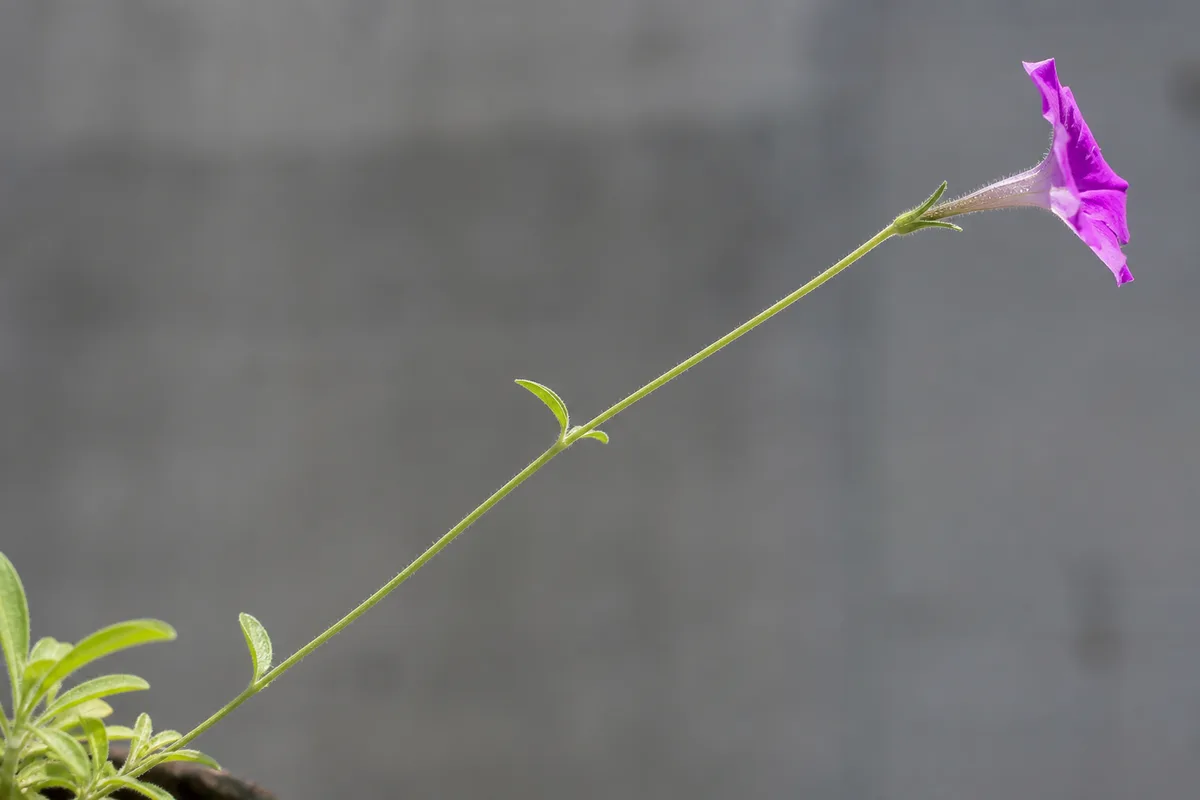
By midsummer many petunias — especially in small baskets — look tired: long bare stems, fewer buds, faded flowers stuck along old wood. That is when stem pruning beats more deadheading.
NC State Extension (Richmond County) advises cutting leggy plants back to a bud or node, removing about 20% of size if you want to keep some color, or taking up to one-third to one-half for a stronger reset. Prune all at once and expect one to two weeks before fresh bloom covers the plant; prune a little each week if you cannot tolerate a brief bald spell. (NC State Extension)
After a hard cutback, water thoroughly if dry, then apply a water-soluble flowering fertilizer at label rate. Confirm the plant still receives full sun. Recovery on Wave types often shows new branching within two to three weeks when heat moderates and feeding resumes.
How Hard to Cut and How Long Recovery Takes
Use bypass pruners and cut just above a leaf node or side branch — never into bare wood with no leaves below your cut unless you are deliberately regenerating a bare stem. Remove spent flowers still attached to the sections you cut so mold does not linger.
| Cut severity | Best for | Color gap | New bloom timing |
|---|---|---|---|
| Light deadhead only | Healthy shape, steady bloom | None | Immediate on other stems |
| 20% stem trim | Slightly open baskets | Minimal | About one week |
| One-third cutback | Leggy midsummer baskets | Noticeable | One to two weeks |
| One-half cutback | Severe heat stall or bare centers | Short bald window | Two to three weeks |
For container-specific revival tactics — deeper mix, feeding rhythm, basket sizing — see container petunias: grow fuller pots that bloom longer.
Deadheading Schedules for Containers vs Garden Beds
Containers and hanging baskets dry faster and bloom harder, so grooming and water checks run together. On grandiflora baskets in peak summer, deadhead every two to three days and scan daily for wilt. Self-cleaning Wave baskets may need only a weekly tidy plus a midsummer cutback.
In-ground beds with upright multiflora plantings often get a twice-weekly deadheading pass during peak bloom — enough to prevent mass seed set without treating every stem like a basket on a heat wave. After the first hard frost, stop grooming and compost or pull plants; deadheading does not extend life on frost-tender annuals.
Pair grooming with feeding on hungry containers. Heavy bloom plus frequent watering leaches nutrients; a cutback followed by skipped fertilizer produces green stems and slow rebloom even when deadheading was perfect.
Common Deadheading and Pruning Mistakes
Pulling petals only leaves the ovary in place, so seeded types still set seed and slow down. Deadheading while ignoring shade or dry soil wastes labor when buds will keep aborting. Cutting active stems below fresh buds removes future flowers — follow each faded bloom to its own base. Skipping sterilization after botrytis spreads gray mold when wet flowers stick to stems. Never pruning lets leggy Wave baskets keep one long stem with color only at the tip. Pruning without feeding or watering after a hard cutback starves regrowth.
If you grow mixed baskets, groom to the neediest type: a grandiflora paired with verbena still needs ovary removal on the petunia side even when the neighbor self-cleans.
Conclusion
Deadhead petunias when you grow large-flowered, double, or seeded types — remove the faded bloom and the calyx behind it so seed does not shut down the season. Skip routine deadheading on self-cleaning Wave and Supertunia lines, but still tidy stuck blooms, prune leggy stems by midsummer, and fix sun and water when buds drop. Match grooming to your label, pinch at the ovary not the petals, and use stem cutbacks when shape — not individual flowers — is the problem. Get those three decisions right and petunias stay among the easiest annuals to keep in color from spring until frost.



