Zinnia Pests: ID and Control Guide
Zinnia pests can skeletonize blooms in days. Learn to ID Japanese beetles, aphids, spider mites, earwigs, and grasshoppers—and the first fixes that actually work.
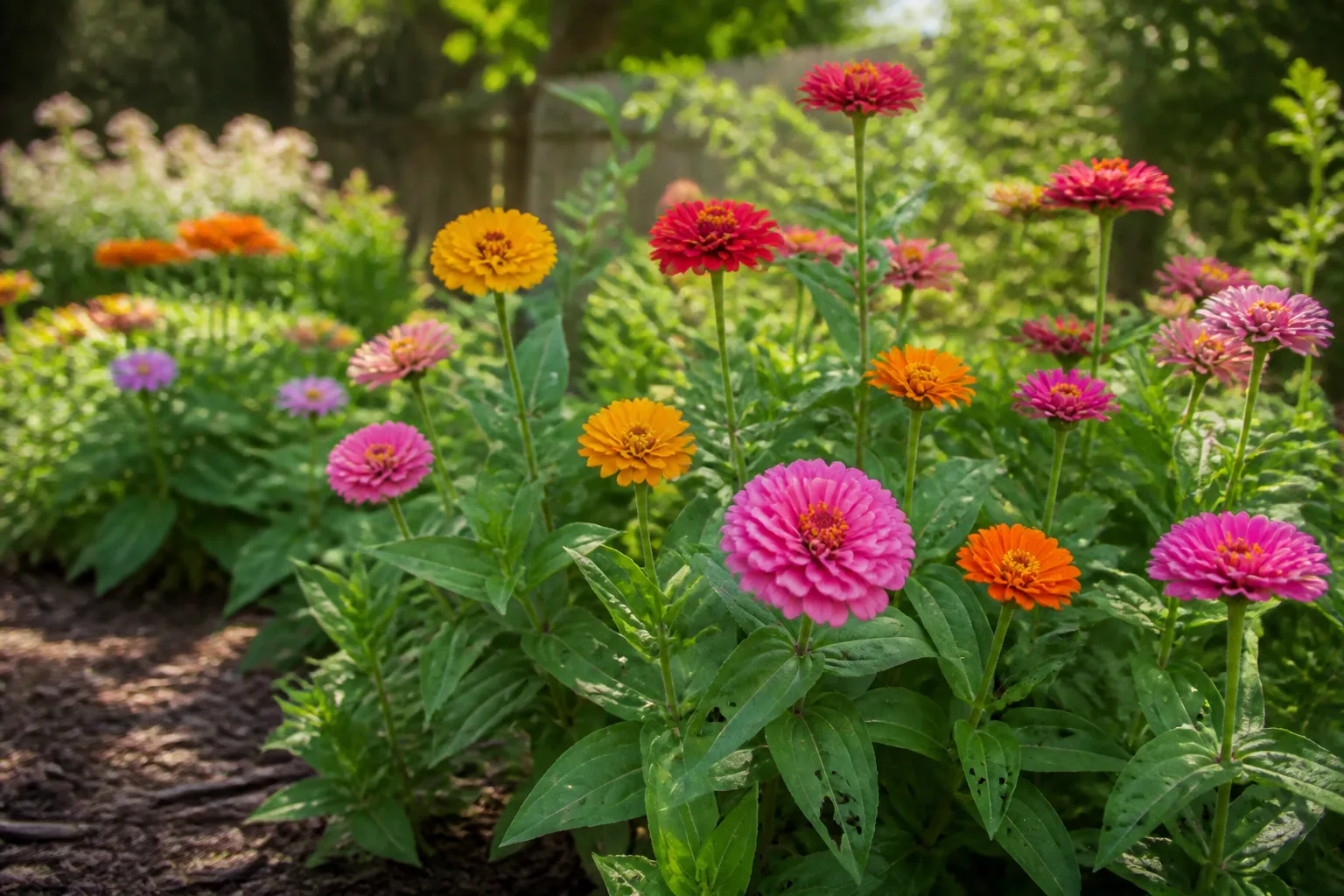
A row of zinnias can go from parade-float colorful to ragged and bloomless in a single hot week. Zinnia pests love the same things you do about these annuals: tender new growth, open petals, and the nitrogen-rich sap that fuels nonstop summer flowering. The five insects below cause most of the sudden collapses gardeners describe in July and August—and each one needs a different first move.
According to the UC Statewide IPM Program, common zinnia attackers include aphids, spider mites, earwigs, and several chewing insects. Zinnias also sit on the menu for Japanese beetles wherever that invasive species is established in the eastern and midwestern United States. The goal here is not a spray-for-everything panic. It is a fast ID pass, a tier-one control you can do today, and a clear line for when cultural fixes beat chemicals.
Why Zinnias Become Pest Magnets in Late Summer
Zinnias are sun-loving, fast-growing Asteraceae annuals native to Mexico that breeders have turned into hundreds of cultivars (Gardeners Path). That speed is the trap. New shoots and fresh buds keep appearing all season, which means sap-feeders always find soft tissue. Dense plantings—exactly what cut-flower gardeners want—create humid microclimates at the leaf base where spider mites and aphids explode.
Heat matters too. Zinnias tolerate high temperatures, but extended hot, dry spells stress plants just enough to favor spider mites and grasshoppers while slowing the beneficial predators that normally keep aphids in check (Epic Gardening). Overhead watering and heavy nitrogen fertilizer make the problem worse: wet foliage invites disease, and lush nitrogen-rich growth is aphid candy.
Healthy Zinnias vs Early Warning Signs
Learn the baseline before you diagnose. Healthy zinnias stand upright with stiff stems, evenly colored leaves, and blooms that hold petals for a week or more in moderate heat. Early pest damage usually shows up as uneven patterns, not general yellowing from drought.
Japanese beetles leave lacy, skeletonized leaves and shredded petals, often starting at the top of the plant. Aphids cluster on stems and bud tips; look for shiny honeydew, ant highways, or black sooty mold on leaves below clusters. Spider mites cause fine yellow stippling, leaf curl, and silvery webbing on undersides during dry weather. Earwigs chew irregular holes that ** worsen overnight**—a clue they feed in the dark. Grasshoppers take large, ragged bites from leaf margins and can strip small seedlings entirely.
If damage is random, wet, and spreading in circles, suspect powdery mildew or bacterial leaf spot instead and treat as disease. Pests leave mechanical holes and stippling you can match to an insect.
Your First-Week Action Plan When You Spot Damage
Panic-spraying every pest on sight is how you kill lady beetles and still lose the zinnia row. Use this sequence instead:
- Scout at the right time. Check stems and bud tips in morning light. Inspect leaf undersides. For suspected earwigs, go out after dark with a flashlight.
- Identify one primary pest per plant or bed section. Mixed infestations happen, but pick the dominant damage type first.
- Start with mechanical or cultural control—hand-picking, blasting with water, pruning affected tips, trapping earwigs, improving spacing and irrigation.
- Escalate to soaps or oils only if needed, and never on open blooms during pollinator hours if you can avoid it.
- Re-check every 48 hours until damage stops spreading. Mites and aphids can rebound in three days in hot weather.
The Scout–Identify–Treat Decision Rule
Ask three questions before you touch a product bottle:
- Is the plant worth saving? A single heavily webbed zinnia in a dense row may be cheaper to pull than to fumigate the whole patch.
- Will this control hurt helpers? Broad sprays during the day can knock out lacewings and parasitic wasps that were already working the aphids.
- Does this pest even respond to that tool? Japanese beetle traps attract beetles from neighboring yards. Grasshopper baits work on nymphs in spring, not always on adults chewing your August zinnias.
When in doubt, water-blast + prune + wait 72 hours beats an immediate pesticide on zinnias, which are annuals—you are racing the calendar, not saving a 20-year tree.
Japanese Beetles — Skeletonized Leaves and Shredded Petals
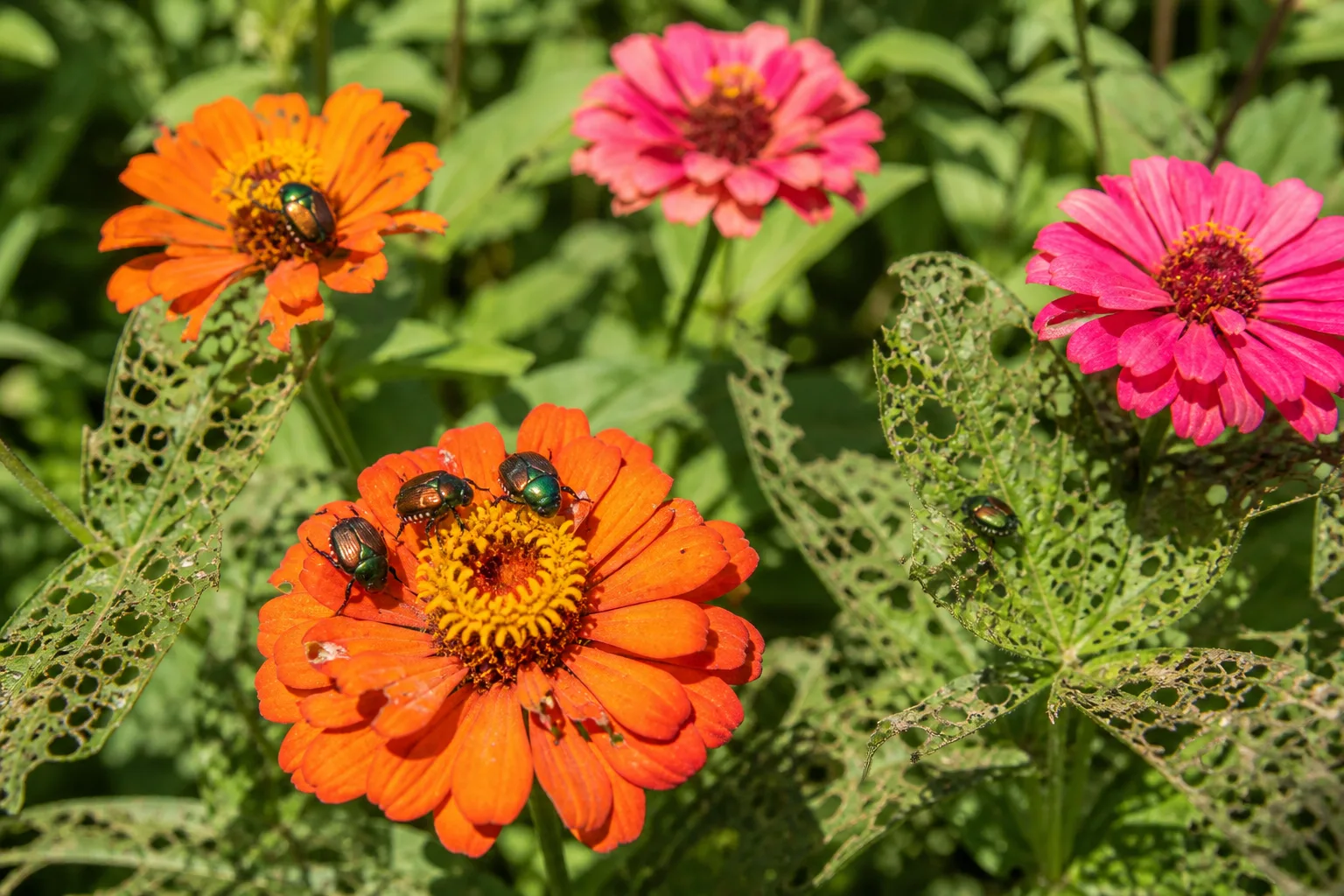
Japanese beetles (Popillia japonica) are metallic green-and-copper scarabs that feed in daylight, often starting at the top of zinnias and working down. They chew tissue between leaf veins, leaving lacy skeletons, and they shred petals on open blooms. A dozen beetles can make a show-bed look ruined in 48 hours during peak flight in mid-summer.
You will see them clustered on flowers and upper leaves, sometimes mating in plain sight. Grub damage in turf is a separate problem; for zinnias, the adult feeding phase is what strips your color.
Hand-Picking and Barriers Beat Traps Here
Do not hang Japanese beetle pheromone traps near zinnia beds. Extension services have long warned that traps draw more beetles into an area than they catch—a trade-off that can make a small flower garden worse, not better. Save traps for isolated monitoring far from plants you care about, not for control next to zinnias.
What works on zinnias:
- Hand-pick every morning into a bucket of soapy water. Beetles drop easily when disturbed; early morning catches them sluggish.
- Knock stems over the bucket rather than crushing beetles on the plant—crushed beetles release aggregation cues that invite more feeding.
- Physical barriers help for high-value rows: fine mesh row cover over young plants until bloom, removed briefly for harvest, or cheesecloth bags over individual prize blooms if you are entering flowers in a show.
- Kaolin clay sprays (surround-style barrier films) can deter feeding on ornamentals when applied before damage peaks; they leave a whitish film acceptable on vegetables but less so on cut flowers.
Neem and insecticidal soap have limited knockdown on hard-bodied adult beetles compared with soft-bodied aphids. For zinnias, daily hand-picking for two weeks during local beetle flight often saves the patch when combined with turf grub management in the wider yard next season. See our insecticidal soap guide for products that work better on soft-bodied pests below.
Aphids — Sticky Stems, Ant Trails, and Stunted Buds
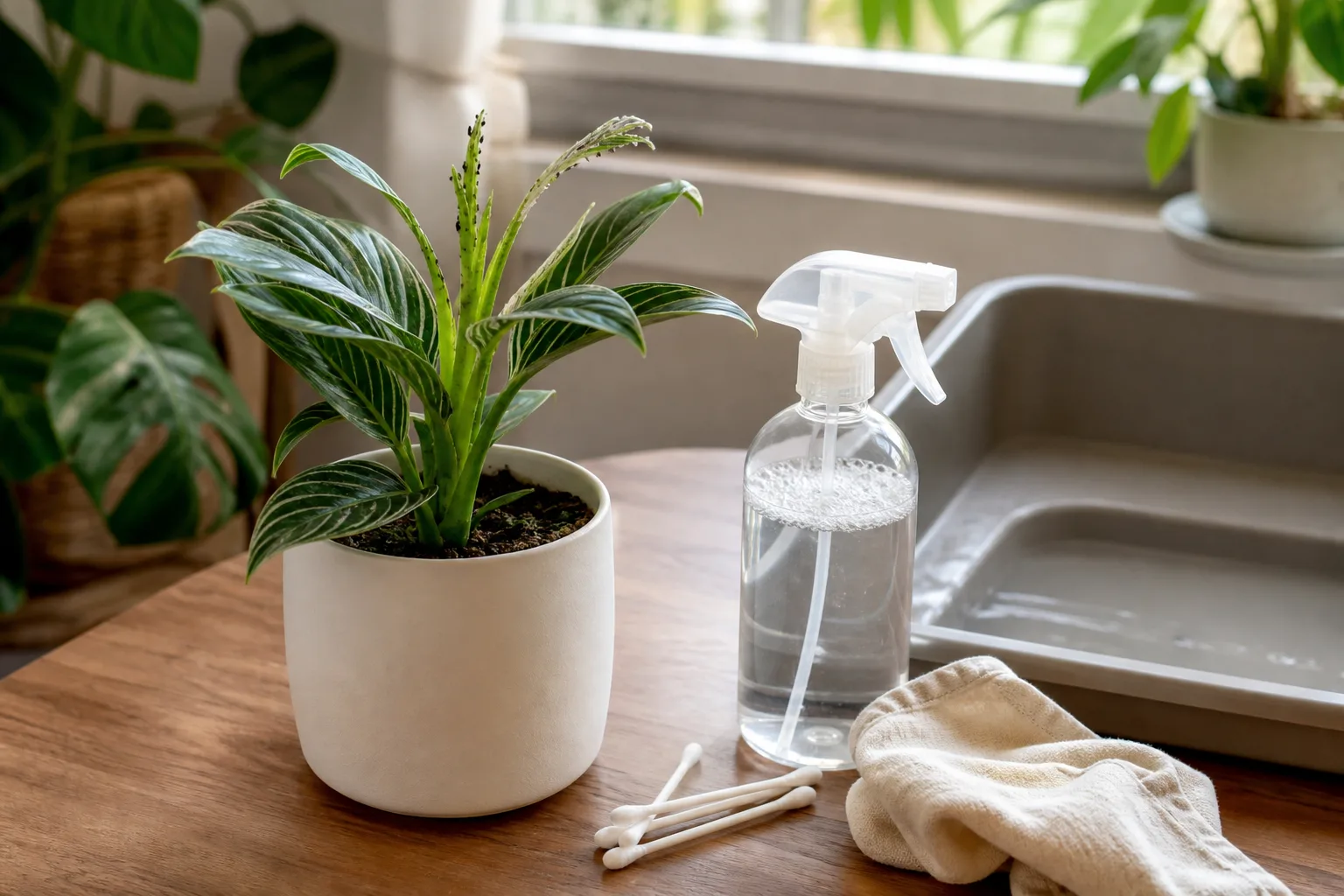
Aphids are pear-shaped sap suckers that colonize tender stems and bud clusters. On zinnias, the black bean aphid (Aphis fabae) is a frequent culprit—dark-bodied colonies easy to spot against green stems (Epic Gardening). They distort new growth, leave sticky honeydew, and can trigger sooty mold that blocks light to leaves below.
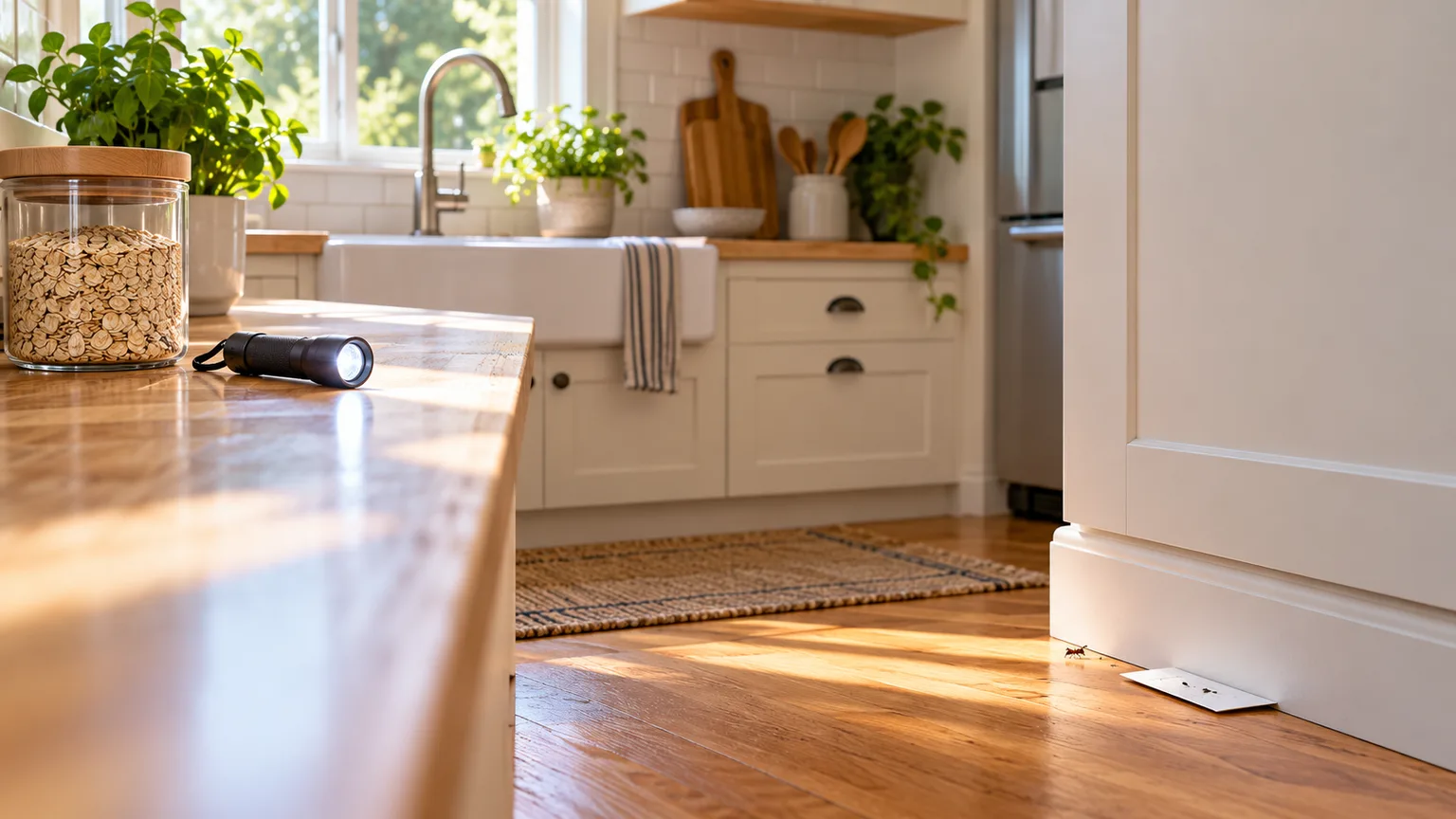
Ants farming aphids on zinnia stems are a diagnostic giveaway. If you see ant traffic, follow it upward to the colony before you treat.
Blast, Prune, Then Invite Beneficial Predators
Tier 1 — today:
- Spray with a strong hose jet to knock aphids off stems. Repeat every two days for a week. Morning sprays let foliage dry quickly, reducing mildew risk.
- Prune heavily infested tips into a sealed bag and trash them—not the compost pile if colonies are dense.
Tier 2 — if they return:
- Apply insecticidal soap or horticultural oil to stems and undersides, avoiding open flowers when bees are active. Early morning or late evening only. Our using neem oil as an organic insecticide guide covers mix rates and pollinator timing that apply to outdoor zinnias too.
Tier 3 — prevention for next week:
- Plant nectar sources nearby: alyssum, dill, yarrow, and other small-flowered species attract lady beetles, lacewings, syrphid flies, and parasitic wasps (Epic Gardening).
- Release purchased lady beetles only if you also provide shade and water; otherwise they fly away in hot afternoon sun.
Skip systemic insecticides on cutting-garden zinnias you intend to bring indoors. Soaps and water do the job on annuals when you catch colonies early.
Spider Mites — Stippling and Webbing in Hot, Dry Weather
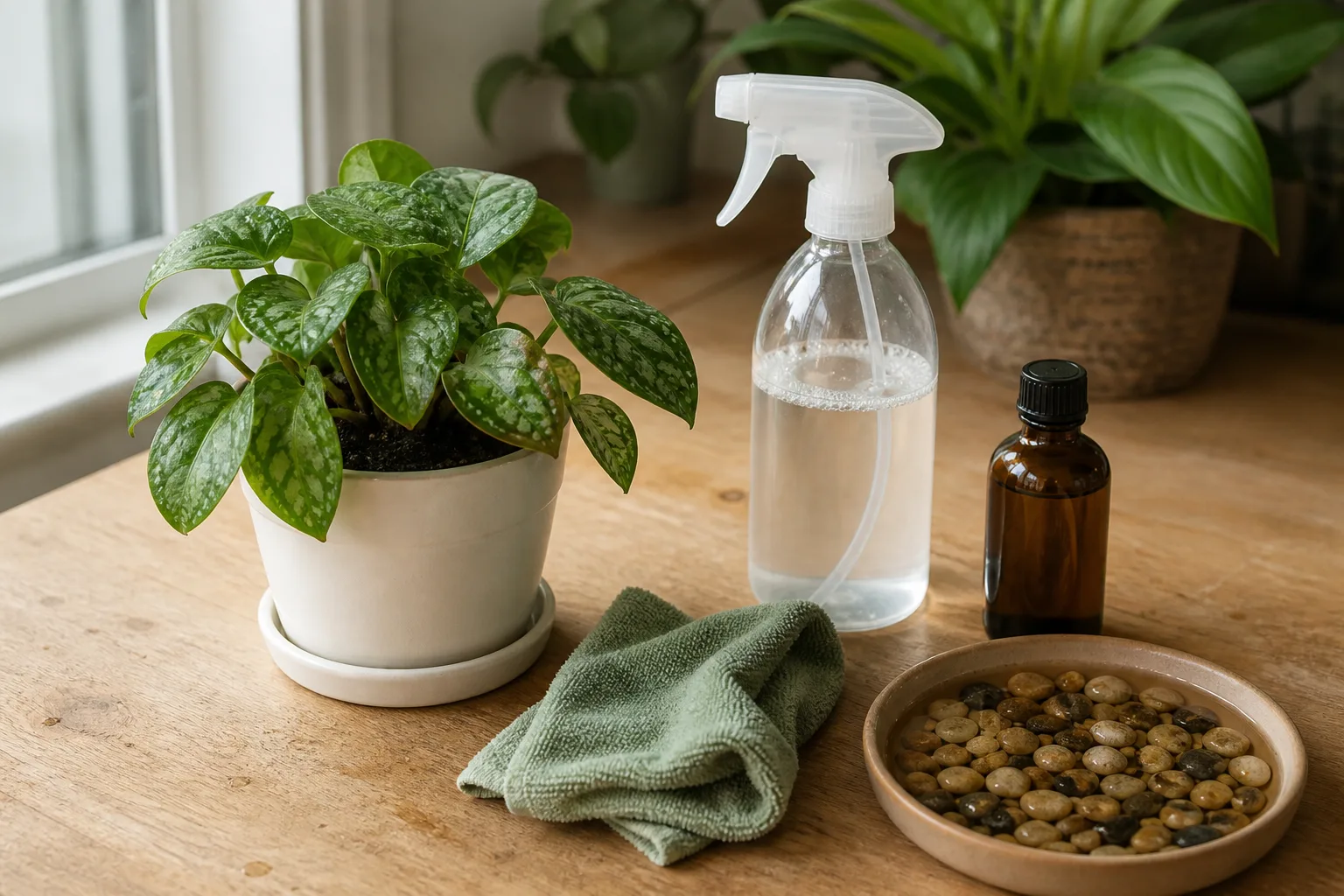
Spider mites are barely visible sap feeders that thrive when zinnias are dusty, drought-stressed, and crowded. Damage looks like yellow or white stippling on upper leaf surfaces, bronzing, curling, and fine silk webbing between leaves and stems—not the large webs of orb-weaver spiders.
Broad mites cause similar cupping on ornamentals, but on outdoor zinnias in summer, two-spotted spider mites (Tetranychus urticae) are the usual suspect when weather turns hot and dry (UC IPM spider mites).
The Daily Rinse-and-Soap Reset
Mites reproduce fast in heat—one week of neglect can coat a row. Treat them like a schedule, not a one-off spray:
- Blast plants with water every morning for three days, targeting leaf undersides. This knocks adults off and raises humidity mites hate.
- Improve soil moisture with deep, infrequent watering at the root zone; use a soaker hose instead of overhead sprinklers when possible (Gardeners Path).
- If stippling spreads, apply insecticidal soap or horticultural oil every three to four days for two weeks—enough to break the reproductive cycle. See our spider mites on houseplants guide for the same treatment order; outdoor zinnias tolerate stronger water pressure.
- Prune and discard the worst stems if webbing is dense; mites hide in curled leaves.
Predatory mites help in greenhouses; in open beds, conserving lady beetles and avoiding broad-spectrum sprays does more good than mail-order predators blowing away in summer wind.
Do not wait for visible mites. When you see stippling, assume a population is already high on undersides.
Earwigs — Overnight Holes in Leaves and Seedlings
Earwigs are nocturnal insects with pincers at the tail end. They hide in damp mulch, stacked pots, and decaying plant debris by day and feed at night. On zinnias, they chew ragged holes in leaves and petals, and they can girdle young seedlings planted direct in the garden.
Here is the nuance most pest lists skip: earwigs also eat aphids and small soft-bodied pests. In low numbers they are allies. In high numbers—especially when mulch stays wet and weedy—they turn into bloom destroyers (Epic Gardening).
Traps, Cleanup, and When Earwigs Actually Help
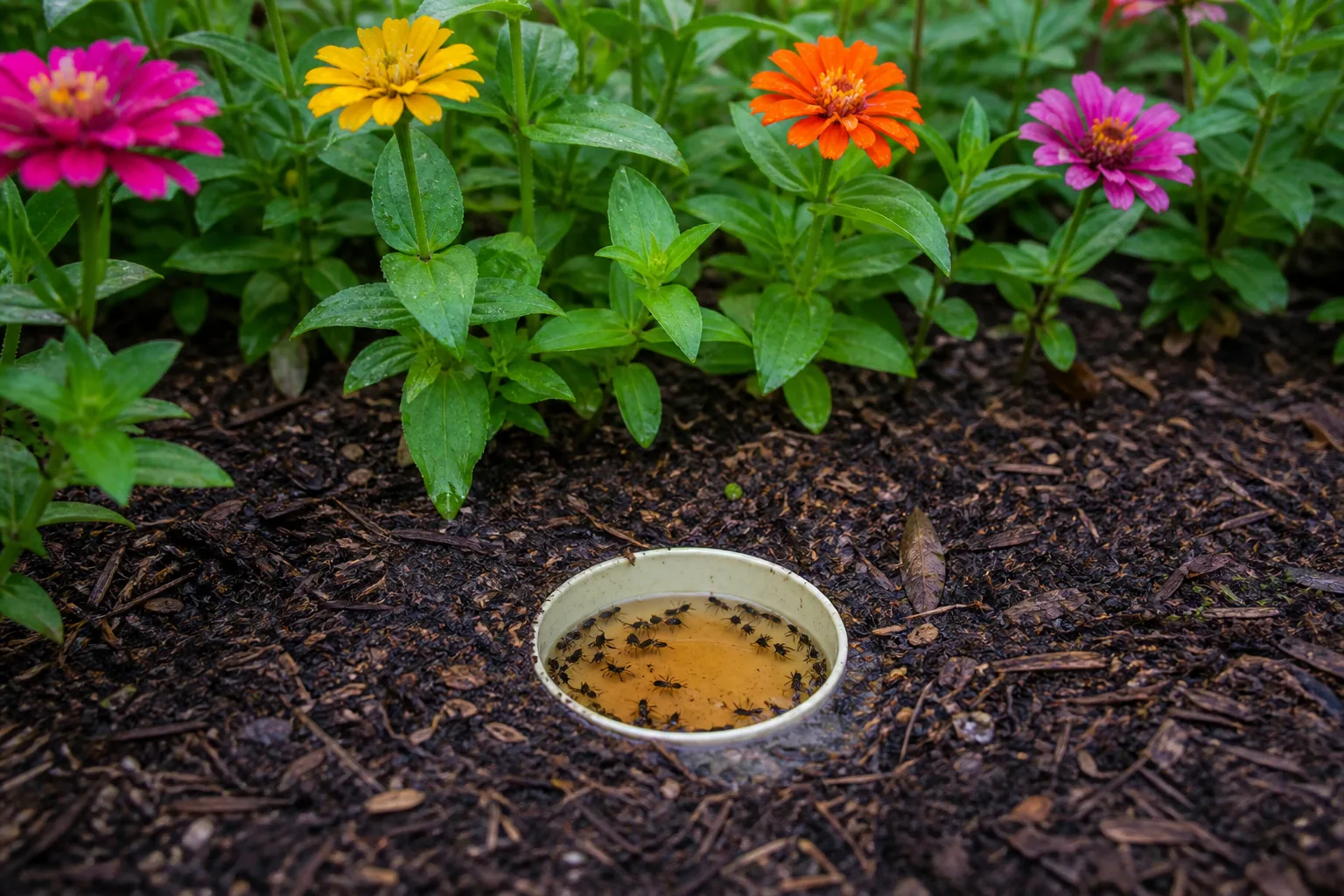
Cultural fixes first:
- Remove hiding places: pull excess mulch away from stems, haul decaying leaves, and elevate stacks of flats or wood that touch the bed.
- Reduce unnecessary nighttime irrigation on foliage; water roots early so leaves dry before dusk.
Trapping:
- Oil traps: bury a shallow container with soy sauce plus vegetable oil so the rim is flush with soil. Earwigs crawl in and drown. Empty and refresh every few days.
- Cardboard rolls: damp newspaper or cardboard strips near plants; collect and dump earwigs into soapy water in the morning.
If damage persists on seedlings:
- Organic slug baits containing spinosad applied as labeled around bed edges can reduce earwig numbers without foliar spraying on open zinnia blooms (Epic Gardening). Wet bait lightly in the evening per label directions.
Avoid spraying pyrethroids on flowering zinnias unless you accept pollinator risk. Trapping plus cleanup usually controls earwigs without touching bees on your blooms.
Grasshoppers — Ragged Foliage When Yards Turn Dry
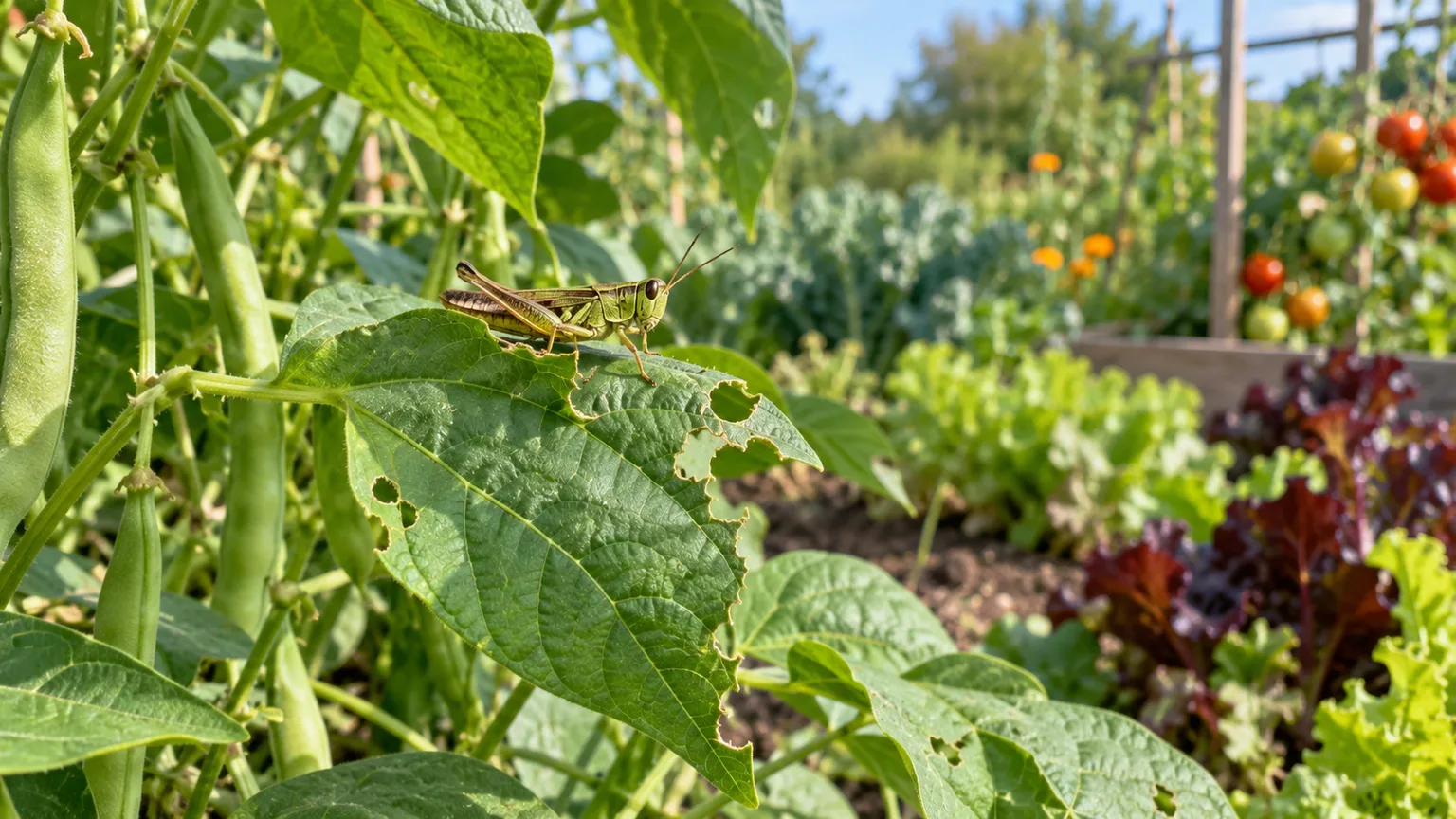
Grasshoppers chew large, irregular sections from zinnia leaves and can strip small plants when populations spike in dry, weedy summers. Unlike earwigs, they feed in daylight, and you will see them jump from the bed when you walk through.
They favor unmowed borders, vacant lots, and weedy ditches that serve as breeding habitat, then migrate into irrigated flower beds where zinnias offer tender food.
Habitat Fixes Before You Scatter Bait
Long-term grasshopper control is landscape-scale, but these steps protect zinnia rows:
- Mow and weed a buffer zone around beds; tall grass and weeds are nursery habitat for nymphs.
- Encourage birds with native shrubs, water, and perches—swallows and sparrows eat nymphs and adults when populations are moderate.
- Row cover on young zinnias until stems toughen prevents early-season stripping.
Baits and biologicals:
- Wheat bran baits mixed with Nosema locustae or similar microsporidian baits work best on young nymphs in spring, not always on large adults hammering August zinnias. Apply near bed edges when nymphs appear locally.
- Spinosad-based baits labeled for grasshoppers can help in organic cut-flower fields when applied per label to non-flowering border strips, keeping granules off open blooms.
There is no magic sprinkle that fixes a regional grasshopper outbreak overnight. Combine habitat cleanup, early nymph baits, and protecting seedlings until plants are large enough to outgrow moderate chewing.
Prevention That Keeps All Five Pests Manageable
The cheapest zinnia pest control happens before July damage. Stack these habits:
- Space for airflow. Follow seed-packet spacing—often 6 to 18 inches depending on cultivar—to reduce mite and mildew pressure (Gardeners Path).
- Water roots, not leaves. Soaker hoses or drip keep foliage drier; spider mites hate consistently moist—not soggy—root zones.
- Avoid high-nitrogen bursts that push soft aphid-friendly growth; use slow-release balanced fertilizer at planting.
- Deadhead and remove spent blooms to limit hiding spots and redirect energy to new flowers.
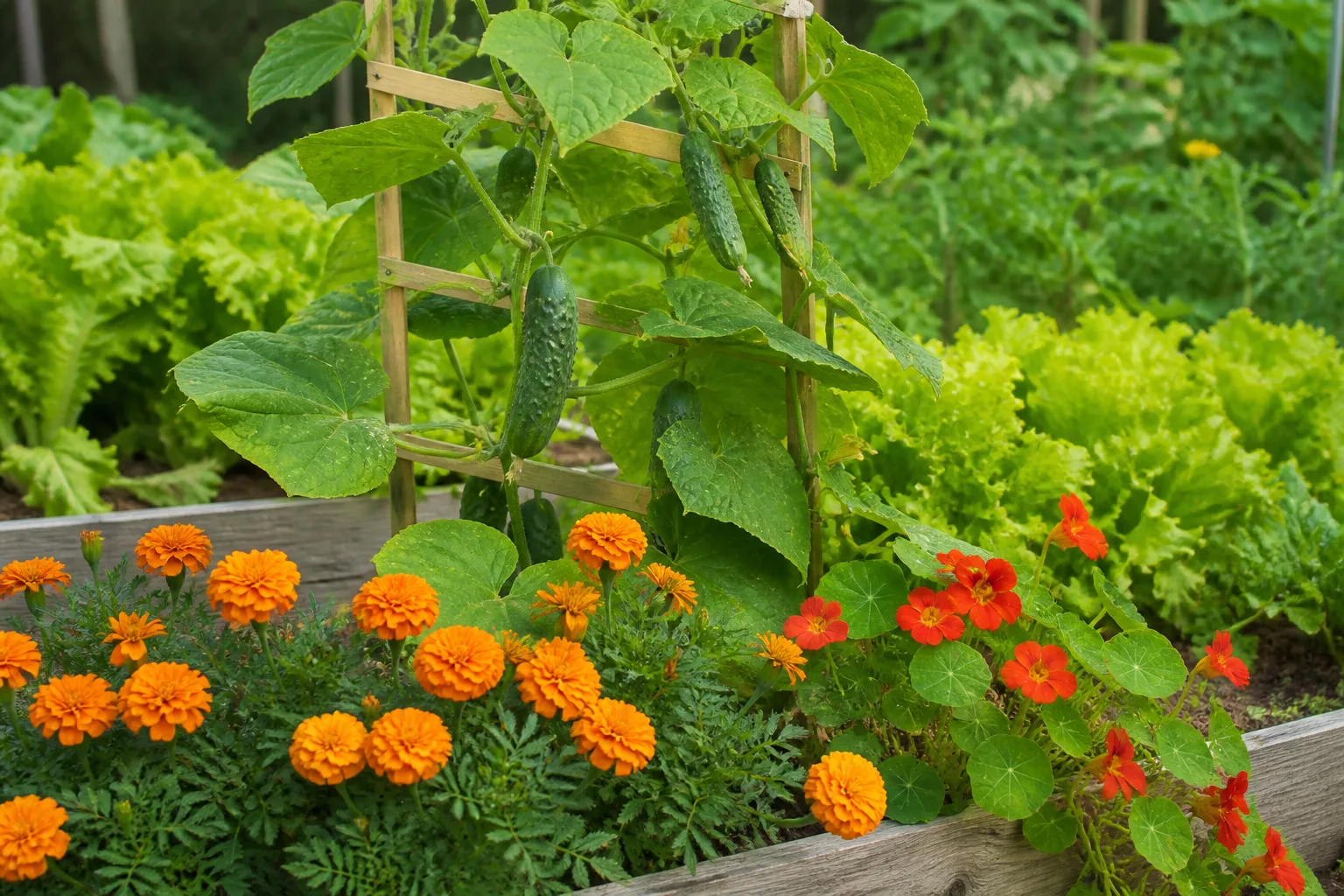
- Build beneficial habitat at bed edges: alyssum, dill, fennel, yarrow, and native asters feed predators between zinnia flushes.
- Scout weekly from June onward; a five-minute stem check beats a rescue spray later.
Spacing, Water, Mulch, and Beneficial Habitat
Mulch with 2 inches of straw or bark to cool roots and suppress weeds—but keep mulch pulled back 2 inches from zinnia stems so earwigs and slugs do not nest against tender bases. Diatomaceous earth on dry soil surfaces can deter crawling insects; see our diatomaceous earth guide for safe application around flowering beds (reapply after rain).
Row covers on direct-sown zinnias for the first three to four weeks block earwigs, grasshoppers, and leafminers until stems harden—remove covers once buds form unless you are protecting against beetles on a known flight week.
Rotate zinnia planting spots year to year in small gardens to break localized pest buildup in soil and mulch, even though zinnias are annuals.
When to Stop Treating and Pull the Plant
Annuals do not owe you infinite rescue attempts. Pull and trash (not compost) a zinnia when:
- Spider mite webbing covers more than one-third of the plant and neighbors are still clean—isolate by removal before mites walk over on touching leaves.
- Aphid colonies return twice after soap treatment and bud distortion is already severe—new blooms will not recover shape this season.
- Japanese beetles have stripped a plant down to stems with no buds late in August—replanting or sowing a fall batch may yield more color than nursing stubs.
- Multiple pests hit one stressed plant simultaneously; it is a reservoir, not a display specimen.
Replace removed plants with healthy starts only after you fix the underlying issue—spacing, irrigation, or trap cleanup. Otherwise you are feeding the next round of pests.
Conclusion
Zinnia pests hit fast because these annuals never stop producing the tender growth insects crave. Japanese beetles skeletonize from the top down—hand-pick daily and skip pheromone traps near beds. Aphids announce themselves with ants and sticky stems—blast, prune, then protect predators. Spider mites explode in hot, dry weeks—treat with water plus repeated soap or oil, not hope. Earwigs chew at night—trap and dry out mulch before you spray. Grasshoppers ride in from weedy margins—clean habitat and protect seedlings.
Run the scout–identify–treat loop every few days in peak summer, keep sprays off open blooms when bees are working, and pull plants that become pest reservoirs. Do that and your zinnias still have time to rebuild the color show that makes them worth planting every year.