Philodendron White Princess: A Complete Care Guide
Master Philodendron White Princess care with bright indirect light, chunky aroid soil, soil-check watering, humidity, pruning, propagation, ID vs White Wizard, and pet safety.
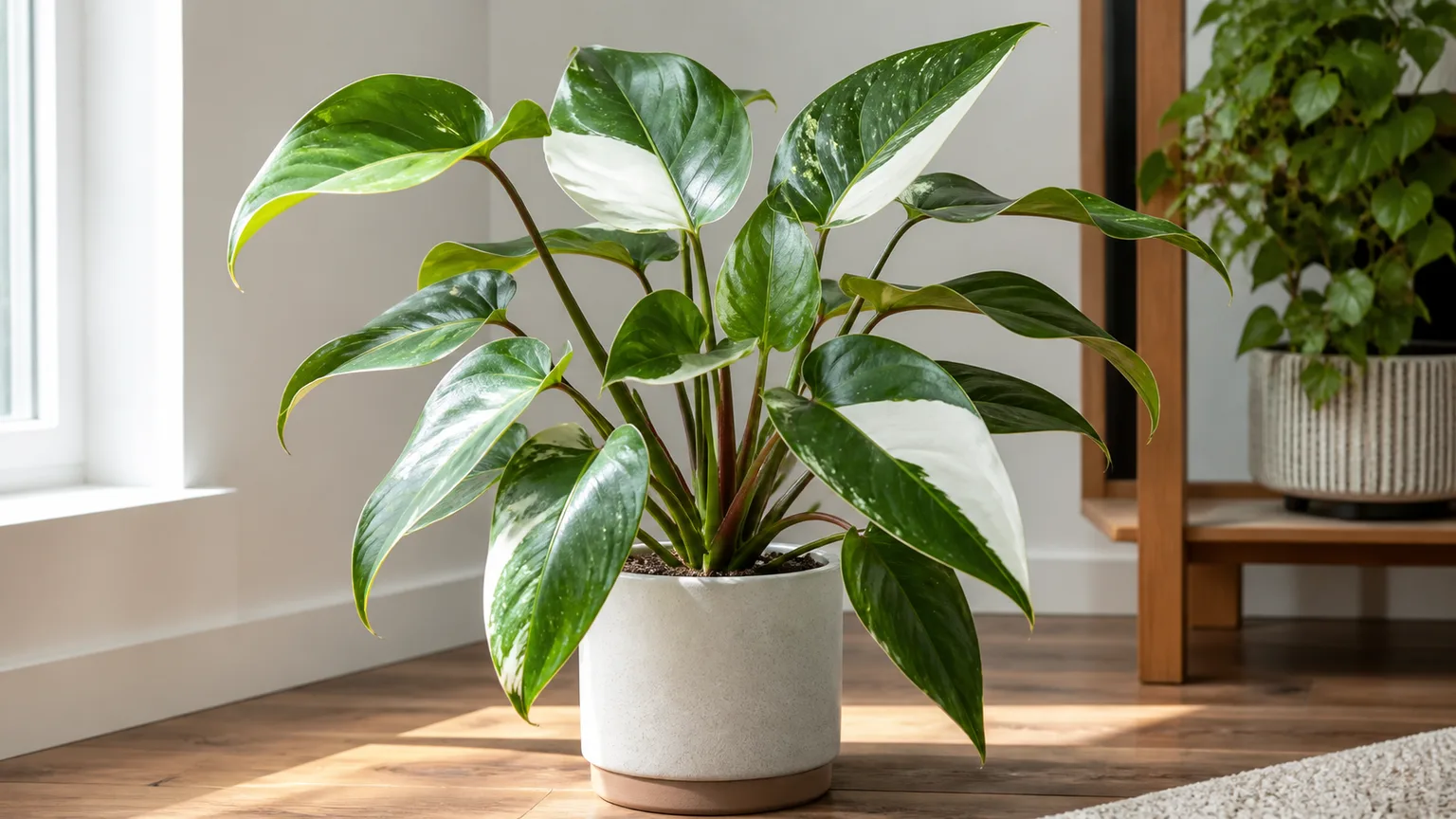
Philodendron White Princess is the variegated aroid people buy for clean white splashes on deep green leaves—and the one that quietly turns greener when it lands in a dim corner with wet soil. The daily care is standard tropical houseplant work: bright filtered light, an airy root zone, and watering only after the mix partly dries. What makes White Princess different is chimeric white variegation, pale tissue that needs enough light to keep showing up but scorches faster than green when sun is too harsh.
Treat White Princess like a warm, bright aroid first and a rare collector trophy second, and you get a compact upright plant that keeps producing patterned foliage without the drama. Skip the biology and you end up overwatering a hallway specimen or chasing white with fertilizer while the stem slowly reverts. This guide covers identification through propagation, plus the buying checks and troubleshooting steps that separate a healthy White Princess from an expensive mislabeled philodendron. For species-specific schedules on light, water, soil, and more, the Philodendron White Princess plant hub breaks each factor into its own page.
White Princess Philodendron at a Glance
Use this table as your daily checkpoint. When something looks wrong, match the symptom to the section below instead of changing three variables at once.
| Factor | Indoor target | What goes wrong first |
|---|---|---|
| Common name | Philodendron White Princess | Confused with White Wizard or White Knight |
| Botanical association | Philodendron erubescens cultivar | Sold under vague “white philodendron” tags |
| Light | Bright indirect most of the day | Green new leaves; faded white sectors |
| Water | Top 3–5 cm dry, then soak and drain | Root rot from wet cold soil |
| Soil | Chunky aroid mix; pH ~5.5–6.5 | Soggy center stays wet for days |
| Temperature | 65–85°F (18–29°C) | Leaf curl below ~60°F |
| Humidity | 50–60%+ ideal; 40% survivable | Brown tips on white sectors |
| Growth habit | Compact upright; optional support | Floppy stems without stake or pole |
| Size indoors | Up to ~4 ft tall over years | ~1 ft per year in good conditions |
| Pets | Toxic to cats and dogs | Mouth irritation if chewed |
| Outdoor zones | USDA 9–11 in shade | Frost kills foliage |
NC State Extension describes philodendrons as tropical houseplants that prefer bright indirect sunlight, warm temperatures between 65 and 85°F, moist well-drained soil high in organic matter, and high humidity when possible. Philodendron erubescens, the species group White Princess belongs to, is a climbing type with glossy foliage and reddish-purple stems—traits that explain why White Princess often shows pink on petioles even when the leaf variegation is white.
What White Princess Philodendron Actually Is
White Princess is not its own species. It is a selected cultivar associated with Philodendron erubescens, the blushing or red-leaf philodendron grown worldwide as a houseplant. RHS describes P. erubescens as a stout evergreen climber with glossy dark green triangular-ovate leaves, red-purple undersides, and preference for partial shade in moist, well-drained soil. White Princess distills that biology into a more compact, self-heading habit than long-vining heartleaf types, with narrower leaves and white-and-green marbling that can include occasional pink on stems or new leaves.
Unlike a mass-market heartleaf philodendron, White Princess is still a collector cultivar. You will not find it in every garden center, and prices reflect tissue-culture scarcity and demand for stable variegation. That rarity does not make the plant inherently difficult—it makes correct light and root care more important, because replacing a mature specimen is expensive.
White Princess vs White Wizard vs White Knight
Mislabeling is common in the white-variegated philodendron market. Use stem, leaf shape, and growth habit together—not one photogenic leaf.
| Trait | White Princess | White Wizard | White Knight |
|---|---|---|---|
| Leaf shape | Narrower, more elongated | Wider, more heart-shaped | Broad; often largest of the three |
| Stem variegation | White and sometimes pink streaks on green stems | White variegation on stems; typically no pink | White/cream on stems |
| Growth habit | Compact upright; slower | Upright; can become leggy | Upright to climbing; vigorous |
| Petiole | Often shorter relative to blade | Leaves can sit atop longer stems | Variable by specimen |
White Princess usually looks more refined and compact, with pink possible on stems even when leaf variegation is white. White Wizard tends toward wider leaves on longer stems with white-only stem streaking. White Knight is another white-variegated erubescens-type cultivar that collectors distinguish by leaf width and vigor. When buying, inspect the newest two leaves and the stem below them, not a single mature leaf in the photo.
If you already own a “white philodendron” and the stem never shows pink but leaves are very wide, you may have a Wizard, not a Princess. Either way, care is similar; accurate ID matters most for propagation value and price.
Chimeric Variegation, Pink Stems, and Why It Changes Care
The white patches are chimeric variegation: two cell lines—green photosynthetic tissue and white tissue with little chlorophyll—in the same leaf. Patterning is unstable from leaf to leaf. One leaf may be heavily marbled; the next mostly green; occasionally one emerges nearly all white or with a pink blush from the hybrid background.
Green sectors feed the plant. White sectors mostly decorate it. In dim light, White Princess favors greener new leaves because they capture more energy. In harsh direct sun, white tissue scorches first while green may look fine briefly. An all-white leaf photographs well but often weakens and browns because it cannot sustain itself. Your long-term goal is balanced variegation across several nodes, not one spectacular half-moon followed by a green takeover.
Pink on stems or new leaves is normal for many White Princess specimens and reflects the erubescens parentage. It is not a sign of disease. Existing green leaves will not turn white again—only new growth reflects improved light or successful pruning back to variegated nodes.
Light Requirements for Crisp White Variegation
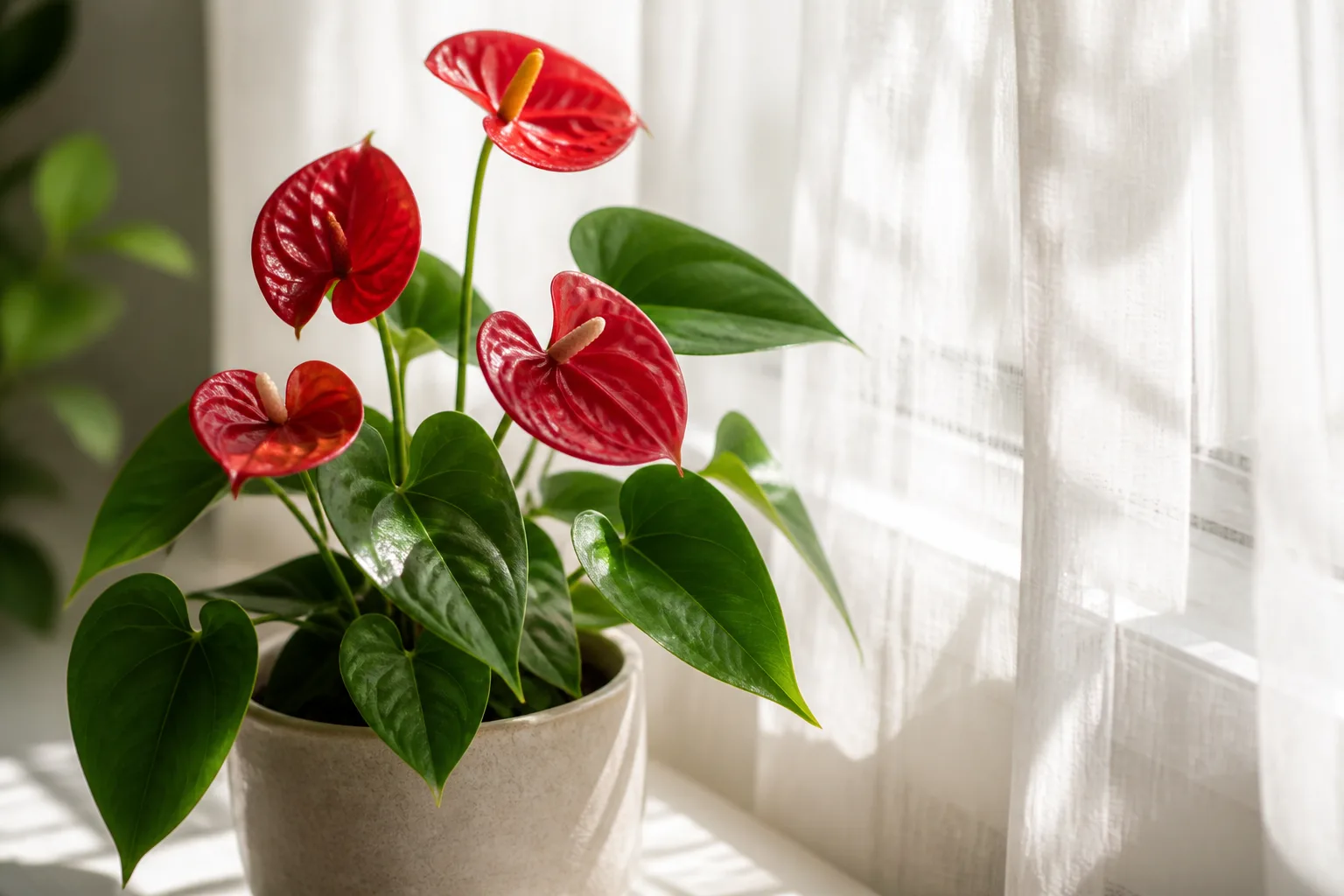
White Princess needs bright indirect light for most of the day to keep white sectors crisp and prevent slow reversion to green. NC State Extension recommends bright indirect sunlight for philodendrons and warns that direct sunlight can scorch leaves. RHS philodendron guidance likewise points to bright filtered light indoors rather than sun-baked windowsills.
In real homes, an east-facing window or a spot two to four feet back from a sheer-filtered south or west window is a common sweet spot. Six or more hours of usable brightness is a useful target, but intensity matters more than a stopwatch. Gentle morning sun through glass is often tolerated; hot afternoon sun bleaches white to tan and creates crisp brown patches on variegated sectors. If new leaves arrive mostly green with long gaps between leaves (leggy internodes), increase usable light before you change fertilizer or pot size.
Windows, Grow Lights, and Sunburn on White Sectors
Read the plant before you read the calendar. Too little light: solid green new leaves, smaller leaf size, fading white on older foliage, leaning toward the glass. Too much light: white sectors turn papery white or brown; patches appear on exposed variegation; leaf edges crisp even when soil moisture is fine.
If your brightest window is still dim in winter, a full-spectrum grow light 12–18 inches above the canopy for 10–12 hours daily can supplement. Move the plant gradually when upgrading light—sudden jumps from a hallway to a south window shock tissue. Rotate the pot weekly so one side does not dominate growth.
For window-specific tuning, see the White Princess light guide.
Watering White Princess Without Root Rot
Overwatering kills more White Princess plants than underwatering. NC State Extension notes that overwatering can cause root rot and recommends watering at the base while keeping leaves dry to reduce leaf-spot issues. RHS philodendron guidance applies the same principle for container philodendrons: let compost dry slightly between waterings and take care not to overwater.
Water when the top 3–5 cm (about 1–2 inches) of potting mix feel dry—roughly a knuckle deep in a standard pot. In bright active growth that may mean every 7–10 days; in cooler, darker months, 10–14 days is common. Always confirm with your finger or by lifting the pot; a light pot means dry, a heavy pot means wait.
When you water, soak until excess runs from the drainage hole, then empty the saucer within 30 minutes. Never let the pot sit in standing water. If you are unsure, wait an extra day. White Princess tolerates brief dryness better than soggy roots, especially when nights are cool and the mix dries slowly. A moisture meter can help beginners, but your finger plus pot weight remain the most reliable tools.
Detailed dry-down cues and seasonal shifts live on the White Princess watering page.
Soil Mix, Pots, and Drainage
As an aroid, White Princess wants airy, well-draining soil rich in organic matter—not dense peat that stays wet in the center for a week. NC State Extension specifies moist but well-drained soil with partial shade; indoors that translates to a chunky mix, not garden loam in a decorative pot.
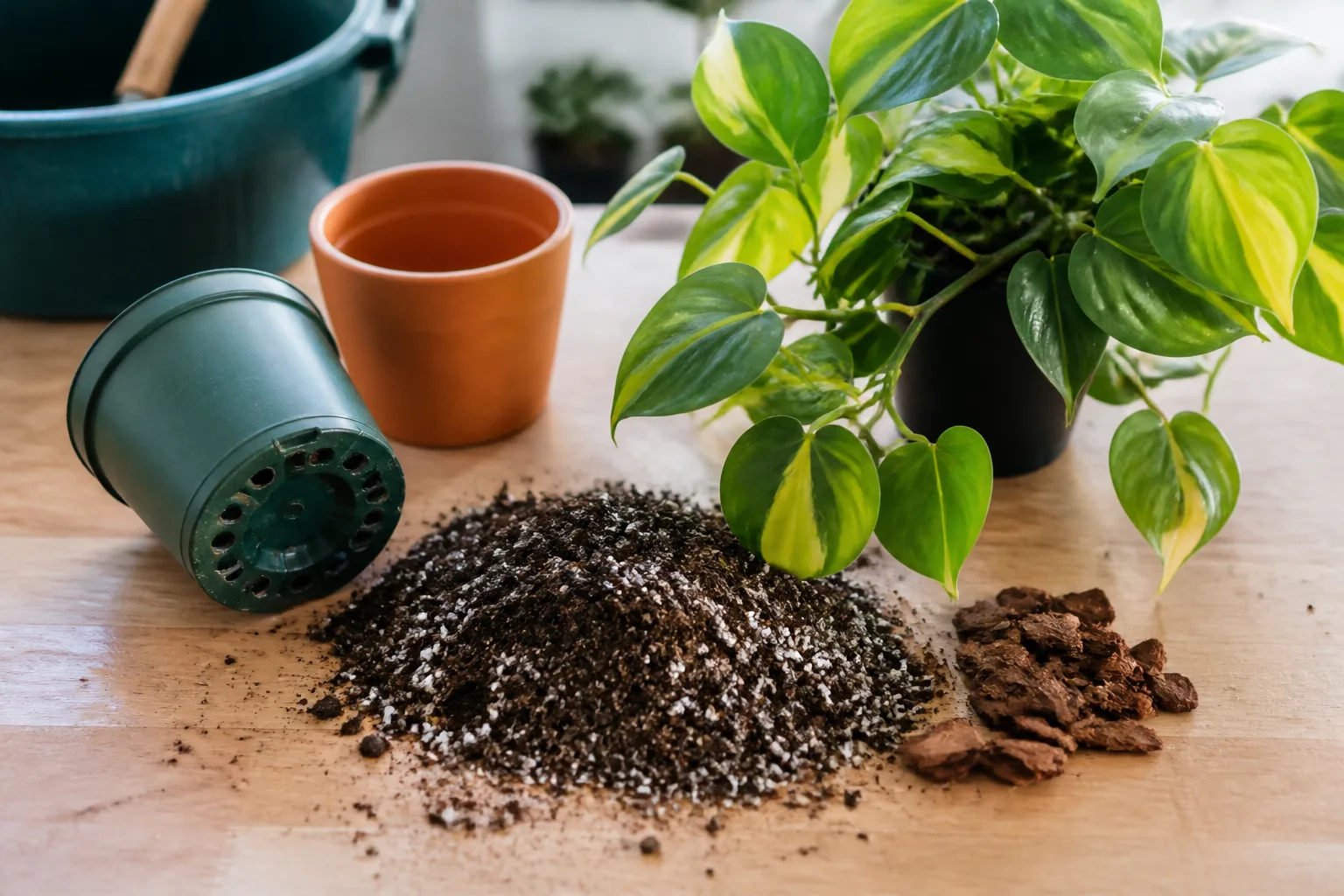
A reliable starting blend is equal parts indoor potting mix, perlite, and orchid bark (1:1:1). Commercial aroid mixes work well if you prefer buying over blending. Target pH around 5.5–6.5, slightly acidic, which suits erubescens types. Soilless combinations high in sphagnum peat or vermiculite can work for experienced growers who adjust watering aggressively; most beginners do better with bark and perlite for oxygen.
Always use a pot with at least one drainage hole. Upsize one size at a time—about 1–2 inches wider in diameter—when roots circle the pot or water runs through instantly without absorbing. Oversized pots stay wet too long and invite rot even when your watering hand is cautious. More mix recipes are on the White Princess soil guide.
Temperature, Humidity, and Airflow
White Princess is a tropical hybrid sensitive to cold. NC State Extension recommends temperatures between 65 and 85°F and warns that philodendrons are very sensitive to cold; drafts should be avoided. Growth slows below about 60°F (16°C); prolonged chill yellows leaves and stalls new ones.
Average household humidity 40–50% is survivable, but 50–60%+ keeps white and green edges cleaner. Brown tips on variegated sectors often trace to dry air plus inconsistent watering, not mysterious “philodendron disease.” A pebble tray (stones and water below pot level), grouped plants, or a small humidifier near the canopy helps more than misting leaves twice a week.
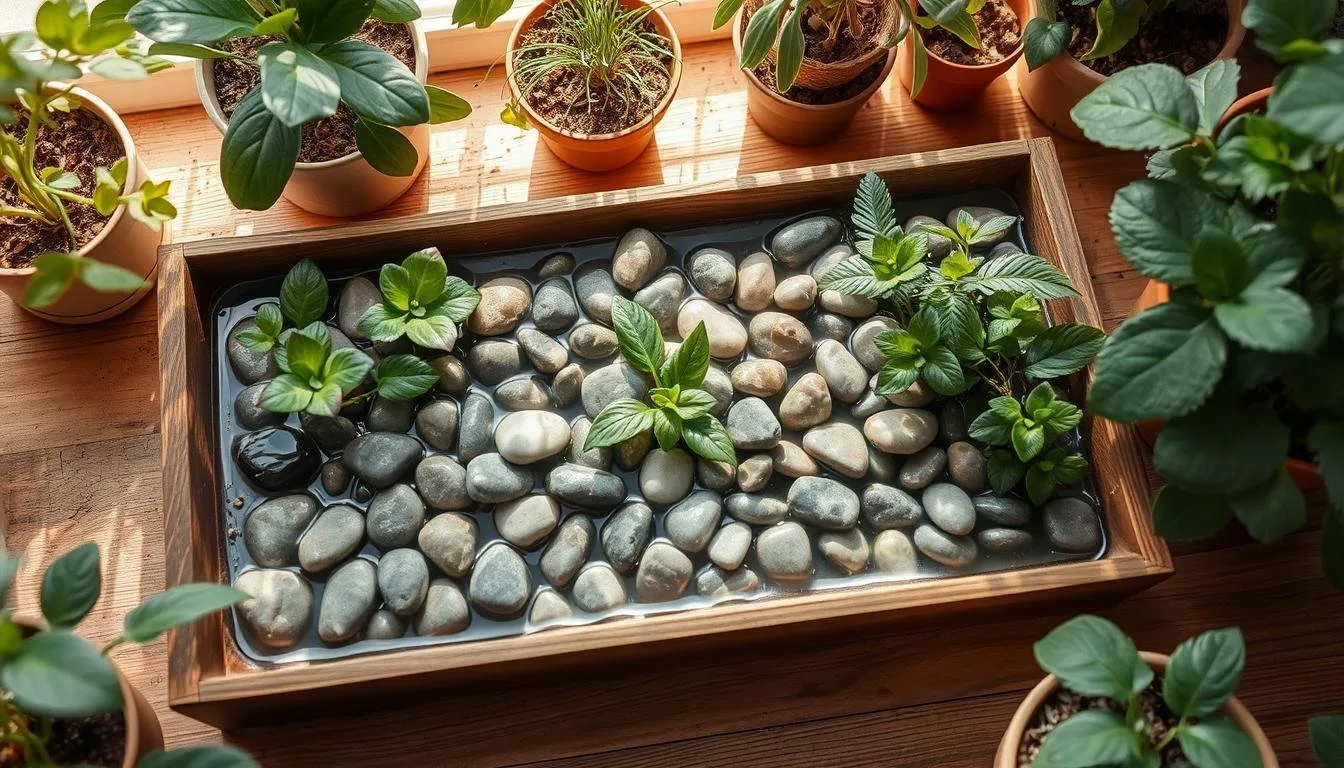
Keep the plant away from heat vents, fireplaces, and cold AC blasts that desiccate foliage overnight. Bathrooms can work if light is adequate; a steamy dark bathroom still fails the variegation test.
Fertilizing During Active Growth
White Princess is a moderate feeder during active growth. Feed every two to four weeks in spring and summer with a balanced liquid fertilizer diluted to half strength once the plant is pushing new leaves. RHS philodendron guidance supports light feeding during growth periods for container philodendrons. Always fertilize moist soil, never bone-dry roots, to reduce salt burn risk.
Skip fertilizer on wet, cold soil, on newly repotted plants for four to six weeks, and through winter unless you grow under strong lights with visible new growth. Fertilizer does not restore white on reverted leaves and will not fix leggy green growth caused by dim light. It supports size and leaf count after light and watering are already correct. For rate and timing detail, see the White Princess fertilizer page.
Support, Pruning, and Managing Reversion
White Princess is often described as self-heading because it grows upright rather than sprawling like heartleaf philodendron. That does not mean support is useless. As stems lengthen, a stake, plank, or moss pole keeps the plant tidy, reduces flop, and can encourage slightly larger leaves on mature specimens. It is optional on a young plant; it becomes helpful as height passes about 12–18 inches.
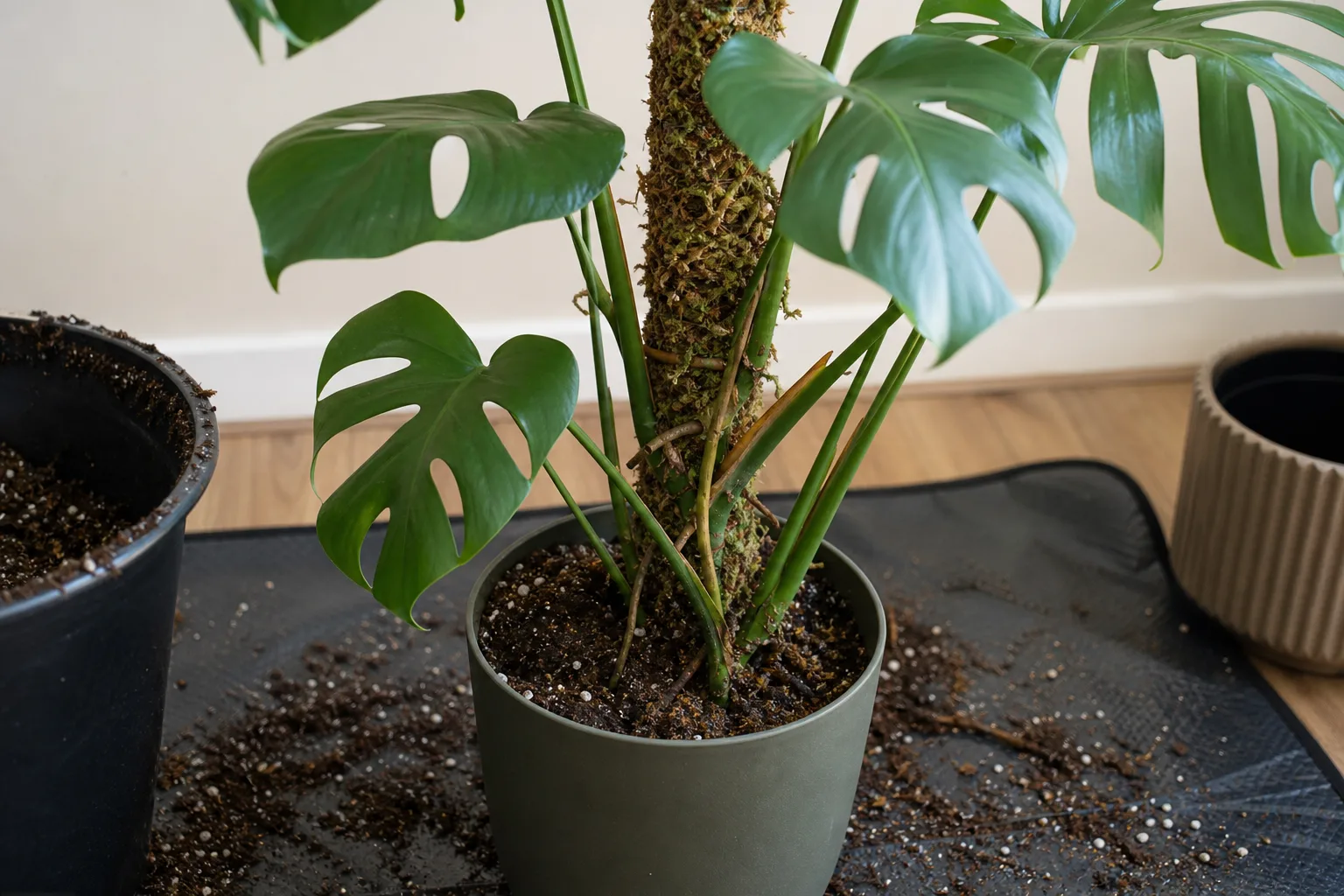
Install support during repotting when possible. Tie stems loosely with soft plant tape; never crush petioles. Mist a moss pole occasionally so aerial roots attach if the plant produces them.
Prune for variegation balance, not aesthetics alone. Remove dead or damaged leaves first with sterilized shears during active growth, not winter dormancy. If a stem pushes three or more consecutive all-green leaves after light is already adequate, cut back to the last node showing white on the stem or a marbled leaf. Avoid removing more than about one-third of the plant in one session; green tissue still photosynthesizes. Pruning cannot replace brightness—move the plant first, then cut if the active growth point stays green for several weeks.
Advanced cut timing is covered in the White Princess pruning guide.
Repotting Philodendron White Princess
Repot every two to three years, or when roots emerge from drainage holes and water races through without wetting the mix. Philodendrons tolerate being slightly root-bound longer than thirsty ferns, but cramped roots eventually slow growth and variegation. Spring and early summer are ideal because roots repair quickly in warmth and longer days.
Steps: Water lightly the day before. Slide the plant out and loosen the outer root ball; trim black mushy roots with sterilized shears. Choose a pot 1–2 inches wider with drainage—do not jump to a huge decorative pot. Add a shallow layer of fresh aroid mix, position the plant, fill around roots, and water until drainage runs clear. Keep bright indirect light and resume normal dry-down watering after a week—do not fertilize for four to six weeks.
If you install a taller moss pole, do it now rather than disturbing roots again in two months. Step-by-step timing is on the White Princess repotting page.
Propagating White Princess from Stem Cuttings
Propagation is the affordable way to backup a favorite plant or rescue a reverting stem. White Princess roots readily from stem cuttings with nodes, best taken in spring or summer during active growth.
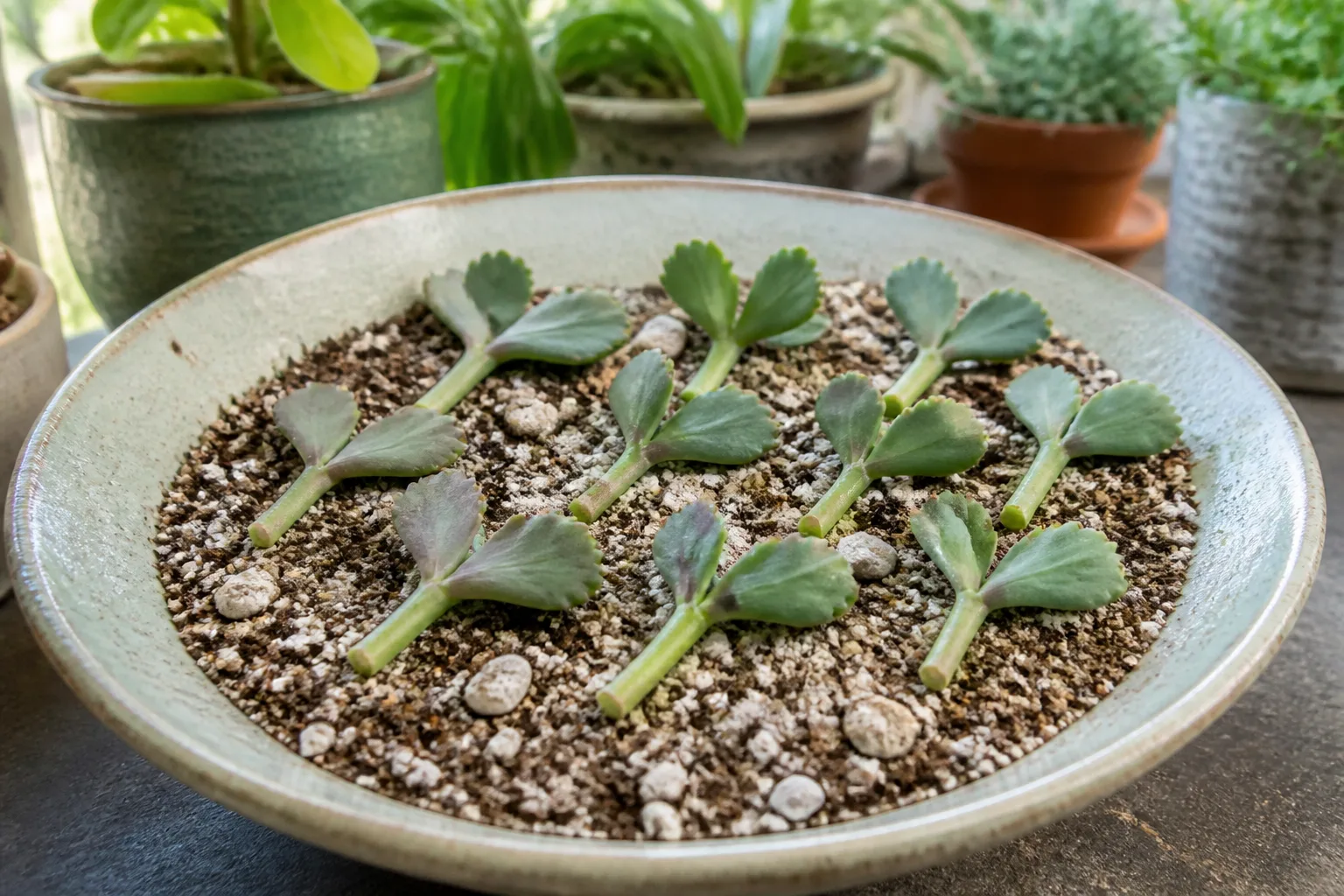
- Select a healthy stem with two to three leaves and at least two visible nodes below the cut.
- Cut just below a node with sterilized shears; let the cut callus for a few hours if you prefer, though many growers root immediately.
- Remove lower leaves so one or two nodes sit bare.
- Root in water or moist aroid mix. Water: submerge nodes, change water weekly, bright indirect light. Soil: bury nodes in chunky mix, keep lightly moist.
- Pot up when roots reach 2–3 inches and show branching. Keep mix consistently moist for the first two weeks, then transition to normal dry-down watering.
A single leaf without a node will not propagate. Always keep at least one node in the cutting. Variegation on the parent stem predicts the cutting’s potential, not a guarantee on every new leaf. Full workflow detail is on the White Princess propagation page.
Pests, Diseases, and Pet Safety
White Princess is not especially pest-prone, but high-humidity indoor setups can attract fungus gnats, mealybugs, and thrips. Inspect leaf axils and new growth weekly. Catch infestations early and treat with insecticidal soap or horticultural oil per label directions, testing on one leaf first.
Leaf spot can appear in stagnant, wet conditions. Improve airflow, avoid wetting foliage at night, and isolate affected plants. Remove badly spotted leaves; do not compost them indoors.
Pet and child safety: Philodendrons contain insoluble calcium oxalate crystals that irritate the mouth and digestive tract if chewed. ASPCA lists heartleaf philodendron as toxic to cats and dogs; treat all Philodendron species as toxic in the home. Keep plants out of reach, clean up fallen leaves, and contact your veterinarian or ASPCA Animal Poison Control at (888) 426-4435 if ingestion is suspected. Sap can irritate human skin—wash hands after pruning.
Troubleshooting Common White Princess Problems
When foliage looks less than perfect, separate normal aging from care mistakes. One or two yellow lower leaves on an otherwise healthy plant often mean old tissue making way for new growth. Multiple yellow leaves at the top, crispy white sectors, or sudden droop mean investigate light, roots, and temperature together.
| Symptom | Likely cause | First action |
|---|---|---|
| Fading white / greener new leaves | Insufficient light | Move brighter; add grow light |
| Yellow leaves (many) | Overwatering | Check roots; pause watering |
| Brown tips on white sectors | Low humidity + inconsistent water | Improve humidity; check dry-down |
| Brown spots on leaves | Sunburn or leaf spot | Reduce direct sun; improve airflow |
| Curling leaves | Cold draft or chill | Move away from doors/vents |
| Leggy stems | Low light | Increase brightness; add support |
| Slow growth | Cool temps, root-bound, or dim light | Warmth, repot, or brighter spot |
Fading Variegation, Yellowing, and Brown Tips
Fading variegation almost always starts with light. Move the plant gradually to brighter filtered light or supplement with a grow light before you prune. If several new leaves stay green after light improves, prune back to the last variegated node as described above.
Yellowing on new growth commonly signals overwatering or root stress; on old lower leaves it may be normal senescence. Check whether the mix has been wet for days. Underwatering can also yellow leaves, usually with dry mix and limp petioles—less common than rot in White Princess collections.
Brown tips on white tissue reflect that white sectors lack chlorophyll and stress easily. Harsh sun, dry air, salt buildup from hard tap water, and underwatering all contribute. Flush the pot occasionally if fertilizer salts accumulate, and prioritize humidity plus consistent watering over cosmetic trimming.
More symptom photos and recovery steps live on the White Princess problems page.
Buying Smart: Price, Authenticity, and Stem Inspection
White Princess remains a premium cultivar compared with common heartleaf philodendrons. Prices vary by size, variegation, and seller reputation. Before paying collector rates, verify you are not buying White Wizard, a reverted green cutting, or a stressed import that will drop leaves in transit.
Inspection checklist:
- Compare stem color and shape to the ID table above.
- Look at the newest leaf and the one emerging, not only mature foliage.
- Avoid plants with mushy stems, soggy smell, or widespread pest webbing.
- Ask whether the plant is tissue-culture or stem-propagated; both are fine if healthy.
- If variegation looks too perfect on every leaf, confirm it is not a photo of one specimen only.
A healthy starter plant with balanced—not extreme—variegation often outgrows a flashy all-white cutting that cannot sustain itself. Propagation from your own verified plant is the safest long-term strategy.
Conclusion
Philodendron White Princess rewards growers who respect two facts: it is a tropical aroid that needs bright filtered light and an airy root zone, and it is a chimeric variegated cultivar that will push greener leaves when light is weak or roots stay wet. Nail placement and soil-check watering, add humidity when edges crisp, support upright stems as the plant matures, and prune back to variegated nodes only after brightness is already adequate.
You do not need a greenhouse or a rigid watering calendar. You need a bright spot, chunky mix, patience with unstable variegation, and honest ID when buying. Do that, and White Princess stays one of the cleaner white-variegated philodendrons you can grow indoors—compact, striking, and far more manageable than its price tag suggests. For ongoing care by topic, bookmark the Philodendron White Princess hub and adjust one variable at a time when something drifts off.



