8 Plants People Regret Buying (and What to Get Instead)
Thinking about a fiddle-leaf fig, calathea, or croton? See the trade-offs, care traps, pet notes, and easier houseplants to choose instead.
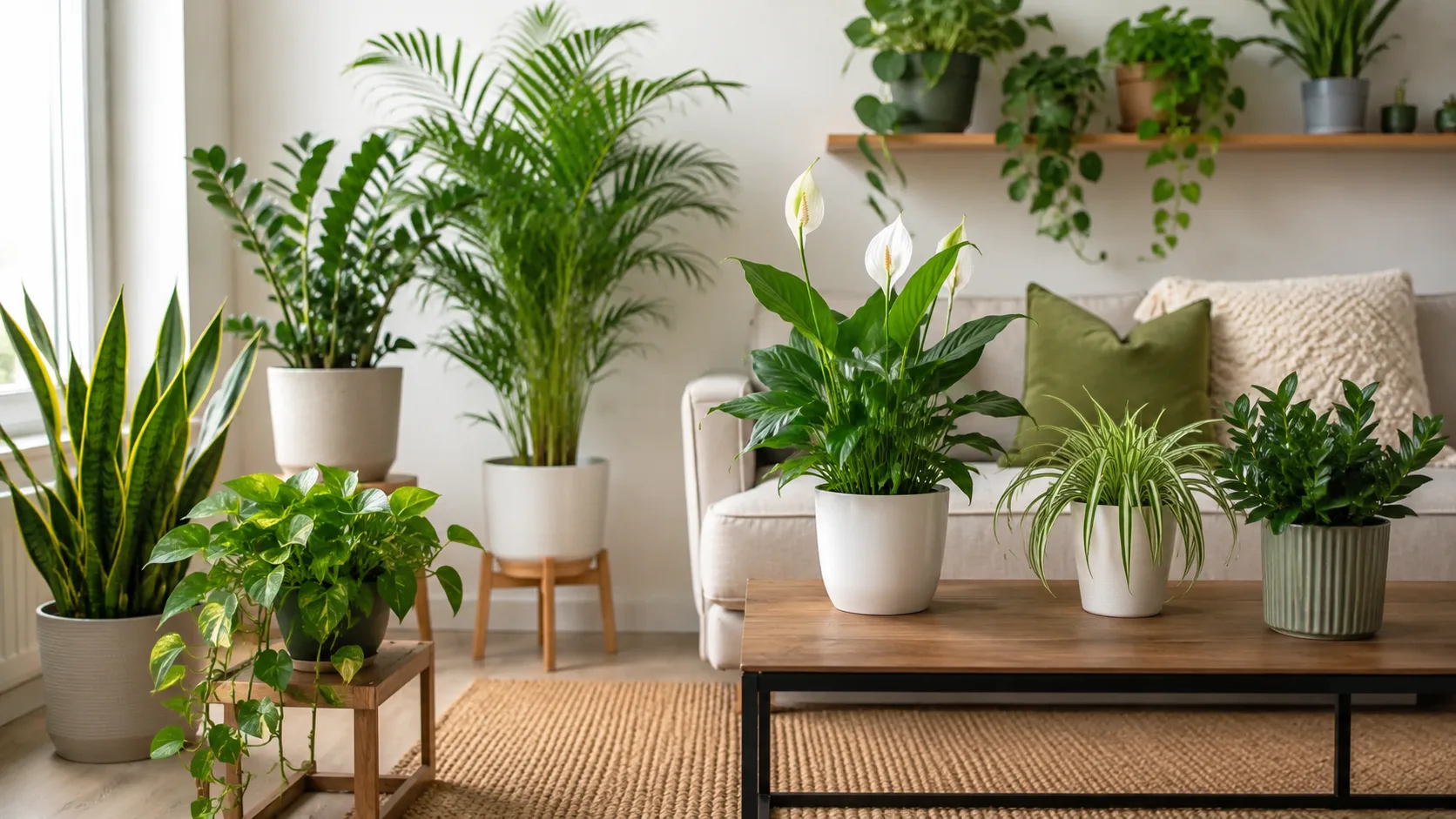
The most regretted houseplant is rarely a “bad” plant. It is usually a beautiful plant placed in the wrong room, handed to someone with the wrong watering rhythm, or sold without explaining what its warning signs mean. A fiddle-leaf fig in a bright, stable home can be a long-lived statement plant; the same tree in a dim corner that gets rearranged every weekend can feel like a monthly crisis.
This guide treats regret as a fit problem, not a blacklist. For each popular troublemaker, you’ll see the care mismatch that causes the frustration, the condition that can make the plant worthwhile, and a better substitute when your home cannot provide that condition.
The regret usually starts before checkout
Three conditions that make a plant feel difficult
Most houseplant disappointment comes from three variables: light, moisture, and change. Light determines how much energy a plant has to replace leaves and grow; moisture determines whether roots can breathe between waterings; and change includes a move home from a greenhouse, a new window, a heating vent, or an enthusiastic shift in watering.
The practical mistake is to shop by appearance alone. A plant with huge leaves may need a bright window, a succulent may need more sun than your living room gets, and a trailing vine may need more frequent checks than an upright plant even if both are labeled “easy.” Garden Ninja’s beginner guidance makes the same useful point in plain terms: overwatering and wrong light are bigger threats than a week of neglect, and the plant should be matched to the conditions you actually have. (Garden Ninja’s low-maintenance houseplant guide)
The two-minute fit check
Before you buy, stand where the plant will live and answer three questions. First, is the spot truly bright, or does it only look bright to human eyes? Second, when you remember to water, are you likely to drench the pot and then wait, or add a small splash every few days? Third, can you keep the plant in one stable place away from a radiator, air-conditioning vent, cold glass, pets, and small children?
If you cannot answer those questions, choose a plant with a wider margin for error. A nursery tag can describe ideal conditions, but it cannot know your window, pot, tap water, or travel schedule. That is why the best replacement is not always the plant with the lowest care rating; it is the one whose failure mode you can notice and correct.
Fiddle-leaf fig: a beautiful plant with a narrow margin for error
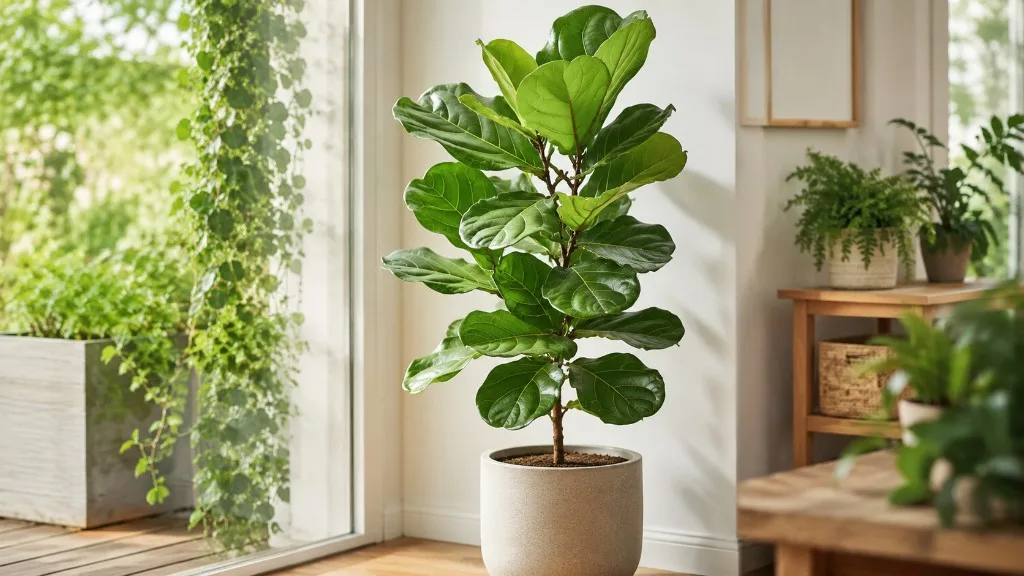
Fiddle-leaf fig (Ficus lyrata) earns its reputation for drama honestly. Its large leaves make a room look finished, but they also show every mismatch: too little light can produce thin, stretched growth, too much direct afternoon sun can scorch leaves, and a sudden move can trigger leaf drop. North Carolina Extension describes it as a tropical tree that prefers bright indirect light or partial shade, moist but well-drained soil, protection from afternoon sun, and temperatures above 55°F. It also notes that both too much and too little water can cause leaf drop. (North Carolina Extension Gardener Plant Toolbox: Fiddle-leaf fig)
The common regret is not that the plant needs water. It is that the owner cannot tell whether a dropping leaf means drought, wet roots, a cold draft, or the stress of being moved. Start with placement: give the plant a stable spot near a bright window, rotate it a quarter turn every week or two rather than relocating it, and use a pot with a drainage hole. Water thoroughly when the mix has begun to dry, then empty the saucer; do not keep the root ball permanently wet to prevent a future leaf from dropping.
There is a real payoff when the setup fits. Joy Us Garden’s practical fiddle-leaf fig notes emphasize that insufficient natural light is a common reason these plants look poor, while also warning that they can be fickle indoors. Its advice from growing in a bright greenhouse and coastal home is useful as experience, not a promise that every apartment will produce the same result. (Joy Us Garden’s fiddle-leaf fig care tips)
What to get instead: Choose a rubber plant (Ficus elastica) if you want a tall, broad-leaved silhouette without quite such a narrow margin for error. North Carolina Extension says rubber plants tolerate partial shade or low light, prefer bright indirect light indoors, and should be watered regularly without overwatering; they still dislike cold drafts and abrupt temperature drops. In other words, it is a more adaptable statement plant, not a plant for a dark hallway or a permanently soggy pot. (North Carolina Extension Gardener Plant Toolbox: Rubber plant)
Ferns: a humidity test disguised as a starter plant
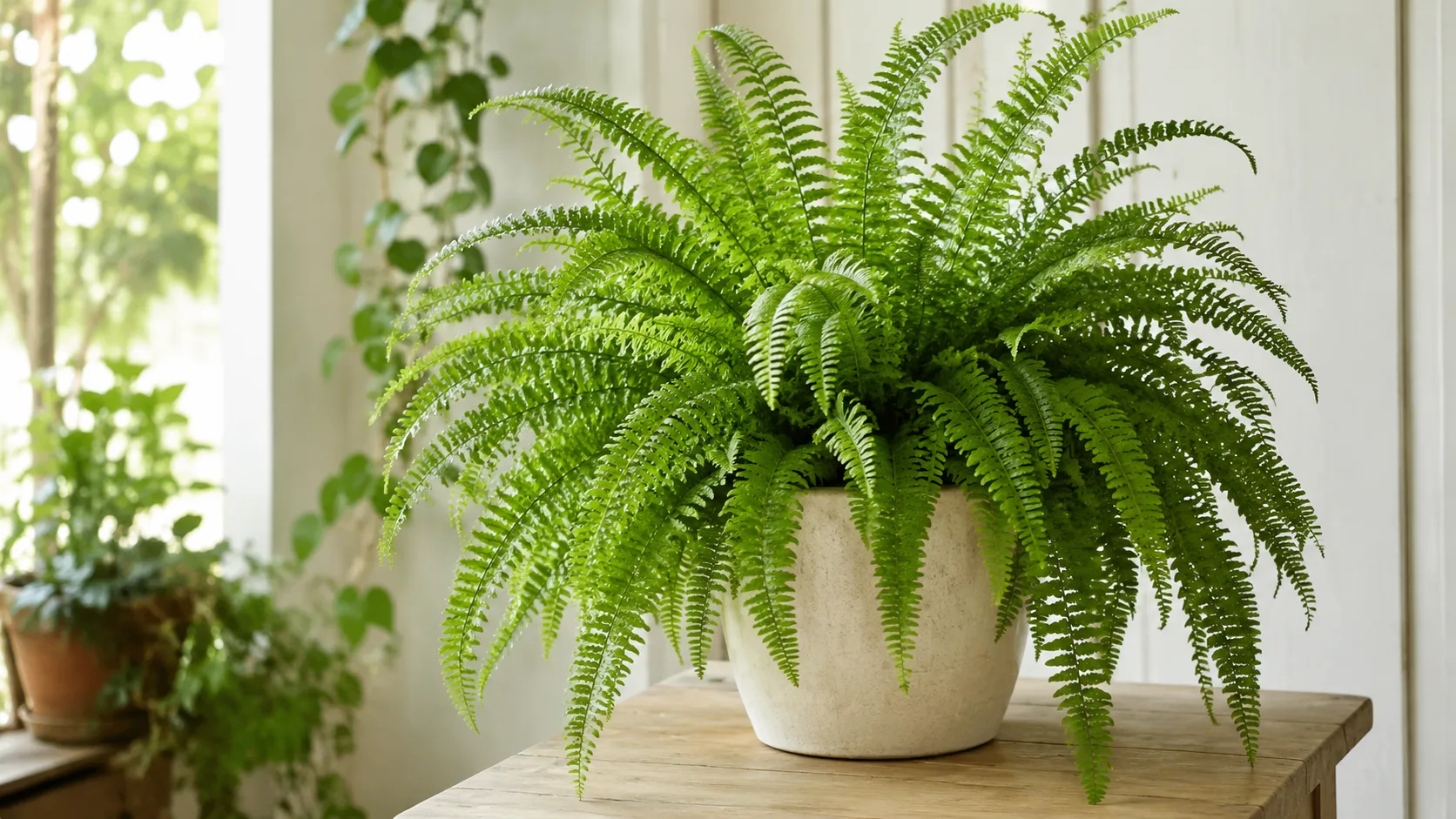
“Fern” is too broad a label for a shopping decision. Boston fern can be a handsome hanging plant, but its care is built around bright indirect light, warmth, high humidity, and soil that does not dry out. North Carolina Extension specifically recommends moist soil that never dries, a humid room or wet-pebble tray, and less watering in winter because overwatering while growth slows can lead to root rot. Dry air also makes spider mites and scale more likely. (North Carolina Extension Gardener Plant Toolbox: Boston fern)
That combination is why ferns become regret purchases for people who travel, heat a dry apartment, or water by calendar instead of checking the soil. A Boston fern may look fine when it comes home from a humid greenhouse and then brown from the edges inward once it meets forced air. Misting can make the foliage feel cared for, but it is not a substitute for a consistently humid room, a suitable location, and a root ball that does not swing from soaked to dry.
Maidenhair fern is an even narrower bet: its fine foliage loses water quickly and collapses when the mix dries. If you want a fern shape, look for a sturdier bird’s-nest fern or choose a cast-iron plant for a low-light, low-drama foliage effect. Keep expectations honest: a more forgiving fern may still appreciate humidity, while a cast-iron plant will trade feathery texture for slower, strap-like leaves.
What to get instead: A cast-iron plant is a strong choice for dim rooms and inconsistent watering. Garden Ninja includes it among its most forgiving houseplants and describes it as tolerant of deep shade and long dry intervals, with overwatering still the main way to damage it. A bird’s-nest fern is the better substitute when the open, leafy shape matters more than absolute neglect, but place it in a warm, indirect-light spot and monitor the mix rather than treating it like a succulent. (Garden Ninja on cast-iron plants and beginner houseplants)
Peace lily: forgiving until your routine is random
Peace lily (Spathiphyllum) is often called easy because it grows in lower light and visibly droops when thirsty. That droop is helpful once you understand it, but it can turn into a stressful loop: the plant collapses, the owner floods the pot, fungus gnats appear, the mix stays wet, and the next droop is blamed on thirst even though the roots are struggling.
North Carolina Extension says peace lilies prefer partial to deep shade, warm conditions, and soil that stays moist but not soggy. It also warns that direct sun, underwatering, and low humidity can brown the tips, while excess fertilizer and salt buildup can burn tips and roots. That is a more useful picture than “water often.” (North Carolina Extension Gardener Plant Toolbox: Peace lily)
Treat the leaves as one signal, not a watering command. Check the mix several inches down, feel the weight of the pot, and water deeply only when the upper portion has started to dry. Keep it away from harsh sun and cold drafts, and remove standing water from the saucer. If it wilts every few days, the answer may be a small pot that dries quickly, roots that have already rotted, or a hot, bright location rather than a need for daily watering.
There is also a household-safety trade-off. Peace lilies contain calcium oxalate crystals and are listed by North Carolina Extension as poisonous if eaten in quantity. If a cat, dog, toddler, or curious bird can reach the leaves, the plant’s placement is part of its care plan, not an afterthought.
What to get instead: For a similar upright foliage presence with less dramatic thirst signaling, try a spider plant in bright indirect light, or choose a cast-iron plant for a dimmer location. Neither provides the peace lily’s white spathes, and the safest choice is always the plant you can keep out of reach. For any pet question, use a plant-specific listing rather than assuming that a “safe” or “toxic” label applies to every cultivar; ASPCA says its database is not all-inclusive and recommends contacting a veterinarian or its poison-control hotline after suspected ingestion. (ASPCA Toxic and Non-Toxic Plants)
Calathea: pattern comes with precision requirements
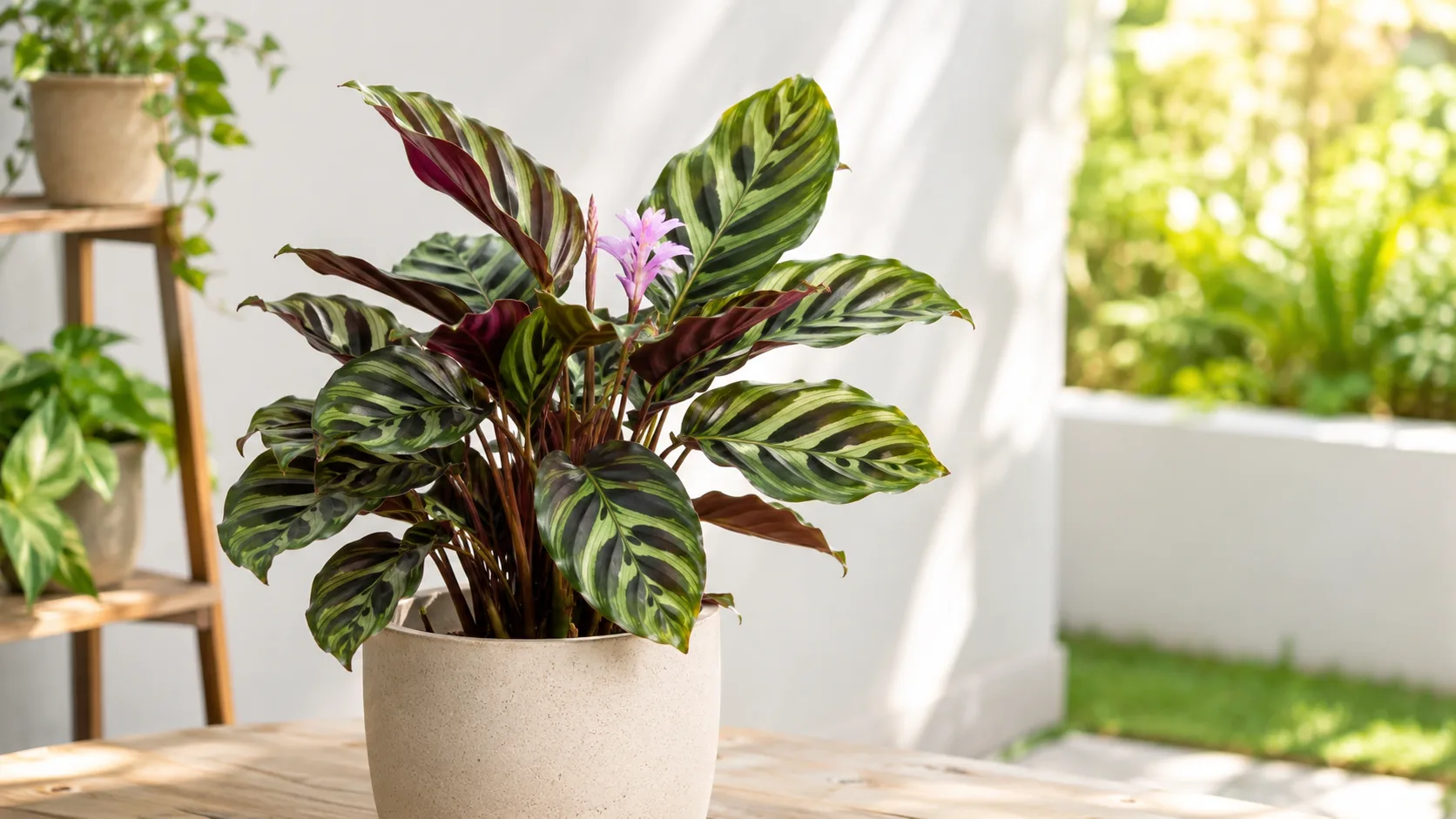
Calatheas, including pinstripe plant types now placed in Goeppertia, are bought for leaves that look painted. They are not impossible, but the visual payoff depends on a narrow combination of bright indirect light, steady moisture, warmth, and humidity. North Carolina Extension’s pinstripe profile calls for moist, well-drained mix that should not dry out, about 60% humidity, temperatures around 65–75°F, and protection from direct sun, cold drafts, and overwatering. Brown leaves can have several causes, including inadequate water, dry air, and direct light. (North Carolina Extension Gardener Plant Toolbox: Pinstripe plant)
That list creates a particular kind of regret: the plant may survive while looking worse every week. Brown margins do not automatically mean you need to mist more; first check whether the pot is drying too far, whether a vent is blowing across it, whether the window is too hot, and whether roots are staying wet. If the water supply is hard or the potting mix has accumulated salts, the leaf edges can keep worsening even when your watering schedule looks consistent.
What to get instead: Choose a peperomia when you want patterned or textured foliage in a smaller package. It is not a zero-care substitute and will still need suitable light and a dry interval before watering, but its compact form makes it easier to place away from drafts and easier to inspect. If what you really love is a trailing, colorful plant rather than the exact calathea pattern, golden pothos is a more forgiving direction: North Carolina Extension describes pothos as low-maintenance, tolerant of long periods in low light, and best watered after the well-drained mix dries between waterings. (North Carolina Extension Gardener Plant Toolbox: Pothos)
Olive tree: a Mediterranean tree in a dim living room
A potted olive tree looks like effortless Mediterranean design, but it is still a sun-loving tree. North Carolina Extension says olive performs best with hot, dry summers, mild, wet winters, fertile well-drained soil, and full sun; it also notes that flowering requires about two months in the 40–50°F range. Those conditions are difficult to reproduce in a warm living room several feet from a window. (North Carolina Extension Gardener Plant Toolbox: Olive)
The most common mistake is to confuse survival with success. An olive may hold leaves in a bright-looking room while producing weak growth, dropping leaves after a move, or never flowering. If you want fruit, you need even more patience: a mature tree, strong light, a suitable container, correct watering, and a seasonal rhythm. Even a sunny window may not provide enough intensity once winter days shorten.
If you already own one, use the brightest unobstructed window you have and consider supplemental light for winter. Use a gritty, free-draining mix, let the upper mix dry before watering, and do not park the pot beside a heater. If the plant can spend warm months outdoors, acclimate it gradually to stronger sun and check for pests before bringing it back in; a sudden move from a shaded interior to hot outdoor light can scorch leaves.
What to get instead: For a tree-like form in a home with less sun, a ZZ plant offers a better fit. Its thick underground rhizomes store water, and North Carolina Extension describes it as drought-tolerant, able to grow in very low light, and best in bright indirect light with complete drying between waterings. It will not give you olives, silver leaves, or a cool winter rest, but it is far more aligned with an ordinary office or living room. (North Carolina Extension Gardener Plant Toolbox: ZZ plant)
Aloe vera: the sunny succulent people overwater

Aloe vera is sold as a beginner plant because it stores water, but that is exactly why many indoor owners kill it. Its thick leaves do not need a little water every few days; they need enough light to grow compactly and a real dry interval between thorough waterings. North Carolina Extension recommends full sun to partial shade, very well-drained succulent soil, several drainage holes, and complete drying between waterings, with less water in winter. It also warns that overwatering can rot the roots. (North Carolina Extension Gardener Plant Toolbox: Aloe vera)
The light side is easy to misunderstand. A plant can be damaged by abrupt, hot direct sun after living in a shaded store, yet become floppy and stretched in a dim room. Acclimate it over a week or more to a brighter window, rotate the pot so growth stays balanced, and do not compensate for weak light by watering more. A soft, collapsing base is an urgent root problem; a wrinkled leaf in an otherwise dry, firm plant is a different signal.
There is a safety detail that deserves more attention than the “medicinal” marketing around aloe. North Carolina Extension lists aloe as low toxicity to humans but poisonous concerns for pets, with ingestion and dermatitis risks. Do not let a child or pet chew the leaf, and do not treat household aloe gel as a substitute for a product or medical advice.
What to get instead: If your real goal is an attractive, low-water plant for a room that is not sunny, pick a snake plant. North Carolina Extension says it tolerates very low light and low humidity, should dry between waterings, and can be watered only every one to two months in winter; overwatering remains the main threat. It is still listed as poisonous if ingested, so keep it out of reach in pet homes. (North Carolina Extension Gardener Plant Toolbox: Snake plant)
Croton: color that depends on the window
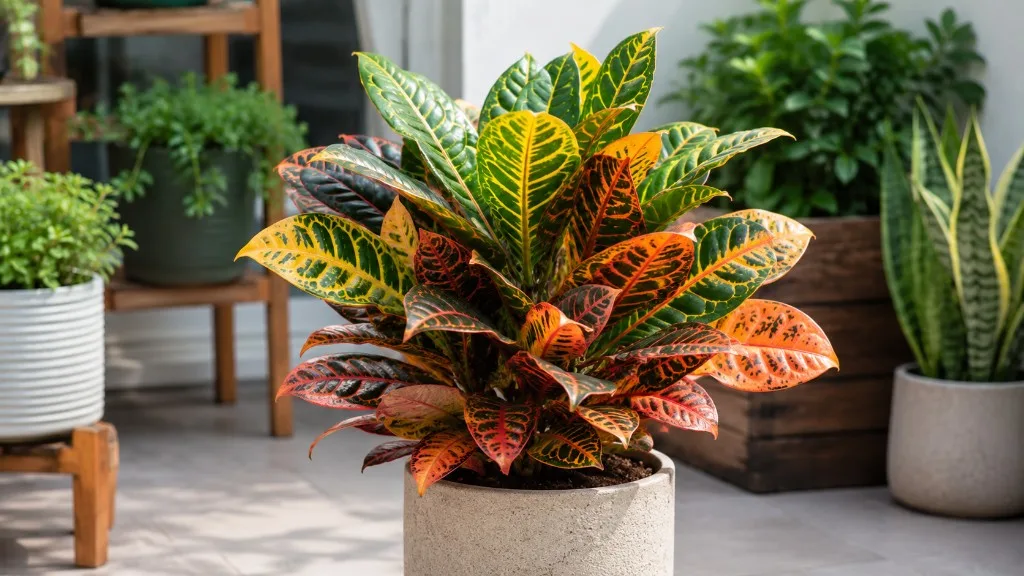
Crotons look like a whole autumn garden in one pot, and the color is genuine—but it is not free. North Carolina Extension says crotons prefer full sun or partial shade, need bright light for their best leaf color, and may lose lower leaves in too much shade. It also notes that they should be watered more liberally from spring to autumn and sparingly in winter, and that spider mites can limit their use indoors. (North Carolina Extension Gardener Plant Toolbox: Croton)
This is a poor match for the person who wants color in a dim room. A croton that arrives vivid from a greenhouse can shed leaves after a move, then look plain and sparse while it rebuilds. Give it a bright, stable window, protect it from cold drafts, let the upper mix begin to dry rather than letting the plant swing from swampy to bone dry, and inspect leaf undersides for mites. The clear sap from broken leaves and stems can irritate skin and stain fabric, so wear gloves if you prune and clean up cuts promptly.
What to get instead: For variegation with a lower-stakes care rhythm, choose a golden pothos or another well-labeled pothos cultivar. Its leaves are not as multicolored and its low-light tolerance does not mean it will keep strong variegation in darkness; North Carolina Extension notes that low light can reduce variegation. The trade is worthwhile if you prefer a plant that stays presentable while you learn how your room dries. Pothos is toxic if chewed, so “easier” does not equal pet-safe. (North Carolina Extension Gardener Plant Toolbox: Pothos)
English ivy: a fast vine that hates dry air
English ivy (Hedera helix) sells the promise of a trailing cottage-garden window. Indoors, it can still be attractive, but it dries quickly, attracts mites in dry air, and becomes bare when the growing conditions slide. Outdoors, the stakes are higher: North Carolina Extension describes English ivy as an aggressive vine that can climb trees, smother native seedlings, damage surfaces, and become nearly impossible to eradicate once established. It recommends a patio container rather than planting it outdoors where it is invasive. (North Carolina Extension Gardener Plant Toolbox: English ivy)
Keep an indoor ivy away from hot windows and radiators, water when the top portion of the mix has dried, and check the fine stems and leaf undersides for mites. A hanging pot can dry faster than a tabletop pot even in the same room, so a calendar interval is particularly unreliable. If a large section is bare, pruning can encourage new growth, but only after you correct light and moisture; trimming a stressed vine does not fix the environment.
What to get instead: Heartleaf philodendron or pothos gives a similar trailing silhouette with thicker leaves and a more forgiving response to missed waterings. Pothos is especially straightforward for a first hanging basket, provided it gets bright indirect light for strong growth and the mix dries between waterings. Do not plant English ivy outdoors as a “better” solution, and remember that both pothos and philodendron are toxic if pets chew them.
Pick the replacement by your actual routine
If you forget to water
Start with a snake plant or ZZ plant, not a fern, calathea, peace lily, or ivy. Both snake plants and ZZ plants tolerate a substantial dry interval, but neither can manufacture light: give them bright indirect light when possible, use a pot with drainage, and wait until the soil is dry before watering thoroughly. Pothos is a good middle ground if you want a vine and can check it weekly.
If the room is dim
Choose a snake plant, ZZ plant, or cast-iron plant. “Low light” means the plant can tolerate less direct sun than a citrus tree or aloe, not that it will thrive in a windowless room forever. In a space with no useful daylight, a grow light is part of the room’s plant budget; move the plant closer to the window before moving to a more complicated species.
If pets or children can reach it
Safety narrows the list before care does. Boston fern is listed by North Carolina Extension as non-toxic for cats and dogs, while many of the popular swaps above—including peace lily, aloe, snake plant, ZZ plant, pothos, fiddle-leaf fig, rubber plant, croton, and English ivy—carry toxicity warnings or irritant sap. Confirm the exact plant name in a current, plant-specific database and put any questionable plant behind a barrier. ASPCA notes that its list is a compilation rather than an all-inclusive catalog, and that eating any plant material can cause gastrointestinal upset in dogs and cats. (ASPCA plant-safety guidance)
Give any new houseplant a fair first month
Quarantine, acclimate, and observe
Even the “easy” replacement can fail if it is moved straight from a humid, bright nursery to a dark shelf and watered on the first three days. For the first month, keep a new plant separate from your collection when possible, inspect the soil and leaf undersides for pests, and avoid repotting unless the container is broken, the roots are failing, or the mix is staying dangerously wet.
Acclimate to light in stages. A plant from a shaded store may scorch if put immediately in intense afternoon sun; a plant carried home from bright production light may stretch if pushed into a hallway. Change one variable at a time, keep the plant in one place long enough to observe a new leaf or a stable moisture cycle, and record the date you water rather than copying a weekly schedule.
Use the pot as a diagnostic tool. Lift it before watering, check the mix below the surface, and watch how long it takes to dry in that exact room. Yellow lower leaves with wet mix suggest a different problem from crisp tips with bone-dry mix, and neither is fixed by fertilizer until the root environment is understood. If pests appear, isolate the plant, identify the pest, and follow a labeled treatment rather than spraying a homemade mixture across every leaf.
The goal of the first month is not perfect growth. It is a readable baseline: where the plant sits, how quickly it uses water, how it responds to the window, and whether anyone in the household can reach it. Once those answers are clear, care becomes a small routine instead of a string of emergency guesses.
Conclusion
The plants people regret buying are often the plants they bought for a photograph instead of for a room. Fiddle-leaf figs, ferns, peace lilies, calatheas, olive trees, aloe, crotons, and English ivy can all be rewarding when their light, moisture, humidity, temperature, size, and safety needs fit the household; the regret starts when those needs are treated as optional.
Choose the replacement by the problem you can actually solve. Rubber plants offer a more adaptable statement tree, cast-iron plants and snake plants forgive dimmer rooms, ZZ plants handle dry intervals, pothos gives a trailing shape, and a Boston fern remains a good pet-aware choice when you can provide moisture and humidity. Put the plant in the right light, let the mix tell you when to water, keep it stable for the first month, and you are far more likely to enjoy the plant you bought than to resent the care it needs.