Spring Tree Pruning Mistakes to Avoid (Arborist Guide)
Spring pruning can help or hurt your trees for decades. Avoid the five mistakes arborists regret most, with species timing, collar cuts, and when to call a pro.
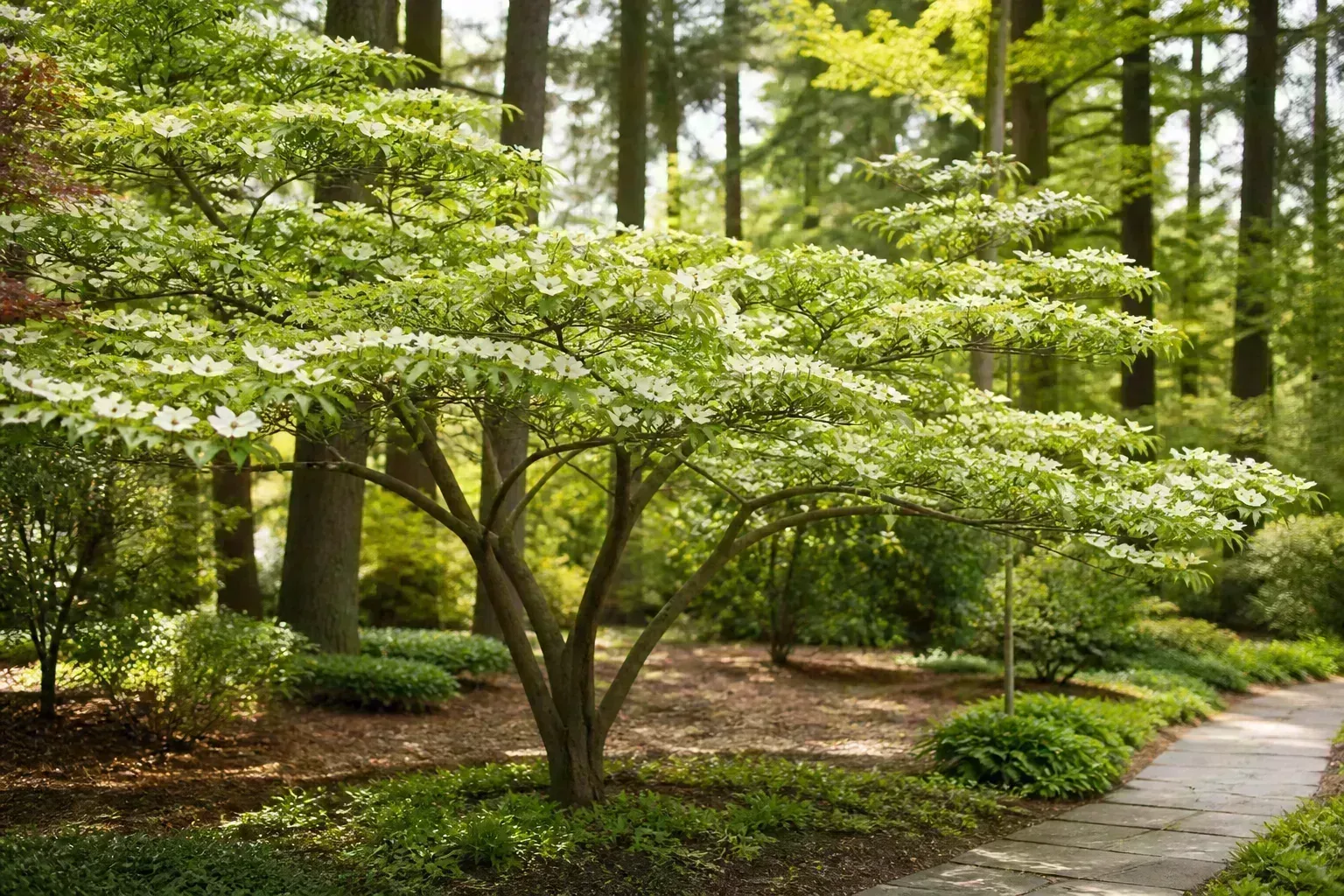
You bought the loppers, cleared a Saturday, and walked out to the backyard ready to open up the canopy. By afternoon the tree looks shorter—or tidier—and you feel productive. Three summers later the same tree is a tangle of weak shoots, an ugly wound that never closed, or a spring bloom that never came back. Spring tree pruning mistakes rarely announce themselves on cut day. They show up as structural failure, chronic disease, or a bill from a certified arborist to fix what a single afternoon of bad cuts started.
Arborists spend March through May undoing the same five errors: topping for height control, pruning at the wrong species-specific window, leaving stubs or flush cuts, neglecting structure for years, and working in weather that spreads pathogens. None of these require a forestry degree to avoid. They require knowing which tree you have, what season it actually needs, and where on the branch to place the blade. This guide walks through each mistake, the biology behind why it hurts, and the fixes you can apply this season—plus clear lines for when the job belongs on a professional’s schedule.
Why Spring Pruning Demands a Plan, Not Impulse Cuts
Spring feels like the obvious pruning season because everything is waking up. That visibility is useful—you can finally see crossing branches, winter dieback, and the overall skeleton—but “spring” is not one timing window. For many deciduous shade trees, the best moment was late winter, while the tree was still dormant and insects were scarce. For a flowering dogwood or eastern redbud, the right moment is after bloom. For an oak in oak-wilt country, a poorly timed April cut can be catastrophic.
Good pruning is a long-term structural plan, not an annual hack. Wisconsin Horticulture Extension recommends removing no more than you need for health and clearance, making collar cuts on large limbs, and timing work to minimize disease—especially on oaks (Wisconsin Horticulture Extension). The five mistakes below are where that plan usually breaks down.
Mistake 1: Topping the Canopy to “Control” Height
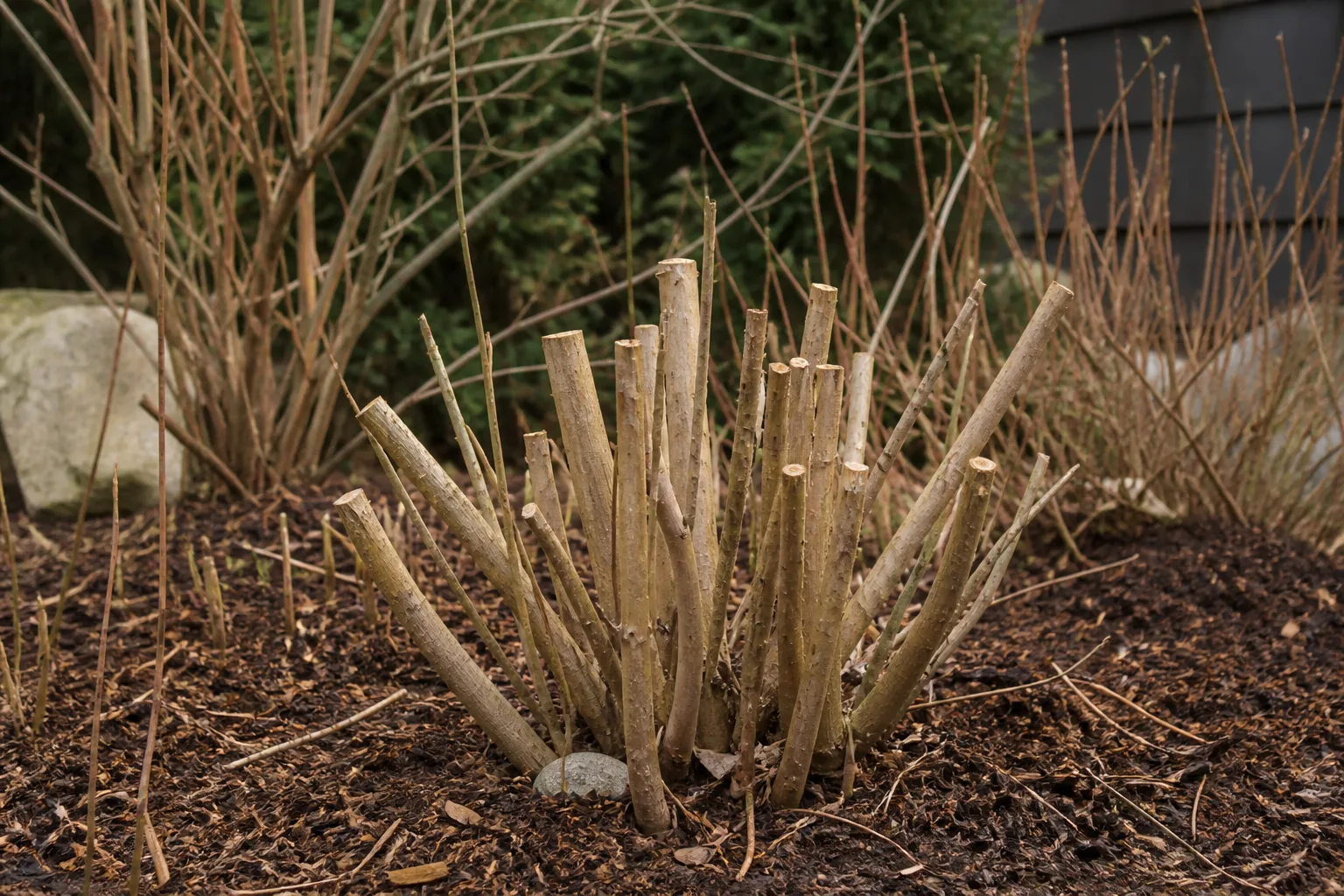
Topping—cutting main leaders or large scaffold branches back to stubs—is the single most destructive “quick fix” in residential tree care. Homeowners top trees to restore a view, reduce shade, or keep branches away from the roof. Utility crews sometimes reduce clearance near lines, but that is a managed exception with follow-up, not a template for backyard maples.
What Topping Does to Apical Dominance and Structure
Healthy trees grow through apical dominance: hormones from the terminal bud suppress excessive side branching so the canopy develops one coherent architecture. Cut that leader off flat, and the tree loses the signal. Within a few seasons it responds with a burst of water sprouts—thin, upright shoots with weak attachment angles that compete for dominance.
The result is the opposite of what you wanted. Shade often returns heavier within three to five years because the crown fills with dense, poorly attached regrowth. Wind and ice load concentrate on those weak unions. Large topping wounds compartmentalize slowly—if they ever do—leaving decay columns that undermine trunks for decades. Topped trees frequently cost more to manage and remove than properly reduced trees would have.
Crown Reduction vs. Topping: What to Ask an Arborist For
If height or spread is the real problem, ask a certified arborist about crown reduction: shortening branches back to lateral limbs large enough to assume the terminal role—typically at least one-third the diameter of the removed section. Reduction preserves natural form, limits wound size, and spreads change across years when necessary.
View enhancement over a lake or valley can be done gradually across five to ten years with selective thinning and reduction—not one aggressive chop. If an arborist mentions “topping” as the solution for a healthy landscape tree, get a second quote. If the tree is already topped, plan incremental structural correction over multiple seasons rather than repeating the cut.
Mistake 2: Pruning at the Wrong Moment in Spring
Timing mistakes do not always kill trees outright. They waste flowers, stress sap-heavy species at the worst moment, or open oaks and fruit trees to pathogens when spores and insects are active.
Late Winter, Early Spring, and Mid-Growth: Which Window Fits Your Tree
For most deciduous shade trees—maples, birches, lindens, many elms—the ideal window is late winter through very early spring, before buds swell and while the tree is still largely dormant. Cuts made then close as growth resumes, and you can read branch structure without leaves in the way. Wisconsin Extension notes that late fall through winter is generally best for deciduous trees, with wound closure slower once warm, disease-active weather arrives (Wisconsin Horticulture Extension).
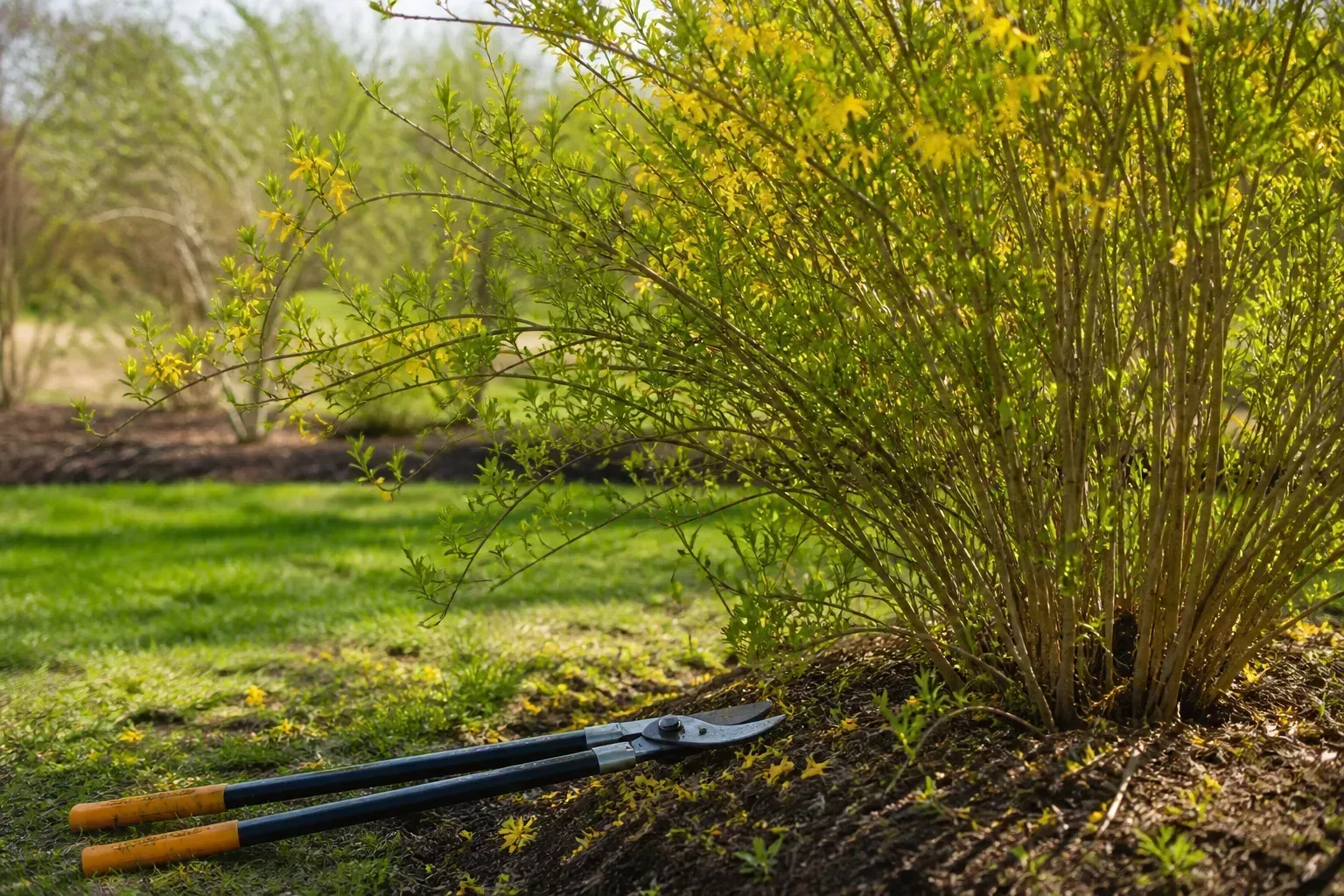
Once leaves are expanding hard, routine thinning and size work become more stressful. The tree is allocating stored reserves to new tissue; large cuts then bleed energy and reopen longer. An exception always applies: dead, damaged, and diseased wood can come out any time—it is a safety and sanitation issue, not a cosmetic schedule.
Sap bleeders—maple, birch, walnut, elm—may drip heavily if pruned in late winter. The flow looks alarming but does not harm the tree; if the sight bothers you, wait until just after full leaf-out for minor work, or prune in true dormancy and accept temporary dripping.
Oak wilt zones: avoid pruning oaks during the growing season when beetle vectors are active—typically April through July in many Midwest and Great Lakes regions. If storm damage forces a summer oak cut, Wisconsin Extension recommends a labeled wound treatment immediately to deter beetles (Wisconsin Horticulture Extension). That is one of the rare cases where paint has a purpose.
Spring-Flowering Trees Need a Different Calendar
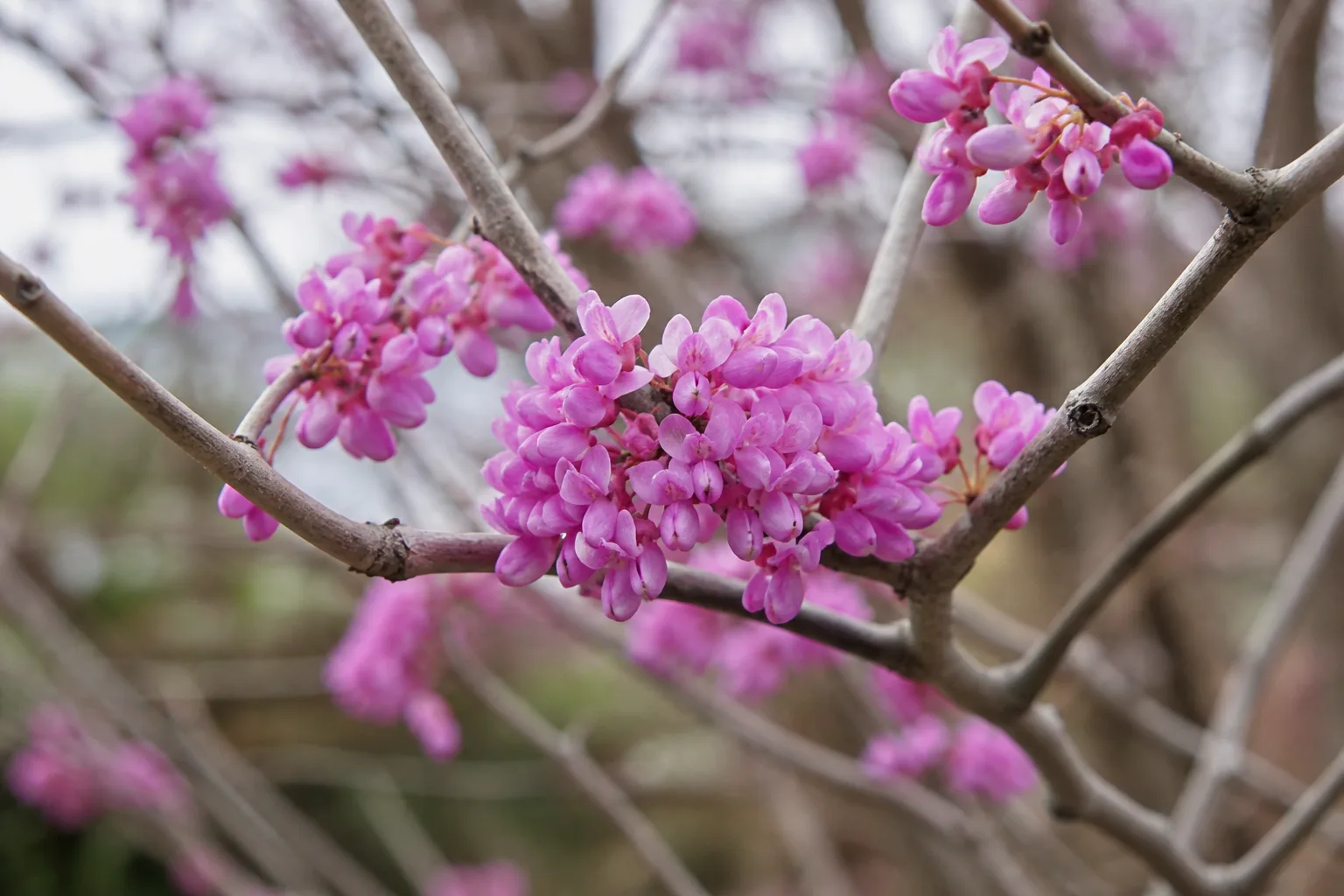
Trees that bloom before or with early spring leaves set flower buds the previous summer. Prune them in late winter and you remove this year’s display.
| Tree type | Prune when | Why |
|---|---|---|
| Flowering dogwood, eastern redbud, magnolia, ornamental cherry/plum | Immediately after bloom fades | Buds for next spring already formed on old wood |
| Lilac | Within two weeks after flowers fade | Before new bud wood hardens for next year |
| Forsythia | Right after bloom | Same bud-setting pattern as other spring shrubs |
| Summer-blooming trees (crape myrtle, rose of Sharon) | Late winter to early spring | Flowers form on new season’s growth |
For deeper species guidance, see our guides on how to prune a dogwood tree, eastern redbud care, and forsythia in spring.
Fruit trees split the calendar again. Apples and pears are usually pruned in late winter while dormant—structure and light penetration matter more than bloom timing. Stone fruits (peach, plum, cherry) are often pruned in late winter into February in many climates, before the most active pathogen window, though regional extension sheets adjust for local disease pressure. Our apple fruiting guide covers how pruning interacts with crop load—not just timing.
Mistake 3: Bad Cuts, Stubs, and Flush Trimming
When matters. How you cut determines whether the tree seals the wound or hosts decay for the life of the trunk.
The Branch Collar Rule and the Three-Cut Method
The branch collar is the slightly swollen ring of trunk tissue where a branch attaches. It contains the cells that compartmentalize decay—essentially the tree’s wound-response zone. A flush cut shaves through that collar and leaves a wound the trunk cannot close cleanly. A stub cut leaves dead wood beyond the collar that dies back, cracks, and invites canker.
The correct placement is just outside the collar—not flush to the trunk, not an inch out on the branch. On small limbs, one clean bypass cut suffices. On branches heavier than about 1.5 inches, use the three-cut method Wisconsin Extension illustrates:
- Undercut 12–18 inches from the trunk, one-third through from below.
- Top cut a few inches farther out until the branch drops— the undercut prevents bark stripping down the trunk.
- Final cut just outside the collar, from top down, removing the stub without damaging collar tissue.
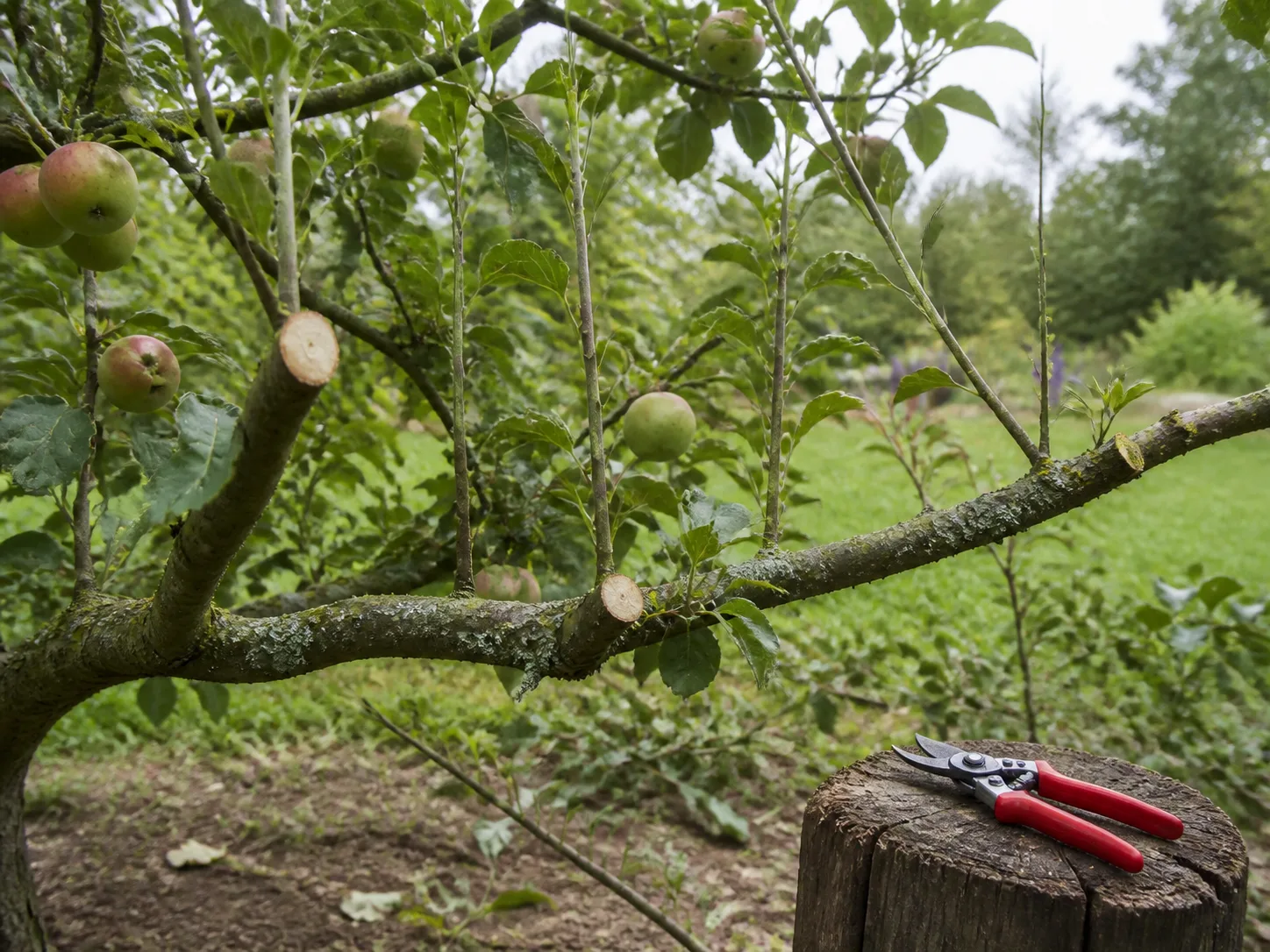
Big Blog of Gardening groups flush cuts and stubs among the top disease-spreading errors because both leave wood that cannot compartmentalize quickly—open pathways for fungi and bacteria.
Tool Sanitation, Sharp Blades, and the 25% Canopy Cap
Dull tools crush cambium instead of slicing it, enlarging the wound zone. Dirty tools move fire blight, verticillium, and canker from one branch—or one tree—to the next. Wipe bypass blades with 70% isopropyl alcohol or a 1:9 bleach solution between trees; between cuts when you suspect disease.
Do not confuse cleaning with over-cutting. Removing more than about 25% of live canopy in one year triggers stress sprouting, reduces photosynthetic capacity, and produces the thin-tipped “lion’s tail” look—interior stripped bare with foliage only at the ends. If major renovation is needed, spread it across two or three dormant seasons.
Skip wound paint and tar on most landscape trees. Research consistently shows sealers trap moisture and slow natural closure. The oak-wilt exception noted above is regional and species-specific—not a reason to paint every maple cut.
Mistake 4: Letting Structure Slide for Years
The fourth mistake is not doing something: waiting until a tree is overgrown, then removing large limbs in one dramatic session. Neglected trees develop co-dominant leaders, bark-included unions, and crossing branches that should have been corrected at pencil thickness.
Fixing structure on a five-year-old tree takes minutes and small wounds. Correcting the same defects at twenty years means removing limbs several inches thick—each cut a major energy and decay risk. Sharon Yiesla of the Morton Arboretum has noted that delayed pruning often forces large removals that stress trees past their recovery capacity—a pattern any arborist recognizes in emergency calls after storms.
Start early: pick one dominant leader on young shade trees, remove competing trunks while they are small, and eliminate rubbing branches before bark embeds. A ten-minute annual walk-around beats a weekend of crisis cutting after a branch fails.
Mistake 5: Pruning in Wet, Hot, or Unstable Weather
Weather is the mistake homeowners underestimate because the calendar says “spring” and the forecast says “rain.”
Dry Bark, Stable Temperatures, and Disease Pressure
Wet bark turns pruning into a disease delivery system. Splash moves spores and bacteria from infected wood, soil, and neighboring plants into fresh cuts. Big Blog of Gardening lists wet-branch pruning among the top spreaders; commercial almond research documents sharply higher canker infection when wounds are exposed to rain immediately after cutting (Sacramento Valley Orchards).
Practical rule: postpone elective pruning until bark is dry to the touch and you expect at least 48 hours of dry weather afterward. Morning dew on otherwise dry wood is usually acceptable for small jobs; active rainfall is not. Our full guide on pruning wet tree branches walks through fruit-tree stricter thresholds and when hazard removal cannot wait.
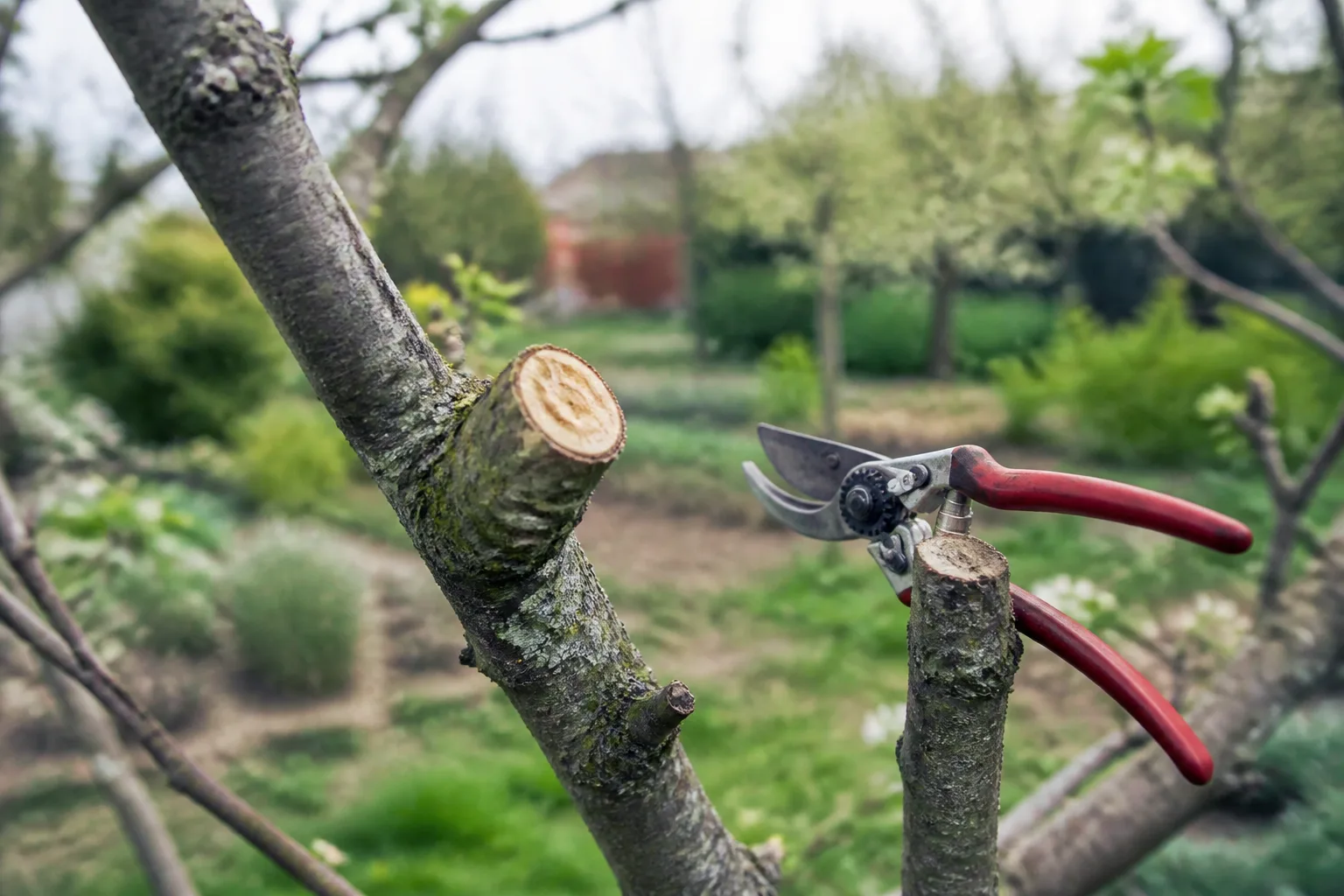
Heat spikes matter too. Pruning during a sudden jump into summer temperatures—especially right after a cold stretch—adds stress when the tree is already reallocating resources. False spring warm spells followed by hard freezes can make fresh cuts more vulnerable on sap-active species.
A Species-by-Species Spring Pruning Calendar
Use this table as a starting point; always confirm with your state extension for local disease windows.
| Category | Examples | Best spring window | Critical notes |
|---|---|---|---|
| Spring bloomers | Dogwood, redbud, magnolia, cherry, forsythia | After flowers fade | Early pruning removes buds set last fall |
| Summer bloomers | Crape myrtle, rose of Sharon | Late winter–early spring | Bloom on new wood |
| Sap bleeders | Maple, birch, walnut, elm | Late winter (accept sap) or just after leaf-out for light work | Bleeding is cosmetic, not fatal |
| Oaks (wilt areas) | Red, white, bur oak | Dormant season only; avoid Apr–Jul | Label wound treatment if summer storm cut required |
| Pome fruit | Apple, pear | Late winter before bud break | Structure + light for crop; see apple guide |
| Stone fruit | Peach, plum, cherry | Late winter into February in many regions | Monitor for bacterial canker in wet springs |
| Evergreens | Pine, spruce, fir | Late spring after new candles extend | Do not cut into bare old wood on most conifers |
When DIY Pruning Stops and an Arborist Should Take Over
Home pruning is appropriate for small-caliper branches, ground-level work, and training young trees you can reach with both feet on the ground. Call a certified arborist when:
- Branches exceed 4–5 inches diameter or require chainsaw work off the ground
- The tree is within 10 feet of utility lines—always contact the utility first
- You see included bark, co-dominant trunks, or recent lean after storms
- Disease is suspected (oak wilt, Dutch elm, fire blight on pears) and timing or disposal matters
- The goal is size reduction on a mature tree near structures
An ISA-certified arborist consultation for a single problematic tree often costs less than correcting a topping job—or removing a failed limb from a roof.
Conclusion
The five spring tree pruning mistakes arborists see most often—topping, wrong timing, poor cuts, years of neglect, and bad-weather work—share one theme: treating pruning as a one-time chore instead of a seasonal decision. Before you cut, name the species, check whether bloom or sap changes the calendar, locate the branch collar, and verify dry weather ahead. Remove dead and dangerous wood promptly; postpone cosmetic and structural work when conditions fight you.
Done with intention, spring pruning sets scaffold branches, improves clearance, and keeps flowering trees blooming where you expect them. Done impulsively, the same cuts echo for decades in weak regrowth, open wounds, and lost blooms. When in doubt, make fewer cuts this year and schedule a professional assessment for next dormant season—your future self, and your tree, will prefer that patience.



