25 Types of Sunflowers for Color, Height, and Cutting
Choose sunflower varieties for containers, pollinator beds, bouquets, or seed harvest, with practical notes on space, pollen, and saving seed.
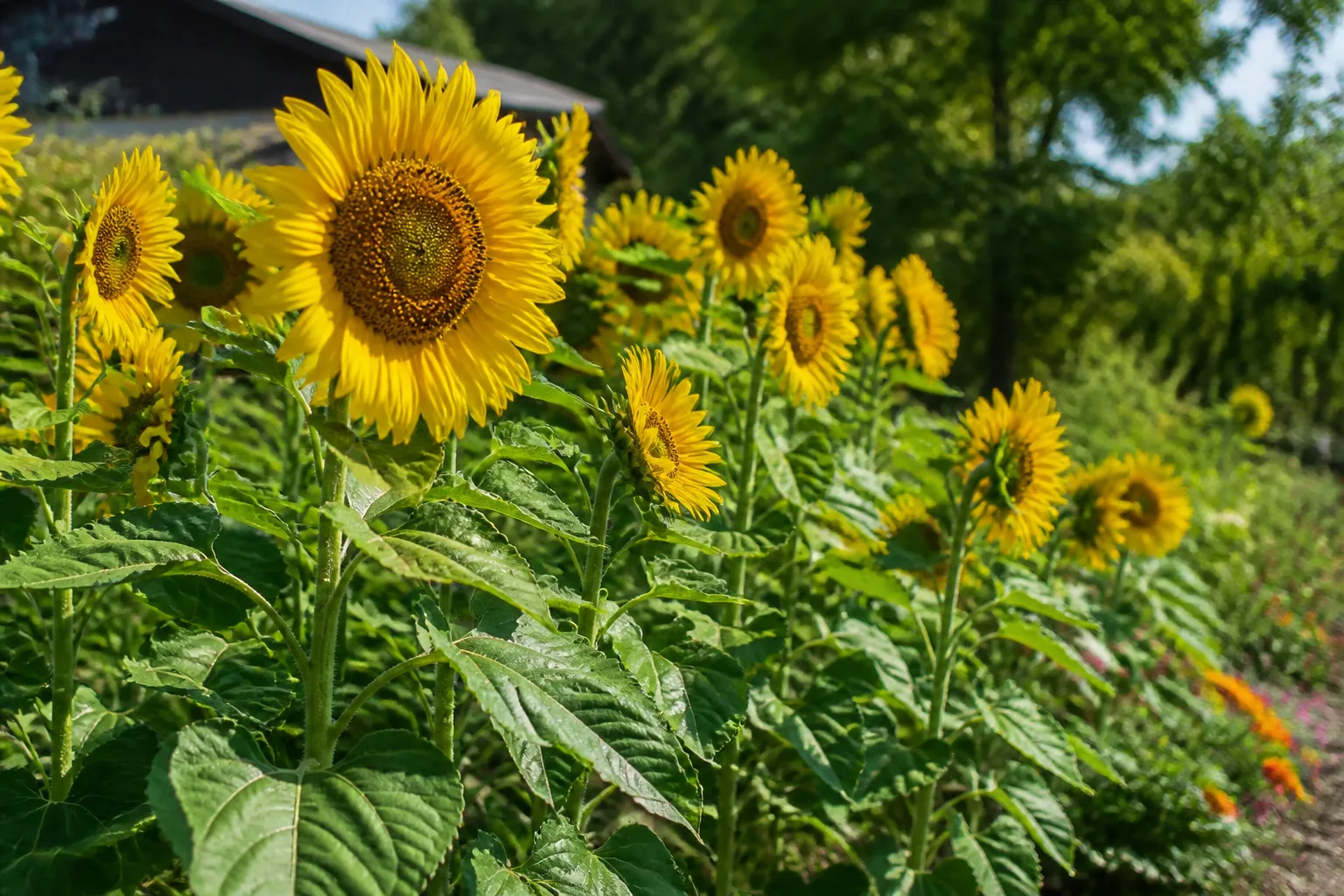
The best sunflower is the one that fits the space and gives you the result you want. A 12-foot giant with a dinner-plate-size head is thrilling in an open bed, but a compact, branching plant is easier to enjoy on a patio; a single-stem hybrid is tidy for bouquets, while a pollen-bearing, open-pollinated flower makes more sense if you want insects to forage and plan to save seed.
Below are 25 garden favorites grouped by those differences. Height and bloom size are estimates, not promises: light, soil, spacing, weather, and the particular seed strain all affect the plant you actually grow. Use a variety name to shortlist packets, then follow the grower’s current instructions for that seed lot.
Quick choices: pick a sunflower for the job
| Your priority | Start with | What to expect |
|---|---|---|
| A dramatic seedhead | Mammoth Russian, Titan, or Skyscraper | Tall plants need a roomy, sheltered spot and may need staking. |
| A small patio pot | Teddy Bear, Double Dandy, Firecracker, or Sonya | Compact plants are easier to manage, but a container still needs drainage and regular water. |
| A long picking season | Taiyo, Sonya, Buttercream, or another branching type | Side stems can flower after the first bloom; give the plant more room than a single-stem type. |
| A clean indoor bouquet | ProCut White Nite, ProCut Plum, or ProCut Horizon | Many ProCut selections are pollenless, single-stem hybrids intended for cutting. |
| Bees and seed saving | Hopi Black Dye, Mammoth Russian, Italian White, or another pollen-bearing open-pollinated selection | Confirm the packet is open-pollinated if saving seed matters. |
If you want to grow for two goals, plant two types instead of asking one cultivar to do everything. A few pollen-bearing flowers can support a wildlife bed, while a short row of single-stem ProCut plants gives you consistent bouquet stems.
What “types of sunflowers” actually means
Most garden names in this list are cultivars of common sunflower (Helianthus annuus), not separate species. The genus Helianthus includes annual and perennial species, but Mammoth Russian, Teddy Bear, and the familiar cut-flower hybrids are selections within the annual garden sunflower. NC State Extension’s plant database describes the common sunflower as an annual and lists named cultivars; the Royal Horticultural Society’s guide to Helianthus likewise distinguishes annuals, perennials, single stems, branching habits, and a wide range of flower colors.
For choosing seed, focus on three separate traits. Single-stem plants usually make one main flower stem for a concentrated harvest. Branching types make side stems and can extend the display or cutting season. A cultivar may also be described by flower form—single, double, quilled, or pollenless—so “dwarf” and “red” alone will not tell you how it behaves.
25 sunflower cultivars, grouped by what they do best
The height ranges below are useful for planning, not a guarantee. Sunflowers can finish shorter in a small pot or crowded bed, and a long, favorable season can push vigorous cultivars taller than expected.
Giants for height and seedheads
Mammoth Russian. Choose this classic when you want a tall, old-fashioned sunflower and a large head that can mature striped seeds. It commonly reaches roughly 8 to 12 feet in a good site, so do not tuck it into a narrow bed beside a path. Give it sun, deep soil, space for the stem, and a position where a heavy head will not lean across a fence or neighboring plants.
Skyscraper. This is another tall, golden-yellow choice for the back of a border or a garden competition. Its mature size depends strongly on soil, water, and the seed strain, so use the packet’s figure when deciding where it belongs. It can branch or produce side flowers depending on the selection; if you need a single exhibition head, look for a packet that clearly specifies a single-stem type.
Titan. Titan is for gardeners who want a very large bloom and a substantial plant, not for a small raised bed. Expect a tall plant, often around 10 to 14 feet under favorable conditions, with a large yellow head and seeds that can interest birds. Keep it away from strong wind corridors, and install a sturdy support while the plant is young rather than driving a stake through established roots.
Hopi Black Dye. This tall, pollen-bearing sunflower is grown both for its dark seeds and for its documented cultural use: Native Seeds/SEARCH’s Hopi Black Dye sunflower resource records Hopi use of the seed as a dye source for fibers and basketry. Treat that heritage as living cultural knowledge, not a novelty craft claim. The plant needs open ground and a long season; choose it if you have room and value its seed and history as much as its flower.
Classic, pollinator-friendly, and multiuse flowers
Taiyo. A Japanese heirloom, Taiyo has the familiar golden rays and a large dark central disk. It is often grown for its showy heads and useful cutting stems; branching plants can also keep producing flowers beyond the first one. Birds & Blooms names Taiyo a cut-flower favorite, while actual plant height and head size vary by seed source and spacing.
Italian White. Cream-to-white petals around a dark center make this a useful contrast to bright yellow varieties. Plants are usually medium-tall, around 5 to 7 feet, and can branch, giving you more than one flower to cut. It still needs full sun and enough room for side stems. For a very pale display, plant it where the blooms are visible against foliage or a darker background.
Buttercream. Buttercream offers a quieter color: soft yellow petals with pale tips and a brown center, on a plant generally around 3 to 4 feet tall. Its smaller scale and branching habit can suit a mixed border better than a giant with a heavy head. Use it when you want several delicate blooms rather than one oversized focal flower, and leave enough space for its side branches.
Stella Gold. Stella Gold stands out for long, narrow, quill-like golden petals instead of the broad rays of a classic sunflower. Plants are commonly listed at about 4 to 6 feet, with smaller heads that bring texture to a cutting garden. It is a better choice for a distinctive bouquet accent than for a giant seed harvest; check a current seed listing for the exact habit and days to bloom.
Sonya. Sonya is a compact, branching orange sunflower with a dark center, often listed around 2 to 3 feet tall. Multiple side stems make it productive for its size and useful along a path or in a roomy container. University of Illinois Extension’s cultivar list describes Sonya as branching, a helpful detail if you want repeated side blooms rather than one main stem.
Burgundy, bronze, and bicolor blooms
Moulin Rouge. Deep red to burgundy petals give Moulin Rouge a dramatic look, especially beside cream flowers or ornamental grasses. It is usually a medium-tall, branching plant, so expect several stems rather than a perfectly uniform single harvest. The color can look redder or browner with light and bloom age. Choose it for a dark cut flower or border accent, and check the seed packet if pollenlessness is important.
Chocolate Cherry. Chocolate Cherry combines burgundy-red petals with a very dark disk, making it one of the most dramatic choices in a warm-colored bed. The branching habit can provide multiple cuts, and the plant may reach several feet—often taller than a compact patio variety. It is a color choice rather than a dependable seed-harvest pick; buy fresh seed if the packet is a hybrid.
Terracotta. Terracotta’s petals shift among rust, clay, orange, and gold as the flower matures, so it looks especially at home in an autumn palette. The branching plant is usually about 5 to 7 feet tall. Because the bloom changes with age, cut a few at different stages for a bouquet with built-in tonal variation. Confirm pollen status on the current listing rather than inferring it from the flower color.
Ruby Eclipse. Ruby Eclipse gives a mixed palette on one plant, with shades reported from cream and dusty rose to ruby. Its branching stems are useful when you want a batch of cuts that does not look like a row of identical yellow faces. Give it more lateral room than a single-stem hybrid, and check the packet’s stated height, spacing, and days to maturity before planning a tight succession schedule.
Firecracker. Firecracker is shorter than the giants, around 3 to 4 feet, and its gold-and-orange bicolor heads work in borders, pots, and bouquets. It branches, so one plant can produce a series of flowers. Illinois Extension classifies Firecracker as a pollenless cultivar; that can make indoor cutting neater, but it means the flowers do not provide pollen for bees.
ProCut single stems for bouquets
For cut flowers, ProCut’s key advantage is consistency: the series is sold as pollenless, single-stem hybrids, so each plant is grown for a predictable main stem rather than a cluster of side blooms. Johnny’s Selected Seeds describes its ProCut series as single-stem and pollenless. That makes it useful for cutting, but less suited to seed saving or a pollen-focused pollinator patch.
ProCut Lemon/Red Bicolor. This single stem has brick-red petals that transition to yellow at the tips, a vivid two-tone look without needing a mixed packet. Plant a short succession if you want repeated bouquet stems: each plant is centered on its main flower, so do not count on it to replace a cut bloom with many side flowers.
ProCut White Nite. White Nite opens in a pale yellow tone and lightens toward creamy ivory. It gives summer arrangements a softer focal flower than gold or orange cultivars, while the pollenless single-stem habit keeps the bouquet relatively tidy. Pale petals can show weather or insect marks, so choose a sheltered site and cut blooms before they fade or become ragged.
ProCut Plum. ProCut Plum carries muted plum or cranberry color that can lighten toward tan and cream, creating a more nuanced flower than its name suggests. It is a pollenless single-stem choice for cutting. A dark center and changing petal tones pair well with grasses and warm autumn flowers. Because color names are not identical between seed sellers, check the current product photo and description before ordering.
ProCut Horizon. Horizon is a dependable orange, dark-centered single stem that works when you want a classic sunflower silhouette and a uniform crop. It is bred for cutting rather than for producing a long season of side blooms. Sow more than one round if you need stems over several weeks, and harvest as the flower begins to open so the disk is fresh in the vase.
Compact, double, and unusual forms
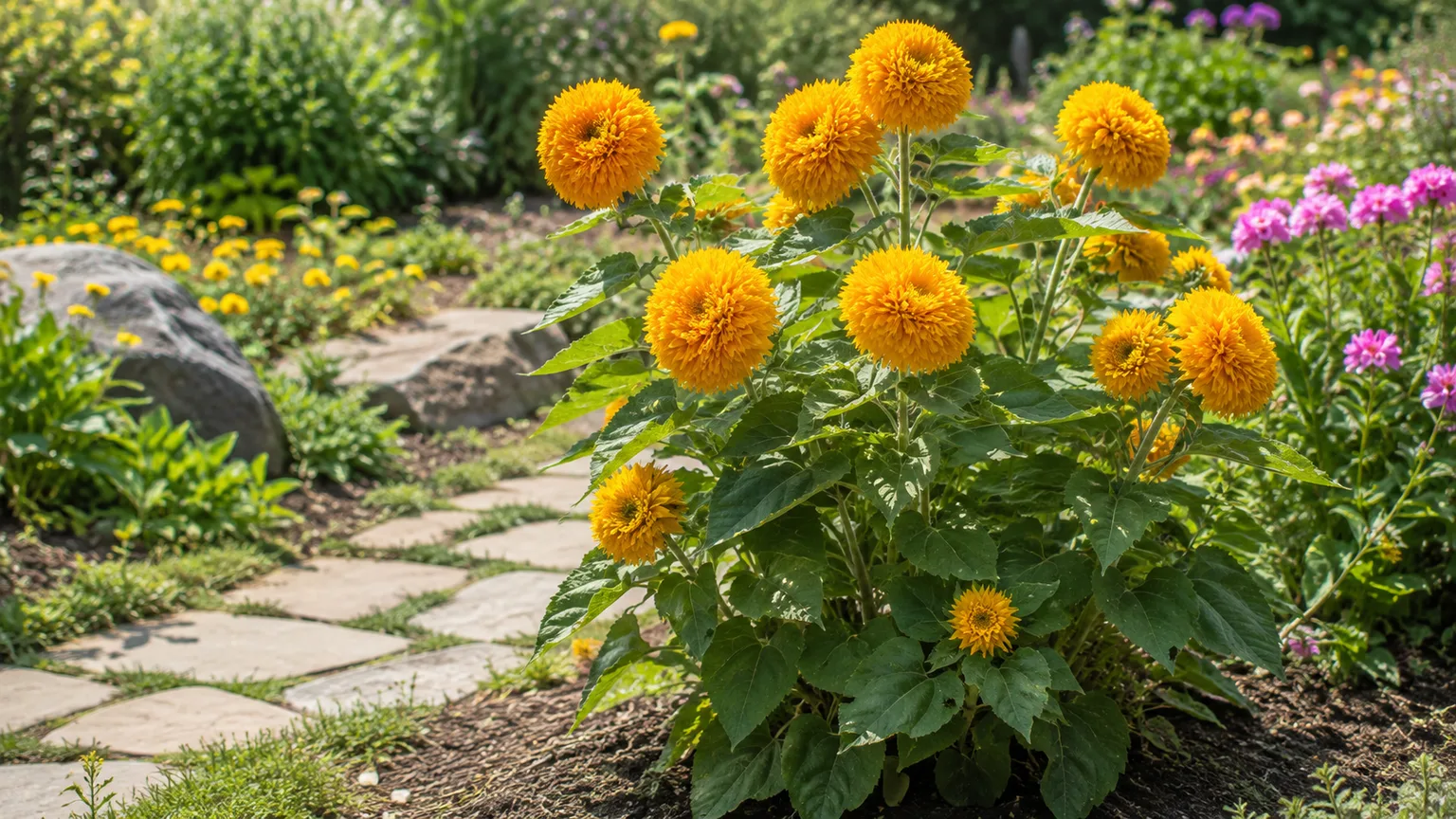
Teddy Bear. Teddy Bear’s dense, shaggy golden blooms look more like soft pompons than the familiar flat daisy form. The plant usually stays around 2 to 3 feet, with branching stems that make it a good front-border or large-pot choice. The full flower hides much of the central disk, so pick this one for texture and color rather than an exposed seedhead.
Starburst Lemon Éclair. Lemon Éclair brings double lemon-yellow blooms to a compact cutting plant, often around 4 feet tall. Its flowers look fuller than a single-petaled sunflower and work well in smaller arrangements. Some seed listings describe it as pollenless; because classifications can change between suppliers or product lines, confirm the packet if you need a pollen-free stem.
Starburst Lemon Aura. Lemon Aura has fully double, slightly curled petals and a branching habit that can produce multiple rounded heads. The plant may reach about 5 feet, although side-branch length and flower size respond to spacing. It is a novelty for a cutting garden where you want a softer, fuller silhouette; leave more room than you would for a single-stem ProCut.
Goldy Double. Goldy Double makes fluffy golden blooms on a branching plant, with a greener center visible as the flower opens. It resembles Teddy Bear but can grow taller, often in the 5-to-7-foot range. This open-pollinated selection is a candidate for saving seed only if the packet confirms it is open-pollinated and other sunflower varieties are not likely to cross with it.
Zohar. Zohar is a short-to-medium, golden-orange sunflower with a dark center and a single-stem, pollenless habit in many seed listings. It is often sold as organic seed, but organic status belongs to the seed source and certification, not automatically to every packet carrying the cultivar name. Use it for orderly bouquet stems or a compact row, then verify its actual height on the supplier label.
Double Dandy. Double Dandy stays around 2 feet and bears wine-red, fully double flowers, with occasional pale yellow markings. Its small size makes it an option for a large patio container or the front of a border. Use a container with real drainage and enough soil volume; a dwarf sunflower still needs root room and steady moisture through hot weather.
SunFill Purple. SunFill Purple is grown for an unusual tight, spiky form and dark purple-toned bracts rather than a wide-open sunflower face. It is a single-stem hybrid, generally around 4 to 6 feet, sold for distinctive cut arrangements. Harvest it while the head is still compact if you want that sculptural look. Do not choose it as your main pollen or seed source.
Choose a sunflower by garden goal
For pots and small beds
Start with an advertised dwarf or compact cultivar, then check both mature height and whether it branches. Teddy Bear, Double Dandy, Sonya, Firecracker, and some Starburst selections are easier to place than a giant, but they still need a container large enough not to dry out in a few hours. A deep, heavy pot with drainage is more stable than a small decorative pot; use fresh potting mix and water when the upper layer begins to dry.
In a narrow bed, place short cultivars where they will not be shaded by taller plants. Do not crowd them to force thin stems: close spacing can reduce air movement and leave the individual plant competing for water and light. For a backdrop, put giants at the rear or along a sturdy fence, but do not rely on a fence to support a heavy head unless it is actually strong enough.
For pollinators and pollen-sensitive bouquets
“Pollenless” describes pollen production, not whether a flower is attractive to look at. Many pollenless varieties were selected for clean indoor arrangements; if pollinators are a priority, include pollen-bearing sunflowers or other pollen- and nectar-producing flowers nearby. Illinois Extension lists pollenless and branching traits separately across cultivars, which is a useful reminder that branching does not tell you pollen status.
Use a mix of single and double flowers only if the mix suits your goal. A layered double bloom can be beautiful, but its dense petals can make the center less accessible than an open single flower. The RHS sunflower overview notes that sunflowers provide pollen and nectar for bees and seeds for birds; the useful practical choice is to avoid making every plant in a wildlife bed pollenless.
For repeated cuts or a harvestable seed head
Choose a branching cultivar when you want several stems from one plant over a longer period. Choose a single-stem cultivar when you want a uniform flower crop, and sow additional rounds to extend the harvest. Cut stems early in the morning as petals begin to lift; put them straight into water and remove foliage that would sit below the waterline.
For edible or bird seed, pick a pollen-bearing cultivar known for a substantial seedhead, such as Mammoth Russian, and leave the head on the plant until the back begins to dry and the seeds fill. Birds may harvest it first. You can cover a nearly mature head with breathable mesh, but wait until the petals have faded and avoid trapping moisture around an immature head.
Grow the variety you chose successfully
Sunflowers need direct sun, warm soil, and drainage. The NC State plant profile recommends sowing after the last frost and notes that the species is not frost-tolerant; BBC Gardeners’ World Magazine’s growing guide also emphasizes that final height varies with the cultivar, water, food, and weather. For a complete seed-to-bloom plan, use this guide to growing sunflowers and match your sowing date to your local season.
Space and support tall stems
Follow the seed packet’s spacing for the chosen cultivar: a dwarf border type and a giant seed type do not share the same footprint. As a planning rule, give branching types more lateral room than a single-stem planting, and leave giants enough space that leaves are not pressed against a wall or packed into a corner. Crowding may give you more plants per bed but can reduce the size and strength of each one.
Put tall plants in a sheltered position and support them before a storm is forecast. Tie a stake loosely to the stem with a soft tie, leaving room for growth; do not cinch it tightly or wait until a heavy head has already pulled the stem over. If your site is consistently windy, a medium-height cultivar is often a better decision than repeatedly trying to brace a giant.
Sow for the bloom window you want
Direct-sow after frost danger has passed and the soil has warmed, or start seeds in pots if birds, slugs, or a short season make early growth risky. Sunflowers develop a taproot, so transplant young seedlings carefully and move them before they become root-bound. The seed packet’s days-to-maturity range is a better scheduling guide than a generic calendar date.
For a steady supply of flowers, sow another small batch every couple of weeks while there is enough growing season left for that cultivar to mature. A branching plant stretches the display from one sowing; a single-stem hybrid makes a more synchronized flush. If frost arrives early where you live, choose an earlier cultivar and count backward from your likely first fall frost rather than gambling on the tallest variety.
Save seed, or buy fresh each year
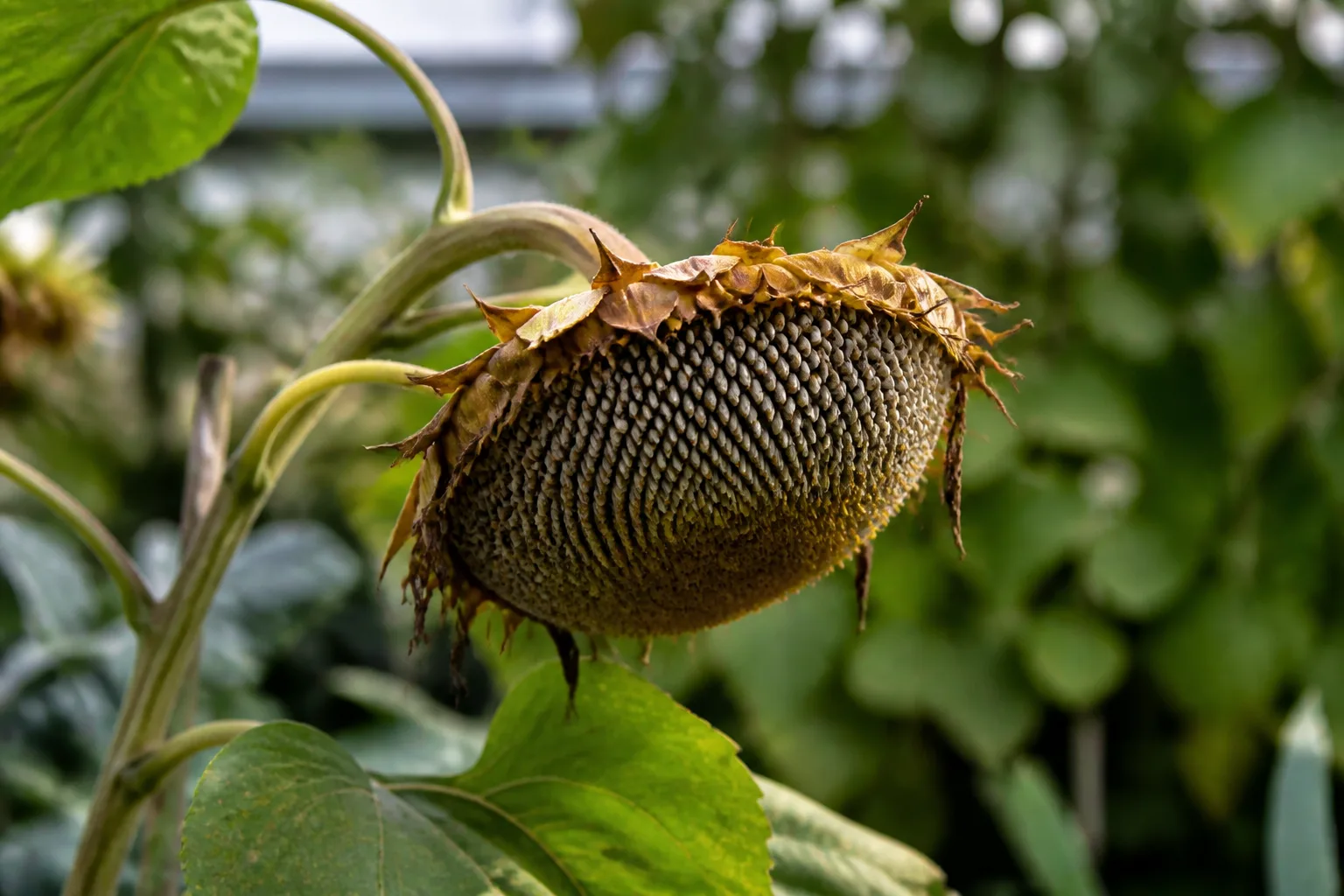
If you want to save seeds and see similar plants the following year, start with an open-pollinated cultivar. An F1 hybrid may grow, but its offspring can vary in height, color, flower form, or pollen traits because the next generation does not reliably repeat the parent. A pollenless hybrid is especially poor as a seed-saving choice if you need it to breed true; the seed packet should say whether a selection is hybrid or open-pollinated.
Sunflowers can cross-pollinate, so keeping several different cultivars close together can mix their traits even when each packet is open-pollinated. If preserving a particular color or form matters, grow only one type, use appropriate isolation for your conditions, or buy new seed from a reliable supplier. Save seed only from healthy, fully mature heads; let them dry thoroughly before storing in a labeled, dry container.
Open-pollinated does not mean every plant will be identical, and seed saved from a garden with many nearby sunflowers may surprise you. That variation can be part of the fun if you are selecting a garden population, but it is frustrating if you expect every seedling to match a catalog photo. The best seed-saving decision is to choose the goal first: true-to-type flowers, a diverse informal patch, or fresh hybrid stems for cutting.
Conclusion
There is no one best sunflower for every garden. Match height and branching to your space, flower form and color to the display you want, and pollen or seed traits to whether you are growing for bouquets, wildlife, or harvest. Start with one or two cultivars that suit your main goal, then add another type next season after you see how your site handles their mature size.



