Mushroom Compost: Uses, Benefits, and Risks
What is mushroom compost, and should you use it? Compare SMS to regular compost, get application rates, and see which plants need caution.
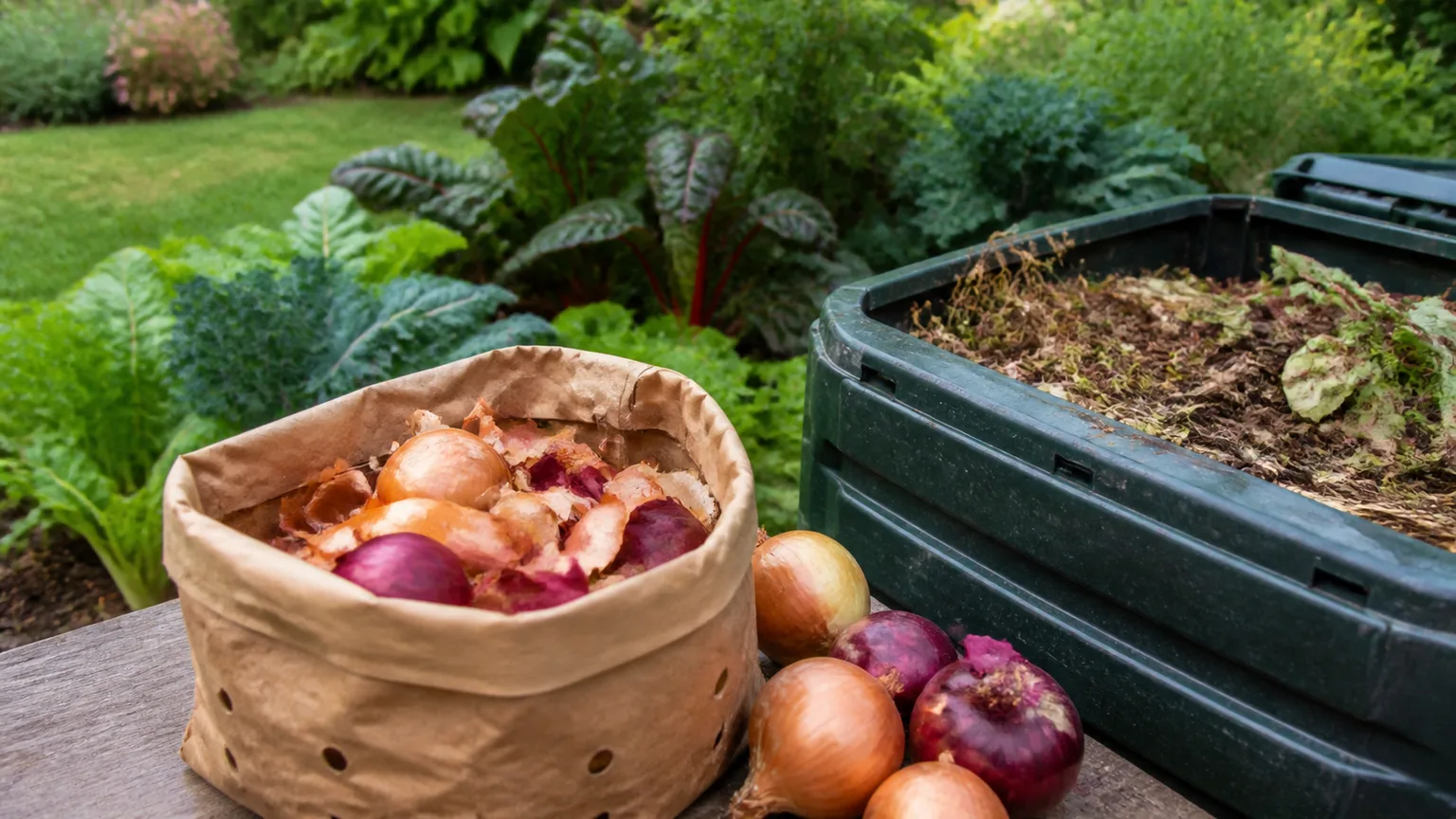
Mushroom compost — also sold as mushroom soil, spent mushroom compost (SMC), or spent mushroom substrate (SMS) — is the used growing medium left over after a commercial mushroom crop finishes. It is not compost you make in a backyard bin, and it is not a complete potting soil on its own. Think of it as a recycled, partially decomposed soil amendment that improves structure and adds modest nutrients when worked into native soil or used as a surface mulch.
Gardeners reach for SMS because it is high in organic matter, widely pasteurized before sale, and excellent at loosening heavy clay. The trade-off is real: soluble salts, variable nutrient numbers, and calcium from the casing layer can stress salt-sensitive plants, shift soil pH, and interfere with seed germination if you apply it too fresh or too thick. The rest of this guide explains what is in the bag (or bulk pile), how it compares to regular compost and manure, and the application rules that keep it helpful instead of harmful.
How Commercial Mushroom Compost Is Made
Mushroom compost begins as a purpose-built substrate for indoor mushroom farming, not as garden waste. Understanding that pipeline explains why the material behaves differently from homemade compost.
What’s Inside the Growth Substrate
Commercial growers blend natural ingredients into a substrate tailored to the mushroom species. Penn State Extension lists common components: wheat straw bedding that includes horse manure, hay, corn cobs, cottonseed hulls, poultry manure, brewer’s grain, cottonseed meal, cocoa bean hulls, and gypsum. Growers may add ground soybeans or seed-meal supplements later in the cycle Penn State spent mushroom substrate.
On top of that substrate sits a casing layer — typically peat moss mixed with ground limestone — that holds moisture and supports mushroom formation. After harvest, you are buying the combined spent substrate and casing, which is why SMS tends to run higher in calcium and can read slightly alkaline once weathered.
Phase I and Phase II Composting
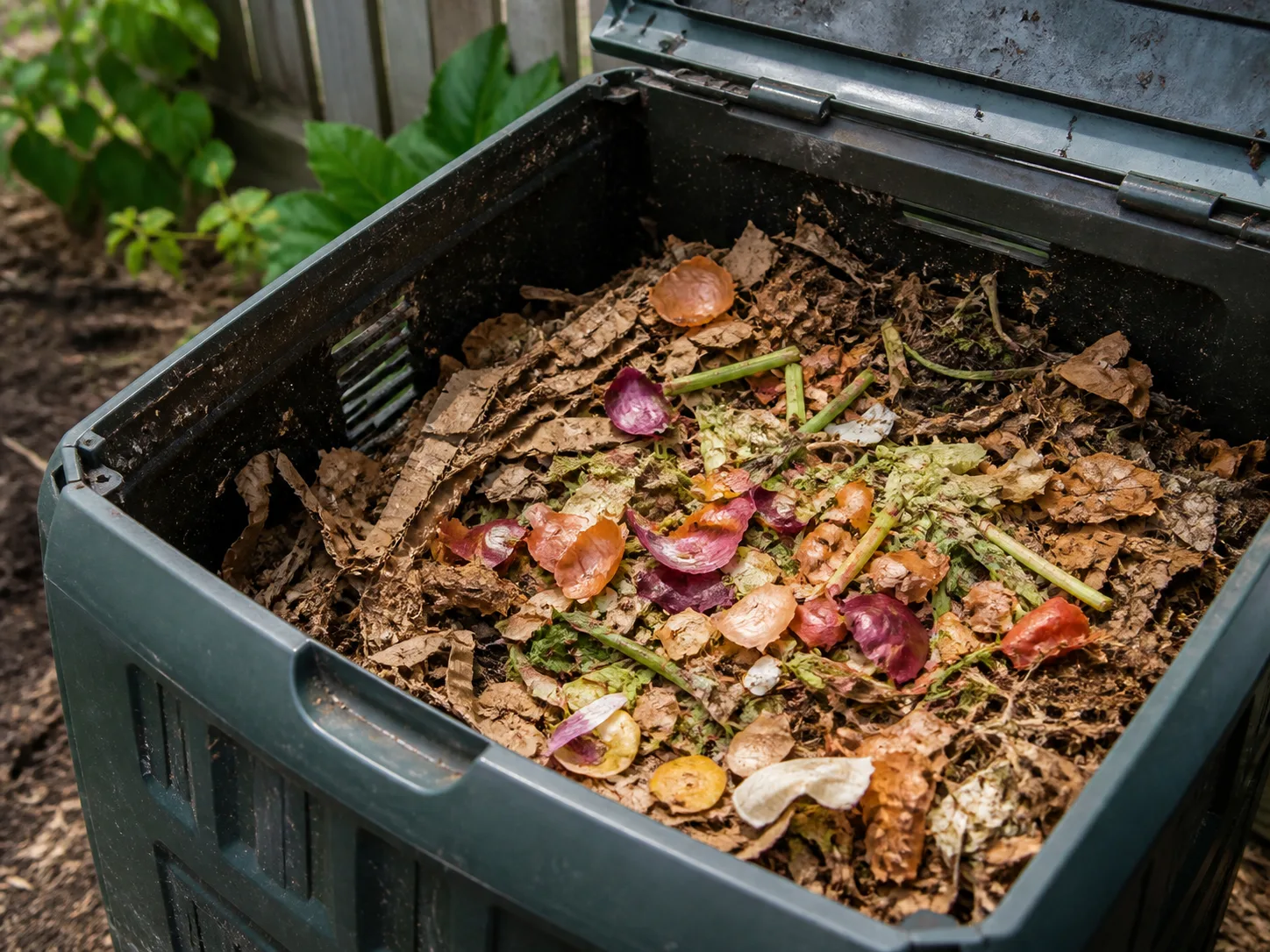
Before mushrooms ever grow, the raw blend goes through controlled composting. Phase I relies on microbes that consume carbohydrates, nitrogen, and water while generating heat. Mechanical turning exposes all material to those biological and chemical reactions, and ammonia forms as proteins break down Penn State microbial activity in substrate.
Phase II finishes the composting process and converts toxic ammonia into microbial protein the mushroom mycelium can use. Temperature, moisture, and ventilation are tightly managed; anaerobic pockets or excessive steam can destabilize the substrate and invite competitor fungi. By the time Phase II ends, weed seeds and many pathogens in the raw ingredients have already been reduced — but the material is still engineered for mushrooms, not directly for your tomato patch.
Casing, Harvest, and Pasteurization
After roughly three to four weeks of mushroom harvests, the substrate’s ability to support another profitable crop declines. Growers replace it with fresh medium. Before SMS leaves the mushroom house, it is steam-pasteurized to knock down pests, weed seeds, and disease organisms carried in the spent crop Penn State spent mushroom substrate. That pasteurization step is one reason gardeners like SMS for lawn top-dressing and bed amendments: you are not importing a load of viable weed seed the way fresh manure sometimes can.
Some farms apply registered pesticides during the growing cycle. Extension guidance notes that organic matter binds many pesticide residues and that pasteurization temperatures help break down remaining compounds, so residue is generally low — but organic gardeners may prefer suppliers who certify their production practices and can answer questions about inputs.
Fresh, Cured, and Weathered: Know What You’re Buying
Labels matter less than age and exposure. Fresh SMS straight from a mushroom house can carry higher soluble salts and ammonia traces. Weathered or cured material has sat in open piles — often through rain, snow, and freeze-thaw cycles — which leaches excess salts and lets microbial activity shift the chemistry.
Penn State Extension recommends avoiding fresh spent substrate around salt-sensitive plants, while material weathered six months or longer is suitable for most garden uses Penn State spent mushroom substrate. A practical workflow: take delivery in fall or winter, pile it where rain can rinse it, and spread it the following spring. Epic Gardening notes that large outdoor piles weather over a few months before use in vegetable beds, while smaller amounts can be mixed into new beds sooner if salts are modest Epic Gardening shiitake growing guide.
Ask the seller whether you are getting fresh, aged, or field-weathered product. If they cannot tell you, treat it as fresh and cure it before use near seedlings, containers, or acid-loving shrubs.
A simple curing pile works for most homeowners: dump SMS on a permeable surface (not over lawn you plan to keep), shape it into a low mound so rain sheds off the sides, and leave it uncovered or under open mesh so water can percolate through. Turn the pile once or twice with a fork during warm months to expose inner material to leaching. You will know it is closer to ready when the dark, steamy smell fades, the texture crumbles easily in your hand, and a cheap soil EC meter (if you have one) reads lower than when the load arrived.
What’s Actually in Mushroom Compost (Nutrient Profile)
SMS is valued more for soil structure than for blockbuster fertilizer numbers. Penn State’s average analysis of fresh spent substrate shows total nitrogen around 1.4–2.1% dry weight, phosphorus 0.45–0.69%, potassium 1.9–2.6%, and calcium 3.6–5.2%, with pH ranging 5.8–7.7 depending on the batch Penn State spent mushroom substrate. After 16 months of weathering, nitrogen and potassium readings drop while calcium rises — a pattern that matches the limestone-rich casing breaking down and salts leaching away.
| Component | Fresh SMS (typical range) | Weathered ~16 months |
|---|---|---|
| Total nitrogen | 1.4–2.1% dry wt. | ~2.7% |
| Phosphorus | 0.45–0.69% | ~0.84% |
| Potassium | 1.9–2.6% | ~0.43% |
| Calcium | 3.6–5.2% | ~6.3% |
| pH | 5.8–7.7 | ~7.1 |
Because every grower’s recipe differs, treat published averages as orientation, not a guaranteed analysis. If you are amending a high-value bed or seeing salt burn, a soil test after incorporation beats guessing.
Reading the numbers practically: SMS is not labeled like bagged fertilizer with a fixed N-P-K guarantee. The nitrogen present is largely organic nitrogen that releases slowly as microbes break down the material — good for steady feeding, poor for fixing an immediate yellow-leaf deficiency. Phosphorus and potassium are present but modest; do not expect SMS alone to replace a season-long vegetable fertility plan. Calcium is the standout mineral because of limestone casing, which is why tomatoes and peppers often respond well while acid-loving crops do not.
Benefits of Mushroom Compost for Garden Soil
Used thoughtfully, SMS does several jobs ordinary topsoil cannot.
Structure, Organic Matter, and Microbial Life
Spent substrate is high in organic matter, which increases water-holding capacity in sandy soils and opens pore space in compacted clay. Penn State describes SMS primarily as a soil conditioner that improves tilth rather than a standalone nutrient source Penn State spent mushroom substrate. Commercial potting-mix manufacturers blend SMS when they need a structural ingredient — that same logic applies in your vegetable garden or perennial border.
Research on turf shows that quality SMS can improve soil organic matter and, in some studies, visual turf quality without elevating soil salinity to damaging levels when applied at recommended rates Penn State SMS in turf. Results still vary by product and site, which is why rate discipline matters.
Calcium-Rich Soil for Crops That Need It
The limestone in casing material leaves SMS calcium-rich, which benefits crops prone to blossom-end rot and other calcium-linked disorders when soil levels are low. Tomatoes are the classic example — though compost alone cannot fix rot if watering is erratic or soil calcium was never the limiting factor. For tomato culture beyond amendment choice, see our guide to fertilizing tomatoes and tomato plant hub.
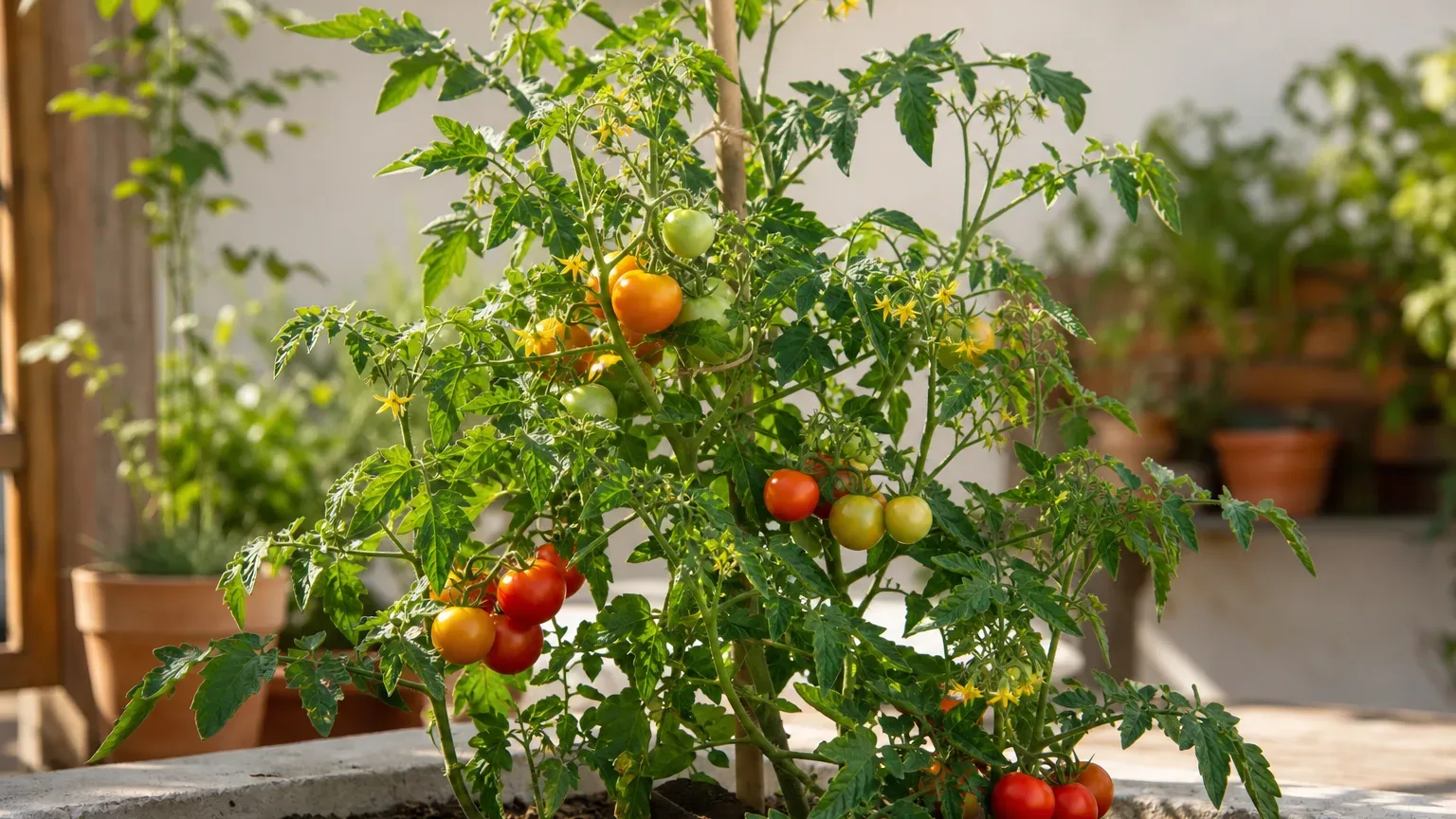
SMS also carries modest iron, magnesium, and micronutrients tied to its manure and hull content. Do not expect it to replace a balanced fertilizer program; think of it as a structural upgrade with a calcium side benefit.
Drawbacks and Plants That Struggle With It
No amendment is universal. SMS failures usually trace to salt, pH, or timing, not to the concept itself.
Soluble Salts and Seedling Sensitivity
Fresh SMS can contain soluble salts high enough to injure germinating seeds and young seedlings. Penn State advises keeping fresh material away from salt-sensitive crops and waiting until weathering reduces sodium and potassium levels Penn State spent mushroom substrate. Symptoms look like fertilizer burn: brown leaf margins, stunted new growth, and poor establishment even when you water adequately.
Do not use SMS as the sole medium in seed-starting trays. Do not till fresh SMS into a bed the same week you direct-sow carrots or lettuce. Established plants tolerate aged material far better than embryos do.
Watch for salt-stress signals after application: leaf margins that brown and crisp despite moist soil, seedlings that fail to emerge uniformly, and container plants that wilt in wet mix (a classic sign roots are struggling with salinity). If you see these patterns, stop adding SMS, leach containers with plain water until drainage runs clear, and test the bed before the next season.
pH Shifts and Ericaceous Plants
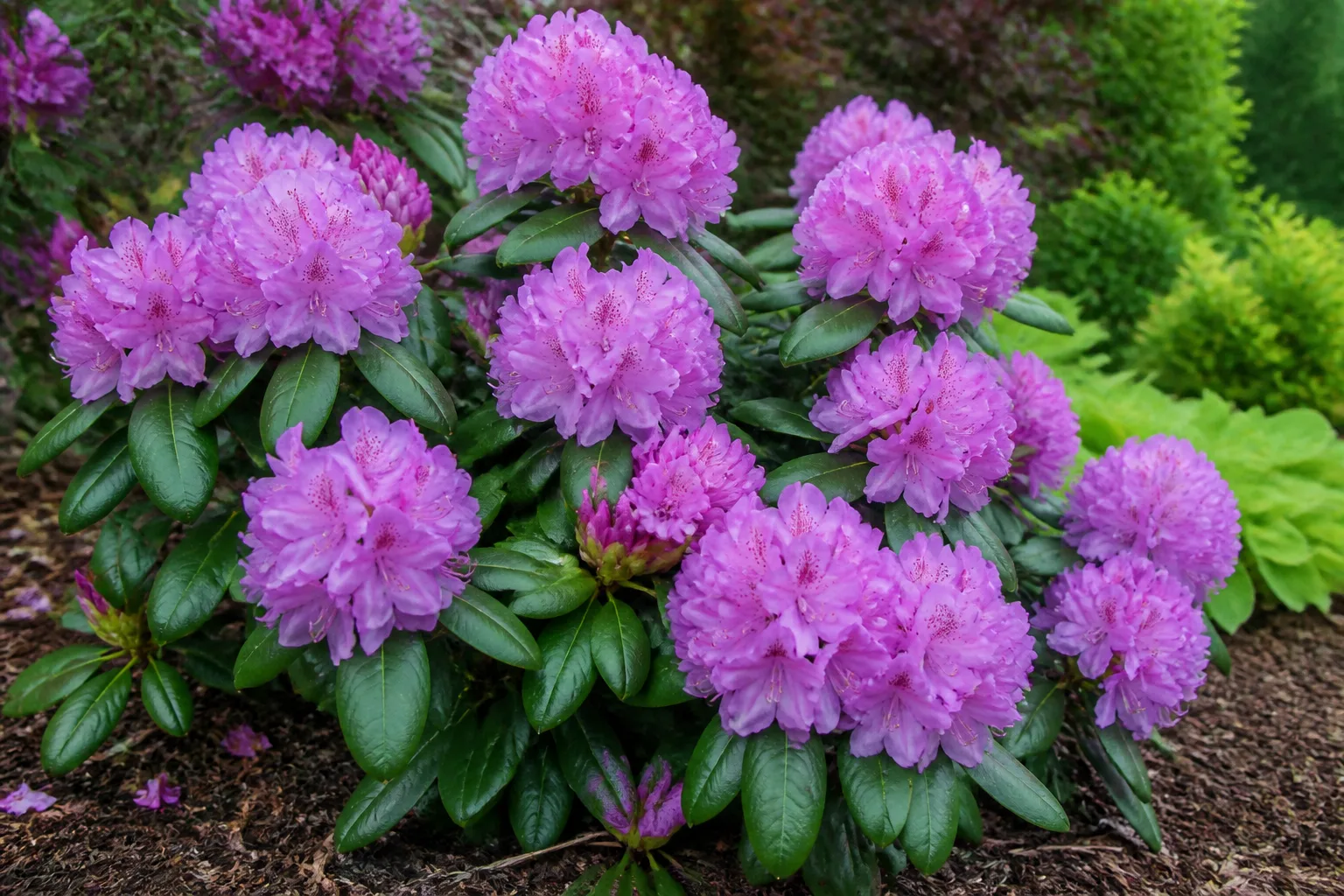
Weathered SMS often lands near neutral to slightly alkaline pH — Penn State’s weathered average is about 7.1 Penn State spent mushroom substrate. That is fine for most vegetables but wrong for ericaceous (acid-loving) plants: azaleas, rhododendrons, camellias, blueberries, and many heathers. Members of the Ericaceae family prefer acidic soil; alkaline amendments can lock up iron and manganese, producing chlorotic leaves even when nutrients are present.
If you garden around these shrubs, keep SMS in the vegetable plot and use pine bark or dedicated acid-forming amendments in the shade border. Our rhododendron container guide covers acidity needs in more detail.
Mushroom Compost vs. Regular Compost
SMS and homemade or municipal compost overlap in function but not in chemistry. Both add organic matter; neither replaces a full soil test.
| Factor | Mushroom compost (SMS) | Regular garden compost |
|---|---|---|
| Origin | Spent commercial mushroom substrate | Yard waste, kitchen scraps, manure piles |
| Nitrogen | Moderate; partially consumed by mushroom crop | Often higher if manure-rich and fresh |
| Calcium | High (casing limestone) | Variable; usually lower |
| Salt risk | Higher when fresh | Lower in plant-based piles |
| Weed seeds | Pasteurized before sale | Depends on pile heat |
| Best role | Structure + clay improvement | General organic matter recycling |
Because SMS has already supported a mushroom crop, it generally contains less readily available nitrogen than a hot manure compost. That can be an advantage in nitrogen-rich soils where excess N pushes leafy growth at the expense of fruit. It is a disadvantage if you need a quick nitrogen boost — pair SMS with a targeted organic fertilizer instead of doubling the compost dose.
For broader compost safety questions — diseased plants, pile heat, and disposal — see can you compost diseased plants.
Mushroom Compost vs. Manure
Manure and SMS are both organic amendments, but they are not interchangeable.
Manure is animal waste plus bedding. Fresh manure is high in nitrogen, can burn roots if applied raw, and may harbor weed seeds or pathogens until it ages and heats. Mushroom compost blends multiple feedstocks, has already gone through phased composting and pasteurization, and is typically lighter and more uniform than a manure pile.
pH differs by source. SMS fresh from the house often falls in the 6.0–7.0 range that suits many vegetables, while some aged manures trend more alkaline. Neither replaces the other: manure supplies nitrogen punch; SMS supplies structure and calcium with lower burn risk when cured.
If you are building a new vegetable bed from scratch, a common approach is to incorporate SMS for tilth, then supplement nitrogen based on a soil test — the same philosophy behind choosing best soil for vegetable gardens.
When and How to Apply Mushroom Compost
Timing and moisture matter as much as rate. Spread when soil is dry enough to work without smearing clay into brick-like clods. Spring and summer suit weathered material; fall and winter suit acquiring and curing fresh loads.
Application Rates by Garden Use
For in-ground beds, lawns, orchards, and shrub borders, spread 1–3 inches of aged SMS and incorporate it into the top 6 inches of soil. That depth is where roots and soil biology do most of their work. At 1 inch depth, you need roughly 3 cubic yards per 1,000 square feet; at 3 inches, about 9 cubic yards — always confirm volume with your supplier because bulk density varies.
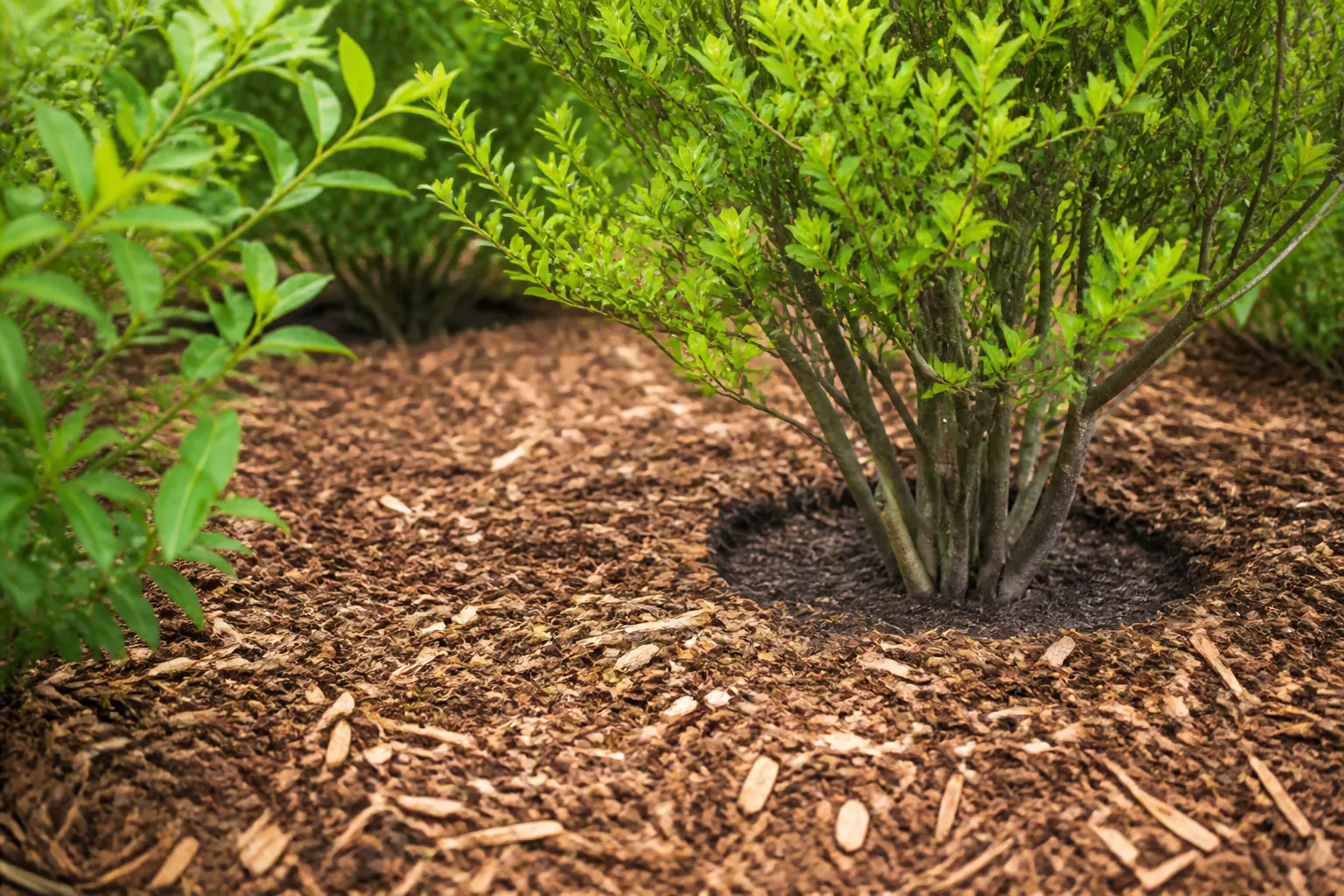
New lawns: SMS makes a useful top-dressing over newly seeded areas. It holds moisture, shades seed from birds, and adds organic matter without burying seed too deep Penn State spent mushroom substrate.
Established perennials and trees: Band or mulch around the drip line with a thinner layer (1–2 inches), keeping material off trunks to avoid bark rot. Treat SMS like any organic mulch: it conserves moisture and feeds soil slowly as it breaks down. See what is mulch for depth and placement principles.
Vegetable gardens: Till in aged SMS before planting, then side-dress established crops if a soil test calls for extra nitrogen. Wait until seedlings have true leaves and robust roots before working additional SMS into the root zone mid-season.
Using Mushroom Compost in Containers
Containers magnify salt and pH problems because roots cannot escape. Blend no more than 25% aged SMS with 75% quality potting mix for outdoor containers — roughly one part SMS to three parts mix. Never fill a pot with SMS alone; drainage, aeration, and salt dilution all suffer.
Refresh container mixes annually rather than layering more SMS on crusted, salt-loaded soil. If leaf tips brown despite consistent watering, flush the pot and cut back amendment-heavy top-ups.
For raised beds built mostly from SMS and topsoil, keep SMS below one-third of the total volume and favor weathered material. Beds that drain well and receive regular rain or irrigation tolerate slightly higher ratios better than shallow planters on a hot patio, where evaporation concentrates salts at the soil surface.
Where to Get Mushroom Compost and What to Ask
SMS is sold bagged at garden centers and in bulk near major mushroom-growing regions (notably southeastern Pennsylvania and similar production areas). Bulk is economical for large lawn or bed projects; bags are easier to cure on a tarp in a small yard.
Questions worth asking before you buy:
- Fresh or weathered? If fresh, where will you cure it, and for how long?
- Ingredients? Manure-based substrates differ from hull-heavy blends.
- Organic certification? Organic growers should verify the mushroom farm’s input and pest-management practices.
- Delivery volume and storage? A 10-yard pile needs space and drainage; cover only loosely so rain can leach salts.
- Analysis or MSDS? Some suppliers provide nutrient sheets; if not, budget for a soil test after application.
Compare prices per cubic yard, not just per ton — moisture content swings weight. If a deal looks too cheap, ask whether you are paying for water-heavy fresh substrate you still must weather.
Conclusion
Mushroom compost is spent mushroom substrate recycled into a valuable soil amendment: pasteurized, organic-rich, and especially good at improving structure in tired or clay-heavy ground. It is not a magic fertilizer, not a seed-starting mix, and not safe for every plant when applied fresh or heavy-handed.
Buy with your timeline in mind — weather fresh loads before spring planting, keep SMS away from seedlings and acid-loving shrubs, and limit container blends to about one-quarter of the mix. Match the material to the job: structure and calcium for tomatoes and lawns; something else for blueberries and brand-new seed beds. Follow those rules and SMS earns its old nickname as garden black gold without the salt burn that gives shortcuts a bad name.