When to Mulch: Spring, Fall, and Winter Dos and Don'ts
Learn when to mulch in spring, summer, fall, or winter, how deep to spread it, and when mulch traps cold, moisture, or pests against plant stems.
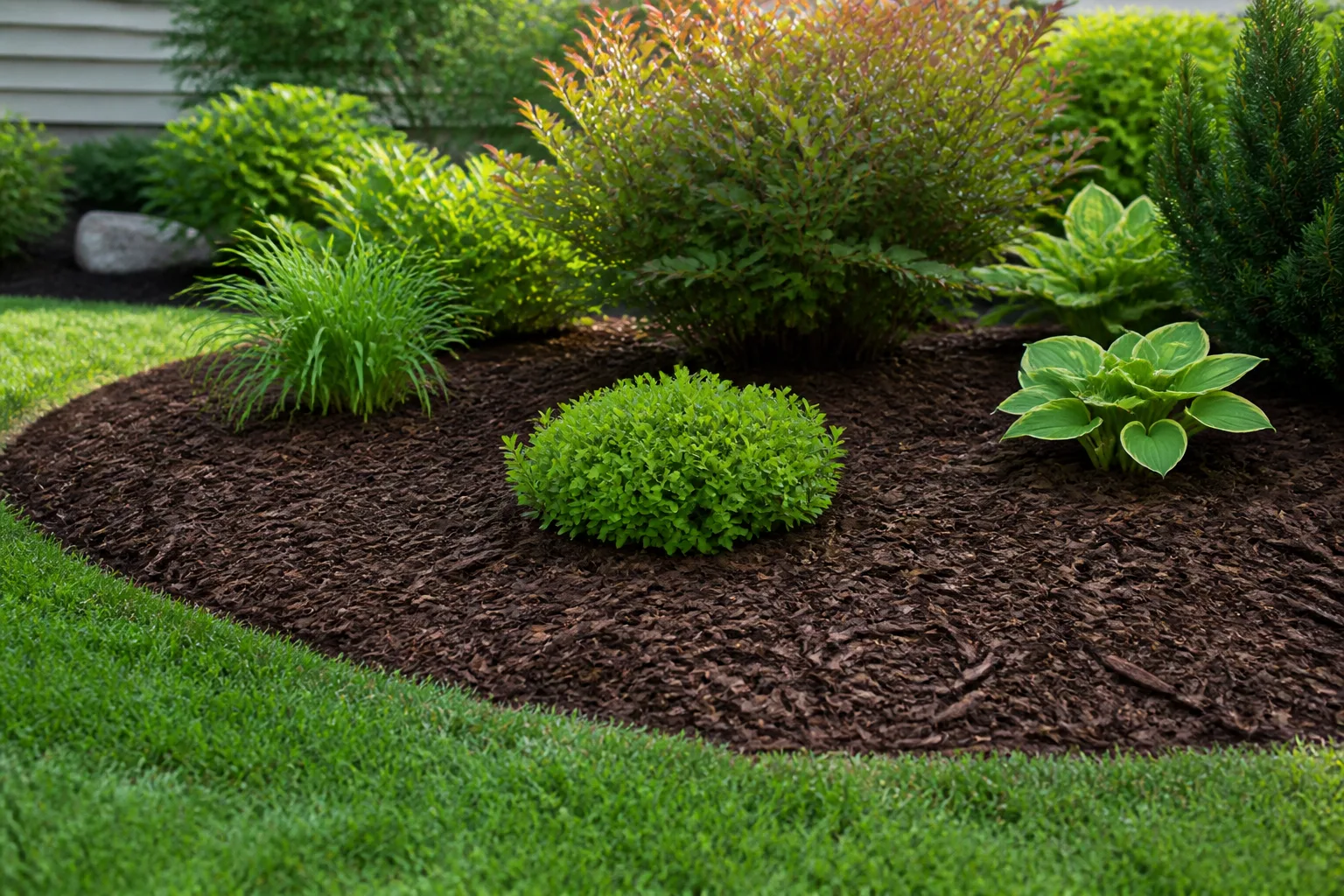
Mulch is one of the most useful tools in a garden — and one of the easiest to misuse. Spread at the right time, a moderate organic layer holds moisture, moderates soil temperature, suppresses many weeds, and slowly feeds soil life as it decomposes. Spread too early on cold, saturated ground, piled against a tree trunk, or refreshed every spring out of habit, the same material can delay growth, suffocate roots, rot bark, and invite rodents.
The question is not simply “what month should you mulch?” It is what the soil is doing, what stage your plants are in, and which job you need the layer to perform. A calendar date in April means nothing if the bed is still waterlogged. Likewise, a crisp October weekend is a poor time to mulch if you are trying to protect a dry-loving lavender crown or a self-sowing wildflower patch. Use soil readiness, plant dormancy, and weather as your guides — then match depth and material to the site.
Why timing matters more than the calendar month
Mulch does not sit passively on top of soil. It changes how heat, water, and air move through the root zone. In early spring, a thick layer on cold ground slows soil warming and can keep roots in wet, oxygen-poor conditions longer than the plants can tolerate. Ohio State University Extension warns that mulch applied to wet, cold soils in very early spring compounds drainage problems — especially after a wet winter when pore space is already full of water.
In summer, the same layer cools soil and slows evaporation — a benefit when the root zone is actively growing and drying fast. In fall, mulch can protect bare soil from erosion and insulate roots as temperatures drop. In winter, a loose insulating layer may prevent frost heave on shallow-rooted plants, but only if applied after dormancy and only where the plant actually needs protection. Timing is how you get the benefit without the side effects.
Choose mulch timing by the job you need done
Before you load the wheelbarrow, name the job. Are you trying to block weeds, hold moisture through a dry spell, warm soil for heat-loving crops, build organic matter over winter, or protect a marginally hardy perennial? Each goal has a different ideal window. Spring and fall are popular seasons because they bracket the growing year, but many gardeners mulch some beds in fall and others in spring rather than treating the whole property the same way.
Weed suppression and moisture retention
For weed control, mulch works by blocking light weed seeds need to germinate. That job is most valuable once beds are weeded and plants are actively growing — typically mid- to late spring in cold climates, after soil has warmed and perennial weeds have been pulled. For moisture retention, apply mulch after the soil has been watered or after a light rain so the root zone starts moist. A dry bed topped with mulch can look finished while the soil underneath stays parched.
Soil warming, cooling, and winter protection
Spring mulch on still-cold soil delays warming. Summer mulch on warm soil keeps roots cooler and reduces watering frequency. Fall mulch on cooling, not frozen, soil protects against erosion and begins decomposition that feeds next year’s plants. Winter mulch — straw, shredded leaves, or pine straw over crowns — is insurance against freeze-thaw heaving, not a universal blanket every bed needs. See our fall mulching guide for plants to mulch and skip if you are deciding bed by bed.
When to mulch in spring
Spring is the season most gardeners reach for mulch — and the season most mistakes happen. The goal is to mulch after the soil has warmed and drained enough for roots to breathe, but before weeds get a head start and before dry weather sets in.
Wait until soil warms and drains
Do not mulch the moment the snow melts. Squeeze a handful of soil from a few inches down: if it forms a tight ball and stays wet, wait. Workable soil crumbles. Ohio State Extension notes that mulch on cold, wet soil seals in moisture at exactly the time plants are trying to break dormancy, which can set up decline later in the season. In many northern regions, that means mid- to late April rather than early April — but your soil thermometer and drainage matter more than the date.
Pull back any winter protection that has collapsed against crowns before adding a fresh layer. Water dry beds before spreading mulch so you are not locking drought beneath the surface. If you are mainly refreshing color, a thin one- to two-inch top-dress may be enough without rebuilding the entire depth.
Bulbs, tree litter, and emerging perennials
Wait until spring bulbs have emerged if you mulch those beds heavily every year — a thick layer applied before shoots appear can make emergence harder. If maples or other trees drop buds, flowers, or samaras onto beds in late spring, consider mulching after that litter falls so you are not raking fresh debris off pristine mulch all month. Keep mulch several inches away from perennial crowns and vegetable stems so new growth is not buried.
Mulching in summer
Summer mulching is optional for many established ornamental beds but valuable when heat and drought stress shallow roots. Apply it after the soil is warm — usually late June through August in temperate climates — and after watering so moisture is already in the root zone. Straw, shredded leaves, fine bark, and compost all work when clean and relatively weed-free.
Summer is also when faded mulch gets a cosmetic refresh. Before adding more, measure what is already there. A faded top layer does not always need another three inches; sometimes raking to break a hydrophobic crust and adding one inch is enough. Pull mulch back occasionally to check for slugs, stem rot, and whether irrigation is reaching soil. The surface can look dry while the root zone is saturated, or the mulch can repel water after baking in sun — Rutgers NJAES notes that fine-textured organic mulch can knit together and shed water when dry. A light raking restores permeability.
Use lighter-colored organic mulch in full-sun beds if dark chips seem to overheat the soil surface. In vegetable rows, summer mulch reduces splashing onto lower leaves — helpful for tomatoes and squash — but leave a clear gap around stems and watch for pests that shelter in cool, damp mulch.
Fall mulching: soil building and winter prep
Fall is an excellent time to mulch many beds — sometimes better than spring — because you are protecting soil and roots going into winter rather than fighting early weeds. Organic mulch applied after soil cools but before the ground freezes solid begins breaking down over winter, adding organic matter for spring. Shredded leaves, aged bark, and compost are strong choices if the bed is cleaned of diseased plant debris first.
Mulch vegetable gardens after harvest cleanup if you want to protect bare soil from wind erosion and feed soil biology. Shred leaves before spreading so they do not mat into an impermeable layer. You do not need the same depth concern as around living perennials because there are no crowns to smother — though avoid mulching over known insect or fungal problems until those are resolved.
For ornamentals, fall mulch helps marginally hardy plants, newly planted trees and shrubs, and shallow-rooted perennials in cold zones. Apply after plants show dormancy — herbaceous tops died back, several frosts passed — not at the first cool day in September. Mulching too early in fall can keep soil warm and delay hardening off; mulching too late, after the ground is frozen, offers less benefit. Our guide on which plants you should not bother mulching lists Mediterranean herbs, succulents, self-sowers, and other plants that need open, dry crowns instead of an autumn blanket.
Winter mulch — when it helps and when to skip it
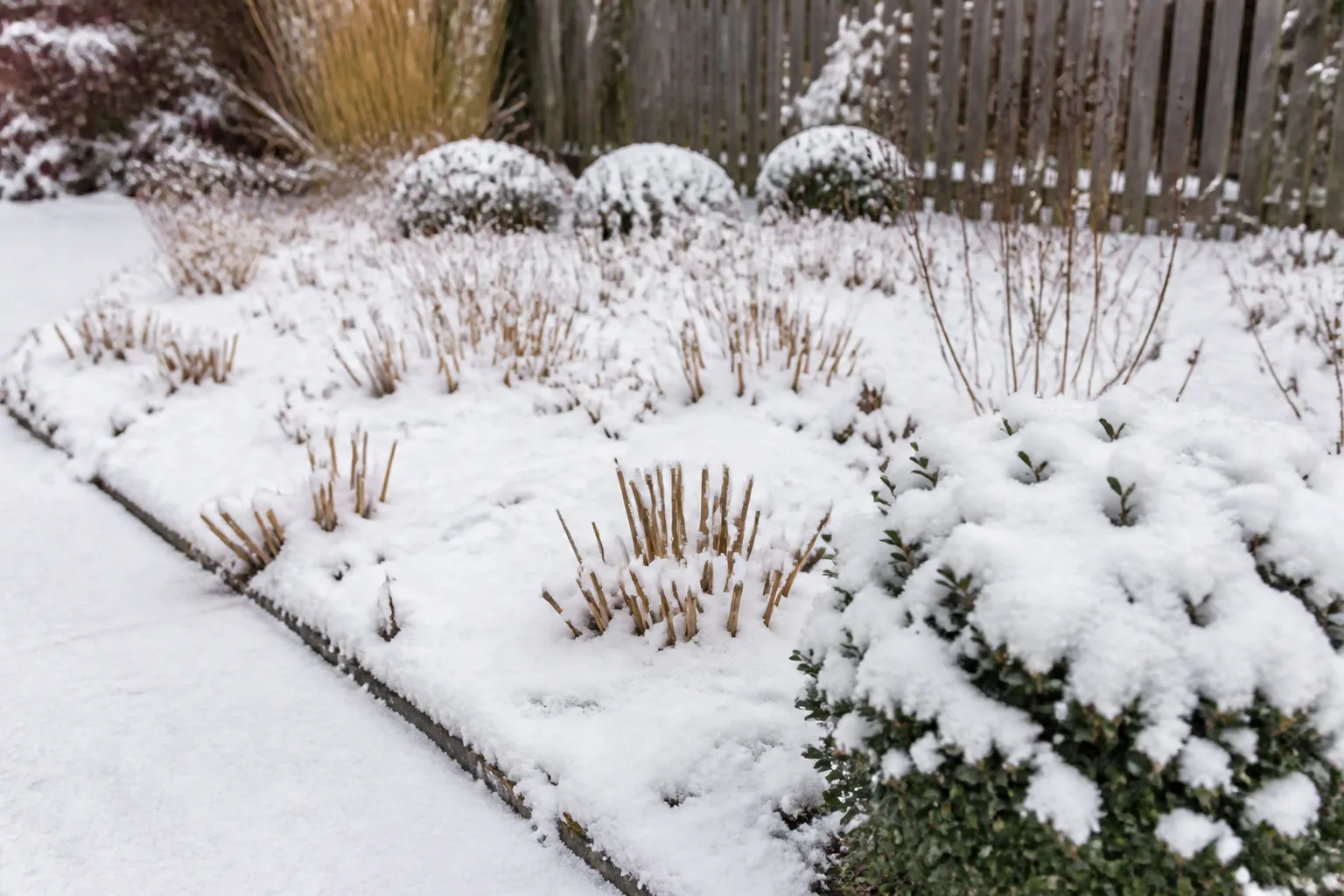
Winter is generally late for routine bed mulching, but targeted winter protection has its place. After the ground freezes or a hard freeze is forecast, a loose layer of straw, pine straw, or shredded leaves over shallow-rooted perennials, grafted roses, or newly planted shrubs can reduce frost heave — the lifting of soil and roots during freeze-thaw cycles.
Apply winter mulch after dormancy, not before. Early insulation can keep soil warm, encourage rodent nesting, and promote premature growth on warm spells. Remove or pull back winter mulch gradually in spring as shoots emerge; leaving it too long can smother new growth and delay soil warming. For spring bulbs, a light winter mulch may deter squirrels from digging — but only if applied after planting and before freeze, and pulled back before shoots need light.
Do not treat winter mulch as mandatory landscape maintenance. Hardy, established plants in well-drained beds often need nothing extra. Evergreens and new plantings are the priority — they lose moisture all winter while roots cannot take up water from frozen ground. Water thoroughly before freeze, then mulch wide but keep trunks clear.
Weather rules: rain, wind, and dry soil
A light rainfall before mulching is ideal timing for moisture retention — the soil is damp and the mulch helps lock that water in. Ohio State Extension recommends checking soil moisture under existing mulch; if beds are waterlogged, pull mulch back and let soil dry before reapplying.
Avoid spreading mulch just before heavy rain on slopes or poorly drained beds — runoff can wash chips into lawns and paths. Skip windy days for lightweight materials like pine straw and fine shredded bark unless you can water them in lightly to settle the surface. After spreading, a gentle watering can help mulch knit without saturating soil.
Never mulch dry soil in summer without watering first. The layer will slow the first deep soak and can leave roots stressed while the surface looks tidy.
When not to mulch
Do not mulch saturated soil, plant crowns, or tree trunks. Do not spread a thick layer on poorly drained or compacted sites without fixing drainage first — mulch cannot turn a wet yard into a well-drained one. Skip heavy fall mulch on plants that need dry winter crowns, self-sowing annual beds, and any bed that already has three or more inches of material in place.
Do not use diseased leaves, fresh hot compost, or sour-smelling bagged mulch against roots. Do not mulch immediately before a forecast heavy storm on erodible slopes. Do not apply mulch to hide unresolved weed problems — perennial weeds with established roots will push through; pull weeds first and then mulch for prevention.
If jumping worms are active in your area, inspect bagged mulch and avoid spreading material that contains worm castings resembling coffee grounds or soil with a grainy texture. University of Minnesota Extension reports that jumping worms can arrive in commercial mulch and deplete soil organic matter. When in doubt, ask your supplier or extension office about local risk.
How deep should mulch be?
For most ornamental beds on well-drained soil, 2 to 3 inches total — including old and new material — is enough. Rutgers NJAES recommends not exceeding 3 inches total on average soils and limiting to 2 inches on compacted or poorly drained sites, especially around shallow-rooted plants like azaleas and rhododendrons. Coarse chips can sit slightly deeper than fine double-shredded bark, which compacts and holds more water.
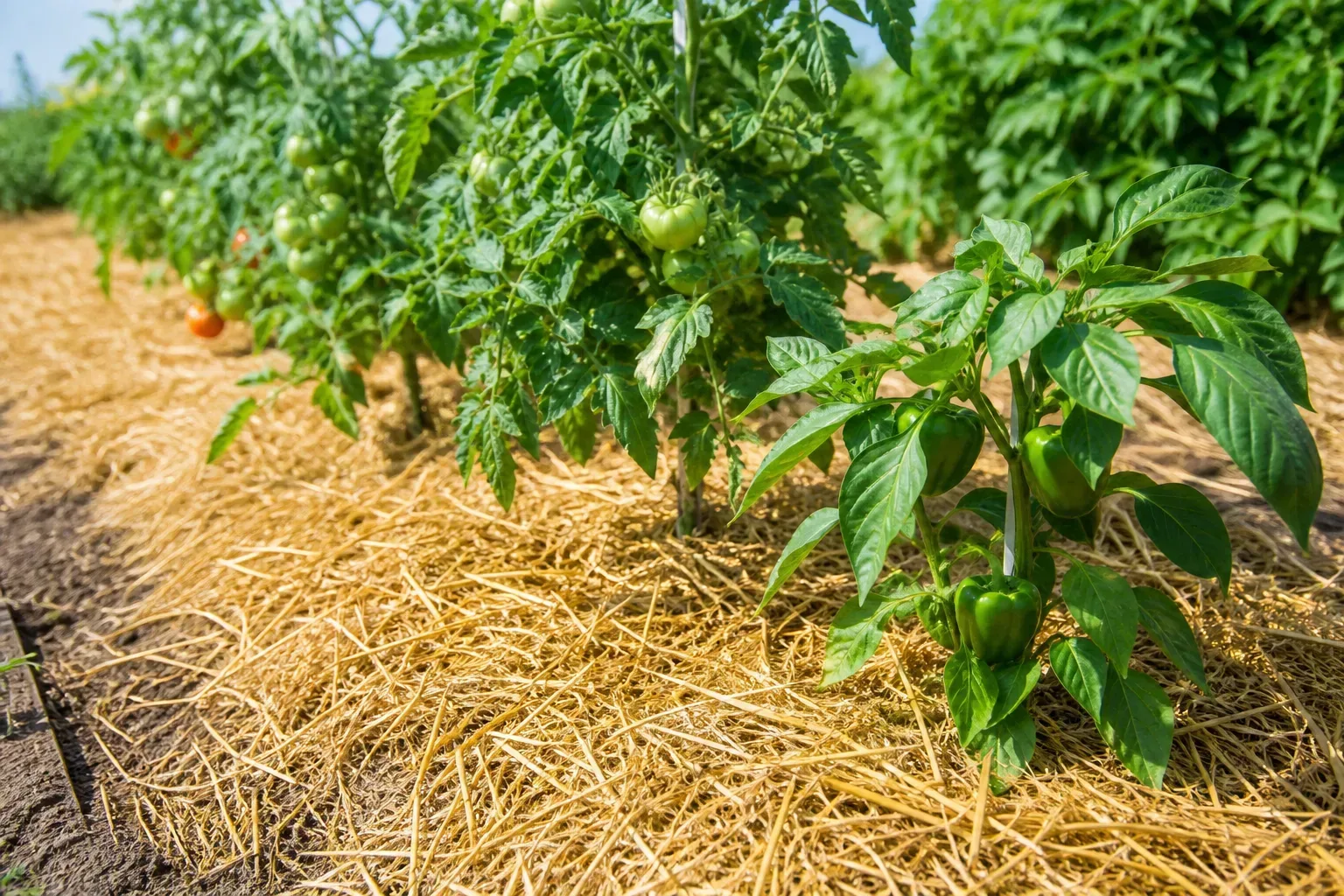
Straw in vegetable paths can go 3 to 4 inches because it is fluffy and decomposes faster. Fine mulch for cosmetic color refresh may need only 1 to 2 inches. Measure before adding; if two inches remain from last year, you may need only a thin top-up.
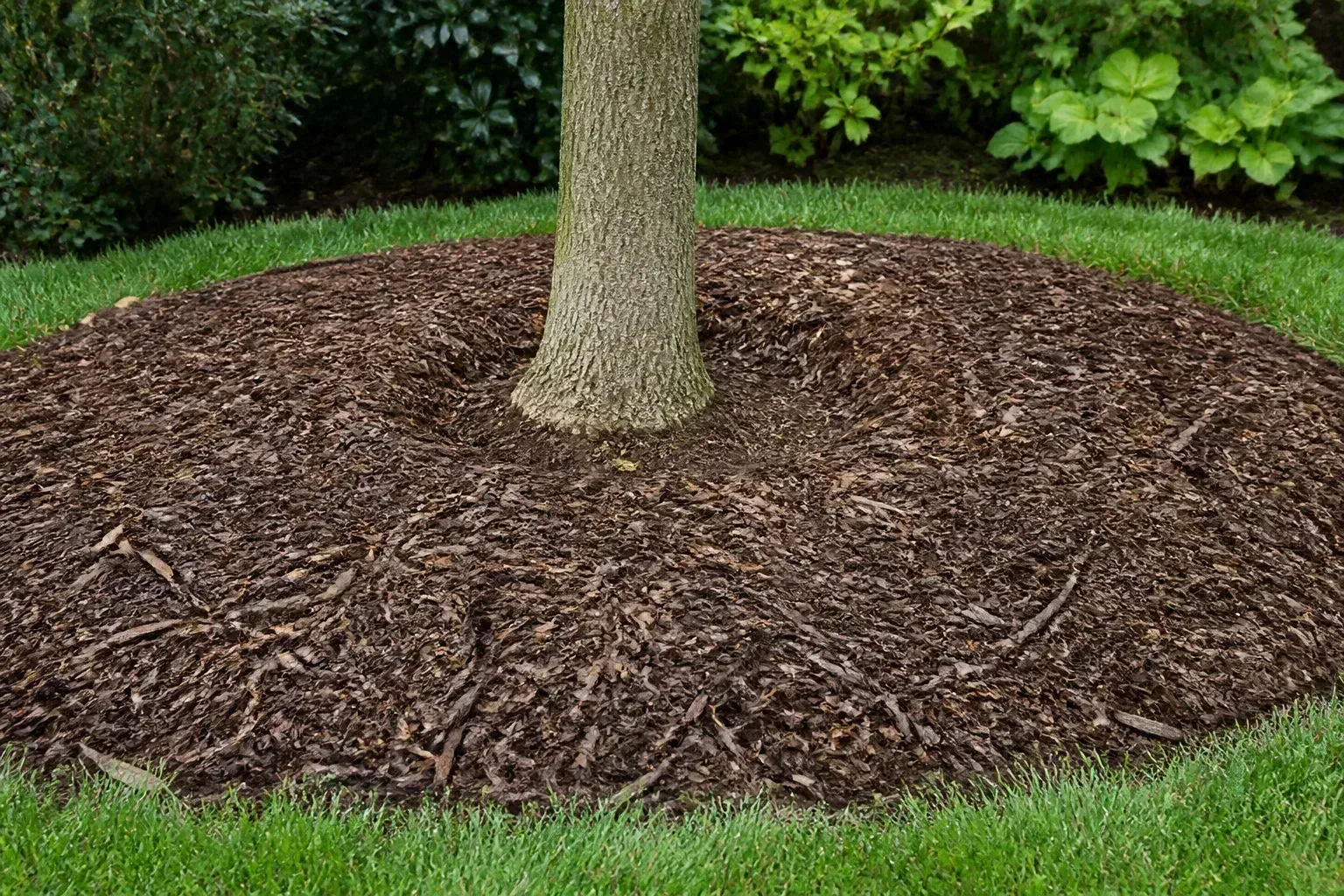
Keep mulch 3 to 5 inches away from young shrub stems and 8 to 12 inches away from mature tree trunks, per Rutgers guidance. The root flare — where trunk widens at the soil line — must stay visible. Never build a mulch volcano against bark.
Mulch trees, shrubs, and perennials without damage
Trees benefit most when mulch extends toward the drip line, not just in a small ring at the trunk. The International Society of Arboriculture recommends a wide, flat layer two to four inches deep, pulled back from the trunk so the flare is exposed. Mulch piled against bark keeps tissue moist, blocks gas exchange through lenticels, and invites decay, rodents, and roots growing up into the mulch layer where they dry out during drought.
For shrubs, keep the base open to air. For perennials, crowns must sit above the mulch line. Winter protection for roses or hydrangeas in cold zones often works better with loose pine straw or leaves than heavy wood chips that freeze into a solid mass when wet.
Newly planted trees still need deep watering to the root ball; mulch moderates moisture around the planting area but does not replace checking that the original root ball has not dried out while the surrounding bed looks wet.
Vegetables and new plantings
Wait to mulch warm-season vegetables until plants are established and soil has warmed — usually several weeks after transplanting or when seedlings have several true leaves. Cool-season crops like lettuce and spinach may need thinner mulch or delayed application so soil stays cool enough for germination. For direct-sown crops, mulch lightly only after emergence unless using a material designed for seed beds.
New ornamental plantings benefit from spring or fall mulch once watered in, but keep material away from stems until plants establish. In hot climates, summer mulch around new shrubs reduces transplant shock; in cold climates, fall mulch after planting gives roots a more stable environment through the first winter.
Match material to the crop: straw for vegetables, compost as a thin top-dress, wood chips in paths between raised beds rather than mixed into vegetable soil where nitrogen tie-up can yellow young plants. For mulch type basics, see what mulch is and how to choose.
Refreshing, removing, and inspecting old mulch
Do not automatically remulch every spring. Measure depth, inspect for compaction, mold, and stems buried over time. If old mulch has decomposed to less than an inch and the bed is healthy, add enough to restore target depth. If mulch is compacted, hydrophobic, or piled against plants, rake it back, correct the problem, and reapply at proper depth.
Pull mulch away from any plant showing yellowing foliage, dieback, or poor twig growth — symptoms Rutgers associates with chronic over-mulching and oxygen deprivation that may take years to appear. In waterlogged beds, remove mulch temporarily and let soil dry before returning a thinner layer.
Dispose of mulch contaminated with disease rather than spreading it elsewhere. Mixing a thin layer of well-aged compost into the surface can improve soil, but avoid deep cultivation under established trees.
Jumping worms and contaminated mulch bags
Jumping worms are an increasing problem in parts of the United States. They consume organic matter rapidly and alter soil structure. They or their cocoons can hitchhike in bagged mulch, compost, and potted plants. Before spreading bulk or bagged mulch, inspect for worms that thrash when disturbed and castings that look like coarse coffee grounds.
If you find them, do not spread the material in garden beds. Report to your local extension office and follow regional guidance. Solarizing small batches under clear plastic on hot pavement may reduce risk in some cases, but prevention — buying from reputable sources and inspecting on delivery — is easier than remediation.
Common mulching mistakes that show up months later
The costliest mistakes are invisible at first: mulching cold wet soil in early spring, rebuilding depth every year without measuring, volcano mulching trees, and watering on a schedule without checking beneath the layer. Another is using mulch as a substitute for weeding, drainage repair, or plant-appropriate winter protection.
Fresh, non-composted wood mulch can temporarily tie up soil nitrogen as microbes break down carbon-rich material — watch for yellowing on new growth and avoid mixing fine bark into vegetable soil. Fine mulch that dries completely can shed irrigation until raked. Fall mulch left too long in spring smothers emerging perennials. Late-November mulch on still-active soil can delay dormancy.
Each of these problems is fixable if you catch them early: pull back excess, expose flares, thin the layer, rake crusted surfaces, and adjust timing next season.
Conclusion: mulch the soil, not the stems
The best time to mulch is when the soil and plant stage match the job — warm, drained soil in spring for weeds and moisture; warm soil in summer for heat stress; cooling soil in fall for protection and soil building; frozen or near-frozen ground in winter for selective insulation only where plants need it. Check weather, too: light rain can set the layer; heavy rain and wind can waste your work.
Spread a moderate, even layer — usually two to three inches total on ornamentals, less on wet sites — and keep crowns, trunks, and root flares clear. Measure before refreshing, inspect for pests and waterlogging, and skip beds that already have enough coverage or plants that need dry winter soil. Mulch should make the root zone more stable, not more dangerous. When in doubt, pull the layer back, read the soil, and mulch the soil — never the stems.



