Where Not to Put a Vegetable Garden: 6 Risky Spots
Learn where not to put a vegetable garden, how to test a site, and when raised beds or containers can rescue a small yard without guesswork.
The most convenient patch of yard is not always the safest or most productive place for vegetables. A sunny-looking strip can be shaded by a tree at the exact time tomatoes need light, a low corner can stay saturated for days, and an old driveway edge can carry a history you cannot see.
Before you buy lumber or dig a row, evaluate the site as a combination of light, water, soil, roots, airflow, and access. The six locations below are warning zones, not automatic gardening bans: some can be improved, some call for a raised bed or container, and a few should simply be left out of the food-growing plan.
What a good vegetable garden site needs first
A workable site gets enough direct sun for the crops you actually want, drains excess water without drying out immediately, has soil you can verify, and is easy to reach with a hose, wheelbarrow, and harvest basket. It also needs room around the bed so plants can spread and so you can inspect them without stepping on the growing soil.
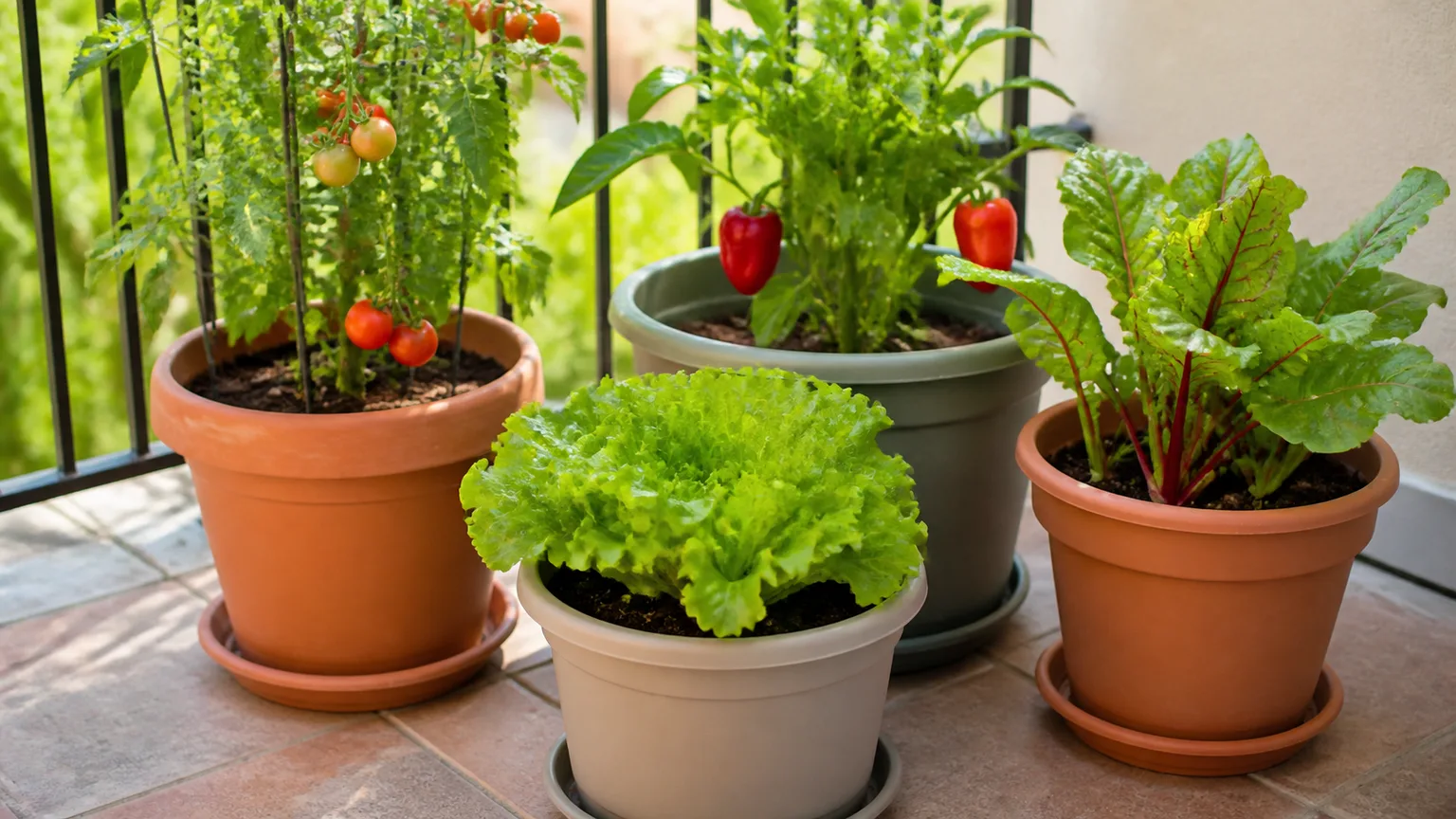
That last point matters in a small yard. A site that is technically sunny but buried behind a shed may fail because watering and harvesting become chores you postpone. A slightly smaller bed in a clean, accessible location usually outperforms a large bed in a problem corner.
Count hours of direct sun, not just “bright” light
Track the site on a clear day from morning through late afternoon. Mark when direct sunlight reaches the soil, when a building or tree takes it away, and how that pattern changes as the season progresses. Most fruiting vegetables perform best with roughly six to eight hours of direct sun; lettuce, chard, kale, and other leafy crops can be productive with about three to four hours if the soil and moisture are good. GrowVeg’s site-selection guidance makes the same crop-by-crop distinction.
Do not label a place “full sun” because it is bright at noon. A northern wall, tall hedge, or mature tree can remove the useful morning or afternoon light that your plants need. If a spot only gets a short window, reserve it for greens and herbs rather than expecting a heavy tomato, pepper, melon, or squash harvest.
Watch water, runoff, and access after a storm
Visit the candidate sites during or soon after a meaningful rain. Look for puddles, muddy channels, soil splashed against a foundation, water flowing from a driveway, and places where the lawn stays darker or spongier than the rest. Sketch those flow paths before deciding where the bed will go.
For a simple drainage screen, dig a hole about a spade deep, fill it with water, and watch how quickly it empties. A hole that remains full for hours is a warning that an in-ground vegetable bed may spend too long without air around its roots. GrowVeg’s practical planning guide suggests using this observation to decide between a better-draining location and a raised bed.
1. Under trees or large shrubs
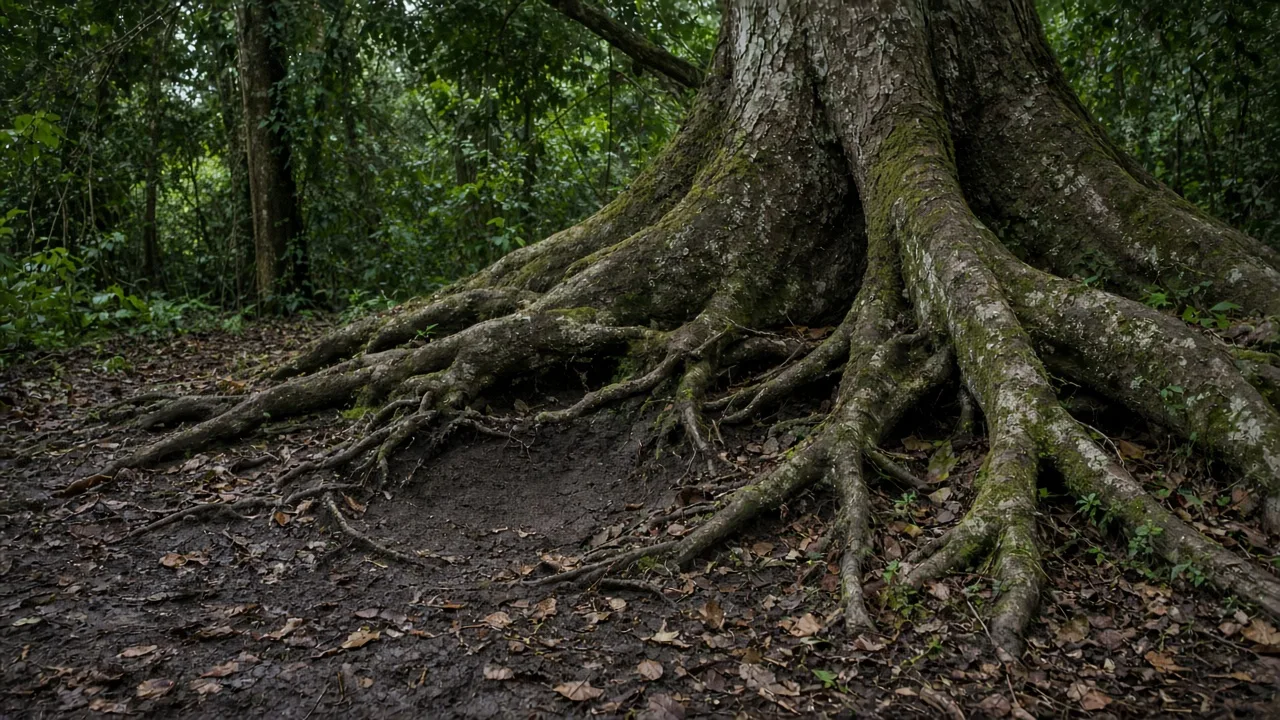
The trouble with a garden under a tree is not simply that the leaves cast shade. Tree roots occupy the same shallow soil layer where many vegetables are trying to find water and nutrients, while the canopy intercepts rainfall. Branches can also drop debris, and the soil beneath a dense canopy may stay cool or dry unevenly.
Shade is not the only competition
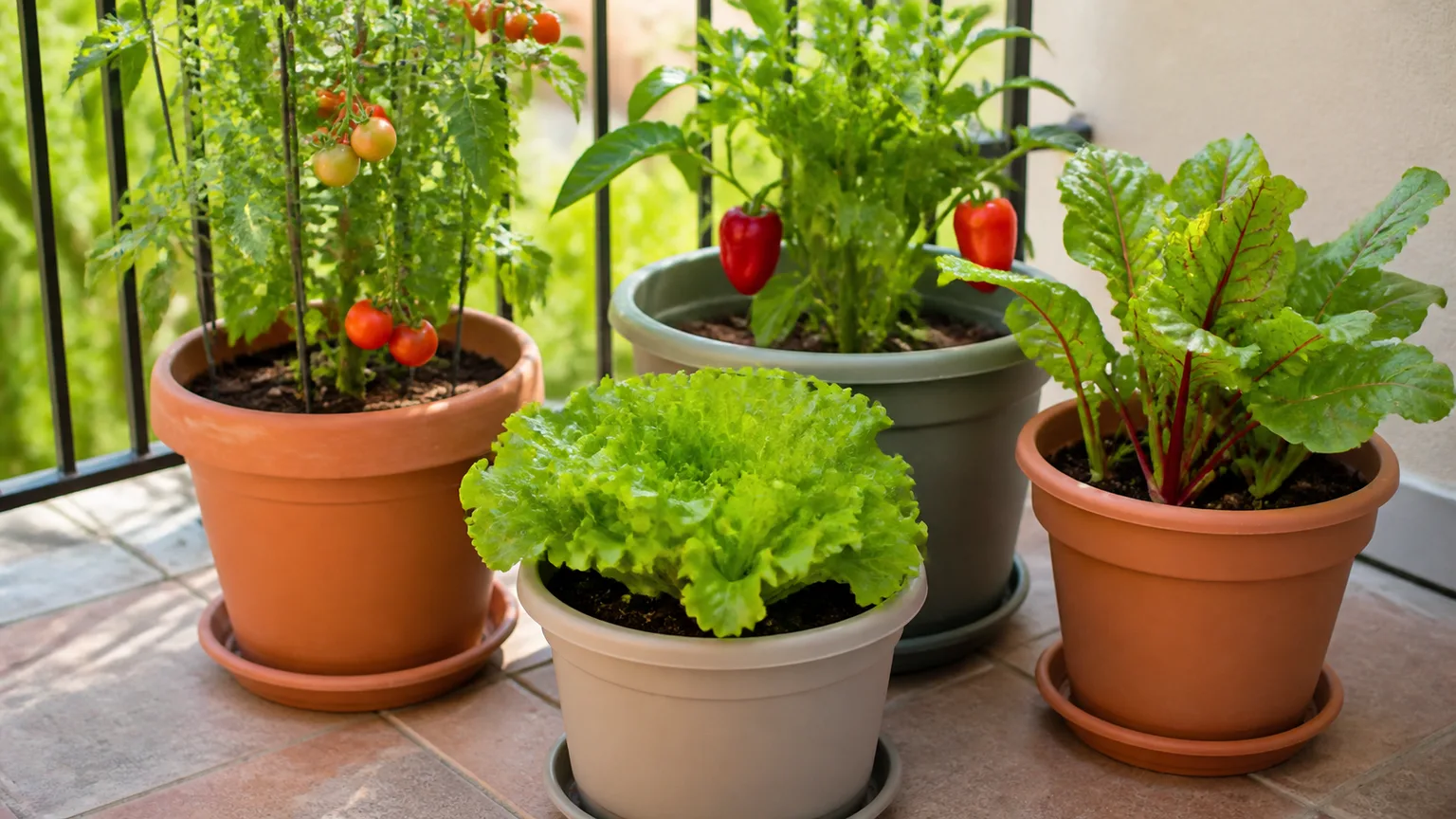
Tomatoes, peppers, cucumbers, eggplants, beans, and most squash need more light than a heavily shaded tree pocket can provide. They may still grow leaves, which makes the garden look promising, but produce little fruit or become stretched and weak. Leafy greens are more forgiving, yet they can struggle if tree roots leave the soil dry or if fallen leaves create a persistently wet, poorly ventilated surface.
There is also a management problem: digging around established roots damages the tree and makes it hard to create an even, deep bed. Adding a thin layer of compost rarely solves a root-filled site because the roots remain below it and quickly reclaim the moisture. The result is a garden that needs constant watering without ever feeling stable.
Move the vegetable bed beyond the main root zone when possible, choosing the sunny side of the yard rather than the open-looking space directly below the canopy. If the tree is valuable or protected, do not remove it just to create a bed; use containers or a separate raised bed where roots, light, and water can be managed without disturbing the tree.
2. Right against a house, shed, or solid fence
A wall can look like a tidy backdrop for tomatoes, but a structure changes the microclimate in several directions at once. It may block direct light, create a dry “rain shadow,” shed concentrated roof or wall runoff, and leave too little space for vines, trellises, and paths.
Runoff, rain shadows, and trapped air
The strip immediately beside a building can be either bone-dry or suddenly flooded, depending on the roofline and downspout. A bed under a downspout receives a forceful, uneven surge rather than gentle irrigation; a bed under an overhang may receive almost no rain. Keep edible soil out of direct downspout discharge and redirect the water to a suitable outlet before planting.
Solid fences and walls can also reduce airflow. This is not a reason to expose a garden to every prevailing wind, but plants need enough movement of air for leaves to dry. A semi-permeable screen or open trellis is generally a better neighbor than a solid barrier pressed against the foliage. GrowVeg’s location guidance describes the trade-off: shelter is useful, while turbulence and stagnant air both create problems.
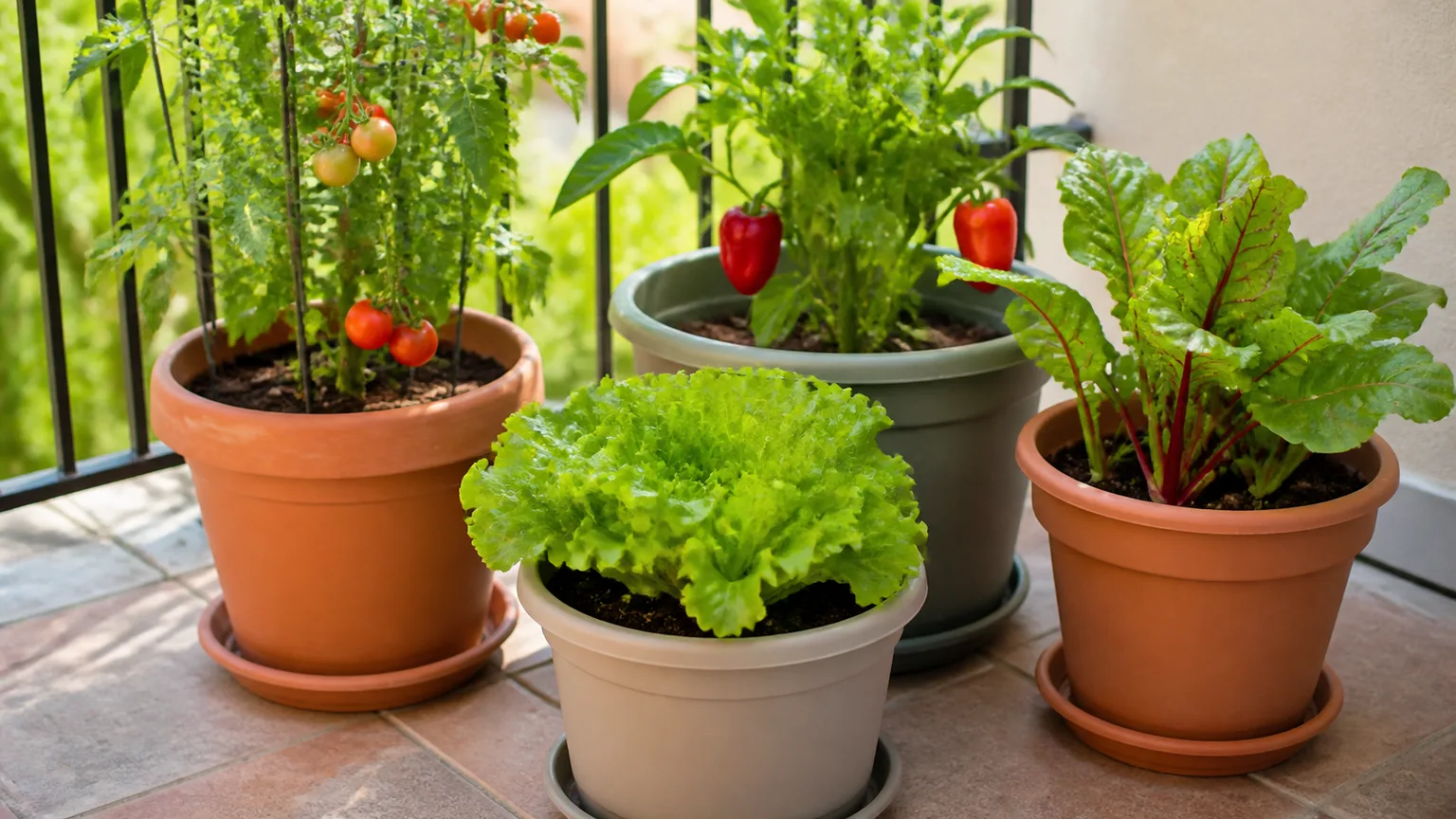
A narrow side yard can work when you confirm the sun, control roof water, keep roots and stems away from the wall, and leave a service path. If you cannot make those changes, grow compact crops in containers somewhere the light is better and the drainage is visible.
3. Low, flooded, or constantly wet ground
Vegetables need water, but their roots also need oxygen. A low spot that puddles after every storm can keep roots inactive, encourage root and crown diseases, delay spring warming, and make it impossible to work the soil without compacting it. “It grows near a creek” is not proof that a place is suitable for food crops; a wetland plant and a tomato have different root requirements.
Do a drainage test before building a bed
Use the filled-hole test, then repeat your observation after heavy rain. If water remains in the hole or on the surface for a long time, first identify the source: a high water table, compacted clay, a blocked outlet, roof runoff, a slope above the site, or a natural drainage path. Do not fill a problem corner with expensive soil until you know whether water will simply collect around the new bed.
A raised bed can lift vegetable roots above temporarily saturated soil, but it is not a cure for a site that is regularly flooded. The bed still needs a safe overflow path, and the surrounding ground must not push contaminated or stagnant water through the growing mix. If the location is consistently wet, a properly designed rain garden may be a better use of the space; Penn State Extension says a rain garden should drain completely within 24 hours and should not be placed over a septic system.
For a mildly slow site, improve structure with finished compost, keep beds narrow enough that you never walk on them, and use paths to preserve the soil’s pore space. For a flood-prone site, relocate the vegetables to higher ground or containers instead of trying to out-amend the water.
4. Inside a black walnut’s root zone
Black walnut (Juglans nigra) deserves its own warning because it combines shade and root competition with juglone, a compound that can suppress some neighboring plants. Tomatoes, peppers, and potatoes are among the less tolerant vegetables, and sensitive plants may yellow, wilt, stall, or die even when the soil appears moist.
The response is not identical on every property. Juglone is concentrated in roots, leaves, stems, and nut hulls; wet, poorly aerated soil and decomposing walnut debris can increase the difficulty for sensitive plants. Penn State’s allelopathy guidance recommends moving sensitive plantings beyond the root zone, giving a mature black walnut a planning buffer of roughly 50 to 60 feet where space allows.
When a raised bed helps—and when it doesn’t
A lined raised bed filled with clean topsoil can reduce direct root contact, but it does not turn a walnut canopy into a sunny vegetable site. Roots can invade an unlined bed, and fallen leaves and nut hulls can reintroduce the problem. A bed placed under the canopy may therefore fail from shade even if the fresh soil is chemically suitable.
If you garden near a walnut, place the bed outside the canopy and as far from major roots as practical. Remove leaves, stems, and hulls before they break down in the growing area, and do not use walnut debris as edible-garden mulch. Penn State’s updated walnut guidance notes that some vegetables, including onions, beets, squash, melons, and corn, are reported as more tolerant, but also cautions that tolerance lists are guides rather than guarantees. If the only available site is under the tree, containers in a sunny location are the more dependable choice.
5. Beside a busy road or driveway
Roadside soil has two separate risks: what arrives in runoff and what settles as dust. Penn State’s urban-soil guidance lists high-traffic areas as possible sources of lead, zinc, and polycyclic aromatic hydrocarbons (PAHs), while stormwater can carry deicing salts, motor oil, and other pollutants from roads and driveways.
Treat splashed soil as a warning sign
Do not assume a strip is safe because the vegetables look healthy. Vehicle spray can land on leaves and soil, driveway runoff can repeatedly cross the bed, and an old house, barn, or painted fence may add a second contamination history. Plants may tolerate the location while the soil remains unsuitable for a food garden.
There is no universal “safe distance” that replaces site history and testing. A quiet residential lane, a heavily salted winter road, and a busy highway do not create the same exposure. Move the bed as far from traffic and splash as your yard allows, use a physical buffer such as an ornamental planting strip, and keep the vegetable canopy from hanging over pavement.
If the road edge is your only sunny option, test the soil through a lab that offers heavy-metal analysis rather than ordering only a basic fertility test. Use clean soil in a contained raised bed or grow in containers only after you understand the site; do not treat a thin layer of compost as a barrier to an unknown contaminant. Wash produce, keep soil out of the house, and ask your local extension office how regional traffic, paint, and salt history affects the recommendation.
6. Soil with an unknown history—or a septic system below
An unremarkable lawn can conceal a former burn pile, fuel tank, workshop, orchard, treated-lumber area, dump spot, or old painted structure. Penn State’s urban-garden assessment guide recommends checking current and neighboring land use, looking for stains, debris, unusual odors, dead patches, buried materials, and drainage from an older contaminated area before choosing a garden site.
Test, contain, or choose another site
Start with history, then test. A standard fertility test can tell you about pH and nutrients, but suspected contamination may require additional testing for lead, other heavy metals, salts, or petroleum-related compounds. The test report should guide the decision; do not improvise a “safe” threshold from a generic internet chart because acceptable action levels vary by contaminant, crop, laboratory, and local guidance.
The CDC gives a clear safety boundary: do not grow fruits or vegetables in lead-contaminated soil. If a result is concerning, pause food production in that ground and contact your local extension office or environmental-health agency. A properly constructed, contained bed with verified clean soil may be appropriate in some situations, but it should not be presented as a universal fix for severe contamination.
Why septic tank and drain field areas are off-limits
Do not place a vegetable bed over a septic tank, distribution box, or drain field. A septic system is treating household wastewater in soil; the tank needs access for inspection and pumping, while the drain field depends on open, undamaged soil and buried pipes. Edible crops also create an unnecessary food-safety concern near a system that can fail or leak.
Roots from trees and shrubs can plug or puncture drain lines, and heavy equipment or repeated foot traffic can compact the absorption area. Penn State’s septic-system guidance says to keep trees and shrubbery out of the drain field; its system-basics guide also warns that excess water can flood the field and that traffic can damage pipes. A raised bed is not a clever workaround here: it adds weight, blocks access, and does not change what lies below.
If you are unsure where the system is, check property records, the installation sketch, or the septic professional’s map before you dig. Keep the drain field in shallow-rooted turf or another locally approved groundcover, and put vegetables in a different part of the property.
A site-saving checklist for small yards
When every corner has a drawback, rank the problems instead of searching for a mythical perfect plot. Use this order:
- Eliminate unsafe ground first. Rule out septic components and suspected contamination until you have reliable information.
- Reject water traps. A site that stays saturated or receives uncontrolled runoff is more difficult to repair than a site with ordinary compacted soil.
- Count usable sun. Put fruiting crops in the brightest area and move greens, herbs, or containers into partial shade.
- Check roots and structures. Leave room from trees, walls, fences, gutters, and service access so the bed can mature without being crowded.
- Choose the repair that matches the failure. Use a raised bed for manageable soil or drainage problems, containers for root competition and shade, and relocation for contamination, septic restrictions, or recurrent flooding.
This ranking also prevents a common waste of money: building a raised bed first and discovering later that it sits in a downspout path, under a walnut, or above a drain field. A measuring tape, notebook, soil-history check, and one rainy-day inspection can save more than a truckload of amendments.
Conclusion
The best vegetable garden location is not merely the sunniest patch. It is the place where direct light, dependable drainage, clean soil, manageable roots, airflow, and everyday access overlap.
Walk the yard before planting, mark the sun and runoff, identify trees and septic components, and investigate any history of paint, fuel, traffic, or dumping. If a site fails one of those checks, match the response to the risk: improve ordinary soil, raise a bed for modest drainage problems, move sensitive crops away from walnut roots, use containers for space constraints, or choose another location when safety is uncertain. That short decision process gives every seed a better start than simply planting where there happens to be room.



