Small Tomatoes: Causes and How to Fix Them
Tomatoes staying marble-sized? Learn why heat, drought, poor pollination, and excess nitrogen limit fruit size—and what to do this season and next.
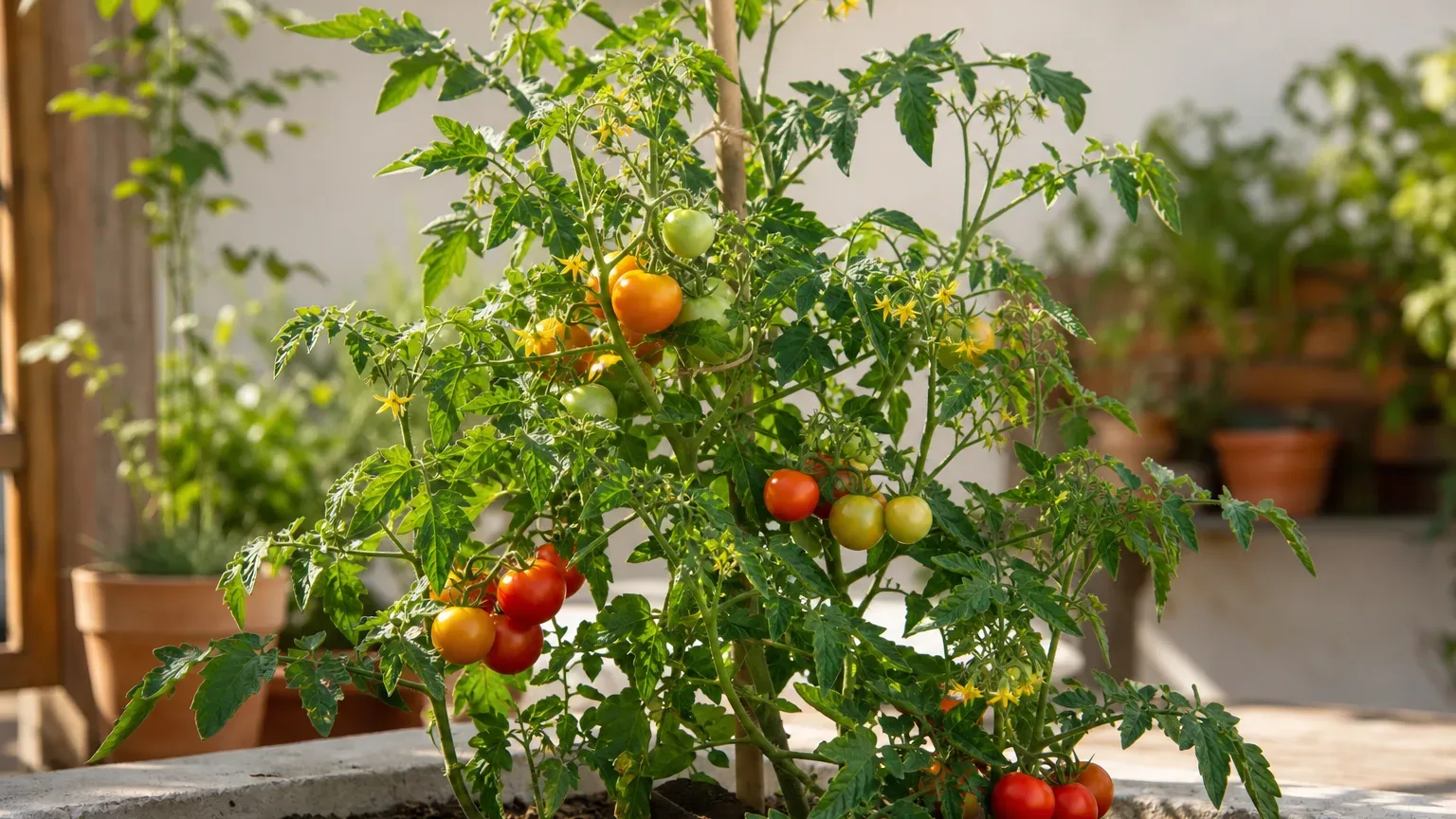
You nursed seedlings through spring, fought off early blight scares, and finally have red fruit on the vine—except each tomato looks more like a golf ball than the sandwich slicer you pictured. Small tomatoes are rarely a mystery curse. They are almost always a signal that the plant redirected energy away from fruit enlargement because of heat, water swings, pollination gaps, nutrient imbalance, disease pressure, or a fruit load it cannot finish sizing.
The fix starts with one question most rushed articles skip: Did you plant a variety that was never going to get big? Cherry and grape types are supposed to stay bite-sized. A undersized ‘Beefsteak’ or ‘Brandywine’ is a different problem entirely—and a fixable one if you diagnose the bottleneck instead of dumping more random fertilizer on stressed vines.
Run the Five-Minute Triage Before You Change Anything
Grab a notebook and walk the row. Write down variety name, approximate fruit diameter, soil moisture at six inches, recent high temperatures (day and night), leaf color, flower/fruit count, and any pest or spot damage. Those six data points narrow the cause faster than guessing.
Small Fruit vs. Stalled Growth
Fruit that set but stopped expanding usually points to water stress, heat during the cell-expansion stage, potassium shortage, or a plant carrying more fruit than it can ripen. Lush vines with few or tiny fruit more often trace to excess nitrogen, heavy shade, or pollination failure. Uniform marble-sized fruit on a cherry cultivar is success, not failure.
If fruit is small and hard for weeks with pale, floppy foliage, suspect nutrient overload—especially nitrogen applied after flowers appeared. If fruit is small and leaves curl or wilt by afternoon despite morning watering, suspect inconsistent moisture or root damage from repeated dry-wet cycles.
Check the Seed Packet First
Before you chase problems, read the label you may have tossed in April. Days-to-maturity, growth habit, and fruit description tell you the size ceiling. Clemson HGIC groups common types by realistic fruit character: cherry and grape types are small and salad-sized by design; beefsteaks are large and juicy; Romas are medium oblong meaty fruits (Clemson HGIC). If your melons-sized expectations came from a photo on a generic “tomato” transplant tag, reset them against the cultivar you actually planted.
When Small Tomatoes Are Normal (and When They Are Not)
Variety genetics set the upper size limit. Culture determines whether you reach it.
Cherry, Grape, and Compact Types
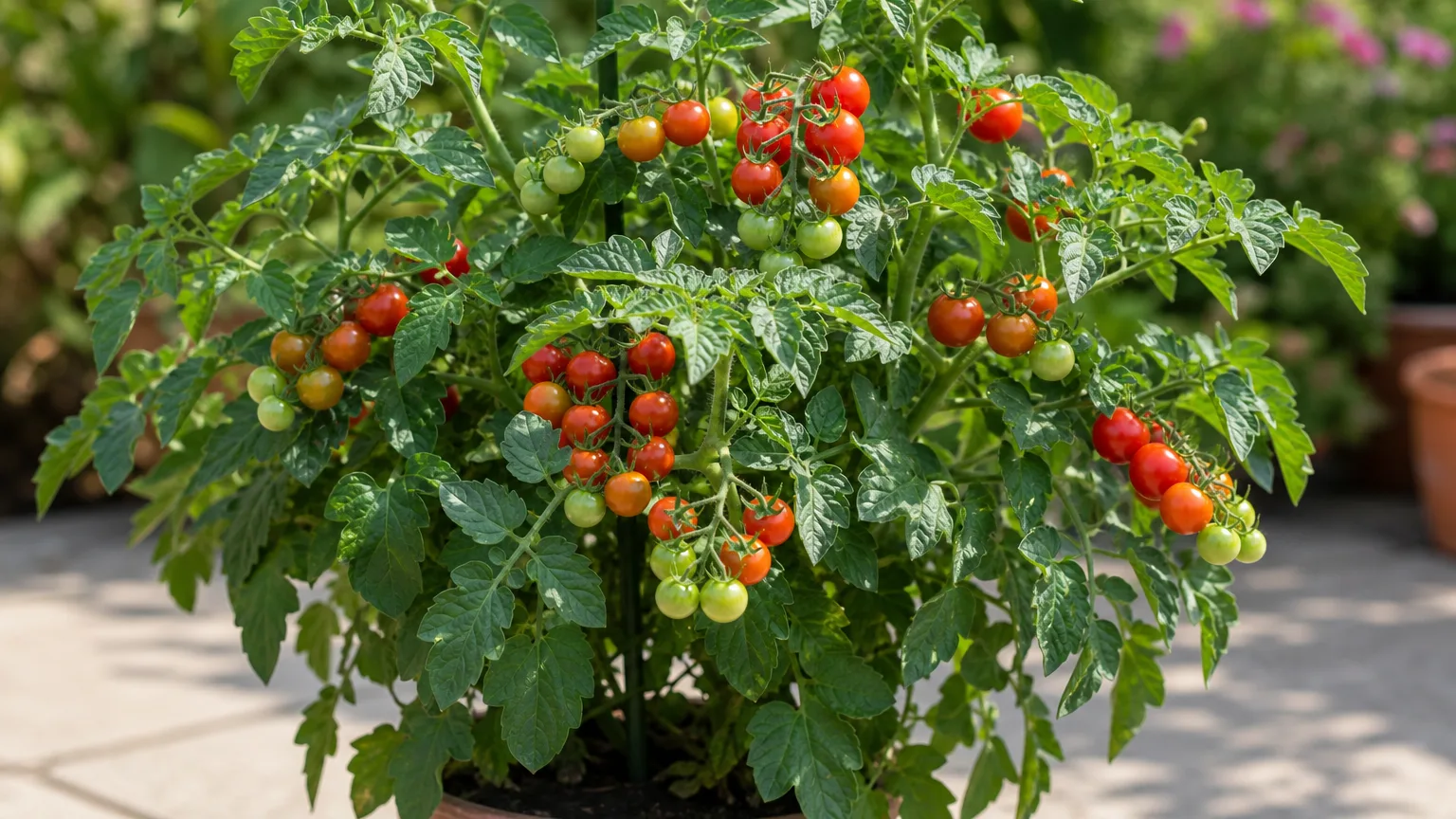
Cherry and grape tomatoes—‘Sun Gold,’ ‘Sweet 100,’ ‘Super Sweet 100,’ and dozens of others—produce high counts of intentionally small fruit. That is how they tolerate heat and beginner watering mistakes better than large slicers (Grow Organic). Compact or patio determinates bred for containers also top out smaller than full-size field tomatoes even under perfect care.
Normal: dime-to-quarter-sized cherries in clusters. Not normal: a slicing hybrid stuck at cherry size when the packet promised 10–12 oz fruit.
Determinate vs. Indeterminate Expectations
Determinate plants grow to a set size, set a concentrated fruit flush, then decline—common in early-season varieties (Clemson HGIC). Indeterminate vines keep flowering through summer, which can mean smaller late fruit if the plant is overloaded. UF/IFAS notes that indeterminate types produce over several months but need pruning, staking, and consistent care (UF/IFAS Gardening Solutions).
Match expectations to habit. A determinate ‘Roma’ producing modest oblong fruit is on schedule. An indeterminate heirloom carrying forty green tomatoes into September is asking each fruit to stay small.
Heat and Drought Stress That Caps Fruit Size
Heat and drought top most expert lists for undersized tomatoes—and for good reason. Tomato fruit enlargement depends on steady turgor pressure inside cells. When plants lose more water than roots can replace, or when extreme temperatures shut down pollen viability, expansion simply stops.
Night Temperatures and Fruit Set
UF/IFAS explains a threshold many home guides gloss over: once average nighttime temperatures climb above about 80°F, large-fruited tomatoes may keep flowering but stop setting new fruit (UF/IFAS Gardening Solutions). Cherry and grape types typically keep producing through hot southern summers; slicers often do not without heat-tolerant genetics.
Daytime highs above roughly 85–90°F compound the problem by stressing existing fruit. Gardening Know How lists extreme heat among the top reasons mature fruit stays small in southern gardens, especially when combined with drought (Gardening Know How). Fruit already on the vine may ripen small rather than expand further.
Shade, Mulch, and Watering Through Heat Waves
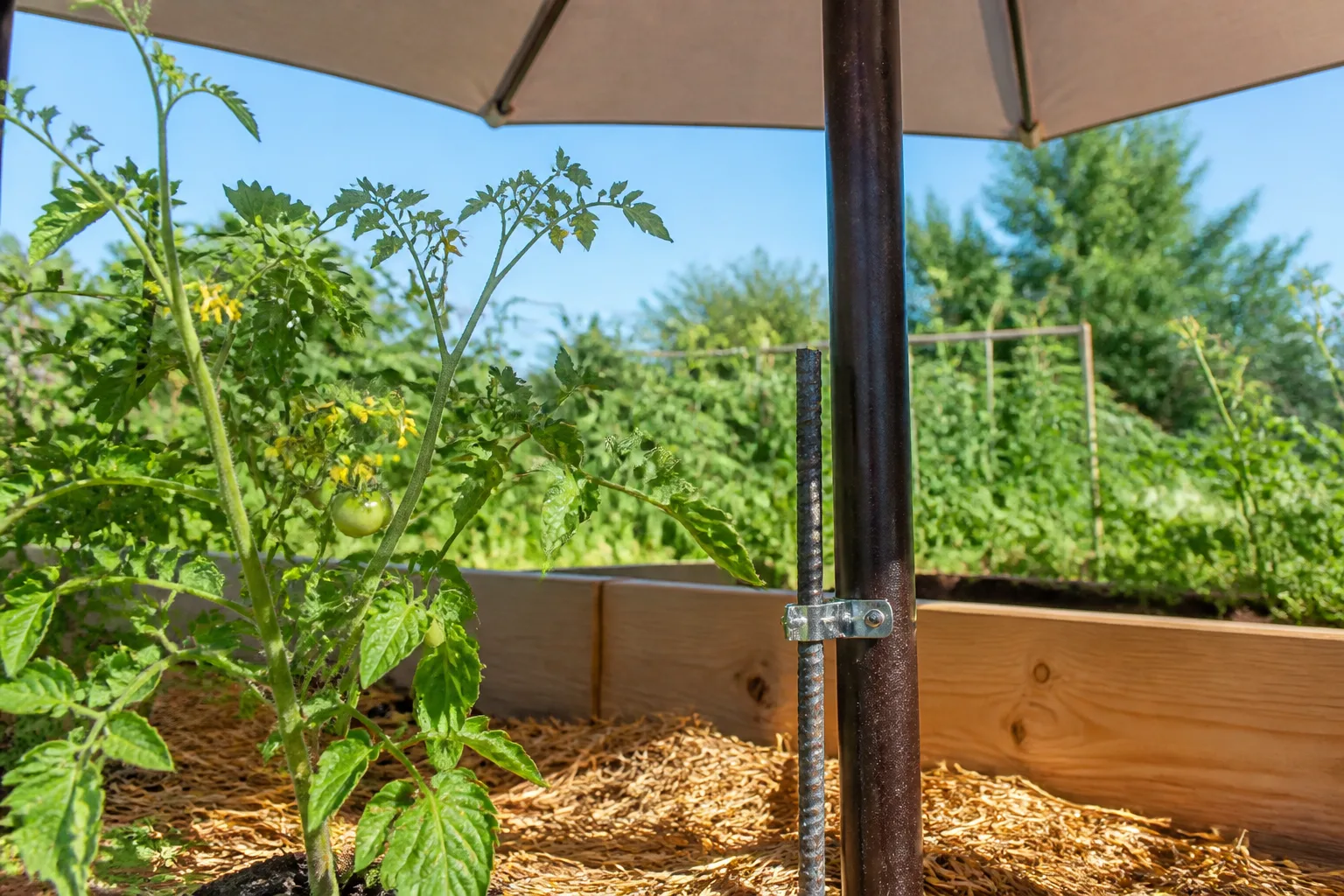
You cannot move your garden, but you can buffer afternoon intensity. Light shade cloth (30–40%) over western exposure, straw or shredded-leaf mulch to cool soil, and deep morning irrigation reduce heat shock. UF/IFAS recommends heat-tolerant cultivars such as ‘Heat Wave II’ and notes that most cherries set fruit in heat (UF/IFAS Gardening Solutions).
Trade-off to respect: too much shade cuts photosynthesis and can also yield small fruit. Aim for six to eight hours of direct sun with protection only during the hottest afternoon window, not full-day dim conditions.
Uneven Watering and Drought Cycles
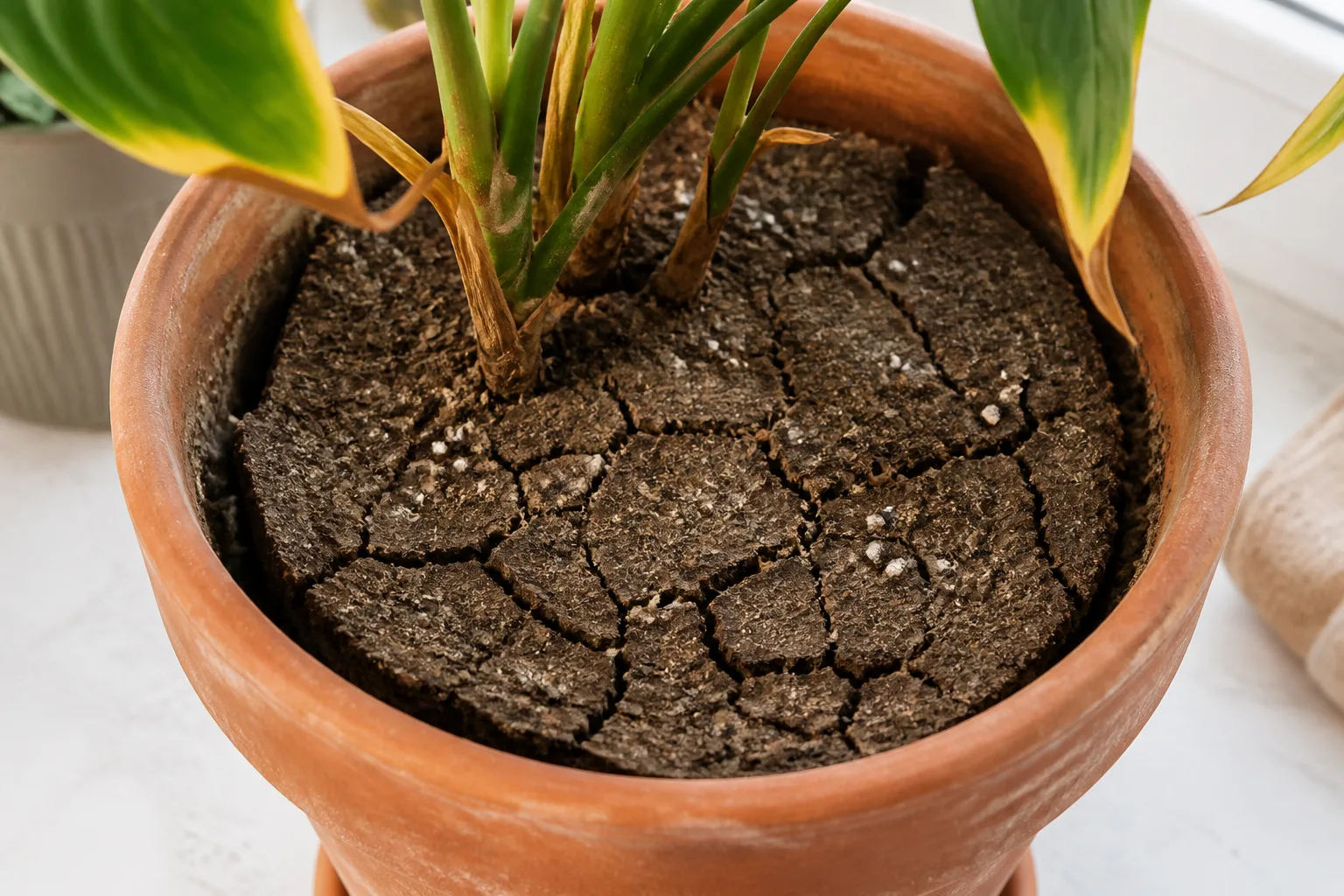
Inconsistent moisture is the number one cultural cause of small tomatoes, according to Gardening Know How: when soil swings from soggy to bone dry, plants prioritize root survival over fruit growth, and blossoms or young fruit may abort (Gardening Know How).
Target about 1 to 2 inches of water per week from rain plus irrigation, delivered in one or two deep soakings rather than daily sprinkles that keep roots shallow (UF/IFAS Gardening Solutions). Insert a finger or moisture meter six inches down; the root zone should stay evenly moist during fruit swell, not cycle between dust and mud.
Containers dry faster than in-ground beds. A five-gallon bucket with drainage holes is a minimum for one tomato; self-watering reservoirs help when summer travel conflicts with harvest season (UF/IFAS Gardening Solutions). Mulch two to three inches deep to slow evaporation, but pull it back slightly if slugs or fungal issues appear at the stem.
Signs you are underwatering: afternoon wilt that recovers overnight, blossom-end rot on earlier fruit, cracked skin after a sudden rain following drought. Signs you are overwatering: yellow lower leaves, sour smell from saturated soil, fruit that splits while still small.
Poor Pollination and Fruit That Never Fully Expands
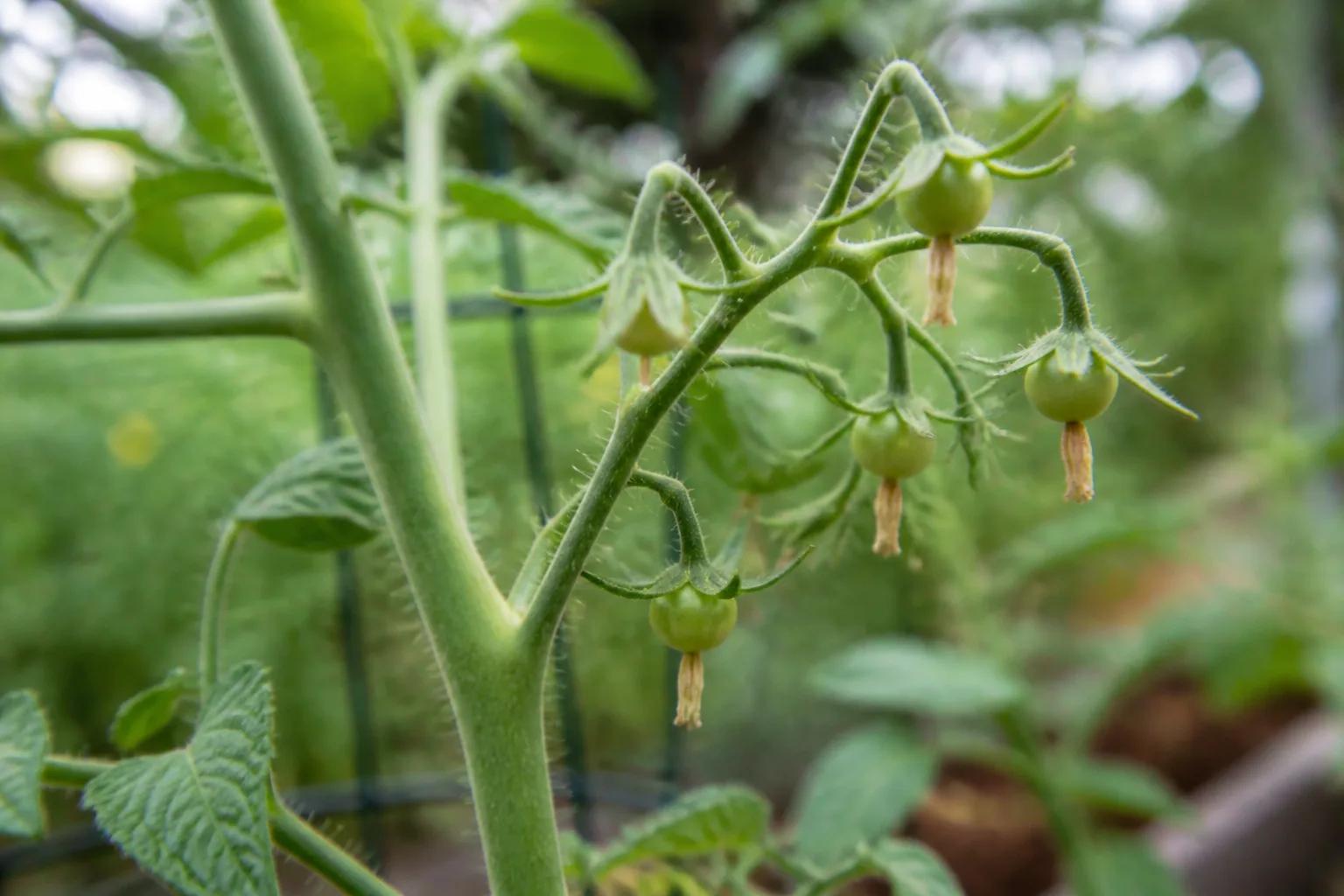
Most garden tomatoes are self-fertile, but pollen still has to move inside the flower. High heat degrades pollen. Excess humidity can glue pollen grains together. Screened porches, heavy row cover left on too long, and pesticide sprays during bloom all reduce successful pollination—and poorly pollinated fruit often stays small or oddly shaped.
Improve natural pollination by planting nectar-rich flowers nearby, providing a clean water source, and avoiding broad-spectrum sprays when flowers are open. In enclosed or pollinator-poor sites, hand pollinate every other morning during bloom: gently vibrate or tap flower clusters between 10 a.m. and 2 p.m. when humidity is moderate, or use a small brush to transfer pollen within each flower cluster.
Fruit that sets but looks cat-faced, lobed, or pinched at the blossom end often had a pollination or weather glitch at flowering—not a sizing issue you can fix with fertilizer later. Focus on next trusses instead.
Too Much Nitrogen and the Wrong Fertilizer Timing
Nitrogen drives leaf and stem growth. That is useful early. It is destructive when applied heavily after bloom. Excess nitrogen is a well-documented cause of small fruit because the plant pours energy into foliage instead of fruit expansion (Gardening Know How).
Symptoms stack up: deep green almost blue-green leaves, thick stems, abundant suckers, flowers that drop, and fruit that stays hard and pale. Lawn fertilizer runoff, fresh manure sidedress, or repeated high-nitrogen soluble feeds are common culprits.
Shift to Phosphorus- and Potassium-Forward Feeding After Bloom
Clemson HGIC recommends basing all applications on a soil test, maintaining pH between 6.0 and 6.5, and side-dressing with calcium nitrate three to four weeks after planting—placed four to six inches from stems to avoid root burn (Clemson HGIC). UF/IFAS suggests a 6-8-8 or similar balanced product at planting and regular light feedings through the season—not one nitrogen blast (UF/IFAS Gardening Solutions).
Practical phase guide:
- Seedling to transplant: moderate nitrogen for leaf development.
- First flowers: reduce nitrogen; emphasize phosphorus for bloom retention.
- Fruit swell: potassium supports water regulation and cell size; calcium prevents blossom-end rot.
If you overfed, flush excess salts with two or three deep plain-water soakings over a week, then hold fertilizer until new growth looks balanced. Do not compensate with more nitrogen—that deepens the imbalance.
Overloaded Vines and Late-Season Fruit Load
A tomato plant is not an infinite fruit factory. Every green tomato on the vine demands water, potassium, and photosynthate. Leaving dozens of fruit to hang “until they size up” often keeps them all small because the plant divides limited resources across too many competitors.
Harvest ripe fruit promptly—fully colored but still firm—so the plant can redirect energy to remaining fruit. Clemson notes flavor is best vine-ripened yet firm, and that refrigeration after ripening can dull taste and create mealiness (Clemson HGIC). Room-temperature ripening at about 70°F works for mature green fruit pulled before frost.
On indeterminate plants late in season, selective thinning helps: remove the smallest, latest trusses that will not mature before first frost, especially on overloaded heirlooms. That feels brutal, but three full-size tomatoes beat twenty marbles.
Pruning strategy matters too. Clemson reports that lightly pruned caged plants carry heavier foliage that reduces sunscald but can increase humidity and disease spread (Clemson HGIC). For sizing, aim for two to three main stems with good airflow—not an unpruned jungle holding hundreds of ping-pong fruit.
Pests and Diseases That Steal Sizing Energy
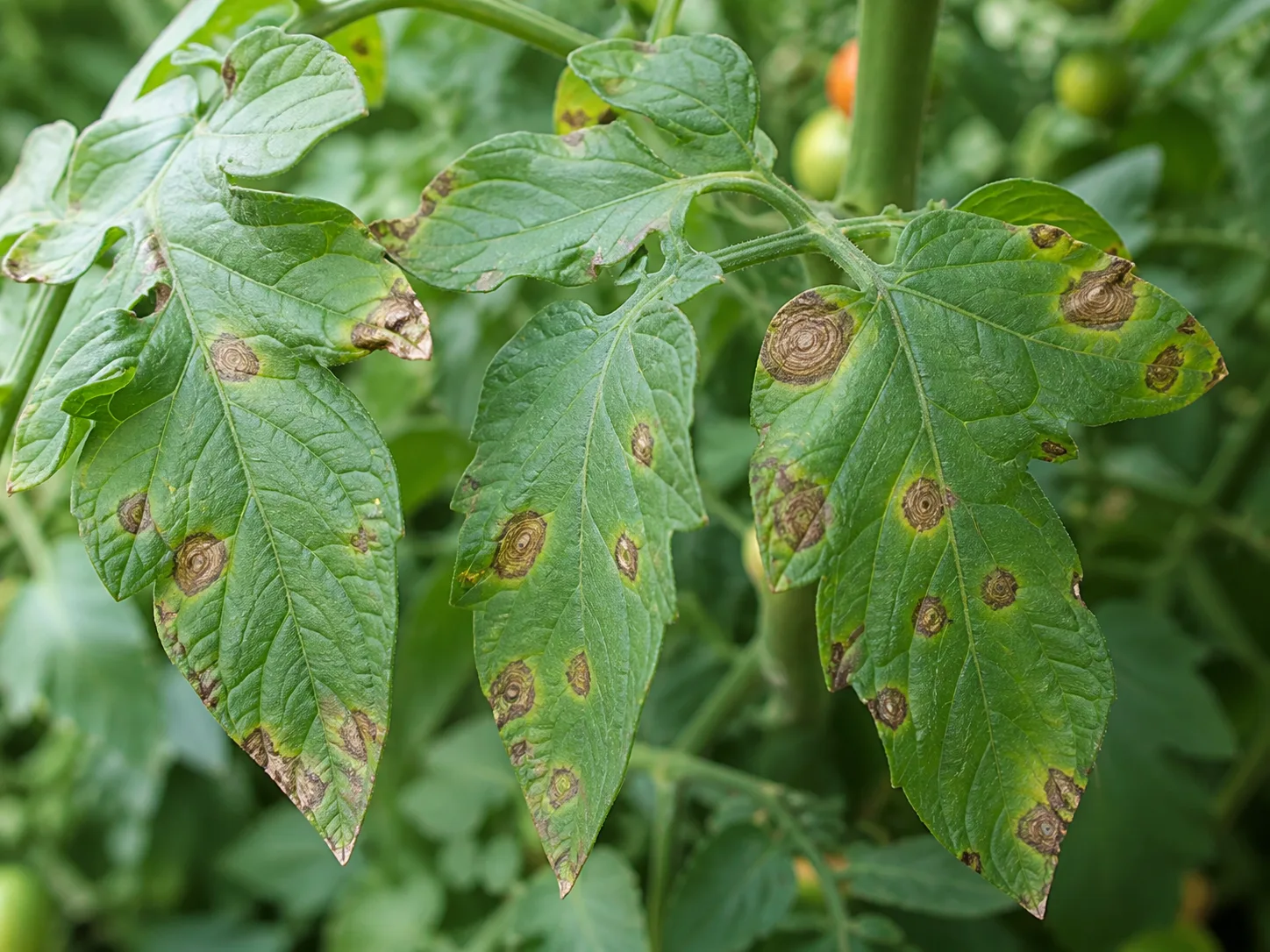
When hornworms strip leaves, aphids coat shoots, or early blight yellows foliage, the plant shifts into survival mode. Energy goes to defense and root maintenance, not fruit enlargement. Fruit that was sizing may stall; new fruit may be sparse and small.
Prevention beats rescue: inspect plants during every watering pass, remove hornworms by hand, hose off early aphid colonies, and mulch to block soil-splash diseases. Clemson links staking and trellising to better airflow—a core disease-management tactic (Clemson HGIC). UF/IFAS stresses regular scouting because small problems become yield killers fast in humid summers (UF/IFAS Gardening Solutions).
If disease is active now, remove heavily infected lower leaves, improve airflow, and water at soil level. Fungicide may be warranted on valuable plantings; follow label rates exactly. Do not expect stalled fruit to magically enlarge after defoliation—protect the next clean trusses instead.
Fix It Now vs. Plan for Next Season
Some fixes work mid-harvest. Others are really next-year investments. Splitting the list keeps you from ripping out healthy plants in August out of frustration.
Harvest Rhythm and Selective Thinning This Year
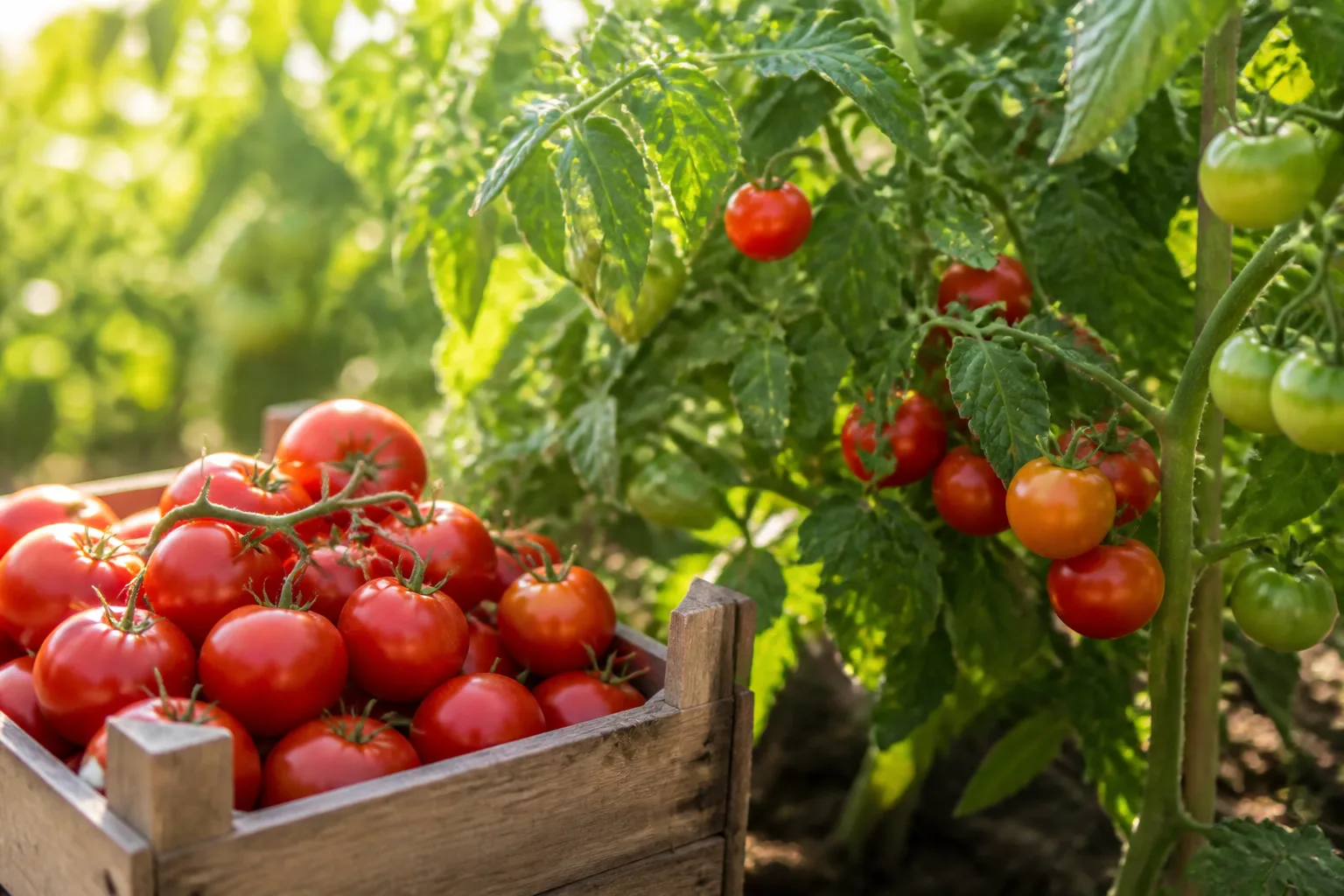
Do now: deep consistent watering, harvest ripe fruit daily, hand pollinate if blooms are failing, provide afternoon shade during heat spikes, remove pest-damaged leaves, stop high-nitrogen feeds, side-dress lightly with potassium-forward fertilizer only if leaves look pale (not dark green), and thin the smallest late fruit on overloaded vines.
Probably too late for full recovery: switching from cherry to beefsteak genetics, correcting major nitrogen toxicity in one week, or expecting large new fruit after sustained nights above 80°F on non-heat-tolerant slicers. Cherries may still reward you; big heirlooms may not until weather cools.
Soil Prep, Variety Swaps, and Spacing for Next Year
Plan ahead: test soil in fall or early spring; amend pH and phosphorus before planting; choose heat-tolerant or cherry types if your summers run hot; transplant deep for extra rooting; space plants 24 inches apart in rows three feet apart per Clemson guidance (Clemson HGIC); install stakes or cages at planting; and match cultivar to container size if you grow on a patio.
Start seeds early enough that fruit set finishes before your hottest nights—UF/IFAS warns against planting so late that plants lack time before summer heat shuts down large-fruit set (UF/IFAS Gardening Solutions). In short-season climates, lean on early determinates; in long hot summers, prioritize heat-set cherries for summer and plant a fall slicer crop when nights drop.
Conclusion
Small tomatoes are disappointing, but they are also readable. Start with the seed packet: cherries and grapes are supposed to be petite. For slicing types, look next at water consistency, night temperatures, pollination, nitrogen balance, fruit load, and plant health—in that order of how often each actually limits size in home gardens.
Fix what you can this season with steady deep watering, timely harvest, heat protection, and smarter feeding. Bank the structural changes—soil tests, heat-tolerant varieties, spacing, and scouting—for next year. Tomatoes forgive many beginner mistakes; they rarely forgive chronic stress while trying to swell fruit. Give the plant fewer problems and fewer competing fruit, and the next truss is far more likely to land on your cutting board instead of the compost bucket.



