How to Grow and Care for Lantana
Learn lantana care: full sun, watering, pruning, containers, cold-climate overwintering, and pet safety—plus cultivar picks and invasive-plant cautions.
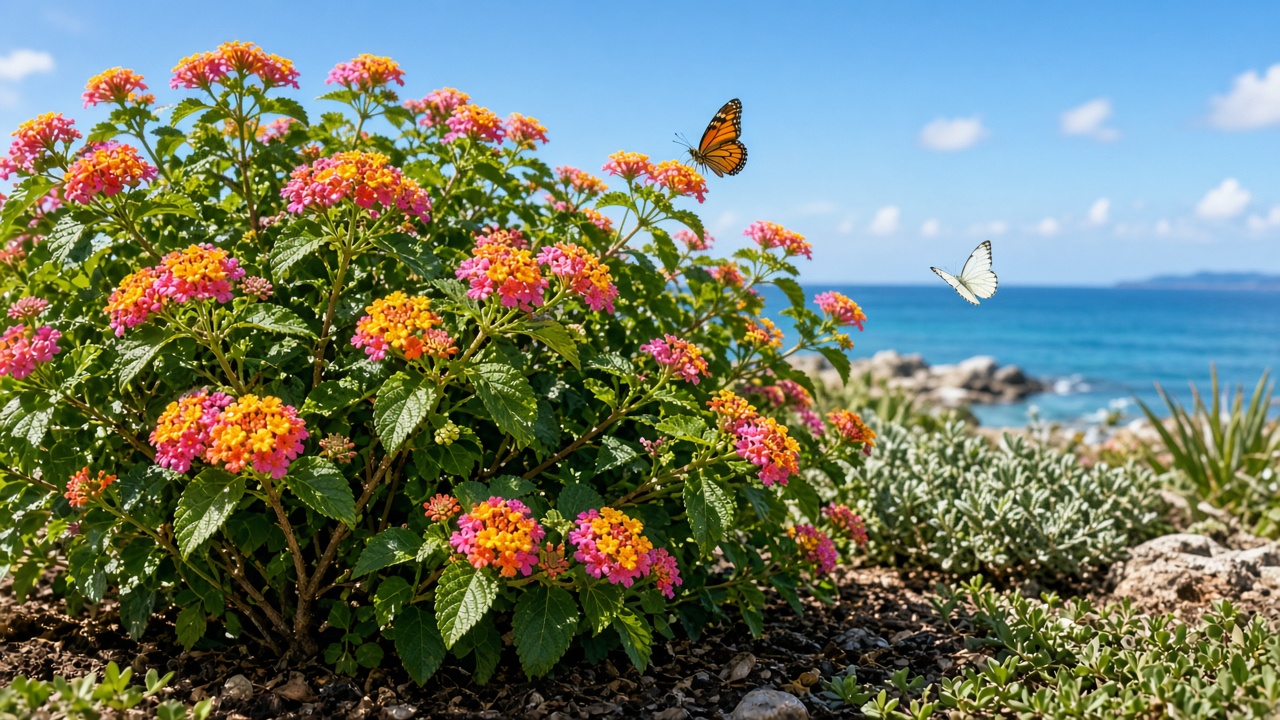
Lantana is one of those plants that looks effortless in a hot parking-lot planter and impossible in a shady corner. The difference is almost always light, drainage, and whether you checked local planting rules before putting it in open ground. Get those three decisions right and lantana rewards you with months of butterfly traffic and color that holds up through drought and salt spray. Skip the planning step and you may spend autumn fighting leggy stems, unexplained wilt, or a shrub that spread farther than you intended.
The species most gardeners encounter is Lantana camara, a fast-growing member of the verbena family (Verbenaceae) native to tropical parts of the Americas. It goes by common names including shrub verbena, common lantana, and West Indian lantana. In frost-free climates it behaves as a woody, sprawling shrub or groundcover. Where winter kills the top growth, it is sold and grown as a heat-loving annual that can still reach several feet in one season.
Know lantana before you plant it
Before you buy a pot at the nursery, decide how you will use the plant: temporary summer color, a permanent coastal hedge, or a contained basket you can control. Each path has different watering, pruning, and legal implications.
What lantana is (and what it is not)
Lantana produces rounded inflorescences—tight clusters of small tubular flowers that often change color as they age, creating a bicolored or multicolored effect on the same head. Colors run from yellow and orange through pink, red, and purple, depending on cultivar. Leaves are opposite, often rough or sandpaper-textured, and release a sharp citrusy scent when crushed. That fragrance is part of its charm outdoors and part of why it makes a poor long-term houseplant.
Lantana is frequently confused with verbena, another Verbenaceae genus. Verbenas generally have larger individual flowers in looser clusters and are less woody at maturity. Lantana is typically more heat- and drought-tolerant once established and more likely to develop a shrubby base in warm zones. Both attract pollinators, but lantana’s dense nectar heads are butterfly magnets in summer trials across the Southeast.
Lantana is not a shade plant, a moisture-loving bog species, or a reliable indoor perennial without strong supplemental light. Treating it like a pothos on a dim shelf is the fastest route to leggy stems and zero bloom.
Mature size and growth habit
NC State Extension lists mature dimensions of roughly 1 to 6 feet tall and 3 to 5 feet wide, though habit varies sharply by cultivar and climate. In its native range or equivalent frost-free gardens, lantana develops woody stems and can sprawl wider than it is tall. Grown as an annual in the North, it often finishes the season around 2 to 4 feet if given full sun and steady moisture early on.
Growth is fast once roots establish. Stems root easily where they touch soil in warm, humid conditions, which contributes to both easy propagation and invasive spread where the species is not controlled. Flower show begins in midsummer in cooler zones and can continue until frost; in frost-free coastal areas, bloom may persist nearly year-round when temperatures stay above about 55°F (13°C).
Is lantana right for your yard?
This is the section many care guides bury in a single warning sentence. It belongs up front because the answer changes where and how you should plant.
Invasiveness and local restrictions
Lantana camara is widely naturalized outside its native range and appears on invasive-species lists in many frost-free regions, including parts of Florida, Arizona, and Hawaii. Birds eat the berries and spread seed; stems also layer and root where they contact soil. The U.S. Fish and Wildlife Service notes largeleaf lantana as an introduced species with environmental impacts in several southern states. Gardeners in warm climates should check local extension offices, municipality weed lists, or state invasive plant councils before planting in open ground.
If lantana is restricted or discouraged in your area, you still have options:
- Grow sterile or low-fruiting cultivars bred for reduced seed set, and deadhead before berries form.
- Plant in containers on hardscape where seedlings are easy to remove.
- Choose native pollinator alternatives suggested by your regional extension service, such as passionflower, black-eyed Susan, or native verbena species where appropriate.
In cold climates where plants die each winter, invasive spread from seed is far less of a concern, though you should still avoid composting ripe berries if birds might access the pile.
Pet and livestock safety
Lantana carries medium to high severity poison characteristics according to NC State Extension. The ASPCA lists it as toxic to dogs, cats, and horses, with toxic principles identified as pentacyclic triterpenoids. Clinical signs in pets can include vomiting, diarrhea, labored breathing, and weakness. Liver failure is more commonly reported in livestock that browse the plant repeatedly.
All parts can cause problems if ingested in quantity; unripe green berries are especially risky. Leaves may also cause brief skin irritation in sensitive people. If you share your garden with pets or grazing animals, place lantana where it cannot be chewed, remove fallen fruit promptly, and call your veterinarian or ASPCA Animal Poison Control at (888) 426-4435 if ingestion is suspected.
Lantana care at a glance
| Need | Practical target |
|---|---|
| Light | Full sun — at least 6 hours of direct light daily |
| Soil | Well drained; tolerates sandy, poor, or slightly acidic to alkaline soil (pH ~6.0–8.0) |
| Water | Even moisture while establishing; ~1 inch per week in ground when mature; more in containers and sand |
| Temperature | Thrives above 55°F; damaged by prolonged frost below ~28°F |
| Hardiness | Perennial in USDA zones 7–11 depending on cultivar; annual elsewhere |
| Fertilizer | Light feeding in spring in ground; monthly balanced feed in containers |
| Bloom | Spring through frost in warm zones; deadhead to limit seed and encourage rebloom |
| Wildlife | Attracts butterflies and hummingbirds; berries eaten by birds |
| Pests | Watch aphids, whiteflies, spider mites, lace bugs, mealybugs |
| Caution | Toxic to pets and livestock; invasive in many frost-free regions |
Light, soil, and planting site
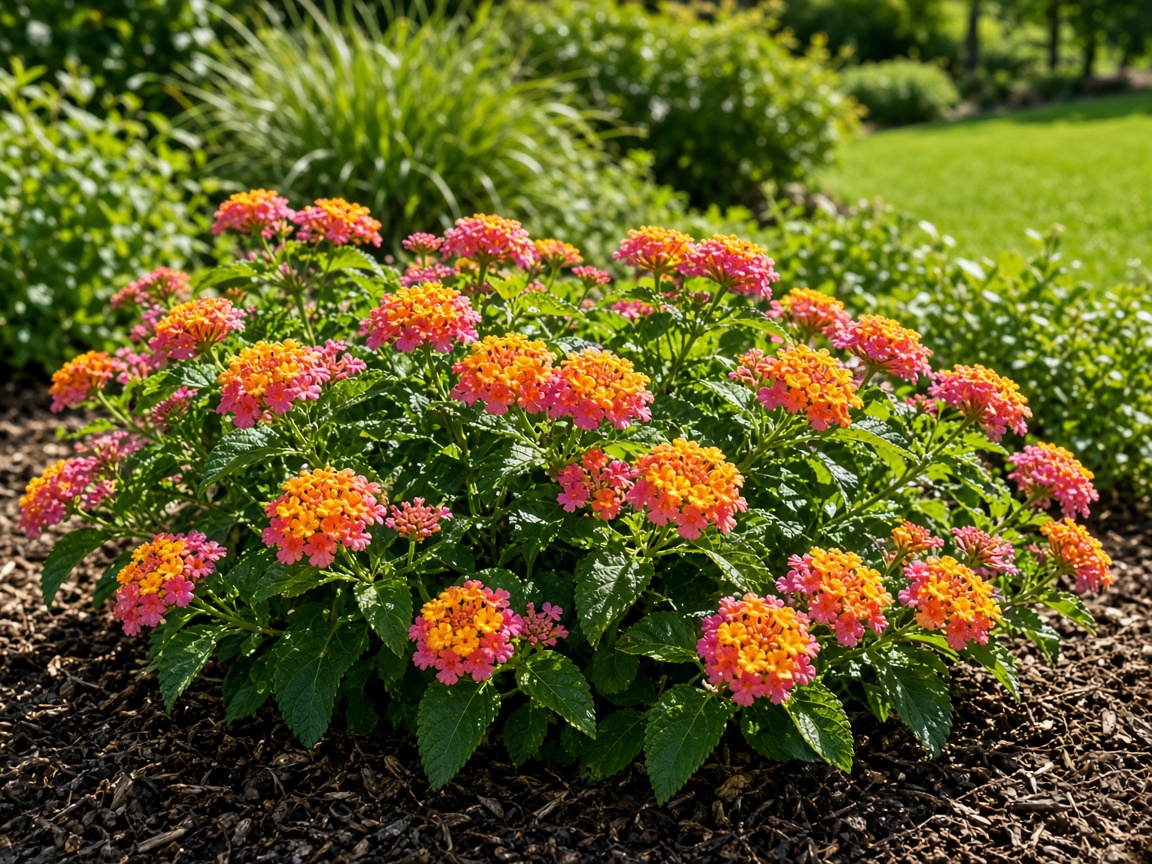
Lantana’s performance is driven more by light and drainage than by elaborate soil amendments. Think like a coastal parking-lot planter: blazing sun, quick drainage, and air movement.
Site the plant where it receives six or more hours of direct sun each day. Morning-to-midday sun is ideal; light afternoon shade is tolerable but reduces flower count. Deep shade produces weak, leggy growth and few blooms. Avoid planting beneath deciduous trees that leaf out late and steal summer light, or under eaves that cast long shadows.
Soil should drain freely. Lantana tolerates sandy, rocky, and nutritionally poor soils once established and is valued for salt spray tolerance in coastal yards. Heavy clay needs amendment with compost or planting on a slight mound so roots do not sit wet after rain. A neutral pH range between 6.0 and 8.0 suits most cultivars.
Plant after your last frost date when treating lantana as an annual, or any time in frost-free zones when soil is workable. Space plants according to mature spread—compact cultivars may need only 18 to 24 inches, while vigorous shrub types may require 3 to 5 feet to avoid crowding. Mulch lightly to suppress weeds, keeping mulch away from stem bases to reduce rot risk.
Watering and fertilizing
Newly planted lantana needs consistent moisture while roots expand. Water deeply at planting, then maintain even soil moisture for the first few weeks. In fast-draining sand, that may mean checking daily during establishment; in loam, every two to three days is often enough in warm weather.
Once established, lantana is moderately drought tolerant. A rough guide for in-ground plants is about 1 inch of water per week from rain or irrigation, delivered at the root zone rather than overhead when possible. Container plants dry faster and may need daily watering in midsummer heat. If bloom slows during a hot dry spell, increase water before reaching for fertilizer—stress from drought often shows up as reduced flowers before obvious wilt.
Fertilizer should stay light in the ground. One application of balanced slow-release or a single spring feeding is usually sufficient. Excess nitrogen pushes leafy growth at the expense of flowers and can invite sap-sucking pests. For containers, use a balanced water-soluble fertilizer (such as 20-20-20 diluted to label strength) every three to four weeks during active growth, or a slow-release product mixed into potting soil at potting time. A half-strength phosphorus-forward feed after a heavy flush can support rebloom, but only after sun and water needs are met.
Types and cultivars worth knowing
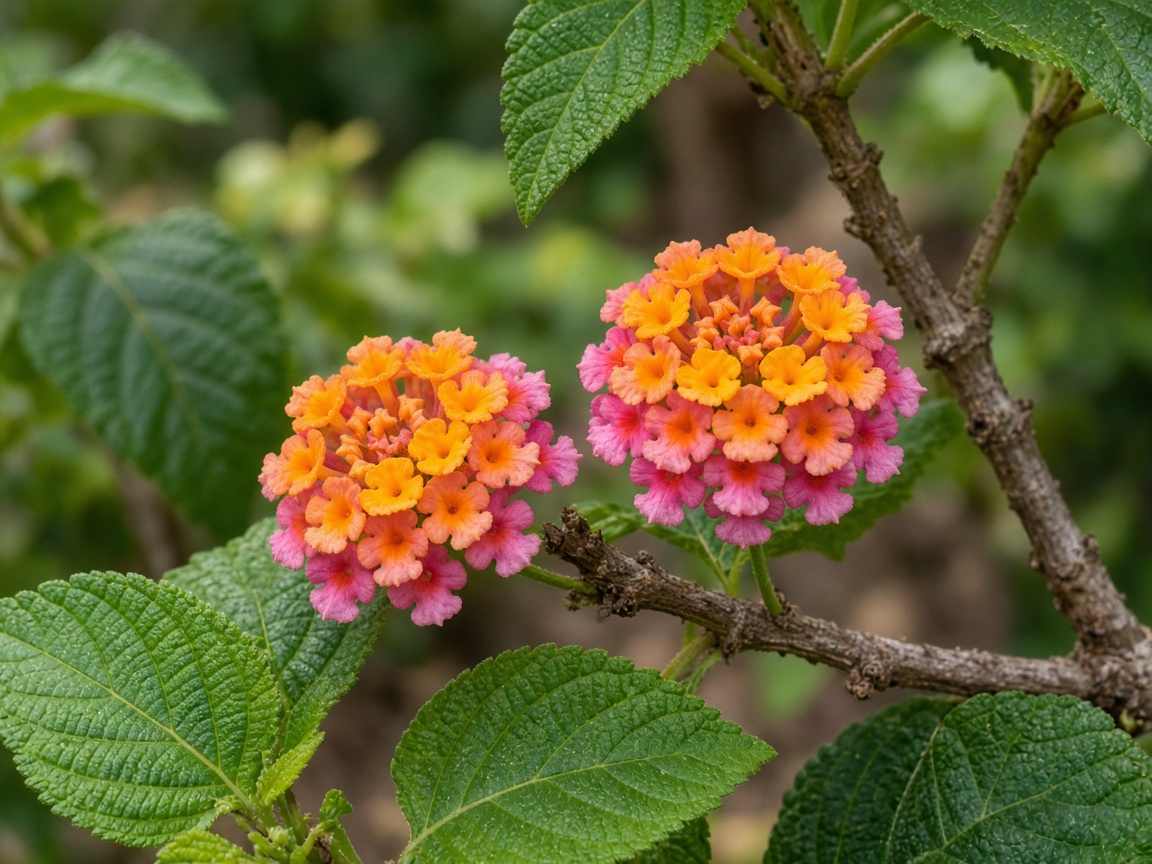
Commercial lantana is dominated by Lantana camara hybrids, but related species matter for design.
Compact mounding series such as Bandito™, Bandana®, and Little Lucky™ are bred for containers and front-of-border color. They stay tidy, bloom heavily, and are the default choice for annual displays in the North.
Cold-hardy selections expand perennial use in the upper South. Cultivars including ‘Miss Huff’, ‘Ham and Eggs’, and ‘Chapel Hill Yellow’ are reported hardy into USDA zone 7b with mulched roots and spring cutback, according to NC State Extension cultivar notes. ‘Miss Huff’ also shows improved resistance to phytophthora root rot in field observations.
‘New Gold’ and other low trailers spread widely—up to 6 feet—and work as groundcovers where permitted. ‘Radiation’ and ‘Dallas Red’ build larger shrub forms with bold red-orange tones.
Trailing lantana (Lantana montevidensis) has thinner, vining stems often used in hanging baskets and spiller roles. It tends to be lower and more cascading than upright camara types.
When shopping, read labels for fruit set. Sterile or low-seed cultivars are preferable anywhere spread is a concern. Epic Gardening’s horticulture-reviewed lantana guide also describes sterile selections as one way to reduce seed spread; that label is not a substitute for checking state and local rules, and it should not be generalized to every cultivar in a series. Avoid buying plants with obvious pest damage, spotted foliage, or root-bound pots unless you plan to repot and quarantine immediately.
Pruning, deadheading, and bloom management
Lantana blooms on new growth, so pruning shapes the plant and renews flower wood. In frost-free regions, cut established shrubs back to 6 to 12 inches in late winter or early spring before new shoots emerge. That hard cutback prevents woody legginess and resets size. For plants that stay outdoors through winter, the Gardening Know How pruning guide also favors late-winter or early-spring pruning over fall cuts, which can leave fresh growth exposed to cold and wet weather. Use the season as a guide rather than a fixed date: prune after the harshest cold has passed but before vigorous spring growth begins. During the season, pinch or shear lightly after a heavy flush to branch stems and trigger another wave of color.
Deadheading serves two jobs: tidiness and seed control. Remove spent flower heads before they form dark green to black berries if you want to limit spread or redirect energy into new buds. Each cluster lasts several weeks; removing it promptly keeps the display cleaner.
If bloom is poor despite good sun, check for over-fertilization with nitrogen, drought stress, or seed pods maturing unnoticed. Prune back leggy stems by one-third and adjust water before adding more fertilizer.
Propagation by cuttings and seed
Stem cuttings are the reliable method for named cultivars because hybrid seed may not match the parent.
Take 4-inch cuttings from non-flowering tip growth in late summer if you plan to overwinter indoors, or in spring from fresh growth. Strip lower leaves, dip the cut end in rooting hormone if available, and insert into moist seed-starting mix or a perlite–peat blend. Cover with a clear humidity dome or bag supported by stakes so plastic does not touch leaves. Keep medium moist and provide bright indirect light. Roots typically form in three to four weeks; transplant when new top growth resists a gentle tug.
Seed is useful for generic annual lantana in cool zones. Soak seeds 24 hours in warm water, then sow 6 to 8 weeks before your last frost in sterile mix at 70–75°F. Germination can take several weeks and is slower than vegetative propagation. Seed saved from garden plants may produce mixed colors and habits.
Growing lantana in containers
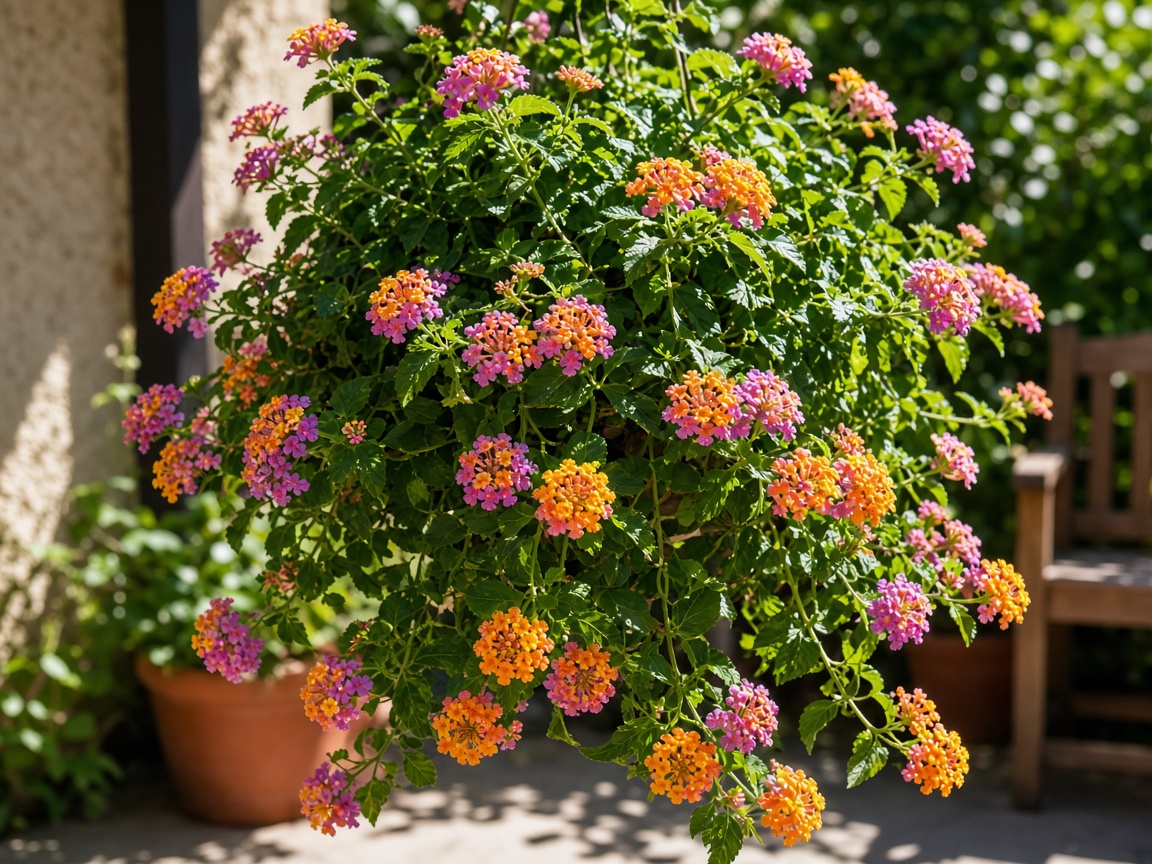
Containers are the best strategy where in-ground planting is restricted or where you want controlled size. Choose a pot only one size larger than the rootball; lantana flowers well with somewhat tight roots. Ensure drainage holes and use a quality potting mix amended with perlite or sand if your blend retains water heavily.
Place containers in full sun on patios, decks, or poolside locations that receive reflected heat. Check moisture daily in peak summer; terra-cotta dries faster than plastic. Rotate pots weekly if one side leans toward the light.
Repot when roots circle the bottom or emerge from drainage holes—typically once per season for fast annual types. Move up one pot size, refresh mix, and trim overly long roots lightly before replanting.
Overwintering in cold climates
Lantana can be overwintered indoors, but it is not a easy houseplant. Success requires a cool, bright room (above 55°F) or a dormant storage approach.
For active overwintering, bring potted plants indoors before the first frost. Place them under full-spectrum grow lights for 12 to 14 hours daily if you lack a south-facing window. Expect leaf drop and some pest hitchhikers; inspect before entry and treat if needed. Water sparingly—soil should dry slightly between waterings in low light.
For dormant storage, move pots to an unheated garage or basement that stays above 55°F. Reduce light and water to roughly half an inch per week until spring growth resumes. Hard-prune before moving outdoors after frost danger passes.
Where overwintering fails, treat lantana as a disposable annual and take cuttings in fall if you want free replacements next year.
Pests and common problems
Established lantana is tough, but stress attracts pests. Common issues include aphids on tender new growth, whiteflies and lace bugs on undersides of leaves, spider mites during hot dry spells, and mealybugs in sheltered container culture.
Signs include sticky honeydew, sooty mold, stippled yellow leaves, fine webbing, or white cottony masses on stems. Start with a strong water rinse for mites and aphids on outdoor plants, then apply insecticidal soap or horticultural oil following label directions. Repeat weekly until populations crash. Avoid broad-spectrum sprays that harm pollinators during bloom.
Root rot from poorly drained soil shows as wilting despite wet media and brown, mushy roots. Repot into fresh mix, trim damaged roots, and improve drainage. Powdery mildew can appear in shadier, humid sites—move to more sun and increase air flow.
Leggy stems mean too little light or insufficient seasonal cutback. Wilting during heat often means underwatering at the root zone, not merely hot air. Nutrient deficiencies (iron, potassium, or phosphorus) can cause leaf yellowing or droop; a soil test beats guessing if problems persist.
Conclusion
Lantana earns its place in heat-stricken beds and coastal containers when you match cultivar to climate, give it unapologetic full sun, and manage water during establishment. The decisions that matter most happen before planting: confirm local restrictions, choose sterile or container culture if spread is a risk, and plan for pet safety where animals browse gardens.
Treat fertilizer as a light supplement, not a bloom switch. Deadhead or shear after heavy flushes to keep color coming and seeds in check. In cold zones, take cuttings or overwinter pots with realistic expectations—lantana wants brightness and warmth, not a dim corner. Do that, and you get a shrub that shrugs off drought, feeds butterflies, and carries color through the months when lesser annuals fade.



