Why Skip a Fiddle-Leaf Fig and Grow a Rubber Plant
Thinking about a fiddle-leaf fig? Compare light, water, humidity, and cost against rubber plants before you spend $80 on a tree that drops leaves in winter.
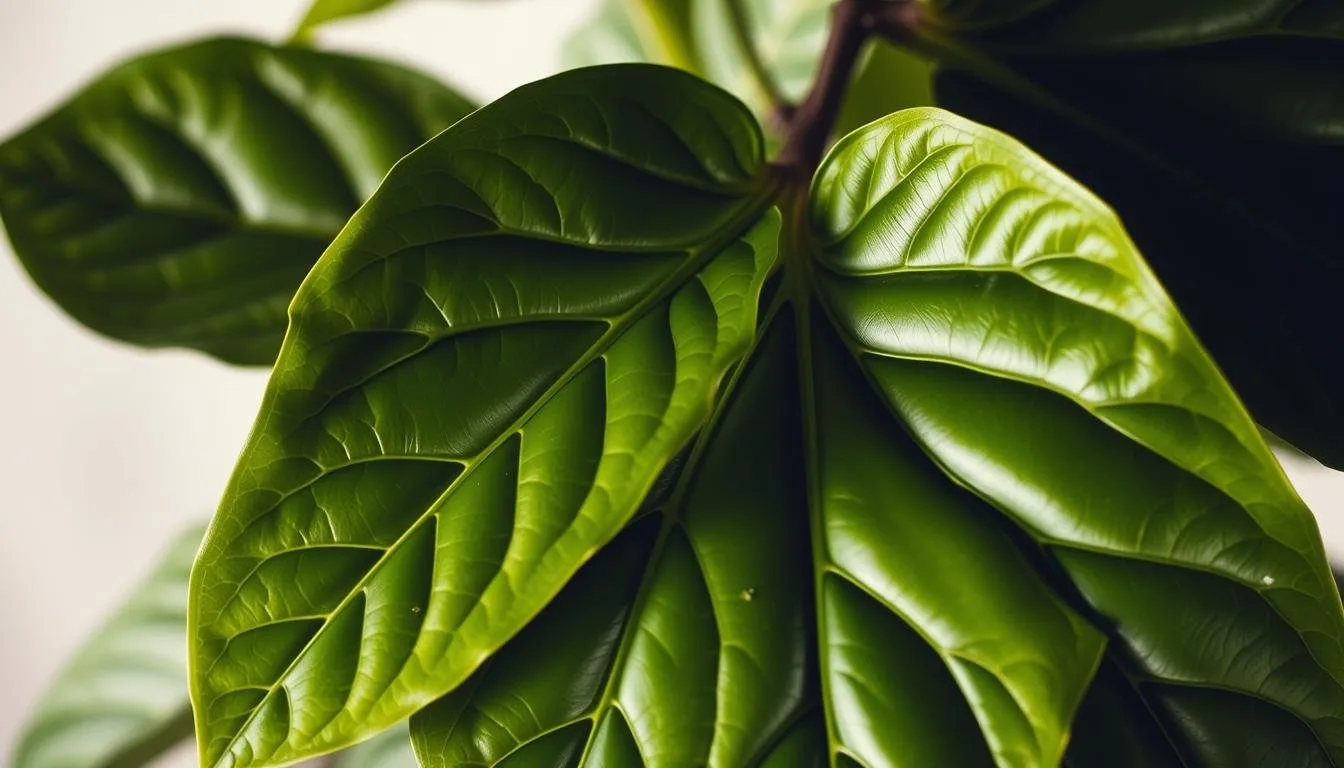
A six-foot fiddle-leaf fig in a ceramic pot is the fastest way to make a living room look “finished.” It is also one of the fastest ways to turn a confident new plant parent into someone who googles “why is my fiddle leaf fig dropping leaves” at midnight in February. The plant itself is not impossible—but the combination of price, size, winter indoor conditions, and zero margin for error makes it a poor first big purchase for most homes.
If you want tall, architectural greenery without betting your budget on a temperamental tree, start with a rubber plant (Ficus elastica) instead. Same genus, similar tree-like silhouette, far more tolerance for the drafts, dry air, and inconsistent watering that wreck fiddles every year. Here is how to decide—and when a fiddle-leaf fig is actually worth bringing home.
The Fiddle-Leaf Fig Trap New Plant Parents Fall Into
Fiddle-leaf figs (Ficus lyrata) earned their reputation honestly. The lyre-shaped leaves are huge, the vertical habit reads like indoor sculpture, and nursery specimens photographed beautifully enough to fuel a decade of design trends. What those photos rarely show is the six-month lag between “thriving showroom plant” and “bare stick with three leaves at the top.”
NC State Extension classifies the species as a small tropical tree that reaches 2 to 10 feet tall indoors, with leaves up to 18 inches long. That scale is exactly why beginners want one—and exactly why mistakes are expensive. A $25 pothos that struggles costs you patience. A $120 fiddle that drops half its canopy costs you money, floor space, and confidence.
The trap is not ignorance. Most buyers know fiddles have a finicky reputation and buy anyway because they assume careful watering will be enough. In practice, fiddles fail from stacked problems: a week of overcast weather after a sunny stretch, a heat vent that kicks on when outdoor temperatures drop, repotting at the wrong time, or simply moving the pot six inches to dust the floor. Each issue alone might be survivable. Together they trigger the leaf-drop spiral that makes beginners swear off houseplants entirely.
Why Social Media Makes This Worse in Winter
Winter is peak “refresh the living room” season—and peak fiddle-leaf fig regret. Short days mean less photosynthetic fuel even in your brightest window. Central heating pulls indoor humidity down to 20–30%, well below the 40%+ range fiddles prefer. Plants shipped from warm greenhouses into cold doorways experience temperature shock before they ever reach your sofa.
Social posts still show lush fiddles beside fireplaces and holiday garlands. Those rooms often have professional staging light, temporary humidifiers, and plants swapped out after the shoot. Copying the look without copying the environment is how living rooms acquire a struggling tree in January that sheds leaves through March. If your feed is pushing fiddle-leaf figs right now, treat that as a décor trend—not a seasonal care recommendation.
What Actually Makes Fiddle-Leaf Figs Hard to Keep Alive
Calling fiddles “difficult” oversimplifies the problem. They are environmentally rigid: they want stable bright indirect light, evenly moist but never soggy soil, moderate humidity, and temperatures above 55°F without cold drafts. Deviate in more than one category and the plant responds by dropping leaves from the bottom up—a stress response, not random bad luck.
NC State Extension notes that leaf drop can follow too much or too little water, fluctuating room temperatures from HVAC vents, and other sudden environmental changes. Brown spots may appear before leaves fall. Once bare lower stems are exposed, new leaves do not regrow in those spots; the plant pushes growth from the top or branch tips only after you stabilize conditions and sometimes prune.
Light Consistency Matters More Than Brightness
Fiddle-leaf figs need bright, indirect light—typically the brightest room in the house, but not direct sunbeams that scorch leaves. What catches beginners off guard is that consistency beats intensity. In their native West African rainforest understory, light arrives from the same direction every day, filtered through a stable canopy.
Rotate a fiddle weekly “for even growth” and you may trigger leaf drop. Move it two feet toward a new sofa layout and you may trigger leaf drop. The plant reads positional change as environmental upheaval. If your home has one great window but you rearrange furniture seasonally, a fiddle will keep score.
Watering Errors and Sudden Leaf Drop
Overwatering is the most common killer of container fiddles. Soggy soil suffocates roots, leading to brown patches in leaf centers and mushy lower stems. Underwatering shows up as crispy brown edges—but chronic slight overwatering is harder to spot until multiple leaves yellow and fall at once.
The safe pattern: water when the top 2 inches of soil feel dry, soak until water runs from drainage holes, and empty the saucer within 30 minutes. In winter, stretch intervals to every 14–21 days depending on pot size and humidity. Never use calendar watering without checking soil first. Our indoor watering guide walks through the finger test if you are unsure.
Humidity, Heat Vents, and the Winter Home
Fiddle-leaf figs perform best when relative humidity stays above 40%. Most heated homes in winter sit far lower. Dry air produces brown leaf tips and margins that beginners misread as underwatering—so they add water to an already stressed root zone and accelerate decline.
Heat registers and single-pane windows add cold drafts that fiddle-leaf figs hate. NC State Extension warns that brown spots can follow temperature fluctuations near vents. If your only bright spot is beside a sofa with a floor register, a fiddle is fighting two battles at once. Pebble trays and grouping plants help at the margins; a humidifier is the reliable fix in dry climates—but that is another purchase and another maintenance task first-time buyers rarely budget for.
The Real Cost of Buying a Tall Specimen Too Soon
Nurseries price fiddle-leaf figs by height and trunk thickness. A 4–6 foot specimen can run $80–$200 depending on region and retailer—before the decorative pot, saucer, soil upgrade, humidifier, and replacement plant when things go sideways. Rubber plants of similar visual impact often cost half as much at the same height because they propagate readily and recover faster from stress.
The financial risk is not just the sticker price. Fiddles do not “bounce back” visually after major leaf loss the way bushy rubber plants can. A denuded fiddle with a bare lower trunk still occupies the same floor footprint but delivers none of the design impact you paid for. Beginners who buy tall specimens are essentially prepaying for mature aesthetics without mature care skills.
A smarter money move: start with a younger rubber plant in the $15–$40 range, learn stable watering and light habits for a year, then revisit a fiddle when you have proven you can keep a Ficus alive through a full winter cycle. If you must have fiddle aesthetics now, a dwarf cultivar like ‘Bambino’ or ‘Compacta’ (both listed by NC State Extension) costs less and fails more cheaply while you learn.
Why Right Now Is a Bad Time to Bring One Home
Spring and early summer are the forgiving windows for fiddles in most temperate regions. Days lengthen, humidity rises with open windows, and plants enter active growth that helps them recover from transplant shock. Late fall through winter stacks disadvantages: short photoperiod, dry heated air, holiday travel that disrupts watering, and cold snaps during delivery.
Retailers still stock tall fiddles in January because they photograph well for “new year, new room” marketing—not because January is biologically ideal. If you are reading this in winter and the cart is full, wait until March or April unless you already own a humidifier, a bright south- or west-facing window with sheer curtains, and a consistent weekly care routine.
Rubber plants tolerate winter indoor conditions more gracefully. NC State Extension notes they handle partial shade or low light better than fiddles and that watering should be reduced during dormant fall-to-winter months. They still dislike cold drafts, but they do not punish dry air as harshly—Clemson’s HGIC fact sheet on rubber plants specifically mentions tolerance of the dry air common in homes. That single difference saves a lot of panicked watering in February.
Rubber Plant: The Smarter Tall-Tree Alternative
Rubber plants deliver the same vertical tree energy without requiring you to treat the pot like a museum exhibit. Native from the Himalayan foothills through Southeast Asia, Ficus elastica evolved across a wider climate range than West Africa’s specialized fiddle-leaf fig— and that shows up in everyday forgiveness.
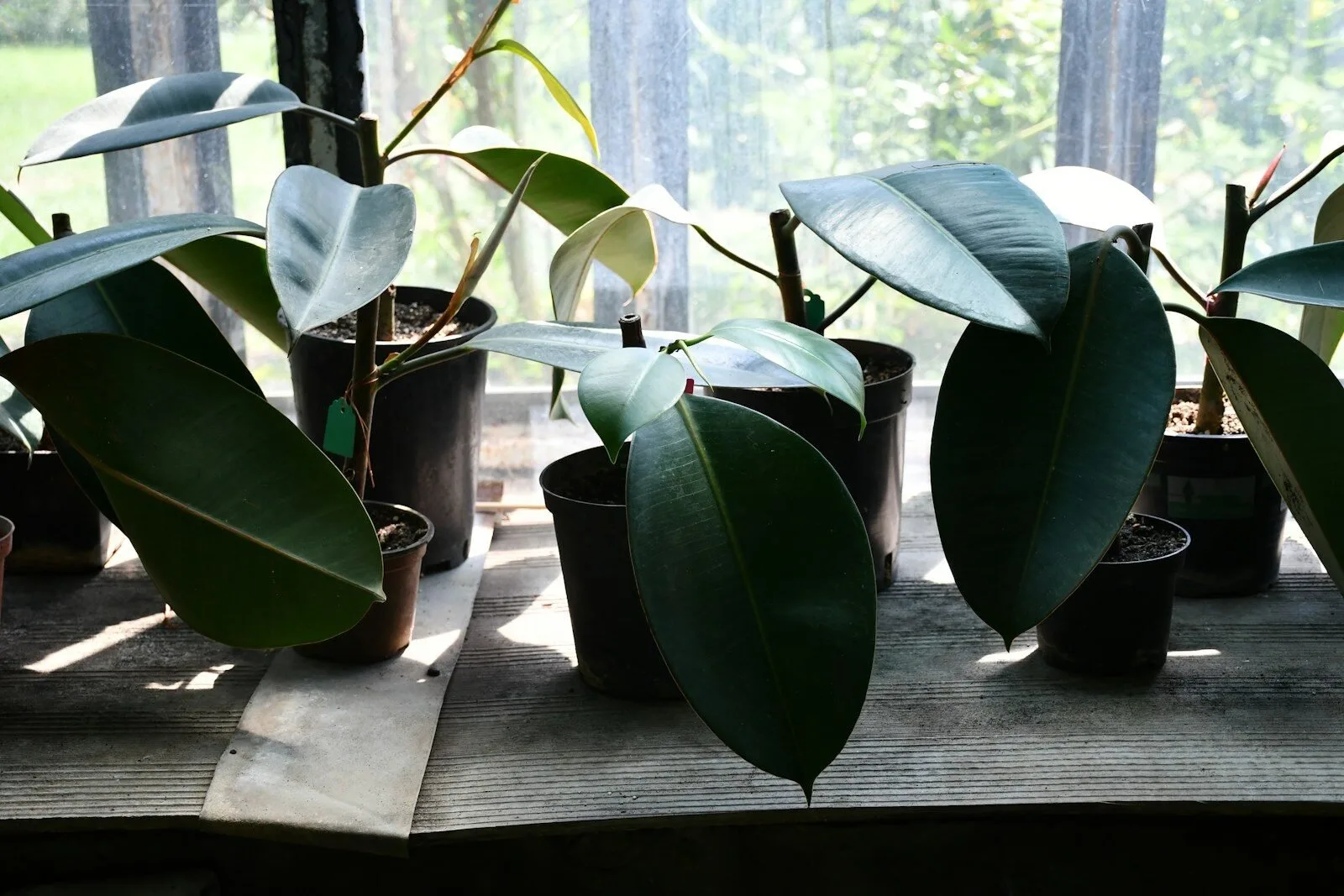
Indoors, rubber plants commonly reach 2 to 10 feet with large, glossy, elliptic leaves. New growth emerges from pink or red sheaths—a visual payoff fiddles cannot match. Growth is classified as rapid by NC State Extension compared to the fiddle’s moderate pace, so you get height faster without buying the largest nursery specimen on day one.
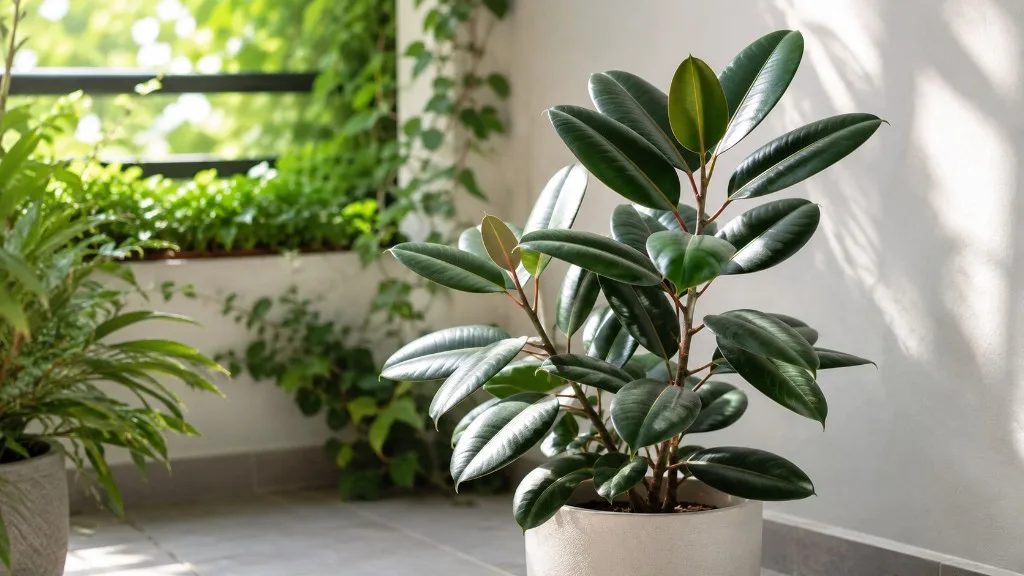
For full species care, see our rubber plant hub and watering guide.
How Rubber Plants Compare on Care and Forgiveness
Light: Rubber plants prefer bright indirect light but tolerate lower light without immediate leaf drop. Variegated cultivars need stronger light to keep cream or pink markings—plain green ‘Robusta’ is the most forgiving starter.
Water: Let the top inch or two dry between waterings. Overwatering still causes yellow leaves and drop, but rubber plants recover faster when you correct course. Reduce frequency in winter when growth slows.
Position: Rubber plants prefer to stay in one spot but handle minor moves better than fiddles. Avoid cold drafts from doors and AC units either way.
Humidity: Tolerates typical home dryness; misting is optional, not mandatory.
Propagation: Stem cuttings root readily in water or soil—your insurance policy if you overwater once. Fiddle-leaf cuttings are slower and less reliable for beginners.
Toxicity: Both species produce milky sap that irritates skin; NC State lists fiddle-leaf fig as toxic to humans, cats, and dogs if ingested, with oral irritation and vomiting possible. Treat both as keep away from curious pets and kids, and wear gloves when pruning.
Cultivars Worth Trying Instead of a Standard Fiddle
The rubber plant’s real advantage is choice. Fiddle-leaf fig cultivars beyond the standard species are rare and expensive. Rubber plants offer looks for different aesthetics:
- ‘Robusta’ — deep green, waxy leaves; the classic starter tree (NC State Extension)
- ‘Burgundy’ — dark green with burgundy undertones; dramatic without fiddle-leaf price tags (ficus burgundy hub)
- ‘Tineke’ — green and cream variegation; needs brighter light but stunning foliage (ficus tineke hub)
- ‘Decora’ — very thick, large dark leaves for a bold silhouette
- ‘Belize’ — green leaves with cream, pink, and red highlights for color lovers
If you wanted a fiddle for sculptural leaves, ‘Decora’ or ‘Robusta’ fill the room. If you wanted color, ‘Tineke’ or ‘Belize’ beat a plain fiddle on visual interest per dollar.
Side-by-Side Comparison: Fiddle-Leaf Fig vs. Rubber Plant
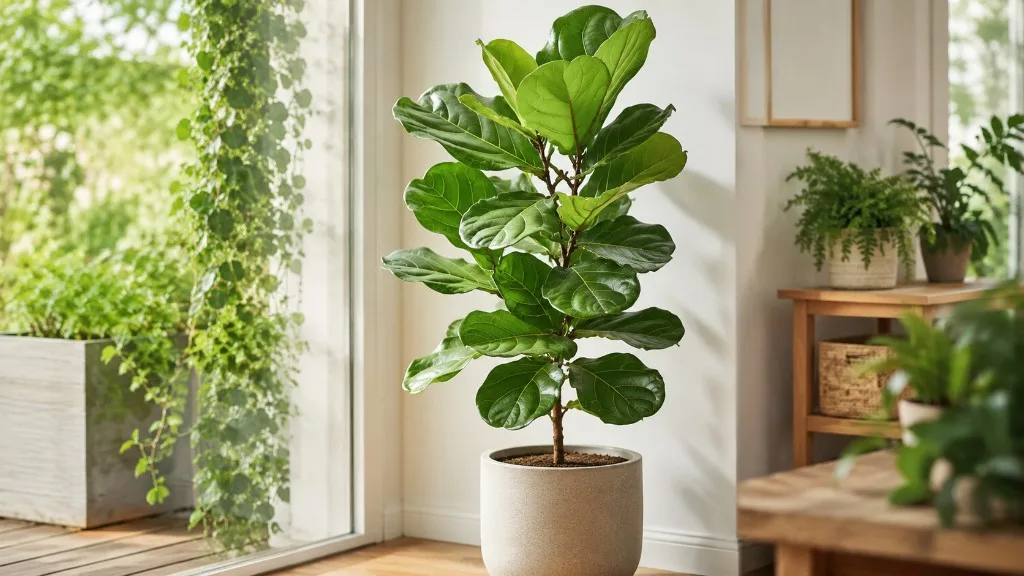
| Factor | Fiddle-leaf fig (Ficus lyrata) | Rubber plant (Ficus elastica) |
|---|---|---|
| Beginner friendliness | Low — punishes inconsistency | Moderate to high — more forgiving |
| Indoor height | 2–10 ft | 2–10 ft |
| Growth rate | Moderate | Rapid (NC State Extension) |
| Light needs | Bright indirect; position-sensitive | Bright indirect ideal; tolerates lower light |
| Humidity | Prefers 40%+; struggles in dry winter | Tolerates average home humidity |
| Watering margin | Narrow — quick leaf drop | Wider — yellow leaves warn before total defoliation |
| Response to moving pot | Often drops leaves | More tolerant |
| Typical cost (tall specimen) | Higher | Lower |
| Cultivar variety | Limited indoors | Many color and size options |
| Propagation ease | Slower, trickier for beginners | Easy from stem cuttings |
| Pet toxicity | Toxic if ingested | Sap irritant; treat as toxic to pets |
Bottom line: Rubber plant is easier for most homes—especially in winter, in moderate light, and for growers still calibrating watering. Fiddle-leaf fig rewards growers who already maintain stable bright rooms year-round.
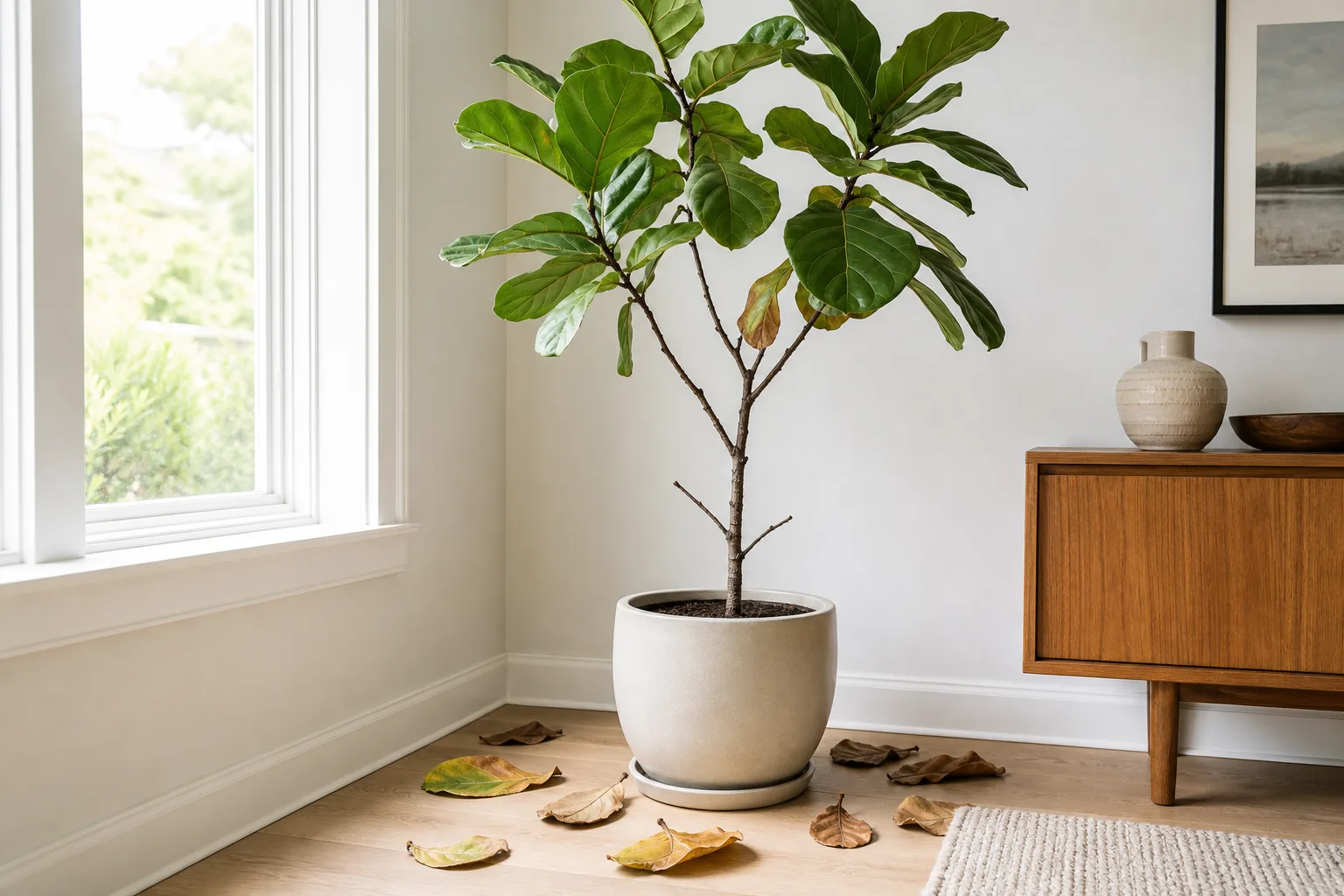
When a Fiddle-Leaf Fig Actually Makes Sense
Skipping a fiddle now is not the same as never owning one. Buy a fiddle-leaf fig when all of these are true:
You have kept another Ficus or similarly demanding tropical—bird of paradise, calathea, or a mature monstera—alive through at least one winter without major defoliation. Your brightest room delivers 6+ hours of bright indirect light year-round, with sheer curtains to block direct sun. You own or will buy a humidifier and can keep humidity near 40% through heating season. You accept that the plant may stay in one position for years and that repotting waits until spring. You are buying a size you can afford to lose—a smaller plant, not a six-foot statement piece, until your skills match the investment.
Experienced growers in stable apartments with south-facing windows and consistent routines grow stunning fiddles for a decade. The species is not a scam—it is a specialist plant sold as a generalist. If that checklist does not describe you today, defer the purchase.
Three Other Tall Houseplants If Rubber Plant Is Not Your Look
Rubber plants are not the only fiddle alternative. Match the vibe you wanted:
Ficus audrey — similar tree form with smaller, softer leaves; still a Ficus but often less dramatic about relocation. See our ficus audrey profile if you want genus continuity with a different texture.
Dracaena fragrans (corn plant) — upright cane growth, tolerant of lower light and missed waterings; better for offices and north-facing rooms.
Parlor palm — feathery fronds instead of bold leaves; slow but steady, and far less prone to sudden bare-trunk moments.
ZZ plant — not a tree, but if you wanted “tall green structure” in a dark corner, a large ZZ fills vertical space with almost no humidity demands.
None of these replace fiddle-leaf fig aesthetics exactly. That is the point: choose the plant that matches your room’s light and your attention budget, not the plant from a mood board.
What to Do If You Already Bought a Fiddle-Leaf Fig
If a fiddle-leaf fig is already in your hallway, stabilization beats panic. Stop moving it. Pick the brightest stable spot away from vents and exterior doors. Check soil moisture before every water; when in doubt, wait an extra day in winter. Remove fallen leaves promptly so pests do not colonize wet debris.
If multiple leaves are yellowing with brown centers, slide the plant out of the pot and inspect roots—mushy brown roots mean overwatering and need trimmed, repotted into fresh well-draining mix, and a drier watering schedule. If edges are crispy only, humidity or underwatering is more likely; group plants or add a humidifier rather than drowning the pot.
Prune only healthy wood in spring when new growth resumes. Take a stem cutting with one or two leaves as backup before major pruning—air layering works but cuttings in water are simpler for beginners. Our fiddle-leaf fig care hub covers species-specific watering and light targets if you are committed to making this plant work.
A Simple Buying Checklist Before You Check Out
Run this list in the nursery aisle—honest answers only:
Light: Can I provide bright indirect light 6+ hours daily without moving the pot seasonally? If no → rubber plant or parlor palm.
Humidity: Will indoor humidity stay above 35% in winter without constant effort? If no → rubber plant.
Budget: Can I afford to replace this plant if 30% of leaves drop in the first three months? If no → buy smaller or buy rubber.
Season: Is it November–February in a heated home? If yes → wait until spring for a fiddle; rubber is safer now.
Experience: Have I kept a tropical houseplant alive 12+ months? If no → rubber plant first.
Pets: Do cats or dogs chew plants? If yes → both species are risky; choose pet-safer options for floor-level spots.
Design goal: Do I need instant 5-foot height? If yes → buy a mature rubber plant instead of a stressed fiddle on clearance.
Conclusion
Fiddle-leaf figs are gorgeous trees for growers who can offer stable light, careful watering, winter humidity, and patience. For everyone else—especially anyone shopping in winter, on a budget, or still learning indoor rhythms—a rubber plant delivers comparable height and presence with far more room for the small mistakes every beginner makes.
Wait on the fiddle until your home environment and habits can support it. Bring home a rubber plant now, grow it well for a year, and revisit Ficus lyrata when you are buying from confidence instead of Instagram pressure. Your future self—and your living room floor, free of fallen lyre-shaped leaves—will thank you.



