Winter Lawn Care for Long Grass: 6 Recovery Steps
Missed your final mow? Learn when cool-season grass still accepts a cut, the safe winter height, leaf cleanup, and spring fixes for long grass.
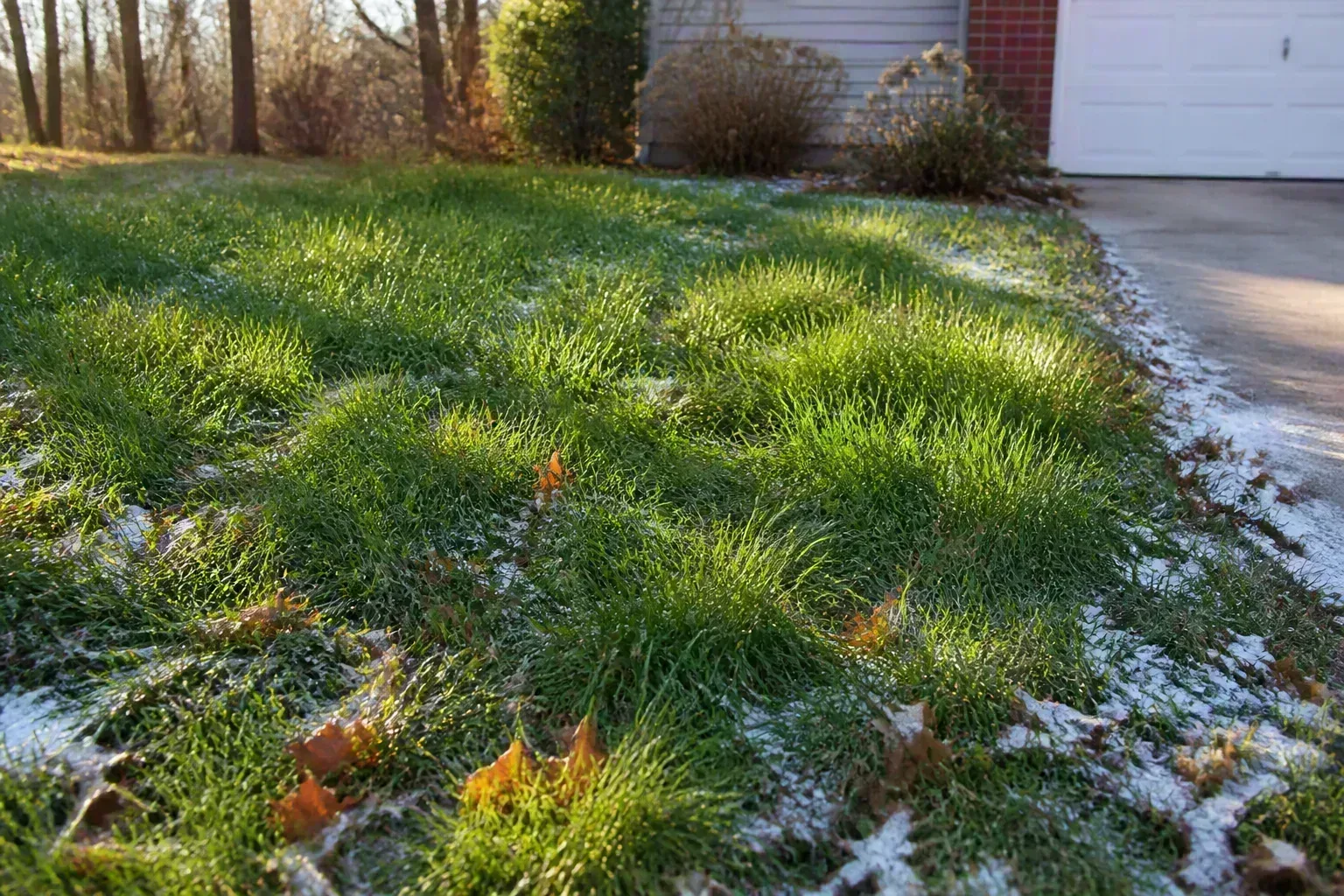
You looked out the window after the first hard frost and realized the lawn still looks like midsummer—tall, uneven, and littered with leaves you meant to handle “next weekend.” That weekend never came. Now you are wondering whether you missed the boat entirely or whether there is still time to protect the grass before spring.
For most cool-season lawns in northern and transition zones, you still have options after frost. The first freeze is a calendar moment, not an off switch. Grass keeps growing until air and soil temperatures stay consistently cold enough for dormancy. The job now is not perfection—it is risk reduction: shorten blades to a winter-safe height, remove smothering debris, avoid damaging frozen tissue, and line up spring recovery if the ground freezes before you finish.
The Quick Answer: You Probably Still Have a Window
If you grow cool-season turf—Kentucky bluegrass, tall fescue, perennial ryegrass, or fine fescue blends common in the Upper Midwest, Northeast, and many transition-zone yards—late fall often delivers a second chance after an early frost. These grasses slow down when nights drop below freezing, but they do not fully stop until sustained cold—typically when temperatures remain below about 40°F and growth stalls for days at a time.
Your practical target for the final cut is roughly 2 to 2.5 inches on cool-season lawns. That is short enough to reduce matting under snow but not so scalped that crowns sit exposed to winter desiccation. If the lawn is already overgrown, drop height in stages using the one-third rule rather than chopping 6 inches in one pass—unless winter is literally days away and leaving it long is the bigger threat.
Warm-season lawns—bermudagrass, zoysia, centipedegrass, and St. Augustine in the South—follow a different clock. They enter dormancy earlier and should not be scalped going into winter. For those yards, “forgot to cut” usually means you missed a moderate fall trim, not a dramatic pre-snow shortening. When in doubt, identify your grass type before you change mower height.
Why Long Grass Over Winter Creates Real Problems
Leaving turf tall through winter is not a cosmetic issue. It changes how snow, ice, moisture, and small animals interact with your lawn for months. The damage shows up in March as matted patches, chewed crowns, and thin areas that take weeks to fill—not as an instant kill in November.
Snow Mold Loves Tall, Wet, Matted Blades
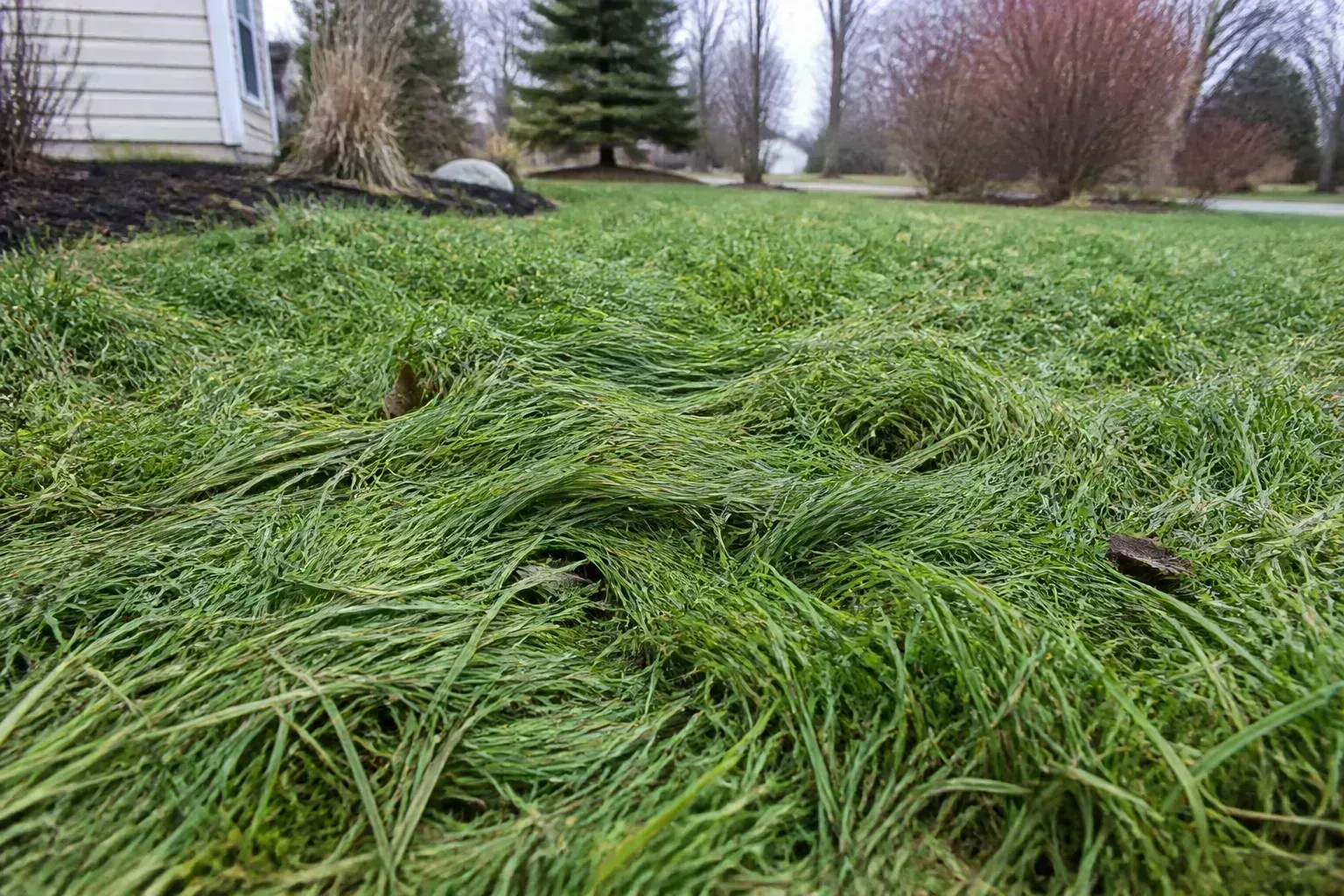
Snow mold—gray Typhula blight and the more aggressive pink Microdochium types—thrives where grass stays cold, wet, and dark under snow for weeks. Penn State Extension notes that gray snow mold is most prevalent when a thick snow layer persists through mid to late winter, especially where turf was long and matted going into cover.
Long blades fold over each other, trap moisture at the crown, and create the papier-mâché crust homeowners rake out in spring. Shorter, upright turf dries faster at the edges of melting snowbanks and lets air reach crowns sooner. For a full diagnostic guide on symptoms and spring cleanup, see our snow mold explainer.
Voles, Mice, and Hidden Runways Under Snow
Tall grass is cover. Under persistent snowpack, voles and mice tunnel at the soil surface, eating crowns and leaving raised runways you discover at melt. Matted long grass makes that habitat easier to build and harder to see until spring.
Keeping the final mowing height in the 2 to 2.5 inch range and removing thick leaf litter reduces shelter without eliminating every rodent in the neighborhood. If you had vole damage last year, combine a proper final cut with spring trapping and habitat cleanup along bed edges—tall grass alone did not create the problem, but it made it worse.
Ice Casting and the Spring Mat You Will Rake Anyway
When tall grass gets wet, then freezes, blades can ice-cast together into a solid mat. Foot traffic and freeze-thaw cycles on that mat break crowns and compact soil. Come spring, you are raking crusted tissue whether or not fungi moved in.
Shorter turf separates more cleanly under light snow and sheds ice after thaw. That is one reason turf managers lower height before winter—not to stress the plant for fun, but to reduce the physical blanket long leaves create.
Know Your Grass Before You Grab the Mower
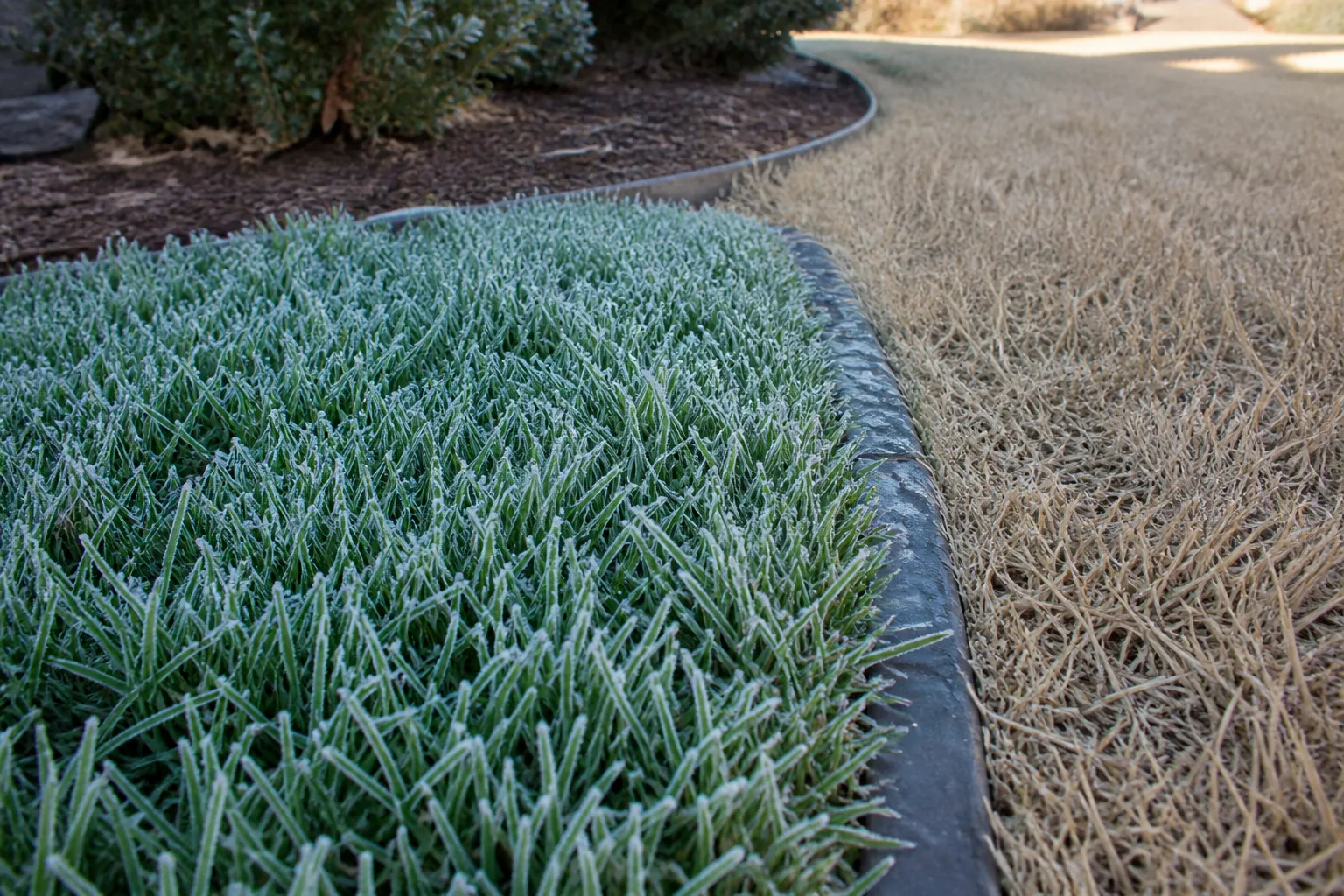
Cool-Season Lawns: Mow Until True Dormancy
Cool-season grasses photosynthesize in cool weather. After a frost, many yards see a warm spell that pushes another half inch of growth. That is your window for a final cut.
Signs the mower should stay in the shed:
- Grass has not grown measurably in two weeks and stays brown-green without new leaf tips.
- Morning frost stays on blades past mid-morning and the lawn feels brittle, not just cold.
- Soil is frozen hard enough that footprints crack the surface.
- Snow is forecast within 24–48 hours and the lawn is still wet from rain or melt.
Signs you can still mow safely:
- Afternoon air is above the mid-40s°F and grass shows fresh growth at the top.
- Blades are dry and spring back when you walk on them.
- You can adjust height without removing more than one-third of blade length—or you accept a one-time exception because the alternative is 5-inch snow-bound turf.
Extension mowing guidance summarized across UMN Extension mowing practices and Cornell IPM lawn mowing advice consistently recommends never removing more than one-third of leaf tissue per mowing during the growing season. Late fall is the one time many pros bend that rule—but only when the trade-off is clear.
Warm-Season Lawns: Stop Earlier and Do Not Scalp
Bermudagrass and zoysia lawns brown and go dormant when soil temperatures fall—often well before northern homeowners think about “winter lawn care.” A late scalping cut on dormant warm-season turf exposes stolons and crowns to cold injury in borderline climates.
For warm-season yards, the late-fall task is usually a moderate trim while grass is still partially green, then let dormancy take over. If you are already fully brown and missed that window, do not buzz-cut now. Focus on leaf cleanup, traffic control, and spring green-up nutrition instead of chasing a cool-season height target that does not apply to your species.
Way 1: Make Your Last Cut at the Right Height
The winter height debate is not “as short as possible.” It is short enough to resist matting, tall enough to protect crowns.
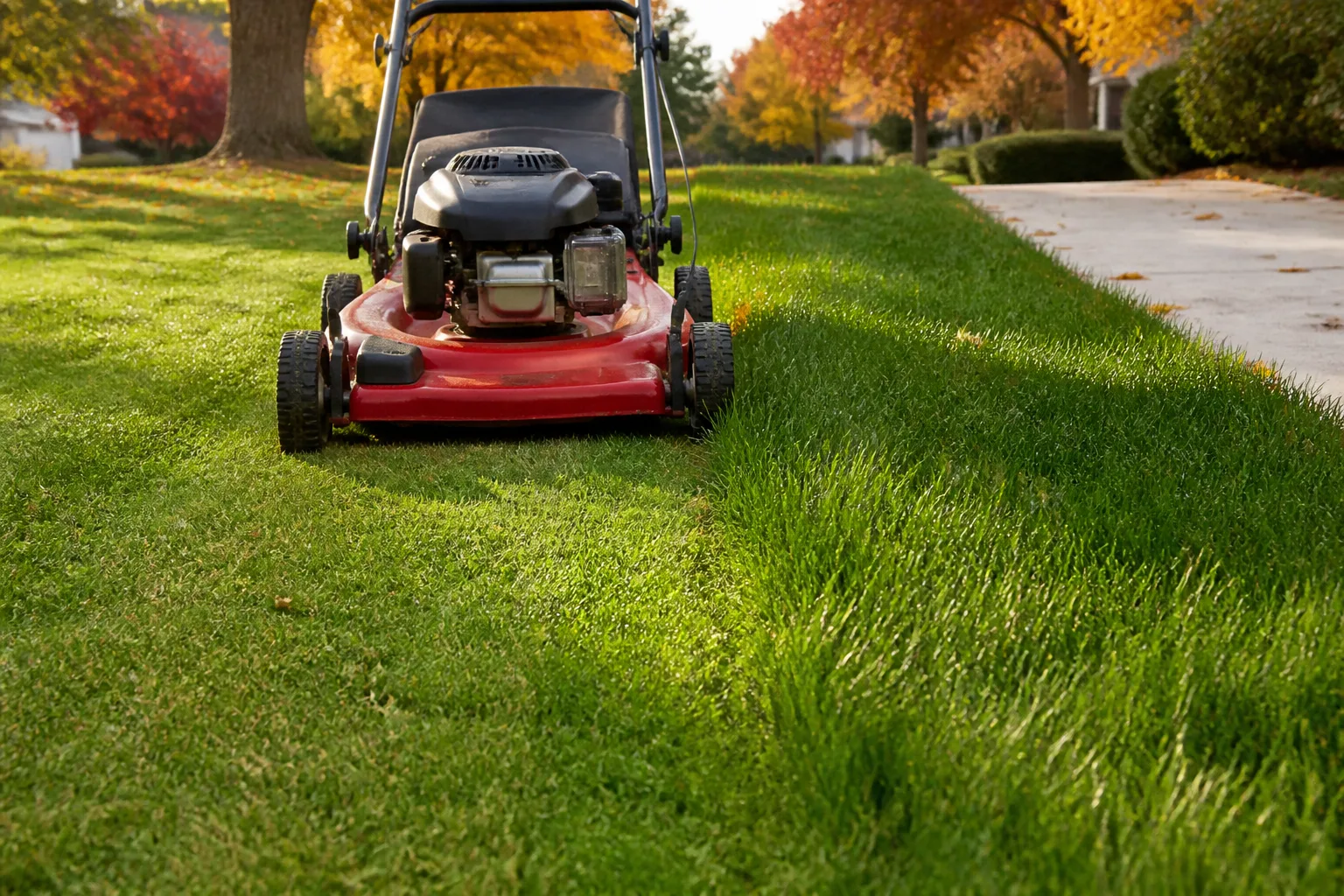
For cool-season lawns, aim for 2 to 2.5 inches on the final cut. Many homeowners maintain 3 to 3.5 inches in summer for heat and drought tolerance, then step down across two or three mowings in October and November. If you are reading this in late November with 4-inch turf, you are behind—but not hopeless.
The One-Third Rule When Grass Is Seriously Overgrown
If your grass is 5 inches or taller, one pass to 2.5 inches removes more than half the blade—enough to shock plants and expose pale crown tissue to sun and cold. Instead:
- First pass: mow at the highest setting that still removes about one-third (for 5-inch grass, that might mean 3.5 inches).
- Wait three to five days if weather allows and grass is still growing.
- Second pass: drop to ~3 inches, then a final pass to 2–2.5 inches if growth continues.
Bag or scatter clippings so clumps do not smother strips of turf over winter. Wet clumps are as bad as unmowed leaves. Our how to mow a lawn guide covers blade sharpness and overlap patterns that matter doubly on a late-season cut—dull blades tear frost-stiffened tissue instead of slicing cleanly.
When One Aggressive Cut Beats Leaving It Long
Sometimes the calendar wins. A snowstorm arrives in three days, the lawn is 6 inches tall, and you will not get staged cuts. Turf managers in that spot often choose one careful low cut over leaving exaggerated height under snow.
If you take that route: mow dry, sharpen blades first, slow down, and disperse clippings aggressively. Accept some temporary yellowing from crown shock. The greater risk is months of matted cover and snow mold on untouched tall grass—especially on shady, north-facing, or drift-prone sections. Document the gamble; if spring shows thin patches, overseed those areas early.
Way 2: Mow Only When Turf Is Dry and Awake
Frost on the calendar does not mean ice on the blades at 2 p.m. The safe pattern is wait until the lawn thaws and dries on a late fall afternoon, then mow. Mowing frozen or frosted grass tears leaf cells, leaves ragged tips that brown, and invites entry points for cold injury.
Frost, Ice, and the Safe Late-Day Mowing Window
After a cold night, walk the lawn before you start the engine. If blades crunch and break instead of bending, delay. If dew or meltwater sits on the surface, delay. The same rule applies after an ice storm—never try to chop icy turf; you will damage crowns and dull blades without achieving an even cut.
Windy, sunny afternoons following a frosty morning are often ideal. Soil does not need to be warm—just not rock-hard, and grass should feel pliable. If your region alternates freeze and thaw weekly, you may get only one or two eligible afternoons. Treat them as priority maintenance, not optional yard work.
Way 3: Clear or Mulch Leaves Before Snow Locks Them In
Leaves are great for woodland edges and garden beds. On lawn, a thick wet mat blocks light, holds moisture against crowns, and amplifies snow mold pressure. That is true whether the grass beneath is 2 inches or 5 inches tall.
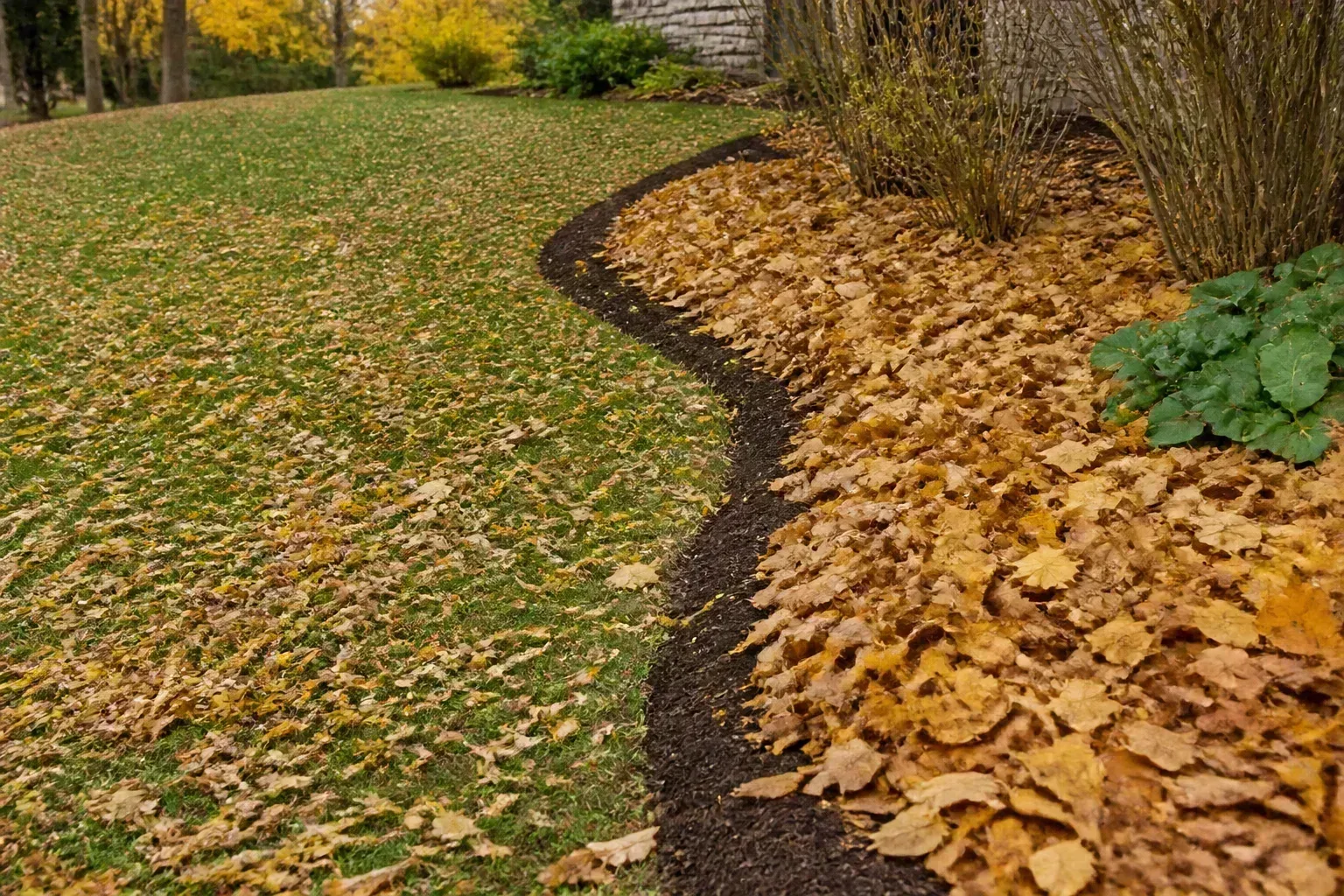
Kansas State University Extension recommends mulch-mowing in thin layers—about an inch of fallen leaves at a time—so shredded pieces filter between grass blades instead of piling on top. Research at land-grant universities cited by K-State shows that, done properly, six inches or more of leaves can be reduced over multiple passes without smothering turf. The key is frequency: mow leaves as they fall, not after a single deep blanket.
Dry leaves shred best. Wet, matted oak leaves may need a bagger pass or raking despite your best intentions. For a full decision tree on mulch versus bag versus leaving leaves in beds, read our mulching vs bagging vs leaving leaves guide. Never blow or rake leaves into the street—storm drains and pond algae are the downstream cost.
If snow is imminent and leaves are still thick, prioritize removal over perfection. A bagged cleanup beats a half-mulched layer that freezes into a slab.
Way 4: Use Late-Season Fertilizer Only When the Lawn Earns It
Fall fertility helps cool-season roots store carbohydrates before winter—but it is not mandatory for every yard, and late nitrogen on a still-growing lawn can produce soft tissue that diseases love under snow. Think of winterizer applications as a targeted tool, not a ritual.
Soil Tests, Nitrogen Timing, and What to Skip
Do this before spreading:
- Run a soil test if you have not in three years. Over-fertilized lawns are more disease-prone and waste money.
- Apply slow-release nitrogen while grass is still green but growth has slowed—often late October through November in many northern zones, earlier in the Upper Midwest, later in mild coastal climates.
- Skip heavy nitrogen if the lawn is drought-stressed, mostly weeds, or already entering obvious dormancy. Feeding frozen ground does not help roots.
Healthy, mature cool-season turf with balanced soil may need no fall fertilizer to survive winter. Thin lawns recovering from summer heat or grub damage benefit more. If you fertilize, water in lightly unless rain is imminent, and avoid creating a lush top growth flush right before you still need to mow shorter.
Warm-season lawns generally take their meaningful fertility in late spring and summer—not a cool-season winterizer program. Do not copy a neighbor’s bag label without matching grass type.
Way 5: Treat Frozen Turf Like a Fragile Surface
Once the lawn stays frozen or frosted through the day, shift from mowing mode to protection mode. Footprints on brittle, frosted turf break crowns and compact soil in ways you will not see until April. Pets, sled runs, and repeated shortcut paths across the yard do the same damage at smaller scale.
You cannot eliminate winter traffic, but you can route it. Keep walks on pavement when frost is visible. Delay early-spring projects that require wheelbarrow cuts across the lawn until the soil firms after thaw. If you must cross grass, do it when snow cushions the surface—not on a hard freeze after a sunny morning lifted frost and left blades rigid.
Snow piles are traffic, too. Repeated shoveling to the same lawn edge compacts soil and extends deep cover that feeds snow mold. Rotate pile locations when possible, or build storage toward beds and hardscape. Our can snow kill your grass over winter guide walks through drift, salt, and pile damage in more detail.
Way 6: Build a Realistic Spring Recovery Plan If Time Runs Out
Sometimes winter wins. The ground freezes with grass at 4 inches, leaves frozen in place, and the mower still in the shed. You are not doomed—you are planning a spring triage instead of a fall rescue.
When thaw arrives:
- Wait for firm soil—if footprints sink deep in mud, stay off the mower and rake.
- Rake matted areas gently to break crusted snow mold or ice-cast tissue. See what is snow mold before aggressive scraping.
- Mow once grass is actively growing at normal spring height (often 2.5 to 3 inches for cool-season turf) before you chase bare spots.
- Apply modest spring nitrogen on thin patches; avoid flooding weak turf with fertilizer in one shot.
- Overseed only where crowns failed—not across the entire lawn because March looked brown.
If vole runways crisscross the yard, rake them flat, overseed damaged strips, and address habitat along fence lines. If the lawn was left long and buried under deep snow all winter, expect more pink and gray snow mold patches than a properly cut neighbor’s yard. Most mature cool-season turf still recovers without fungicide.
Use the missed fall as data: put a late-October reminder on the calendar for staged height reduction, leaf mulch passes, and blade sharpening. The one-third mowing rule you use in summer matters equally when you are stepping down for winter.
Conclusion
Forgetting the last mow is a common fall failure, not a lawn death sentence. Cool-season homeowners often still have time after frost to shorten grass to roughly 2 to 2.5 inches, mulch or remove leaves in thin passes, and avoid mowing or trampling frozen turf. Warm-season lawns need a lighter touch and earlier timing. Fertilizer belongs only where soil tests and turf health justify it—not on every yard by reflex.
If the window closes with tall grass still standing, shift to protection: limit traffic on frosted turf, avoid stacking snow on the same lawn edges, and plan a calm spring sequence of raking, light feeding, and spot overseeding. The six moves—right height, dry timing, leaf management, selective fertility, frozen-turf respect, and spring recovery—stack together. Even doing three of them well beats ignoring the problem until April panic sets in.



