Yard of Dirt Cost, Coverage & Weight Explained
How much is a yard of dirt? Learn what a cubic yard covers at 3, 6, and 8 inches, typical bulk prices, weight limits for trucks, and when bags beat delivery.
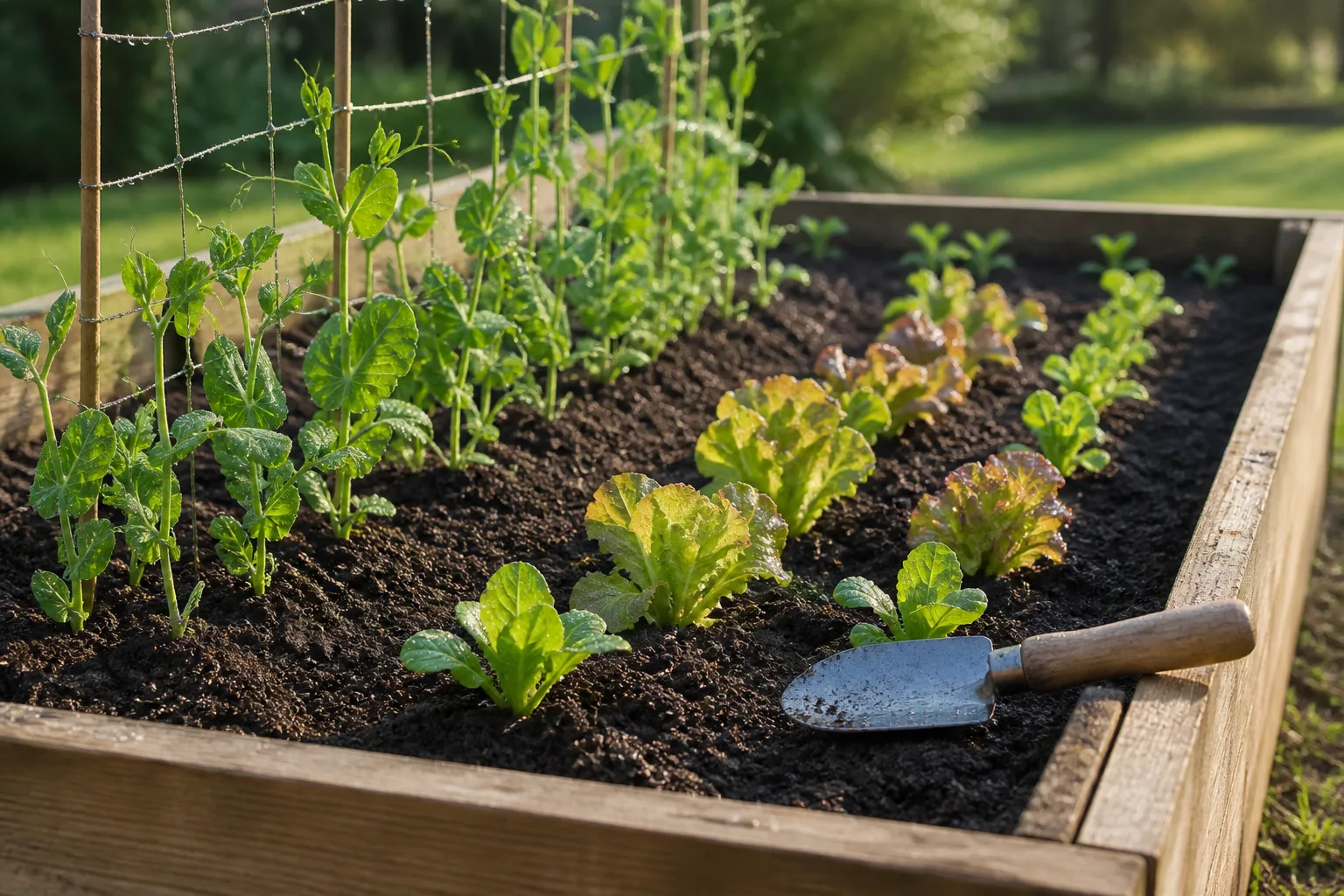
A “yard of dirt” almost always means a cubic yard — a volume box measuring 3 feet long, 3 feet wide, and 3 feet deep. That equals 27 cubic feet of material. Suppliers price fill dirt, topsoil, sand, and compost by the cubic yard because volume, not bag count, determines how much ground you can cover. Get the math wrong and you either pay for a second delivery or end up with a truckload you cannot store.
Whether you are leveling a low spot, building a new lawn, or filling a raised bed, you need three numbers before you call a landscape supply yard: how many cubic yards, what material type, and whether delivery access works for a dump truck. This guide walks through cost ranges, coverage at real project depths, weight limits, and the inspection steps that keep cheap “topsoil” from becoming an expensive weed patch.
What a Cubic Yard Actually Means
Landscaping yards sell soil by volume, not by weight on the price sign — though trucks are often limited by weight on the road. One cubic yard (yd³) is the space inside a cube with 3-foot sides. Spread that same volume flat, and how far it goes depends entirely on depth.
The 27-Cubic-Foot Rule
To convert any rectangular area to cubic yards:
- Measure length × width in feet to get square footage.
- Convert depth to feet (divide inches by 12).
- Multiply: square feet × depth in feet = cubic feet.
- Divide cubic feet by 27 to get cubic yards.
Example: a 20-by-30-foot lawn area at 4 inches deep: 20 × 30 = 600 sq ft → 4 ÷ 12 = 0.33 ft → 600 × 0.33 = 200 cu ft → 200 ÷ 27 = 7.4 cubic yards.
Texas A&M AgriLife Extension notes that one cubic yard of soil or mulch covers about 81 square feet at 4 inches deep and 108 square feet at 3 inches deep — handy sanity checks when a supplier quotes “about a yard.”
How Much Does a Yard of Dirt Cost?
Bulk material prices vary sharply by region, season, and quality, but national averages in 2026 cluster into predictable bands. These are material-only estimates; delivery is extra unless you haul yourself.
| Material | Typical cost per cubic yard | Best used for |
|---|---|---|
| Fill dirt | $5–$25 | Grading, building up low areas, backfill — not planting |
| Topsoil | $10–$55 | Lawn prep, garden beds, general planting |
| Screened loam | $18–$55+ | Finer texture, fewer rocks — premium beds and turf |
| Sand | $15–$50 | Pavers, drainage layers, mixes — rarely alone for gardens |
| Compost | $20–$50 | Amendments and bed blends — lighter per yard |
A standard dump-truck load of 10–15 cubic yards often runs $150–$600 delivered, depending on distance, access difficulty, and whether spreading is included. Rural deliveries, tight urban alleys, and spring rush weeks push toward the high end.
Fill Dirt, Topsoil, and Sand Price Ranges
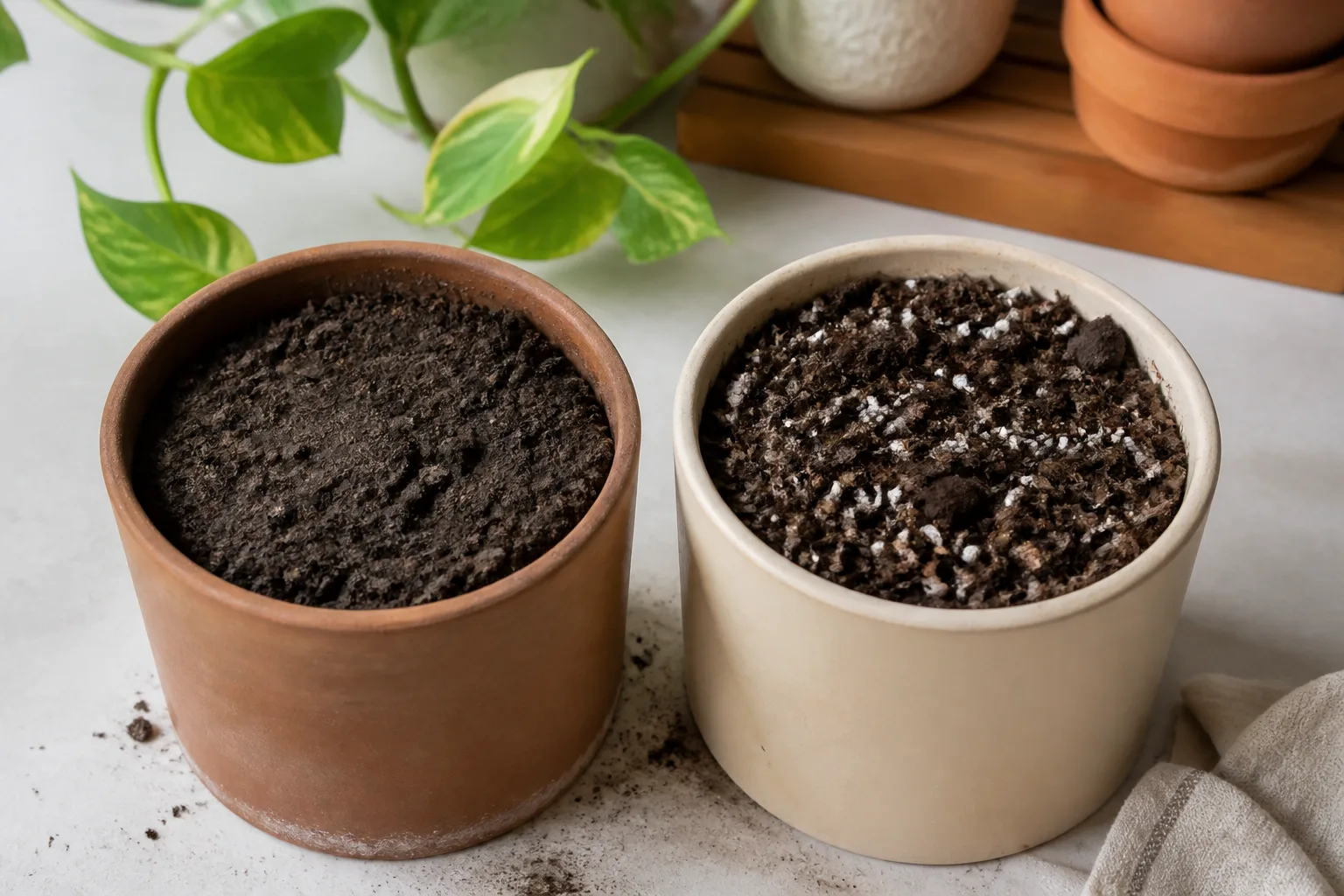
Fill dirt is the budget option because it is subsoil or excavated material with little organic matter — fine for changing elevation, useless for seeding directly. Topsoil costs more because it is the surface layer where roots and microbes live; quality ranges from basic “black dirt” blends to screened, compost-enriched loam. Sand sits in a similar per-yard band but solves different problems — drainage under pavers or in a custom mix, not a straight substitute for topsoil in a vegetable bed.
Screening adds cost. Running soil through a mesh removes rocks, roots, and clumps so it rakes flat — worth paying for in visible beds. Unscreened fill is cheaper and appropriate when you will bury it under sod or cap it with better material later.
Bagged vs. Bulk: When Each Saves Money
Retail bags — usually 40 pounds or 0.75 cubic feet — cost roughly $2–$6 each. One cubic yard equals about 36 forty-pound bags or 36–40 small bags depending on brand and moisture. Do the multiplication before assuming bags are cheaper:
- Under ~1 cubic yard for a single bed edge or container top-up, bags win on convenience.
- Around 2+ cubic yards, bulk delivery usually beats bag cost even after a $50–$150 delivery fee.
- Self-pickup scoops (½-yard loader buckets) run about $10–$30 per scoop if you have a truck rated for roughly 1,500–2,500+ pounds per yard when soil is damp.
The break-even point shifts if your vehicle cannot safely haul wet soil or if the supplier enforces a minimum order (often 3–5 yards for delivery). Three yards you do not need is not a bargain.
Coverage Area: How Far One Cubic Yard Goes
Coverage is pure math: one cubic yard spread thinner covers more ground. The depth you need depends on the project — not on what is convenient to order.
| Depth | Square feet covered by 1 cu yd | Typical project |
|---|---|---|
| 3 inches | ~108 sq ft | Light top-dressing, landscape leveling |
| 4 inches | ~81 sq ft | Sod prep, lawn renovation |
| 6 inches | ~54 sq ft | New lawn base, standard garden bed |
| 8 inches | ~41 sq ft | Deep vegetable bed over poor subsoil |
| 12 inches | ~27 sq ft | Raised bed fill (often a blend, not pure topsoil) |
Square Feet Covered at Common Depths
For a new cool-season or warm-season lawn, plan 4–6 inches of quality topsoil over prepared subgrade before sod or seed — shallower layers dry out fast and roots hit compacted soil too soon. Overseeding or thin top-dressing needs only ½–1 inch; at that depth, one yard covers roughly 324–648 square feet, but you are amending, not building a root zone from scratch.
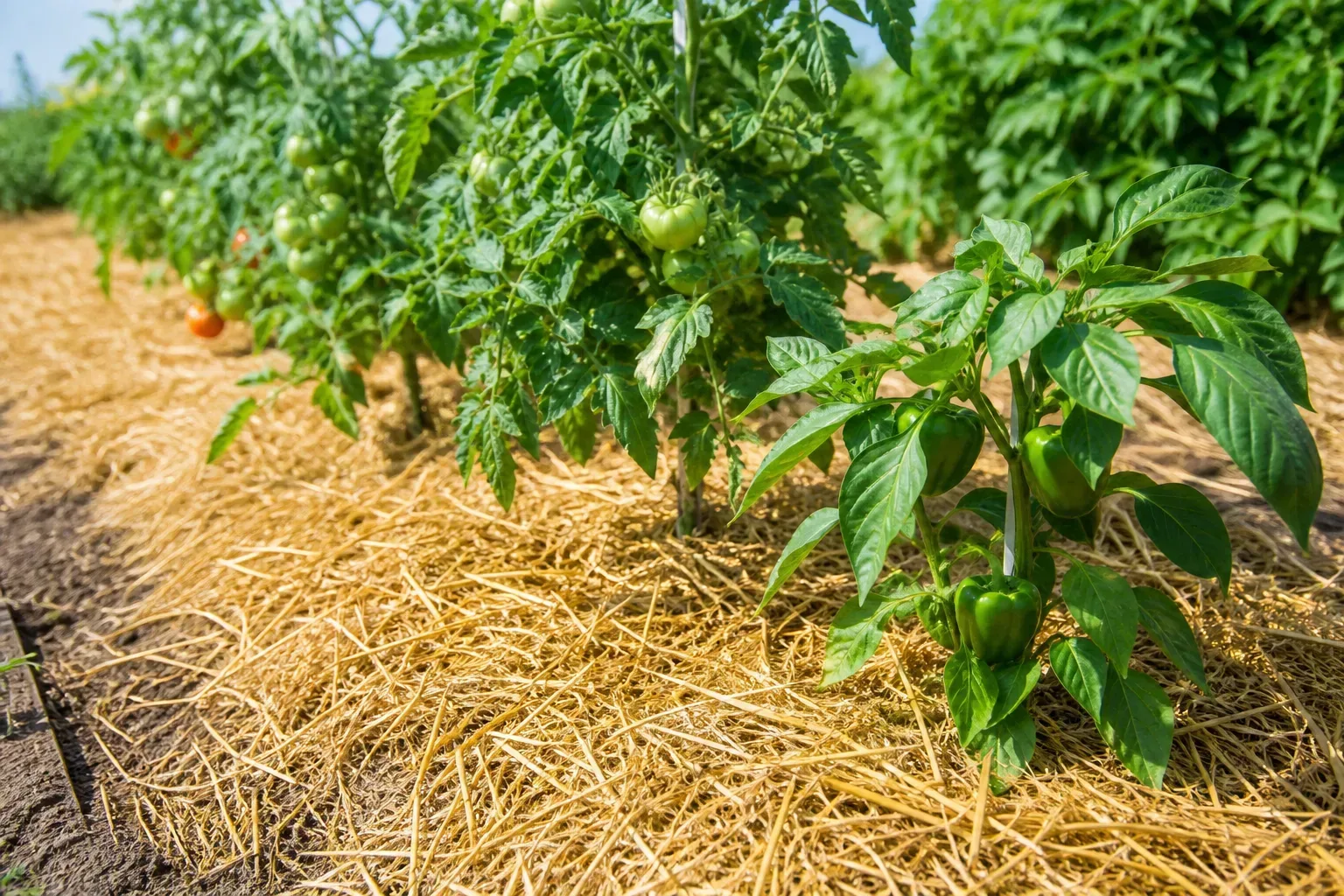
In-ground vegetable beds often target 8–12 inches of workable soil. If native soil below is decent, 6–8 inches of imported topsoil blended into the top layer may suffice. Raised beds are different: most gardeners fill them with a mix — commonly roughly 40% topsoil, 40% compost, 20% sand or similar — rather than straight topsoil. See our garden soil vs. potting soil guide for why open-bottom beds and container mixes are not interchangeable.
Always add 10–15% extra to your calculated volume. Fresh soil settles after watering, raking, and foot traffic. A second delivery minimum charge hurts more than a half-yard surplus you can stockpile for next season.
Fill Dirt vs. Topsoil vs. Garden Soil
The words on the quote matter less than what you are trying to accomplish.
Fill dirt changes shape — berms, foundation backfill, filling a sunken patio base. It is not a growing medium. Seeding directly into fill is a common failure mode: low organic matter, variable compaction, and weed seed from unclean sources.
Topsoil is the upper soil layer — historically the top 4–8 inches of native profile, or a manufactured blend sold under that name. Penn State Extension stresses that fertile chemistry alone does not make soil “high quality”; tilth, depth, drainage, and biology matter for crops. Imported topsoil should improve those traits, not just add brown color.
Garden soil on a retail label usually means topsoil plus compost or other amendments — closer to a bed-ready product but still unregulated. Read the ingredient list. “Premium” is marketing until you see texture and smell the load.
Bulk Topsoil Types on Supplier Price Lists
Suppliers often tier products like this:
- Black dirt / basic topsoil: loam-sand-silt mix, lowest price, may contain debris. Fine under sod if you amend and test.
- Loam / enriched topsoil: more organic matter, better structure. Default choice for visible beds.
- Screened loam: sieved for uniform particle size, fewer rocks and roots. Best for seedbeds and formal beds where you will not rototill deeply.
Michigan State University Extension warns that purchased topsoil is not a regulated product term — it may be scraped subsoil from construction sites, and all topsoil contains weed seed. Screening removes some seeds and debris; nothing guarantees weed-free material. Plan for mulch and early weed control instead of paying for impossible promises.
For texture vocabulary — sand, silt, clay, and why “loam” matters — see what is loam soil. If you are unsure what you already have, run a soil jar test before buying truckloads.
How to Calculate Cubic Yards for Your Project
You do not need a fancy app, but online calculators help on irregular shapes. For rectangles — most beds and lawn patches — follow these steps:
- Measure length and width in feet (not pacing — tape measure).
- Square footage = length × width.
- Depth in feet = inches ÷ 12.
- Cubic feet = square footage × depth in feet.
- Cubic yards = cubic feet ÷ 27.
- Add 10–15% for settling and spillage.
Break L-shaped areas into two rectangles, calculate each, and add. For curved beds, measure the longest rectangle that contains the curve and subtract obvious gaps, or use multiple smaller rectangles — overestimating slightly is safer than shorting.
Worked Example: 12-by-4-Foot Raised Bed
A 12 × 4 ft bed filled 10 inches deep (common for mixed fill in a 12-inch-tall box):
- Square feet: 12 × 4 = 48 sq ft
- Depth: 10 ÷ 12 = 0.83 ft
- Cubic feet: 48 × 0.83 = 40 cu ft
- Cubic yards: 40 ÷ 27 = 1.48 cu yd
- With 15% settling buffer: 1.48 × 1.15 = 1.7 cubic yards → order 2 yards
If that bed uses a 40/40/20 topsoil-compost-sand blend, only about 40% of the volume is topsoil — roughly 0.8 yard of topsoil plus compost and sand ordered separately or as a custom blend from the yard. Many suppliers sell “raised bed mix” by the yard; compare unit price against mixing yourself.
Weight, Trucks, and Delivery Logistics
Volume on the order form is not what limits your driveway — weight is. A cubic yard of topsoil commonly weighs 1,000–2,500 pounds depending on moisture and material. Wet spring soil can approach one ton per yard; dry screened loam sits lower.
Dry vs. Wet Weight per Cubic Yard
Expect roughly 1,080–1,500 pounds for dry topsoil and up to 2,000+ pounds when saturated. Compost is lighter (~1,000 lb/yd or less); sand is heavy. Half-ton pickups are not half-ton soil haulers — a wet yard can exceed safe payload. Trailers help, but tongue weight and braking matter.
Truck capacities (typical):
| Vehicle | Cubic yards (approx.) |
|---|---|
| Pickup truck | 1–2 |
| Dump trailer | 4–6 |
| Single dump truck | 8–12 |
| Tandem / pup trailer | 15–25+ |
Ask the supplier what truck they send. A 12-yard truck cannot dump in a 10-foot side gate. Overhead wires, low branches, soft lawn edges, and spring thaw weight limits on rural roads have derailed more projects than soil math.
Delivery fees often scale with miles, time on site, and difficulty. Urban tight access may require a smaller truck at a higher per-yard rate. Photograph the dump location and walk the driver through it — “backyard by the gate” is not a plan.
If they offer spreading, compare the hourly rate against renting a skid steer or hand-wheelbarrowing. One cubic yard is about 9–14 wheelbarrow loads depending on barrow size and how heaped you pile it.
Five Costly Mistakes When Ordering Bulk Soil
Ordering by guess instead of depth. “Two yards ought to do it” without depth and square footage is how patios end up 2 inches short of level. Measure twice.
Buying topsoil when you need fill. Paying planting-grade prices to build a berm wastes money. Use fill for volume; cap planting areas with topsoil.
Ignoring the minimum delivery charge. Three yards at $40/yd plus $125 delivery can exceed six yards with free delivery from the same yard. Ask about breakpoints.
Spreading on wet, compacted subsoil without prep. A 4-inch topsoil cap over concrete-hard clay behaves like a shallow container after every rain. Loosen or amend the interface; see how to tell if soil is ready for planting before you seed.
Skipping a soil test on large beds. A truck of alkaline clay labeled “garden soil” does not fix pH or phosphorus deficits. Test first; amend with compost and targeted minerals based on results, not bag marketing.
How to Inspect Delivered Soil Before You Spread It
When the truck arrives, look before they dump if possible — or inspect the top and sides of the pile immediately.
Color and smell: Rich topsoil is usually dark brown, not gray-blue (anaerobic) or pale tan (subsoil). Sour ammonia or vinegar odors mean poor storage; spread and air out thinly or reject the load.
Texture: Grab a handful. It should crumble somewhat when dry and form a loose ball when moist without feeling like pure clay or beach sand. Gardening Know How describes loam as the balance that holds moisture yet drains — your purchased soil should lean that direction for general beds.
Debris: Rocks bigger than a golf ball, chunks of concrete, plastic, and roots are red flags in screened product. A few sticks are normal in unscreened fill.
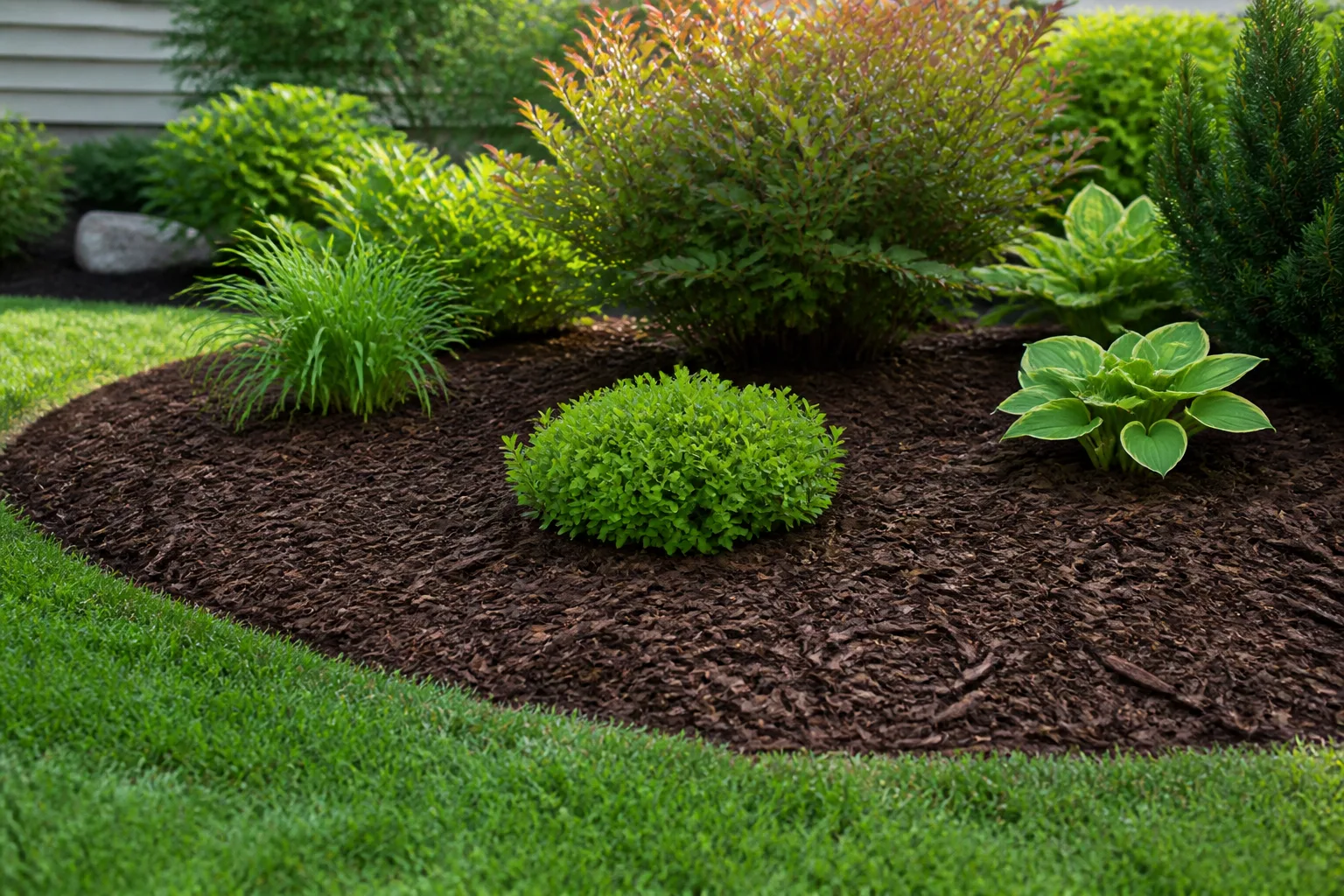
Weed seed: Assume it is present. MSU Extension is blunt: weed-free topsoil is a myth. Budget for mulch after planting and early cultivation.
Moisture: Dust-dry soil blows away when you rake; mud ships heavy and smears when worked wet. Slightly moist, crumbly material spreads best.
If the load fails inspection, document with photos and contact the supplier before you spread — returning a mountain is harder than rejecting it on the tailgate.
Conclusion
A yard of dirt is a cubic yard: 27 cubic feet priced roughly $5–$55 per yard depending on whether you need fill, topsoil, or specialty blends — plus delivery. Coverage hinges on depth: one yard spans about 108 square feet at 3 inches or 41 square feet at 8 inches. Calculate with length × width × depth (in feet), divide by 27, add 10–15% for settling, and match the material to the job — fill for shape, topsoil for roots, blends for raised beds.
Before you commit, verify truck access, payload limits, and soil quality on delivery. Pair imported soil with a soil test, compost where needed, and realistic weed control. Done right, you buy once, spread once, and plants root into something that behaves like soil — not just dirt priced by the yard.