Underwatering Spinach: Signs, Checks, and Recovery
Quick answer
If spinach is limp and the soil is dry a few centimeters below the surface, water the root zone slowly until it is evenly moist, then let excess drain. If the soil is already wet, do not add water; check for heat stress or damaged roots instead.
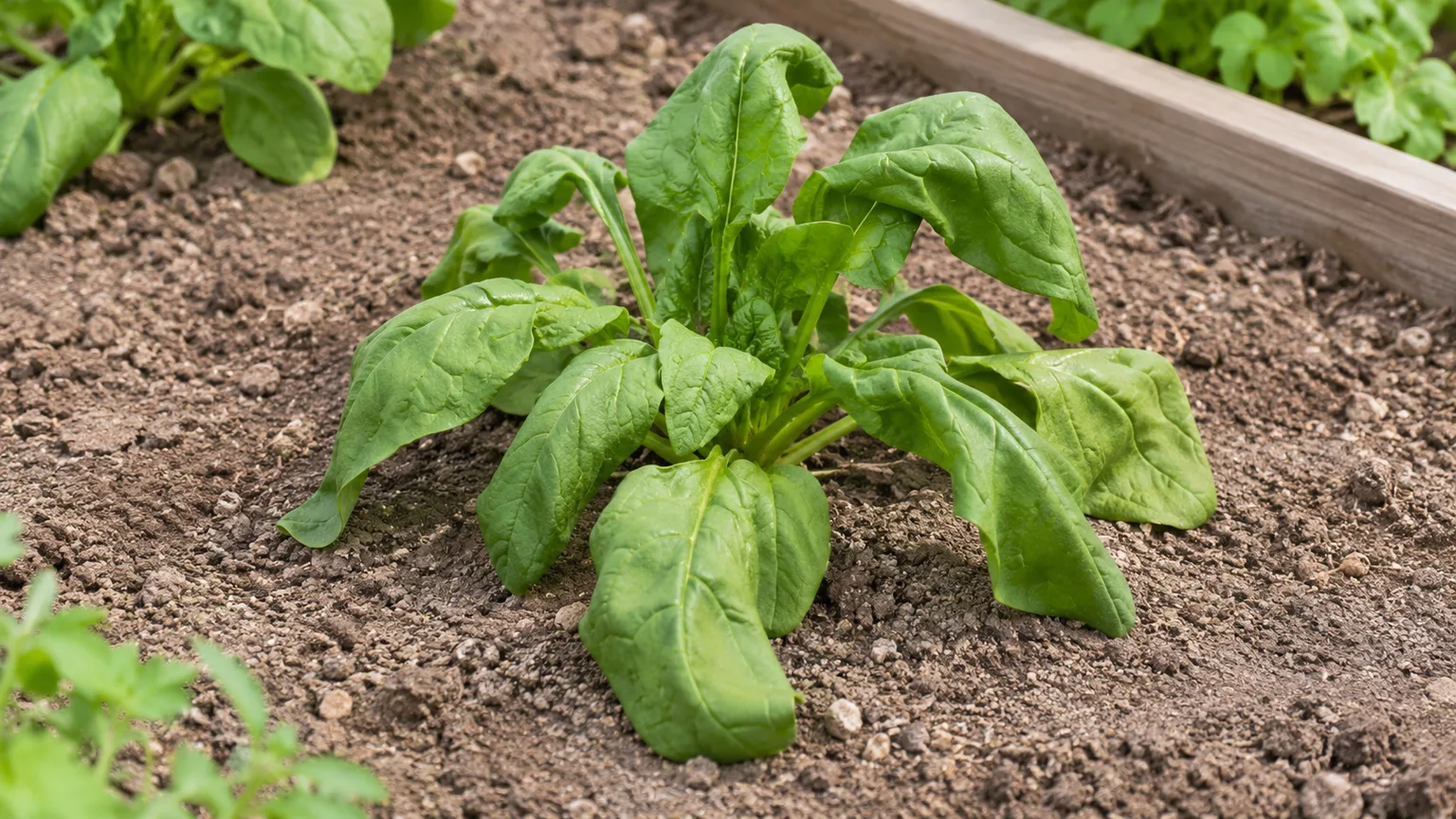
Underwatering Spinach: How to Confirm and Recover
This guide covers underwatering on Spinach. See also the general Underwatering guide, watering, and light pages for this plant.
Underwatering Spinach: How to Confirm and Recover
Quick answer
If spinach is limp and the soil is dry below the surface, water the root zone slowly until the mix or bed is evenly moist. Then let excess drain. Spinach has a relatively shallow root system, so a dry top layer can quickly leave young plants short of available moisture; still, wilt alone does not prove thirst. UC IPM notes spinach’s shallow roots and need for frequent irrigation.
Before reaching for the hose, feel the soil a few centimeters down and check the plant again in the cooler part of the day. If the soil is wet, watering more can worsen root trouble. If you are growing true spinach (Spinacia oleracea) for palak, remember that it is a cool-season crop: hot weather can cause afternoon droop and can push plants toward flowering even when you water well. NC State Extension describes spinach as a cool-season annual that prefers moist, well-drained soil.
What underwatering looks like on spinach
Thirsty spinach often looks soft or limp across several leaves, especially during the warmest hours. In a container, the pot may feel unusually light and the mix may have pulled from its edges. Seedlings can lose turgor quickly because their roots occupy only a small volume of soil. UC IPM describes spinach as shallow-rooted and recommends frequent, shallow irrigation while warning against saturated soil.
Do not diagnose by leaf color alone. A single older outer leaf fading while the center remains firm can be ordinary aging; a whole rosette sagging after a dry, windy day is more consistent with water stress. Heat can also make leaves droop temporarily. Check the soil before watering and compare the plant early in the morning with how it looks in late afternoon.
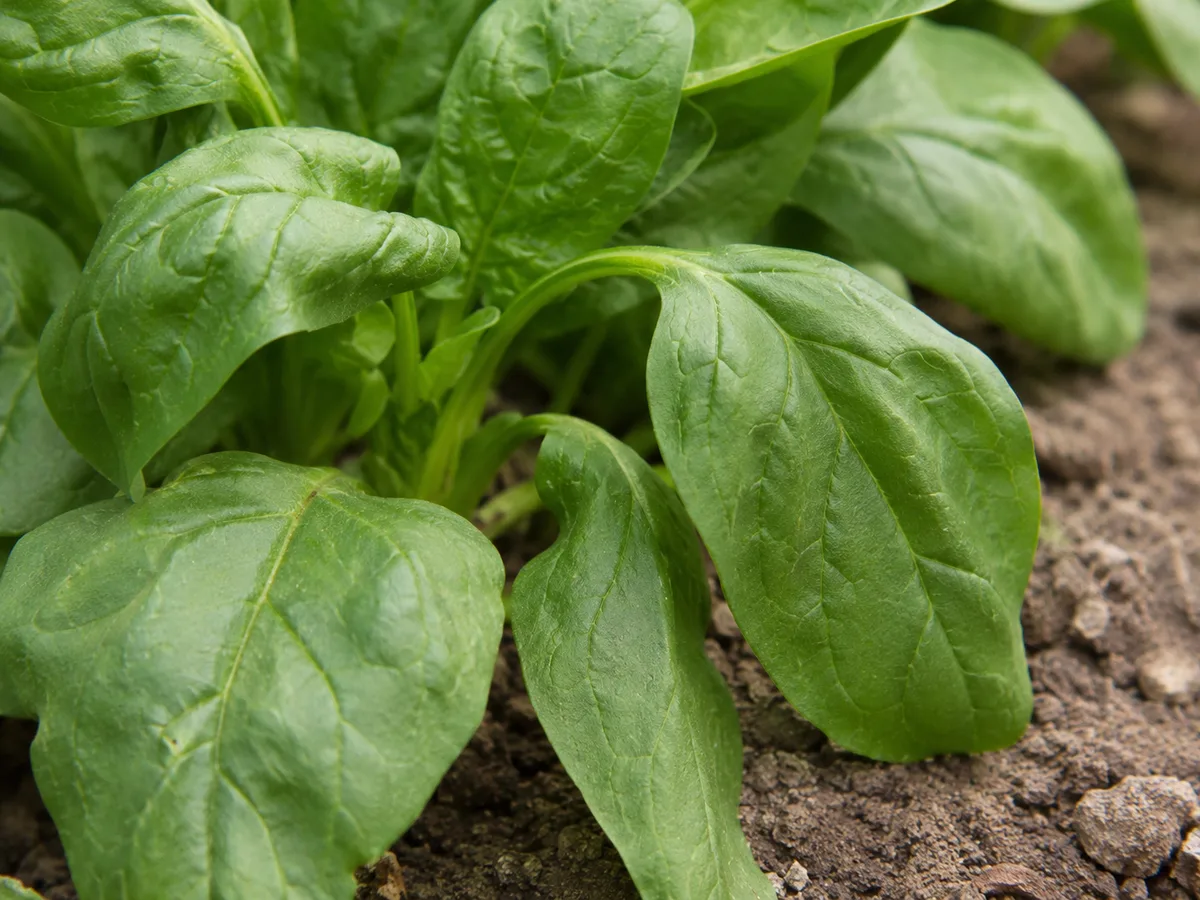
Mild drooping can signal a dry root zone, but check the soil before adding water.
Confirm the root zone is dry
Push a finger or a small wooden stick into the soil near the plant, away from the crown. The surface may dry first, so check below it. In a raised bed, open a narrow check beside the row rather than pulling up the plant. In a pot, feel the mix and lift the container to learn its normal moist weight. The correct trigger is the actual moisture around the roots, not a calendar reminder.
Then make a quick pattern check:
- Dry soil and limp leaves: underwatering is plausible; water the root zone.
- Moist soil and afternoon-only droop: wait until evening or the next morning and reassess before adding water.
- Wet, heavy soil with persistent wilt: suspect poor drainage or root/crown damage instead of adding water.
- A rising central flower stalk: the plant is bolting. Drought may have contributed stress, but bolting is not fixed by repeated watering.
Spinach grows best in cool conditions, and heat plus increasing day length can trigger bolting and bitter leaves. NC State Extension’s spinach profile and GrowVeg’s spinach growing guide both distinguish this seasonal shift from a simple watering problem.
First fix: rewet the dry root zone evenly
When the soil is genuinely dry, water gently at the base of the plants. In a garden bed, apply water along the row so it reaches the shallow roots without washing soil away from seedlings. In a container, pour slowly over the surface, pause if water runs straight through, then continue until the mix is evenly moist and excess drains from the bottom. Avoid leaving the pot standing in a saucer of water.
If very dry potting mix repels water, use two or three slow passes a few minutes apart instead of flooding it all at once. This gives the mix time to absorb moisture and reduces runoff down the sides. Do not bury the crown or pack wet soil against the central growing point.
After this first watering, wait and observe. Do not add fertilizer, prune the whole plant, or repot it on the same day. Keep the soil moist but not saturated; UC IPM warns that saturated spinach soil can favor crown and lower-leaf rot.
Read the recovery without overwatering
If the roots are intact and the problem was a short dry spell, leaves may firm up over the next several hours as the plant takes up water. They may not recover fully if the tissue has become crisp or badly damaged. Remove only leaves that are dead or decaying; keep sound outer leaves if they are still useful for harvest.
Check the center of the rosette over the next few days. New leaves that remain firm and a root zone that stays evenly moist suggest the correction worked. If the plant is still limp the next morning despite moist soil, or the crown is soft, dark, or foul-smelling, stop adding water and investigate drainage and decay. These signs point away from underwatering and toward a separate root or crown problem.
Once a flower stalk rises, the plant has shifted into bolting and leaf quality usually declines. Regular watering may reduce added drought stress, but it will not return a bolted plant to its leafy stage. Harvest usable leaves promptly and sow a new cool-season crop when local temperatures suit spinach.
Why spinach dries out quickly
Spinach roots are relatively shallow, and the crop grows best in moist, well-drained soil. A small pot, crowded container, exposed bed, or windy spell can make the root zone dry faster than a larger, sheltered planting. Penn State Extension’s growing guide recommends steady moisture for this cool-season vegetable; the practical check is more frequent in containers because their limited mix volume dries sooner.
Heat is a second confounder. In a heat wave, plants may wilt by afternoon despite morning watering, and a routine that worked in normal weather may no longer keep up with demand, as Epic Gardening’s heat-wave guidance explains. Shade during the hottest part of a warm day can reduce stress, but do not use shade as a substitute for checking moisture. GrowVeg notes that hot, dry conditions can encourage premature flowering.
Prevent the next dry-down
Keep the root zone evenly moist, not waterlogged. During warm or windy weather, check containers daily and inspect garden rows often enough to catch drying before the leaves collapse. Adjust the interval to rain and soil feel rather than following a fixed number of days. If a container repeatedly dries too fast, move it out of the hottest exposure and review the pot size and mix; spinach can be grown in containers, but a shallow, cramped volume gives you less buffer between waterings.
Water close to the soil instead of repeatedly wetting the foliage. For established spinach, UC IPM advises switching from overhead irrigation to drip or flood methods to avoid excess moisture on the leaves, and it cautions that saturated soil encourages crown and lower-leaf rot. After plants are established, a light mulch can help keep spinach soil moist and cool, as Penn State Extension advises. Keep the mulch clear of the crown, and do not let it conceal soggy soil.
For care details, see the Spinach watering guide and Spinach soil guide. If leaf symptoms continue after moisture is steady, the Spinach problems hub can help route you to a different diagnosis. For a cross-plant explanation of this symptom, see the underwatering guide. This page is specifically for dry-root-zone stress; start from the Spinach overview for the crop’s broader growing conditions.
Related Spinach guides
- Spinach overview for the crop’s seasonal growing conditions.
- Spinach light guide if hot sun is intensifying afternoon stress.
- The spinach care pages on watering, soil, and light cover the growing conditions that can affect moisture stress.
Related tool
Use the Plant Watering Calculator to organize a watering check for spinach. Treat its timing as a reminder to inspect the soil, not an automatic schedule.