Wilting Spinach: How to Tell Dry Soil from Heat or Root
Quick answer
When spinach wilts, feel the soil before watering. If the root zone is dry, water slowly until the bed is evenly moist or excess drains from the pot; if it is already wet, hold water and check for root or crown damage.
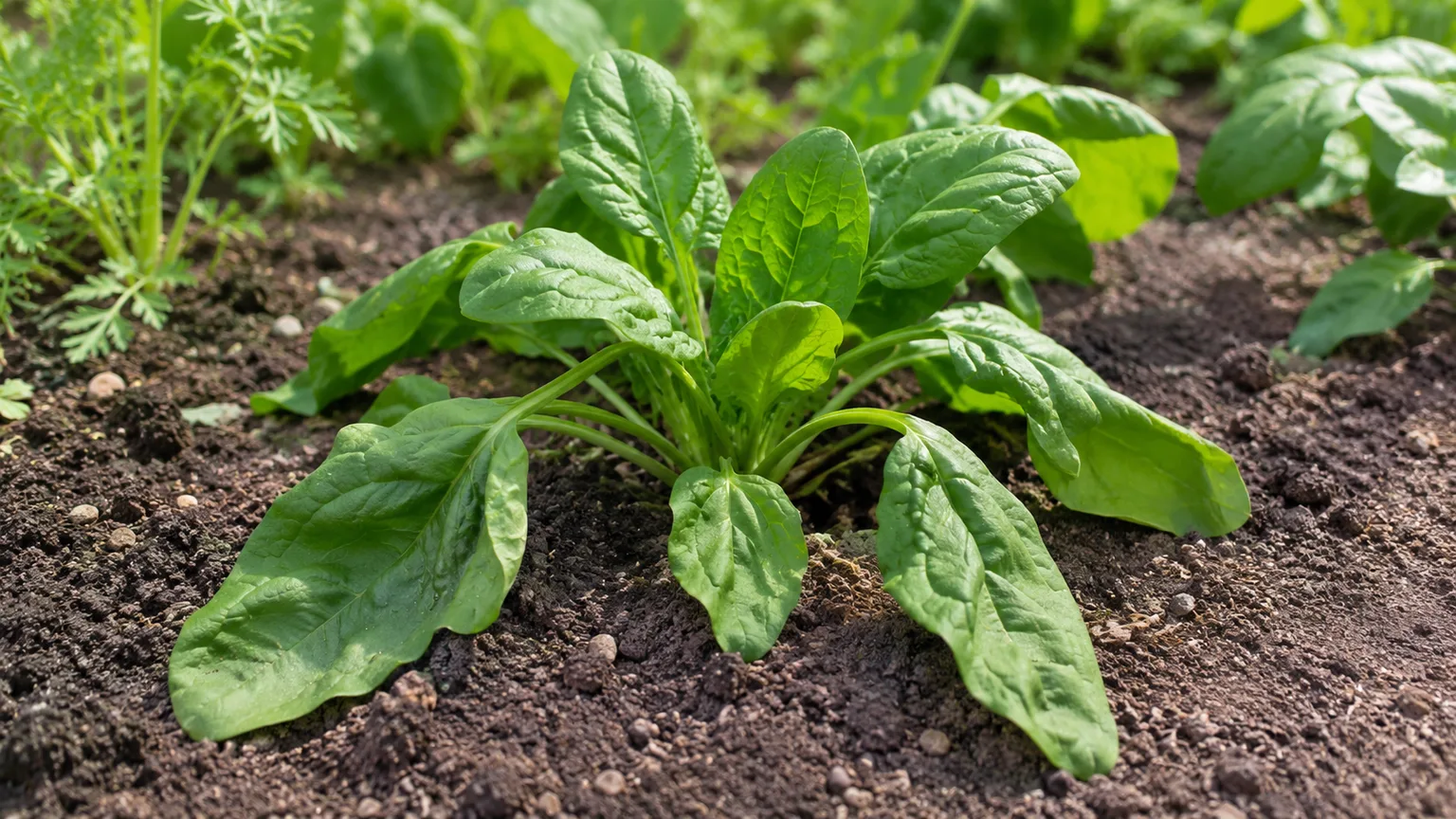
Wilting on Spinach: Causes, Checks & What to Do First
This guide covers wilting on Spinach. See also the general Wilting guide, watering, and light pages for this plant.
Wilting on Spinach: Causes, Checks & What to Do First
What wilting looks like on spinach
Spinach grows as a low rosette of soft leaves around a central growing point. When the root zone cannot replace water fast enough, leaves lose firmness and lie closer to the soil. A plant that droops briefly during a hot afternoon but firms up after the air cools is behaving differently from one that stays limp overnight or collapses while its soil is wet.
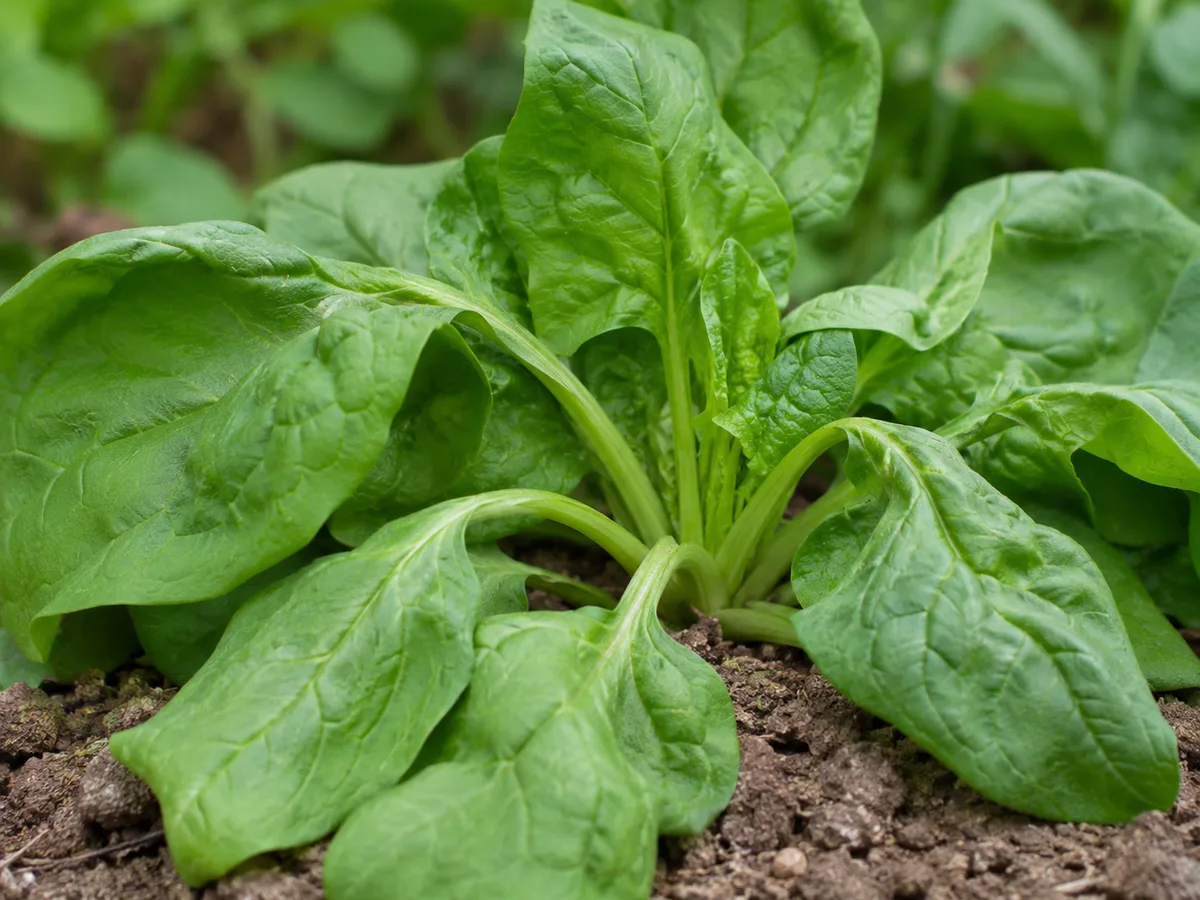
Wilted spinach leaves droop toward the soil while the rosette crown remains intact; check soil moisture before choosing a fix.
Start with the soil, not the leaf. Spinach is a cool-season crop that grows best with steady moisture in fertile, well-drained ground; it is also sensitive to heat and long days, which can trigger bolting and shorten the harvest. Utah State University Extension advises avoiding water stress as plants grow, while Wisconsin Horticulture describes spinach as needing uniformly moist soil and notes that warm, long-day conditions reduce leaf quality.
Check the root zone before changing care
Push a finger about 2 cm into the soil beside the plant. In a container, check more than the dry surface: feel the mix near the lower root zone and lift the pot to compare its weight with a recently watered pot. In a bed, check just below the mulch or crust. Dry soil several centimeters down, a light pot, and leaves that remain limp in the cooler morning support underwatering. A dry crust alone does not prove the roots are dry.
If the soil is dry, water the root area slowly and evenly. For a pot, continue until water runs from the drainage holes, then let it drain fully; for a bed, wet the soil around the rosette instead of giving the leaves a quick splash. Recheck after the water has soaked in. The aim is evenly moist soil, not a flooded crown. The Spinach watering guide has crop-specific checks for containers and beds, and the soil guide explains how drainage affects how long moisture remains available.
If the soil is already damp or saturated, do not add water to limp leaves. Check that container drainage holes are open and that the pot is not sitting in runoff. Look at the crown and, only if the plant continues to decline, inspect a small portion of roots: spinach with root rot may have water-soaked or brown-to-black roots, and affected plants may wilt or collapse UC Statewide IPM Program. Spinach can suffer damping-off and other diseases, but wilting alone cannot identify a pathogen. NC State Extension lists downy mildew and seedling damping-off among spinach problems; disease diagnosis should be based on the accompanying tissue signs, not drooping alone.
Tell dry-soil wilt from heat stress
Spinach leaves can droop when a warm, bright or windy afternoon increases water loss. If the root zone is still moist and the plant firms up again in the evening or by the next cool morning, heat or temporary water demand is more likely than a need for repeated watering. Check the plant at the same time of day for a few days, and note whether the soil is drying faster than usual.
During a short hot spell, move a container to bright shade during the hottest hours or use temporary afternoon shade for a bed. Keep the soil consistently moist, but do not keep it waterlogged to compensate for heat. NC State Extension notes that partial shade can help spinach in hot weather. The Spinach light guide covers seasonal shade, while the Spinach overview explains the crop’s cool-season growth cycle.
Heat and longer days can also move spinach toward bolting. Look for a central stem rising from the rosette and buds or flowers; limp leaves by themselves are not proof that the plant is bolting. Once the flower stalk develops, older leaves may become less tender and the plant’s useful harvest window is ending. More water can correct drought stress, but it cannot reverse the crop’s reproductive transition. For a broader comparison, see the general wilting guide.
Look for a disease pattern when soil moisture is right
When several plants wilt despite similar, adequate moisture, compare their crowns, roots, and leaves. A soft or dark crown, roots that are breaking down, seedling stems pinched at the soil line, or a patch of plants declining together raises concern for root or seedling disease. Leaf discoloration, mottling, or visible growth on the leaf surface may indicate a separate foliar problem rather than simple thirst. Avoid diagnosing from one symptom; record what changed and whether the pattern is spreading.
Separate the cases before you act. A dry root zone calls for a measured watering. A wet root zone calls for drainage checks and a pause in watering. A plant with a rising flower stalk is likely reaching the end of its harvest phase. If young seedlings are collapsing at the soil line, remove the affected seedlings and avoid keeping the seedbed continuously saturated; do not apply a pesticide or fungicide unless the product is labeled for the crop and the specific problem.
What to expect after the first fix
After watering a genuinely dry plant, leaves may regain firmness within hours if the roots and crown remain healthy. Do not keep adding water if the leaves do not recover; reassess the soil and inspect for other causes. Previously wilted or scorched leaves may remain damaged even after conditions improve, so watch the central crown and the next leaves rather than waiting for old tissue to look perfect again.
For a spinach plant in wet soil with decaying roots or a soft crown, recovery is less certain. Remove a badly diseased plant from the bed, discard it rather than composting it if disease is suspected, and correct drainage or watering before sowing again. A mature plant already sending up a flower stalk is usually better harvested or replaced with a new cool-season sowing than pushed to produce tender leaves through hot weather. Penn State Extension and RHS provide seasonal growing guidance for planning the next crop.
Prevent repeat wilting in spinach
Check containers frequently in warm or windy weather, since small volumes of mix can dry faster than a garden bed. Water the soil deeply enough to reach the roots, then let excess drain. In beds, use mulch to slow surface drying without burying the crown, and keep the planting free of weeds that compete for moisture. Gardening Know How recommends consistent soil moisture and additional checks in warm or windy weather.
Choose a cool-season planting window and sow successive small batches rather than trying to extend one spinach plant through summer heat. Keep moisture even, but pair watering changes with the season: afternoon shade can help during warm weather, while saturated soil is not a substitute for shade. Use the Spinach soil guide to address compacted or poorly drained mix and the fertilizer guide if you suspect a nutrient issue; do not fertilize simply because the leaves are limp.
Related Spinach guides
- Spinach watering — use this when you need a routine for checking beds and pots after the immediate wilt is addressed.
- Spinach soil — use this when water drains slowly or the container mix dries unevenly.
- Spinach light — use this when drooping follows hot sun or the crop is approaching its seasonal limit.
- Spinach fertilizer — use this only when growth or leaf color suggests a feeding question, not as a first treatment for wilt.
- Spinach problems hub — start here if other symptoms appear or the cause does not fit dry soil, heat, or bolting.
Related tool
Use the Plant Watering Calculator to plan checks for the container or bed after confirming that the root zone is actually drying.