What Is 10-10-10 Fertilizer? How to Use It
Use 10-10-10 fertilizer wisely with label math, soil-test checks, liquid-versus-granular tips, timing guidance, and burn-prevention steps.
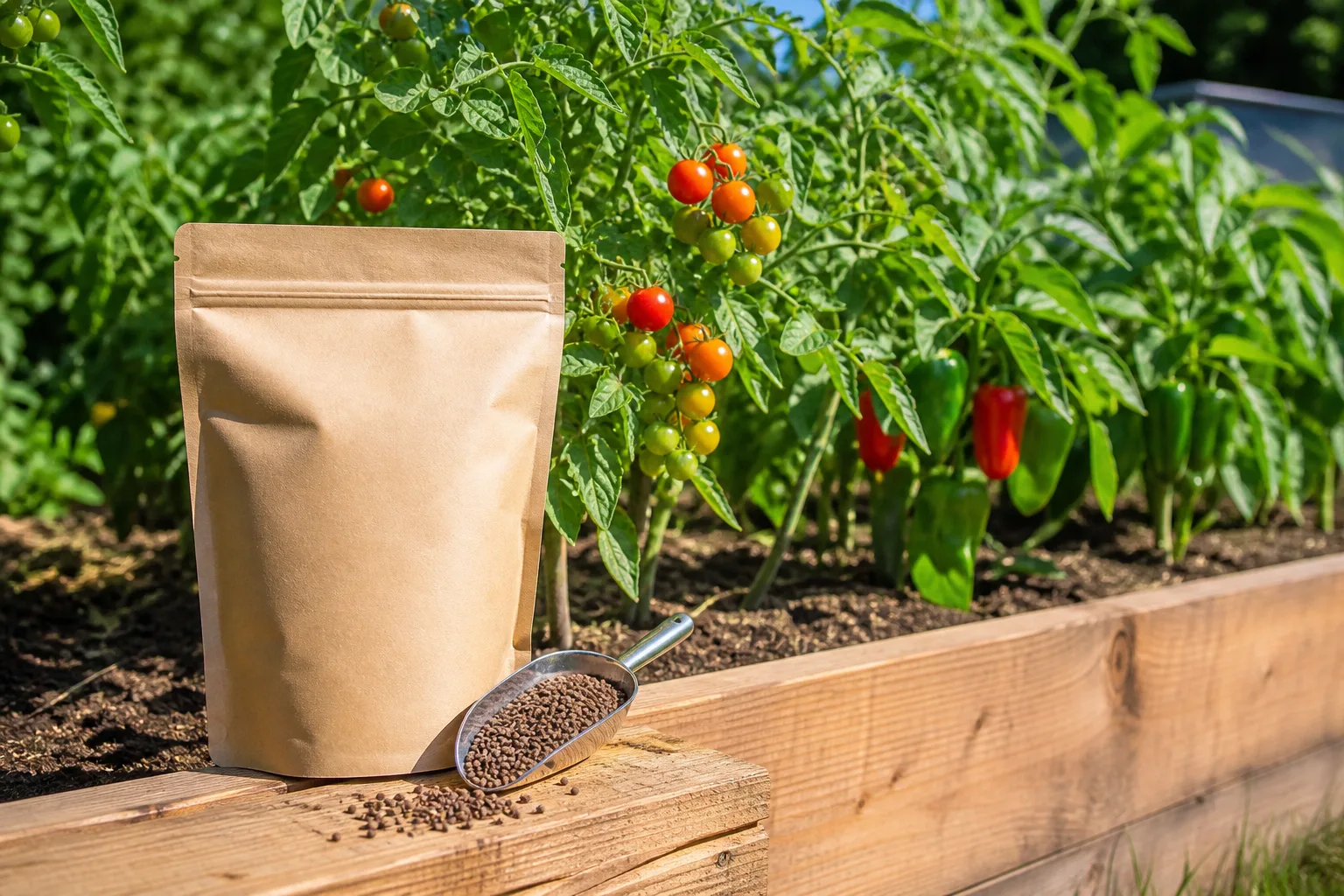
10-10-10 fertilizer is a complete, balanced fertilizer with a 1:1:1 ratio of nitrogen (N), phosphorus (P), and potassium (K). The three numbers describe the percentage by weight of each listed nutrient grade, so a 10-pound bag contains 1 pound of nitrogen, 1 pound of available phosphate, and 1 pound of soluble potash, with the remaining weight made up of carriers and any added nutrients.
That makes 10-10-10 useful when a plant or bed needs a broad nutrient supply and you do not have a reason to emphasize one nutrient. It does not make the formula right for every plant, soil, or season. A soil test, the crop’s growth stage, the label rate, and the product’s liquid or granular form matter more than the reassuring word “balanced.”
The quick answer: use it when a balanced feed fits
Use 10-10-10 when an established plant is actively growing, the soil or potting mix needs a general nutrient boost, and there is no evidence that nitrogen, phosphorus, or potassium is already excessive. It can suit mixed ornamental beds, many vegetables, some trees and shrubs, lawns when the product label and soil conditions support it, and container plants that have used up the nutrients in their mix.
Do not reach for it automatically because a plant looks pale or grows slowly. Weak growth can come from insufficient light, drought, waterlogged roots, compacted soil, pests, root damage, unsuitable pH, cold, or a nutrient that is present but unavailable. Fertilizer is not a general-purpose plant medicine, and adding more to a non-nutrient problem can make recovery harder.
The best first question is not “How much 10-10-10 do I own?” It is “Does this plant need all three macronutrients in roughly the same proportion right now?” If the answer is unclear, start with the product label and a soil test rather than guessing.
What the three numbers actually tell you
The fertilizer grade is read from left to right as nitrogen, phosphate, and potash. Gardeners commonly describe the middle and last numbers as phosphorus and potassium, but fertilizer labels report them using conventional phosphate and potash equivalents. The label is therefore a nutrient accounting system, not a promise that each ingredient is present as a simple bag of elemental nutrients.
Nitrogen, phosphorus, and potassium do different jobs
Nitrogen supports leafy growth and is part of chlorophyll and plant proteins. A nitrogen shortage often shows as generally pale growth, especially on older leaves, but adding nitrogen to a plant with poor light or damaged roots will not solve the underlying problem.
Phosphorus is involved in energy transfer, roots, flowering, and seed or fruit development. More phosphorus is not automatically better for flowers or tomatoes. If a soil test shows adequate phosphorus, repeatedly adding a complete fertilizer can build an excess without improving the plant.
Potassium helps plants regulate water, move sugars, and maintain overall vigor. It is associated with stress tolerance and strong growth, but a potassium-heavy formula is only useful when the plant or soil actually calls for it. A balanced product supplies some of all three; it cannot diagnose which one is missing.
This is why the same fertilizer can look successful in one garden and disappointing in another. A nitrogen-hungry crop in depleted soil may respond well, while a flowering plant in phosphorus-rich soil may produce more leaves without better blooms.
The other 70 percent and the difference between ratio and strength
The “10” in 10-10-10 is the concentration of each listed grade, not a measure of how powerful the product feels to the plant. A 20-20-20 fertilizer has the same 1:1:1 ratio but twice the concentration of each listed grade. If the label’s recommendation is based on the same nutrient target, you generally use less of the 20-20-20 product.
The remaining 70 percent of a 10-10-10 bag is not necessarily useless filler. It may include carrier material, coating, moisture, or added secondary and micronutrients. Read the guaranteed analysis for details rather than assuming every 10-10-10 product behaves the same way. The source can also be synthetic or organic; the number pattern alone does not tell you the release speed, salt content, or environmental profile.
Colorado State University Extension explains that manufactured fertilizers tend to contain more concentrated nutrients, so relatively small amounts are needed, while organic products commonly have lower concentrations and release nutrients more gradually. Both can cause environmental problems if spilled or spread onto hard surfaces and washed into water, so accurate application matters more than the marketing category. See Colorado State University Extension’s comparison of organic and manufactured fertilizers for that distinction.
When 10-10-10 is a good fit
10-10-10 works best as a general maintenance fertilizer, not as a blind rescue treatment. It is a sensible candidate when a soil test or a crop’s documented feeding plan calls for nitrogen, phosphorus, and potassium together, and when the plant is actively growing.
Garden beds, vegetables, flowers, and containers
In a mixed border, a balanced formula can be convenient because several plants share the same bed but may not have an obvious single-nutrient need. Apply only at the label rate and keep it away from stems. For a new bed, a soil test is particularly useful because old compost, manure, previous fertilizer, or imported topsoil may already have supplied plenty of phosphorus and potassium.
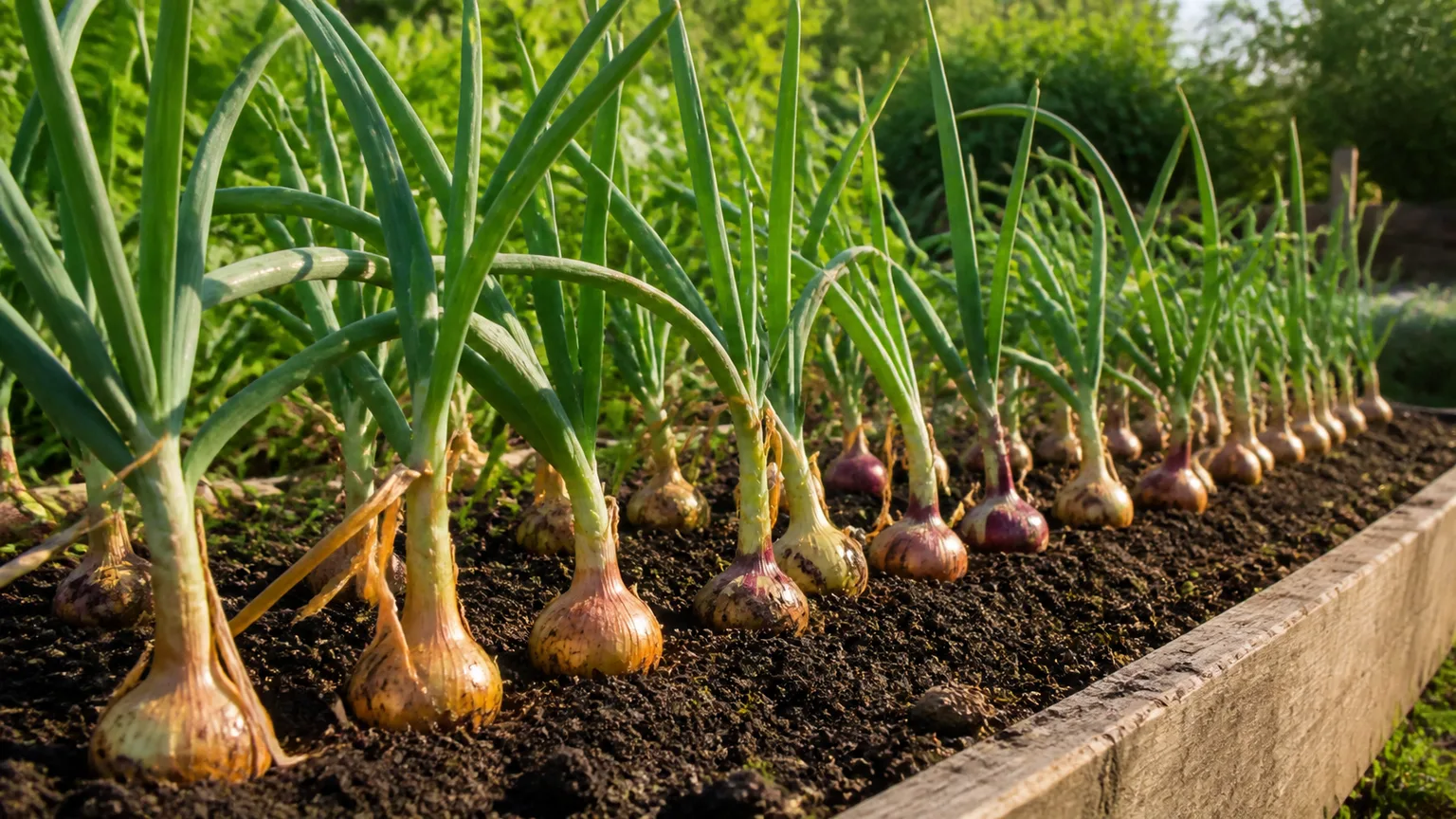
Vegetables can use 10-10-10 at planting when the label and soil conditions support it, but “heavy feeder” does not mean “immune to overfertilizing.” University of Georgia Extension recommends soil testing before planting and notes that crops may need different follow-up timing. For continuing crops such as tomatoes, peppers, cucumbers, and squash, additional feeding should be tied to healthy growth and fruit development rather than a fixed habit of fertilizing every time the leaves look less green. Read the University of Georgia Extension home-garden fertilizer guidance for crop-stage and application cautions.
For flowers, 10-10-10 can support a plant that needs general nutrition, but it may push leafy growth at the expense of flowers if used too heavily or too late. For containers, a balanced feed can replace nutrients that repeated watering has carried out of the pot, but the small root zone also makes salt buildup easier. Use a weaker liquid solution or a container-specific label rate when the product provides one.
Houseplants can use a 10-10-10 product only if the label permits indoor or container use. Feed during active growth, apply to already moist mix, and never leave fertilizer runoff standing in a saucer. A dim, dormant, recently repotted, drought-stressed, or root-damaged plant usually needs better growing conditions before it needs more fertilizer.
When a different fertilizer is smarter
A balanced ratio is a compromise. It is useful when the three nutrients are needed together, but it is inefficient when one nutrient is already high or when the plant’s goal is specific. A lawn may need nitrogen but little or no added phosphorus; a leafy vegetable may need a different nitrogen emphasis; a flowering or fruiting crop may need a carefully timed program rather than repeated balanced applications.
Let a soil test and the plant’s goal set the direction
Use a soil test when you are establishing a new bed, fertilizing an orchard or lawn, repeatedly feeding the same area, or seeing symptoms that do not match a simple lack of food. Testing can show nutrient levels and pH, which affects whether nutrients are available to roots. It also helps prevent a cycle in which a gardener adds more 10-10-10 every season while phosphorus or potassium slowly accumulates.
The crop goal matters too. If you want leafy greens, nitrogen availability is central, but light and water still set the ceiling. If you want tomatoes, flowers, or fruit, do not treat the middle number as a bloom switch. The plant must first have healthy roots, adequate light, pollination, and consistent moisture. A fertilizer that supplies too much nitrogen during flowering can produce lush stems and leaves while delaying the harvest you wanted.
Skip 10-10-10 when the plant is dormant, newly transplanted and not yet re-established, severely dry, heat-stressed, or sitting in saturated soil. Correct the stress first. Better Homes & Gardens also recommends a soil test, careful label compliance, and avoiding late-season fertilization that can stimulate tender growth before cold. Its practical overview of what 10-10-10 fertilizer does and when to use it is a useful companion to extension recommendations.
Liquid or granular: choose by job, not label
The 10-10-10 numbers describe nutrient ratio and concentration; they do not tell you whether a product is liquid, water-soluble, granular, coated, or slow-release. Form changes how quickly nutrients become available and how evenly you can apply them.
Liquid or water-soluble 10-10-10 is useful when you want control over strength and timing. It can cover containers and small beds evenly, but concentrates must be diluted exactly as directed. Spraying in hot sun, applying to dry roots, or guessing at a hose-end sprayer’s calibration can cause scorch or uneven dosing.
Granular 10-10-10 is convenient for beds, rows, trees, and lawns when you can measure and distribute it evenly. It usually needs moisture to dissolve and move into the root zone. Granules left on foliage, piled beside a stem, or spilled on pavement can injure plants or wash into drains.
House Beautiful’s interviews with horticulture specialists describe liquid fertilizer as faster and easier to distribute over small areas, while granules are often more economical for large gardens and may become available over a longer period. Their liquid-versus-granular 10-10-10 guidance is helpful for comparing those trade-offs, but the product label remains the final authority for dilution and coverage.
How to apply 10-10-10 without burning plants
Start with the label, a measured area, and a dry application surface. Do not improvise a “heaping scoop” because two products with the same numbers can have different directions, particle size, coating, and recommended uses.
Lawns, individual plants, trees, rows, and containers
For a lawn, measure the area and use the spreader setting and product rate on the bag. Calibrate the spreader if the product provides instructions, keep granules off sidewalks and driveways, and water according to the label or time application before suitable rainfall. Do not fertilize drought-stressed or dormant grass simply because the calendar says it is a feeding month. A turf soil test can tell you whether phosphorus is needed at all.
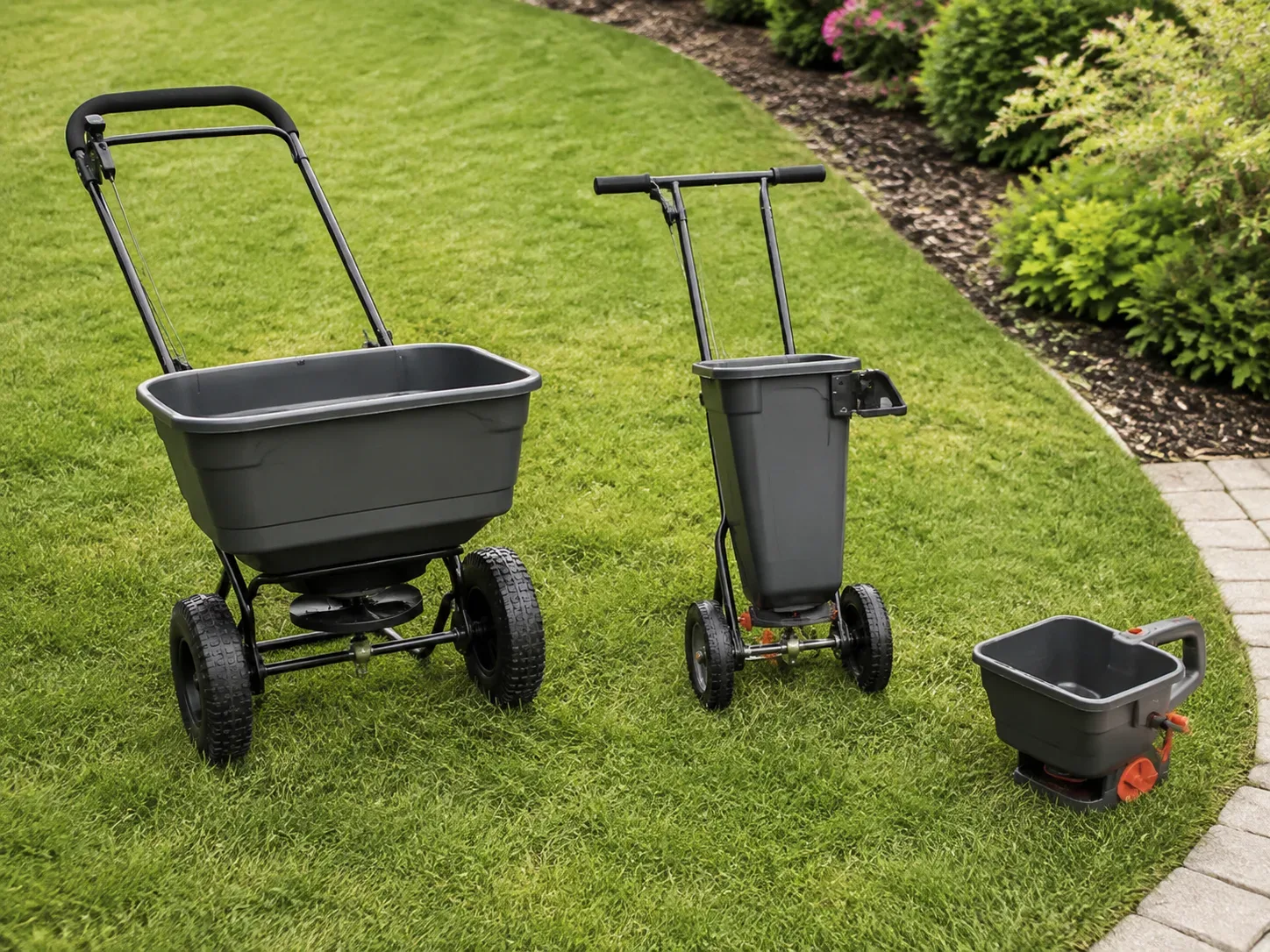
For an individual plant, spread fertilizer over the root zone rather than against the stem. For a tree or shrub, the root zone extends beyond the trunk, and the drip line is a better starting point than a tight ring at the base. Keep the product off the trunk, branches, and wet leaves, then water it into the soil without creating runoff.
For a vegetable row, measure the row length and follow the label’s linear-foot rate. Side-dress only when the crop’s growth stage and the label call for it. For a container, distribute the product over the surface as directed, or dilute a liquid product precisely. Make sure the pot drains freely and empty the saucer after watering.
One useful piece of label math is the actual-nitrogen calculation. If a recommendation calls for 1 pound of nitrogen per 1,000 square feet, a 10-10-10 product contains 0.10 pound of nitrogen per pound of fertilizer, so the rough product amount would be 10 pounds per 1,000 square feet. That is a way to understand a recommendation, not permission to apply 10 pounds everywhere. The bag’s own crop and area instructions, local soil test, and any turf or environmental restrictions still control.
Timing: feed active growth, then stop
For most outdoor plants, the useful window is active growth from spring into the part of summer that matches the crop and climate. Spring planting is often the first opportunity for vegetables, while perennials, trees, shrubs, and turf have their own growth rhythms. Warm-season grass and cool-season grass should not be treated as interchangeable.
Stop before dormancy rather than trying to extend the season with extra fertilizer. Late nitrogen can push soft new growth that is more vulnerable to cold. Houseplants usually slow down when light and temperature fall, so a calendar-based feeding schedule can oversupply them in winter even if the pot remains indoors. An exception may exist for a plant with unusual indoor conditions or a label-specific program, but the plant’s active growth should be visible.
Avoid feeding a plant that is wilting from dry soil, overheated roots, or transplant shock until it has been watered and is functioning normally again. Fertilizer salts draw water toward themselves in the root zone; adding them to already stressed roots can turn a recoverable wilt into root injury.
Mistakes that make balanced fertilizer backfire
The most common mistake is treating the ratio as a schedule. A bag marked 10-10-10 does not mean every plant should receive the same scoop every month. Rate depends on the product, plant, soil, area, growth stage, and whether the product is quick-release or coated.
The next mistake is doubling a dose after missing an application. Plants do not need a “catch-up” feeding, and a concentrated pocket of granules can burn roots even when the overall bed looks large. Another is applying to wet foliage; fertilizer that sticks to leaves can cause burn, especially in bright weather. University of Georgia Extension specifically warns against broadcasting granular fertilizer over wet plants and recommends timing irrigation or rainfall so the product moves into soil.
Runoff is another preventable problem. Sweep granules off hard surfaces, do not spread across pavement, and stop watering if the application begins flowing away from the root zone. Colorado State University Extension notes that both organic and manufactured fertilizers can pollute groundwater, lakes, and streams when misapplied. Accurate measurement protects the garden and the water beyond it.
Finally, do not stack products without counting nutrients. A slow-release fertilizer already in a pot, composted manure in a bed, and a liquid 10-10-10 dose can add up even when each product looks mild by itself. Keep a simple note of what was applied, where, and when.
What to do if you overapplied
Stop all additional fertilizer and identify what happened. If dry granules are still visible on leaves, sweep or rinse them off gently; if they are on pavement, collect them rather than washing them into a drain. Do not add lime, compost, or another “balancing” product to cancel it without a test.
For a container with drainage, water thoroughly with plain water and allow the pot to drain completely, then empty the saucer. This can reduce soluble salts, but it will not remove every coated slow-release prill. If white crust, brown tips, wilting, or a sour root zone continues, inspect the roots and consider replacing heavily contaminated mix.
For a garden bed or lawn, do not flood the area. Avoiding additional fertilizer, watching for scorch, and allowing normal irrigation to move soluble nutrients through the soil is safer than creating runoff. If the product was spilled in a large amount, on a slope, near a drain, or near a water body, follow the product label’s spill instructions and contact a local extension office for site-specific advice.
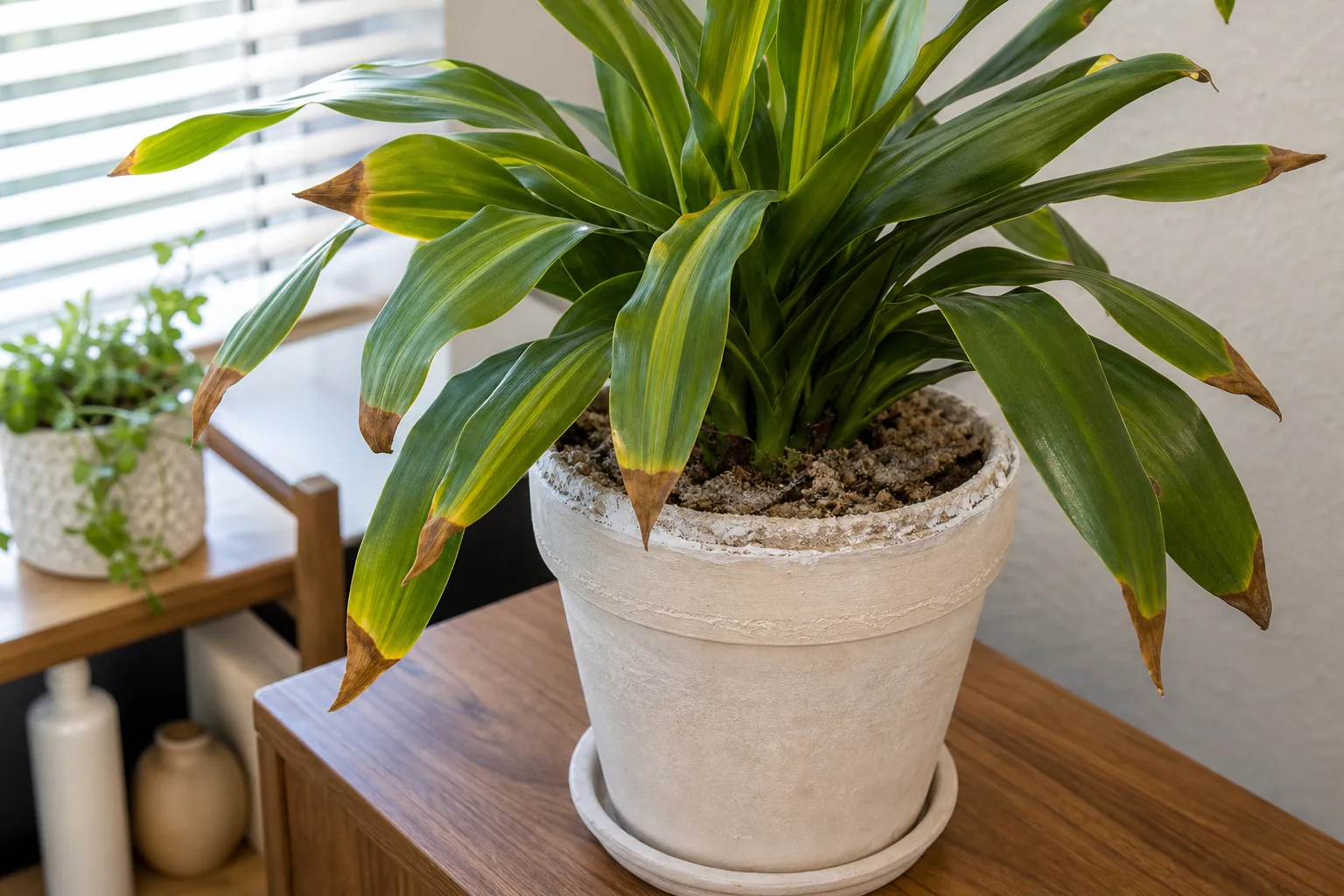
Fertilizer burn often looks like brown, crispy leaf margins or tips, but drought, root rot, heat, and disease can look similar. Treat the image as a clue, not a diagnosis. Check recent applications, soil moisture, root health, and light before applying any corrective nutrient.
A simple 10-10-10 decision checklist
Before opening the bag, ask:
- Is the plant actively growing rather than dormant, drought-stressed, waterlogged, or freshly transplanted?
- Does the plant or soil need nitrogen, phosphorus, and potassium together?
- Do I have a soil test or a label-based crop recommendation instead of a guess?
- Have I measured the area, read the rate, and checked whether the product is liquid, granular, or slow-release?
- Can I keep the fertilizer off stems, trunks, wet leaves, pavement, and drains?
- Can I water it into the root zone without causing runoff?
- Have I recorded previous fertilizer, compost, manure, or slow-release applications?
If you cannot answer the middle questions, pause and test the soil or look up the plant’s documented feeding needs. A balanced fertilizer is convenient precisely because it is broad; that is also why it can be the wrong tool when the garden needs a targeted correction.
Conclusion
10-10-10 fertilizer is a useful general-purpose option when a growing plant or bed needs all three major macronutrients in a balanced ratio. Its numbers tell you the nutrient grade and concentration, not the correct dose, release speed, season, or suitability for every plant.
Use the label as the starting point, let a soil test guide repeated outdoor applications, choose liquid or granular form for the job, and keep fertilizer away from stems, wet leaves, pavement, and drains. When the plant is dormant, stressed, or already well supplied with one nutrient, better timing or a different formula will usually help more than another scoop of 10-10-10.