8 Backyard Trends for 2026: Rain, Pollinators, Less Lawn
Rainscaping, pollinator beds, native plants, smaller lawns, and bold foliage are shaping 2026 backyards. See all 8 trends and how to prioritize one project at a time.
Backyard refresh conversations in 2026 sound less like “Which annual should I ring the patio with?” and more like “Where does the water go, who does this feed, and how many hours will I spend mowing it?” That shift is real. Homeowners are asking for yards that handle rain, support pollinators, and look designed without a weekly fertilizer schedule.
The eight trends below are what landscape designers and plant specialists are specifying when clients want a modern backyard that still functions on a suburban lot. None of them require tearing everything out in one weekend. Treat this as a menu with a sensible build order, not a Pinterest board you have to copy.
Why Backyard Design Is Shifting in 2026
For decades, the default backyard was turf to the fence line, a few foundation shrubs, and maybe a grill. That template is expensive in water, time, and ecological terms. Turf demands mowing, edging, and often supplemental irrigation through dry spells. Meanwhile, heavy rain events are exposing drainage problems that grass alone cannot fix.
The replacement mindset is function-first: manage water on site, plant for year-round habitat, and keep lawn only where you actually walk or play. Aesthetics follow function. When beds are sized correctly and hardscape is integrated with stone rather than slapped against it, the yard often looks more intentional with less weekly labor—not more.
Think in zones: dry upper slopes, seasonally wet low spots, sun strips, shade under trees, and hard paths. Each zone gets plants matched to moisture and light, not the other way around. Penn State Extension’s rain garden guidance stresses soil testing, sun analysis, and slope evaluation before plant selection because misplaced species are the fastest way to turn a trend into a weedy mess. Penn State Extension
How to Use This List Without Overwhelming Your Budget or Your HOA
Pick one primary problem your yard fails at today: basement seepage after storms, a dead zone no pollinator visits, a slope that erodes, or a lawn you resent mowing. Match that problem to a single trend, complete it, then stack the next.
If you live under HOA rules, photograph existing beds before changing lawn area, keep front-yard edits conservative, and favor neat edges and defined paths over wild meadow aesthetics in highly visible zones. You can still install a rain feature in a side or back yard, shrink rear turf, and use native plants in masses that read as intentional from the street.
| If your biggest pain is… | Start with trend… | Why |
|---|---|---|
| Puddles, erosion, wet basement | Rainscaping | Fixes hydrology before cosmetics |
| No bees, butterflies, or birds | Pollinator garden | Fast visual payoff once bloom sequence is planned |
| High water bill, tired mowing | Smaller lawn + water-wise layers | Cuts recurring labor and irrigation |
| Bland flat beds | Texture/color planting + 2026 cultivars | Upgrades design without earthmoving |
Trend 1: Rainscaping Turns Runoff Into a Backyard Asset

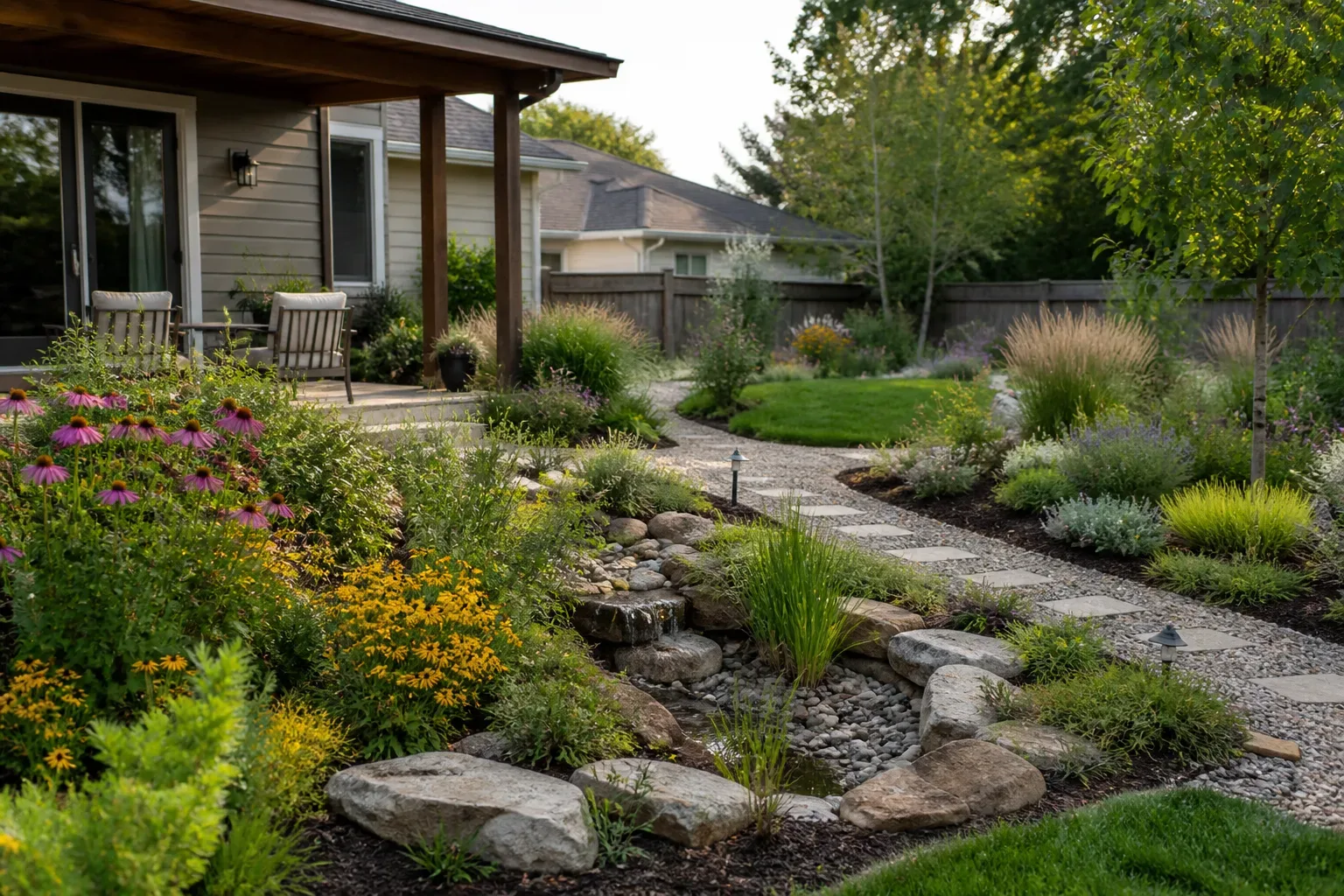
Rainscaping means designing the yard so rainfall is slowed, soaked, or directed on purpose instead of racing to the street—or your foundation. It is not one product. It is a set of tools: rain gardens, swales, permeable paths, and dry creek beds that channel water while looking like part of the landscape.
For years, homeowners treated rain as something to hurry off the property. In 2026, more designers are treating it as a resource that can recharge soil moisture, filter sediment, and replace a soggy lawn corner with something that blooms.
After a hard rain, walk the property with a notebook. Mark where downspouts discharge, where soil stays muddy for days, and where water sheets toward the house. Take photos at the wettest points. That ten-minute survey prevents the most common rainscaping failure: excavating a “rain garden” in a spot that is actually too high and dry, or worse, directing more water toward the basement.
Send a soil sample through your local extension office before planting. pH, organic matter, and drainage class determine whether you need compost, coarse amendment, or a raised berm. Plants will not compensate for buried compaction or a gutter that still dumps against the foundation.
Our rain garden calculator walks through basin depth, percolation, and sizing if you want numbers before you dig.
Rain Gardens vs Dry Creek Beds
A rain garden is a shallow planted depression that holds water briefly after storms, then drains within a day or two. It excels at treating roof runoff on flat to gently sloped lots. A swale is a graded channel that moves water slowly across a slope. A dry creek bed is a stone-lined path that conveys heavy flow during storms and reads as a visual feature when dry—popular along fence lines and beside patios where a lawn used to turn to mud.
Dry creeks can protect foundations by moving water away from the house while adding texture. Designers often combine them with boulders so the feature feels geological, not like a drainage ditch with decorative rocks sprinkled on top. Whichever form you choose, plan maintenance: rain gardens fail when invasives are ignored in years one and two. Penn State Extension notes that undesired species can ruin both function and aesthetics during establishment. Penn State Extension
Trend 2: Pollinator Gardens That Feed More Than Butterflies
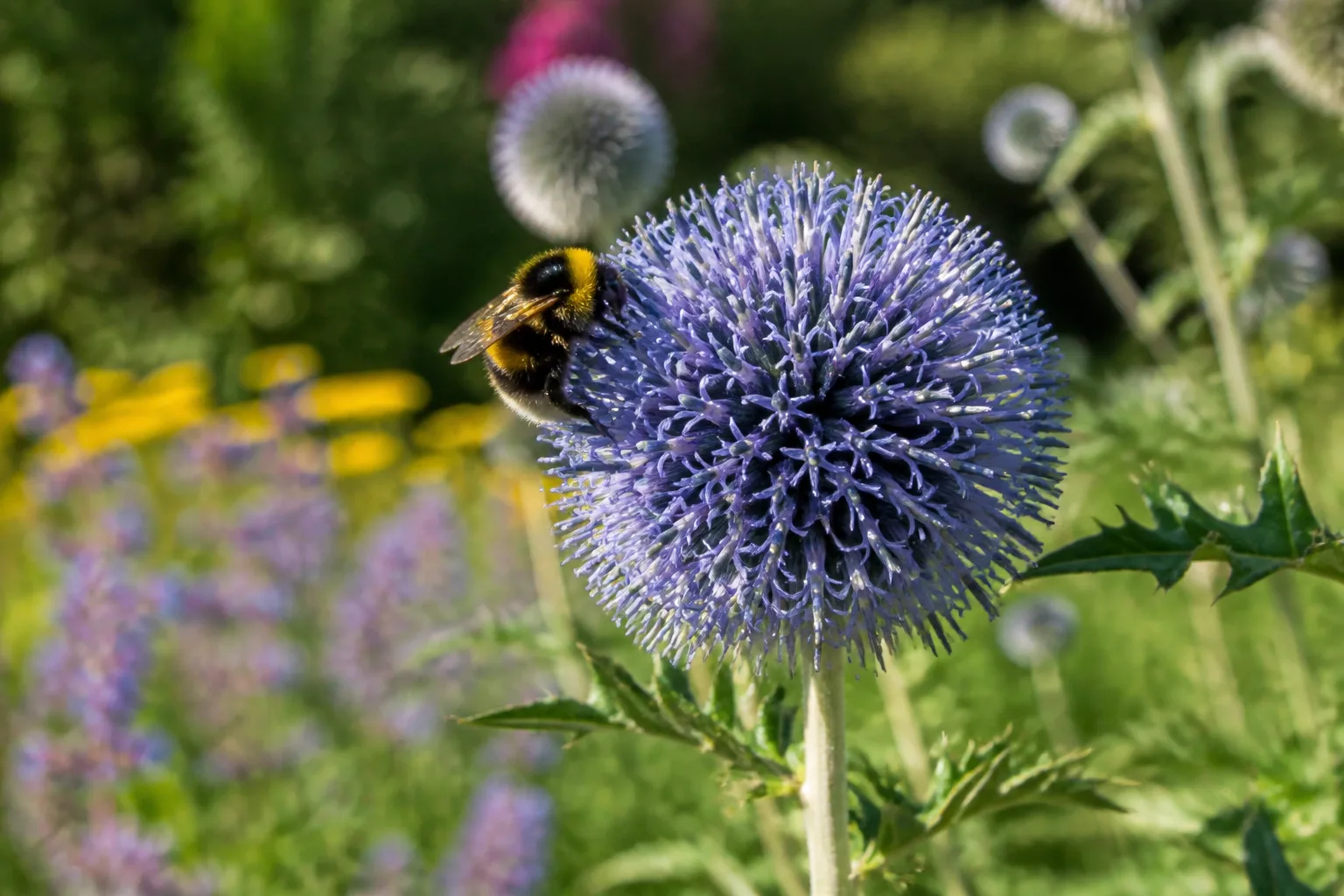
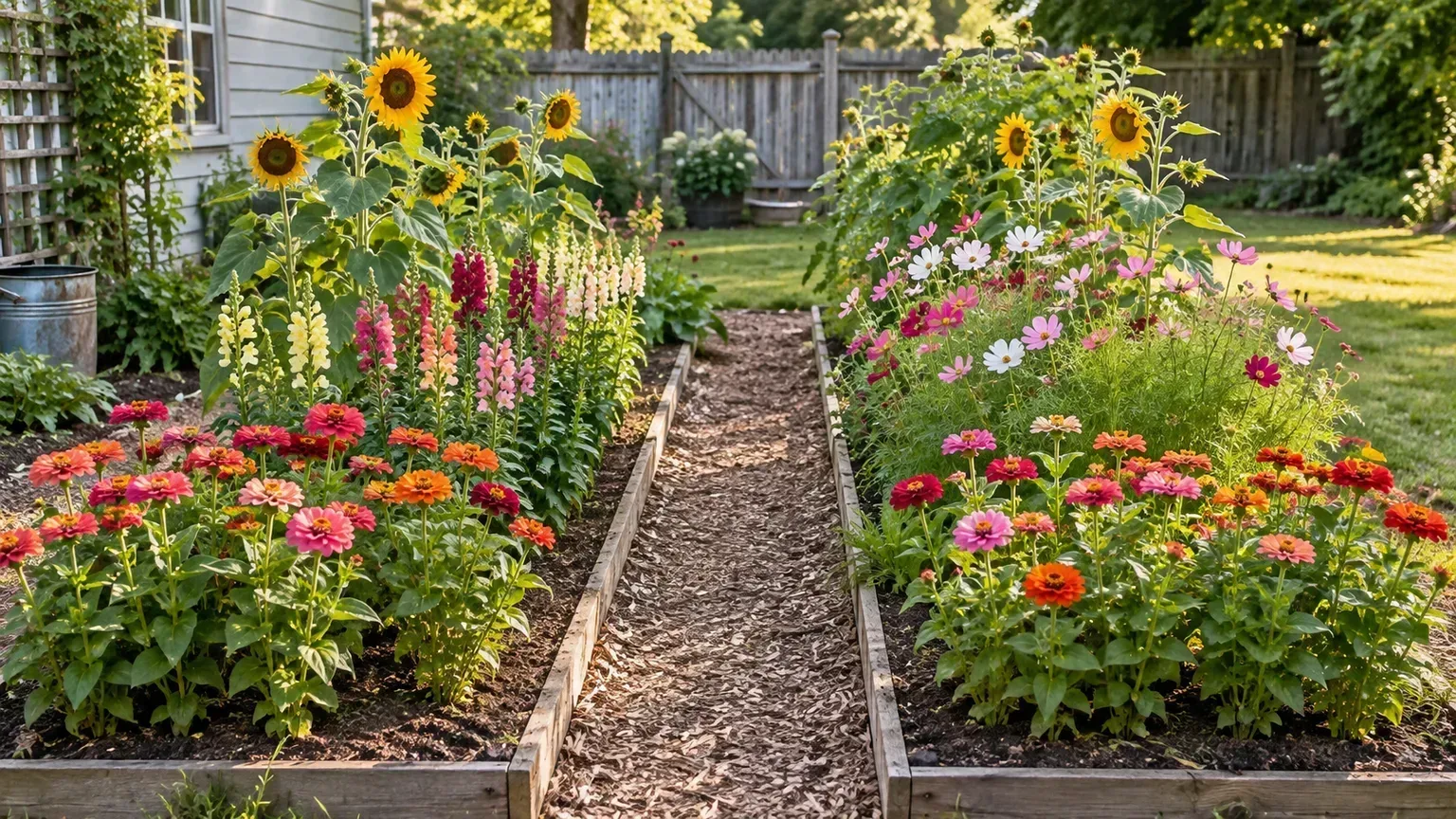
Pollinator gardens are moving from “a butterfly bush by the mailbox” to diverse plant communities that support bees, wasps, moths, beetles, flies, hummingbirds, and the caterpillars birds need to feed their young. Approximately one third of food crops depend on pollinators, according to the USDA People’s Garden pollinator initiative—a useful reminder that these beds are not just decoration.
Clemson Cooperative Extension HGIC notes that when people hear “pollinator,” they often picture honey bees, yet native bees, beetles, and flies do enormous work—and they need different flower shapes and nesting sites. Clemson HGIC
A pollinator bed that peaks in June is a snack bar that closes all summer. Build overlapping bloom windows: early spring trees or shrubs (redbud, serviceberry where hardy), mid-season composites (coneflower, mountain mint), and late-season goldenrods and asters. Penn State Extension recommends plants with large compound inflorescences—many small flowers in one head—because they attract a wide visitor list. Penn State Extension
Plant in drifts, not singles. Three to seven of the same species in a clump are easier for insects to find than one plant each of twenty species scattered like a botanical zoo. Skip heavy landscape fabric under pollinator beds; tight spacing of varied heights forms a better weed barrier and leaves room for more flowers.
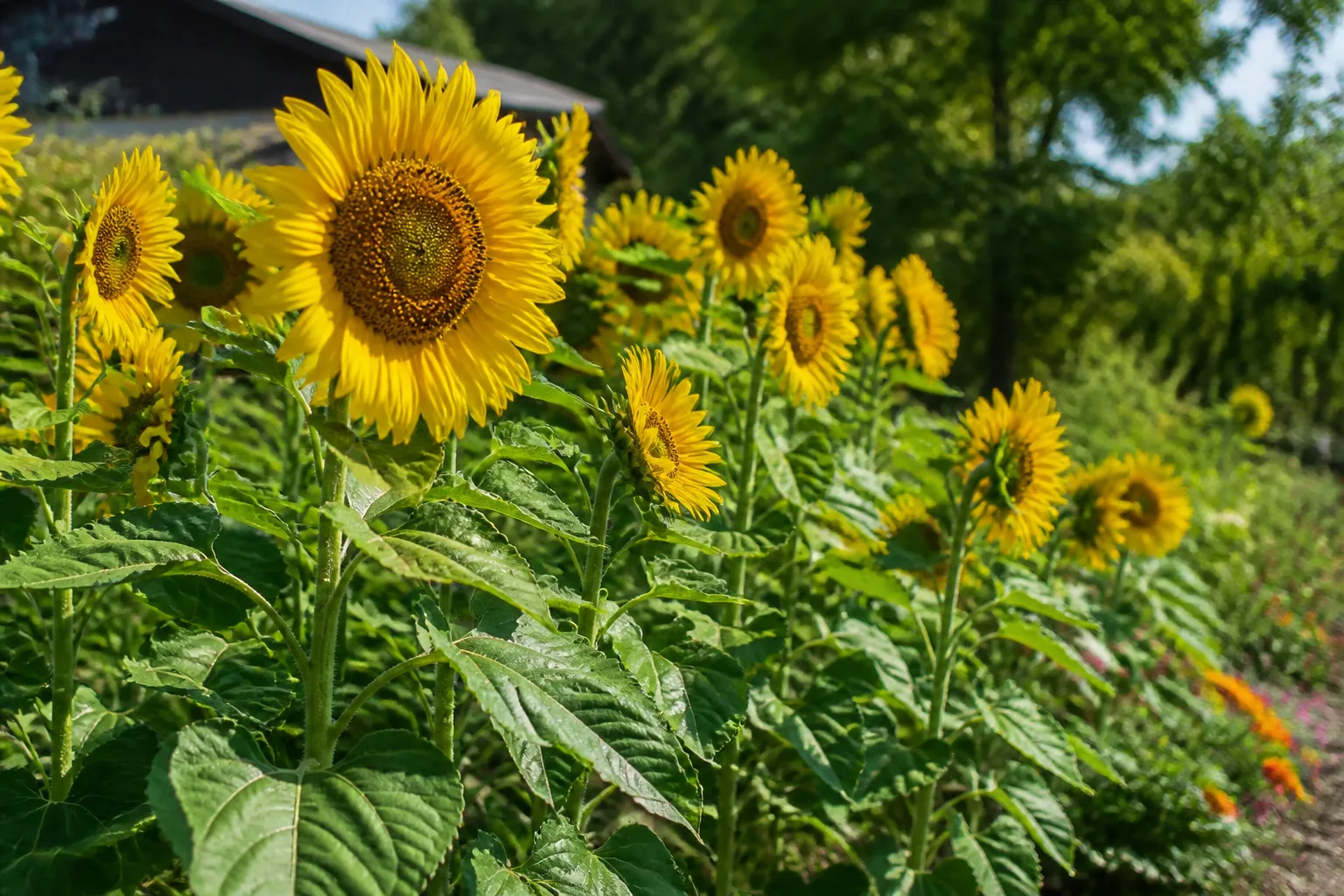
Reliable annual fillers that still pull their weight include zinnia, sunflower, nasturtium, dill, basil, and yarrow. They are not substitutes for native perennials, but they fill gaps while shrubs and grasses mature.
Host Plants and Safer Spray Habits
Butterflies require larval host plants. Monarchs need milkweed; black swallowtails need members of the carrot family; spicebush swallowtails need spicebush or sassafras in their range. Holes in leaves are a success metric, not a crisis. Doug Tallamy’s Homegrown National Park project lists woody and herbaceous hosts that support the most moth and butterfly species—useful when you want maximum ecological return per square foot.
Leave hollow stems, leaf litter, and bare well-drained soil patches for overwintering bees. Penn State Extension advises delaying perennial cutback until spring so pupae and eggs are not discarded with the compost. Penn State Extension
Reduce pesticides in and around the bed. If you must treat a pest elsewhere, choose the least toxic option and apply in the evening when pollinators are less active, as Clemson HGIC recommends. Clemson HGIC
Trend 3: Native and Regionally Adapted Plants Replace High-Maintenance Exotics
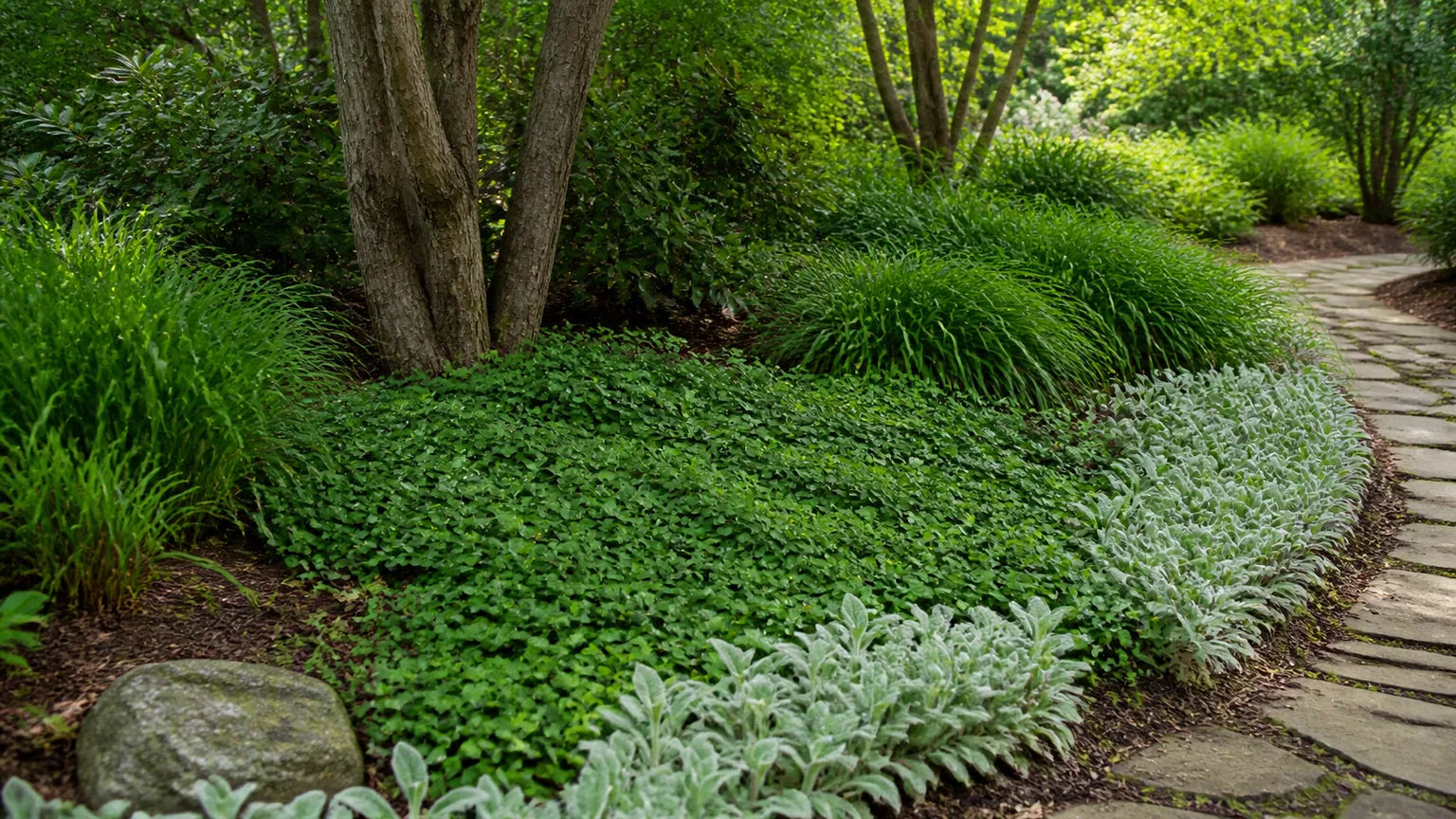
Native plants—species that evolved in your ecoregion—are trending because they match local rainfall, soil, and wildlife relationships. They are not automatically zero-maintenance. They are less likely to need heroic irrigation, and they support specialist insects ornamentals often ignore.
The design shift is also visual: rigid clipped spheres are giving way to natural habit, seed heads, and grasses that move in wind. That reads as modern and reduces shearing labor.
“Native” is geographic. A plant native to the Pacific Northwest may struggle in humid Southern heat. Buy from nurseries that label provenance or consult your state native plant society. “Nativar” cultivars of native species can be excellent—or useless to pollinators if breeding doubled petals at the expense of nectar. Penn State Extension warns that complex double flowers may hide nectar from insects. Penn State Extension
Native does not mean non-spreading. Some species are aggressive in rich soil. Plan for editing in years two and three, especially in rain garden bottoms where moisture favors vigorous growers.
Winter Structure and Seed Heads
One under-sold benefit is four-season interest: grasses standing through winter, coneflower seed heads for goldfinches, and shrubs with persistent fruit or bark. That structure also gives you permission to skip sterile fall cleanup—good for wildlife and your back.
Because native plant communities evolved with local pests, many beds need fewer preventive fungicides and insecticides once established. That is a trust benefit: you are not broadcasting chemicals across a yard children and pets use. For ground-layer ideas that replace turf in shade, see our guide to landscapers’ favorite groundcovers.
Trend 4: Smaller Lawns and More Intentional Turf Footprint
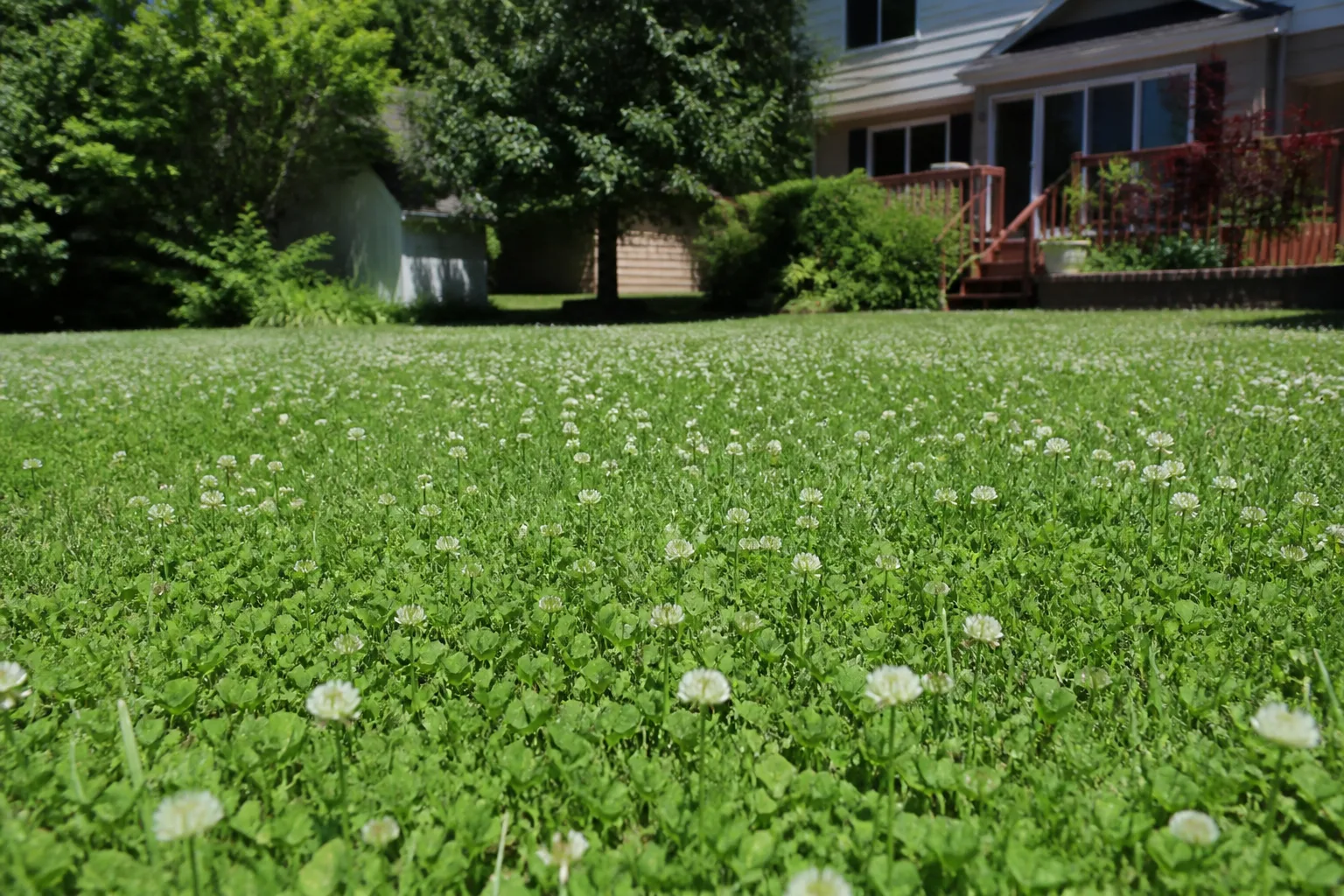
Large uninterrupted turf is losing ground to wider planting beds, permeable paths, and groundcovers in awkward corners. The environmental case is straightforward: less mowing, less fertilizer runoff, and less irrigation on a plant type that often demands the most water per square foot in a mixed yard.
The lifestyle case matters too. When beds are designed with proper mulch, edging, and plant spacing, many homeowners spend fewer hours per week maintaining mixed plantings than pushing a mower across the same area during peak growth.
Keep turf where you use it: dog runs, play zones, and wide paths between beds. Remove grass where it is only filler—narrow side yards, steep slopes, shady strips under trees, and soggy lows that never look good anyway.
The RHS notes that in small or awkward gardens, extending borders and patios—or using gravel paths—may be more practical than storing a mower for 200 square feet of struggle turf. RHS
Pathway Lawns vs Wall-to-Wall Grass
A pathway lawn design keeps grass as ribbons and play patches while beds wrap around seating areas and views. It instantly makes a flat yard feel layered without increasing maintenance if the remaining turf is sized for your mower deck and reachable with one hose pass.
Before you kill grass, call 811 for utility locates, decide how you will edge new beds, and plan irrigation changes. Shrinking lawn without adjusting sprinklers is how new shrubs get overwatered while corners dry out.
Trend 5: Retaining Walls and Hardscape That Look Like Part of the Landscape
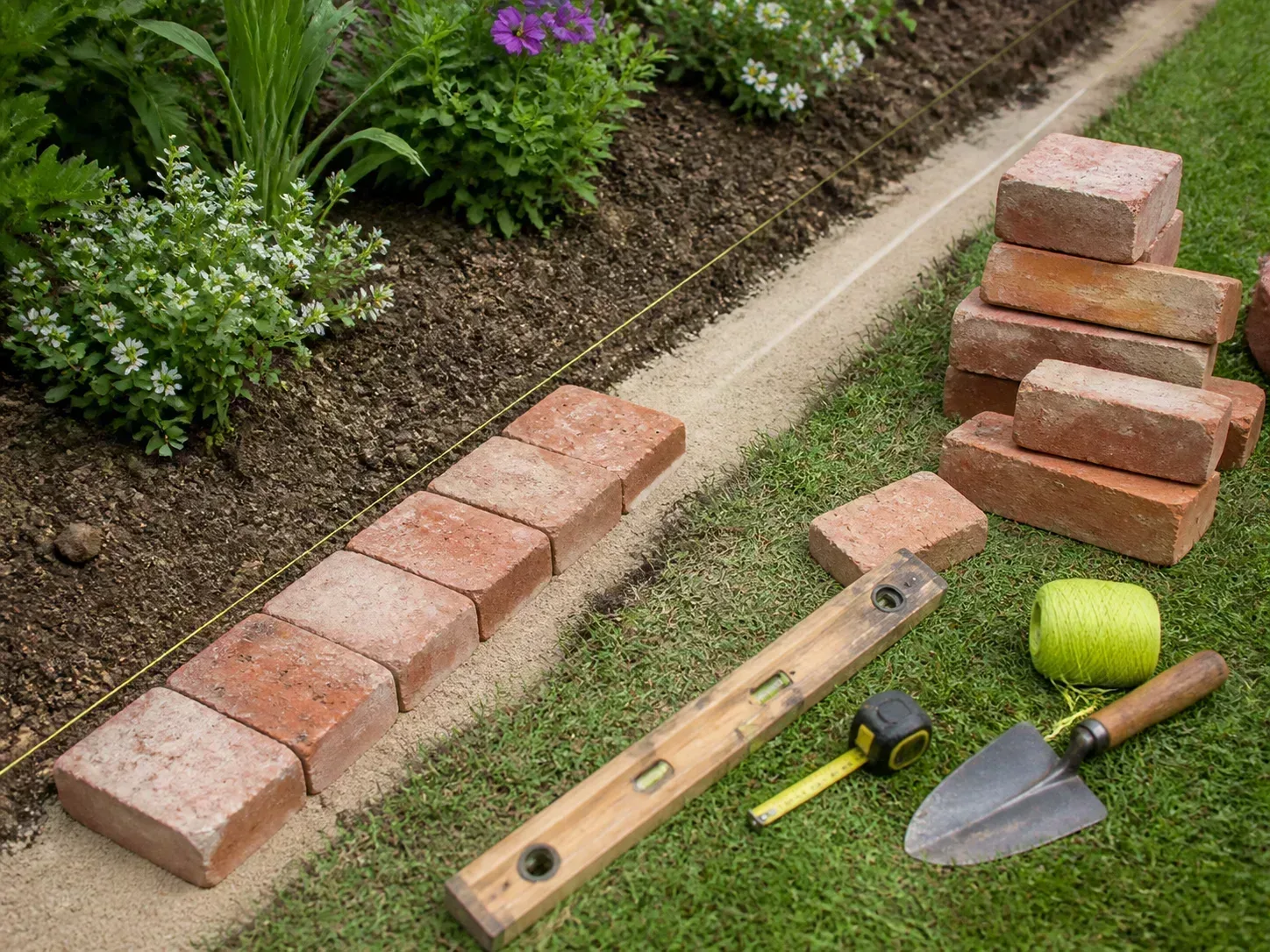
Retaining walls are becoming design features, not afterthoughts holding back a failing slope. In 2026, expect more natural stone accents, boulders, and mixed rock sizes integrated into walls so they echo the garden rather than contrast with it.
The goal is visual continuity: a wall that looks like it was always there, with planting pockets and stone color pulled from existing patios or house veneer.
Segmental block has its place for structural height, but flat monolithic faces read industrial. Designers are blending tumbled stone, boulders as keystones, and varied coursing to break up long runs. Set large stones during wall layout so they look anchored, not plopped on top afterward.
Always solve drainage behind the wall with gravel and perforated drain tile where height and soil pressure demand it. A pretty wall that bulges after the first wet winter is an expensive redo. Install hardscape—steps, landings, bridge boards—before final planting so you are not trampling new plugs.
Trend 6: Water-Wise Yard Layers That Cut Hose Time
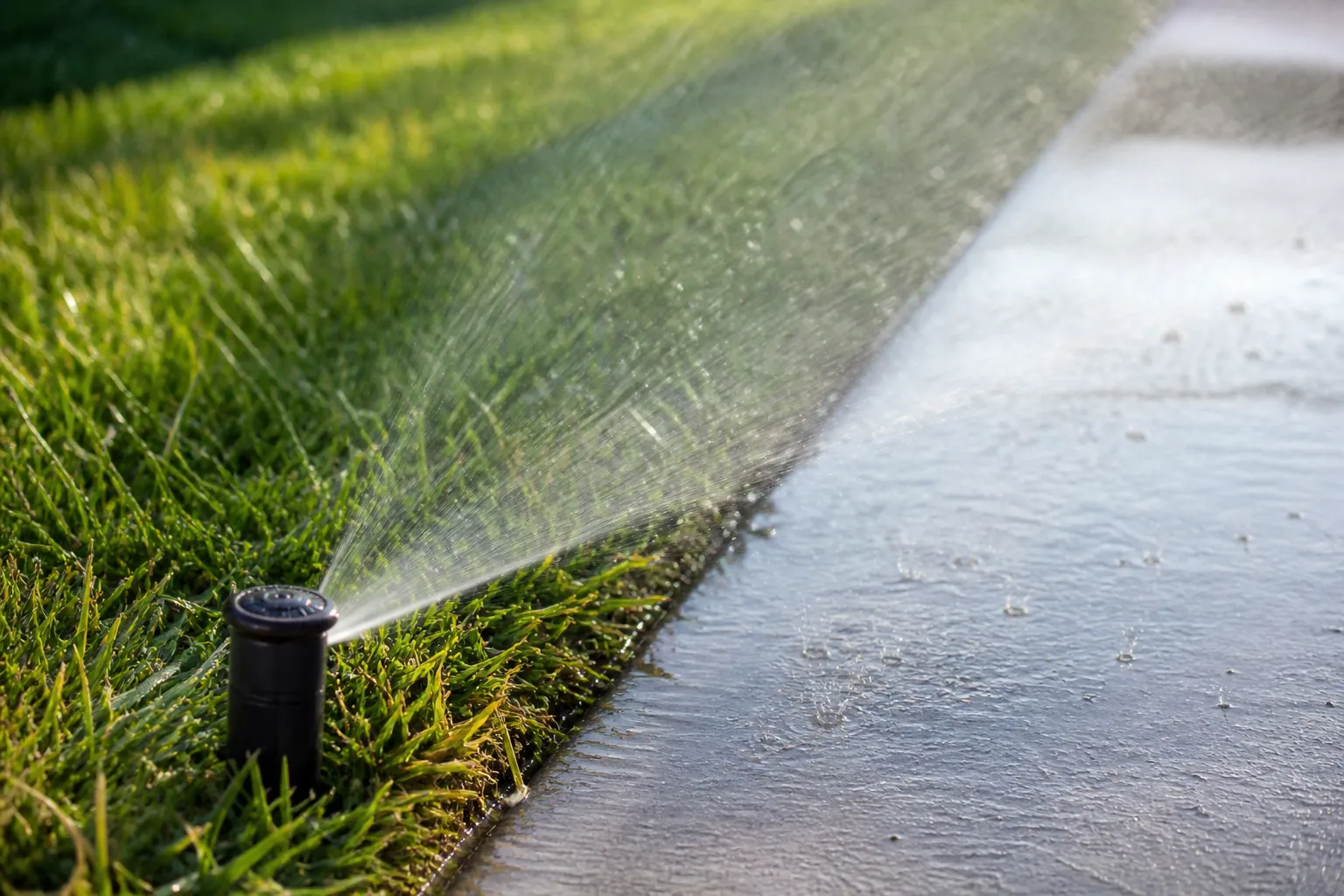
Water-wise design overlaps with rainscaping but emphasizes ongoing demand reduction: group plants by moisture need, mulch exposed soil, and fix irrigation leaks before swapping plant palettes.
Turf reduction is the largest single savings lever for many households. If you keep grass, water deeply and infrequently rather than daily spritzing. Our guide on how lawn pros save water in summer covers catch-can audits and zone timing that translate directly to mixed yards with shrubs and perennials.
In planting beds, use drip or targeted hand watering during establishment, then rely on mulch and appropriate species to taper off. A water-wise yard in 2026 is not gravel and cactus unless you live where that palette is honest; it is the right plant in the right hydrozone.
Trend 7: Rich Color and Texture Replace Perfect Green Spheres
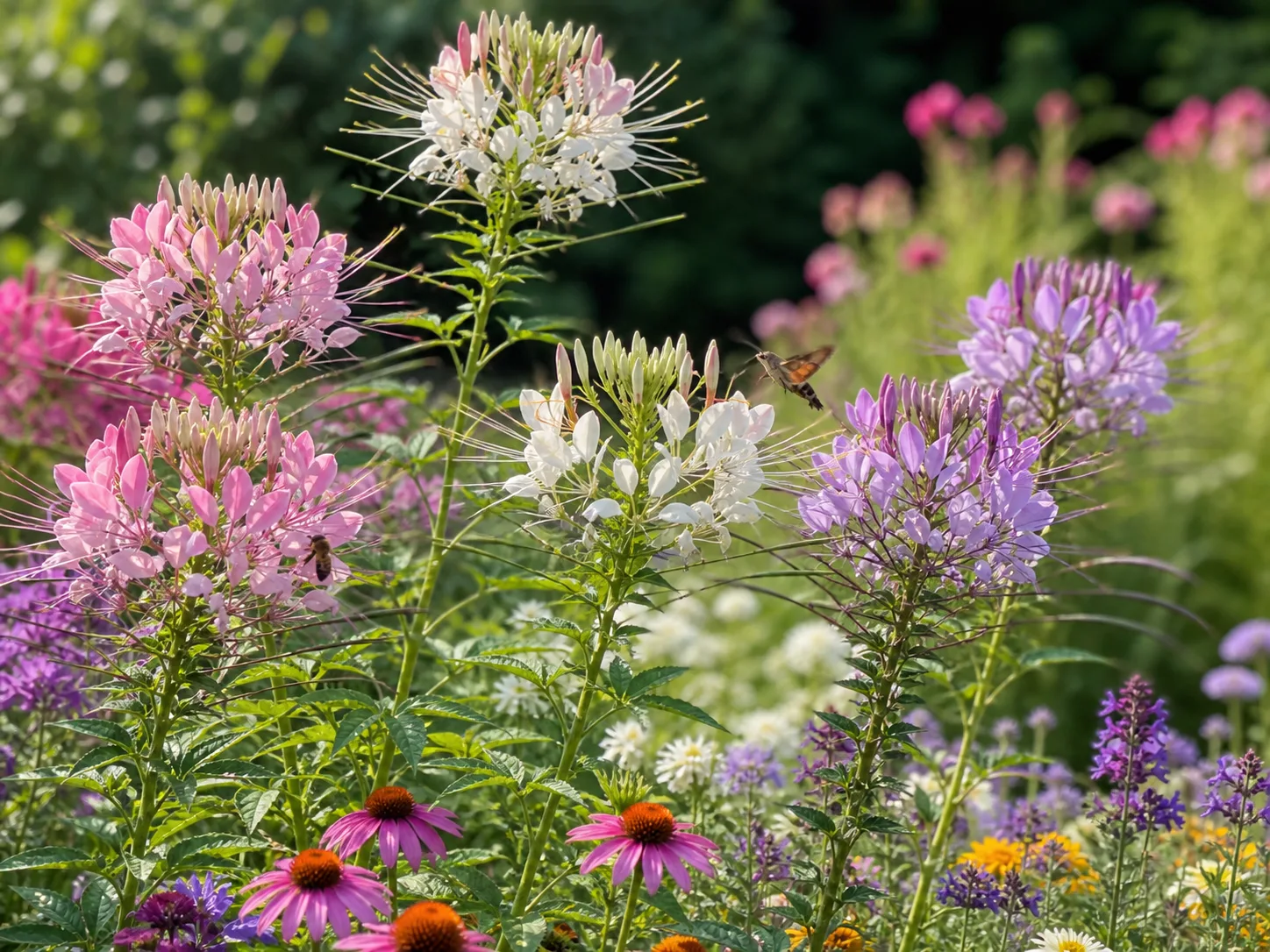
Another clear 2026 direction is foliage-forward design: deep purples, silver leaves, gold variegation, and fine grasses that catch light. Flowers matter, but texture carries the bed when blooms pause.
This trend pairs with smaller lawns because beds become the main visual event. Contrast large leaves against fine grasses, and repeat a accent color at three points around the yard so the scheme feels cohesive rather than chaotic.
Movement matters as much as hue. Grasses and loose perennials soften rigid hardscape edges and make new installations feel settled faster than stiff evergreens alone. For high-end contrast without constant pruning, see how specimen plants are used in plants that make a yard look more expensive.
Trend 8: Three Plants Pros Are Specifying for 2026 Beds
Plant breeders watch the same pressures homeowners do: drought, smaller lots, and demand for year-round color without weekly shearing. Three cultivars showing up on designer plant lists for 2026 solve specific site problems—sunny lean soil, shade drama, and edge softening.
Cistus ‘Mickie’ (rock rose) is a compact shrub with green-and-gold variegated foliage that holds interest when not in bloom. Use it on well-drained slopes, driveway edges, and hot south-facing beds where heavier shrubs fry. Mass it with silver or deep green companions so the variegation reads as intentional punctuation. It shines as a front-of-bed shrub or low groundcover on slopes where mowing is unsafe. Do not plant it in heavy clay that stays wet; Mediterranean-type shrubs rot in soggy winters.
Heuchera FOREVER ‘Midnight’ delivers near-black, ruffled foliage with a subtle sheen—valuable in shade beds that otherwise go flat. Coral bells are workhorses under trees, along north foundations, and in containers where you want contrast against chartreuse or silver partners. Heucheras need good drainage and hate buried crowns. Lift mulch away from the crown in winter wet climates, and expect to refresh clumps every few years as woody centers develop.
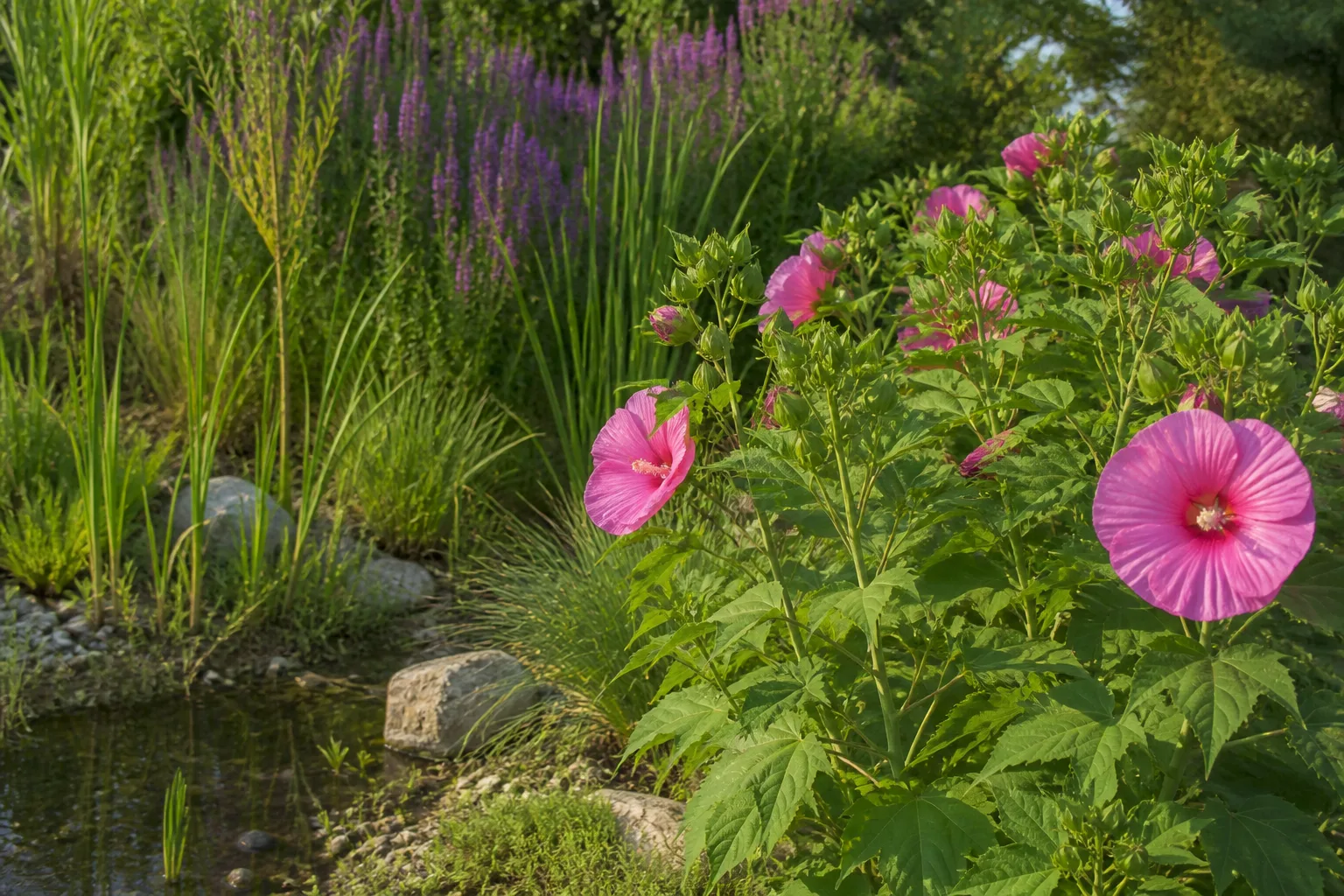
Hakonechloa macra ‘Stripe It Rich’ is a shade-tolerant ornamental grass with arching gold blades striped in white. It adds motion along paths, beneath shrubs, and at the front of woodland-style borders without the sun demands of miscanthus. Site it where it gets morning light or dappled shade; harsh afternoon sun can bleach blades in hot zones. Combine with stone edging or low boulders so the grass cascades over hard lines—a combination designers use to make new rain features feel established.
A Simple Priority Order for Your First Backyard Project
If you can only fund one phase this season, use this sequence:
- Fix water routing (gutters, downspout extensions, swale or dry creek if needed).
- Soil test and mulch existing beds before buying trendy plants.
- Shrink lawn where it fails and expand beds with natives and drip irrigation.
- Add pollinator drifts with a three-season bloom plan.
- Upgrade one hardscape element (wall, path, seating) that makes the new beds readable from the house.
- Layer foliage stars like the three cultivars above in their proper light and drainage niches.
Skipping straight to step six is how yards end up with beautiful plants in the wrong hydrology zone.
Conclusion
The backyard trends shaping 2026 are not about chasing a magazine cover. They are about yards that work: rain managed on site, pollinators fed across seasons, turf kept only where life actually happens, and planting that looks rich because of texture—not because you are out there every Saturday with hedge shears.
You do not need all eight trends at once. Fix water, plant for your real sun and soil, and shrink lawn with a plan for paths and play space. The details—rain gardens, host plants, stone walls, and the trio of 2026 cultivars—are tools you can add as budget and energy allow. Start with the problem your yard already complains about after the next storm; the right trend will be obvious.