Irish Spring Soap for Rabbits: What Actually Works
Irish Spring soap may briefly deter rabbits with its strong scent, but rain and habituation limit results. Learn placement, refresh timing, and what works better.
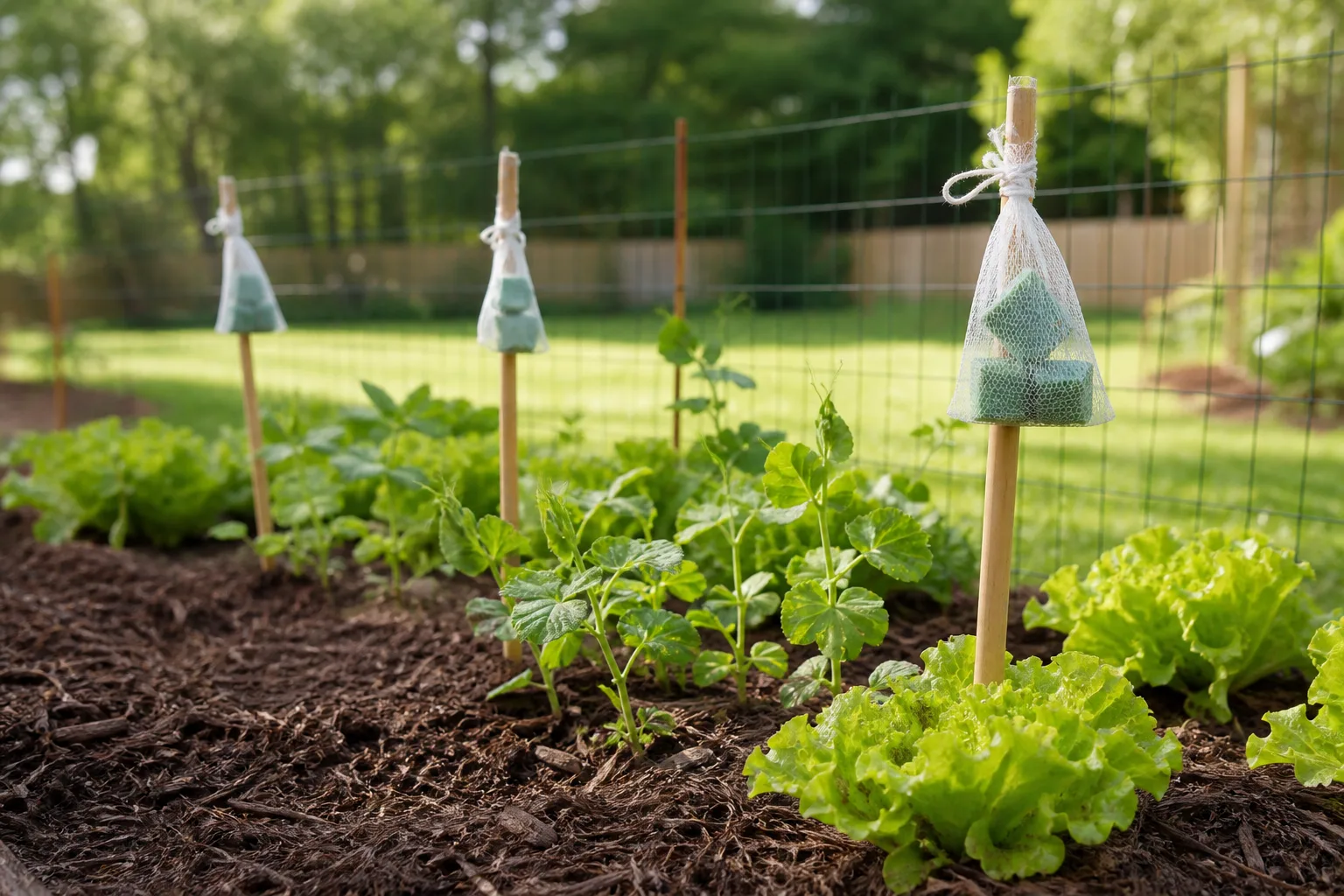
Walk into any garden forum in spring and someone will swear that green bars of Irish Spring saved their hostas. The idea is seductive: a $1 bathroom soap, hung in mesh bags, supposedly builds an invisible scent wall that rabbits refuse to cross. The reality is messier. Irish Spring soap can discourage some rabbits for a short time, especially when damage is new and rabbit pressure is moderate. It is not a substitute for exclusion, and it fails fast when rain washes the fragrance away, when rabbits are hungry after winter, or when they have already learned your lettuce is worth the weird smell.
The useful question is not whether the hack ever works — plenty of gardeners report a quiet week or two after setup. It is whether Irish Spring belongs in your yard, at this moment, and what you will do when the scent fades.
The short answer: maybe briefly, not as your only plan
Irish Spring is a low-cost scent cue, not rabbit-proofing. Strong fragrance can make a bed feel unfamiliar enough that a cautious cottontail detours — especially at night when rabbits do most feeding. That effect is temporary, local, and easy to override.
Treat Irish Spring like a bridge tactic: worth testing on a small bed while you install mesh, refresh vulnerable spring growth, or decide whether full perimeter fencing is justified. Do not stake your entire vegetable garden on soap alone.
When soap might buy you a few weeks
Soap is most plausible when all of these are true:
- Damage started recently and rabbits have not yet made your bed a nightly buffet.
- Pressure is moderate — you see droppings or one or two grazed plants, not a warren next to the bed.
- Weather is dry enough that bars or shavings stay intact for a week or more.
- You are protecting a defined zone — a row of tulips, a raised bed corner, a new transplant — not an open half-acre.
- You will refresh or replace soap on a calendar, not “when I remember.”
In that window, a scent barrier can reduce nibbling long enough to get fencing ordered or spring transplants established. Track results with photos: if new cuts appear on the same plants after three dry nights, soap alone is not holding — escalate to mesh or cages rather than adding more bars.
When fencing should come first
Skip the soap experiment and go straight to physical exclusion when:
- Rabbits have already stripped multiple plants to the ground.
- You are protecting high-value edibles you cannot afford to lose (salad greens, peas, young fruit trees).
- You live beside fields, hedgerows, or unmowed edges where rabbits commute daily.
- Winter bark damage appears on trunks — soap at nose height will not stop gnawing at the base.
- You have tried scent deterrents before with no lasting change.
The RHS rabbit guidance ranks fencing and netting as the primary management tools for persistent garden rabbits, with repellent sprays as a secondary layer that “may not give complete protection, particularly during wet periods.” That hierarchy should guide your expectations.
Why smell-based deterrents can work on rabbits
Rabbits are prey animals with excellent smell and hearing relative to their size. They use scent to detect predators, find safe forage, and navigate familiar trails. A sudden, intense, unfamiliar odor — musky soap, crushed garlic, hot pepper dust — can make an area feel risky enough to skip on the first pass.
That is different from saying rabbits “hate” Irish Spring the way they avoid toxic plants. There is no predator signal in the bar. It is novelty and intensity doing the work, similar to why Gardening Know How notes rabbits often pass over strong-scented herbs when other food is available — not because soap is on the menu, but because overwhelming smell complicates a quick graze.
How rabbit noses and dusk feeding change the math
Wild rabbits feed heavily between dusk and dawn, though daytime damage is common in quiet yards. The Mammal Society rabbit profile describes year-round activity with peak breeding January through summer in temperate climates — exactly when your tulips, peas, and hosta shoots are most vulnerable.
Because rabbits revisit profitable routes, a scent cue must be present every night along the approach path, not just near one chewed leaf. A single bar at the garden gate does little if rabbits enter from the side hedge where they always have.
They also browse up to roughly 50 cm (20 inches) on hind legs, per RHS damage descriptions. Soap placed flush on the ground may be under the very shoots being eaten.
Why bar soap is not the same as a labeled repellent
Commercial animal repellents registered for garden use are formulated to coat foliage or perimeter surfaces with bitter or irritating compounds, often with application rates and re-treatment intervals on the label. RHS lists examples such as aluminium ammonium sulphate sprays (bitter taste) and calcium-chloride-based deterrents — with the explicit caveat that wet weather reduces performance.
Irish Spring is body soap. It is not tested as a pesticide, has no application rate for lettuce, and releases fragrance passively rather than binding to leaves. That makes it cheaper and simpler, but also less predictable and harder to refresh evenly after rain.
For how soap chemistry interacts with living plants when sprayed — a different use case — see our guide on whether soap hurts plants. Hanging solid bars avoids foliar burn, but introduces other trade-offs below.
What is in Irish Spring — and why gardeners reach for it
Irish Spring Original is marketed for its long-lasting masculine fragrance — a blend of scent oils and soap base that stays noticeable on skin. Gardeners gravitated toward the Original green bar because the smell is loud, cheap, and familiar, not because the brand designed it for wildlife.
Social posts also claim Irish Spring repels deer, squirrels, and mosquitoes. Deer share rabbits’ sensitivity to strong odor, so occasional success on deer tracks the same novelty mechanism. Mosquito claims are weaker — fragrance outdoors dissipates too fast to replace proven repellents, and lemon or eucalyptus notes in some soap versions are not present at concentrations that change biting pressure in a yard.
Original vs. other scents: Most how-to advice specifies Original Irish Spring. Milder or moisturizing variants release less aggressive fragrance and are less likely to produce a noticeable barrier. If you test the method, use new, unopened bars — bathroom soap that has softened in a dish has already lost volatile oils.
Why not dish soap or castile? Liquid soaps are meant to dissolve in water; they do not create the slow-release solid chunk gardeners hang in bags. Insecticidal soaps are a different chemistry entirely — contact pesticides for soft-bodied insects, not mammal repellents. Confusing the two leads to either useless diluted sprays or leaf burn on plants you were trying to protect.
Confirm rabbits are the culprit before you scatter soap
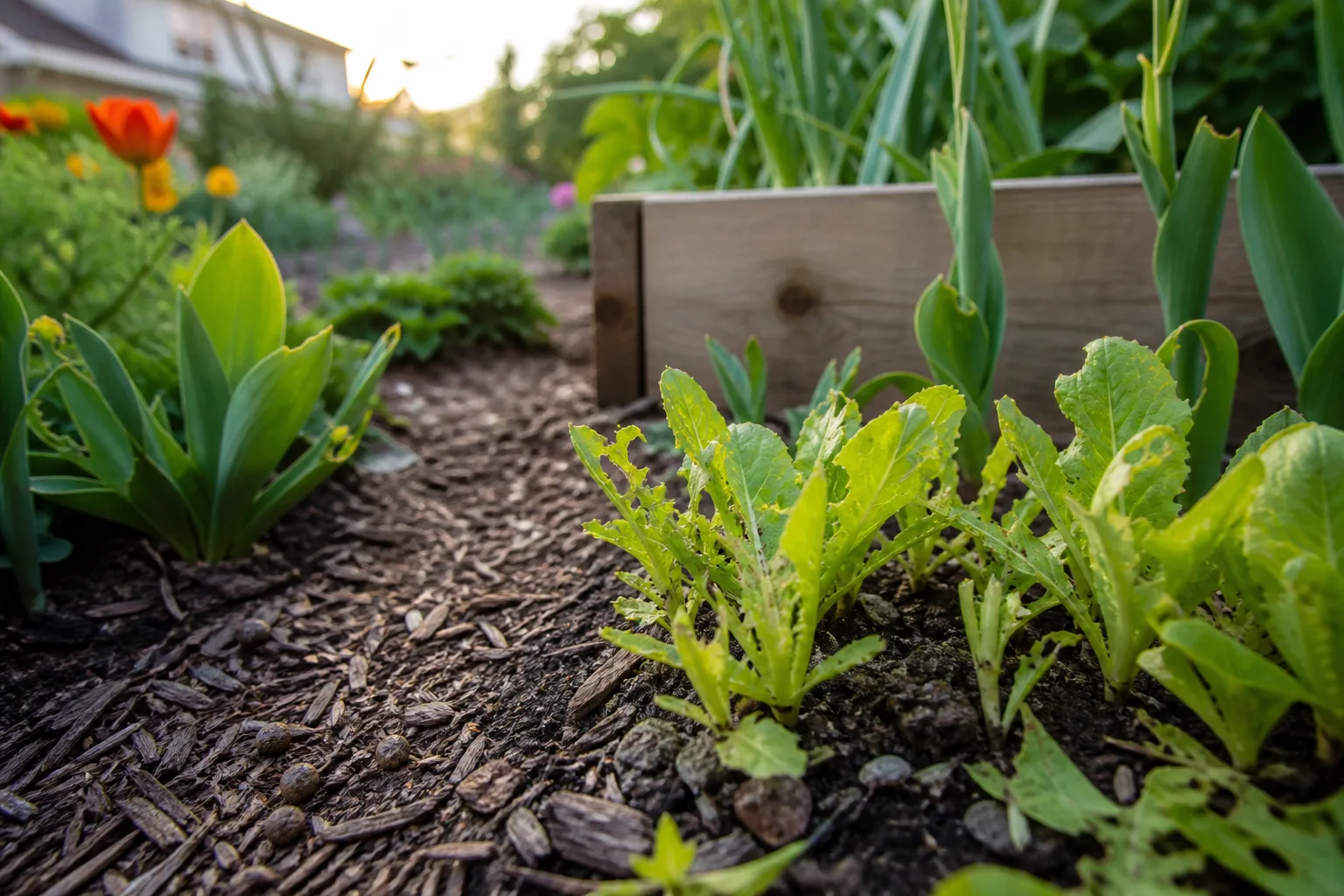
Soap is pointless if the grazer is a deer, woodchuck, or slug. Spend ten minutes on evidence before you cut bars.
Rabbit signs:
- Small round pellet droppings, often scattered along paths.
- Clean, angled cuts on stems, mostly below ~20 inches.
- Grazed hosta, tulip, pea, bean, lettuce, and pansy shoots — see our plants rabbits eat at highest risk list for prioritization.
- Bark gnawing at trunk bases in winter when other forage is scarce.
Not rabbits:
- Ragged, torn browsing six feet up — deer.
- Dug-up bulbs with holes — squirrels or chipmunks more often than rabbits.
- Irregular slime trails — slugs.
If signs point to rabbits and the damage is still localized, a soap trial on that bed is reasonable. If multiple species are active, address the physical route and the highest feeder first.
How to use Irish Spring soap in the garden
Think in terms of scent stations, not random soap chunks on soil.
Cutting, bagging, and staking soap slices
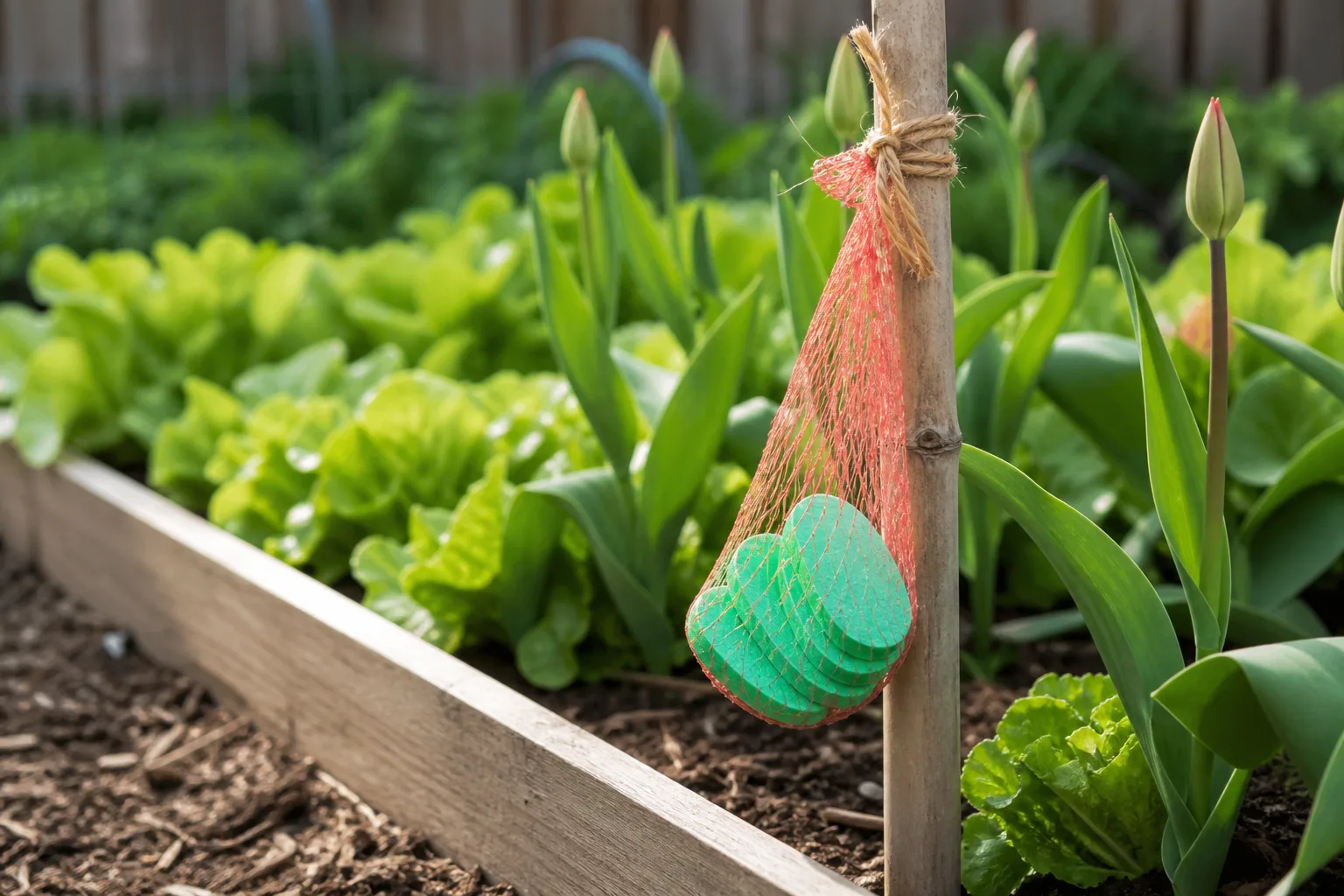
- Use a fresh Original bar. Peel the wrapper; avoid bars that have sat open in a humid bathroom.
- Cut thin slices or small cubes with a kitchen knife — roughly nickel-to-quarter size. Thin pieces expose more surface area than one whole bar.
- Bag loosely. Place pieces in mesh produce bags, onion sacks, cheesecloth pouches, or nylon stockings. Tie with twine, leaving air gaps so fragrance vents. Do not set naked soap directly on soil or mulch where rain turns it to mush.
- Stake or hang 12–24 inches above ground on bamboo stakes, tomato cages, or short shepherd hooks along the bed edge — at the height of vulnerable shoots.
- Space stations every 3–6 feet along the side rabbits approach, plus one near any plant already hit. One bar can supply several stations if sliced thinly.
Some gardeners also shave soap with a grater along bed perimeters. Shavings release scent fast but wash away in the first hard rain. Slices in bags last longer and are easier to replace.
Common setup mistakes: placing whole unwrapped bars on soil (they melt and leave a slick residue), hanging bags only at the garden gate while rabbits enter from a side hedge, using one station for a 20-foot bed, and forgetting to replace after the first thunderstorm. Fix the route first — soap follows the trail, not your convenience.
Height, spacing, and a realistic refresh schedule
Dry weather: expect noticeable fragrance for two to four weeks if bags stay off wet soil and out of sprinklers.
After rain or irrigation: plan to check within 48 hours. Heavy rain dissolves soap, mats shavings, and flushes scent oils. Replace or add fresh slices after storms during peak rabbit season.
Calendar rule of thumb: refresh every two to three weeks in spring, or monthly in dry summer — whichever comes first after measurable rain.
Mark your calendar when you install stations. The most common failure mode is forgetting replacement until new damage appears and assuming “soap does not work” when it simply went mute.
What actually limits Irish Spring’s effectiveness
Rain, humidity, and scent fade
Soap is a dissolving, weather-sensitive repellent. Irrigation overspray, dew-heavy mornings, and clay soil that stays wet accelerate melt. Bags help, but they are not rainproof.
Wind matters too. A station on the downwind edge of a bed may protect little upwind if rabbits enter from the sheltered side. Place stations between the known trail and the plants, not only inside the bed center.
Habituation and spring hunger browsing
Rabbits that encounter Irish Spring once and find no actual danger may return after the novelty wears off — especially if your bed holds pea shoots or tulip leaves when little else is green.
Gardening Know How is blunt: although scent, spines, and milky sap deter rabbits when food is plentiful, “critters will eat nearly anything when food is scarce.” Spring transplant season and post-snow stress browsing are exactly when soap disappoints.
Hungry rabbits also override “resistant” plants — lavender borders do not save neighboring lettuce in a hard year. Soap follows the same rule: a weak cue loses to a strong appetite.
Will Irish Spring soap harm plants, soil, or pets?
Scent alone does not poison plants the way a mis-mixed soap spray can burn leaves. Hanging bagged bars away from foliage is the low-risk approach.
Direct contact is different. A melting bar sitting on lettuce or in a pot saucer can leave alkaline residue on edible leaves and soil surface. Keep bags off crowns and harvest greens that accidentally contact dissolved soap.
Soil: Small soap shards that wash into soil break down over time. Occasional garden use is unlikely to wreck a bed, but do not grind bars into vegetable root zones expecting fertilizer — it is not lime, and concentrated pockets can irritate roots.
Pets: Dogs may chew scented soap and develop GI upset. Keep bags above dog height or behind short fencing if your dog eats garden oddities.
Wildlife: Soap is not a poison bait, but it is also not food. Remove dissolved goo so small animals are not eating large quantities of detergent base.
Children’s gardens: Treat soap stations like any non-food garden product — explain not to handle, and wash hands after maintenance.
Edible crops: For lettuce, spinach, and herbs you harvest weekly, prefer fencing or row cover over scent stations that sit among leaves. If you do use soap near edibles, keep bags on the outer bed edge, not dangling into the harvest zone, and rinse produce normally before eating.
How soap compares to fencing and commercial repellents
| Method | Reliability | Maintenance | Best use |
|---|---|---|---|
| Irish Spring stations | Low to moderate, short-term | Replace every 2–3 weeks; after rain | Small bed trial, bridge while fencing goes up |
| Labeled spray repellents | Moderate; weather-limited | Reapply per label, often after rain | Ornamental beds; not all labels suit edibles near harvest |
| Perimeter rabbit fence | High when built correctly | Inspect for gaps, burrowing | Vegetables, orchards, persistent pressure |
| Wire cages / trunk guards | High for targeted plants | Seasonal install | Young trees, lilies, single prized shrubs |
| Resistant plant choices | Low alone; helpful at edges | Ongoing design | Lower-risk borders — not sole protection |
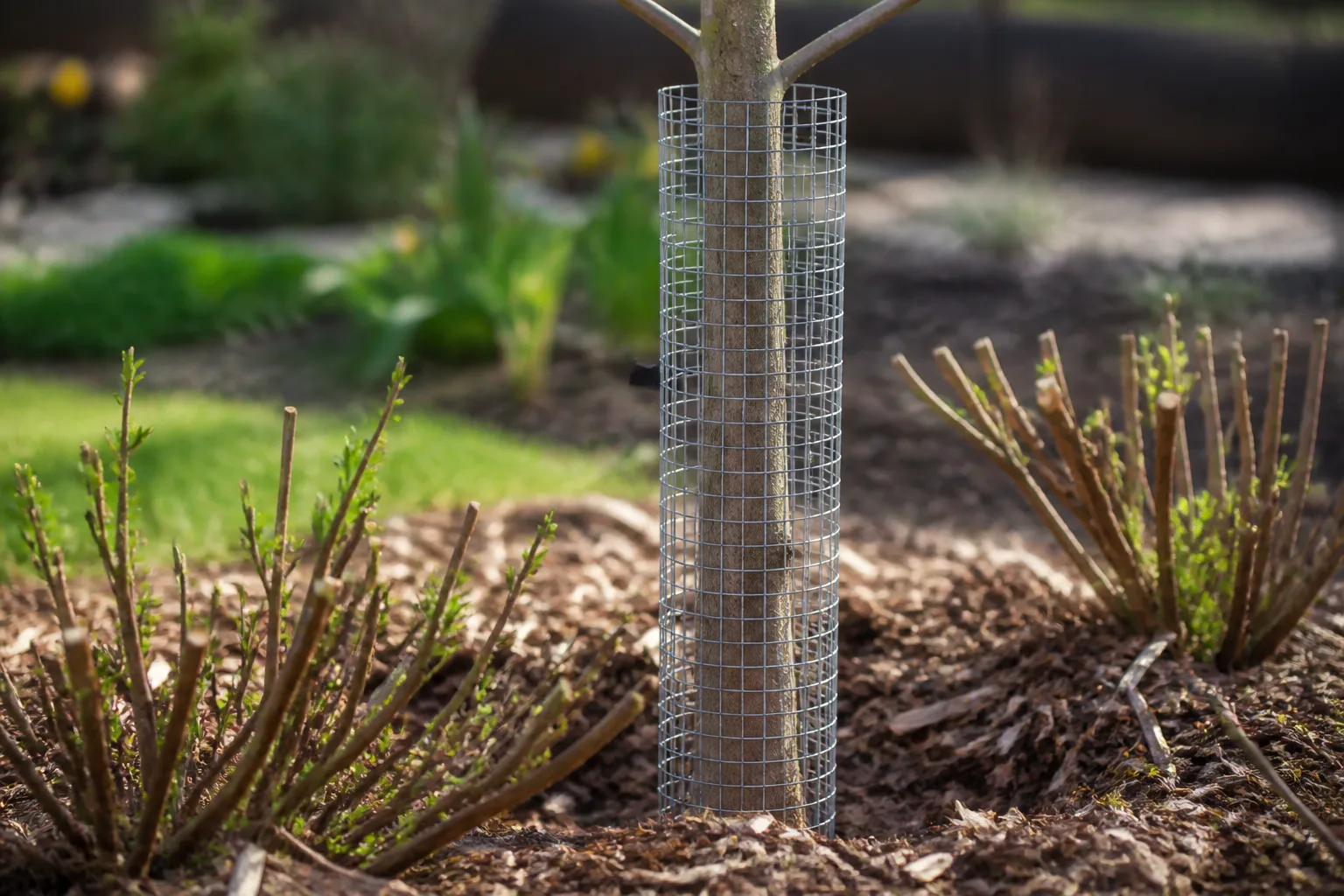
RHS fencing guidance for serious rabbit pressure: 1-inch mesh, 48–54 inches tall, with the bottom 12 inches buried and the lowest 6 inches bent outward to block digging (Forest Research forest fencing guide). Gates must close rabbit-tight. That is the standard soap is trying to avoid — and why soap should not delay it when damage is heavy.
Labeled repellents have defined actives and re-treatment rules; Irish Spring has anecdote. For ornamentals, a bitter spray may outperform soap on wet leaves because it contacts the plant surface rabbits taste. For salad greens you will eat in a week, fencing beats both.
Cost reality check: A few bars of soap cost less than a single bottle of commercial repellent, but replacing soap all season through a wet spring can approach the price of a roll of chicken wire — and the wire still works in November when fragrance is long gone. Run the math for your bed size before deciding soap is the “free” option.
Layer a rabbit-defense plan that outlasts the scent
Use this sequence instead of betting on one hack:
- Confirm the animal and map entry routes (hedge gaps, fence bottoms, open gates).
- Remove easy cover along bed edges where rabbits hide before feeding — piled brush, low boards, unused pots.
- Fence or cage what you cannot lose — kitchen gardens, new fruit trees, spring bulb beds.
- Add Irish Spring or labeled repellent on secondary beds or as a temporary boost after transplanting.
- Choose less-favored plants at the perimeter — onion, garlic, lavender, yarrow — knowing hungry rabbits may ignore the list (Gardening Know How resistant-plant guidance).
- Re-check weekly in spring. Fresh damage means escalate — more fence, not more soap.
Our common garden pests and protection overview fits this into a wider IPM mindset: identify, exclude, then use low-toxicity cues — not the reverse.
If deer share the property, soap may occasionally nudge them too, but deer jump low barriers and ignore scent when apple buds are ripe. Plan species-specific controls rather than one soap ring around the entire yard.
Conclusion
Irish Spring soap belongs in the “might help for a little while” drawer, not the “problem solved” drawer. Its strong Original scent can discourage some rabbits when stations are bagged, elevated, spaced along approach routes, and refreshed before fragrance dies — especially in dry weather on newly troubled beds. Rain, hunger browsing, and habituation end the party quickly.
Use soap as a cheap experiment on a defined area while you install real exclusion where it counts. When rabbits keep winning, the answer is almost never another bar. It is mesh buried at the bottom, trunk guards on young trees, and accepting that no scent substitute outperforms a fence rabbits cannot slip under or hop over.



