Garden Plants That Rabbits Love to Eat
Rabbits favor tender greens, spring bulbs, and young bark. See which garden plants are most at risk, how to spot rabbit damage, and what actually protects them.
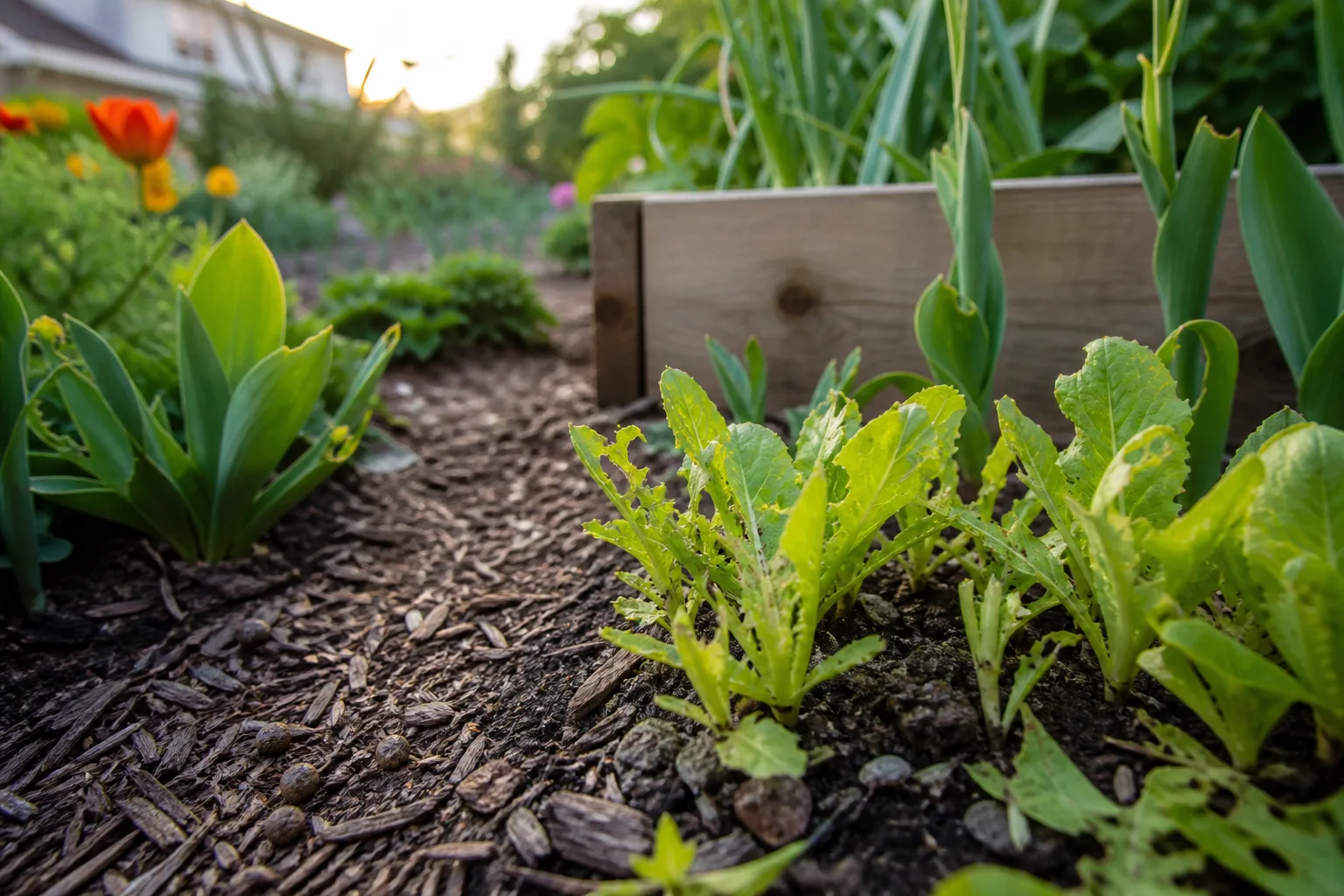
Walk out one May morning and find your lettuce shaved to nubs, tulip leaves vanished, and hosta shoots chewed flat — and it is easy to assume “rabbits eat everything.” They do not. Wild rabbits are selective herbivores with strong preferences for tender, moist, low growth, and they will pass tougher or aromatic plants when better food is available. The trouble is that many of our favorite ornamentals and kitchen-garden crops sit squarely in the “better food” category.
Knowing which plants rabbits love to eat is not about building a perfect avoid list. It is about planning placement, timing protection, and deciding where fencing is non-negotiable before you lose a third-season hosta clump or an entire row of peas. This guide groups the highest-risk plants by type, shows how to confirm rabbits are the culprit, and lays out protection that works when plant choice alone does not.
Why Rabbit-Favorite Plant Lists Matter — and Where They Fail
Plant lists are useful for prioritization, not immunity. If you live where cottontails or European rabbits travel hedgerows and lawn edges nightly, anything young, recently transplanted, or putting on soft spring growth is vulnerable — even species that mature plants usually ignore.
The RHS rabbit guidance is explicit: rabbits graze a wide range of ornamentals, fruits, and vegetables, and new plantings plus soft spring growth can be eaten even on plants normally considered less susceptible. That single sentence should change how you read every “rabbit-proof” chart online.
When Hungry Rabbits Ignore Every “Resistant” Label
Stress browsing flips the script. After drought, deep snow, or heavy mowing removes wild forage, rabbits sample bark, tough leaves, and plants they would normally avoid. Gardening Know How notes that although scent, spines, and milky sap often deter rabbits, critters will eat nearly anything when food is scarce. A lavender border does not save neighboring lettuce in a hard winter.
Treat resistant plants as lower priority for fencing, not as a guarantee. Combine lists with barriers on beds you cannot afford to lose.
How Rabbits Feed in Residential Gardens
Rabbits are lagomorphs — not rodents — with two pairs of upper incisors and a digestive system built for constant grazing. They do most feeding between dusk and dawn, though daytime damage is common in quiet yards. The Mammal Society rabbit profile describes year-round activity with peak breeding from January through summer in temperate climates.
Dusk-to-Dawn Browsing and the 20-Inch Reach Rule
Rabbits feed from ground level up to roughly 50 cm (20 inches) by standing on their hind legs — higher than many gardeners expect. They favor shoots, leaf tips, and bark at the base of trunks. They do not dig up and eat bulbs the way squirrels do; chewed bulb foliage with intact buried corms points to rabbits, while holes and scattered bulb skins suggest squirrels or chipmunks.
Pellet droppings — round, fibrous, and often scattered along paths — confirm rabbit presence better than a fleeting glimpse of a cottontail at dawn.
How to Tell Rabbit Damage From Deer, Squirrels, and Voles
Misidentifying the grazer sends you down the wrong fix path. Deer repellents will not stop rabbits; low fencing will not stop deer. Voles girdle from below ground; rabbits work from the surface up.
| Clue | Rabbits | Deer | Squirrels / chipmunks | Voles |
|---|---|---|---|---|
| Cut quality | Clean, angled cuts on stems | Ragged, torn leaves and stems | Often dig bulbs; may strip bark in patches | Girdle bark near soil; tunnel damage |
| Height | Mostly below ~20 in | Can reach 6 ft+ | Climb; damage higher on feeders or fruit | At or below ground line |
| Bulbs | Eat foliage; rarely excavate | Trample more than dig | Dig holes, carry bulbs away | Tunnel near roots |
| Signs | Pellet droppings, worn trails in snow | Hoof prints, larger browse zone | Scattered hulls, dug containers | Surface runways, 1-in holes |
Rabbit damage on woody plants can ring-bark trunks in winter when herbaceous food is gone — killing shrubs and young trees if the cambium is stripped around the circumference. The RHS advises wrapping partly gnawed trunks in black polythene to encourage callusing; prevention with guards is easier than repair.
Quick field check: If you see damage only on plants within two feet of the ground, pellets on paths, and stems clipped at a sharp angle, start with rabbit exclusion before buying deer netting. If entire shrub tops are stripped and hoof prints appear in soft soil, look uphill at deer pressure instead.
Vegetables and Fruits Rabbits Target First
Kitchen gardens are buffet lines. Rabbits prefer succulent leaves and stems over tough, aromatic, or hairy foliage — which is why your lettuce disappears while thyme nearby may be untouched until pressure spikes.
Leafy Greens, Peas, and Berry Bushes
Highest-risk crops include:
- Lettuce, spinach, Swiss chard, and beet greens — soft, fast-growing, low to the ground
- Peas and beans — young shoots and leaves; pods once they soften
- Broccoli, kale, and cabbage family — seedlings and tender leaves (older plants may be sampled)
- Carrot and beet tops — foliage more than roots
- Strawberries, raspberries, and blueberries — leaves and young fruiting wood
These are the beds worth waist-high raised planters, temporary fencing, or nightly row covers during establishment — not a sprinkle of blood meal and hope. For herb placement ideas that keep aromatic species accessible, see our herb garden layout guide.
Fruit Trees and Young Woody Growth
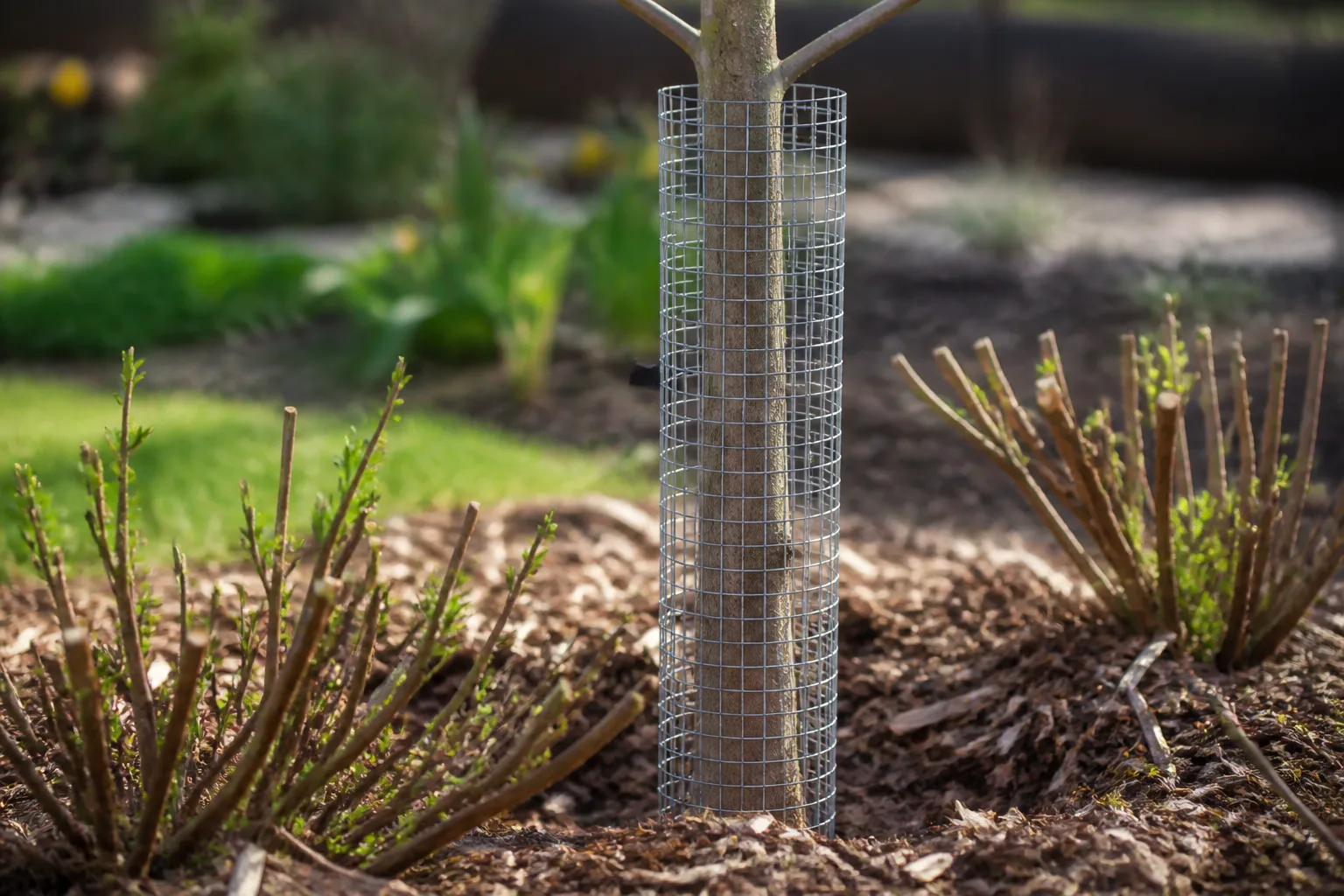
Rabbits gnaw thin bark on apple, pear, cherry, and berry bushes — especially in late fall through winter. A single night of browsing can girdle a sapling. Protect trunks with wire mesh guards or commercial tree spirals from planting day through the first few years, extending high enough that standing rabbits cannot reach above the guard.
Annual Flowers Rabbits Prefer
Annual bedding plants are often planted in open beds with no woody structure — exactly where rabbits forage. Cool-season annuals that stay green when little else is growing draw extra attention.
Common annual targets include:
- Pansies, violas, and snapdragons — cool weather favorites
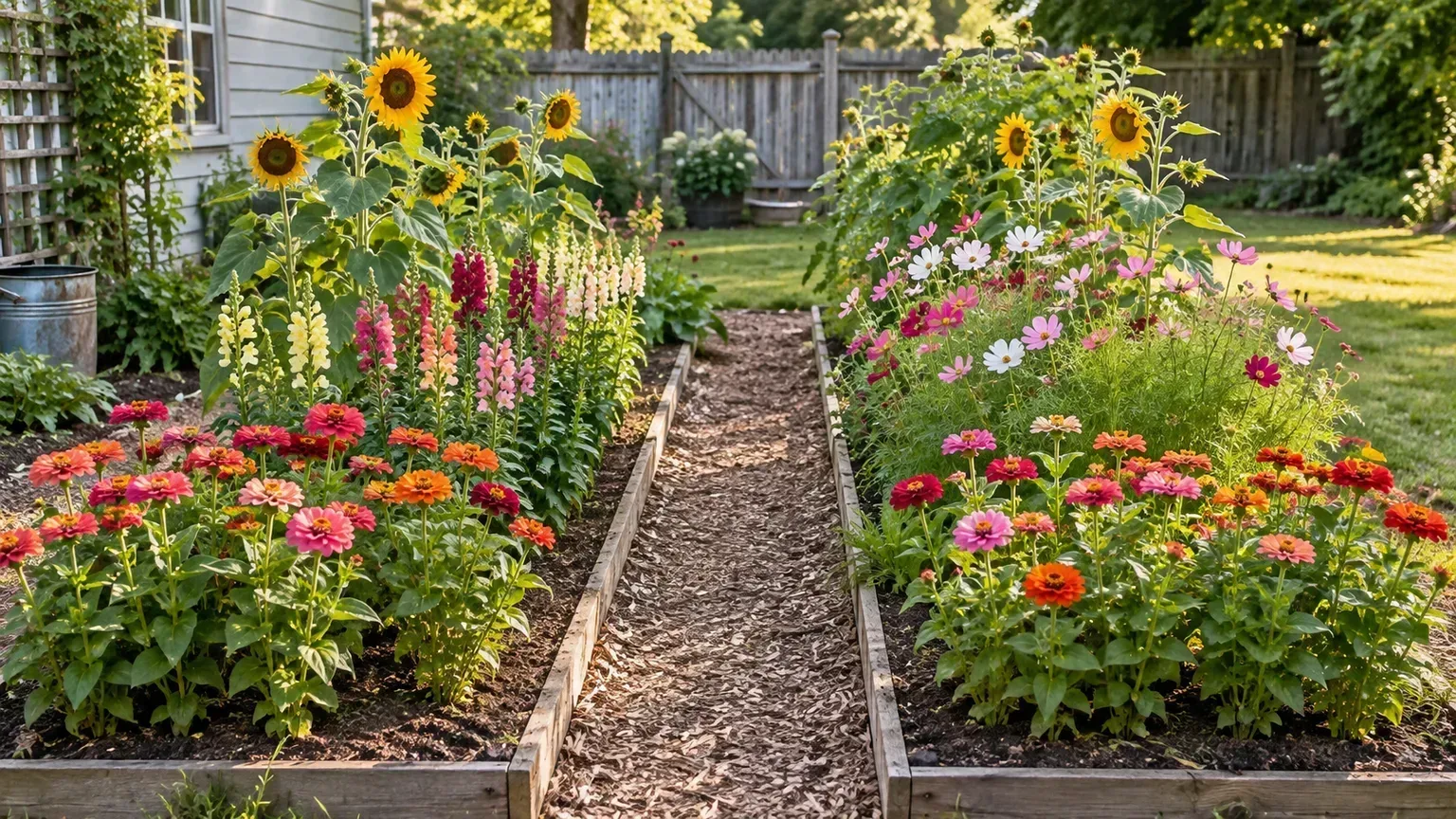
- Petunias, impatiens, cosmos, and zinnias — tender leaves and flowers
- Nasturtiums and bachelor’s buttons — soft growth
- Sunflowers — seedlings and young stems (mature stalks are tougher; see our sunflower growing guide for timing that gets plants past the vulnerable stage faster)
- Morning glory, moss rose, verbena, and wishbone flower — low, open growth
If you plant these without protection in rabbit territory, expect perimeter damage first — plants along bed edges and near cover (shrubs, wood piles, unmowed edges) go before center specimens.
Container annuals on patios are not automatically safe. Rabbits reach into low pots and window boxes when the lip is within their standing reach. Elevate containers on stands, group them on raised decks, or use temporary netting the first two weeks after planting when foliage is softest. Cool-season window boxes — pansies in March, for example — are prime targets because surrounding turf may still be dormant.
Perennials, Bulbs, and Ferns at Highest Risk
Perennials return yearly, which means rabbits learn where the reliable snacks live. Spring-emerging foliage is the highest-value target.
Spring Bulbs, Hostas, and Daylilies
Bulb foliage is a spring delicacy:
- Tulips and crocus — leaves often eaten as soon as they emerge; flowers may never open
- Lilies — shoots highly attractive
- Iris, daylilies, and hostas — among the most reported ornamental losses
Hostas are shade-garden staples rabbits treat like lettuce. If you are designing around hostas, pair list knowledge with physical protection — our hosta companion planting guide covers culture and layout, not rabbit fencing, so plan barriers separately for new clumps.
Climbers, Asters, and Woodland Perennials
Other frequent targets:
- Coneflower, black-eyed Susan, aster, and phlox — soft stems and flowers
- Clematis, balloon flower, coral bells (flowers), and Japanese anemone
- Baby’s breath, lupine, gayfeather, and sweet woodruff
- Maidenhair and other tender ferns — especially in moist shade
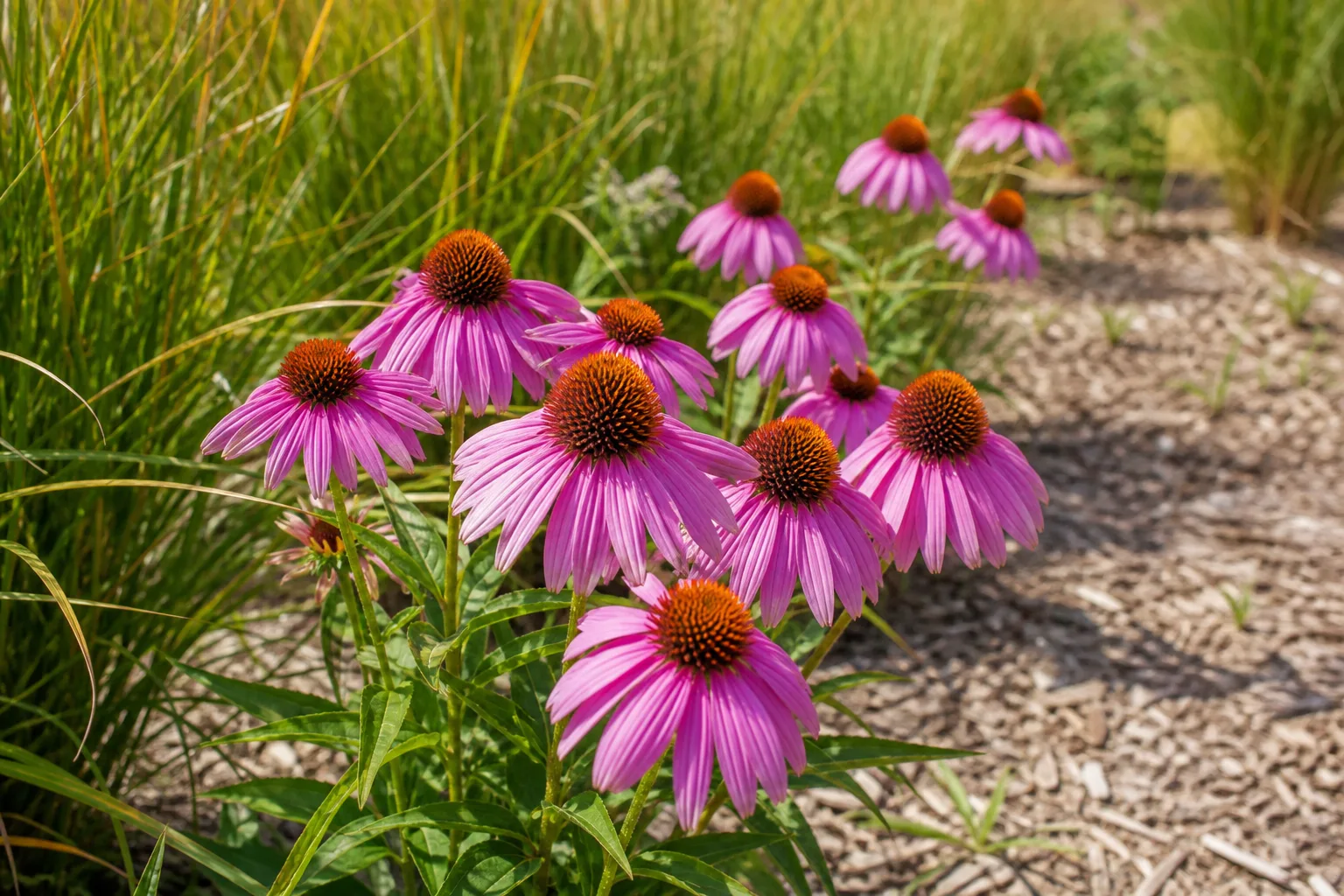
For baby’s breath and coneflower — both rabbit favorites — mature size does not eliminate risk; spring regrowth is still vulnerable.
Shrubs and Tree Bark Rabbits Favor
Rabbits attack thin-barked deciduous shrubs in late winter and early spring when herbaceous food is scarce. They clip young shoots and strip bark at the base.
Commonly browsed shrubs and small trees:
- Roses, forsythia, lilac, and flowering quince — tender spring shoots; bloom loss on old-wood flowerers if stems are eaten back
- Redbud, serviceberry, crabapple, and viburnums — sapling bark and branch tips
- Oakleaf hydrangea, smoke bush, barberry, and sand cherry
- Witch hazel and hawthorn — especially young plants
Planting older, established specimens with thicker bark reduces but does not eliminate damage. Shrubs that flower on new wood (panicle hydrangea, rose of Sharon) may recover bloom after rabbit pruning better than old-wood bloomers whose flower buds were clipped.
Multi-stem shrubs like lilac and forsythia can look fine from the road while rabbits remove every flower bud at the base — the damage shows up as a spring with leaves but no bloom. Inspect low branches on these species in late winter before bud swell, and add guards if you see fresh gnaw marks on bark.
Plants Rabbits Usually Leave Alone (With Important Caveats)
No plant is rabbit-proof in all conditions. These categories are less preferred under normal pressure — useful for perimeter planting and filler, not as sole defense for a vegetable row.
Often passed over when alternatives exist:
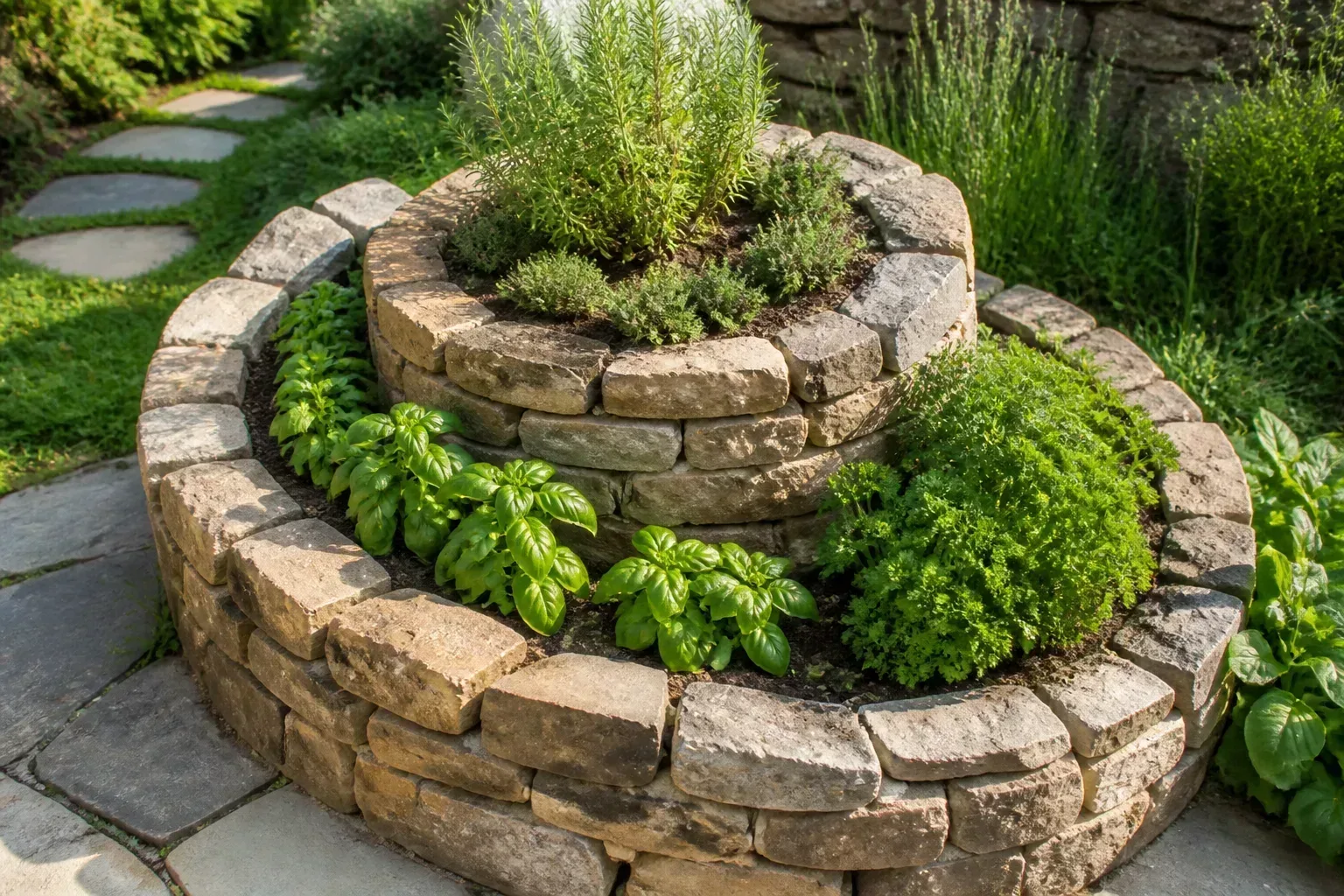
- Strong-scented herbs and alliums — onion, garlic, chives, leeks, mint, oregano, basil (mature), tarragon
- Many bulbs with toxic alkaloids — daffodil, hyacinth, ornamental allium
- Fuzzy or tough-leaved perennials — lamb’s ear, yucca, Russian sage, many sedums, peony (mature)
- Aromatic shrubs — lavender, rosemary, boxwood, many junipers
- Plants with milky or bitter sap — euphorbia, milkweed
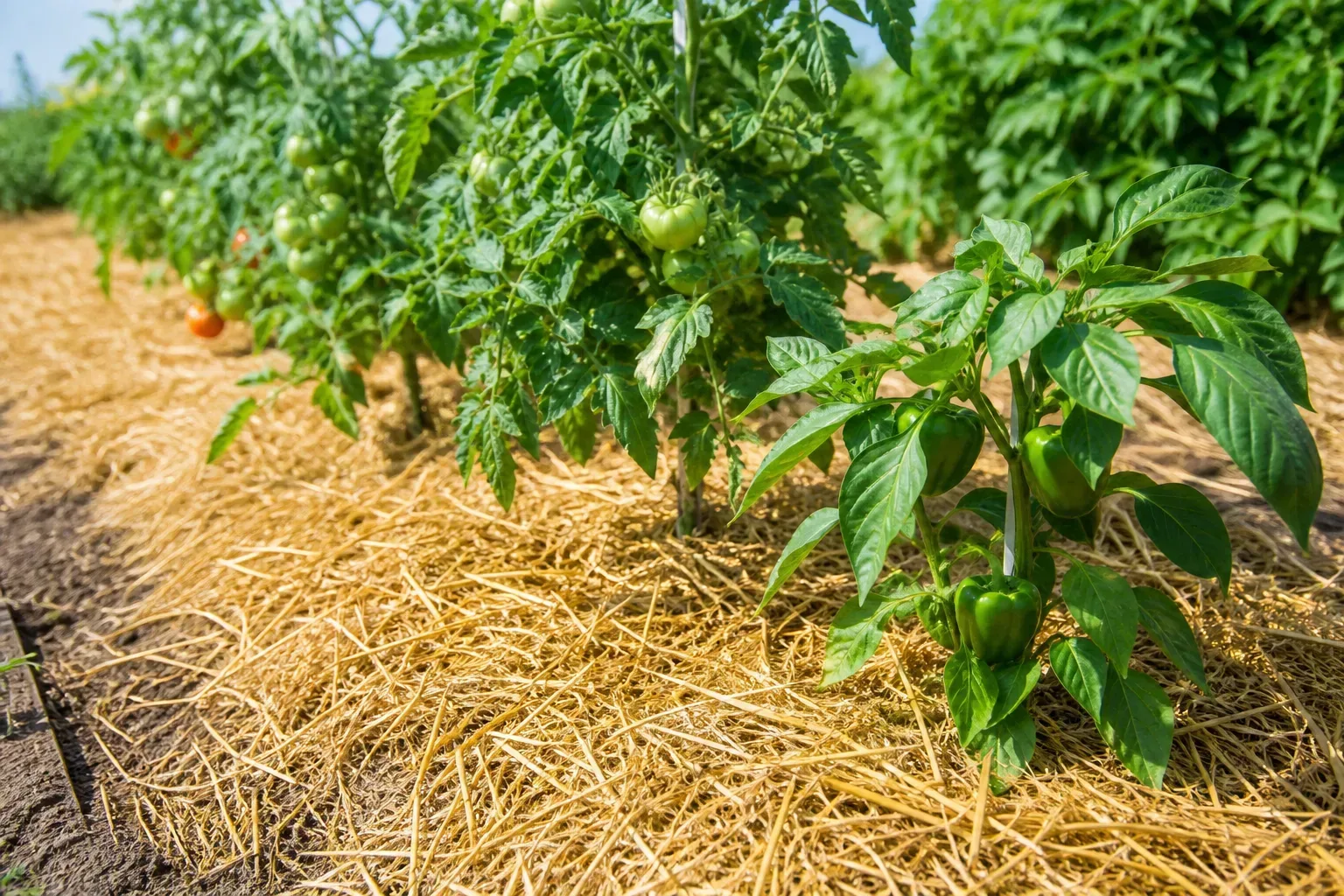
Tomato and potato foliage is generally less favored than lettuce, though starving rabbits may still sample it. Rhubarb leaves are toxic; rabbits usually avoid them — but do not rely on toxicity alone to protect neighboring crops.
The RHS rabbit-resistant plant list is extensive yet repeats the same warning: recent plantings and spring soft growth can be eaten regardless. Walk neighboring gardens to see what survives locally — microclimate and rabbit density matter as much as species.
Seasonal Calendar: When Your Garden Is Most Vulnerable
| Season | What rabbits eat | Highest-risk plants |
|---|---|---|
| Late winter–early spring | Bark, twigs, any green shoots | Young trees, shrubs, early bulbs, pansies |
| Mid-spring | Emerging perennials, bulb leaves, veggie seedlings | Tulips, hostas, lettuce, peas, lilies |
| Summer | Leafy crops, flowers, fruit | Beans, berries, annual beds, phlox |
| Fall | Late greens, tender regrowth | Kale, chard, late-planted annuals |
| Winter | Bark when snow covers forage | Fruit trees, roses, thin-barked shrubs |
Snow reveals runways between feeding sites — use that off-season intel to place fencing before the next spring surge.
Protecting High-Risk Plants Without Giving Them Up
You do not have to surrender hostas or tulips. You do have to match protection to value.
Priority ladder:
- Exclusion fencing for vegetable gardens and high-value beds
- Individual cages or netting for lilies, tulip groups, and new transplants
- Trunk guards on all young woody plants
- Repellents as a supplement during active growth — not a standalone fix
- Plant swaps on the outer margins only
Fencing Specs and Individual Plant Barriers
The RHS recommends rabbit fencing of 1-inch mesh, 120–140 cm (48–54 in) tall, with the bottom 30 cm (12 in) buried and the lowest 15 cm (6 in) bent outward to block digging. Gates must close flush — a 4-inch gap is an invitation.
Forest Research’s forest fencing guidance offers detailed construction notes applicable to garden perimeters abutting fields or woodland. Where full perimeter fencing is impractical, chicken wire hoops around vegetable blocks or 90 cm (3 ft) cylinders around individual shrubs work without burying mesh — less secure against persistent diggers but faster to deploy.
Raised beds at waist height exploit the fact that rabbits do not climb. Large tall containers for lettuce and herbs achieve the same effect on a patio.
Repellents, Raised Beds, and Habitat Changes
Commercial repellents with aluminum ammonium sulfate (bitter taste) or calcium chloride products may reduce browsing but wash off in rain and need reapplication during active growth. Avoid bitter sprays on edibles close to harvest.
Blood meal scattered around beds can repel rabbits but attracts dogs and cats. Motion sprinklers and pet patrol help in some yards; they are inconsistent where rabbits habituate quickly.
Reduce cover: remove brush piles, mow tall grass along bed edges, and block access under decks where rabbits shelter. Allowing natural predators (hawks, foxes) helps at the landscape scale but is not a bedside strategy.
Live-trapping and relocation are restricted or illegal in many areas and rarely lower long-term population pressure. Check local wildlife regulations before attempting control beyond exclusion.
Planning a Garden When Rabbits Are Regular Visitors
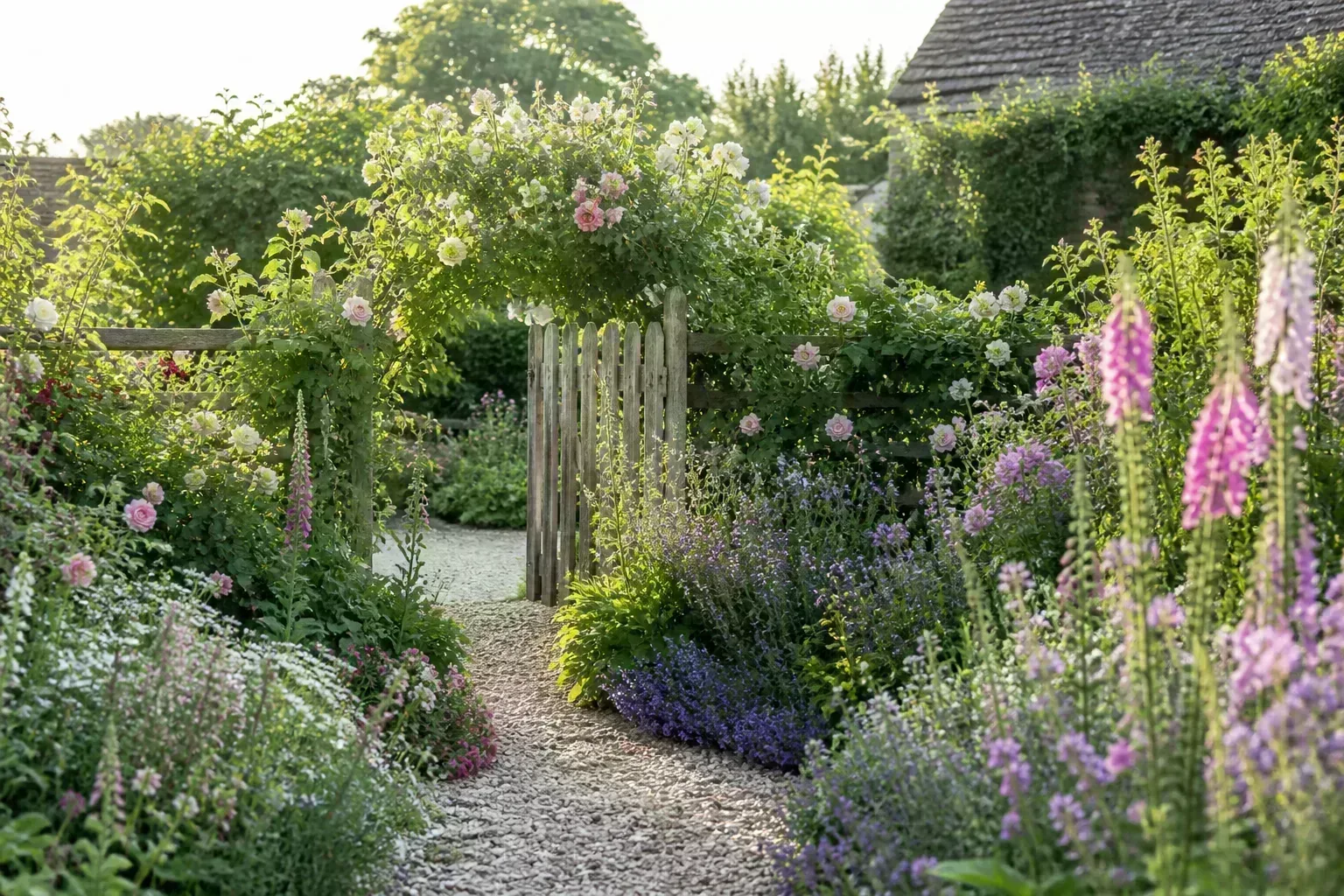
Start with an honest site map: where do droppings and trails appear? Put vegetables and tulips inside fenced or raised zones; use less-preferred shrubs and herbs on the outer edge as a buffer — not a wall.
Practical combinations:
- Fence the kitchen garden; accept some ornamental browsing outside the fence
- Plant daffodils and alliums where you want spring color without nightly covers
- Group high-risk perennials (hosta, lily, tulip) in one netted bed instead of scattering them
- Choose mature bareroot shrubs over pencil-thin whips for hedges rabbits travel along
- Time seedling planting with protection ready the same day — overnight is enough for loss
If rabbits are new to your yard, ask what changed: new lawn-to-mulch edges, cleared lots, or neighbor construction can push populations into gardens that were quiet for years. The plant list did not change; pressure did.
Sample layout for a 20-by-30-foot suburban lot: fence the central 12-by-16 vegetable rectangle; plant tulips and lilies inside that fence or in netted rings; place hostas along the north foundation where dog traffic may deter rabbits; use daffodils and ornamental alliums along the sidewalk strip; accept that outer-edge pansies may need replacement some springs. That plan keeps favorites without pretending aromatics alone will save the peas.
Conclusion
Rabbits love tender greens, spring bulb foliage, hostas, peas, pansies, and the bark of young woody plants — especially when food is scarce or growth is soft and new. No ornamental list replaces fencing for a vegetable garden, and no “resistant” perennial is safe the week you plant it.
Identify damage by clean cuts, pellet droppings, and low browsing height. Protect what you value with mesh, height, or guards before the season peaks. Use less-preferred plants to reduce edge losses, not to gamble the lettuce row. Done in that order, you can keep the plants rabbits love on your property — without handing them the whole menu.