Peppercorn Plant: Care & Growing Guide
Grow Piper nigrum indoors or outdoors with practical advice for watering, trellising, overwintering, pests, root rot, and making peppercorns.
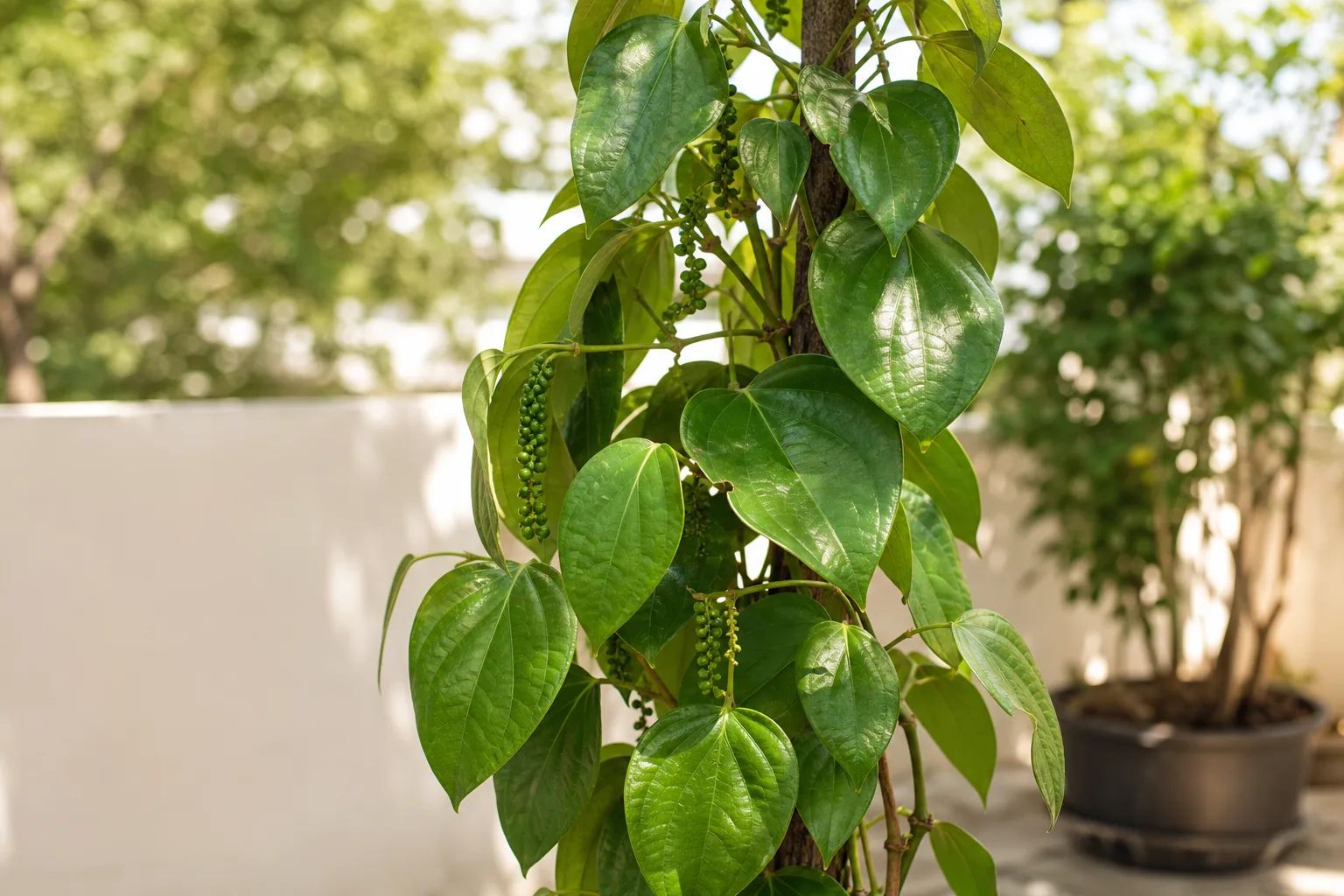
The peppercorn plant, Piper nigrum, is a tropical flowering vine that can grow into a handsome houseplant long before it produces a useful crop. Its glossy, heart-shaped leaves and hanging spikes of fruit make it worth growing for foliage alone, but a harvest requires several years of warmth, strong light, steady moisture, and something sturdy to climb.
The most important decision is not which fertilizer to buy. It is whether you can provide a warm growing season and protect the plant from cold. In a tropical garden, peppercorn can be a perennial vine. In a temperate garden, a pot or heated greenhouse gives you a much better chance of keeping it alive through winter and eventually seeing flowers.
Understand Piper nigrum Before You Plant
Piper nigrum belongs to the pepper family, Piperaceae, and is a vine rather than a tree, shrub, or culinary pepper such as a jalapeño. Kew describes it as a climbing plant of wet tropical habitats, while ITIS records the accepted scientific name and the common name black pepper. Those details matter because a plant sold as “pepper” may otherwise be confused with a Capsicum pepper or with pink peppercorn from an unrelated tree. Kew’s Plants of the World Online and the Integrated Taxonomic Information System are useful identity references.
The peppercorn is technically a drupe, produced in strings on slender, pendulous spikes. The fruit begins green and can mature to red on the vine. The familiar black, white, and green peppercorns are not different plants: they are different harvest stages or processing methods from the same species. MyGardenLife’s plant profile also notes that flowering and fruiting may take three to four years, so treat the first seasons as a period of building roots, stems, and climbing structure.
Choose an Indoor, Outdoor, or Greenhouse Setup
Choose the growing setup by the coldest nights you can reliably offer, not by the warmest summer afternoon. Outdoor planting makes sense only where winters are frost-free and consistently warm. Elsewhere, grow peppercorn in a container that can move to a sheltered space before temperatures fall, or use a greenhouse or conservatory where heat, light, and humidity are easier to manage.
Indoor growing is realistic for foliage and possible for fruit, but a sunny windowsill does not automatically reproduce a tropical climate. A small plant may stay attractive in a pot for years, while a mature fruiting vine needs vertical space, a large root volume, and enough light to support flowers. A heated greenhouse is usually the most forgiving option because it avoids the sharp swings that stress a houseplant moved between a cool porch and a warm room.
If your climate is marginal, keep the first plant in a container. You can move it outside for summer, monitor its response, and bring it in before cold weather without disturbing established roots. Do not put it straight from a dim room into intense outdoor sun; that transition can scorch leaves even when the temperature is suitable.
Give the Vine Bright but Forgiving Light
Give peppercorn the brightest light available while protecting it from the hottest reflected afternoon sun. Outdoors, filtered sun or morning sun with afternoon shade often produces better-looking foliage than an exposed wall that turns the leaves hot and dry. Indoors, an unobstructed east or west window is a strong starting point; a south-facing window may work if sheer curtains or distance reduce harsh heat.
Light affects fruiting more than simple survival. A vine can remain green in mediocre light yet produce long gaps between leaves, small leaves, and no flowers. If new growth is thin and reaching toward the window, move the plant closer gradually or add a grow light. If leaves bleach, curl at the edges, or develop dry patches on the window-facing side, back it away and acclimate it more slowly.
Turn the container a quarter turn every week or two so one side does not carry all the growth. Keep leaves from pressing against cold glass at night, and leave enough room around the vine for air to move. A bright, slightly humid room with space for a trellis is more useful than a dark bathroom simply because the room feels humid.
Build Soil That Holds Moisture and Air
Peppercorn needs a root zone that stays evenly supplied with moisture but still contains air after watering. Use a quality potting mix amended with compost, leaf mold, or another stable organic ingredient, then add a coarse component such as perlite or fine bark if the mix stays wet for days. The goal is not a sandy, fast-drying cactus mix and not dense garden clay; it is a loose medium that drains freely while retaining some moisture around the roots.
For an in-ground plant, improve compacted soil before planting rather than trying to rescue it after the vine has settled. A raised bed or gently mounded planting area can help in a rainy climate. Test the soil before adding acidifiers or large amounts of fertilizer. Practical sources vary slightly on the ideal pH, but mildly acidic to near-neutral conditions are a sensible target; a test tells you whether pH is actually limiting growth instead of making an unnecessary correction.
Choose a pot with a real drainage hole. A decorative cachepot without drainage can hide a saturated root ball, and a gravel layer at the bottom does not turn a sealed pot into a well-drained one. If water runs straight through a very dry mix, water slowly once, wait a few minutes, and water again so the root ball becomes evenly moist.
Water Without Suffocating the Roots
Water when the surface has begun to dry, then soak the mix thoroughly until excess water exits the drainage hole. Empty the saucer rather than allowing the pot to stand in runoff. This check-and-soak rhythm is safer than watering on a fixed weekly schedule because a small pot in hot light may dry quickly while a large pot in a cool room can remain wet much longer.
The plant should not be allowed to become bone-dry repeatedly, especially while it is producing new leaves or flower spikes. At the same time, “keep moist” does not mean keep muddy. Cool, saturated soil is the combination most likely to cause weak roots, wilting despite wet soil, and a soft stem base. The indoor watering guidance from MyGardenLife similarly emphasizes checking actual soil moisture and watering containers until water drains from the base.
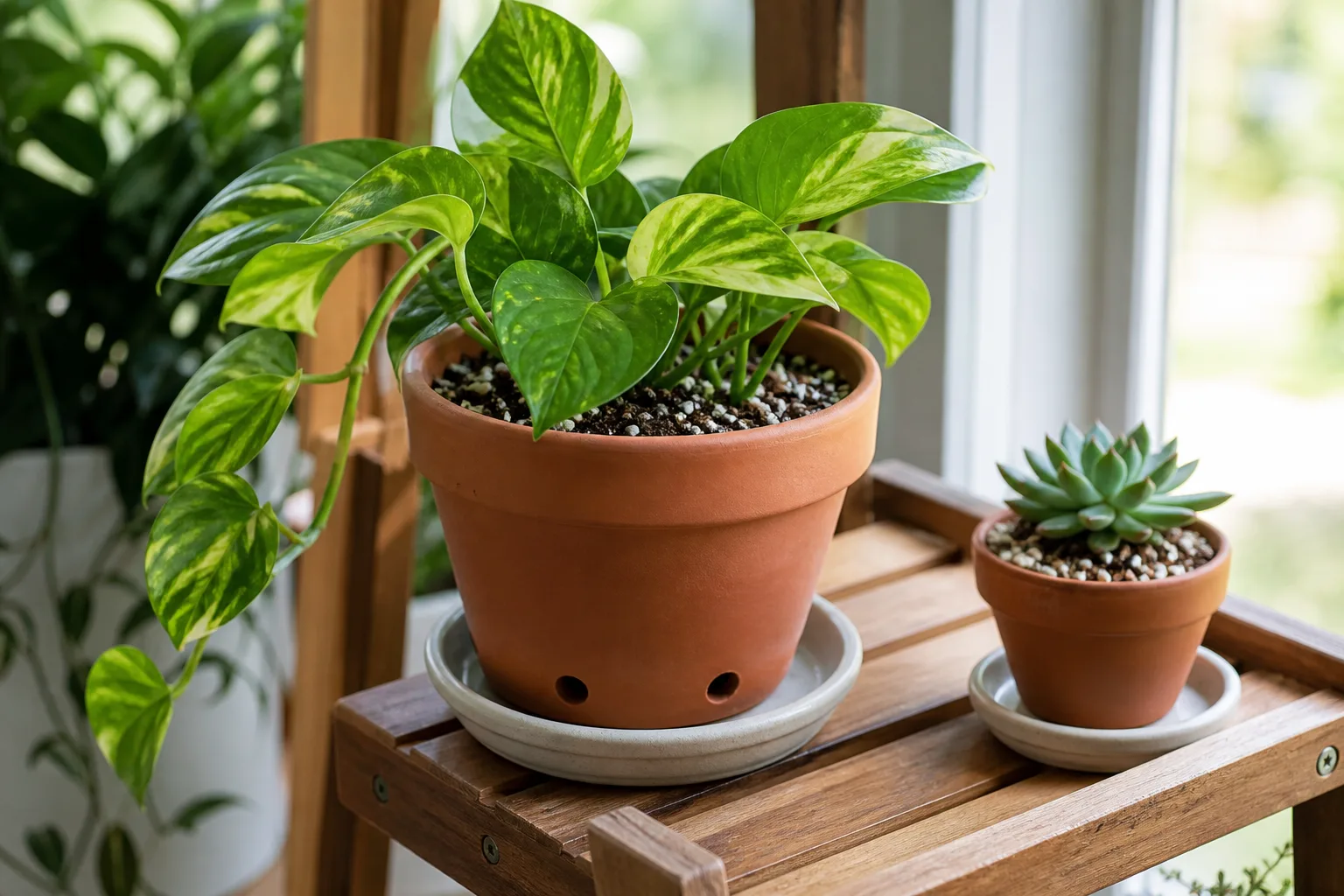
Water at the soil line when possible. Wetting foliage late in the day is not automatically harmful, but leaves that remain damp in still air are slower to dry. In summer, check containers more often; in winter, reduce frequency when growth and light decline while still preventing a prolonged dry spell. Humidity helps leaves lose water more slowly, but it never replaces proper drainage.
Hold Warmth and Humidity Steady
Warmth is the non-negotiable part of peppercorn plant care. The vine grows best in a consistently warm, humid environment, and growth slows sharply when temperatures drop. Logee’s practical growing notes recommend keeping daytime temperatures above about 70°F for strong growth and avoiding nights below about 60°F, while other horticultural references give a broader survival range. Use those figures as a management guide rather than a promise: a brief cool night may not kill a mature plant, but repeated cool, wet nights can stop growth and invite root disease. Logee’s peppercorn growing guide explains the relationship between warm conditions, flowering, feeding, and root health.
Aim for moderate to high indoor humidity, especially when heating or air-conditioning makes the room dry. A humidifier is more predictable than occasional misting. A pebble tray can raise humidity right around a pot, but the container must sit above the waterline and never in standing water. Keep the vine away from heat vents, cold drafts, and doors that open directly to winter air.
Do not move a warm, actively growing plant into an unheated shed for winter. If you must overwinter it in a cooler space, reduce watering as light falls, inspect it weekly, and understand that it may pause rather than grow. The safer plan is a bright room with stable temperatures, even if you need to prune the vine to fit.
Support the Vine Before It Outgrows the Pot
Install a trellis, moss pole, stake, or other rough support while the plant is young. Peppercorn vines naturally climb by holding onto nearby structure and can also root where low stems contact moist soil. A support turns a sprawling plant into a manageable column and keeps leaves and fruit off the floor, where they are harder to inspect.
Choose a support that can handle the mature vine, not just the nursery-sized plant. Anchor it in the pot without slicing through the root ball, then loosely guide stems with soft ties. Do not cinch ties around expanding stems. If a stem wants to travel horizontally, you can loop it around a support or let a section trail, but leave enough airflow that the inner leaves do not form a permanently damp mat.
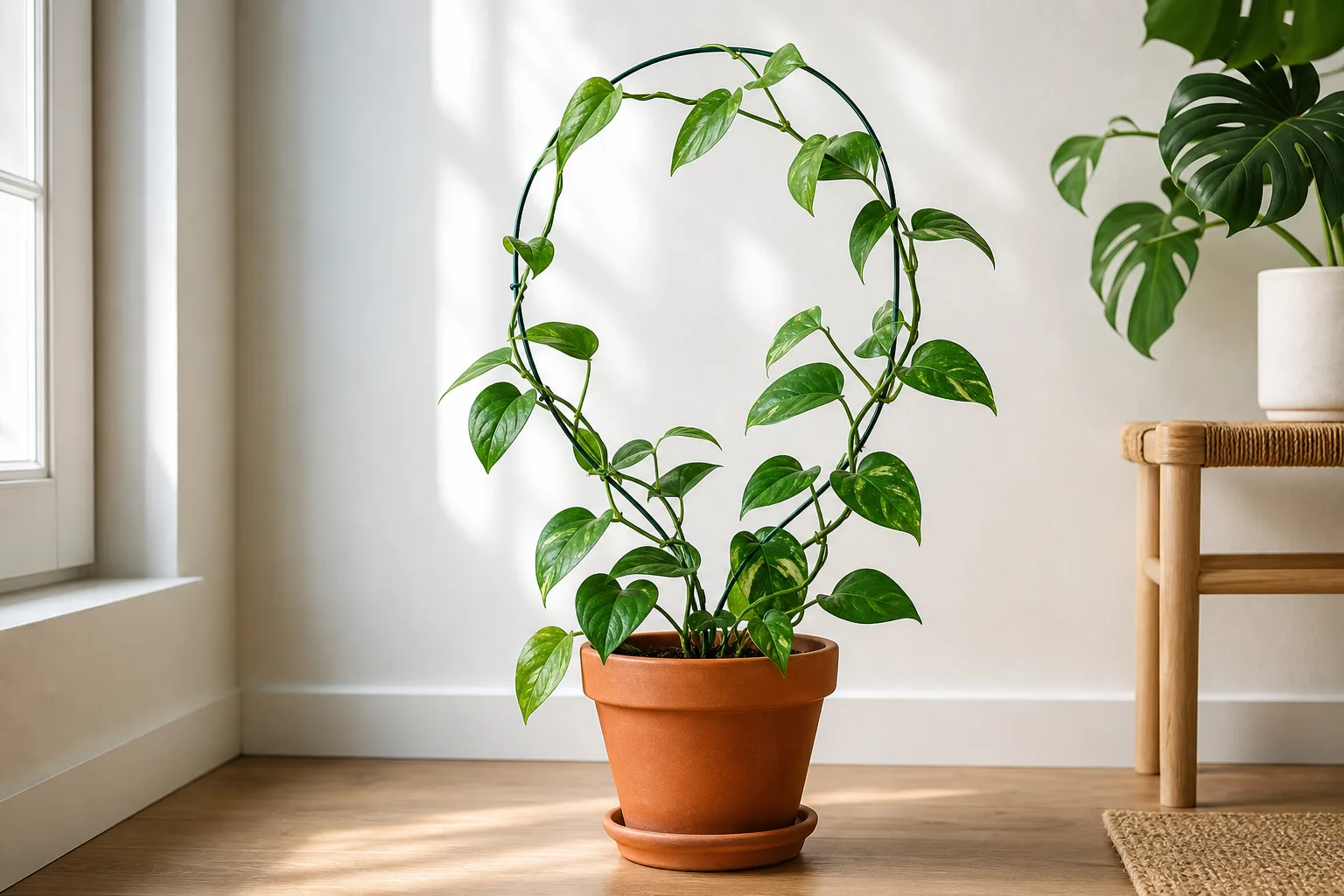
Young plants can look good in hanging baskets because their vines trail, but a fruiting specimen becomes heavy and awkward if it remains suspended. Move it to a stable floor container before the root ball and foliage make lifting risky. Support also makes pruning, pest checks, and harvesting much less disruptive.
Plant or Transplant Peppercorn Step by Step
Buy a healthy rooted plant when possible; it gives you a head start over seed and makes the growing conditions easier to evaluate. Look for firm stems, clean leaf undersides, active new growth, and roots that are pale or tan rather than mushy. Avoid a pot that is waterlogged, sour-smelling, or packed with visible insects.
When planting outdoors, wait until the soil and nights are reliably warm and all frost risk has passed. Dig a hole about twice the width of the root ball, set the plant at the same depth it was growing, and backfill without burying the stem. Water deeply to settle the soil, then apply a thin organic mulch layer while keeping mulch away from the stem.
For a container, select a pot only moderately larger than the root ball. An oversized pot holds more wet mix than a small root system can use, increasing the risk of rot. Set the plant at the same level, firm the mix around it, water thoroughly, and place it in bright indirect light for several days if the roots were disturbed. Increase direct light gradually as it resumes growth.
Feed for Growth Without Forcing Weak Vines
Peppercorn is not a heavy feeder, but a long growing season and repeated watering can deplete nutrients from a container. Feed only while the plant is actively growing. A balanced or mildly bloom-oriented fertilizer applied at the label rate, or weaker but more frequent liquid feeding, is usually enough; never combine multiple products just because the leaves look pale.
Match feeding to light and temperature. A plant in warm, bright conditions can use more nutrients than one sitting in a cool, dim room. Stop or sharply reduce feeding during a winter slowdown, and water normally before fertilizing if the mix is dry. Fertilizer salts applied to dry roots can cause additional stress.
If growth is weak, do not assume fertilizer is the missing ingredient. Check light, root condition, temperature, and soil pH first. Excess nitrogen can create lush foliage without flowers and can make soft new growth more attractive to sap-feeding pests. The best fertilizer program is the smallest one that maintains steady, firm new growth.
Prune and Train for a Manageable Plant
Pruning is mainly for size, shape, and productive branching. Remove dead or damaged leaves promptly, then use clean pruners to shorten long, bare sections just above a healthy node. Pinching a growing tip can encourage side shoots, but do it only when the plant is actively growing and has enough light to replace what you remove.
Do not cut heavily just before a cold, dark winter. A hard prune reduces the leaf area the plant uses to recover and can leave wounds slow to heal. If the vine has become too large to bring indoors, take healthy cuttings or layer a low stem before removing the excess, then keep the parent plant’s winter cut modest.
After harvest, remove spent fruit spikes and any weak growth that blocks the center of the plant. Keep a few strong climbing stems and enough leaves to support regrowth. The goal is an open, supported vine that can be inspected, not a tightly clipped topiary.
Propagate With Layering or Cuttings
Layering is the most forgiving method when you already have a flexible, healthy vine. Pin a low stem to a second pot of moist mix, leaving the tip and several leaves above the surface. Keep the section attached to the parent while it roots. Once it resists a gentle lift and has made a useful root system, cut the connection, allow the new plant to settle, and then train it onto support.
Stem cuttings can also work when taken from vigorous growth. Use a clean tool, choose a section with several nodes, remove the lowest leaves, and place a node into a moist, airy rooting medium. High humidity and warmth help, but a sealed, constantly wet container can rot the cutting. Open the cover periodically and move the new plant into its own pot only after roots are established.
Layering and cuttings produce a genetic copy of the parent, which is useful if that parent has already shown good vigor or fruiting. Air-layering is possible but more involved and rarely necessary when a flexible peppercorn vine can be rooted by contact with soil. Epic Gardening’s peppercorn guide also points to cuttings and natural stem rooting as practical alternatives to the long wait for seed-grown plants.
Grow Peppercorn From Seed When Patience Is the Point
Use fresh, viable seed sold for propagation or seed from a fully mature, unprocessed fruit. Store-bought black peppercorns are typically dried and processed for cooking, so germination is unreliable or impossible. The seed is inside the fruit, but culinary processing is not the same as preparing seed for planting.
Soak viable seed briefly to rehydrate it, then sow it just below the surface of a clean seed-starting medium. Keep the medium lightly moist and the temperature warm, roughly in the 75–85°F range. Germination may take a month or more and is slower if the medium cools. Give seedlings bright light as soon as they emerge so they do not stretch.
Transplant once seedlings have several true leaves and can be handled without breaking the stem. Expect a seed-grown plant to take roughly three to four years, sometimes longer, to reach reliable flowering and fruiting size. Seed is worthwhile when you want the experience, genetic variation, or several plants; it is not the fastest route to a harvest.
Repot and Overwinter Without a Shock
Repot when roots circle densely, emerge from the drainage hole, or the mix dries almost immediately after watering. Slide the plant out gently, inspect the root ball, and move it into a pot only one size larger. Tease apart a few circling roots if they are tightly bound, but do not aggressively shred a healthy root system.
Before bringing an outdoor plant inside, inspect leaf undersides, stems, support ties, and the soil surface. Isolate it from other houseplants for a short observation period if possible. Wash off visible pests with a firm but gentle stream of water and remove badly infested leaves before the vine enters the indoor collection.
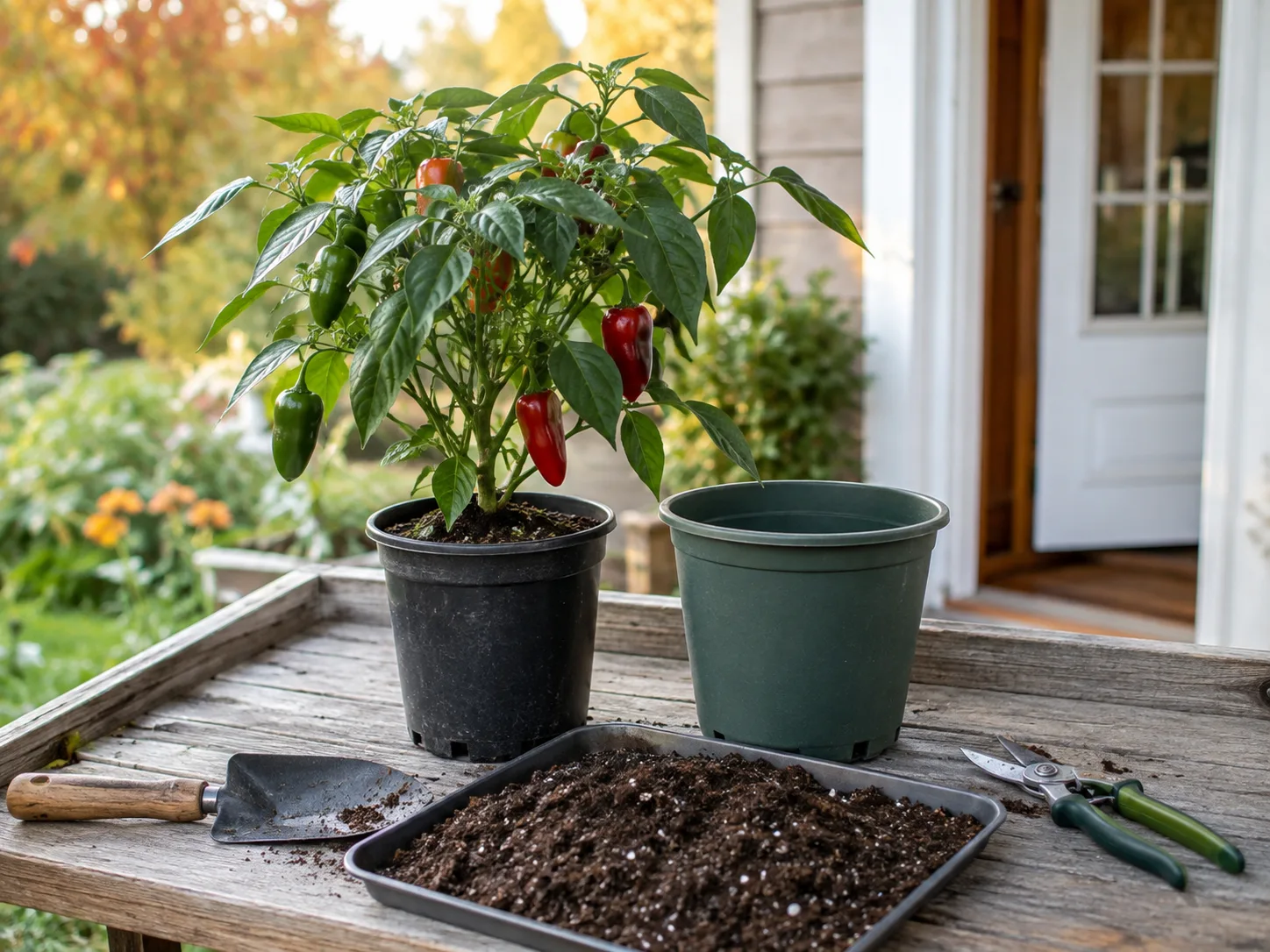
The best overwintering sequence is gradual: move the plant into bright shade, then a protected warm location, then its indoor site. Expect slower growth. Water less often when the room is cool or light is weak, but do not let the entire root ball shrink away from the pot. Resume stronger light, warmth, and feeding in spring only after new growth begins.
Encourage Flowers and Fruit With the Right Expectations
Flowers form on mature growth when the plant has enough light, warmth, moisture, and nutrition. Tiny flowers appear in hanging spikes, followed by bead-like green fruits. If the vine is young, recently repotted, heavily pruned, or overwintered in low light, the absence of flowers is not a sign that one missing supplement will solve the problem.
Start with light and temperature, then check the roots. A plant that has been cool and wet may need warmer conditions and a drier interval between waterings before it can resume healthy growth. A plant that is warm but producing only long, pale stems needs more usable light. A plant with abundant leaves but no flowers may be overfed with nitrogen or simply not mature enough.
Indoors, fruit set can be less predictable than foliage growth. Give the flowers gentle air movement and avoid spraying broad-spectrum insecticides while blooms are open. If a plant flowers but drops spikes, look for abrupt temperature changes, drought followed by flooding, root damage, or a move to a much darker position before blaming pollination.
Harvest Green, Black, White, and Red Peppercorns
Harvest individual spikes as the fruit reaches the stage you want; the whole plant does not need to be stripped at once. Use clean scissors or pruners rather than tugging on the vine. Wash harvested fruit and handle it as a food crop only when you know the plant has not been treated with an ornamental pesticide whose label excludes edible use.
| Peppercorn | Harvest stage | What happens next |
|---|---|---|
| Green | Immature, full green fruit | Use fresh, pickle, or preserve promptly; it is milder and fresher tasting. |
| Black | Green fruit picked before full red maturity | Blanching and drying darken the wrinkled outer fruit and concentrate its familiar flavor. |
| Red | Fully mature red fruit | Dry as a mature unhulled peppercorn or process promptly to prevent spoilage. |
| White | Fully mature red fruit | Soak to remove the outer layer, then dry the pale inner seed. |
Color names describe handling as much as ripeness. Green peppercorns are immature; black pepper is generally made from less mature fruit that is dried; white pepper uses the mature inner seed after the outer layer is removed. Pink peppercorn is usually from a different plant, so do not assume a pink berry from a landscape tree is the same crop.
Dry harvested peppercorns in a clean, well-ventilated place until fully dry, then store whole in an airtight container away from light and moisture. Whole peppercorns keep their aroma longer than ground pepper. If you are saving seed, reserve an untreated, fully mature fruit and do not subject it to a heat or blanching step intended for culinary cleaning.
Solve Pests, Root Rot, and Other Growing Problems
Inspect the vine weekly, especially where leaves overlap and stems meet the trellis. Indoors, mealybugs and aphids are the most likely visitors; outdoors, chewing beetles and other local pests may appear. Sticky residue, white cottony clusters, distorted new leaves, or a sudden decline in vigor call for inspection before spraying.
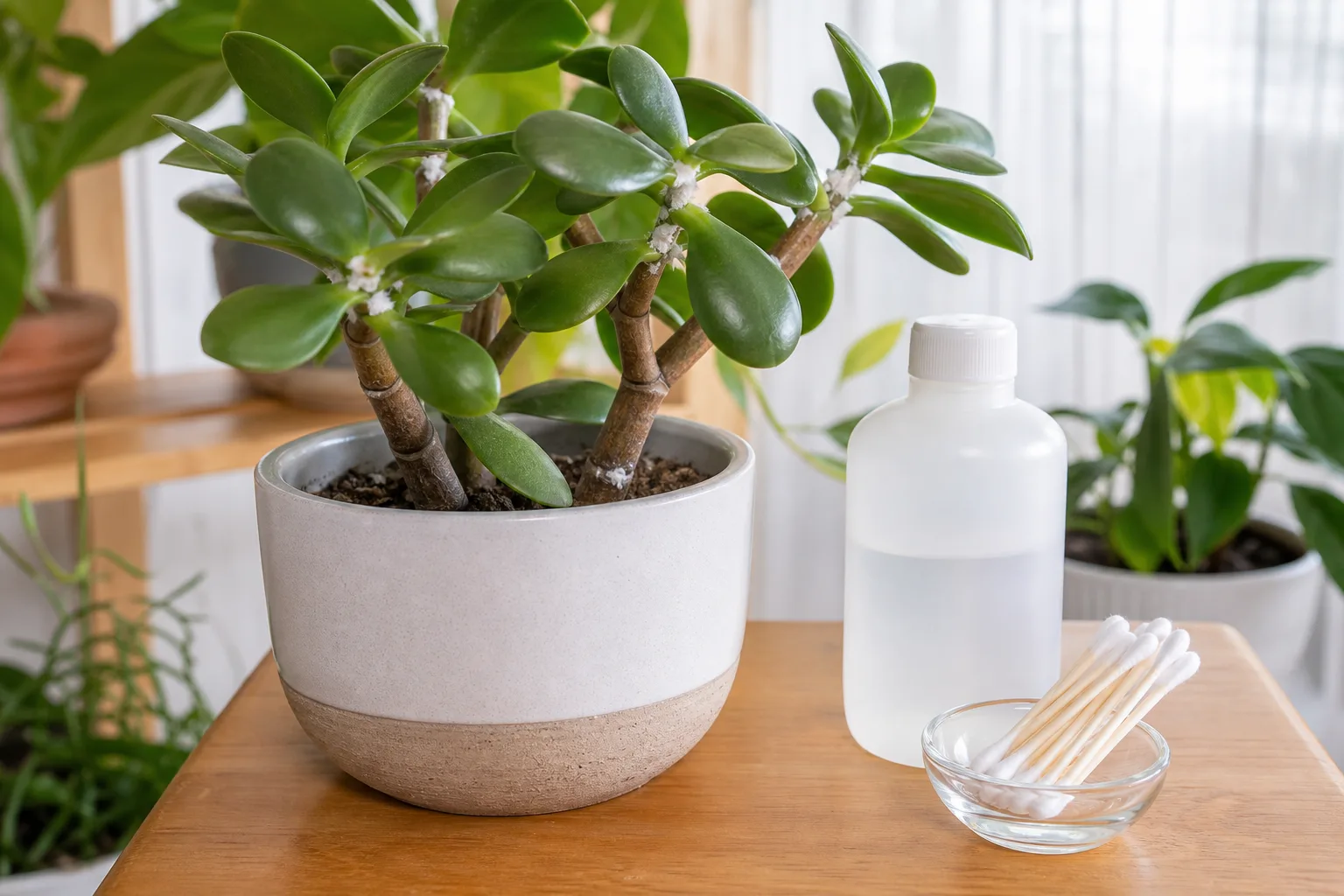
For a small infestation, isolate the plant and remove visible insects with water or a cotton swab. If you use a soap, oil, or pesticide, read the current label for the crop, edible harvest, concentration, re-entry, and pollinator precautions; “natural” does not mean harmless or automatically approved for peppercorn fruit. Repeat inspection matters more than one dramatic treatment because eggs and hidden insects can survive the first pass.
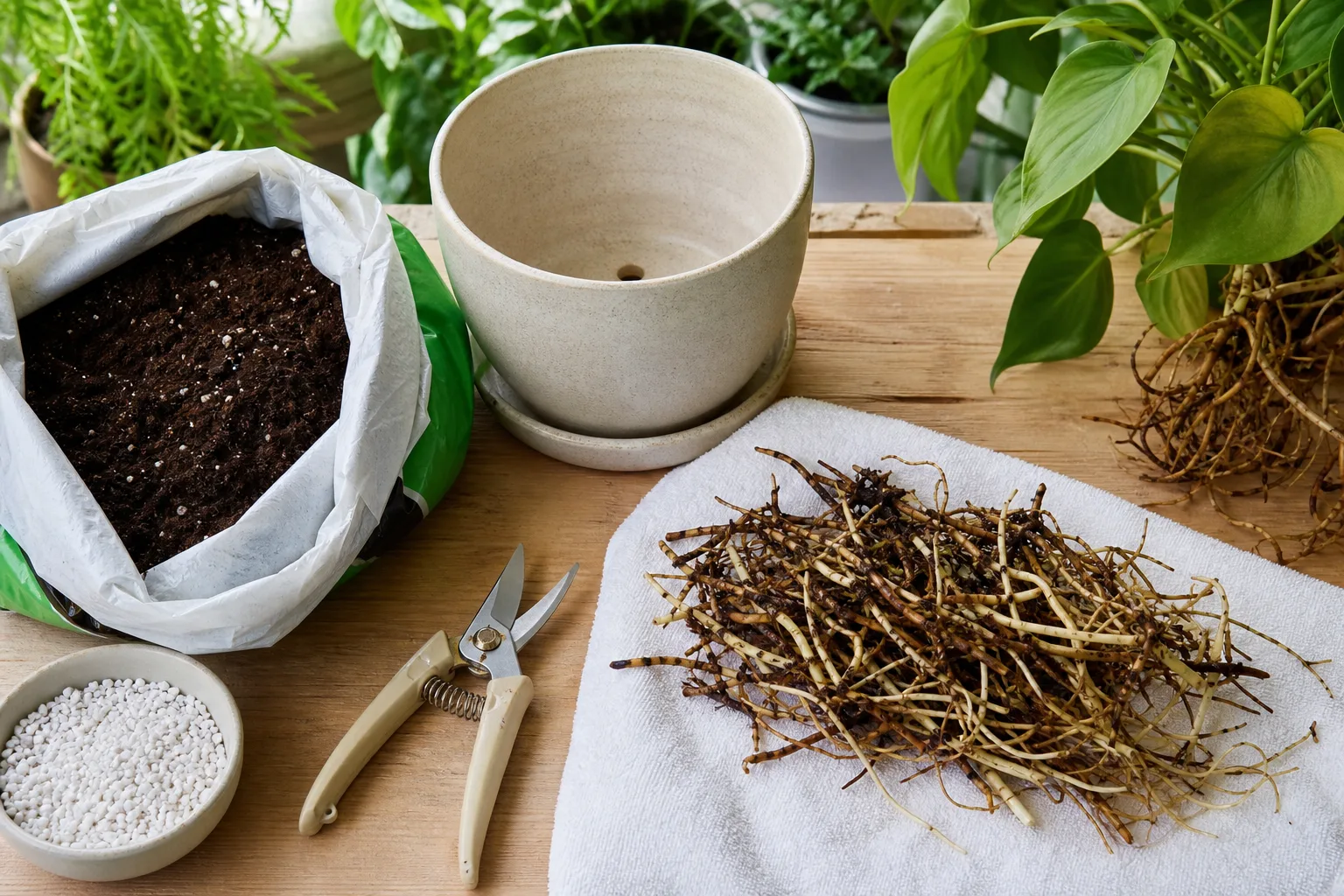
Root rot looks different from ordinary thirst. The plant may wilt while the soil remains wet, the stem base may soften, and roots may be brown, gray, or mushy instead of firm. Stop watering, unpot the plant, cut away only clearly rotten tissue with a clean tool, and repot into fresh, airy mix if healthy roots remain. If the entire root system is dead, save a healthy cutting rather than keeping a collapsing stem in the same wet soil.
Yellow leaves alone are not a diagnosis. Older leaves can yellow from age, while widespread yellowing can follow low light, cold roots, overwatering, nutrient imbalance, or a root-bound pot. Change one major condition at a time and watch new growth; new leaves are better evidence of recovery than a damaged older leaf turning green again.
Recognize Harmless Black Spots Under the Leaves
Peppercorn plants can develop small black crystalline dots on the undersides of leaves. These are normal sugary exudates that dry and darken; they are not automatically scale insects, so scraping or treating every spot can damage the leaf without solving anything. Logee’s guide specifically identifies these black spots as a normal feature of the plant’s physiology.
Compare the spots with the rest of the plant before deciding what to do. Normal crystals stay attached to the leaf surface and do not move, produce cottony wax, or cluster at tender nodes. Actual pests may leave sticky honeydew, distort new growth, or spread to nearby plants. If black marks are true expanding lesions, accompanied by yellow halos, or paired with a rapid decline, isolate the plant and inspect the roots and leaf undersides rather than assuming they are harmless crystals.
Conclusion
Growing a peppercorn plant is a long tropical project, not a quick windowsill crop. Give Piper nigrum warmth, bright but moderated light, evenly moist yet airy soil, a real climbing support, and enough time to mature. In a cold climate, a movable container is the practical default; in a warm, humid garden or greenhouse, the vine can eventually flower and carry the green fruits that become black, white, red, or green peppercorns through different harvest choices.
Start with the conditions you can control: protect the roots from standing water, keep cold away, train the vine early, and inspect before treating. If the plant stays leafy but does not fruit, that is often a useful signal to reassess maturity, light, heat, and root health—not a reason to add more fertilizer. A healthy ornamental vine is already a worthwhile result, and a patient gardener may eventually earn the spice harvest too.



