How to Grow and Care for Polka Dot Plant
Bold speckled leaves need bright indirect light and weekly pinching. Complete Hypoestes phyllostachya care for color, bushiness, and long life.
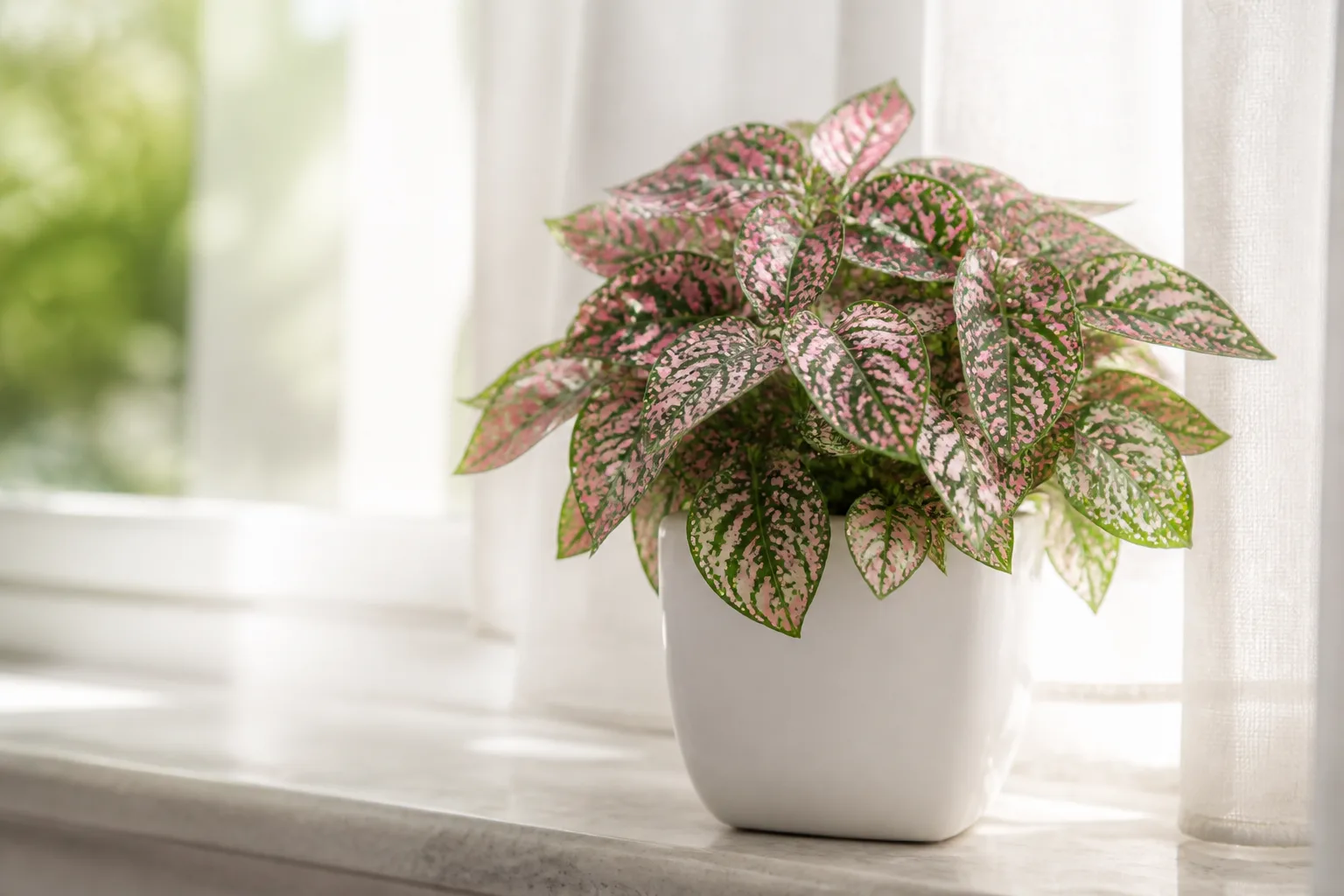
A polka dot plant looks like someone flicked a paintbrush at its leaves—pink, red, white, or lavender speckles over deep green, sometimes so dense the green nearly disappears. Botanically Hypoestes phyllostachya, it is a Madagascar native in the acanthus family, sold as a compact houseplant, terrarium filler, and summer bedding annual in cooler climates. The appeal is instant color without waiting for blooms. The catch is that polka dot plants are fast growers with shallow roots, and they treat flowering like a retirement plan: once they send up their tiny lilac spikes, foliage quality often slides unless you intervene early and often.
Most ranking care pages list light, soil, and water in interchangeable blocks. What actually separates a bushy, speckled pot from a leggy green stick is a short list of decisions: enough bright indirect light to hold variegation, a pinching rhythm that prevents flower spikes, humidity that keeps leaf edges crisp, and watering keyed to the top inch of soil—not a weekly calendar. This guide covers those decisions in one place and points to deeper Polka Dot Plant care pages when one factor needs a full deep dive.
Polka Dot Plant Quick Reference
Use this table before you change anything. If something looks wrong, match the symptom to the troubleshooting section rather than stacking fertilizer, repotting, and extra water on the same afternoon.
| Factor | Indoor target | Notes |
|---|---|---|
| Light | Bright indirect; some morning sun OK | Low light = green reversion; hot direct sun = fade and scorch |
| Water | When top 1–2 cm (½ in.) feels dry | Shallow roots; wet-wilt is common in humid rooms |
| Soil | Peat-free houseplant mix + 15–20% perlite | Must drain; avoid waterlogged terrarium bases |
| Humidity | 50–70% ideal | Terrarium, bathroom, or pebble tray helps |
| Temperature | 65–80°F (18–27°C) | Below ~54°F (12°C) slows growth (RHS) |
| Fertilizer | Every 2–3 weeks Apr–Sep; skip in winter | Half-strength liquid; overfeed browns leaf edges |
| Pinching | Weekly on active tips + remove flower spikes | Prevents legginess and post-bloom decline |
| Pets | Non-toxic to cats and dogs (ASPCA) | Mild vomiting/diarrhea possible if chewed |
| Outdoor zones | USDA 10–11 year-round (MO Bot Garden) | Annual or houseplant elsewhere |
What Makes Polka Dot Plants Different From Other Houseplants
Polka dot plants are foliage-first annuals in temperament even when labeled perennials. Missouri Botanical Garden notes they typically reach 12–20 inches as bedding plants or houseplants, with ovate leaves splashed in rose, pink, or lavender and insignificant lilac flower spikes in summer. (Missouri Botanical Garden) Unlike slow-growing succulents or zz plants, Hypoestes puts on soft, herbaceous growth quickly when light and moisture cooperate—which means it also collapses quickly when those drift out of range.
Two traits confuse new owners. First, dramatic wilting does not always mean thirst. Shallow fibrous roots sit in the wettest layer of the pot; in steamy bathrooms or sealed terrariums, leaves can go limp while soil stays saturated—a wet-wilt pattern that looks like underwatering but points to root stress instead. Second, variegation is light-dependent. Wisconsin Extension explains that plants hold better color in partial shade outdoors but fade in very low indoor light. (University of Wisconsin Extension) Indoors, that translates to bright filtered windows—not a dark shelf where the plant survives but reverts to plain green.
Why Flowering Ends the Show Faster Than You Expect
Outdoors in long-day summer, polka dot plants often stay vegetative for months. Indoors, shortening days in late summer or fall can trigger terminal spike-like racemes of tiny pink or blue flowers. Wisconsin Extension notes long day lengths keep plants in vegetative growth, so houseplant flowering tends to appear late in the season if at all. (University of Wisconsin Extension) The flowers themselves are small and unscented; the problem is what follows. Many growers remove spikes because they detract from the foliage and because plants can decline after blooming, entering a sparse phase that reads as dormancy.
That lifecycle is why experienced growers treat pinching flower buds as core care—not optional grooming. If you want a long-lived specimen, snip spikes as soon as you see them and keep pinching stem tips through the growing season. If a plant has already bloomed and thinned out, propagation from healthy side shoots is usually faster than trying to revive a tired mother plant. The Polka Dot Plant propagation guide walks through water and soil methods when you are ready to restart.
Light Requirements for Bold Speckled Foliage
Bright indirect light is the baseline for indoor color. RHS recommends plenty of light but not direct strong sunshine, which fades vibrant speckles and scorches leaves; north- or west-facing windows and frosted bathroom glass are ideal examples. (RHS) A few hours of gentle morning sun through an east window often intensifies pink and red cultivars without the leaf curl and brown patches that midday sun through south glass can cause.
If you only have a dim room, Hypoestes will grow—but not the plant on the nursery tag. Stems stretch, internodes lengthen, and new leaves emerge greener. That is not a nutrient problem; it is a photon problem. Move the pot within a few feet of the brightest window or add a full-spectrum grow light for 10–12 hours daily. For window-by-window placement rules, see the dedicated light guide.
How to Fix Fading or Reverting Leaf Color
Too little light shows up as solid green new growth at the top while older speckled leaves sit lower on the stem. Fix placement first; fertilizer will not restore spots in shade. Too much direct sun bleaches or browns patches and can make the whole plant look washed out. Pull it back from the glass or add a sheer curtain, then observe new leaves over two weeks.
Age and flowering also mute color. When spike buds form, energy shifts away from foliage. Pinch buds immediately. If lower leaves green out while tips stay pink, hard prune leggy stems to a node above a speckled leaf and give brighter light—fresh side shoots often carry stronger variegation than the old bare stem.
Watering Polka Dot Plants Without Inviting Root Rot
Polka dot plants like steady moisture, not soggy soil. RHS advises keeping compost moist while allowing the surface to dry slightly between waterings; underwatered plants droop dramatically but usually recover after a thorough soak if roots are still healthy. (RHS) A practical indoor rule: water when the top 1–2 cm feels dry to your finger—roughly the top half-inch many growers use.
Use a pot with a drainage hole, soak until water runs out, and empty the saucer within 30 minutes. Never let the pot sit in standing water, especially in humid rooms where evaporation is slow. In winter, when growth slows, extend the interval between drinks and resume as new tips appear in spring. If leaves wilt on a heavy, cool pot, probe deeper before adding water; that pattern may be overwatering or root rot rather than thirst. The watering guide covers finger-test rhythm and terrarium exceptions.
Soil, Drainage, and the Right Pot
Use a peat-free houseplant compost or peat-free multipurpose mix with 15–20% perlite or pumice stirred through. Missouri Botanical Garden recommends organically rich, medium-moisture, well-drained soils for container culture. (Missouri Botanical Garden) The mix should hold moisture in the middle of the root ball while letting the surface dry on schedule—dense straight peat with no amendment stays wet too long and invites fungus gnats and root decay.
Pot size matters because roots are shallow. A pot much wider than the root ball holds a wet outer ring the plant never dries. When repotting, move up only one size—about 1–2 inches wider. Glazed ceramic or plastic often outperforms unglazed terra cotta indoors for this species because terra cotta wicks moisture away unevenly and can leave the center wet while the wall dries. If you use a decorative cachepot, lift the nursery pot out to water and drain.
Temperature, Humidity, and Best Room Placement
Hypoestes is tropical. Keep daytime temperatures roughly 65–80°F (18–27°C) and avoid cold drafts below about 54°F (12°C), the minimum RHS cites for ongoing growth. (RHS) Heat above 85°F with dry air can crisp leaf margins even when soil moisture is correct.
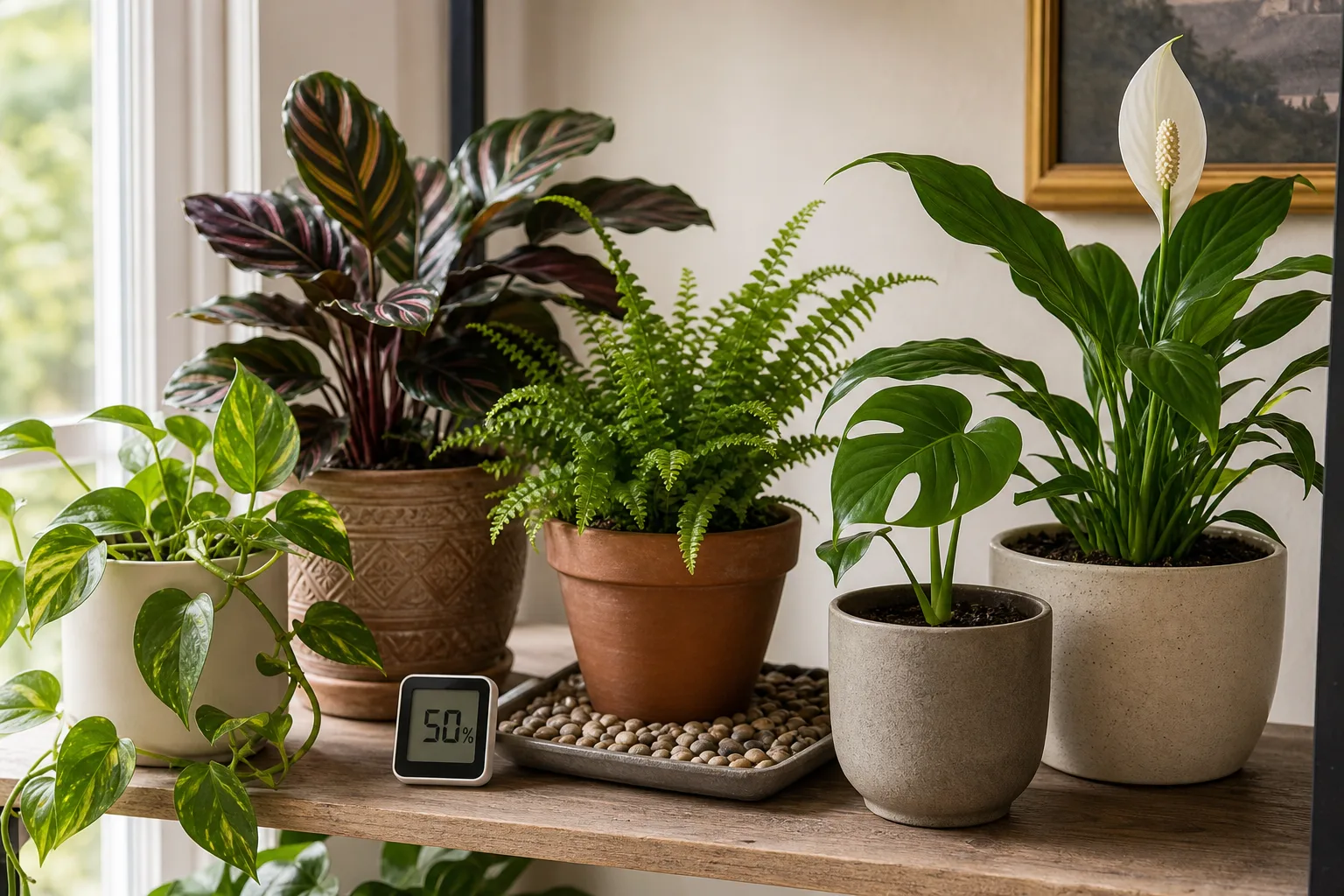
Humidity in the 50–70% range keeps speckled leaves from browning at the edges. RHS lists terrariums, steamy bathrooms, and pebble trays as reliable solutions. (RHS) Grouping pots helps slightly, but it is not a substitute for a humidifier or tray if your hygrometer reads in the 30s all winter. Avoid placing pots directly above radiators or forced-air vents where leaf tips desiccate in days.
Bathroom, Kitchen, and Terrarium Setups
A bright bathroom with frosted glass can be an excellent spot—if the window supplies enough light. Condensation on tile does not replace checking the soil; many bathroom pots stay too wet because owners assume steam equals hydration. Kitchen windows work similarly when light is adequate and grease splatter is not an issue.
Terrariums showcase Hypoestes color at close range and maintain humidity automatically, which is why RHS calls it an ideal terrarium plant. (RHS) Sealed jars need a drainage layer of gravel or leca below compost so roots never sit in a perched water table; without that layer, even reduced watering schedules can rot shallow roots. Open terrarium bowls are safer for beginners because excess moisture evaporates. Water less often in sealed glass than you would an open pot, and vent the lid if condensation constantly sheets the glass.
Fertilizing During Active Growth
Feed every two to three weeks from April through September with a balanced liquid houseplant fertilizer diluted to half the label strength. (RHS) Wisconsin Extension suggests periodic dilute fertilizer once plants are established indoors. (University of Wisconsin Extension) Skip feeding in winter unless you are running grow lights and seeing active new leaves.
Overfeeding shows up as salt-burned brown leaf edges on a plant that otherwise has good light and moisture. Flush the pot with plain water if you suspect buildup, then resume at half strength. More detail on timing and products lives on the fertilizer guide.
Pinching and Pruning to Prevent Legginess
Polka dot plants do not stay compact on their own. Pinch the top two leaves on each stem weekly during active growth, or whenever you see a stem outpacing its neighbors. Missouri Botanical Garden recommends pinching tips to promote bushiness and removing flower spikes because they are inconspicuous and distract from the foliage. (Missouri Botanical Garden) Each pinch forces side branches from axillary buds, which is how you get a mounded, speckled cushion instead of a single lanky leader.
When a plant has already gone stringy, hard prune stems back to a few inches above soil in spring, keep humidity up, and place in bright indirect light. Fresh shoots emerge quickly in warm weather. If hard pruning leaves mostly bare stems with weak color, take cuttings from the healthiest tips and start replacements rather than fighting a spent plant. See leggy growth troubleshooting when stretch returns after you move the pot.
Cultivars and Color Choices Worth Buying
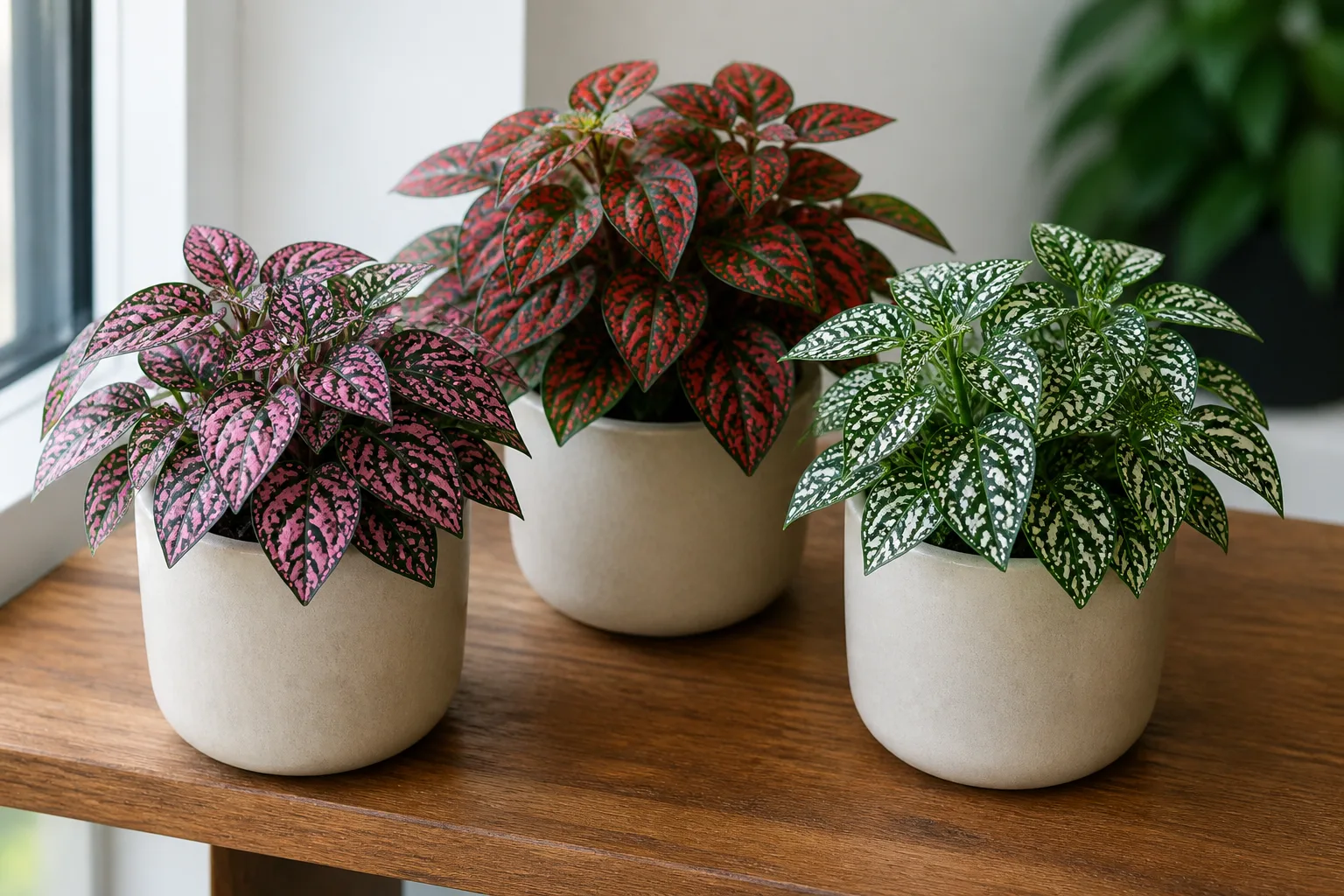
Only Hypoestes phyllostachya is widely sold, but cultivars differ more than many tags admit. Wisconsin Extension lists several common series:
- ‘Carmina’ — bright red splotches on green leaves
- ‘Confetti’ series — smaller (~8 in.), vigorous plants in white, pink, red, carmine rose, and burgundy; often sold as mixes
- ‘Pink Brocade’ — mottled pink spots
- ‘Splash’ series — large blotches in pink, red, rose, or white
- ‘Purpuriana’ — purplish foliage tones
RHS also notes Rose Splash, White Splash, and Pink Splash selections with varying intensity from magenta to coral and cream. (RHS) When buying, choose pots with firm stems, no brown leaf margins, and new speckled leaves unfurling at the center. Mixed-color bowls are striking, but group plants with similar vigor so one cultivar does not shade out another within weeks.
Propagating Polka Dot Plants From Cuttings and Seeds
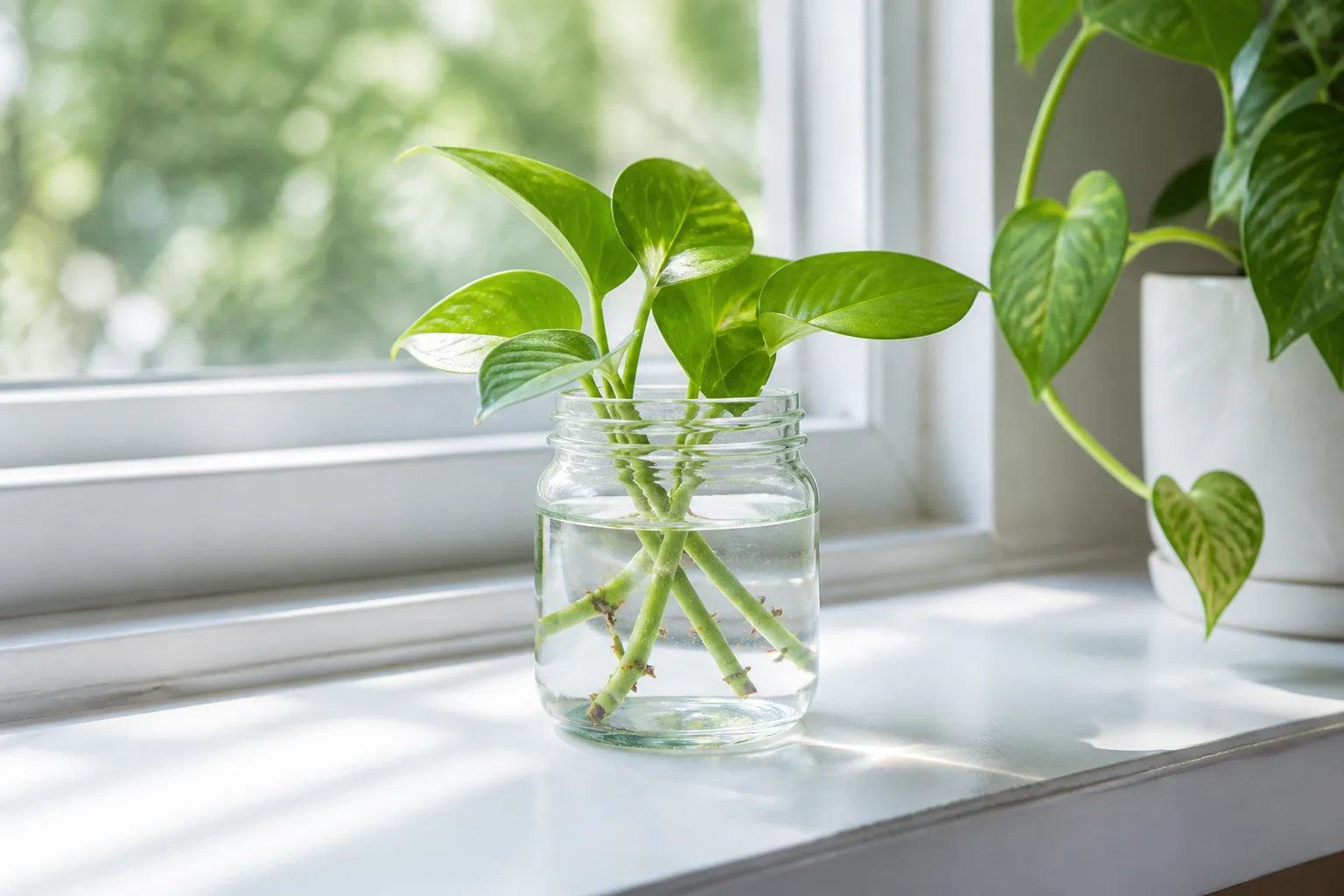
Propagation is the practical way to renew color cheaply when parent plants age out. Stem cuttings succeed best in spring and summer when humidity and light support rooting.
Water method: Cut a 2–4 inch stem tip just below a node. Strip leaves from the lower half. Place in room-temperature water in bright indirect light. Refresh water weekly to limit algae. When roots reach about 2 inches—often two to four weeks—pot into moist peat-free mix and keep humidity high for the first week.
Soil method: Insert the same prepared cutting into moist perlite-heavy mix, cover with a clear bag or dome vented daily, and keep warm. Wisconsin Extension notes cuttings often root when stuck directly into moist mix in spring. (University of Wisconsin Extension)
Seeds: Sow on the surface of warm, moist seed compost at about 68°F; Wisconsin Extension reports germination in as few as four days. (University of Wisconsin Extension) Do not bury seeds—light aids germination. True leaves show color after the green cotyledons. Seeds are fun for mixed bowls but less predictable than cuttings for cloning a favorite cultivar.
Repotting, Overwintering, and When to Replace the Plant
Repot in spring when roots circle the bottom or emerge from drainage holes—typically every two to three years for a well-pinched plant. Move up one pot size, refresh mix, and water lightly once to settle. Avoid repotting a stressed, flowering, or cold-damaged plant until it stabilizes.
In USDA zones colder than 10, bring outdoor containers indoors before nights drop below about 60°F. Missouri Botanical Garden notes many gardeners simply buy new spring plants rather than overwintering bedding specimens, but houseplants overwinter easily in bright indoor light. (Missouri Botanical Garden)
Plan on replacing or propagating every one to two years if you never pinch flowers or if plants bloom heavily. That is normal for the species—not a personal failure. Starting fresh cuttings in spring beats nursing a bare post-bloom skeleton through another dim winter.
Common Pests, Diseases, and Troubleshooting
Indoors, watch for mealybugs, aphids, whiteflies, and spider mites, especially when humidity is low and airflow is poor. Missouri Botanical Garden lists whiteflies, aphids, and mealybugs under indoor cultural stress. (Missouri Botanical Garden) Isolate new plants for two weeks, inspect leaf axils weekly, and rinse small infestations with lukewarm water before escalating to insecticidal soap. Sticky traps help monitor flying pests.
Powdery mildew and leaf spot appear when leaves stay wet overnight or airflow is blocked in terrariums. Remove affected leaves, improve ventilation, and avoid overhead misting late in the day. Root rot follows chronic wet soil—see the root rot guide for trim-and-repot rescue steps.
In tropical outdoor landscapes, Hypoestes can spread by seed and become weedy; check local guidance before planting in the ground in frost-free climates such as parts of Australia or Hawaii.
Leaf Problems Decision Guide
| Symptom | Likely cause | First fix |
|---|---|---|
| New leaves mostly green | Low light | Move brighter; add grow light |
| Bleached or brown patches | Too much direct sun | Filter light; pull back from glass |
| Crisp brown leaf edges | Low humidity or salt burn | Humidity tray; flush pot; reduce feed |
| Limp leaves, light dry pot | Underwatering | Soak until drain; adjust schedule |
| Limp leaves, heavy wet pot | Overwatering / root rot | Check roots; dry down; repot if mushy |
| Yellow lower leaves, wet soil | Overwatering | Let top dry; verify drainage hole |
| Long bare stems, small top leaves | Leggy growth / needs pinching | Pinch weekly; hard prune in spring |
| Tiny spikes at stem tips | Flowering starting | Snip spikes; resume pinching |
Conclusion
Polka dot plant care rewards attention more than expertise. Give Hypoestes phyllostachya bright indirect light, water when the top inch dries, keep humidity at or above roughly 50%, and pinch tips and flower spikes on a steady rhythm through the growing season. When a plant outgrows its look, stem cuttings restart vivid color faster than chasing a post-bloom decline. Use the Polka Dot Plant hub for topic-specific pages on light, watering, soil, propagation, and common problems—and treat each new pot as a short, colorful chapter you can always renew from a jar of cuttings on the windowsill.