How to Grow and Care for Rex Begonias
Learn rex begonia light, watering, humidity, soil, propagation, and winter care—with decision rules for wilting leaves, rot, and pet safety.
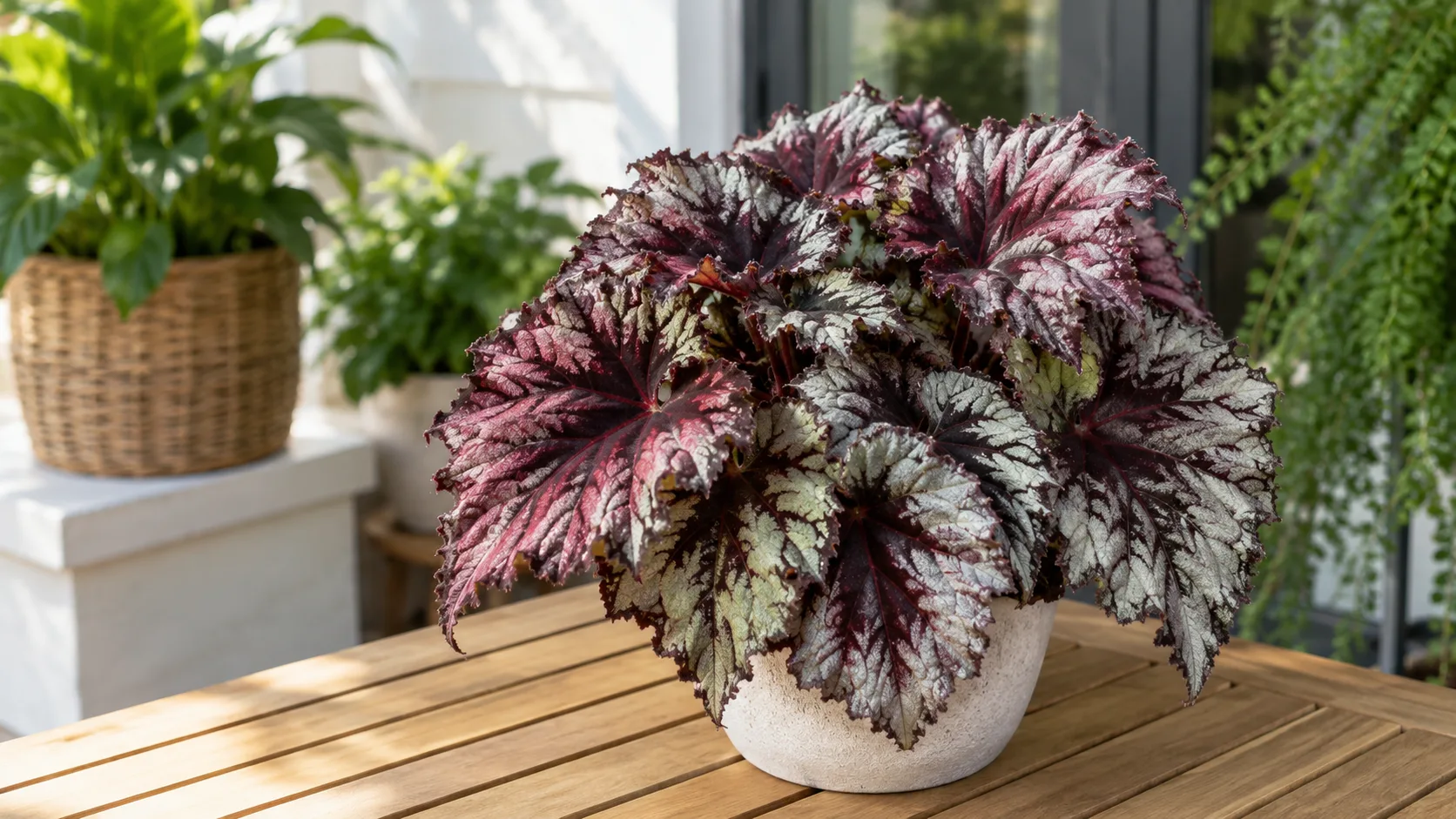
A rex begonia can look flawless at the garden center and miserable on your desk two weeks later—not because you lack a green thumb, but because this plant judges the whole environment at once. Begonia rex-cultorum and its hundreds of hybrid cultivars are grown for painted, metallic foliage, not flowers. The small pinkish-white blooms are a bonus at best. What you are really managing is a shallow rhizome that wants bright indirect light, evenly moist (never soggy) soil, and humidity your winter heating probably removes.
Rex begonias are rhizomatous perennials in USDA zones 10–12 and houseplant favorites everywhere else (NC State Extension). Native range runs from Bhutan to northern Myanmar; the species entered cultivation in the 1850s and hybridized so freely that trade names rarely match between shops (UConn Home and Garden Education Center). Most mature plants reach 12–18 inches tall and wide with dense, showy leaves in green, silver, burgundy, pink, and purple. This guide covers placement, watering, humidity, pots, propagation, repotting, pests, and the diagnostic sequence for wilting—so you can keep leaf color sharp without cycling through replacements. Bookmark the Begonia Rex hub for species-specific watering, light, and propagation pages as you work.
What Makes Rex Begonias Different From Other Begonias
Rex begonias belong to the rhizomatous group: a thickened horizontal stem sits at or just above the soil line, and leaves rise from it on petioles. That anatomy drives every good care decision. Deep pots with wet centers rot rhizomes fast. Cane-type angel wing begonias want more vertical space and tolerate brighter light. Wax (Begonia semperflorens) bedding begonias are sun-tolerant annuals grown for flowers, not foliage art.
Rex hybrids are maintenance-heavy compared with many houseplants (NC State Extension). They outperform wax begonias indoors for leaf color but fail faster in dry, dark rooms than a polka dot begonia might. Treat rex begonias as collector plants: stable conditions beat heroic rescue missions. If you need forgiving foliage in a pet household, rex begonias are the wrong pick—more on toxicity below.
Light Requirements for Rex Begonias
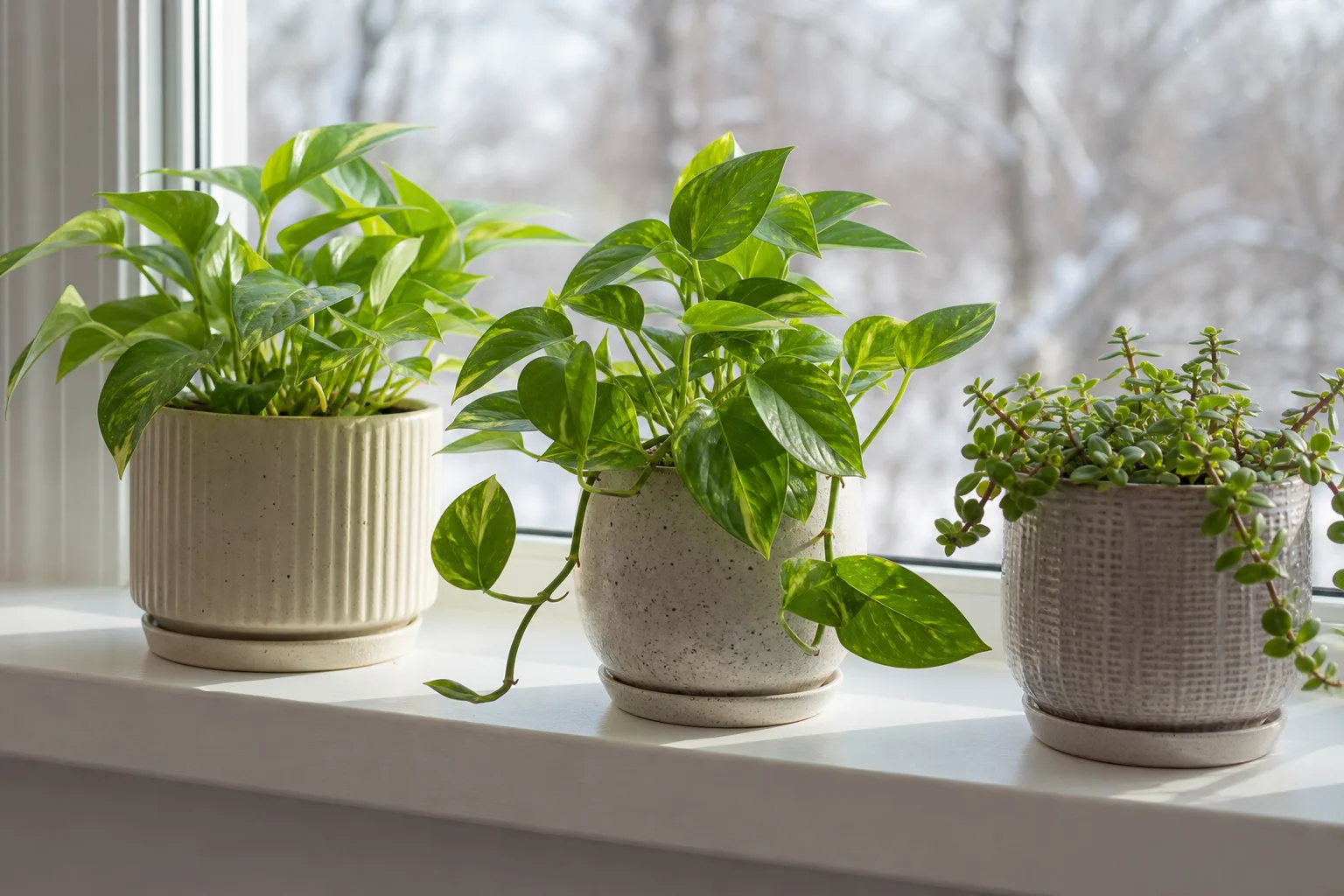
Rex begonias need bright, indirect light year-round—not full shade and not direct sun on the leaves. An east-facing window is ideal in most homes; south or west exposures work if the pot sits several feet back from the glass so leaves never scorch (UConn Home and Garden Education Center). NC State describes suitable light as dappled sun or partial shade (roughly two to six hours of gentle light daily) (NC State Extension).
Outdoors, rex begonias succeed in full or partial shade containers, hanging baskets, or beds in warm climates. They tolerate juglone from black walnut trees—a rare bonus for shade gardeners (UConn Home and Garden Education Center). Indoors without adequate windows, fluorescent or LED grow lights 12–14 hours daily can substitute; keep fixtures high enough that leaves do not heat. Rotate the pot weekly so all sides color evenly.
Signs Your Rex Begonia Is Getting Too Much or Too Little Light
Too much direct light bleaches or browns patches, leaves feel papery, and edges crisp even when soil moisture looks fine. Move the plant back or filter sun with a sheer curtain. Too little light produces larger, thinner leaves on long petioles, duller patterns, and eventual leaf drop as the plant enters a semi-dormant state (UConn Home and Garden Education Center). If a rex sits more than 5–6 feet from a bright window with no grow light, assume light is the limiting factor before you increase fertilizer. See not enough light when stretch and drop persist after you improve placement.
Soil, Drainage, and Shallow Pots for Rhizomes
Rex begonias want light, airy, fast-draining soil high in organic matter with acidic pH (roughly 5.5–6.5) (NC State Extension). A commercial African violet mix or peat-free houseplant blend amended with 20–30% perlite and a handful of orchid bark mimics what the fine root system prefers (UConn Home and Garden Education Center). Heavy garden soil or moisture-retaining “moisture control” potting mixes stay wet too long around the rhizome.
Choose wide, shallow pots rather than deep tubs. The rhizome spreads horizontally; it should have surface area without a reservoir of soggy mix below. Always use containers with open drainage holes—saucers are fine if you empty them after watering. Rex begonias tolerate slight root binding and often look best when the rhizome nearly fills the pot; upsizing too early invites rot. Full mix guidance lives on the Begonia Rex soil page.
Watering Rex Begonias Without Inviting Rot
Watering is where rex begonias earn their fussy reputation. They like even moisture, but UConn is blunt: slight underwatering beats overwatering, which invites root and rhizome rot and “certain death” (UConn Home and Garden Education Center). Wait until the top inch (2.5 cm) of mix feels dry before watering again. In bright, warm rooms that may mean every 5–7 days in summer; in cool winter dormancy, intervals stretch to 10–14 days or longer.
Bottom watering—setting the pot in a tray of water for 20–30 minutes so mix wicks moisture upward—keeps the rhizome and leaf bases drier than overhead pours. If you top-water, aim at the soil line, not the crown. Never let the pot sit in standing water after the soak. Avoid wetting foliage; rex leaves are prone to powdery mildew when water lingers on the surface (NC State Extension). Use room-temperature water; cold shocks slow growth.
If wilting happens, check moisture before you add more water. A rex that is wilted with soggy mix is overwatered; one with dry, light pot weight is underwatered. Mismatching the fix kills the plant. Pair this section with overwatering and underwatering when symptoms overlap.
Humidity and Airflow Rex Begonias Actually Need
Rex begonias thrive at moderately high humidity—roughly 50–60% or higher (NC State Extension). Winter heating often drops indoor RH into the 20–30% range, which shows up as brown leaf tips and margins even when watering is correct (UConn Home and Garden Education Center). Bathrooms and kitchens with bright indirect light can work if steam and cooking raise humidity without leaving leaves wet overnight.
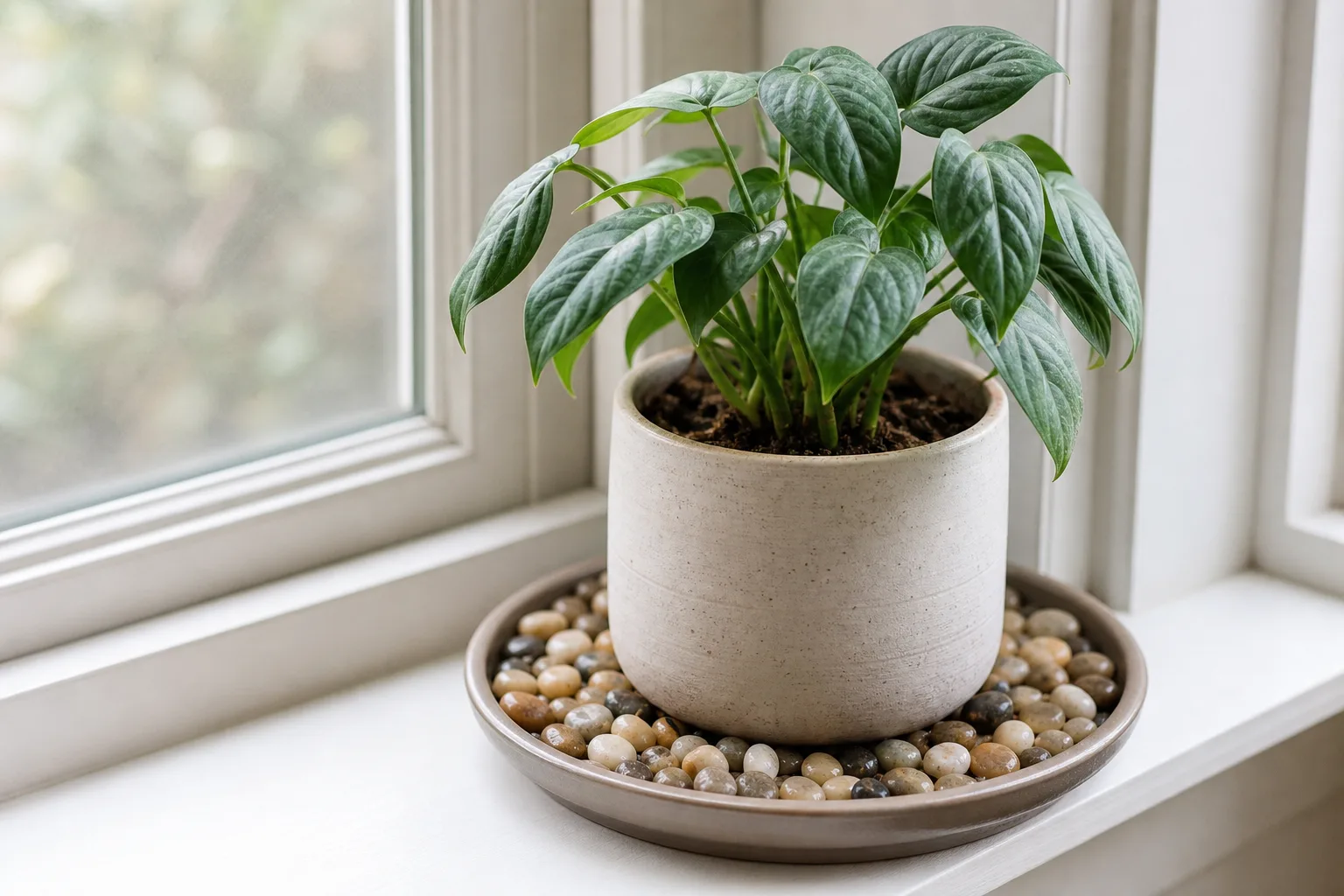
Pebble trays help when done correctly: set the pot on top of wet pebbles in a saucer wider than the pot, with water below the stone tops so the drainage holes never submerge (UConn Home and Garden Education Center). Grouping rex begonias with other humidity lovers raises local moisture, but leave air space between pots so mildew does not spread. A small humidifier 3–6 feet away is the most reliable fix in dry climates.
Do not mist leaves as a humidity shortcut. Fine droplets on rex foliage promote powdery mildew and botrytis without meaningfully raising RH (NC State Extension). Good air circulation from a gentle fan or open room layout matters as much as moisture in the air. Chronic crisp tips with otherwise good watering usually mean low humidity—fix the room, not the watering calendar.
Temperature, Seasonal Slowdown, and Winter Dormancy
Ideal daytime temperatures sit around 65–75°F (18–24°C), matching the moderate range most rex guides cite (NC State Extension). Growth slows below 60°F (16°C) (UConn Home and Garden Education Center). Keep plants away from cold drafts, single-pane winter glass, and hot radiator or AC blasts that desiccate leaves in minutes.
In short winter days with weak light, rex begonias often partially dormancy: leaves yellow and drop, and new growth pauses (UConn Home and Garden Education Center). That is normal—not a call for repotting and fertilizer. Reduce watering so mix stays barely moist, skip feed until days lengthen, and avoid moving the plant between radically different rooms. New buds appear when light and warmth return in late winter or spring.
Fertilizing During Active Growth Only
Feed rex begonias only when they are actively growing—typically spring through early fall. UConn recommends a dilute, quarter-strength water-soluble fertilizer every two to three weeks during the growing season and no fertilizer from October until new spring growth (UConn Home and Garden Education Center). Half-strength monthly feeds also work if the plant is vigorous and light is strong; pale new leaves with good light may indicate under-feeding, while crusty soil rims and distorted growth suggest over-feeding.
Never fertilize a stressed, wilted, or recently repotted rex begonia. Salt buildup burns fine roots. Flush the pot occasionally if white mineral crust appears on the mix surface. More detail: Begonia Rex fertilizer guide.
Rex Begonia Cultivars Worth Knowing
Trade names multiply because rex hybrids cross freely and seedlings are unique (UConn Home and Garden Education Center). The same cultivar may appear under different labels at different nurseries. A few well-known types help you shop with eyes open:
- ‘Escargot’ — spiral silver bands on dark green leaves; classic collector shape.
- ‘Froggy’ — olive green with dark webbing; delicate white flowers.
- ‘Avatar’ — silvery green with purple-pink accents and frilled edges.
- ‘Curly Fireflush’ — burgundy and yellow-green heirloom coloring (introduced as ‘Bettina Rothschild’ in 1866).
- ‘Emerald Wave’ and ‘Fireworks’ — compact spirals in emerald/plum or silver/red veining.
- T REX™ ‘Painter’s Palette’ — larger (to 16 inches), heat- and humidity-tolerant series for warm rooms (NC State Extension).
Miniature rex begonias suit terrariums and dish gardens if ventilation prevents stagnant moisture. No cultivar survives chronic neglect—choose leaf patterns you love, then commit to humidity.
How to Buy a Healthy Rex Begonia
Shop rex begonias like you shop produce: leaves tell the story. Pick plants with firm, fully colored foliage, no brown mush at the crown, and no white mildew patches. Flip a leaf: webbing or cottony clusters mean spider mites or mealybugs already present (UC IPM). Slip the pot partway out if you can—roots should be white or tan, not brown slime.
Avoid pots where multiple rhizomes are jammed against the rim with roots pouring from drainage holes unless you plan to divide immediately. Read the tag for cultivar name, but verify care yourself—retail labels often understate humidity needs. Quarantine new plants two weeks away from your collection. Do not repot on day one unless mix smells sour or pests are obvious; let the plant acclimate while you learn how fast its pot dries in your light.
Propagating Rex Begonias by Division and Leaf Cuttings
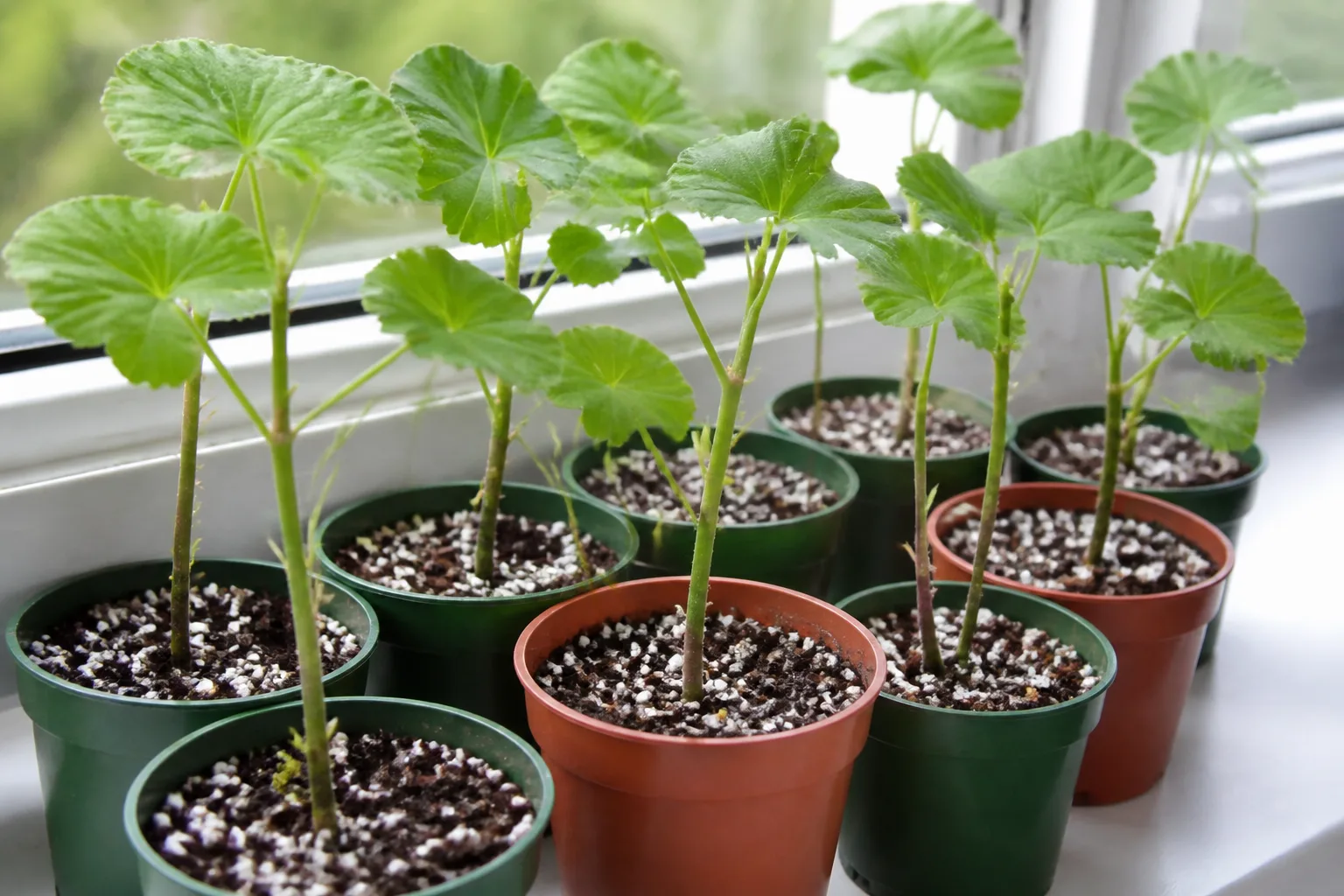
Rex begonias propagate reliably by rhizome division, leaf petiole cuttings, and leaf-section cuttings—not from seed. Hybrid seed produces unpredictable seedlings; you will not clone the parent (UConn Home and Garden Education Center). Spring is the best window for all methods.
Rhizome division: Unpot in spring. Gently tease apart rhizome sections so each division has roots and several leaves. Pot divisions in shallow containers with fresh mix. Keep evenly moist and out of direct sun for two weeks.
Leaf petiole cuttings: Cut a healthy leaf where the petiole meets the rhizome. Trim the petiole base cleanly; optional rooting hormone on the cut. Insert the petiole vertically so only the stalk is buried—not the leaf blade. Cover with a loose clear bag for humidity; vent daily. Roots and new plantlets typically appear in 6–10 weeks (UConn Home and Garden Education Center).
Leaf-section method: Lay the leaf flat and cut major veins; pin sections to moist mix or place vein cuts in contact with perlite. Mini plantlets emerge from veins over several weeks. This method saves material when a leaf breaks. Full step-by-step: Begonia Rex propagation.
Repotting When the Rhizome Outgrows the Pot
Rex begonias are happily potted until the rhizome butts against the pot sides or growth stalls despite good care (NC State Extension). Repot in spring, not during winter dormancy. Choose a pot one size larger—often only 1–2 inches wider—or the same size if you are refreshing exhausted mix without dividing.
Use fresh, light mix; sit the rhizome at the same depth it grew before—buried crowns rot. After repotting, water lightly and keep humidity high without soaking. Many growers refresh stock every few years by leaf cuttings because older rhizomes lose vigor even when potted correctly (UConn Home and Garden Education Center). See repotting guide for division-at-repot timing.
Common Pests and Diseases
UC IPM lists begonia pests including mealybugs, spider mites, aphids, thrips, and scale, plus diseases such as powdery mildew, botrytis, bacterial leaf spots, and root rots (UC IPM). Rex begonias are not pest-proof; stressed, wet, or dusty plants attract trouble faster.
Mealybugs hide in leaf axils and soil crevices. Isolate affected plants; dab insects with 70% isopropyl alcohol on a cotton swab or apply insecticidal soap per label. Remove dead leaves from the soil surface so mealybugs lose shelter (NC State Extension).
Spider mites flare in hot, dry air, causing stippled yellow leaves and fine webbing (UConn Home and Garden Education Center). Raise humidity, rinse soil surface debris, and use insecticidal soap or horticultural oil on undersides—never on wilted plants in direct sun. Spider mites on Begonia Rex covers repeat treatments.
Powdery Mildew and Botrytis Prevention
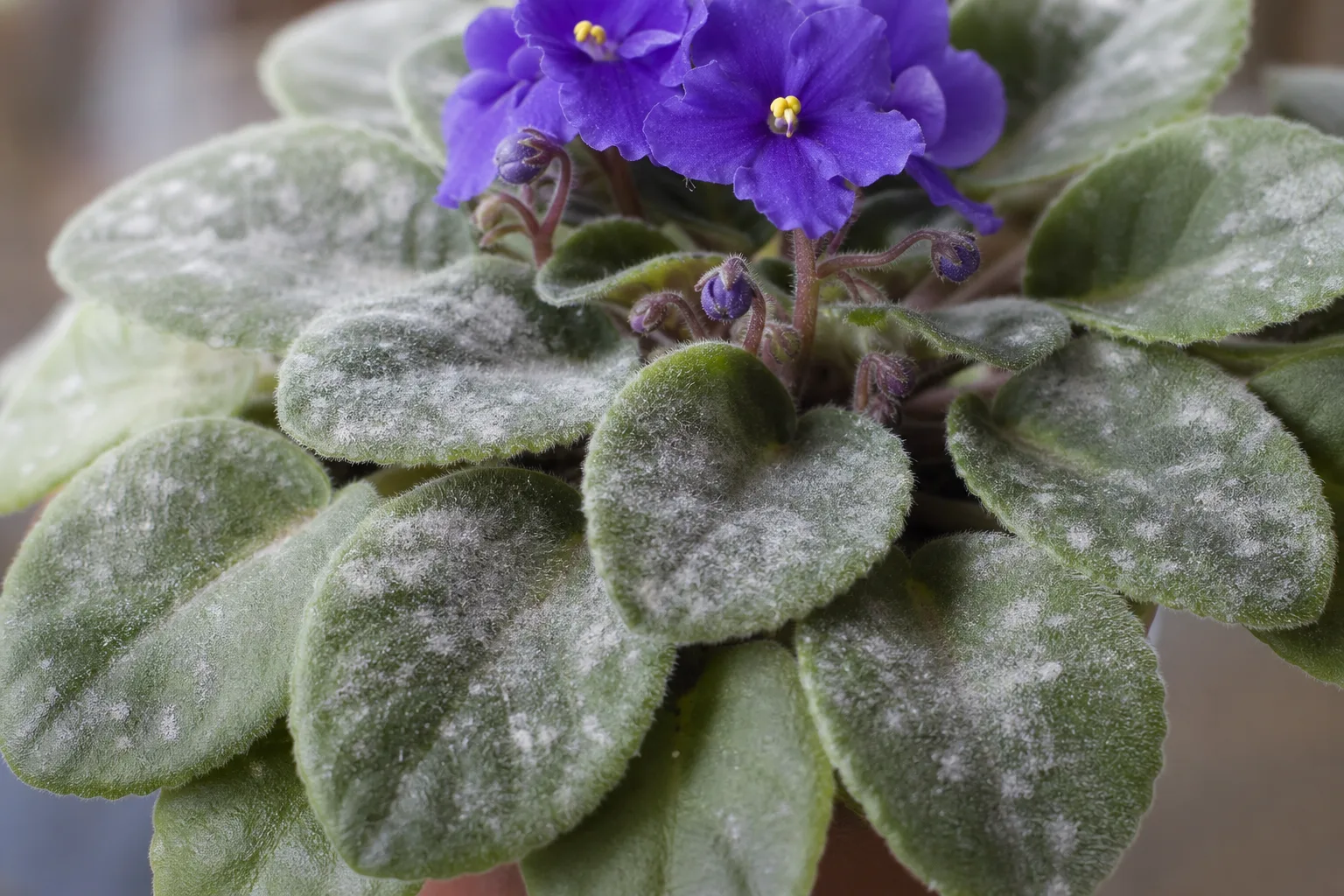
Powdery mildew starts as spotting and leaf curl, then white patches on foliage (UConn Home and Garden Education Center). Botrytis (gray mold) follows wet, dead tissue in stagnant air. Prevention beats chemicals: keep leaves dry, remove spent foliage promptly, and space plants for airflow (NC State Extension). UConn notes neem oil or horticultural oil as lower-toxicity options when mildew appears early (UConn Home and Garden Education Center). Reserve systemic fungicides for severe, repeated outbreaks after cultural fixes fail.
Troubleshooting Wilting, Soft Leaves, and Leaf Drop
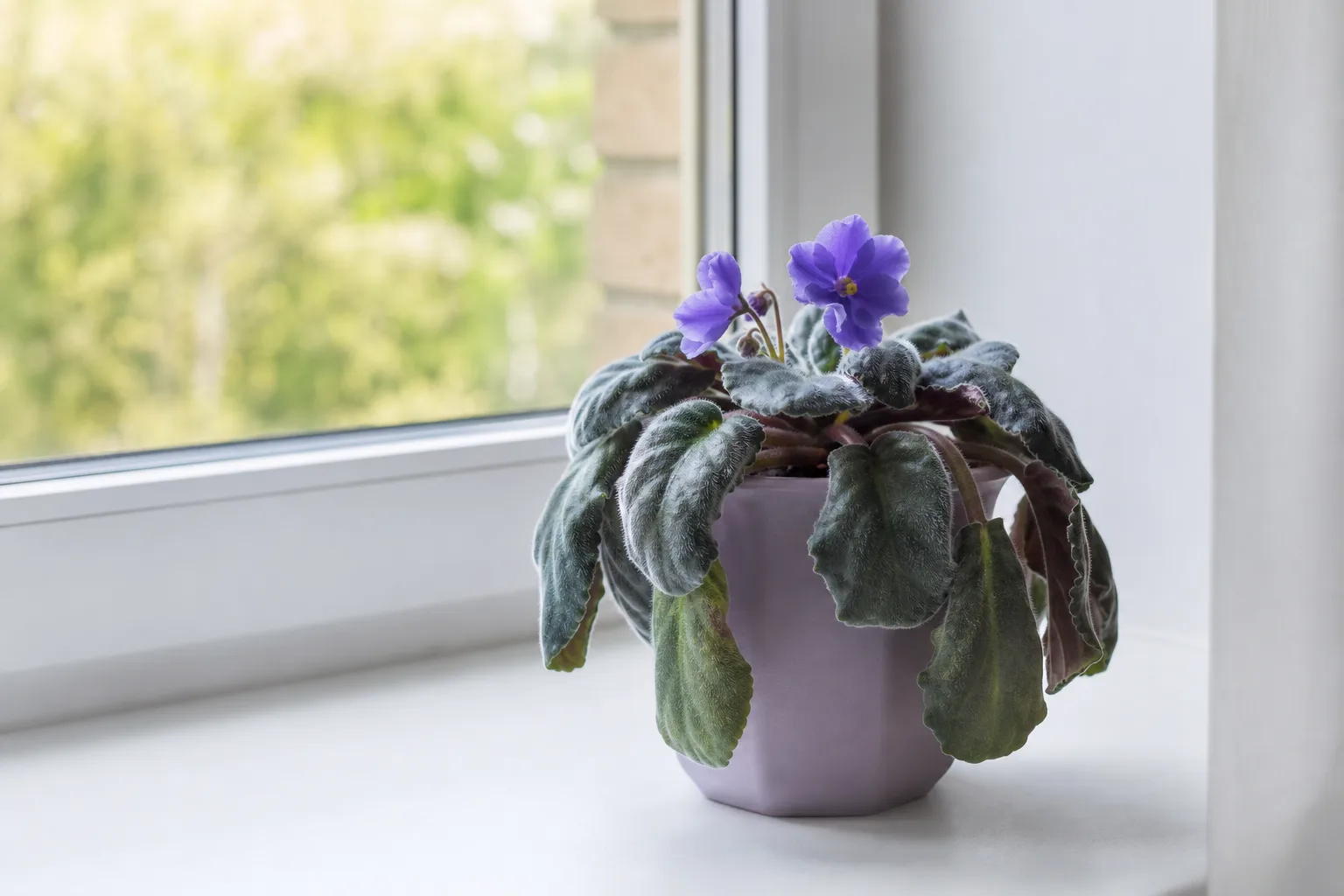
Wilting is a symptom, not a diagnosis. Run this sequence before you change anything drastic:
- Feel the mix. Soggy and wilted → overwatering or blocked drainage; dry and light → underwatering.
- Check light. Leggy pale growth plus drop → too dim; scorched patches → too bright.
- Inspect humidity. Crisp tips with correct watering → dry air.
- Look under leaves for mites, mealybugs, or mildew.
- Sniff and probe the rhizome. Mushy crowns mean rot—trim black tissue, repot into dry mix, reduce water.
Soft, thin leaves usually mean chronic overwatering or alternating flood/drought cycles. Sudden leaf drop in winter with reduced watering often tracks dormancy, not failure (UConn Home and Garden Education Center). Fix one variable at a time; rex begonias hate stacked interventions (repot + feed + move the same week). Persistent wilting or root rot after corrections may require propagation from a healthy leaf while you discard the rhizome.
Toxicity, Handling, and Pet Safety
Rex begonias are toxic to cats, dogs, and horses (ASPCA). Toxic principles include soluble calcium oxalates; the underground parts are most toxic, but leaves and stems still cause vomiting and salivation in pets if chewed (ASPCA). NC State also notes low-severity poison characteristics and possible contact dermatitis in sensitive people (NC State Extension).
Keep rex begonias on high shelves or in closed rooms away from pets and toddlers. Wear gloves if sap irritates your skin when propagating. If ingestion occurs, contact your veterinarian or ASPCA Animal Poison Control at (888) 426-4435. Do not rely on rex begonias as “outdoor shade color” in yards where dogs dig—rhizomes are the highest-risk tissue.
Conclusion
Rex begonias reward growers who treat them as rhizome-and-humidity plants, not generic leafy houseplants. Give bright indirect light, a shallow well-draining pot, water when the top inch dries (preferably from the bottom), and 50%+ humidity without misting leaves. Feed lightly during active growth, expect winter slowdown, and propagate by division or leaf cuttings when you want backups—never from seed if you need a matching cultivar.
When leaves wilt, diagnose moisture, light, humidity, and pests in that order before repotting or spraying fungicides. If pets share your home, choose a non-toxic alternative instead—the painted leaves are not worth an emergency vet visit. Nail those basics and a rex begonia stays a living watercolor for years; skip them and even an “easy” cultivar will look like a different plant by spring.